
The Emotional Rollercoaster: Preparing for the Ups and Downs of Divorce Recovery


Welcome to Mind Care Guide, a safe space to navigate the complexities of mental well-being.
Feeling lost and overwhelmed after a divorce? You're not alone. This article, " The Emotional Rollercoaster: Preparing for the Ups and Downs of Divorce Recovery," offers a comprehensive look at the emotional landscape you might encounter and introduces vital divorce recovery emotional support resources. Discover actionable steps and empathetic guidance to help you heal and rebuild. Curious about finding peace again? Let's begin.
The Emotional Rollercoaster: Preparing for the Ups and Downs of Divorce Recovery
- Understanding the Emotional Landscape of Divorce Recovery
- Navigating the Ups and Downs: A Practical Guide
- Seeking Emotional Support Resources for Divorce Recovery
- Rebuilding Your Life: Focusing on Self-Care and Growth
- Divorce Recovery Emotional Support Resources: A Curated List
- Maintaining Long-Term Emotional Well-being After Divorce
- The Importance of Professional Guidance in Divorce Recovery
- Beyond the Rollercoaster: Finding Peace and Happiness After Divorce
- Divorce and Mental Health: Addressing Specific Challenges
-
Frequently Asked Questions
- What are some common emotions experienced during divorce recovery?
- How long does divorce recovery typically take?
- Where can I find divorce recovery emotional support resources?
- What are some healthy coping mechanisms during divorce recovery?
- How can I support my children through the divorce process?
- Final Reflection: Navigating the Emotional Terrain of Divorce
- Rediscover Your Strength: Next Steps on Your Journey
Understanding the Emotional Landscape of Divorce Recovery
Divorce is often described as one of life's most stressful events, second only to the death of a spouse. It triggers a complex array of emotions that can feel overwhelming and unpredictable, much like a rollercoaster ride. Navigating this period successfully requires acknowledging these feelings and actively seeking pathways towards healing.
Understanding the emotional landscape of divorce recovery is the first critical step. It involves recognizing that there isn't a linear path to healing and that setbacks are a normal part of the process. Preparing yourself for this journey means equipping yourself with knowledge about common emotional responses and understanding the vital role of support systems.
Recognizing the Common Emotional Stages After Divorce
While individual experiences vary greatly, many people moving through divorce recovery encounter a similar spectrum of emotions and stages. Initially, shock and denial can act as a buffer, making it difficult to fully process the reality of the situation. This might be followed by intense feelings of anger, frustration, and even rage, directed at the former spouse, oneself, or the circumstances.
Grief is a pervasive emotion, mourning not just the loss of the relationship but also the loss of a shared future, identity, and potentially a family unit as it was known. Sadness and depression can settle in, sometimes lasting for months or even years. Anxiety about the future – financial stability, single parenthood, finding a new home – is also common.
Acceptance is often the final stage, representing a shift towards rebuilding and finding peace, though elements of earlier emotions can resurface periodically. Studies suggest that while acute distress might peak within the first year, the full process of adjusting and feeling "recovered" can take several years for many individuals.
Why Divorce Recovery Requires Emotional Support
The profound disruption caused by divorce impacts nearly every aspect of life, making emotional support not just helpful, but often essential for healthy recovery. The sheer weight of managing legal processes, financial restructuring, potential co-parenting challenges, and social adjustments alongside intense personal grief can be debilitating. Without adequate support, individuals may struggle to cope, leading to prolonged distress, impaired decision-making, and negative impacts on physical health.
Emotional support provides a vital lifeline, offering validation, understanding, and a safe space to express difficult feelings without judgment. It helps counter feelings of isolation, which are incredibly common after separation. Having access to Divorce recovery emotional support resources allows individuals to gain perspective, learn coping strategies, and feel less alone in their journey. Research indicates that individuals who utilize support systems during divorce report better emotional adjustment and a greater sense of well-being in the long term compared to those who attempt to navigate the process in isolation.
Successfully navigating the unpredictable nature of divorce recovery requires practical strategies and self-awareness. The journey involves acknowledging the fluctuations in mood and energy levels, and developing tools to manage difficult moments effectively. It's about building resilience one day at a time.
This section focuses on concrete steps you can take to handle the emotional turbulence. From identifying personal triggers to actively coping with grief and building inner strength, these strategies are designed to empower you as you move through this challenging transition.
Identifying and Managing Triggering Situations During Divorce
Certain situations or events can unexpectedly trigger intense emotional reactions during divorce recovery. These triggers might include encountering your former spouse, visiting places you shared, hearing specific songs, dealing with legal paperwork, or even social events where you feel like the "odd one out." Identifying these triggers is crucial because it allows you to anticipate potential emotional storms and develop strategies to manage them proactively. Keeping a journal for a few weeks can help pinpoint recurring triggers and the emotions they evoke.
Once identified, managing triggers involves developing coping mechanisms. If seeing your ex at a child's school event is a trigger, plan who will attend or agree on minimal interaction. If certain places are difficult, avoid them temporarily or visit with a supportive friend.
For paperwork triggers, set aside dedicated time when you feel calm, perhaps with a support person present, and follow it with a self-care activity. Learning to recognize the early signs of being triggered – increased heart rate, tension, negative thoughts – allows you to pause and apply a coping technique, such as deep breathing or stepping away, before the emotion becomes overwhelming.
Coping with Feelings of Grief and Loss After Separation
Grief after divorce is a multifaceted process, mourning not just the relationship itself, but also the loss of identity tied to being married, the disruption of family structure, financial changes, and potentially losing connections with mutual friends or in-laws. This grief can manifest physically (fatigue, difficulty sleeping), emotionally (sadness, anger, guilt), and cognitively (difficulty concentrating, rumination). It's important to allow yourself to feel these emotions without judgment, recognizing that there is no fixed timeline for healing.
Effective coping involves actively processing the grief. This can include talking about your feelings with trusted friends, family, or a therapist. Writing in a journal can provide an outlet for complex emotions. Engaging in symbolic acts, like packing away items that represent the past relationship when you feel ready, can also be helpful. It's also vital to balance processing grief with engaging in activities that bring some measure of comfort or joy. While you might feel overwhelmed by sadness, consciously scheduling time for hobbies, exercise, or social interaction can prevent you from becoming consumed by grief.
Building Resilience: Strategies for Emotional Strength
Resilience is the ability to bounce back from adversity, and it's a capacity that can be intentionally built during divorce recovery. It's not about avoiding pain, but about developing the inner strength to navigate it and emerge stronger. A core component of building resilience is cultivating a positive, yet realistic, mindset. This involves reframing negative self-talk and focusing on your strengths and past successes in overcoming challenges.
Practical strategies for building resilience include establishing healthy routines – consistent sleep, balanced nutrition, and regular physical activity – which provide a stable foundation when life feels chaotic. Setting small, achievable goals, whether personal or professional, can create a sense of progress and accomplishment. Practicing self-compassion is also key; treat yourself with the same kindness and understanding you would offer a friend going through a similar hardship. Resilience is a marathon, not a sprint, built through consistent effort in caring for your physical, mental, and emotional well-being.
Seeking Emotional Support Resources for Divorce Recovery
You don't have to navigate the complexities of divorce recovery alone. Accessing appropriate emotional support can make a significant difference in your healing journey. There are numerous Divorce recovery emotional support resources available, ranging from professional therapy to peer support groups and online platforms.
Identifying the right type of support depends on your individual needs, personality, and circumstances. Some individuals benefit most from one-on-one professional guidance, while others find solace and strength in connecting with peers who understand their experience firsthand. Often, a combination of resources provides the most comprehensive support.
Finding a Therapist or Counselor Specialized in Divorce
A therapist or counselor specializing in divorce can provide invaluable professional guidance through the emotional challenges of separation. They offer a neutral, confidential space to process feelings, develop coping strategies, and gain perspective. Therapists can help address issues such as grief, anger, anxiety, depression, identity changes, and co-parenting conflicts. Look for licensed professionals with experience in relationship issues, trauma, or family transitions.
When seeking a therapist, consider their therapeutic approach and whether it aligns with your needs. Cognitive Behavioral Therapy (CBT) can help challenge negative thought patterns, while psychodynamic therapy might explore underlying issues. Many therapists offer a brief initial consultation, which is a good opportunity to assess their style and ensure you feel comfortable. Don't hesitate to speak with a few different professionals to find the best fit, as the therapeutic relationship itself is a key factor in successful outcomes.
Joining Divorce Support Groups: Connecting with Others
Divorce support groups offer a unique form of emotional support by connecting you with others who are experiencing similar challenges. Sharing your story in a group setting can reduce feelings of isolation and provide validation that your emotions and struggles are normal. Hearing how others are coping can offer new perspectives and practical strategies.
These groups can be structured, led by a facilitator or therapist, or more informal peer-led gatherings. Many meet weekly or bi-weekly, providing a consistent source of connection. Participants often share experiences related to legal issues, financial stress, parenting challenges, loneliness, and dating after divorce. The sense of community and shared understanding found in support groups is a powerful component of Divorce recovery emotional support resources, helping individuals feel less alone and more empowered to move forward.
Utilizing Online Resources for Emotional Well-being
The digital age offers a wealth of online resources that can supplement traditional forms of support during divorce recovery. Websites, blogs, podcasts, and social media groups dedicated to divorce and mental health provide information, inspiration, and connection. Many offer articles on specific topics like managing holiday stress after divorce or navigating co-parenting communication.
Online communities and forums allow individuals to connect with peers globally, offering support at any hour. While not a substitute for professional help, these platforms can provide a sense of community, practical tips, and emotional validation. When using online Divorce recovery emotional support resources, it's important to seek out reputable sources and be mindful of privacy and the potential for encountering misinformation.
Rebuilding Your Life: Focusing on Self-Care and Growth
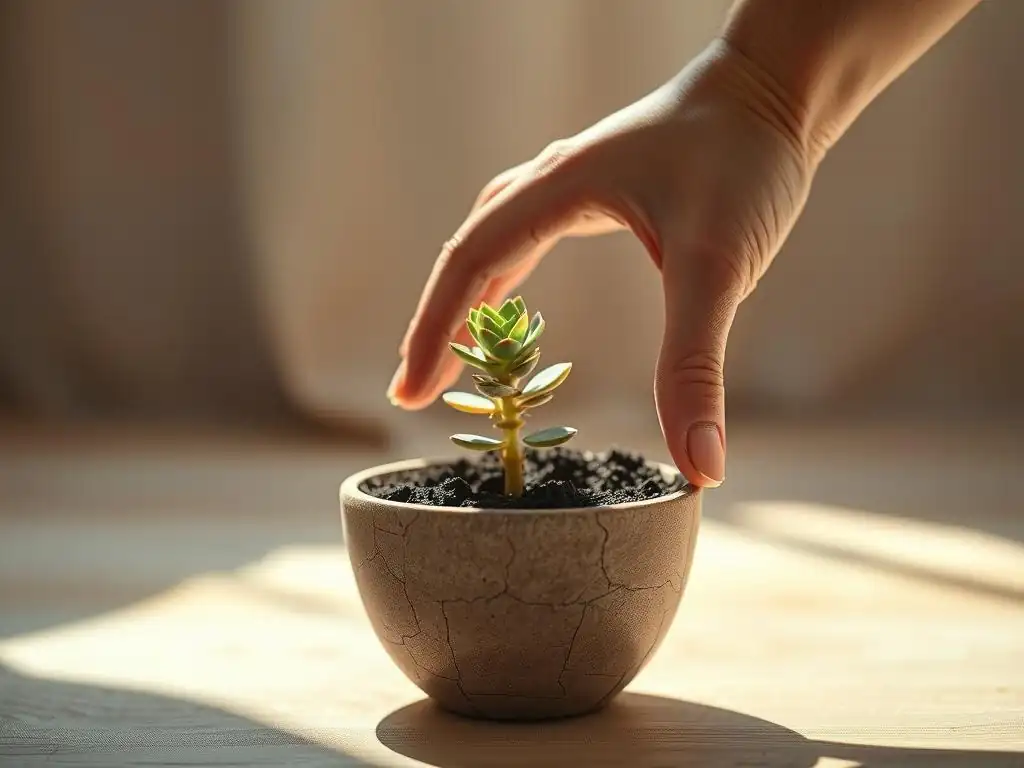
Divorce recovery is not just about healing from the past; it's fundamentally about rebuilding your life and focusing on personal growth. This transition presents an opportunity to redefine yourself, discover new interests, and create a future aligned with your individual values and desires. Prioritizing self-care is foundational to this process.
This phase of recovery is about actively taking steps to nurture your well-being and set a positive trajectory for the future. It involves intentional effort in caring for yourself, setting achievable goals, and embracing the potential that lies ahead, even amidst uncertainty.
Prioritizing Self-Care Activities During Divorce Recovery
Self-care during divorce recovery is not a luxury; it's a necessity for emotional, mental, and physical health. The stress of divorce can deplete your resources, making it crucial to actively replenish them. Prioritizing self-care means consciously scheduling time for activities that nourish you. This could include simple things like ensuring you get enough sleep (aiming for 7-9 hours), eating nutritious meals, and staying hydrated.
Beyond the basics, self-care involves engaging in activities that bring you joy or relaxation. This might be reading, listening to music, spending time in nature, taking baths, practicing yoga, or pursuing a long-neglected hobby. Even dedicating 15-30 minutes daily to a self-care activity can significantly impact your mood and energy levels. Remember, self-care is about meeting your own needs so you have the capacity to handle challenges and begin to thrive.
Setting Realistic Goals for Emotional Healing
Emotional healing is a process, and setting realistic goals can provide a sense of direction and progress without creating undue pressure. Unrealistic expectations, such as feeling "completely over it" within a few months, can lead to disappointment and frustration. Instead, focus on smaller, manageable goals related to coping and well-being.
Examples of realistic goals might include attending one support group meeting a week, journaling for 10 minutes each day, meeting a friend for coffee, or trying a new exercise class. These goals are measurable and achievable, providing a sense of accomplishment. As you progress, you can set slightly larger goals, such as planning a weekend trip or taking on a new project at work. Celebrating small victories is important and reinforces your capacity for growth and healing.
Embracing New Beginnings: Moving Forward After Divorce
Embracing new beginnings requires a shift in perspective – viewing the end of a marriage not just as a loss, but also as an opportunity. This doesn't diminish the pain, but it allows space for hope and potential. It's a chance to explore aspects of yourself that may have been dormant during the marriage or to pursue interests that weren't previously possible.
Moving forward involves actively building the life you want. This might mean redecorating your living space, exploring new friendships, going back to school, changing careers, or traveling. It's about taking intentional steps to create a future that excites you. While acknowledging the past is part of healing, dwelling on it can hinder progress. Embracing new beginnings is about focusing your energy on creating positive experiences and building a fulfilling life on your own terms.
Divorce Recovery Emotional Support Resources: A Curated List
Accessing the right Divorce recovery emotional support resources is key to navigating the challenging period after separation. While professional help is invaluable, a variety of other resources can offer information, connection, and practical guidance. This curated list provides examples of different types of support available.
It's important to explore various options and find what resonates best with your personal needs and preferences. What works for one person may not work for another, and your needs may change over time as you move through different stages of recovery.
Books and Articles on Divorce and Emotional Health
Literature can be a powerful source of validation, information, and comfort during divorce recovery. Numerous books offer insights into the emotional process of divorce, coping strategies, legal aspects, and rebuilding life afterwards. Reading personal stories can help you feel less alone, while expert-led guides provide practical tools.
Look for books by psychologists, therapists, or individuals who have navigated divorce and offer empathetic advice. Similarly, articles from reputable mental health websites, academic journals (simplified for a general audience), and well-being blogs can provide targeted information on specific challenges, such as managing co-parenting stress or dealing with financial anxiety post-divorce. These resources can be accessed privately and consulted at your own pace.
Online Communities and Forums for Divorce Support
Online platforms provide accessible and often anonymous Divorce recovery emotional support resources. Websites and social media groups dedicated to divorce support allow individuals to connect with others worldwide who are going through similar experiences. These communities can offer a sense of belonging and understanding, especially for those who feel isolated geographically or socially.
Forums and groups allow members to share their struggles, ask for advice, offer encouragement, and find validation. While the support can be invaluable, it's important to choose well-moderated groups and be mindful of sharing personal information. Look for communities associated with reputable organizations or known for positive and supportive interactions.
Local Support Groups and Counseling Services in [City, State]
Connecting with local Divorce recovery emotional support resources can provide in-person connections and support tailored to your community. Many cities and towns offer divorce support groups through community centers, religious organizations, or therapy practices. These groups provide an opportunity to meet others face-to-face, which can be particularly helpful for fostering a sense of real-world connection.
Local counseling services offer individual, couples (for co-parenting), or family therapy. Searching online directories for therapists specializing in divorce or family transitions in your specific area ([City, State]) can help you find qualified professionals. Local resources often have knowledge of other community-specific support services available.
Maintaining Long-Term Emotional Well-being After Divorce
Divorce recovery isn't a destination with a fixed endpoint; it's a process of integrating the experience into your life and establishing sustainable practices for long-term emotional well-being. Once the initial crisis period has passed, the focus shifts towards building a stable and fulfilling life grounded in healthy habits and strong connections.
Maintaining emotional stability requires ongoing effort and self-awareness. It involves consciously choosing behaviors that support your mental and emotional health and building a lifestyle that promotes resilience and happiness in the years following separation.
Developing Healthy Coping Mechanisms for Stress
Life after divorce will continue to present challenges, and developing healthy coping mechanisms for stress is essential for long-term emotional well-being. Unhealthy coping, such as excessive alcohol consumption, emotional eating, or avoidance, can provide temporary relief but ultimately hinder healing and create new problems.
Healthy coping involves identifying stress triggers and employing constructive strategies. This could include regular exercise, which is proven to reduce stress hormones and boost mood. Mindfulness practices like meditation or deep breathing can help manage anxiety and stay present. Engaging in creative outlets, spending time in nature, or pursuing hobbies are also effective ways to process stress and promote relaxation. Building a toolkit of diverse coping strategies allows you to respond effectively to different types of stressors.
Strong social connections are a powerful buffer against stress and a key component of long-term happiness. After divorce, social circles may shift, making it important to cultivate existing positive relationships and build new ones. Nurturing connections with supportive friends and family provides emotional support, reduces feelings of isolation, and offers opportunities for joy and shared experiences.
Actively seeking out new social connections can also enrich your life. This could involve joining clubs or groups related to your interests, volunteering, or participating in community events. Building a diverse social network ensures you have different sources of support and connection. Prioritizing quality time with loved ones and making an effort to connect with new people are investments in your long-term emotional health.
Practicing Mindfulness and Self-Compassion for Emotional Stability
Mindfulness and self-compassion are powerful practices for maintaining emotional stability after divorce. Mindfulness involves paying attention to the present moment without judgment, which can help you observe difficult emotions or thoughts without being overwhelmed by them. Regular mindfulness practice, even just a few minutes daily, can increase self-awareness and reduce reactivity to stressful situations.
Self-compassion is about treating yourself with the same kindness, understanding, and acceptance you would offer a close friend facing hardship. It involves recognizing that suffering and imperfection are part of the human experience. Practicing self-compassion means acknowledging your pain without self-criticism and extending warmth and understanding towards yourself, especially during moments of difficulty or perceived failure. These practices build inner resilience and promote a gentler, more stable relationship with yourself.
The Importance of Professional Guidance in Divorce Recovery

While self-help resources and peer support are valuable, professional guidance often plays a crucial role in navigating the deeper emotional complexities of divorce recovery. Therapists and counselors offer specialized expertise and objective support that friends and family, however well-meaning, cannot always provide.
Recognizing when professional help is needed and finding the right fit is a critical step in ensuring a healthy and comprehensive recovery. Professional support can provide targeted strategies for specific challenges and help address underlying issues that may be exacerbated by the divorce.
Recognizing When to Seek Professional Help
It's beneficial to seek professional help if you are struggling to cope with the emotional impact of divorce, even if you are utilizing other Divorce recovery emotional support resources. Specific indicators that professional support might be necessary include prolonged feelings of intense sadness, hopelessness, or anxiety that interfere with daily functioning (work, parenting, self-care).
Other signs include difficulty sleeping or eating, increased reliance on alcohol or drugs to cope, intrusive thoughts about the divorce, inability to find pleasure in activities you once enjoyed, or thoughts of harming yourself or others. Even if you don't experience these severe symptoms, a therapist can provide valuable support in processing complex emotions, improving communication (especially in co-parenting), and developing healthy coping mechanisms.
Choosing the Right Therapist or Counselor for Your Needs
Finding the right therapist is a personal process, as the connection you have with your counselor is vital for effective therapy. Start by considering what type of support you need (individual, family, co-parenting) and look for licensed professionals (e.g., licensed clinical social workers, licensed professional counselors, licensed marriage and family therapists, psychologists) with experience in divorce, grief, or trauma.
Consider practical factors like location, availability, and fees or insurance coverage. Many therapists offer a brief phone consultation, which is an excellent opportunity to ask about their approach, experience with divorce, and gauge whether their personality and style feel like a good match for you. Don't feel obligated to stick with the first therapist you meet if it doesn't feel right; finding a good therapeutic relationship is worth the effort.
Questions to Ask Potential Therapists About Their Approach to Divorce Counseling
To help you choose the best fit, prepare a few questions for potential therapists during an initial consultation. This demonstrates your engagement and helps you understand their expertise. You might ask:
- What is your experience working with individuals going through divorce?
- What therapeutic approach do you typically use for divorce recovery (e.g., CBT, psychodynamic, narrative therapy)?
- How do you help clients process grief and loss related to divorce?
- Can you help with specific challenges like co-parenting or rebuilding identity after divorce?
- What are your fees, and do you accept my insurance?
- What is your availability for appointments?
Asking these questions allows you to assess their understanding of divorce-specific issues and whether their methods align with your needs and expectations for Divorce recovery emotional support resources.
Beyond the Rollercoaster: Finding Peace and Happiness After Divorce
The journey through divorce recovery eventually moves beyond simply coping with the ups and downs towards finding genuine peace and happiness. This phase is about integrating the experience, learning from it, and actively constructing a fulfilling life that is no longer defined by the past marriage or the divorce itself.
Finding peace and happiness is an active process that involves shifting perspective, cultivating gratitude, and intentionally building a life that reflects your values and brings you joy. It's about recognizing that divorce, while painful, can also be a catalyst for positive change and personal growth.
Reframing Your Perspective on Divorce
Reframing your perspective on divorce involves consciously shifting from viewing it solely as a failure or a loss to seeing it as a significant life transition that, while difficult, has led you to a new path. This doesn't mean minimizing the pain or challenges, but rather acknowledging the potential for growth and new opportunities that have emerged.
Consider the lessons learned about yourself, your needs, and relationships. Perhaps you've discovered strengths you didn't know you had, developed greater independence, or gained clarity on what you truly want in life. Viewing the experience through a lens of learning and resilience, rather than just regret or victimhood, can significantly impact your emotional well-being and ability to move forward positively.
Focusing on Gratitude and Positive Experiences
Even during difficult times, cultivating gratitude can shift your focus from what was lost to what remains and what is being built. Regularly taking time to acknowledge things you are grateful for – your health, supportive friends, your children, a stable job, small moments of beauty in your day – can foster a more positive outlook and increase overall life satisfaction.
Actively seeking out and creating positive experiences is also crucial. This could involve pursuing hobbies you enjoy, spending time with people who uplift you, exploring new places, or engaging in activities that bring you a sense of flow or joy. Intentionally focusing on and appreciating these positive elements helps counterbalance the negative emotions that can linger after divorce and reinforces your capacity for happiness.
Creating a Fulfilling Life After Separation
Creating a fulfilling life after separation is the ultimate goal of divorce recovery. It involves consciously designing a life that aligns with your values, interests, and aspirations, independent of your former spouse. This is an opportunity to build a life that truly reflects who you are as an individual.
This process might involve setting new personal or professional goals, pursuing education or training, dedicating time to passions, volunteering, or traveling. It's about actively engaging with the world and building a life rich in meaning and purpose. A fulfilling life post-divorce is not about replacing the old one, but about building a new, vibrant life that brings you lasting peace and happiness.
Divorce and Mental Health: Addressing Specific Challenges
Divorce can significantly impact mental health, sometimes triggering or exacerbating conditions like anxiety and depression. The stress, grief, and uncertainty inherent in the process can take a toll. It's crucial to recognize the potential mental health challenges associated with divorce and actively seek support for them.
Addressing specific mental health issues is a vital component of comprehensive divorce recovery. This section highlights common challenges faced and emphasizes the importance of seeking appropriate Divorce recovery emotional support resources when these issues arise.
Managing Anxiety and Depression Post-Divorce
Anxiety and depression are two of the most common mental health challenges experienced after divorce. The significant life changes, financial worries, and uncertainty about the future can fuel anxiety, manifesting as excessive worry, restlessness, difficulty concentrating, and physical symptoms like headaches or stomach issues. Depression can stem from the profound sense of loss and grief, leading to persistent sadness, loss of interest, fatigue, changes in appetite or sleep, and feelings of worthlessness.
Managing these conditions often requires a multi-faceted approach. Therapy, particularly CBT or Interpersonal Therapy, can provide effective strategies for challenging negative thought patterns and improving coping skills. Lifestyle changes like regular exercise, a healthy diet, and sufficient sleep are also crucial. In some cases, medication may be necessary to manage symptoms under the guidance of a medical professional. Utilizing Divorce recovery emotional support resources, including professional help, is essential for addressing anxiety and depression effectively.
Dealing with Feelings of Isolation and Loneliness
Divorce can dramatically alter social circles and daily routines, often leading to significant feelings of isolation and loneliness. You might lose connections with mutual friends, spend less time with your former in-laws, or simply miss the constant companionship of a partner. This can be particularly acute if you were heavily reliant on your spouse for social interaction or if friends take sides.
Countering isolation requires intentional effort to build and maintain social connections. Reaching out to supportive friends and family is a critical first step. Joining divorce support groups provides connection with others who understand your experience. Actively seeking out new social opportunities through hobbies, clubs, or volunteering can help build a new social network. Scheduling regular social interactions, even simple coffee dates, can help combat feelings of loneliness and foster a sense of belonging.
Coping with High-Conflict Co-Parenting
For parents, divorce often involves navigating the complexities of co-parenting, which can be a significant source of stress, especially in high-conflict situations. Disagreements over parenting styles, schedules, finances, or communication can lead to ongoing tension and conflict, impacting both parents and children. High-conflict co-parenting can exacerbate feelings of anger, frustration, and helplessness.
Coping with high-conflict co-parenting requires setting clear boundaries and focusing on communication strategies that minimize conflict. This might involve using written communication (email or co-parenting apps) instead of phone calls or in-person discussions to keep interactions documented and less emotionally charged. Focusing only on child-related matters and avoiding engaging in arguments or personal attacks is crucial. Mediation or co-parenting counseling can provide professional guidance on establishing effective communication and conflict resolution strategies for the benefit of the children and the parents' peace of mind.
Frequently Asked Questions
What are some common emotions experienced during divorce recovery?
Divorce recovery often involves a wide range of emotions, including grief, anger, fear, and relief. It's crucial to acknowledge and process these feelings for healthy healing. Seeking divorce recovery emotional support resources can be helpful.
How long does divorce recovery typically take?
There's no set timeline for divorce recovery. It varies greatly depending on individual circumstances, but generally, it takes several months to years to fully adjust. Patience and self-compassion are key.
Where can I find divorce recovery emotional support resources?
Divorce recovery emotional support resources are available through therapists, support groups, online forums, and community centers. Mind Care Guide offers some suggestions within its resources section, focusing on building emotional resilience.
What are some healthy coping mechanisms during divorce recovery?
Healthy coping mechanisms include exercising, practicing mindfulness, connecting with loved ones, and engaging in hobbies. Avoid unhealthy coping strategies like substance abuse. Focus on self-care and emotional well-being.
How can I support my children through the divorce process?
Prioritize your children's emotional needs by providing stability, open communication, and reassurance. Avoid speaking negatively about the other parent in front of them. Seek child-focused divorce recovery support if needed.
The emotional aftermath of divorce is not a fleeting storm; it's a complex landscape demanding careful navigation. Many believe that time heals all wounds, but true recovery requires proactive engagement with the emotional turmoil, a journey often fraught with unexpected twists and turns. This article has explored the diverse emotional stages of divorce recovery, highlighting the importance of self-compassion, seeking support, and developing healthy coping mechanisms. Understanding these stages is crucial, not just for immediate healing, but for building a resilient and fulfilling future.
The impact of divorce extends far beyond the legal proceedings; it reshapes identities, relationships, and self-perception. It's a deeply personal experience, leaving an indelible mark on the emotional landscape. The journey is rarely linear, often characterized by periods of intense grief, anger, and uncertainty interspersed with moments of hope and self-discovery. As Maya Angelou wisely said, Nothing can dim the light which shines from within.
This quote resonates deeply because it underscores the inherent strength and resilience within each individual grappling with divorce, a strength that can be nurtured and amplified through self-care and the support of others.
Now, consider your own journey. What resonates most with you from the information presented? What steps can you take today to prioritize your emotional well-being? Remember, seeking professional help is a sign of strength, not weakness. Embrace the opportunity to rebuild your life, stronger and wiser than before. Invest in yourself, cultivate self-compassion, and allow yourself the time and space needed to heal. The path to recovery is unique to each individual, but the destination – a life filled with joy, peace, and self-acceptance – is worth the journey.
Rediscover Your Strength: Next Steps on Your Journey
Thanks for taking the time to explore the emotional landscape of divorce recovery. We hope this article provided valuable insights and a sense of hope for the future. Now, it’s time to turn those insights into action.
- Prioritize self-care: Schedule at least one activity this week that nurtures your well-being – a long bath, a walk in nature, or a call to a supportive friend. This is your foundation.
- Explore a new hobby or skill: Learning something new can be incredibly empowering and help you rediscover hidden passions. Consider trying something you always wanted to do but never had the time for.
- Share your experience (if you feel comfortable): Connect with others navigating similar challenges. A supportive community can make all the difference. Consider joining an online forum or support group, even anonymously.
Ready to take charge of your journey? What’s one small step you can take today to prioritize your emotional well-being?