
Peer Support Power: The Benefits of Connecting with Other Caregivers (Resources)

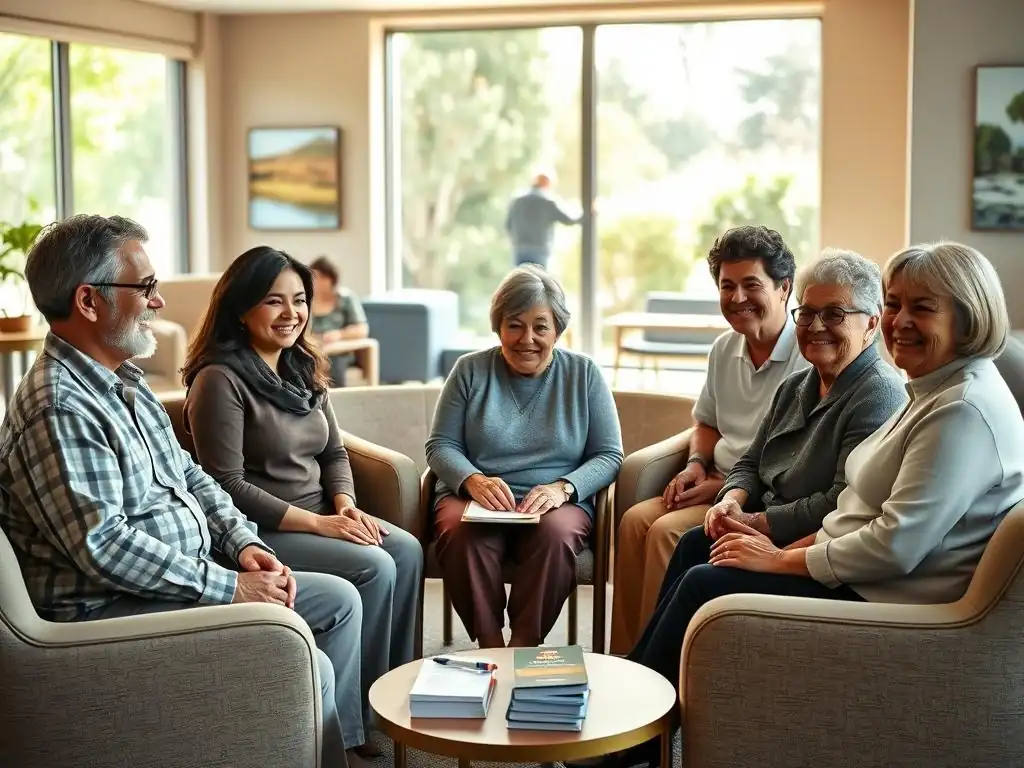
Welcome to Mind Care Guide, where your journey to mental well-being begins! Here, we understand that caregiving can often feel isolating and overwhelming, which is why we're excited to share our latest article on “Caregiver Peer Support Groups Benefits.” Discover the transformative power of connecting with others who truly understand your challenges and triumphs. As you delve into this enlightening resource, you’ll uncover the myriad ways that peer support can enhance your resilience and emotional health.
Join us in exploring the profound impact of community, and take the next step in nurturing not only those you care for but also yourself. Your path to support and understanding starts here!
- Peer Support Power: Unveiling the Benefits of Connecting with Other Caregivers (Resources)
- Exploring the Benefits of Caregiver Peer Support Groups
- Types of Caregiver Peer Support Networks
- How to Find and Join Caregiver Peer Support Groups
- Maximizing the Benefits of Your Caregiver Peer Support Experience
- Resources for Caregivers: Finding the Right Support System
- Cultivating Resilience Through Caregiver Peer Support
- Caregiver Peer Support Groups: A Vital Component of Self-Care
-
Frequently Asked Questions
- What are the primary benefits of joining caregiver peer support groups?
- How can caregiver peer support groups help manage stress and burnout?
- What types of resources are typically available within caregiver peer support groups?
- Are caregiver peer support groups typically led by professionals, or are they self-organized?
- Where can I find caregiver peer support groups in my community?
- Final Reflection: The Enduring Power of Shared Experience
- Unleash Your Support Network: Take Charge of Your Caregiving Journey
Peer Support Power: Unveiling the Benefits of Connecting with Other Caregivers (Resources)
The Demands and Challenges of Caregiving
Caregiving is a profoundly demanding role, encompassing a wide array of responsibilities that often extend far beyond basic assistance. Many caregivers juggle managing complex medical routines, administering medications, coordinating appointments, providing personal care, and handling household finances, all while often maintaining their own jobs and family commitments. Research indicates that caregivers spend, on average, over 24 hours per week providing care, with many dedicating significantly more time, equivalent to a full-time job. This relentless pace leaves little time for personal needs, rest, or social engagement.
The emotional and physical toll of caregiving is substantial. Caregivers face increased risks of depression, anxiety, and chronic health problems compared to non-caregivers. For example, studies have shown that up to 70% of family caregivers show clinically significant symptoms of depression.
The constant pressure, lack of sleep, and emotional strain can lead to burnout, a state of physical, emotional, and mental exhaustion. Navigating the healthcare system, dealing with challenging behaviors from the care recipient, and coping with the progressive nature of certain illnesses add layers of complexity and stress, making external support not just helpful, but essential for sustaining well-being.
Why Caregiver Peer Support is Crucial
Given the unique and often isolating nature of caregiving, connecting with others who truly understand the journey is invaluable. Caregiver peer support groups offer a safe space where individuals can share their experiences without judgment, finding validation and empathy from people walking a similar path. Unlike support from friends or family who may sympathize but not fully grasp the day-to-day realities, peers in a support group have lived through or are currently facing similar challenges.
The benefits of caregiver peer support groups are multifaceted. They provide a sense of community that combats the isolation many caregivers feel. Knowing you are not alone in your struggles – whether it's managing a loved one's dementia symptoms or advocating for services for a child with special needs – can significantly reduce feelings of loneliness and despair. This shared understanding forms the foundation upon which emotional resilience can be built, helping caregivers navigate the difficulties with greater strength and perspective.
Exploring the Benefits of Caregiver Peer Support Groups
Sharing your caregiving story with others who genuinely understand can be incredibly cathartic. In caregiver peer support groups, members often express feelings they might suppress elsewhere – frustration, guilt, sadness, or even anger – knowing they will be met with empathy, not criticism. This process of verbalizing emotions and experiences can alleviate significant emotional burden. For instance, a caregiver struggling with a loved one's difficult behaviors might hear from someone else who has successfully navigated a similar situation, shifting their perspective from feeling like a failure to finding hope and practical strategies.
Beyond venting, the shared experiences within these groups normalize the complex emotions associated with caregiving. Hearing others admit to feeling overwhelmed or resentful can validate a caregiver's own feelings, reducing self-blame and shame. This collective validation fosters a sense of belonging and mutual support. Studies on the benefits of caregiver support groups consistently show improvements in emotional state, with participants reporting lower levels of stress and a greater sense of psychological well-being compared to those without peer support.
Reducing Caregiver Stress and Burnout with Peer Connections
Caregiver burnout is a serious risk, driven by chronic stress and lack of adequate support. Connecting with peer caregivers provides a vital buffer against this burnout. Within a support group setting, caregivers find a space to decompress, share coping mechanisms, and receive encouragement during challenging times. The simple act of attending a regular meeting or participating in an online forum can serve as a dedicated time-out from the relentless demands of caregiving.
The practical and emotional support gained from peer connections directly contributes to stress reduction. For example, learning effective communication techniques from a seasoned caregiver or hearing how someone else manages respite care can provide tangible solutions that ease daily pressures. Furthermore, the emotional validation and sense of not being alone significantly mitigate the psychological stressors associated with isolation and feeling overwhelmed. Research indicates that caregivers participating in support groups report lower stress levels and increased capacity to cope with caregiving demands, highlighting the significant caregiver peer support groups benefits.
Gaining Practical Advice and Strategies from Fellow Caregivers
One of the most immediate and tangible benefits of caregiver peer support groups is the wealth of practical knowledge shared among members. Fellow caregivers have navigated complex systems, found creative solutions to everyday problems, and discovered resources through trial and error. This collective wisdom is often more relevant and accessible than generalized advice. For instance, a caregiver struggling to find affordable in-home help might learn about specific local agencies or government programs from another group member who has successfully utilized them.
Discussions in support groups frequently revolve around specific challenges: managing incontinence, adapting the home environment, dealing with challenging behaviors, navigating insurance paperwork, or finding respite care. Members share tips on everything from effective communication with healthcare providers to simple ways to make mealtime easier. This exchange of real-world strategies provides caregivers with a toolkit of practical solutions that can make the daily tasks of caregiving more manageable and less overwhelming, underscoring the practical caregiver peer support groups benefits.
Increased Confidence and Empowerment in Your Caregiving Role
Caregiving can often feel like an unending series of unknowns, leading to self-doubt and feelings of inadequacy. Connecting with peers who have faced similar situations and successfully navigated them can significantly boost a caregiver's confidence. Hearing stories of resilience and problem-solving from others can empower caregivers to believe in their own capabilities. For example, a new caregiver feeling overwhelmed by medical jargon might feel more confident asking questions after hearing how another group member learned to effectively communicate with doctors.
Support groups also empower caregivers by providing information and fostering advocacy skills. As caregivers share their experiences with healthcare systems or social services, they collectively identify common challenges and learn how to assert their needs and the needs of their care recipients more effectively. This shared knowledge and mutual encouragement build confidence, transforming caregivers from passive recipients of circumstances into active, informed advocates for their loved ones and themselves. The sense of shared accomplishment and mutual encouragement found in these groups is a powerful driver of empowerment.
Types of Caregiver Peer Support Networks

Online Caregiver Support Communities: Connecting Virtually
Online caregiver support communities offer unparalleled accessibility and flexibility, making them ideal for caregivers who may have limited time or mobility to attend in-person meetings. These platforms range from large forums hosted by national organizations to smaller, specialized groups on social media or dedicated websites. They provide 24/7 access to peer interaction, allowing caregivers to seek advice, share frustrations, or simply find a listening ear at any hour, regardless of their geographic location.
The anonymity offered by some online platforms can also make it easier for caregivers to open up about sensitive or difficult topics they might hesitate to discuss face-to-face. While the lack of in-person contact can sometimes be a drawback, the sheer volume of participants often means a wider range of experiences and perspectives are available. Caregivers can find support tailored to very specific situations, such as caring for someone with a rare condition or navigating the complexities of long-distance caregiving, demonstrating the broad reach of caregiver peer support groups benefits in the digital age.
Local Caregiver Support Groups: Building In-Person Connections
Local caregiver support groups provide the invaluable benefit of face-to-face interaction, fostering deeper personal connections and a stronger sense of community. Meeting in person allows for non-verbal communication, such as body language and tone of voice, which can enhance empathy and understanding. These groups often meet regularly, typically weekly or monthly, at community centers, hospitals, or places of worship, providing a consistent source of support and a scheduled break from caregiving duties.
Building relationships with local peers can also lead to informal support networks outside of scheduled meetings, such as arranging occasional respite care swaps or simply having someone nearby to call during a crisis. The tangible presence of others who understand can be incredibly comforting and validating. While requiring physical attendance, the strong bonds formed in local groups offer unique caregiver peer support groups benefits, including a profound sense of shared humanity and direct, immediate emotional support.
Specialized Support Groups: Focusing on Specific Caregiving Needs (e.g., Dementia Care, Child with Special Needs)
Caregiving experiences vary significantly depending on the specific condition or needs of the care recipient. Specialized support groups cater to caregivers facing particular challenges, offering focused discussions and tailored information. For example, a group for caregivers of individuals with Alzheimer's or dementia will focus on managing cognitive decline, behavioral changes, and long-term care planning, which are distinct from the issues faced by caregivers of children with developmental disabilities, who might discuss educational plans, therapy options, and transitioning to adulthood.
These specialized groups allow for a deeper dive into the nuances of specific conditions, providing highly relevant practical advice and emotional support. Members share resources, strategies, and coping mechanisms that are directly applicable to their unique circumstances. This targeted approach ensures that caregivers receive the most relevant and effective peer support, maximizing the specific caregiver peer support groups benefits related to their particular caregiving situation.
How to Find and Join Caregiver Peer Support Groups
Utilizing Online Directories for Caregiver Resources
A practical first step in finding a caregiver support group is to explore online directories. Many national non-profit organizations dedicated to specific conditions (like the Alzheimer's Association, the Parkinson's Foundation, or Autism Speaks) or general caregiving (like the AARP or the Family Caregiver Alliance) maintain databases of local and online support groups. These directories are often searchable by zip code, type of caregiving situation, or meeting format (online/in-person).
- Visit websites of major health or caregiver organizations.
- Look for sections labeled "Support Groups," "Resources," or "Find Help."
- Use search filters for location, condition, or group type.
- Check for contact information or meeting schedules listed.
These online resources compile information from various sources, saving caregivers significant time and effort in their search for valuable caregiver peer support groups benefits.
Contacting Local Hospitals and Healthcare Providers for Referrals
Hospitals, clinics, and healthcare providers are often aware of local support resources available to their patients and their families. Social workers, nurses, or patient navigators within these institutions can be excellent sources of referrals for caregiver support groups. They may have direct connections with group facilitators or know about programs specifically designed for caregivers of patients with certain conditions treated at that facility.
When speaking with healthcare professionals:
- Clearly state that you are a caregiver seeking support.
- Ask specifically about peer support groups for caregivers.
- Mention the condition or needs of the person you are caring for if relevant.
- Inquire if they have a list of local resources or a social worker who can assist.
This direct approach can yield personalized recommendations and connect you with groups that are already integrated into the local healthcare network, offering convenient access to caregiver peer support groups benefits.
Reaching Out to National Caregiving Organizations
National organizations focused on caregiving or specific diseases are invaluable hubs for resources. These organizations often have helplines, websites, and publications that list support groups across the country, including both their own sponsored groups and independent ones. They can also provide information on the different types of support available and help you determine which type of group might best meet your needs.
Examples of organizations to contact include:
- Family Caregiver Alliance
- AARP
- Caregiver Action Network
- Condition-specific organizations (e.g., National Multiple Sclerosis Society, American Cancer Society)
These organizations are dedicated to supporting caregivers and can provide comprehensive information on accessing caregiver peer support groups benefits, connecting you with a network of resources and understanding peers.
Maximizing the Benefits of Your Caregiver Peer Support Experience
Actively Participating and Sharing Your Experiences
Simply attending a support group meeting or joining an online forum is a good first step, but actively participating is key to unlocking the full caregiver peer support groups benefits. Sharing your own experiences, challenges, and even small victories allows others to connect with you, validates their own feelings, and creates opportunities for mutual learning. Don't feel pressured to share everything at once, but gradually opening up builds trust and rapport within the group.
Consider these actions for active participation:
- Speak up during meetings, even if it's just to introduce yourself or share one small challenge.
- Respond to posts in online forums or comment on others' shares.
- Ask questions – chances are others have the same ones.
- Offer your own insights or strategies when others share challenges you've faced.
Your willingness to be vulnerable and engaged encourages others to do the same, creating a richer and more supportive environment for everyone involved.
Listening Empathetically to Other Caregivers
While sharing is important, equally crucial is the ability to listen empathetically to others. Caregiver support groups are built on the foundation of mutual understanding and compassion. Hearing others' stories can provide new perspectives, reinforce that you are not alone, and offer valuable insights into different coping strategies. Listening without judgment creates a safe space for everyone to share freely.
empathetic listening involves:
- Giving your full attention when someone is speaking or posting.
- Acknowledging their feelings ("It sounds like that was incredibly difficult").
- Avoiding interrupting or immediately jumping in with your own story (unless it's clearly a sharing circle).
- Offering words of encouragement or validation ("Thank you for sharing, I can relate to that feeling").
By being a supportive listener, you contribute to the collective strength of the group and reinforce the positive cycle of support that defines the core caregiver peer support groups benefits.
Setting Boundaries and Prioritizing Your Own Well-being
While support groups are immensely beneficial, it's important to maintain healthy boundaries. This includes knowing when you need to step back, managing the time commitment, and ensuring the group experience remains supportive rather than overwhelming. Sometimes, hearing difficult stories from others can be emotionally taxing, especially if you are already feeling vulnerable. It's okay to take a break from attending meetings or participating online if you need to.
Prioritizing your own well-being means recognizing that the support group is a tool to help you be a better caregiver, not another obligation that depletes your energy.
- Determine how much time you can realistically commit to the group.
- Be mindful of your emotional state before and after meetings.
- It's okay to attend some meetings and skip others.
- Remember that the group is part of your support system, not the entirety of your self-care.
Maintaining these boundaries ensures that you continue to reap the positive caregiver peer support groups benefits without compromising your own much-needed rest and recovery.
Resources for Caregivers: Finding the Right Support System

National Caregiver Organizations
Several prominent national organizations offer extensive resources and support for caregivers across various conditions. These groups often provide educational materials, helplines, advocacy, and, importantly, directories or direct access to peer support networks. They serve as central hubs for information and connection, making it easier for caregivers to find the help they need.
Examples include:
- AARP: Offers resources, advocacy, and a strong online community for caregivers.
- Family Caregiver Alliance: Provides services to caregivers of adults with chronic conditions, terminal illnesses, or who are elderly. They have a strong focus on support programs.
- Caregiver Action Network: A non-profit providing education, peer support, and resources to family caregivers.
These organizations understand the complex needs of caregivers and are dedicated to providing access to valuable caregiver peer support groups benefits and other essential services.
Online Caregiver Forums and Communities
The internet hosts a vast landscape of online forums and communities specifically for caregivers. These range from large, moderated forums hosted by health organizations to smaller, more informal groups on social media platforms like Facebook. These communities offer 24/7 access to peer support, allowing caregivers to connect with others facing similar challenges at any time of day or night.
Popular types of online communities include:
- Forums attached to websites of major health organizations.
- Condition-specific groups on social media (e.g., "Caregivers of Loved Ones with ALS").
- General caregiver support groups on platforms like Facebook or Reddit.
- Dedicated online platforms designed specifically for caregiver connection.
These virtual spaces break down geographical barriers, offering accessible and continuous caregiver peer support groups benefits to those who may be isolated or have inflexible schedules.
State-Specific Caregiver Alliances
Many states have their own caregiver alliances or coalitions that focus on providing resources and support tailored to residents of that state. These organizations are often more familiar with local resources, state-specific programs (like respite care grants or Medicaid waivers), and regional support group networks. Connecting with a state-specific alliance can provide more localized and relevant information.
To find your state's alliance:
- Search online for "[Your State] Caregiver Alliance" or "[Your State] Family Caregiver Support Program."
- Contact your state's Department of Aging or Human Services.
These state-level resources can complement national resources by offering localized caregiver peer support groups benefits and information about state-funded programs that can provide additional assistance.
Cultivating Resilience Through Caregiver Peer Support
Building a Strong Support Network for Long-Term Caregiving
Caregiving is often a long-term commitment, sometimes spanning years or even decades. Sustaining this role without compromising one's own health requires building a robust and reliable support network. Caregiver peer support groups are a critical component of this network. Unlike friends or family who may tire over time or not fully grasp the intensity of the role, fellow caregivers provide consistent, informed empathy and understanding.
Establishing deep connections within a support group means having people you can turn to during crises, share small victories with, and rely on for ongoing emotional sustenance. This network becomes a lifeline, helping caregivers navigate the inevitable ups and downs of the caregiving journey, reinforcing the long-term caregiver peer support groups benefits.
Recognizing and Addressing Caregiver Fatigue and Isolation
Caregiver fatigue and isolation are pervasive issues that can severely impact a caregiver's physical and mental health. The constant demands can lead to exhaustion, while the focus on the care recipient often means neglecting personal relationships and social activities. Peer support groups offer a direct antidote to this isolation by providing a dedicated space for connection and understanding.
Within these groups, caregivers can openly discuss feelings of fatigue and isolation without fear of judgment. Hearing that others experience similar feelings validates their own struggles and reduces the sense of being alone. Group members can share strategies for managing fatigue, finding moments for rest, and maintaining connections outside of caregiving, actively addressing these challenges through shared experience and support, highlighting a key aspect of caregiver peer support groups benefits.
Perhaps the most profound aspect of caregiver peer support is the power of shared understanding. Caregiving presents unique emotional, psychological, and practical challenges that are difficult for those outside the experience to fully grasp. The empathy and validation received from fellow caregivers who have "been there" or "are there now" is unmatched. This shared understanding creates a bond that makes the caregiving journey feel less lonely and overwhelming.
This collective empathy fosters resilience, enabling caregivers to face difficulties with greater strength and perspective. Knowing that your struggles are seen and understood by others who truly get it provides a sense of belonging and affirmation. It is this deep, shared understanding that forms the bedrock of caregiver peer support groups benefits, empowering individuals to continue providing care while also caring for themselves.
Caregiver Peer Support Groups: A Vital Component of Self-Care
Prioritizing Your Mental and Emotional Health as a Caregiver
For caregivers, self-care is not a luxury; it is a necessity. Neglecting one's own mental and emotional health can lead to burnout, illness, and ultimately, an inability to continue providing care effectively. Caregiver peer support groups are a vital, accessible form of self-care. Attending a group or participating online is a deliberate act of prioritizing your own needs for connection, understanding, and emotional release.
Making time for peer support acknowledges that your well-being matters. It provides a structured opportunity to step away from the caregiving role, connect with others as an individual, and receive the emotional refueling necessary to continue. Incorporating participation in a support group into your routine is a concrete step towards safeguarding your mental and emotional health, yielding significant caregiver peer support groups benefits.
Finding Strength and Encouragement in Community
The caregiving journey can be long and arduous, filled with moments of doubt and exhaustion. Finding strength and encouragement in a community of peers can make all the difference. Hearing stories of resilience, witnessing the courage of others, and receiving words of affirmation from those who understand your struggles can provide the motivation needed to persevere.
Support groups foster a sense of collective strength. When one member is struggling, others are there to lift them up. When a member shares a success, the whole group celebrates. This shared sense of purpose and mutual encouragement builds resilience and fosters a positive outlook, even amidst difficult circumstances. The community found in caregiver peer support groups is a powerful source of strength, providing continuous encouragement and reinforcing the numerous caregiver peer support groups benefits.
Frequently Asked Questions
What are the primary benefits of joining caregiver peer support groups?
Peer support groups offer significant benefits, including reduced feelings of isolation and loneliness and improved coping strategies through shared experiences. They also provide a safe space for emotional validation.
How can caregiver peer support groups help manage stress and burnout?
By connecting with others facing similar challenges, caregivers can learn effective stress management techniques and receive emotional support. This helps to prevent or alleviate burnout.
What types of resources are typically available within caregiver peer support groups?
Groups often provide access to educational materials, expert speakers, and practical tips for navigating caregiving responsibilities. They can also offer information on local services.
Are caregiver peer support groups typically led by professionals, or are they self-organized?
Peer support groups can be either professionally facilitated or self-organized. Both types offer valuable support, though professionally led groups may provide structured guidance.
Where can I find caregiver peer support groups in my community?
You can search online through websites like Mind Care Guide or contact local hospitals, senior centers, and national caregiver organizations for information on available support groups.
The challenges of caregiving are immense, but the strength found in shared experience is even greater. This article has explored the profound benefits of caregiver peer support groups, highlighting their crucial role in reducing isolation, improving mental well-being, and enhancing the quality of care provided. The need for these vital resources is more urgent than ever, as the global caregiver population continues to grow.
The impact of peer support extends far beyond individual relief; it shapes our cultural understanding of caregiving. It fosters a sense of community, normalizes the often-overwhelming experiences of caregivers, and challenges the societal tendency to isolate those providing care. The most basic of all human needs is the need to understand and be understood.
This quote, often attributed to Ralph Nichols, perfectly encapsulates the power of connection found within peer support groups. It's a space where the unspoken anxieties and triumphs of caregiving can be acknowledged, validated, and shared, fostering a sense of belonging that is invaluable.
You, the reader, are now equipped with a deeper understanding of the transformative power of peer support. Consider your own network – are there opportunities to connect with other caregivers? Perhaps a local support group, an online forum, or even a simple conversation with a fellow caregiver could make a world of difference. Take the first step towards building a supportive community, not only for yourself but for the countless others navigating the complex journey of caregiving. Your connection could be the lifeline someone desperately needs.
Unleash Your Support Network: Take Charge of Your Caregiving Journey
Thanks for taking the time to explore the powerful world of peer support for caregivers! We hope you gained valuable insights into the incredible benefits of connecting with others who understand your unique challenges. Now, it's time to turn those insights into action.
- Find your tribe: Identify a local caregiver support group or online forum. Sharing your experiences and connecting with others facing similar situations is invaluable. This is your primary action step towards building a stronger support system.
- Share this article: Pass the knowledge on! Spread awareness about the power of peer support by sharing this article with other caregivers in your life.
- Reflect on your needs: Consider what specific type of support would be most beneficial for you right now – emotional support, practical advice, or simply a listening ear. Think about how you can actively seek out these resources.
Ready to take the next step towards a more supportive and fulfilling caregiving journey? What specific action will you take today to build your peer support network?