
StepParenting Rewards: Finding Joy in Your Unique Role

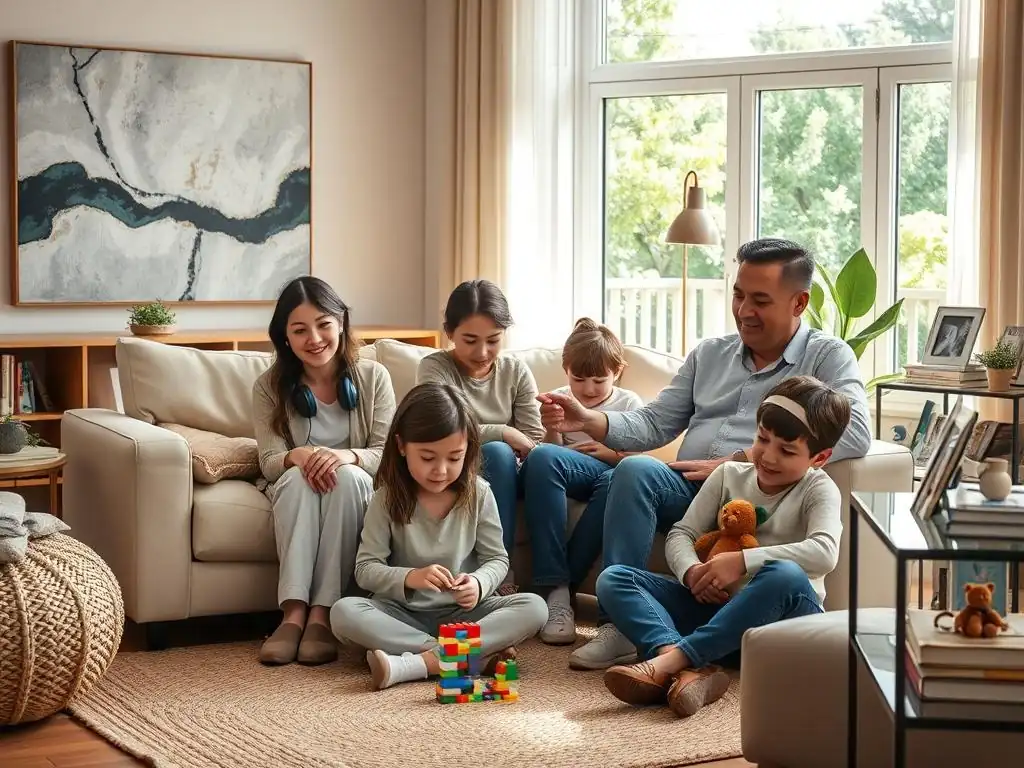
Welcome to Mind Care Guide, a space dedicated to nurturing your mental well-being.
Are you ready to discover the profound rewards that come with stepparenthood, even amidst the inevitable challenges? We understand. Stepparenting is a unique journey, and in this article, we delve into Navigating Stepparenting: Joy Challenges, offering practical strategies and heartfelt support. What if you could not only survive, but thrive in your role? Read on to unlock the keys to building strong, loving relationships and finding genuine fulfillment.
- Navigating Stepparenting: A Guide to Building Strong Family Bonds
- Understanding the Dynamics of Blended Families
- Overcoming Common Stepparenting Challenges
- Cultivating a Positive Stepparenting Experience
- The Long-Term Benefits of Nurturing Stepparenting Relationships
- Finding Support and Resources for Stepparenting
- Conclusion: Embracing the Journey of Stepparenting
-
Frequently Asked Questions
- How can I build a strong relationship with my stepchild, especially when facing resistance?
- What are some common challenges stepparents face, and how can I address them?
- How can I navigate the complex relationship between myself, my partner, and their ex-partner?
- What are some strategies for managing stress and maintaining my own mental well-being while stepparenting?
- How can I find joy and fulfillment in my role as a stepparent?
- Final Reflection: Embracing the Joys and Challenges of Stepparenting
- Unlock Your Step-Parenting Superpowers!
Introduction: Embracing the Role of a Stepparent
Stepparenting is a journey marked by unique complexities and profound rewards. It involves integrating into an existing family structure, often alongside biological parents who may have different parenting styles or histories. This role is distinct from biological parenting, requiring a different approach to building relationships and establishing a sense of belonging. Many stepparents report initial feelings of being an outsider or struggling to find their place within the family dynamic, highlighting the specific challenges inherent in this position.
Despite the hurdles, stepparenting offers immense potential for personal growth and the creation of deep, meaningful connections. Successfully navigating stepparenting joy challenges involves patience, empathy, and a willingness to adapt. It's about extending love and support not only to stepchildren but also to the entire blended family unit, including the biological parent who is your partner. Recognizing the unique nature of the stepparent role and embracing it with realistic expectations is the first step toward finding fulfillment and building a loving, cohesive family.
Understanding the Dynamics of Blended Families
Creating a Unified Family: Building a Sense of Belonging
Building a sense of unity and belonging is a cornerstone of a successful blended family, yet it often presents significant challenges. Children may feel caught between households, experiencing loyalty conflicts towards their biological parents. Stepparents, on the other hand, might struggle with feeling like a temporary visitor or lacking authority.
Research indicates that blended families can take several years, sometimes up to five or more, to fully integrate and find a comfortable rhythm, emphasizing that patience is not just a virtue but a necessity in this process. Creating shared family rituals, like weekly game nights or Sunday dinners, can help foster a collective identity and build positive shared experiences that transcend individual family histories.
Furthermore, open discussions about expectations and roles are vital for establishing this sense of belonging. It's important for the couple to present a united front while also acknowledging the children's feelings and perspectives. For instance, a survey might show that a significant percentage of stepchildren initially feel resistant to new family rules.
Addressing this requires empathy and clear communication, perhaps involving the children in discussions about some family norms where appropriate, giving them a voice. This collaborative approach, while challenging, helps dismantle the "us vs. them" mentality that can easily develop and is crucial for navigating stepparenting joy challenges effectively.
Fostering Positive Relationships: Connecting with Stepchildren
Connecting with stepchildren requires time, consistency, and a genuine interest in their lives. Unlike biological parent-child relationships which have a foundation built over years, stepparent-stepchild bonds must be cultivated deliberately. This means spending one-on-one time with each child, engaging in activities they enjoy, whether it's helping with a science project, attending their school play, or simply talking about their day.
These small, consistent efforts build trust and show the child that you value them as an individual, independent of their relationship with your partner. Patience is paramount; don't expect instant love or acceptance. Building trust can take months or even years, especially with older children or teenagers who may be navigating their own complex emotions about the family changes.
It's also crucial to respect the stepchild's existing relationships, particularly with their biological parent who is not in the household. Avoid speaking negatively about the other parent and support the child's relationship with them. Trying to replace a biological parent is often counterproductive and can damage the potential for a positive connection.
Instead, focus on being an additional supportive adult in their life. For example, offering to help them practice for a driving test or listening empathetically about friendship troubles can demonstrate your care and willingness to be there for them in a unique capacity, contributing positively to navigating stepparenting joy challenges.
Supporting Growth: Encouraging Stepchildren's Development
Supporting stepchildren's growth involves being an active and encouraging presence in their lives across various domains, from academics to emotional well-being. This requires close collaboration with your partner, the biological parent, to ensure consistency and alignment in goals and expectations. You can offer practical support, such as helping with homework, reading together, or encouraging participation in extracurricular activities like sports or music lessons. For example, a stepparent might dedicate time each week to review school assignments, providing a valuable layer of academic support that complements the biological parent's efforts.
Beyond academics, providing emotional support is crucial. Blended family transitions can be stressful for children, and having an empathetic adult to talk to can make a significant difference. Encourage open communication and create a safe space where they feel comfortable sharing their feelings. You can also model positive behaviors and coping strategies. For instance, sharing how you handle stress or setbacks can offer valuable life lessons. Supporting their hobbies and interests, celebrating their achievements, and simply being present during difficult times are all ways to contribute positively to their development and strengthen your bond while navigating stepparenting joy challenges.
Overcoming Common Stepparenting Challenges

Addressing Difficulties in Blended Family Dynamics
Blended families, by their nature, bring together individuals with different histories, expectations, and ways of doing things, inevitably leading to potential points of friction. Issues can range from differing parenting styles between the couple and the absent biological parent, to financial disagreements, or navigating complex schedules involving multiple households. These difficulties are not indicators of failure but are common hurdles in the process of integrating two families. Successfully navigating stepparenting joy challenges requires acknowledging these issues head-on with patience and a problem-solving mindset, rather than letting them fester.
One significant area of difficulty often revolves around the involvement and influence of the ex-spouse. Maintaining respectful boundaries and communication channels with the ex-partner, while supporting your partner in co-parenting, is a delicate balance. For example, research suggests that high-conflict co-parenting situations significantly increase stress within blended families. Strategies like limiting communication to necessary topics regarding the children and using neutral language can help mitigate tension. Addressing these systemic challenges within the broader family dynamic is essential for the well-being of all members, especially the children.
Navigating Discipline: Establishing Consistent Rules
Establishing consistent rules and discipline is one of the most cited challenges for stepparents. Children often struggle with adjusting to new rules, and stepparents may feel hesitant to step into a disciplinary role, fearing it will damage their relationship with the stepchild or cause conflict with their partner. It is crucial that the biological parent takes the lead in introducing and enforcing rules initially, with the stepparent gradually supporting this structure. Consistency between both parents in the blended household is key; children thrive on predictable boundaries.
Before implementing any discipline, the stepparent and biological parent must have clear, agreed-upon rules and consequences. This should be discussed privately and presented to the children as a united front. For example, agreeing on a consistent bedtime or screen time limit and how violations will be handled prevents confusion and potential manipulation. Starting with a focus on positive reinforcement and building trust before taking on significant disciplinary roles can also ease the transition and make navigating stepparenting joy challenges in this area more manageable.
Managing Sibling Rivalry: Fostering Positive Interactions
Sibling rivalry in blended families can be particularly intense due to competition for parental attention, differing backgrounds, and adjustment stress. Children from different families may arrive with established sibling dynamics that clash when combined, or they may resent the intrusion of "new" siblings. This can manifest as squabbling, tattling, or even more serious conflicts. It's important for parents to avoid comparing the children and to acknowledge each child's unique feelings and needs.
Encouraging positive interactions involves creating opportunities for step-siblings to bond and build shared positive experiences. This could include planning fun family outings, working together on a group project, or simply providing space for them to play together without constant parental intervention. For instance, setting up a regular "family game night" where everyone participates can foster teamwork and positive communication. Ensuring each child receives individual attention from both parents also helps reduce the perceived need to compete, making the process of navigating stepparenting joy challenges related to sibling dynamics smoother.
Addressing Resentment: Building Trust and Understanding
Resentment can surface in blended families from various directions: stepchildren resenting the stepparent's presence, the stepparent resenting the stepchildren or the ex-spouse, or even the biological parent feeling resentful of the stepparent's struggles to connect. Acknowledging that these feelings are valid, though difficult, is the first step. Trying to force relationships or suppress negative emotions often backfires.
Building trust is paramount in overcoming resentment. This takes time and consistent, reliable behavior. For a stepparent dealing with a stepchild's resentment, this might involve patiently showing up, being kind, and respecting their boundaries without pushing too hard. For the stepparent experiencing resentment, seeking support, practicing self-compassion, and communicating these feelings constructively with their partner is vital. For example, understanding that a stepchild's initial distance might stem from fear of losing their biological parent's attention, rather than personal dislike, can shift perspective. This empathetic approach is key to navigating stepparenting joy challenges involving complex emotions.
Strategies for Positive Stepparenting Relationships
Open Communication: Encouraging Honest Dialogue
Open and honest communication is the bedrock of any strong family, and it is particularly critical in blended families. This includes communication between the stepparent and partner, the stepparent and stepchildren, and ideally, civil communication with the children's other biological parent when necessary. Regular check-ins with your partner about family dynamics, challenges, and successes are essential for maintaining a united front and addressing issues before they escalate. Scheduling dedicated time for couple communication, perhaps weekly, can ensure these important conversations happen amidst busy schedules.
Communicating effectively with stepchildren means active listening and creating a safe space for them to express their feelings without fear of judgment. This doesn't mean you have to agree with everything they say, but acknowledging their perspective is crucial. For younger children, this might involve asking open-ended questions about their day; for teenagers, it might be about being available to listen when they are ready to talk, even if it's late at night. Learning to communicate expectations and boundaries clearly but kindly helps everyone understand their roles and contributes significantly to navigating stepparenting joy challenges.
Establishing Boundaries: Setting Clear Expectations
Establishing clear boundaries is vital for everyone's well-being and helps define roles within the blended family. Boundaries should be set for stepchildren regarding behavior and expectations, for the stepparent regarding their level of involvement and discipline, and for the ex-spouse regarding communication and co-parenting matters. These boundaries should be agreed upon by the couple and communicated clearly to all relevant parties. For instance, deciding together that the biological parent will handle initial discipline for major infractions while the stepparent supports by reinforcing rules in daily life is a common and effective boundary.
Boundaries also protect the couple's relationship and the stepparent's mental health. This might involve setting limits on how much the ex-spouse can interfere in daily family life or ensuring the stepparent has personal space and time. For example, agreeing that discussions with the ex-spouse about the children are handled primarily by the biological parent, with the stepparent present only when necessary, can reduce tension. Clearly defined boundaries reduce ambiguity and conflict, making it easier for everyone to adjust and aiding in navigating stepparenting joy challenges.
Respecting Relationships: Honoring Existing Family Bonds
One of the most important principles in successful stepparenting is respecting and honoring the existing relationships within the family, particularly the children's bond with their biological parents. A stepparent is not a replacement parent but an additional supportive figure. Encouraging and facilitating the child's relationship with their non-resident biological parent, even if that relationship is challenging for the adults, demonstrates maturity and prioritizes the child's needs. Avoid putting children in the middle or forcing them to choose sides.
This respect also extends to family traditions and histories. While creating new family traditions is important for bonding, acknowledging and sometimes incorporating traditions from the children's previous family life can help them feel valued and reduce feelings of loss. For instance, if a child has a specific holiday tradition with their other parent, finding a way to acknowledge or adapt it within the new family structure can be very meaningful. Honoring these existing bonds builds trust and shows stepchildren that you respect their past, which is crucial for navigating stepparenting joy challenges and building a positive future together.
Cultivating a Positive Stepparenting Experience
Prioritizing Self-Care: Maintaining Personal Well-being
Stepparenting can be emotionally and physically demanding, often requiring significant patience, resilience, and energy. The unique stresses of blending families, including managing complex relationships and navigating potential conflict, can take a toll on a stepparent's mental and emotional well-being. Prioritizing self-care is not selfish; it is essential for sustaining your ability to be a supportive partner and a positive presence in your stepchildren's lives. This means consciously setting aside time for activities that recharge you, whether it's exercise, hobbies, spending time with friends, or simply having quiet time alone.
Neglecting self-care can lead to burnout, resentment, and increased difficulty in managing family dynamics. For example, studies on caregiver stress indicate that individuals who regularly engage in self-care activities report lower levels of stress and higher levels of life satisfaction. Identify what helps you de-stress and make it a non-negotiable part of your routine.
This might be scheduling a regular coffee date with a friend, committing to a certain number of workouts per week, or dedicating an hour each evening to reading or a calming activity. Maintaining your own well-being is foundational to effectively navigating stepparenting joy challenges and finding fulfillment in the role.
Seeking Support: Connecting with Other Stepparents
Feeling isolated is a common experience among stepparents, who may feel misunderstood by friends or family who haven't navigated blended family dynamics. Connecting with other stepparents who share similar experiences can provide invaluable emotional support, practical advice, and a sense of community. Hearing from others who have faced and overcome similar hurdles can normalize your struggles and offer hope. This support can come from formal support groups, online forums, or simply connecting one-on-one with another stepparent you know.
Research suggests that social support networks play a significant role in helping individuals cope with stress and improve mental health outcomes. Participating in a stepparent support group, for instance, allows you to share challenges in a safe space and learn coping strategies that have worked for others. You might gain insights into common developmental stages for blended families or discover new ways to approach communication with stepchildren or ex-spouses. Seeking out and utilizing these connections is a proactive step towards navigating stepparenting joy challenges and building resilience.
Celebrating Successes: Acknowledging Progress and Growth
Building a blended family is a marathon, not a sprint, and progress often comes in small, incremental steps. It's easy to get bogged down in the daily challenges and overlook the positive strides being made. Actively recognizing and celebrating successes, no matter how small, is crucial for maintaining morale and appreciating the growth of your family unit. Successes could range from a positive family dinner where everyone laughed together, to a stepchild confiding in you, or simply navigating a tricky transition day smoothly.
Take time to acknowledge these moments, both privately and with your partner and family. For example, after a successful family outing, you might tell your partner how much you enjoyed seeing everyone connect, or you could verbally praise a stepchild for a kind gesture towards a sibling. Keeping a gratitude journal focused on your blended family can also help shift perspective towards the positive aspects of the journey. Celebrating these milestones reinforces positive behaviors and strengthens bonds, reminding everyone involved that the effort put into navigating stepparenting joy challenges is yielding meaningful results.
The Long-Term Benefits of Nurturing Stepparenting Relationships

Building Strong Bonds: Creating a Lasting Family Foundation
The effort invested in nurturing positive stepparenting relationships lays the groundwork for deep, lasting family bonds that can enrich the lives of everyone involved for years to come. While the initial stages may be challenging, over time, consistent love, support, and presence can lead to a unique and powerful connection between stepparents and stepchildren. As children grow into adults, the role of the stepparent often evolves, transitioning from a parental figure to a trusted mentor, friend, and additional source of family connection.
These enduring relationships create a broader and more resilient family foundation. Children from blended families who have positive relationships with their stepparents often report feeling more supported and having access to a wider network of caring adults. The long-term reward is the creation of a new, unique family unit that provides stability, love, and a sense of belonging that continues through major life events like graduations, marriages, and the arrival of grandchildren. This enduring connection is a testament to the successful navigating stepparenting joy challenges faced early on.
Positive Influence: Impacting Stepchildren's Lives
Stepparents have the opportunity to be a significant positive influence on their stepchildren's lives. As another caring adult, you can offer different perspectives, introduce new interests, and provide additional emotional and practical support beyond what their biological parents can offer. This influence can manifest in countless ways, from encouraging academic pursuits to modeling healthy relationship behaviors or simply being a consistent, stable presence during turbulent times.
Research suggests that having multiple supportive adult figures is beneficial for children's development and well-being. A stepparent can offer unique guidance, perhaps helping a teenager explore career options based on their own professional experience, or providing a listening ear when they feel they can't talk to their biological parent. This positive influence contributes not only to the stepchild's personal growth but also strengthens the overall family unit, demonstrating the profound impact of effectively navigating stepparenting joy challenges and embracing the role fully.
Personal Development: Expanding Capacity for Love and Understanding
Stepparenting is not just about impacting the lives of others; it is also a powerful catalyst for personal growth and development. The challenges inherent in blending families push individuals to develop greater patience, empathy, flexibility, and communication skills. Learning to navigate complex family dynamics, manage difficult emotions, and build relationships with individuals from different backgrounds expands one's capacity for love and understanding in profound ways.
The process of navigating stepparenting joy challenges requires introspection and a willingness to adapt. Stepparents often learn to let go of expectations, manage disappointment, and find joy in unconventional successes. This journey can lead to a deeper understanding of oneself and a greater appreciation for the complexities of family relationships. The resilience built through overcoming obstacles in stepparenting can positively impact other areas of life, making the stepparenting experience a truly transformative one.
Finding Support and Resources for Stepparenting
Online Resources: Websites and Articles for Stepparents
The digital age offers a wealth of online resources specifically designed for stepparents and blended families. Numerous websites, blogs, and online publications provide articles covering a wide range of topics, from practical tips for managing finances in a blended household to advice on building relationships with stepchildren of different ages. These resources often feature insights from family therapists, experienced stepparents, and researchers in the field of blended family dynamics.
Exploring these online platforms can provide valuable information, coping strategies, and a sense of not being alone in your experiences. Many sites offer forums or comment sections where stepparents can share stories and ask questions, creating an informal online community. Accessing these resources is a convenient way to gain knowledge and feel empowered in navigating stepparenting joy challenges. While not a substitute for professional help if needed, they offer accessible support and information.
Support Groups: Connecting with Other Blended Families
Connecting with other stepparents and blended families through support groups offers a unique and powerful form of validation and encouragement. These groups, whether they meet in person or online, provide a safe space to share personal challenges and triumphs with people who truly understand the nuances of blended family life. Hearing similar stories from others can reduce feelings of isolation and normalize the difficulties you may be facing.
Support groups often facilitate discussions on common topics like dealing with ex-spouses, integrating different parenting styles, or managing holiday schedules. Members can offer practical advice based on their own experiences and provide emotional support during tough times. Participating in a support group can reinforce that the challenges you face are common and surmountable, providing encouragement and practical strategies for navigating stepparenting joy challenges alongside others on a similar journey.
Conclusion: Embracing the Journey of Stepparenting
Stepparenting is undoubtedly a complex role, presenting a unique set of challenges that require patience, resilience, and commitment. From navigating tricky family dynamics and discipline issues to building trust and managing external relationships, the path is rarely linear or easy. However, focusing solely on the difficulties overlooks the profound rewards and potential for joy that the stepparenting journey offers.
By embracing the role with empathy, prioritizing open communication, setting healthy boundaries, and seeking support, stepparents can cultivate meaningful relationships and contribute significantly to the creation of a loving, stable blended family. The long-term benefits—building strong bonds, positively influencing stepchildren's lives, and experiencing significant personal growth—make the effort worthwhile. Navigating stepparenting joy challenges is an ongoing process, but one that holds the promise of deep fulfillment and the creation of a rich, expansive family tapestry built on love and understanding.
Frequently Asked Questions
How can I build a strong relationship with my stepchild, especially when facing resistance?
Building a strong bond takes time and patience. Focus on active listening and finding common interests. Avoid trying to replace the biological parent.
What are some common challenges stepparents face, and how can I address them?
Common challenges include loyalty conflicts, differing parenting styles, and adjusting to a new family dynamic. Open communication and setting realistic expectations are crucial.
Establishing clear boundaries and maintaining respectful communication are key. Focus on the well-being of the children, and avoid getting involved in their disputes.
What are some strategies for managing stress and maintaining my own mental well-being while stepparenting?
Self-care is essential. Prioritize activities you enjoy, seek support from friends or a therapist, and practice mindfulness techniques to manage stress.
How can I find joy and fulfillment in my role as a stepparent?
Focus on building genuine connections, celebrating small victories, and appreciating the unique contribution you bring to the family. Remember that positive impact is possible even with challenges.
Final Reflection: Embracing the Joys and Challenges of Stepparenting
Navigating the complexities of stepparenting is not just about overcoming challenges; it’s about discovering the profound joys that come with this unique role. In a world where blended families are becoming increasingly common, the importance of understanding and embracing the emotional landscape of stepparenting cannot be overstated. The rewards of stepparenting often lie hidden beneath the surface, waiting to be unearthed through patience, love, and commitment.
The journey of a stepparent is one that shapes not only the lives of children but also enriches the stepparent's own experience of family and belonging. The challenges faced can often feel overwhelming, yet they provide opportunities for growth and connection that are invaluable.
As author and stepfamily expert, Ron Deal, aptly puts it, "> Stepparenting is a unique journey that requires a heart open to love and a mind ready to learn." This ongoing influence of stepparenting on our cultural and social landscape highlights the need for empathy and understanding in blended families, reminding us that love knows no boundaries.
As you reflect on your own journey in stepparenting, I invite you to embrace the lessons learned and the joys discovered along the way. Consider how you can cultivate these moments of joy in your own life and the lives of those around you. Whether it’s through small acts of kindness, open communication, or simply being present, each step you take can contribute to a more harmonious family dynamic. Let us celebrate the unique role of stepparenting and commit to navigating its challenges with grace, knowing that the rewards are well worth the effort.
Unlock Your Step-Parenting Superpowers!
Thanks for taking the time to explore the joys and challenges of step-parenting with us! We hope this article provided valuable insights and empowered you with new perspectives. Now, it's time to put that knowledge into action.
- Prioritize one small, positive step: This week, focus on a single, specific interaction with your stepchild – a shared activity, a sincere compliment, or even just a few minutes of focused listening. Even small gestures can make a big difference.
- Share your wins (or challenges!): Connect with other step-parents! Share your experiences – both the triumphs and the tough moments – in the comments below. Let's build a supportive community together.
- Explore further resources: Delve deeper into the topic by searching for "step-parenting support groups near me" or exploring online forums dedicated to step-families.
Ready to embrace this unique journey with renewed energy and a supportive community? What's one small act of connection you'll make with your stepchild this week?