
Holidays and Special Occasions: Navigating Blended Family Logistics

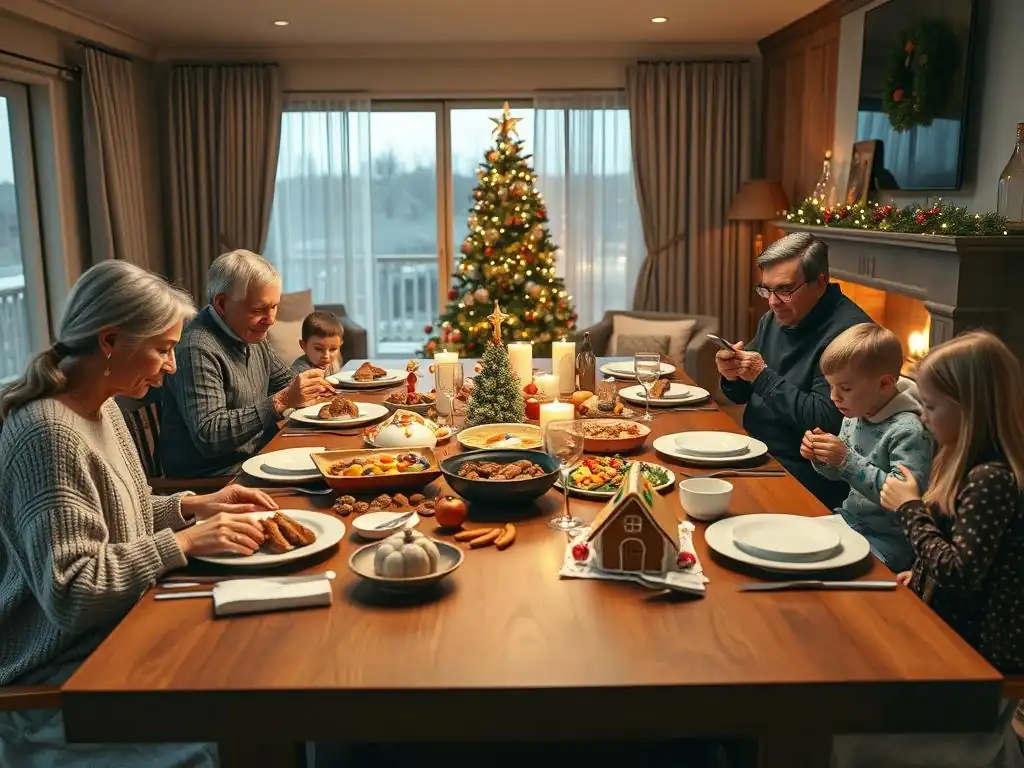
Welcome to Mind Care Guide, your safe space for navigating the complexities of mental well-being. Are you feeling overwhelmed by the thought of blended family holiday logistics? You're not alone. Many face unique challenges during these special times. Let's explore practical strategies to create joyful and stress-free celebrations for everyone involved. Intrigued? Keep reading to discover how to navigate this journey with empathy and understanding...
- Blended Family Holiday Logistics: A Guide to Peaceful Celebrations
- Navigating Specific Holiday Challenges
- Coping Strategies for Holiday Stress
- Post-Holiday Reflection: Learning and Growing
- Conclusion: Building Stronger Bonds Through Mindful Planning.
-
Frequently Asked Questions
- What are some common challenges blended families face during the holidays?
- How can we create new holiday traditions that work for everyone in a blended family?
- What strategies can help reduce stress related to holiday scheduling and logistics in blended families?
- How can we handle potential conflicts arising from different parenting styles during holiday gatherings?
- Where can blended families find additional support and resources for navigating holiday challenges?
- Final Reflection: Weaving a Tapestry of Togetherness in Blended Families
- Unlock Harmony: Make This Holiday Season Special
Blended Family Holiday Logistics: A Guide to Peaceful Celebrations
Introduction: The Unique Challenges of Holidays in Blended Families
Holidays and special occasions, often envisioned as times of joyful unity, can present a unique set of logistical and emotional challenges for blended families. When two families merge, they bring together distinct traditions, expectations, and often, complex co-parenting schedules. Navigating blended family holiday logistics requires careful planning, open communication, and a significant degree of flexibility to ensure these times are positive experiences for everyone involved, especially the children. The goal isn't just scheduling; it's about creating harmony and minimizing stress in environments that already have inherent complexities.
Successfully managing blended family holiday logistics is crucial for the mental well-being of all family members. Children, in particular, can feel caught in the middle of conflicting plans or loyalties. Adults may grapple with feelings of guilt, frustration, or disappointment when plans don't align perfectly. Addressing the practical aspects—like where everyone will be and when, who is responsible for transportation, and how gift-giving will work—can significantly reduce potential conflict and emotional strain, paving the way for more peaceful and enjoyable celebrations.
Pre-Holiday Planning: Laying the Groundwork for Success
Effective pre-holiday planning is the cornerstone of navigating blended family holiday logistics smoothly. This process should ideally begin weeks, if not months, before major holidays like Thanksgiving or Christmas. Starting early allows ample time for discussion, negotiation, and coordination among all relevant parties, including former partners and their families if applicable. Proactive planning helps identify potential conflicts in schedules or expectations early on, providing more time to find mutually agreeable solutions before stress levels rise.
A key part of this groundwork involves understanding the existing commitments and desires of each family unit involved. For instance, one side of the family might have a long-standing tradition of a large Christmas Eve gathering, while the other prioritizes Christmas morning at home. Recognizing these core traditions and discussing their importance helps in finding ways to accommodate them or create new, inclusive ones. Experts often suggest starting these discussions in early autumn for winter holidays, giving everyone approximately two to three months to finalize plans and manage blended family holiday logistics effectively.
Open Communication: Discussing Expectations and Traditions
Open and honest communication is paramount when tackling blended family holiday logistics. It requires setting aside assumptions and approaching discussions with empathy and a willingness to compromise. Each parent needs to communicate clearly with their former partner (if co-parenting is involved) and their new partner about holiday plans, desired traditions, and potential scheduling conflicts. It's also vital to involve older children in age-appropriate discussions, giving them a voice in the planning process where possible.
This dialogue should cover everything from specific dates and times for visits to how different family traditions might be honored or adapted. For example, discussing the importance of a specific religious observance, a traditional family meal, or even just quiet time at home. By laying all expectations on the table, families can work together to build a framework for managing blended family holiday logistics that respects everyone's needs and feelings, preventing misunderstandings and fostering a sense of partnership rather than opposition.
A shared calendar is an invaluable tool for managing blended family holiday logistics, especially when coordinating between multiple households. Utilizing a digital calendar that all relevant adults can access and edit provides a clear, centralized view of everyone's availability, travel plans, and planned events. This transparency helps avoid double-booking and ensures that everyone is literally on the same page regarding who is where and when.
Populating this calendar early with non-negotiable dates (like school breaks, travel bookings, or specific family events) allows families to see potential clashes immediately. For instance, if one parent plans a trip from December 20th to 27th and the other family unit has a Christmas morning tradition on the 25th, the calendar makes this conflict evident, prompting a discussion about adjusting dates or finding alternative arrangements. Coordinating travel logistics, including drop-off and pick-up times and locations, should also be clearly noted on the shared calendar to minimize confusion and last-minute stress associated with blended family holiday logistics.
Establishing New Holiday Traditions: Blending the Best
Creating new holiday traditions is a powerful way to forge a unique identity for the blended family and simplify future blended family holiday logistics. Instead of trying to perfectly replicate or choose between old traditions, families can work together to invent new ones that incorporate elements from everyone's background or are entirely novel. This process can be exciting and helps children feel like they are part of building something new together, rather than just fitting into pre-existing structures.
Consider incorporating a tradition from each original family, like baking cookies using one family's recipe and decorating the tree with ornaments from the other, alongside creating entirely new rituals, such as volunteering together on a specific day, having a special blended family movie night, or celebrating a "half-holiday" on an alternate date. For example, a family might decide to celebrate "Second Christmas" on December 26th or 27th, allowing flexibility with schedules on the 25th.
These new traditions help define the blended family unit and provide reliable, shared experiences that can make navigating blended family holiday logistics feel less like a challenge and more like an opportunity for connection.

Thanksgiving: Managing Multiple Gatherings and Travel
Thanksgiving often presents the first major logistical puzzle for blended families each holiday season. With its focus on family gatherings and shared meals, the challenge lies in potentially having multiple significant events happening simultaneously or requiring travel between different locations. For many blended families, this means deciding which family's Thanksgiving dinner to attend, or even attempting to attend more than one, which can involve complex travel arrangements and tight schedules.
Approximately 30-40% of blended families report that coordinating Thanksgiving schedules is among their most stressful holiday tasks. This often involves back-and-forth travel between two or more households, potentially in different towns or even states, within a short 2-3 day window. Clear communication well in advance about travel times, expected arrival/departure, and who will be responsible for transportation is essential. Some families opt to celebrate a "Blended Thanksgiving" on the weekend before or after the actual holiday to reduce pressure and allow participation in multiple family events without the stress of same-day travel.
Christmas and Hanukkah: Balancing Gift-Giving and Observances
The winter holidays, particularly Christmas and Hanukkah, introduce complexities related to religious observances, gift-giving, and the sheer number of events. Blended families may need to navigate different religious or cultural traditions, ensuring that each child feels their background is respected and celebrated. Gift-giving can also become complicated, with questions arising about budgets across households, fairness among step-siblings and half-siblings, and coordinating Santa Claus visits or Hanukkah menorah lightings in different homes.
It's common for blended families to coordinate gift budgets across households. For example, parents in one household might agree on a per-child gift budget of $100-$150, and communicate this guideline (or at least the approach) to the other parent or stepparents to ensure some level of consistency and avoid perceived disparities.
Coordinating the timing of events like opening presents on Christmas morning or lighting the Hanukkah candles over eight nights requires careful scheduling, especially if children are transitioning between homes during the holiday period. Acknowledging and making space for each family's important observances, even if it means celebrating key moments on slightly different days, is vital for smooth blended family holiday logistics and emotional well-being.
New Year's Eve: Building Connection for the Year Ahead
New Year's Eve, while often less structured than Christmas or Thanksgiving, still requires careful planning for blended families, especially regarding childcare and overnight stays. It's a time that can be used to reflect on the past year and set intentions for the year ahead as a blended family unit. Deciding where children will spend the night and who is responsible for their care requires clear communication, particularly if one household has plans that aren't child-friendly.
Many blended families use New Year's Eve as an opportunity for connection. This might involve a family party that includes members from different sides, a special outing, or a quiet night at home together reflecting on shared experiences. For families with shared custody agreements, coordinating the New Year's Eve transition (often on December 31st or January 1st) is a key piece of blended family holiday logistics. Ensuring a smooth handover and consistent expectations for the children, whether they are celebrating with one parent or transitioning between homes, sets a positive tone for the start of the new year.
Birthdays and Special Occasions: Celebrating Individuality
Beyond the major holidays, birthdays and other special occasions (like graduations or significant achievements) also demand thoughtful blended family holiday logistics. Each child's birthday is a deeply personal event that should be celebrated in a way that makes them feel special and loved, regardless of which household they are with. This often involves coordinating parties, gifts, and family gatherings across different homes and extended family networks.
Planning birthday celebrations requires communication to avoid scheduling conflicts and ensure the child feels celebrated by all important figures in their life. For instance, one parent might host a party with friends, while the other hosts a family dinner. Coordinating gift-giving so that it feels balanced and thoughtful, rather than competitive, is also important. Navigating these individual celebrations successfully reinforces the message that each child is valued within the blended family structure, contributing positively to complex blended family holiday logistics throughout the year.
Coping Strategies for Holiday Stress
Practicing Self-Care: Prioritizing Well-being
Navigating blended family holiday logistics can be inherently stressful, making self-care a non-negotiable priority for adults. It's easy to become overwhelmed by the demands of scheduling, managing expectations, and dealing with potential conflict. Recognizing the signs of stress – such as irritability, fatigue, or difficulty sleeping – is the first step towards managing it effectively and maintaining emotional balance during the busy holiday season.
Prioritizing self-care doesn't have to mean elaborate spa days; it can involve simple, intentional actions. This might include scheduling quiet time alone each day, even if it's just 15-20 minutes, maintaining regular exercise or mindfulness practices, ensuring adequate sleep (aiming for 7-9 hours nightly), and eating nutritious meals amidst the holiday feasting. Taking these steps helps adults remain centered and resilient, better equipped to handle the inevitable bumps in the road associated with managing blended family holiday logistics.
Seeking Support: Connecting with Others
No one should feel like they have to navigate the complexities of blended family holiday logistics alone. Seeking support from partners, friends, family members, or even professional resources can provide much-needed perspective, practical help, and emotional validation. Talking openly about the challenges you're facing can alleviate feelings of isolation and provide new strategies for coping.
Lean on your support network. This could mean discussing logistical challenges with your partner to brainstorm solutions, venting frustrations to a trusted friend, or seeking advice from other blended families who have successfully managed similar situations. Online forums or local support groups for blended families can also offer a sense of community and shared experience. In some cases, speaking with a therapist or counselor specializing in family dynamics can provide tailored strategies for managing stress and improving communication around blended family holiday logistics and other challenges.
Dealing with Conflict: Strategies for Resolution
Despite the best planning and communication, conflict can still arise when managing blended family holiday logistics. Disagreements might stem from scheduling changes, differing parenting styles, financial pressures related to gifts or travel, or unresolved issues from past relationships. Having strategies in place to address conflict constructively is vital for preserving peace and protecting the emotional well-being of everyone involved, especially the children.
When conflict emerges, try to approach it calmly and focus on the issue at hand rather than assigning blame. Use "I" statements to express your feelings and needs ("I feel stressed when plans change last minute") rather than accusatory "you" statements. If co-parenting conflict is high, consider communicating primarily via email or a co-parenting app to keep discussions focused and documented. If disagreements become intractable or highly emotional, consider involving a mediator or family counselor to help facilitate communication and find solutions, safeguarding the positive momentum built in managing blended family holiday logistics.
Post-Holiday Reflection: Learning and Growing
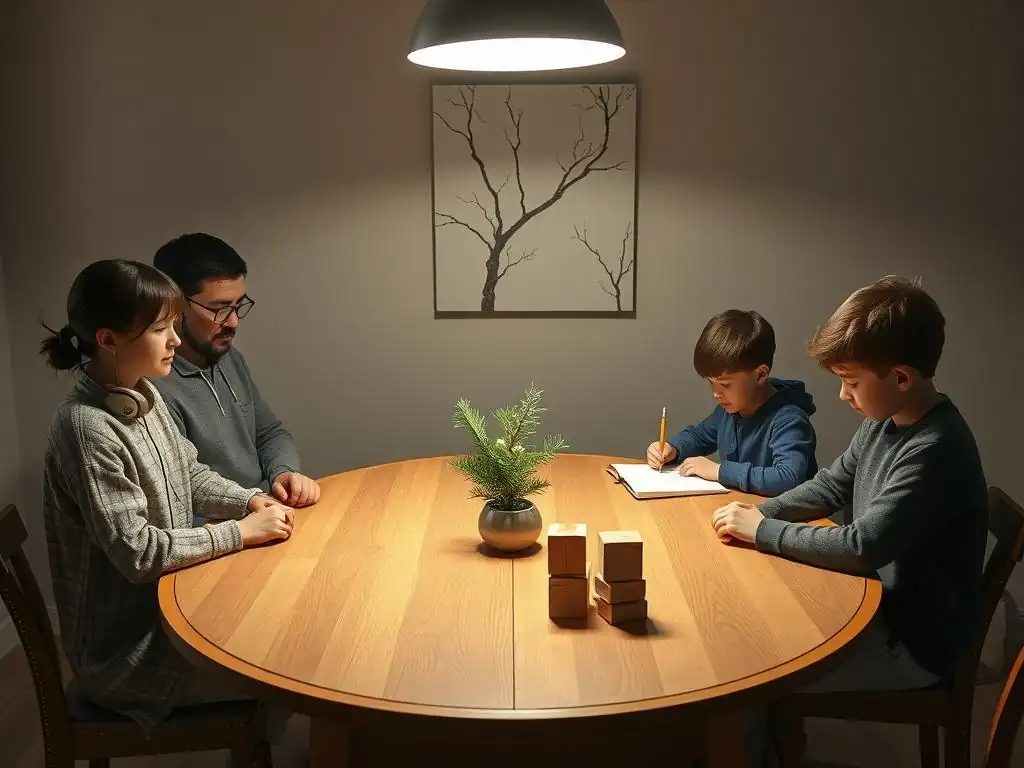
Evaluating the Season: Identifying Improvements
Once the holiday season winds down, taking time for post-holiday reflection is a crucial step in refining blended family holiday logistics for future years. This isn't about dwelling on what went wrong but rather objectively assessing what worked well and what could be improved. Encourage open discussion among the adults involved, and perhaps older children, about their experiences during the holidays.
Consider questions like: Were the schedules manageable? Did the children seem happy and relaxed? Were communications clear and timely? Did the division of time and responsibilities feel fair? Were the new traditions successful? By honestly evaluating the outcomes, families can identify specific areas that caused stress or confusion. For example, maybe coordinating travel between two cities three times over ten days proved too difficult, or perhaps the gift exchange felt unbalanced. This evaluation provides concrete data points for future planning of blended family holiday logistics.
Adapting and Adjusting: Fine-Tuning for the Future
Based on the post-holiday evaluation, the next step is to adapt and adjust strategies for the future. Blended family dynamics are often fluid, and what worked one year might not work the next as children grow older or circumstances change. Use the insights gained from reflection to fine-tune your approach to blended family holiday logistics, making incremental improvements year after year.
Perhaps the adjustment means starting holiday planning even earlier, establishing clearer guidelines for gift-giving, or negotiating a different schedule split for the following year. It might involve deciding to celebrate certain holidays separately to reduce travel burden or agreeing on new communication protocols. For example, agreeing to finalize major holiday schedules by October 1st each year. This process of continuous learning and adaptation is key to building resilient and harmonious blended family holiday logistics over time, ensuring that holidays become increasingly joyful and less stressful experiences.
Conclusion: Building Stronger Bonds Through Mindful Planning.
Successfully navigating blended family holiday logistics is a marathon, not a sprint. It requires ongoing effort, patience, and a commitment to prioritizing the well-being and happiness of every family member. While the complexities can seem daunting, especially during peak holiday seasons like Christmas or Thanksgiving, approaching these times with mindful planning, open communication, and a willingness to adapt can significantly reduce stress and build stronger bonds.
By laying the groundwork early, fostering honest dialogue about expectations and traditions, utilizing tools like shared calendars, and being open to creating new, inclusive traditions, blended families can transform potential sources of conflict into opportunities for connection. Remember to prioritize self-care, seek support when needed, and develop strategies for managing disagreements constructively.
Post-holiday reflection and adjustment are vital steps in refining your approach to blended family holiday logistics year after year. Ultimately, the goal is not perfection, but progress towards creating joyful, peaceful, and meaningful celebrations that honor every family member's place within the unique and evolving landscape of the blended family.
Frequently Asked Questions
What are some common challenges blended families face during the holidays?
Common challenges include managing expectations from different traditions, dealing with step-parent/child relationships, and navigating complex travel arrangements.
How can we create new holiday traditions that work for everyone in a blended family?
Focus on open communication and compromise. Brainstorm new activities that incorporate elements from everyone's backgrounds and create shared experiences.
Utilize detailed calendars and clear communication to establish schedules well in advance. Be flexible and willing to make adjustments as needed.
How can we handle potential conflicts arising from different parenting styles during holiday gatherings?
Establish agreed-upon boundaries and communication strategies beforehand. If conflicts arise, address them privately and calmly away from the children.
Websites like Mind Care Guide offer articles and tips on blended family dynamics. Consider family counseling to help facilitate smoother transitions and communication.
Final Reflection: Weaving a Tapestry of Togetherness in Blended Families
The complexities of navigating holidays and special occasions in blended families are not merely logistical hurdles; they are opportunities to forge deeper connections and build lasting memories. The strategies discussed – from open communication and collaborative planning to prioritizing individual needs and creating new traditions – are more vital than ever in our increasingly diverse family structures. The success of these strategies hinges on a willingness to adapt and embrace the unique challenges and rewards of blended family life.
The impact of successfully navigating these holiday seasons extends far beyond the immediate celebration. It shapes the family's identity, fostering a sense of belonging and shared experience that strengthens familial bonds. Family is not an important thing. It's everything.
This quote, while simple, encapsulates the profound significance of creating a positive and inclusive environment for all members, regardless of their familial ties. The emotional labor involved in creating these positive experiences is substantial, but the rewards – a family united in joy and understanding – are immeasurable.
You, the reader, now hold the tools to craft your own unique holiday tapestry. Consider the lessons learned, the strategies explored, and most importantly, the potential for growth and connection within your own blended family. Don't be afraid to experiment, to adapt, and to create traditions that reflect your family's unique story. This holiday season, and every one that follows, can be a testament to the strength, resilience, and enduring love that defines a blended family.
Unlock Harmony: Make This Holiday Season Special
Thanks for joining us on this journey through the complexities of blended family holidays! We hope you gained valuable insights and practical strategies to navigate this unique season with grace. Now, let's turn those insights into action.
- Prioritize open communication: Schedule a family meeting (even a virtual one!) to discuss holiday plans, traditions, and expectations. This proactive step can prevent misunderstandings and build anticipation for joyful moments.
- Craft personalized traditions: Think outside the box! Instead of sticking rigidly to old traditions, create new, inclusive ones that reflect your blended family's unique dynamic. This could be as simple as a new family recipe or a special holiday game.
- Share your experience: Your insights can help other families! Share this article on social media and invite others to discuss their own blended family holiday experiences. Let's build a supportive community together.
What's one small step you can take today to create a more harmonious holiday season for your blended family?