
Fostering StepSibling Bonds: Strategies for Connection

Welcome to Mind Care Guide, a space dedicated to nurturing your mental well-being.
Are you finding the dynamics of blended families a little...challenging? You're not alone. Navigating stepsibling relationships effectively can feel like walking a tightrope. But don't worry, understanding and connection are within reach. Dive in to discover practical strategies and compassionate insights that can help you build stronger, healthier bonds within your family. What if you could transform those challenges into opportunities for growth and lasting relationships? Let's explore how.
Cultivating Positive StepSibling Relationships: A Guide for Blended Families
- Understanding the Dynamics of StepSibling Bonds
- Strategies for Building Strong StepSibling Connections
- Practical Tips for Strengthening StepSibling Bonds
- Addressing Common Challenges in StepSibling Relationships
- The Long-Term Benefits of Positive StepSibling Relationships
- Resources for Building Strong StepSibling Relationships
- Conclusion: Fostering Lasting Connections in Blended Families
-
Frequently Asked Questions
- How can I help my children accept their new stepsiblings?
- What are some common challenges in stepsibling relationships?
- How can parents ensure fairness and equality in a blended family?
- What strategies can stepsiblings use to build a positive relationship?
- When should professional help be sought for stepsibling relationship issues?
- Final Reflection: Cultivating a Family's Heart, One Bond at a Time
- Unlock Deeper Connections: Strengthen Your Step-Sibling Bond Today!
Understanding the Dynamics of StepSibling Bonds
Entering a blended family structure presents a unique set of challenges for every member, particularly children who are adjusting to new siblings, new rules, and often, a new home. Unlike biological sibling relationships that develop over time within an established unit, stepsibling bonds are formed under the pressure of significant life changes like divorce, remarriage, and relocation.
Children may bring with them different routines, traditions, and ways of interacting learned from their previous family structures, which can initially clash within the new combined household. Research indicates that it typically takes children in blended families between one to three years to fully adjust to the new family dynamic, highlighting the significant period of transition involved.
Furthermore, the roles and expectations within a blended family can feel ambiguous. Children might struggle with loyalty conflicts between their biological parents and stepparents, which can spill over into their relationships with stepsiblings. Issues such as shared space, chores, allowances, and even parental attention become potential points of contention that require careful navigation.
A survey by the Pew Research Center found that adults in stepfamilies are less likely than those in traditional families to say they have a "very close" relationship with their children, suggesting that building deep connections, including those between stepsiblings, requires intentional effort and understanding of these inherent complexities. Navigating stepsibling relationships effectively demands patience, empathy, and a proactive approach from parents.
Addressing Common Emotional Issues in StepSibling Relationships
The formation of stepsibling relationships often surfaces a range of complex emotions for children. These can include feelings of jealousy over parental attention or resources, insecurity about their place in the new family hierarchy, or resentment stemming from the changes brought about by the blending process. Children might feel their personal space or possessions are invaded, leading to defensiveness and conflict. For instance, a child who was previously the youngest might suddenly have a younger stepsibling, altering their established role within the family dynamic and potentially leading to feelings of displacement or insecurity.
Furthermore, grief over the loss of the original family structure is a powerful underlying emotion that can manifest as anger or withdrawal, impacting the ability to form new bonds. It's not uncommon for children to consciously or unconsciously resist forming close ties with stepsiblings as a way of holding onto their past or expressing disapproval of the family changes.
A study published in the Journal of Marriage and Family highlighted that adolescents in blended families reported higher levels of conflict with siblings compared to those in first-marriage families, often linked to these underlying emotional struggles. Recognizing and validating these feelings, without judgment, is a crucial first step in helping children process them and move towards building healthier stepsibling relationships.
Recognizing the Impact of Positive Relationships on Well-being
Positive stepsibling relationships contribute significantly to the overall well-being and stability of a blended family. When stepsiblings develop supportive and caring bonds, it creates a more harmonious home environment, reducing stress and conflict for both children and parents. These relationships can provide children with a sense of belonging and a stronger support network, which is particularly valuable during the potentially turbulent period of family transition. Children who feel connected to their stepsiblings are often more resilient and better equipped to handle future challenges.
Moreover, strong stepsibling bonds offer children valuable opportunities to develop essential social and emotional skills. They learn negotiation, compromise, empathy, and conflict resolution within a safe family context. These skills are transferable and benefit them in their interactions outside the home, such as with peers and in future romantic relationships.
Research indicates that having supportive sibling relationships in childhood is correlated with better mental health outcomes and greater life satisfaction in adulthood. Fostering these positive connections is not just about creating peace in the present but investing in the long-term emotional health and happiness of all family members. Navigating stepsibling relationships effectively fosters a sense of unity and shared identity within the blended family unit.
Strategies for Building Strong StepSibling Connections
Creating a Supportive and Inclusive Family Environment
Building strong stepsibling connections begins with establishing a foundation of support and inclusion within the entire family structure. This involves creating a sense of 'us' where every member, regardless of biological ties, feels valued, respected, and secure. It requires parents to model positive interaction and demonstrate that the new family unit is a safe space for everyone. Ensuring consistency in rules, expectations, and affection across all children helps to mitigate feelings of favoritism or unfairness, which are significant barriers to stepsibling bonding.
A truly supportive environment also means acknowledging the past while focusing on the future. Children should feel comfortable talking about their previous family experiences and relationships without feeling like they are being disloyal to the new family. Integrating traditions from both original families, where possible, or creating entirely new ones together can help weave a shared history and identity. This inclusive approach signals to all children that their individual backgrounds are accepted and that they are integral parts of the new, larger family unit.
Establishing Clear Family Rules and Expectations
Clear, consistent, and fair family rules are fundamental to reducing conflict and fostering a sense of order and predictability in a blended family. Involving all children, appropriate to their age, in the process of setting these rules can help them feel a sense of ownership and buy-in. Discussing expectations around chores, homework, screen time, personal space, and conflict resolution upfront minimizes ambiguity and potential sources of tension between stepsiblings.
It is vital that these rules are applied consistently to all children, regardless of which biological parent they belong to. Perceived unfairness is a major source of resentment in blended families and can severely damage stepsibling relationships. For example, if one child is expected to do specific chores while a stepsibling of a similar age and capability is not, it can breed significant conflict and animosity. Documenting rules and consequences, perhaps on a visible family chart, can help ensure clarity and reduce parental disputes over enforcement, thereby providing a stable framework for navigating stepsibling relationships effectively.
Promoting Open and Honest Communication
Open and honest communication is the lifeline of a healthy blended family and is essential for navigating stepsibling relationships effectively. Creating a family culture where everyone feels safe to express their feelings, concerns, and frustrations without fear of judgment is paramount. This includes encouraging children to talk directly to each other to resolve minor conflicts, with parental guidance available when needed. Parents also need to model this behavior by communicating openly and respectfully with each other and with their children.
Regular family check-ins or designated times for discussion can provide a structured opportunity for communication. These sessions allow family members to share their experiences, address issues before they escalate, and celebrate successes together. Teaching children active listening skills and empathy – helping them understand how their stepsibling might be feeling – is crucial for building bridges. For instance, parents might say, "When you took Sarah's toy without asking, how do you think that made her feel?" This empathetic framing helps children connect their actions to the impact on others, fostering understanding necessary for positive stepsibling bonds.
Fostering Empathy and Mutual Respect
Empathy and mutual respect are cornerstones for any strong relationship, and they are particularly vital when navigating stepsibling relationships effectively. Encouraging children to see things from their stepsibling's perspective helps break down barriers and build understanding. This can be done through simple conversations, reading books about blended families, or discussing hypothetical scenarios. For example, asking a child, "Imagine moving to a new house and starting at a new school like your stepsibling did – how might that feel?" can build perspective.
Teaching respect means valuing differences in personalities, habits, and backgrounds. It involves setting clear boundaries about acceptable behavior and language – no name-calling, put-downs, or physical aggression. Parents must actively intervene if they witness disrespectful interactions and use these moments as teaching opportunities. Celebrating the unique strengths and qualities of each child, and highlighting what they can learn from each other, reinforces the idea that differences are valuable and contribute positively to the family unit, fostering a culture of mutual respect essential for building strong stepsibling bonds.
Beyond establishing a supportive environment, actively facilitating positive interactions and shared experiences is key to helping stepsiblings bond. These shared moments create positive memories and inside jokes that form the fabric of family connection. Simply living in the same house isn't enough; intentional effort is needed to create opportunities for stepsiblings to enjoy each other's company and build rapport naturally.
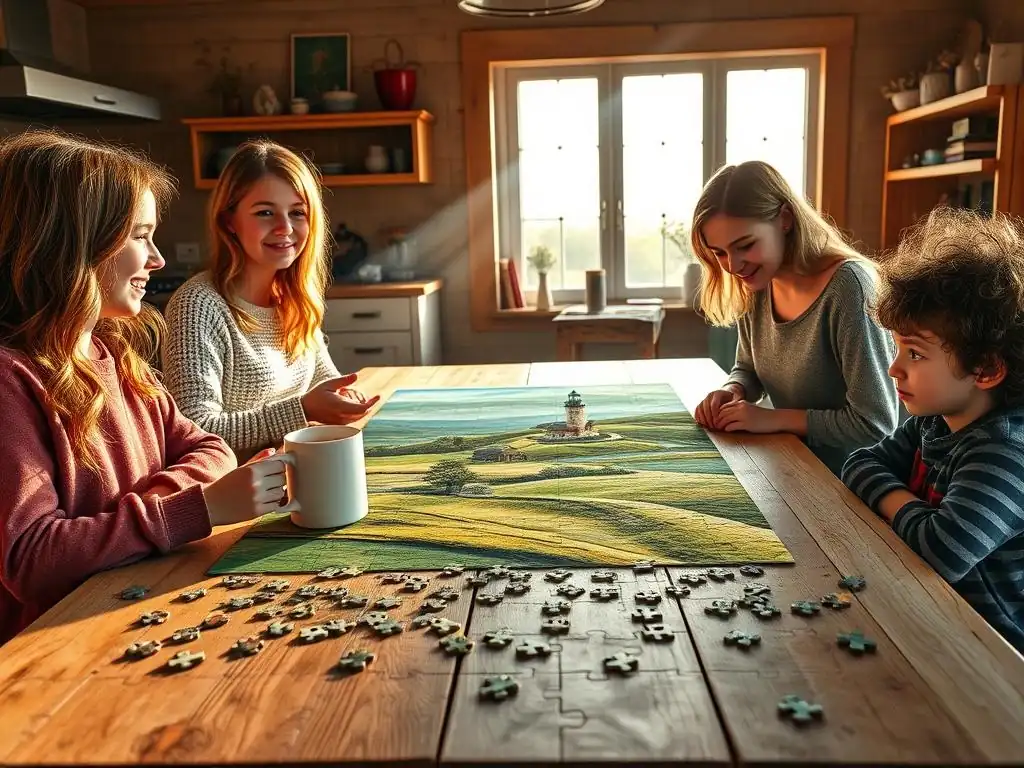
This doesn't require elaborate plans; everyday activities can become bonding opportunities. Cooking dinner together, playing board games, working on a puzzle, or simply watching a movie side-by-side can all contribute to building a sense of camaraderie. The goal is to move from mere coexistence to genuine connection, where stepsiblings look forward to spending time together.
Discovering Common Interests and Hobbies
Finding common ground is a powerful way to connect people, and this holds true for stepsiblings. Encouraging children to explore activities they might enjoy doing together can spark shared passions and provide a natural basis for interaction. This might involve trying out a new sport, exploring a shared love for a particular book series or video game, or discovering a mutual interest in art, music, or building things.
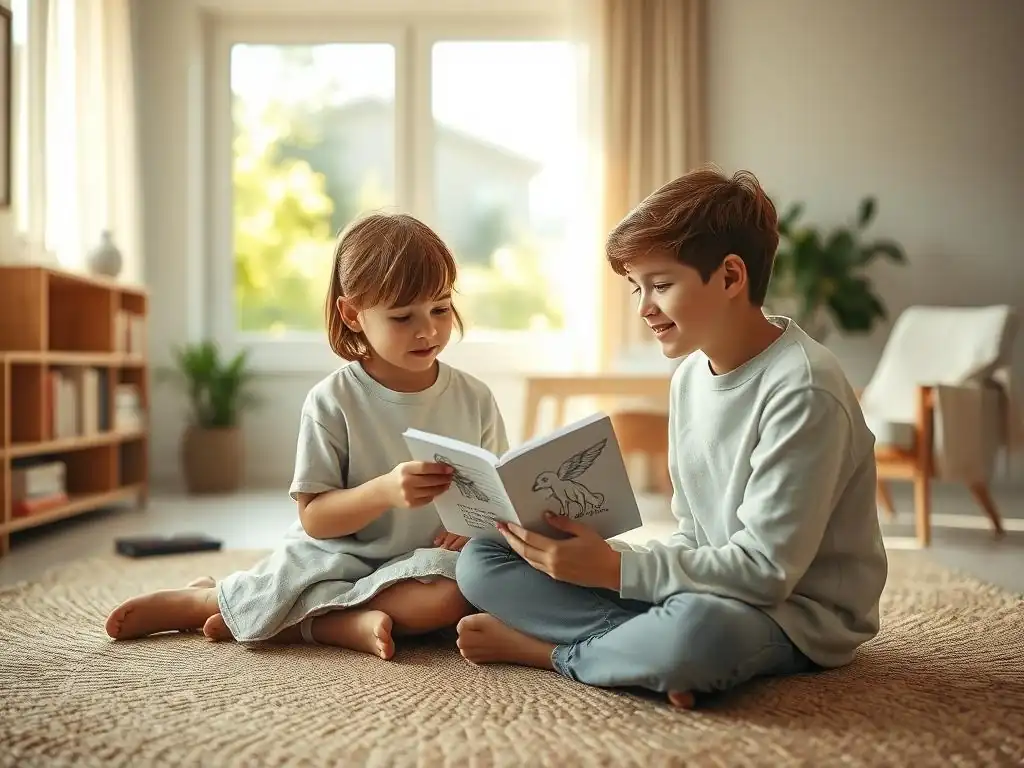
Parents can play a facilitating role by suggesting activities or providing resources, but it's important for the children to feel like the interest is genuinely shared. For example, if one stepsibling loves drawing and the other enjoys storytelling, perhaps they can collaborate on creating a comic book. Focusing on these shared interests shifts the dynamic from potential conflict to mutual enjoyment and cooperation, significantly aiding in navigating stepsibling relationships effectively.
Planning Engaging Family Activities
Regularly planning engaging activities that involve the entire blended family provides opportunities for stepsiblings to interact in a fun, low-pressure environment. These activities create shared positive experiences that build family cohesion and create lasting memories. Examples include family game nights, weekend outings to a park or museum, hiking trips, movie marathons, or working on a large family project like gardening or painting a room.
Allowing children to have input in planning these activities can increase their enthusiasm and participation. A family vote on the next outing or activity gives everyone a voice and fosters a sense of shared purpose. These planned events provide informal settings where stepsiblings can interact naturally, laugh together, and see each other in a positive light, strengthening their bond outside of the routine daily interactions which can sometimes be sources of friction.
Minimizing Sibling Rivalry and Competition
Sibling rivalry is common in all families, but in blended families, it can be intensified by underlying insecurities and the feeling of competing for parental attention or resources. Actively working to minimize competition is crucial for fostering positive stepsibling bonds. This involves avoiding direct comparisons between stepsiblings regarding academics, sports, behavior, or personality traits. Each child should be celebrated for their individual strengths and achievements.
Parents should also be mindful of distributing attention and resources fairly, or at least transparently, explaining decisions if they seem unequal. Creating opportunities for cooperation rather than competition, such as team-based games or collaborative projects, can help shift the focus from winning against each other to working together towards a common goal. Addressing instances of rivalry calmly and empathetically, focusing on the behavior rather than labeling the child, helps manage conflict and promotes a more supportive stepsibling dynamic.
Building Individual Connections with Each Child
While fostering stepsibling bonds is the goal, it's equally important for parents and stepparents to build strong individual connections with each child, both biological and stepchildren. Feeling securely connected to the adults in the family provides children with the emotional safety net they need to navigate the complexities of stepsibling relationships. These one-on-one relationships reassure children of their value and place within the family unit, reducing the need to compete with stepsiblings for attention or affection.
Spending dedicated, quality time with each child individually allows parents and stepparents to understand their unique needs, concerns, and interests outside of the group dynamic. This personalized attention strengthens the parent-child bond, which in turn, can positively influence how the child interacts with their stepsiblings. A child who feels loved and secure is often more open to forming connections with new family members.
Prioritizing One-on-One Time
Making time for individual interactions with each child is essential for building trust and rapport. This doesn't need to be elaborate; even 15-20 minutes of focused, one-on-one time each week can make a significant difference. This time should be dedicated solely to that child, free from distractions like phones or other siblings. Let the child choose the activity, whether it's playing a game, going for a walk, reading together, or just talking.
This dedicated time allows parents and stepparents to connect with each child on their own terms, understanding their world and showing genuine interest in their individual lives. For a stepparent, this time is invaluable for building a relationship with a stepchild, separate from the biological parent. It signals to the child that they are seen and valued as an individual within the larger blended family structure.
Acknowledging and Validating Individual Feelings
Children in blended families often carry complex emotional baggage related to the changes in their family structure. It is crucial for parents and stepparents to acknowledge and validate these individual feelings without minimizing them or trying to force a specific emotional response. Children need to know that it's okay to feel sad, angry, confused, or even resistant to the new family setup. Phrases like "It sounds like you're feeling really frustrated right now" or "I understand that this change is hard" can be incredibly powerful.
Validating feelings doesn't mean agreeing with negative behavior, but rather acknowledging the emotion behind it. This approach builds trust and encourages children to open up about their struggles, including those related to navigating stepsibling relationships effectively. Creating a safe space for emotional expression helps children process their experiences and makes them more receptive to building positive connections with their new siblings.
Respecting Individual Personalities and Needs
Every child is an individual with their own unique personality, temperament, and needs. What works for one child in adjusting to a blended family and forming stepsibling bonds might not work for another. Some children are naturally more outgoing and adapt quickly, while others are more introverted or resistant to change. Parents and stepparents must respect these individual differences and tailor their approach accordingly.
Understanding and respecting each child's need for space, quiet time, or specific routines is important. Forcing interactions or expecting all stepsiblings to bond instantly or in the same way can be counterproductive. Instead, celebrate their individuality and find ways for them to connect that align with their personalities. For example, two quiet stepsiblings might enjoy reading side-by-side, while two energetic ones might bond over playing outside. Recognizing and honoring these individual needs helps build a foundation of respect that supports the growth of stepsibling relationships.
Practical Tips for Strengthening StepSibling Bonds
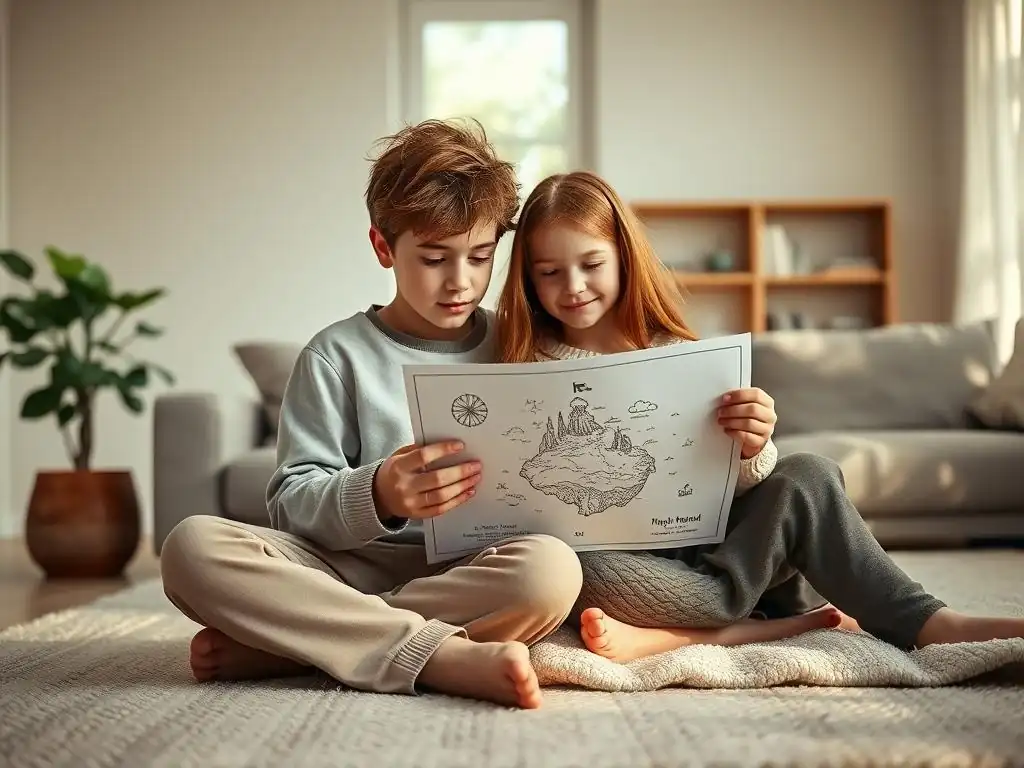
Implementing practical strategies in daily life can significantly aid in fostering positive stepsibling connections. These tips focus on creating routines and opportunities for positive interaction and problem-solving within the blended family unit. Consistency and follow-through on these tips are key to their effectiveness over time.
- Implement a "Stepsibling Buddy" system for new situations: When introducing a new activity or environment (like a new school or club), pair stepsiblings together to navigate it, fostering mutual support.
- Create a shared responsibility chart: Assign chores or tasks that stepsiblings must complete together, promoting teamwork and shared accountability.
- Establish a regular 'stepsibling only' fun time: Encourage older stepsiblings to plan activities for younger ones, fostering leadership and bonding without direct parental supervision (while ensuring safety).
- Use meal times as bonding opportunities: Encourage conversation where each person shares a highlight from their day, ensuring everyone gets a chance to speak and listen.
Utilizing Family Meetings for Problem-Solving
Regular family meetings provide a structured and democratic forum for discussing issues, making decisions, and resolving conflicts in a calm and constructive manner. These meetings are particularly valuable for navigating stepsibling relationships effectively, as they allow children to voice concerns about interactions with their stepsiblings in a facilitated environment. Ground rules, such as one person speaking at a time and using respectful language, are essential.
During family meetings, specific stepsibling conflicts can be brought to the table and discussed collaboratively. Instead of parents dictating solutions, the family works together to brainstorm ways to address the issue. This process teaches children valuable conflict resolution skills, promotes empathy as they hear each other's perspectives, and empowers them to be part of the solution, strengthening their investment in peaceful stepsibling relationships. For instance, if stepsiblings are fighting over sharing a video game console, the meeting could lead to creating a shared schedule together.
Encouraging Teamwork and Collaboration on Projects
Engaging stepsiblings in activities that require teamwork and collaboration is an excellent way to build positive interaction and a sense of shared accomplishment. When children work together towards a common goal, they learn to rely on each other, communicate effectively, and appreciate each other's contributions. This can shift their perspective from being rivals to being teammates.
Projects can range from simple tasks like setting the table together or cleaning up a shared space to more involved activities like building a fort, creating a family garden, planning a surprise for a parent, or working on a school project together if their ages are compatible. The focus should be on the process of working together and celebrating the collective effort, rather than solely on the final outcome. Successfully completing a task together fosters a sense of camaraderie and shared history that strengthens stepsibling bonds.
Celebrating Family Achievements Together
Celebrating both individual and collective family achievements reinforces the idea that the blended family is a supportive unit that celebrates everyone's successes. Acknowledging a stepsibling's good grade, a sporting achievement, or an act of kindness towards another family member shows that their efforts are seen and valued. Crucially, celebrating achievements as a family, such as successfully completing a challenging hike together or saving up for a family vacation, builds a sense of shared pride and unity.
Creating family traditions around celebrations, like a special dinner for birthdays or acknowledging milestones during family meetings, further solidifies the feeling of belonging. These positive shared experiences counteract potential negative interactions and build a reservoir of positive feelings associated with the family unit and the stepsibling relationships within it.
Addressing Common Challenges in StepSibling Relationships
Despite best efforts, challenges are inevitable when navigating stepsibling relationships effectively. These difficulties are normal parts of the adjustment process and should be viewed as opportunities for growth rather than failures. Addressing these challenges directly, with empathy and appropriate strategies, is key to moving forward and strengthening bonds.
Managing Resistance and Adjustment Difficulties
Resistance to forming stepsibling bonds is a common initial reaction, particularly for older children or those who are struggling with the changes in their family. This resistance can manifest as withdrawal, negativity towards stepsiblings, or outright refusal to participate in family activities. It's important to understand that this resistance often stems from grief, loyalty conflicts, or a feeling of lack of control over their lives.
Parents should approach resistance with patience and empathy, avoiding ultimatums or forcing interactions. Acknowledging the child's feelings ("I know this is a big change, and it's okay to feel unsure about it") is crucial. Gradual integration, respecting a child's need for space, and focusing on building a secure individual relationship with the resistant child can help lower their defenses over time. Sometimes, simply giving them time and demonstrating consistent love and support is the most effective strategy.
Dealing with Jealousy and Feelings of Insecurity
Jealousy and insecurity are pervasive issues in blended families, often fueled by competition for parental attention, affection, or resources. Children may feel threatened by the presence of new stepsiblings, fearing they will be replaced or that their biological parent will favor their stepchildren. These feelings can lead to conflict, attention-seeking behavior, or withdrawal.
Addressing jealousy requires open communication and reassurance. Parents need to proactively communicate their love and commitment to each child individually. Ensuring fair distribution of resources and attention, or clearly explaining reasons for differences (e.g., age-appropriate privileges), helps alleviate perceptions of unfairness. Creating dedicated one-on-one time, as mentioned earlier, is a powerful antidote to insecurity, reinforcing each child's unique value within the family. When instances of jealousy arise, address the underlying feeling ("It sounds like you feel like your dad isn't spending enough time with you") rather than just the resulting negative behavior.
Seeking Professional Support When Necessary
Sometimes, the challenges of navigating stepsibling relationships effectively and blending a family are complex and overwhelming, requiring external support. Persistent conflict, significant emotional distress in one or more children, or an inability for the family system to find equilibrium are indicators that professional help may be beneficial. Mental health professionals specializing in family therapy or blended family dynamics can provide invaluable guidance and tools.
A family therapist can offer a neutral space for communication, help family members understand each other's perspectives, and teach effective conflict resolution strategies. They can also help children process difficult emotions related to the family transition and develop healthier coping mechanisms. Seeking professional support is a sign of strength and commitment to the family's well-being, providing the specialized expertise needed to navigate particularly challenging stepsibling relationships and family integration issues.
The Long-Term Benefits of Positive StepSibling Relationships
Investing time and effort into fostering positive stepsibling bonds yields significant long-term benefits for individuals and the family as a whole. These relationships, built on a foundation of support and shared history, can become a source of strength and connection throughout life.
Creating a Harmonious and Stable Family Environment
A blended family where stepsiblings have positive relationships is a more harmonious and stable environment for everyone. Reduced conflict, increased cooperation, and a sense of mutual support contribute to a peaceful home life. This stability is particularly beneficial for children, providing them with a secure base during their formative years. A harmonious environment allows children to thrive academically, socially, and emotionally, free from the constant stress of tension within the home.
This positive atmosphere also benefits the parents, reducing stress on their relationship and allowing them to focus on nurturing the family unit rather than constantly mediating disputes. A stable blended family provides a strong foundation for all members to navigate life's challenges.
Positive stepsibling relationships provide a unique training ground for developing essential social and emotional skills. Children learn to share, compromise, negotiate differences, practice empathy, and resolve conflicts with individuals from potentially different backgrounds and with different perspectives. These interactions build social competence and emotional intelligence.
Navigating the dynamics of a blended family and forming bonds with stepsiblings teaches flexibility, adaptability, and resilience. These skills are invaluable as children grow into adults and navigate complex relationships in their own lives. The experience of successfully integrating into a new family structure and forming new bonds builds confidence and a sense of capability.
Building a Lifelong Network of Support
Perhaps one of the most significant long-term benefits is the creation of a lifelong network of support. Stepsiblings who form strong bonds in childhood often maintain those connections into adulthood. They become part of an extended family network that can offer emotional support, practical help, and companionship throughout life's various stages.
In adulthood, stepsiblings can share the unique experience of growing up in a blended family, providing a level of understanding that others may not possess. This enduring connection expands each individual's support system, offering additional relationships to rely on during challenging times and celebrate with during joyful moments. Successfully navigating stepsibling relationships effectively can create bonds that last a lifetime.
Resources for Building Strong StepSibling Relationships
Building strong stepsibling relationships is an ongoing process, and families can benefit from accessing various resources for guidance, information, and support. Leveraging these resources can provide new perspectives and practical strategies for navigating the complexities of blended family life.
Books and Articles on Blended Family Dynamics
Numerous books and articles offer insights into the unique dynamics of blended families and provide strategies for fostering positive relationships. These resources often share common challenges, offer expert advice, and present real-life examples. Reading together as a couple, or even finding age-appropriate materials to discuss with children, can open up conversations and provide a shared understanding of the blended family journey.
Look for resources written by family therapists or counselors with experience in stepfamilies. Topics covered often include communication strategies, dealing with discipline, managing holidays, and helping children adjust. These materials can serve as a valuable guide for parents committed to navigating stepsibling relationships effectively.
Online Forums and Support Groups for Stepfamilies
Connecting with other parents and stepparents in blended families can provide a powerful sense of community and shared experience. Online forums and local support groups offer a space to share challenges, ask for advice, and receive encouragement from others who understand the unique struggles and triumphs of blended family life.
These groups can be a source of practical tips and emotional support, reducing feelings of isolation. Hearing how other families have successfully navigated similar issues, such as stepsibling conflict or adjustment difficulties, can provide hope and actionable strategies. Participating in these communities reinforces that you are not alone in the journey of building a blended family.
Mental Health Professionals Specializing in Family Therapy
As mentioned earlier, mental health professionals, particularly those specializing in family therapy and blended family dynamics, are invaluable resources. They offer objective perspectives, therapeutic interventions, and tailored strategies to address specific family challenges. Family therapy can help improve communication, resolve conflicts, and strengthen the bonds between all family members, including stepsiblings.
A therapist can also provide individual support to children or adults who are struggling with the emotional aspects of blending a family. Seeking professional help is a proactive step towards ensuring the long-term health and well-being of the entire family unit and is highly recommended when facing significant or persistent difficulties in navigating stepsibling relationships effectively.
Conclusion: Fostering Lasting Connections in Blended Families
Frequently Asked Questions
How can I help my children accept their new stepsiblings?
Focus on open communication and creating a safe space for them to express their feelings. Encourage shared activities and avoid forcing relationships.
What are some common challenges in stepsibling relationships?
Common issues include jealousy, competition for parental attention, and adjusting to new family rules. These challenges are often amplified by pre-existing family dynamics.
How can parents ensure fairness and equality in a blended family?
Strive for consistent discipline and equitable treatment among all children. Avoid comparisons and acknowledge each child's individual needs and strengths.
What strategies can stepsiblings use to build a positive relationship?
Active listening, compromise, and finding common interests are essential. It also helps to establish personal boundaries and respect each other's space.
When should professional help be sought for stepsibling relationship issues?
If conflict is persistent, severe, or causing significant distress to any family member, seeking guidance from a therapist or counselor is recommended. They can help navigate complex family dynamics.
Final Reflection: Cultivating a Family's Heart, One Bond at a Time
The complexities of blended families are increasingly prevalent in our modern world, making the journey of fostering strong stepsibling relationships more relevant than ever. Navigating these unique dynamics requires understanding, patience, and a proactive approach, as highlighted throughout this article. The challenges are real, but the rewards of creating a loving and supportive environment are immeasurable.
The impact of positive stepsibling relationships extends far beyond the immediate family unit. It shapes the emotional landscape of childhood, influencing self-esteem, social skills, and the development of healthy relationships later in life. The family you are born into is not necessarily the family you grow up with.
This quote underscores the fluid and evolving nature of family structures, emphasizing the importance of actively building connections rather than passively accepting whatever dynamic emerges. My own experiences with blended families have reinforced the power of intentional effort in creating a strong and loving environment for all involved.
Now, consider your own family dynamics, or perhaps those of friends and loved ones. What steps can you take to nurture the bonds within your own blended family? Are there open conversations to be had? Are there shared activities that could foster connection? This article offers a starting point, but the true work lies in your commitment to building bridges of understanding and empathy. Embrace the challenges, celebrate the successes, and remember that the journey of creating a harmonious family is a continuous and rewarding process.
Unlock Deeper Connections: Strengthen Your Step-Sibling Bond Today!
Thanks for taking the time to explore ways to foster stronger connections with your step-siblings! We hope this article provided valuable insights and practical strategies. Now it's time to put that knowledge into action.
Here's how you can start building those bridges:
- Schedule a dedicated activity: Plan a fun outing—a game night, a hike, or even a simple coffee date—specifically designed to reconnect. This is your primary step towards building a stronger relationship.
- Share this article with your step-sibling: Let them know you're actively working on improving your bond, and encourage them to contribute their own ideas for connection.
- Reflect on a shared memory: Take a few minutes to recall a positive shared experience and reach out to your step-sibling to share the memory. It can be a great conversation starter.
What's one small step you can take this week to strengthen your step-sibling relationship?