
Building Bridges: Communication Secrets for Blended Families

Welcome to Mind Care Guide.
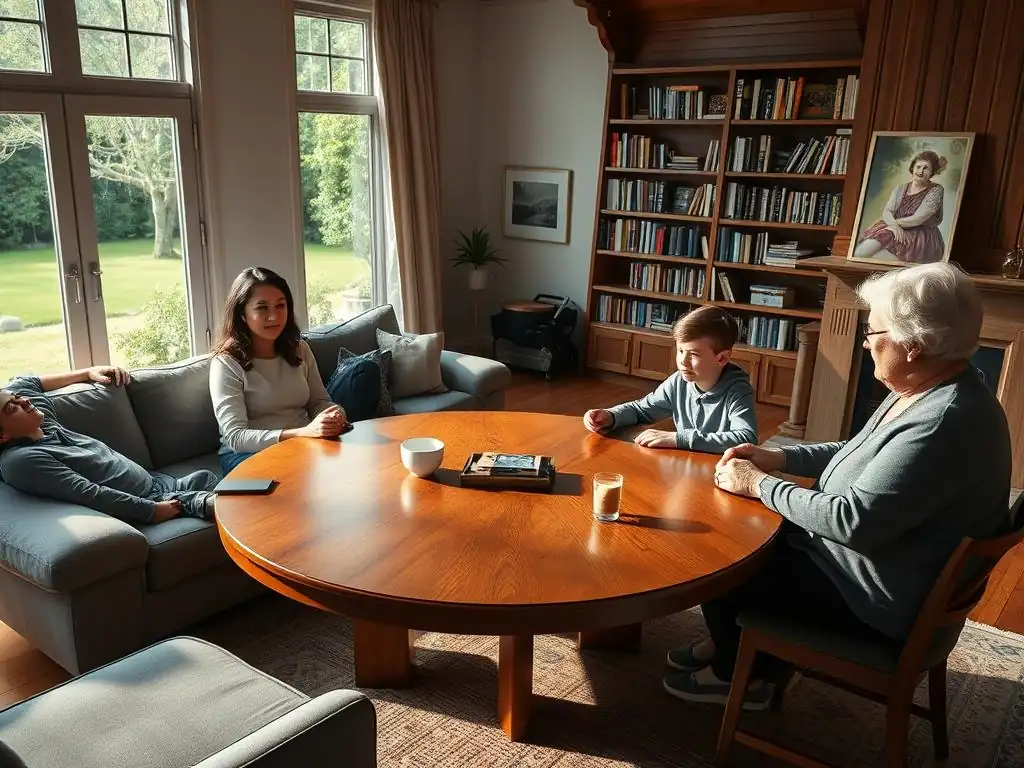
Navigating the complexities of blended family life can feel like traversing uncharted waters. Are you searching for ways to strengthen bonds and foster understanding within your family? You're not alone. This guide offers invaluable insights and practical strategies, beginning with our exploration of effective communication blended families. Discover the secrets to building bridges and creating a harmonious home, one conversation at a time. Curious to learn how? Let's dive in...
- Building Bridges: Communication Secrets for Blended Families
- Understanding Communication Challenges in Blended Families
- Establishing a Foundation for Effective Communication Blended Families
- Key Communication Strategies for Blended Families Success
- Communication Tips for Parents in Blended Families
- Communication Techniques for Children in Blended Families
- Overcoming Communication Hurdles in Blended Families
- Long-Term Benefits of Strong Communication in Blended Families
- Resources for Improving Communication in Blended Families
-
Frequently Asked Questions
- How can effective communication specifically benefit blended families?
- What are some common communication pitfalls in blended families, and how can they be avoided?
- What role does emotional intelligence play in successful communication within blended families?
- How can blended families establish clear communication channels and expectations for expressing needs and concerns?
- What strategies can blended families use to resolve conflicts constructively, particularly when dealing with step-parent/step-child relationships?
- Final Reflection: Bridging the Divide, Building a Future
- Unlock Harmony: Strengthen Your Blended Family Today!
Building Bridges: Communication Secrets for Blended Families
Mind Care Guide: Nurturing Stronger Blended Family Bonds
Building a blended family is a journey filled with unique joys and complexities. It involves merging different histories, traditions, and expectations, often requiring significant adjustment from everyone involved. At the heart of navigating these transitions successfully lies the ability to foster effective communication. This skill is not just about talking; it's about understanding, empathy, and creating a safe environment where every family member feels heard and valued.
Establishing robust communication channels from the outset can significantly mitigate potential conflicts and strengthen the bonds within the new family structure. It requires patience, persistence, and a willingness to learn new ways of interacting. By focusing on clear, open, and empathetic communication, blended families can build a strong foundation for connection, trust, and mutual respect, paving the way for a harmonious and thriving family life.
Understanding Communication Challenges in Blended Families
Unique Dynamics of Blended Family Communication
Blended families often face communication dynamics distinct from first-marriage families. These dynamics stem from the presence of multiple parental figures, stepparents, stepsiblings, and sometimes, relationships with ex-partners. Unlike traditional nuclear families where roles and relationships might be more clearly defined from the start, blended families must actively negotiate these roles and build new relationships while managing existing ones. This complexity means that communication is not just between parents and children but also between stepparents and stepchildren, stepsiblings, and potentially across different households.
Furthermore, children in blended families may have divided loyalties or feel caught between their biological parents and stepparents, which can manifest in communication difficulties. Parents and stepparents must communicate effectively not only with the children but also with each other, and often with the other biological parent, adding layers of complexity. Successfully navigating these unique dynamics is crucial for fostering effective communication blended families.
Common Communication Barriers in Stepfamilies
Several common barriers can impede effective communication blended families. One significant hurdle is the lack of a shared history or established family culture. New family members bring their own communication styles, norms, and expectations, which may clash. For instance, one household might be accustomed to direct, open confrontation, while another avoids conflict entirely, leading to misunderstandings and resentment.
Another common barrier is the feeling of being an "outsider," particularly for stepparents or children adjusting to a new home. This can lead to guarded communication, reluctance to share feelings, or withdrawal. Issues surrounding discipline, finances, and differing parenting styles also frequently cause friction. Approximations suggest that conflicts over differing rules and expectations are among the most cited challenges in stepfamilies, directly impacting open dialogue. Overcoming these barriers requires intentional effort and a commitment to developing new communication skills.
The Impact of Past Relationships on Current Communication
The history of past relationships, including divorce or the death of a parent, profoundly impacts communication within a blended family. Children and adults alike may carry emotional baggage, trust issues, or unresolved grief from previous family structures. For example, a child who experienced conflict during their biological parents' divorce might be wary of conflict in the new blended family, leading them to shut down during disagreements.
Similarly, parents and stepparents may bring communication patterns learned in previous relationships, which might not be healthy or effective in the new context. For instance, a parent might have developed a passive communication style to avoid conflict with an ex-partner, which hinders open discussion with a new spouse. Recognizing how past experiences shape current communication is a vital step towards building effective communication blended families and fostering healthier interactions.
Establishing a Foundation for Effective Communication Blended Families
Setting Realistic Expectations for Communication in a Blended Family
Establishing a foundation for effective communication blended families begins with setting realistic expectations. It's important to understand that becoming a blended family is a process, not an event, and developing comfortable, open communication takes time. Instantaneous deep bonds and effortless conversations are rarely the reality. Expecting everyone to immediately feel like a cohesive unit or to communicate with the ease of a long-established family sets the stage for disappointment.
Instead, focus on gradual progress and celebrate small victories. Acknowledge that awkwardness is normal and that building trust and rapport requires consistent effort over months, if not years. For example, initial family discussions might be brief and formal, but with consistent practice and a positive attitude, they can evolve into more relaxed and genuine interactions. Setting these realistic expectations helps manage frustration and encourages patience throughout the journey of building effective communication.
Creating a Safe Space for Open Dialogue and Honest Sharing
A critical component of effective communication blended families is creating a psychological safe space where everyone feels comfortable expressing their thoughts, feelings, and concerns without fear of judgment or reprisal. This involves active listening, validating emotions, and ensuring that disagreements are handled constructively rather than destructively. Parents and stepparents play a crucial role in modeling this behavior and setting the tone.
This safe space is built on trust and respect. It means actively encouraging everyone, including children, to share what's on their mind, even if it's difficult. It requires responding with empathy and understanding, even when you don't agree. For instance, if a child expresses sadness about missing their other parent's house, validate their feelings ("It sounds like you're really missing your old room and routine") rather than dismissing them ("But you have a great room here!"). This approach fosters vulnerability and encourages more open and honest sharing in the future.
The Importance of Active Listening in Blended Family Relationships
Active listening is perhaps one of the most powerful tools for building effective communication blended families. It goes beyond simply hearing words; it involves fully concentrating on, understanding, responding to, and remembering what is being said. In a blended family, where diverse perspectives and potential sensitivities exist, truly hearing and understanding each other is paramount.
Active listening involves paying attention non-verbally (maintaining eye contact, nodding), reflecting back what you've heard to confirm understanding ("So, if I understand correctly, you're feeling frustrated because..."), and withholding judgment until the other person has finished speaking. For example, during a family meeting, a stepparent might actively listen to a stepchild's concerns about holiday arrangements, repeating the main points to show they've understood their perspective, even if the final decision differs. This demonstrates respect and validates the speaker's feelings, strengthening the relationship and paving the way for more open future communication.
Key Communication Strategies for Blended Families Success
Implementing Regular Family Meetings for Open Communication
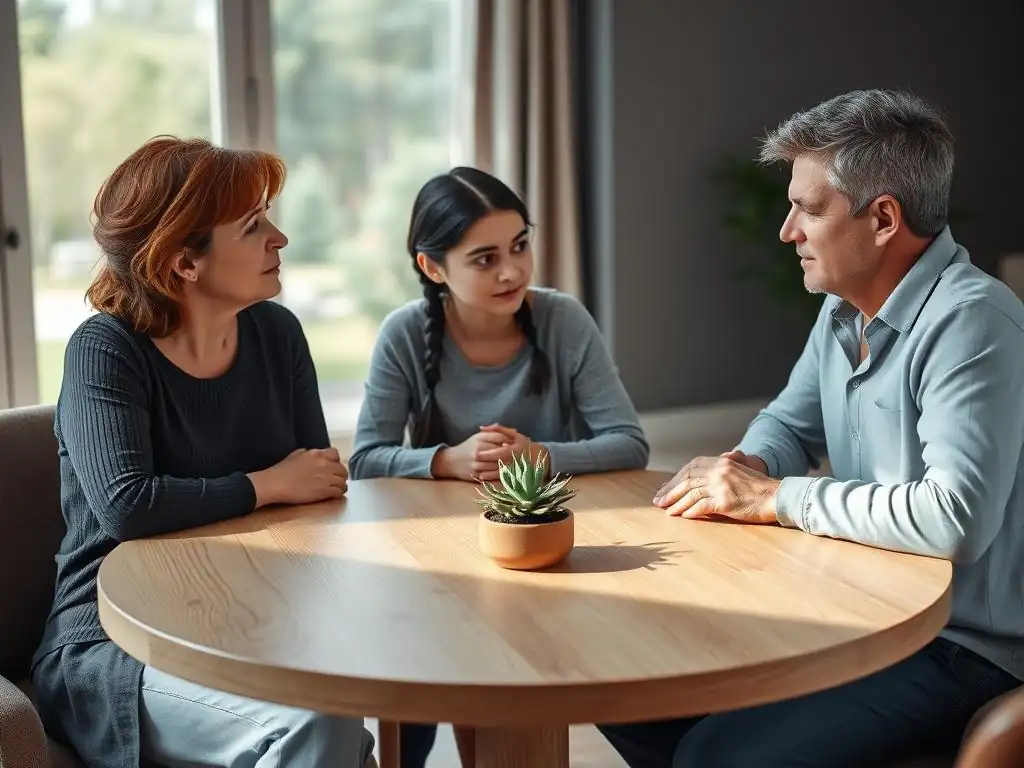
Regular family meetings provide a structured and predictable forum for effective communication blended families. These meetings, held weekly or bi-weekly, offer a dedicated time for everyone to check in, share updates, discuss upcoming schedules, address concerns, and make decisions together. This predictability reduces anxiety and ensures that important conversations don't get lost in the shuffle of daily life.
During these meetings, establish ground rules, such as allowing everyone a turn to speak without interruption, using respectful language, and focusing on solutions rather than blame. For example, a family meeting agenda might include items like "Weekly Schedule Check-in," "Discussing Weekend Plans," and "Addressing the Chore Distribution." Giving children a voice in decisions that affect them, even small ones, can increase their sense of belonging and investment in the family unit, fostering much more effective communication.
Using "I" Statements to Express Needs and Feelings Constructively
Using "I" statements is a fundamental technique for expressing needs, feelings, and concerns constructively, which is vital for effective communication blended families. Instead of using accusatory "You" statements (e.g., "You always leave your mess everywhere! "), which can make others feel defensive, "I" statements focus on your own experience (e.g., "I feel frustrated when I see clutter in the living room because it makes me feel like our shared space isn't being respected").
The basic structure is "I feel [emotion] when [specific behavior] because [reason/impact]." This shifts the focus from blaming the other person to explaining the impact of their actions on you. It encourages empathy and opens the door for problem-solving rather than escalating conflict. Consistently using "I" statements helps family members communicate their needs clearly and respectfully, reducing defensiveness and improving the quality of interactions.
Conflict is inevitable in any family, but how it is navigated is key to maintaining healthy relationships and fostering effective communication blended families. Rather than avoiding conflict or engaging in shouting matches, blended families benefit from learning strategies for respectful and empathetic conflict resolution. This involves approaching disagreements as opportunities to understand each other better and find mutually acceptable solutions.
Strategies include taking a break if emotions are running high, actively listening to the other person's perspective without interrupting, and focusing on the specific issue at hand rather than bringing up past grievances. For example, if there's a disagreement about screen time rules, a parent might say, "I understand you feel it's unfair compared to your friends [empathy], but I feel concerned about your sleep schedule when you stay up late on screens [I statement]. Can we talk about finding a balance that works?" This approach prioritizes maintaining the relationship and encourages collaboration towards a resolution.
Communication Tips for Parents in Blended Families
Co-Parenting Communication Strategies: Working with the Other Biological Parent
Effective communication blended families often extends beyond the immediate household to include co-parenting communication with the other biological parent. This relationship, while separate from the blended family unit, significantly impacts its dynamics and the children's well-being. Establishing clear, respectful, and business-like communication with the ex-partner is paramount, even if the personal history is strained.
Key strategies include keeping communication focused on the children's needs and logistics, using a neutral and objective tone, and ideally, utilizing communication tools like shared calendars or co-parenting apps to minimize direct conflict. For instance, discussing school events, medical appointments, or exchange times should be the primary focus, avoiding discussions about finances (unless directly related to the child), the new blended family, or personal lives. Maintaining a civil co-parenting relationship provides stability for the children and reduces tension that could spill over into the blended family's internal communication.
Maintaining Consistency in Rules and Expectations Across Households
One of the significant challenges in blended families is navigating differing rules and expectations between households, which can confuse children and undermine parental authority. While perfect uniformity may be unrealistic, striving for consistency in key areas is vital for effective communication blended families and providing children with a sense of security and predictability.
Parents and stepparents within the blended family need to communicate clearly with each other to present a united front on important issues like homework, chores, curfews, and discipline. Ideally, there is also communication with the other biological parent to align on fundamental expectations where possible, though this is not always feasible. For example, if one household has a strict bedtime routine on school nights, the blended family household should aim for a similar standard to help the child adjust and thrive. Consistency reduces a child's ability to play one parent against another and reinforces a stable environment.
Addressing Sibling Rivalry and Jealousy Through Effective Communication
Sibling rivalry and jealousy are common in all families, but they can be amplified in blended families as children compete for parental attention, resources, or status within the new structure. Effective communication blended families is crucial for addressing these issues openly and empathetically.
Parents should acknowledge and validate the children's feelings of jealousy or insecurity without judgment. Encourage children to express their frustrations using "I" statements and facilitate discussions where siblings can voice their perspectives respectfully. For example, if one child feels jealous of the attention a stepsibling is getting, a parent might say, "I hear that you're feeling left out when I spend time helping [Stepsibling] with homework.
I understand that's hard. Let's talk about scheduling some special time just for you this week." Providing individual attention to each child, ensuring fairness (not necessarily equal treatment, but meeting individual needs), and promoting empathy among siblings through guided conversations can help mitigate rivalry and foster stronger sibling bonds.
Communication Techniques for Children in Blended Families
Encouraging Children to Express Their Feelings and Concerns
Children in blended families may experience a wide range of emotions, from excitement and hope to confusion, sadness, anger, or loyalty conflicts. Encouraging them to express these feelings openly is fundamental to building effective communication blended families. Children often lack the vocabulary or emotional maturity to articulate complex feelings, so parents and stepparents need to create an environment where it feels safe to try.
This involves actively asking open-ended questions ("How did you feel about the family meeting? "), listening patiently without interrupting or dismissing their feelings, and validating their emotions ("It sounds like you're feeling frustrated," "It's okay to feel sad"). For example, if a child is withdrawn, a parent might gently say, "I've noticed you've been quiet lately. Is there anything on your mind you'd like to talk about? No pressure, but I'm here to listen whenever you're ready." Providing various avenues for expression, such as drawing, writing, or playing, can also be helpful, especially for younger children.
Helping Children Adjust to New Family Dynamics Through Communication
Adjusting to new family dynamics – new rules, new routines, new personalities, new living arrangements – is a significant undertaking for children. Clear, consistent, and age-appropriate communication is essential to help them navigate these changes and foster effective communication blended families.
Keep children informed about upcoming changes in advance whenever possible, explaining the reasons for the changes in simple terms. Involve them in age-appropriate discussions about family decisions, allowing them to feel a sense of agency and control in a situation where much feels outside their control.
For example, before moving in together, parents could discuss with the children what the new house layout will be like, where their rooms will be, and what the new daily routine might look like. This transparency reduces anxiety and helps children feel like active participants in the family's evolution, rather than passive recipients of change.
Providing Individual Attention and Support to Each Child
In the busy environment of a blended family, it's easy for individual children to feel overlooked or lost in the mix. Providing dedicated individual attention and support to each child is crucial for their emotional well-being and strengthens the parent-child or stepparent-stepchild bond, which underpins effective communication blended families.
This means carving out one-on-one time regularly with each child, engaging in activities they enjoy, and simply being present and listening without distractions. For instance, scheduling a weekly "date" – whether it's just reading together for 20 minutes, going for a walk, or playing a game – signals to the child that they are important and valued as an individual. These moments create opportunities for children to open up about their thoughts and feelings in a low-pressure environment, fostering trust and making communication feel more natural and comfortable.
Overcoming Communication Hurdles in Blended Families

Dealing with Resistance to Change and New Family Members
Resistance to change is a natural human reaction, and it's particularly common in blended families where established routines and loyalties are challenged. Children or even adults may resist new rules, new stepparents, or new stepsiblings, and this resistance often manifests as communication breakdowns, withdrawal, or defiance. Overcoming this requires patience, understanding, and persistent efforts towards effective communication blended families.
Acknowledge and validate the feelings behind the resistance ("I know this is a big change and it's hard"). Avoid forcing relationships or demanding instant acceptance. Continue to offer opportunities for connection and communication without pressure. For example, if a stepchild is resistant to spending time with a stepparent, the stepparent might suggest low-pressure, shared activities focused on a common interest (e.g., playing a specific video game together for 15 minutes) rather than insisting on long, forced conversations. Consistency, patience, and demonstrating unconditional acceptance are key to gradually breaking down walls and opening lines of communication over time.
Addressing Communication Breakdown and Seeking Professional Help
Despite best efforts, communication breakdowns can occur in blended families, leading to increased conflict, resentment, and emotional distance. Recognizing the signs of a breakdown – frequent arguments, stonewalling, avoidance, or a pervasive negative atmosphere – is the first step. Addressing it requires pausing, reflecting, and often, seeking external support to restore effective communication blended families.
When communication breaks down, it's important to take a step back, perhaps agree to revisit the conversation later when emotions are calmer, and reflect on what went wrong. If patterns of negative communication persist or escalate, or if family members feel stuck and unable to resolve conflicts constructively, seeking professional help from a family therapist specializing in blended families is highly recommended. Therapy provides a neutral space and tools to identify unhealthy communication patterns, understand underlying issues, and learn healthier ways to interact. Studies suggest that therapeutic intervention can significantly improve communication and relationship satisfaction in blended families.
Fostering Forgiveness and Understanding in Blended Family Relationships
Blended families navigate complex histories, and past hurts or misunderstandings – whether from previous relationships or within the blended family itself – can hinder effective communication blended families. Fostering forgiveness and understanding is a crucial, albeit challenging, aspect of healing and building stronger bonds. Forgiveness isn't necessarily about forgetting or condoning past actions, but about releasing resentment and choosing to move forward.
This process requires open and honest communication about past hurts, a willingness to listen to different perspectives, and empathy for the challenges others have faced. It may involve acknowledging mistakes, offering sincere apologies, and making amends. For example, a parent might need to apologize to a child for prioritizing a new partner over the child's feelings during the initial transition.
Fostering understanding means recognizing that everyone in the blended family is on their own journey of adjustment and healing, and extending grace and patience to one another. This creates an environment where communication can be more open and less burdened by the weight of the past.
Long-Term Benefits of Strong Communication in Blended Families
Creating a Cohesive and Supportive Family Environment
The long-term commitment to building effective communication blended families yields significant rewards, most notably the creation of a cohesive and supportive family environment. When family members can express themselves openly, listen actively, and resolve conflicts respectfully, a sense of unity and belonging flourishes. This environment isn't about erasing individual differences or past connections, but about integrating them into a new, shared family identity.
In a cohesive blended family, members feel connected to one another, trust is high, and there's a collective sense of navigating challenges together. This shared experience strengthens bonds and creates a secure base for all members, especially children who benefit immensely from feeling part of a stable and supportive unit. This supportive atmosphere is a direct result of consistent, positive communication practices.
Strengthening Bonds and Building Trust Among Family Members
Trust is the bedrock of any strong relationship, and in blended families, it must often be built intentionally over time, particularly between stepparents and stepchildren, and among stepsiblings. Effective communication blended families is the primary vehicle for building this trust. Consistent, honest, and reliable communication demonstrates integrity and care, proving to family members that they can rely on one another.
Openly discussing expectations, following through on commitments, and handling disagreements with respect all contribute to building trust. For example, a stepparent who consistently shows up for a stepchild's school events, actively listens to their worries, and follows through on promises builds trust through reliable actions and open communication. As trust grows, bonds deepen, and family members feel more secure in their relationships, leading to even more open and authentic communication.
Enhancing the Overall Well-being of Each Individual
Ultimately, the benefits of effective communication blended families extend to the enhanced overall well-being of each individual within the family unit. When communication is healthy and supportive, stress levels tend to be lower, emotional needs are more likely to be met, and individuals feel more understood and accepted. This positive environment contributes to improved mental and emotional health for adults and children alike.
Children in blended families with strong communication are more likely to adjust successfully, perform better academically, and develop healthier coping mechanisms. Adults experience less conflict-related stress and greater satisfaction in their relationships. The ability to openly discuss challenges and seek support within the family unit provides a powerful buffer against life's difficulties, fostering resilience and promoting the flourishing of every family member.
Resources for Improving Communication in Blended Families
Books and Articles on Blended Family Communication
Many valuable resources are available to help blended families improve their communication skills and navigate common challenges. Books written by therapists and experts in family dynamics offer insights into the unique complexities of stepfamilies and provide practical strategies.
Block Quote: Successful stepfamilies are not necessarily those without problems, but those who have developed effective ways of communicating about and solving their problems.
- Attributed concept from blended family literature
Articles online and in family-focused publications also offer accessible tips and perspectives on specific issues like stepparent roles, stepsibling relationships, and managing holidays. These resources can provide foundational knowledge and actionable techniques for fostering effective communication blended families.
Support Groups and Counseling Services for Blended Families
Connecting with others who understand the unique journey of blended families can be incredibly validating and provide valuable support and practical advice. Support groups, whether in-person or online, offer a safe space to share experiences, challenges, and successes with peers.
- Benefits of Support Groups:
- Reduced feelings of isolation
- Gaining perspective from others' experiences
- Learning coping strategies
- Building a network of understanding individuals
For families facing significant communication challenges or complex dynamics, professional counseling or therapy is a highly effective resource. Therapists specializing in blended families can facilitate difficult conversations, teach specific communication skills, and help family members work through unresolved issues, significantly improving effective communication blended families.
Online Forums and Communities for Sharing Experiences and Advice
The digital age offers numerous online forums and communities dedicated to blended families. These platforms provide convenient access to a vast network of individuals navigating similar paths. They serve as spaces for asking questions, sharing advice, finding encouragement, and feeling less alone.
These online resources can be particularly helpful for specific issues or for connecting with others who share similar family structures (e.g., stepmoms connecting with other stepmoms, dads in shared custody arrangements). While not a substitute for professional help when needed, these communities can offer practical tips, emotional support, and a sense of solidarity in the ongoing effort to build effective communication blended families.
Frequently Asked Questions
How can effective communication specifically benefit blended families?
Effective communication in blended families fosters understanding and empathy, reducing conflict and building stronger, healthier relationships. This is crucial for navigating the unique challenges of a blended family dynamic.
What are some common communication pitfalls in blended families, and how can they be avoided?
Common pitfalls include assuming everyone feels the same, avoiding difficult conversations, and favoritism. These can be avoided through open dialogue, active listening, and establishing clear boundaries.
What role does emotional intelligence play in successful communication within blended families?
Emotional intelligence is vital because it allows individuals to understand and manage their own emotions, as well as empathize with others. This leads to more constructive conversations and reduces misunderstandings.
How can blended families establish clear communication channels and expectations for expressing needs and concerns?
Establishing regular family meetings, using active listening techniques, and creating a safe space for everyone to share their thoughts are key. This promotes openness and transparency within the family.
What strategies can blended families use to resolve conflicts constructively, particularly when dealing with step-parent/step-child relationships?
Focus on finding common ground, using “I” statements to express feelings without blaming, and seeking professional help from a therapist if needed. Remember, compromise is essential for a harmonious blended family.
Final Reflection: Bridging the Divide, Building a Future
Effective communication isn't just a skill in blended families; it's the bedrock upon which a thriving, loving unit is built. Without open, honest, and respectful dialogue, the challenges inherent in merging two families can easily fracture the fragile peace. This article has explored practical strategies to navigate the complexities of communication in this unique family dynamic, but the true power lies in the consistent application of these principles.
The impact of effective communication in blended families extends far beyond the immediate family unit. It ripples outwards, influencing the emotional well-being of children, the stability of relationships, and even the broader social fabric. The ability to bridge the gap between differing perspectives, to foster understanding where conflict might otherwise arise, is a testament to the human capacity for empathy and growth. The most basic of all human needs is the need to understand and be understood.
- Ralph Nichols. This quote underscores the fundamental importance of communication, not just in blended families, but in all human relationships.
Now, consider your own relationships. Perhaps you're navigating the complexities of a blended family, or maybe you're simply looking to improve communication within your existing family structure. Take the time to reflect on the strategies discussed in this article. Choose one or two that resonate most deeply with you, and commit to implementing them consistently. The journey towards stronger, more connected relationships requires effort and patience, but the rewards – a family bound by love, understanding, and mutual respect – are immeasurable. Start building your bridges today.
Unlock Harmony: Strengthen Your Blended Family Today!
Thanks for taking the time to explore the unique communication challenges and triumphs of blended families. You've gained valuable insights into building stronger relationships! Now, it's time to put these learnings into action.
- Prioritize one specific communication technique: Choose one strategy from the article (e.g., family meetings, active listening, individual check-ins) and dedicate this week to consciously practicing it.
- Share your experiences:Engage with other blended families by sharing your biggest takeaway or a challenge you're currently tackling in the comments below. Let's build a supportive community together!
- Try a "Family Fun Night" with a focus on communication: This could be a board game night centered around collaborative problem-solving, or a creative activity that requires teamwork.
What small step will you take today to improve communication in your blended family?