
Helping Children Adjust to a Blended Family: A Mental Wellness Guide

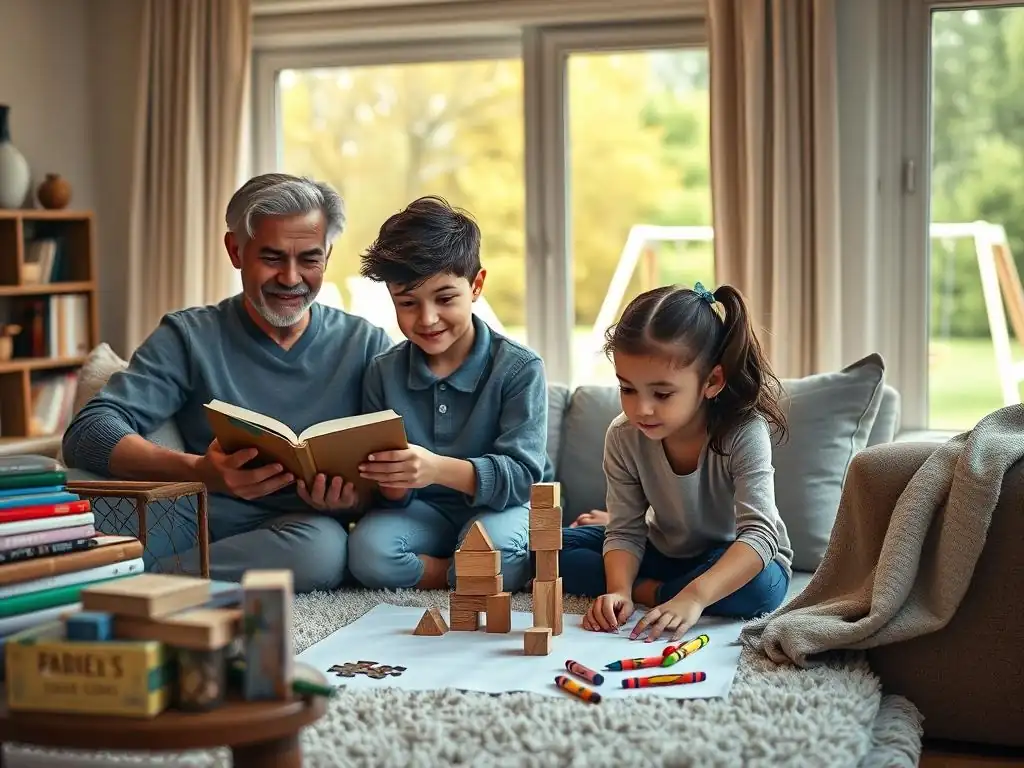
Welcome to Mind Care Guide, a safe space dedicated to nurturing your mental well-being. Navigating life's complexities can be challenging, especially when it involves family dynamics. Are you wondering how to ease the transition for your children into a blended family? It's a journey many face, and understanding the nuances of blended family adjustment for kids is crucial for their emotional health and happiness. This guide offers insights and practical advice to help you create a supportive and loving environment for everyone involved. Ready to learn more and build a stronger, healthier family unit?
Helping Children Adjust to a Blended Family: A Mental Wellness Guide
- Understanding Blended Families and Child Mental Health
- Preparing Children for a Blended Family Transition
- Strategies for Smooth Blended Family Adjustment for Kids
- Supporting Children's Emotional Needs in Blended Families
- Building Strong Relationships within the Blended Family
- Addressing Common Blended Family Issues and Challenges
- The Role of Stepparents in Successful Blended Family Adjustment
- Seeking Professional Help for Blended Family Challenges
- Long-Term Mental Wellness in Blended Families
-
Frequently Asked Questions
- How can I help my child cope with the initial shock of a blended family?
- What are some common behavioral changes I might see in my child during the adjustment phase?
- How important is establishing clear and consistent rules in a blended family?
- What role does spending quality one-on-one time with each child play in their adjustment?
- When should I consider seeking professional help for my child's adjustment to a blended family?
- Final Reflection: Navigating the New Normal in Blended Families
- Unleash Your Family's Potential: Thrive in Your Blended Home
Understanding Blended Families and Child Mental Health
Defining Blended Families: Beyond Traditional Structures
A blended family, often referred to as a stepfamily, is formed when one or both parents have children from a previous relationship. This structure extends beyond the traditional nuclear family model, incorporating stepparents, step-siblings, and potentially half-siblings. These families come together through marriage or cohabitation, bringing together individuals with distinct histories, traditions, and established relationships.
Understanding the unique composition of a blended family is the first step in appreciating the dynamics and potential challenges involved in blended family adjustment for kids. It's not just about adding new members; it's about integrating different family cultures and histories into a cohesive unit, a process that requires significant emotional and practical navigation.
Unlike first-marriage families where a shared history is built from the ground up, blended families merge existing family units, each with its own set of rules, expectations, and emotional landscapes. This means children entering a blended family often carry experiences from their previous family structure, which might include divorce, loss, or significant change. Acknowledging these prior experiences is crucial for supporting children's mental well-being during the transition.
The complexity lies in creating a new family identity while respecting the bonds and histories that existed before the blend. Successful blended family adjustment for kids hinges on recognizing this inherent complexity and approaching it with patience and understanding.
Challenges of Blended Family Adjustment: A Child's Perspective
Adjusting to a blended family presents a unique set of challenges for children, often impacting their sense of security and belonging. Children may struggle with divided loyalties, feeling pressure to choose sides between biological parents or feeling guilty about forming bonds with new family members. This can manifest in various ways, from emotional withdrawal to behavioral outbursts.
For instance, a child might feel uncomfortable showing affection towards a stepparent in front of their other biological parent, creating internal conflict. Research indicates that the first 1-2 years are often the most challenging period for blended family adjustment for kids, as everyone navigates new roles and relationships.
Furthermore, children face the challenge of adapting to new house rules, routines, and parenting styles. What was considered normal or acceptable in their original home might differ significantly in the new blended family environment. For example, bedtime routines, homework expectations, or even mealtime manners could vary.
This inconsistency can be confusing and frustrating for a child. Studies suggest that children aged 9-15 often experience the most difficulty adjusting, possibly due to navigating identity formation alongside significant family structural changes. The emotional toll of these changes requires empathetic understanding and deliberate strategies to support their mental and emotional health during the blended family adjustment for kids.
Impact on Children's Mental Well-being: Emotional and Behavioral Considerations
The process of blended family adjustment for kids can significantly impact their mental well-being, leading to a range of emotional and behavioral responses. Children might experience feelings of grief or loss related to the end of their original family unit, even if the change was anticipated. Anxiety about the unknown, fear of not being loved or accepted, and feelings of displacement are also common.
These emotions can surface as increased irritability, sadness, or even physical complaints like stomachaches or headaches. An estimated 20-30% of children in blended families may exhibit significant behavioral or emotional issues during the adjustment period, though many navigate the transition successfully with support.
Behaviorally, children might act out to express their distress or seek attention. This could include increased defiance, aggression towards siblings (new or old), regression to earlier behaviors (like thumb-sucking in younger children), or withdrawal from social activities and family interactions. Academic performance might also decline.
For example, a previously well-behaved child might start having trouble at school or isolating themselves from friends. Recognizing these changes as potential signs of difficulty with blended family adjustment for kids is crucial for parents and stepparents. Early identification and intervention can make a significant difference in supporting the child through this complex transition and fostering long-term mental wellness.
Preparing Children for a Blended Family Transition
Open Communication: Talking About the Change with Honesty and Empathy
Approaching the topic of forming a blended family with children requires open, honest, and empathetic communication tailored to their age and understanding. It's essential to inform them about the upcoming changes well in advance, giving them time to process the information and ask questions. Parents should explain the reasons for the change in simple, reassuring terms, focusing on the positive aspects of building a new family together while validating any difficult feelings the child might have.
Using phrases like, "Our family is changing, and that can feel different, but we will all be together and strong," can help frame the transition positively while acknowledging potential discomfort. Studies on family transitions indicate that children who feel included in the conversation about major life changes tend to adjust more smoothly.
During these conversations, actively listen to your children's responses and concerns without interruption. Let them express their fears, anxieties, or even anger. Avoid sugarcoating the challenges, but emphasize that you will navigate them together as a family. For instance, you might say, "It might feel strange having new people around at first, and that's okay.
We can talk about anything that feels difficult." Be prepared to have multiple conversations over time, as children may process information gradually and new questions or feelings may arise as the transition approaches. Consistent, calm dialogue is a cornerstone of successful blended family adjustment for kids.
Addressing Concerns: Validating Fears and Anxieties
Children in anticipation of a blended family often harbor fears and anxieties about what the future holds. These concerns can range from practical worries like "Where will I sleep?" or "Will I have to share my room?" to deeper emotional anxieties such as "Will you still love me as much?"
or "What about my other parent?". It is paramount to validate these feelings, letting the child know that their emotions are normal and understood. Saying something like, "It makes sense that you're worried about sharing your space; it's a big change," shows empathy and encourages them to share more. Dismissing their fears or telling them they shouldn't feel a certain way can shut down communication and make them feel misunderstood.
Addressing specific concerns with concrete answers, where possible, can alleviate anxiety. If they worry about sharing a room, discuss potential arrangements or how you will make the shared space comfortable for everyone. If they fear losing your love, offer abundant reassurance through words and actions, emphasizing that your love for them is unwavering regardless of the family structure. For example, scheduling dedicated one-on-one time can reinforce this message. Acknowledging the difficulty of blended family adjustment for kids and actively working to address their specific worries builds trust and security, making the transition less daunting.
Setting Realistic Expectations: Acknowledging the Adjustment Process
It's important for both parents and children to have realistic expectations about the blended family adjustment process. This transition is rarely instantaneous or without bumps. Avoid presenting the new family unit as a perfect, ready-made family from day one. Children might envision a fairy-tale ending, or conversely, anticipate only negative outcomes.
Explaining that it will take time for everyone to get to know each other, build relationships, and find their place helps manage expectations. You might say, "It will take a while for all of us to get used to living together, and that's perfectly normal. We'll figure things out step by step."
Be honest about potential challenges, such as differences in rules or personalities, while emphasizing the commitment to working through them together. For instance, you could mention, "Everyone in our new family has different ways of doing things, and we'll need to talk and compromise to find what works best for all of us." This approach prepares children for the reality of adjustment without instilling fear. Setting realistic expectations about blended family adjustment for kids reduces pressure and allows for a more flexible and forgiving approach as the family navigates its new dynamic.
Introducing New Family Members: Gradual Integration Strategies
Introducing children to future stepparents and step-siblings should be a gradual and low-pressure process. Initial meetings should be short, casual, and in neutral territory, like a park or restaurant, rather than immediately in one of the homes. The focus should be on fun and getting acquainted in a relaxed setting. For example, a trip to the zoo or a shared ice cream outing can be good starting points. Avoid forcing interactions or demanding immediate affection. The goal is familiarity and comfort, not instant bonding.
As comfort levels increase, interactions can become longer and include more time in each other's homes. Sleepovers can be introduced gradually, perhaps starting with a single night and building up to longer stays. It's helpful to involve children in the planning of these interactions, giving them a sense of control and making the process feel less imposed. For younger children, introducing step-siblings one-on-one initially might be less overwhelming than a large group meeting. Allowing children to set the pace, within reasonable limits, is key to fostering positive early relationships during the critical phase of blended family adjustment for kids.
Strategies for Smooth Blended Family Adjustment for Kids
Establishing Roles and Responsibilities: Clarity and Consistency
Clear roles and responsibilities are vital for creating a sense of security and predictability within a blended family, significantly aiding blended family adjustment for kids. Children thrive on structure, and knowing what is expected of them, who is responsible for what, and how decisions are made reduces anxiety. Parents and stepparents should work together to establish consistent rules, expectations, and consequences that apply to all children living in the household, regardless of whether they are biological or step-children. For example, if the rule is "homework before screen time," this should apply equally to everyone of appropriate age.
Consistency is particularly important regarding discipline and household chores. Children need to understand who they go to for specific issues (e.g., school help vs. permission to go out) and that the consequences for breaking rules are applied fairly. While biological parents often retain primary responsibility for disciplining their own children, stepparents need a clearly defined role, often starting as a supportive figure and gradually taking on more authority as relationships develop.
Discussions about these roles should happen between the adults first, and then be communicated clearly to the children. This clarity helps children feel safe and understand the new family system, smoothing the path for blended family adjustment for kids.
Creating a Supportive Environment: Love, Acceptance, and Security
A foundation of love, acceptance, and security is the most crucial element for successful blended family adjustment for kids. Children need to feel unconditionally loved and accepted by all the adults in their lives, including their biological parent and stepparent. This means creating an atmosphere where children feel safe to express themselves, make mistakes, and navigate challenges without fear of judgment or rejection. Simple gestures like hugs, words of affirmation, and active listening contribute significantly to this environment.
Parents and stepparents should actively demonstrate acceptance of each child's unique personality, interests, and history. Acknowledging and respecting their bond with their other biological parent is also part of creating a supportive space; never make a child feel guilty about loving their other parent. Ensuring children feel secure means providing stability, meeting their basic needs, and being a reliable presence in their lives. Knowing they have a secure base from which to explore the new family dynamic allows children to feel more confident and less anxious during the blended family adjustment for kids.
Fostering Positive Relationships: Encouraging Step-sibling Connection
Encouraging positive relationships between step-siblings is a key component of successful blended family adjustment for kids. While forced bonding is counterproductive, creating opportunities for shared positive experiences can help step-siblings connect naturally. Plan family activities that everyone can enjoy, such as game nights, movie marathons, or outdoor adventures. Encourage cooperation through team-based games or collaborative projects.
It's also helpful to create shared spaces and responsibilities. For instance, assigning step-siblings a joint chore or giving them a shared playroom can foster interaction. Acknowledge and praise positive interactions between step-siblings, no matter how small. Avoid comparing siblings or forcing them to be best friends immediately. Respecting their individual personalities and allowing relationships to develop at their own pace, while providing opportunities for connection, is the most effective approach. For example, setting aside time each week for "family fun" where step-siblings participate in a chosen activity can build shared memories and strengthen bonds over time.
Managing Conflict: Healthy Communication and Problem-Solving Skills
Conflict is inevitable in any family, and blended families may experience it more frequently, especially during the initial adjustment period. Teaching children and adults healthy communication and problem-solving skills is essential for navigating disagreements constructively. This involves modeling calm communication, active listening, and expressing feelings respectfully ("I feel frustrated when..." instead of "You always...").
When conflicts arise between siblings or between children and stepparents, guide the process towards finding solutions together rather than imposing punitive measures immediately. Encourage empathy by helping children understand each other's perspectives. For instance, "How do you think your sister felt when you took her toy?" Family meetings can be a valuable tool for discussing issues openly, setting expectations, and collectively brainstorming solutions to common problems. Learning to manage conflict effectively within the family unit builds resilience and strengthens relationships, contributing positively to blended family adjustment for kids.
Supporting Children's Emotional Needs in Blended Families
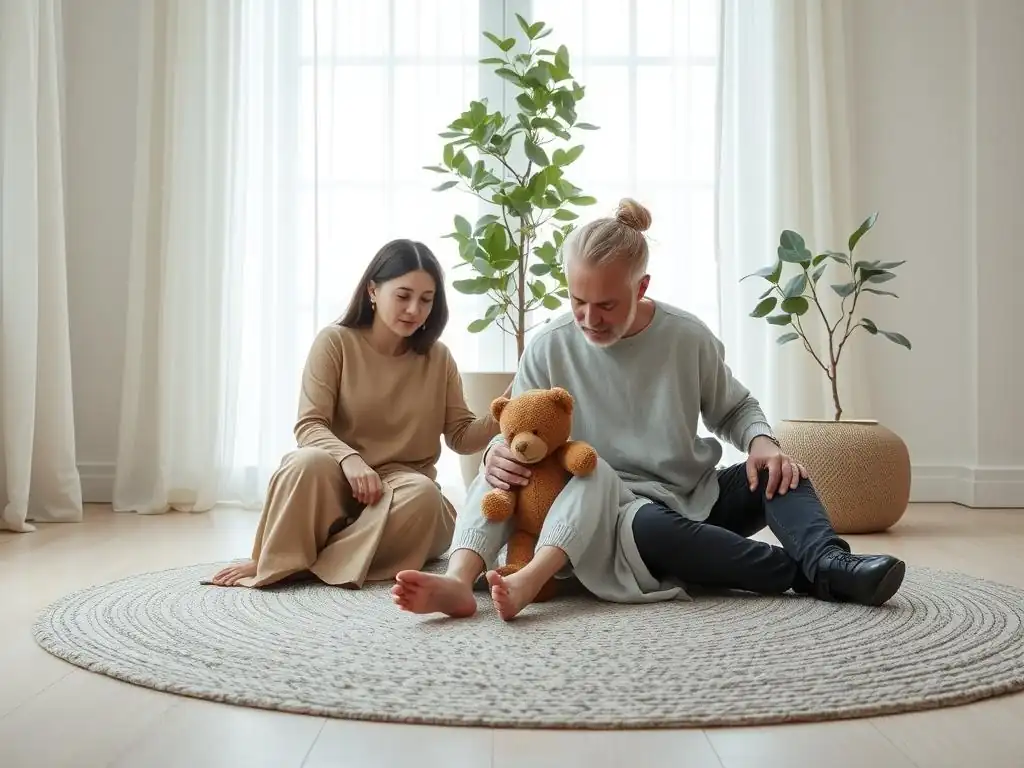
Recognizing Signs of Distress: Identifying Emotional and Behavioral Changes
Supporting children's emotional needs in a blended family begins with recognizing the signs that they may be struggling with the adjustment. While some level of difficulty is normal, persistent or significant changes in a child's behavior or emotional state can indicate distress. Look for changes such as increased irritability, withdrawal from family activities, difficulty sleeping, changes in appetite, or expressing feelings of sadness, anger, or anxiety more frequently. Younger children might exhibit regressive behaviors like increased clinginess or bedwetting, while older children might show defiance, academic decline, or social isolation.
Specific examples might include a child who was previously outgoing becoming withdrawn and quiet, or a child who rarely had tantrums suddenly having frequent outbursts. Pay attention if a child expresses feelings of not belonging, feeling like an outsider, or resentment towards new family members. These signs are not necessarily defiance; they are often expressions of difficulty processing complex emotions related to blended family adjustment for kids. Keeping an open line of communication and observing your child's behavior without judgment is crucial for early identification of potential issues.
Creating a safe space where children feel comfortable expressing their full range of emotions is vital for their mental wellness during blended family adjustment. Let children know that all their feelings – including confusion, sadness, anger, or frustration – are valid and acceptable. Avoid minimizing their feelings or telling them they are overreacting. Encourage them to talk about what they are experiencing, perhaps by asking open-ended questions like, "How did you feel about the weekend visit?" or "What was it like having everyone at dinner tonight?"
For children who find it difficult to verbalize their emotions, provide alternative outlets. Drawing, journaling, playing with dolls or action figures, or engaging in physical activities can help them process and express feelings non-verbally. Spending dedicated one-on-one time with each child, free from distractions, creates an opportunity for them to open up. Knowing they have a trusted adult who will listen without judgment is incredibly reassuring and helps children navigate the complex emotional landscape of blended family adjustment for kids.
Providing Individual Attention: Nurturing Each Child's Unique Needs
In a blended family, it can be challenging to ensure each child receives adequate individual attention, but it is essential for nurturing their unique needs and strengthening parent-child bonds. Children need reassurance that their relationship with their biological parent remains strong and valued, even as the family structure changes. Schedule regular one-on-one time with each child, doing something they enjoy. This could be as simple as reading a book together, going for a walk, playing a game, or helping with a hobby.
This dedicated time provides an opportunity to connect, check in emotionally, and reinforce that they are seen and valued as individuals. It also offers a private space for children to voice concerns they might not feel comfortable sharing in a group setting. Ensuring that stepparents also spend individual, low-pressure time with step-children can help build those new relationships organically. Prioritizing individual attention demonstrates that each child's needs are important, which is fundamental for supporting their emotional well-being during blended family adjustment for kids.
Addressing Loss and Grief: Acknowledging Past Family Dynamics
Children entering a blended family have often experienced the loss of their previous family structure, whether due to divorce, separation, or death. Even if the change was desired, there is still a sense of loss for the way things used to be. It is crucial to acknowledge and validate this grief. Allow children to talk about their memories of their original family unit without making them feel disloyal to the new blended family. For instance, allowing them to keep photos of their previous family or talk about traditions they miss can be helpful.
Help children understand that it is okay to feel sad about the past while also being open to the future. Avoid trying to replace lost family members or erase the past. Instead, integrate aspects of their history into the new family life where appropriate and respectful of all parties involved.
For example, if a child misses a specific tradition from their previous family, discuss if it can be adapted or incorporated into the new family traditions. Addressing this sense of loss with empathy and understanding is a critical, often overlooked, aspect of supporting children's mental wellness during blended family adjustment for kids.
Building Strong Relationships within the Blended Family
Creating new family traditions and rituals is a powerful way to build a sense of unity and shared identity within a blended family, fostering stronger relationships and aiding blended family adjustment for kids. Traditions provide predictability, connection, and opportunities for positive shared experiences that everyone can look forward to. These don't have to be elaborate; they can be simple, regular activities like a weekly pizza and movie night, a Sunday morning pancake breakfast, an annual camping trip, or a specific way of celebrating holidays.
Involve all family members, including children, in the process of deciding on new traditions. This gives everyone a sense of ownership and investment in the family's future. For example, hold a family meeting to brainstorm ideas for new traditions, asking each child what kind of activities they would enjoy doing together regularly. Blending existing traditions from previous families, where possible and comfortable for everyone, can also help honor individual histories while creating new shared memories. These shared rituals become the glue that helps bond the new family unit.
Regularly engaging in bonding activities is essential for developing strong relationships between all family members. Shared positive experiences create opportunities for connection, laughter, and building rapport. These activities can be anything that the family enjoys doing together, such as playing board games, hiking, visiting local attractions, cooking together, or working on a family project like gardening or volunteering. The focus should be on spending quality time together in a relaxed and enjoyable atmosphere.
Ensure that activities are inclusive and cater to different interests and age groups within the family where possible. Taking turns choosing activities can help ensure everyone feels their preferences are considered. For instance, one week might be a video game tournament chosen by a teenager, and the next might be a craft project chosen by a younger child. These shared moments are invaluable for breaking down barriers, fostering familiarity, and allowing relationships between step-siblings and between children and stepparents to grow naturally, which is crucial for successful blended family adjustment for kids.
Strengthening Parent-Child Relationships: Maintaining Individual Connections
While building new relationships within the blended family is important, maintaining and strengthening the individual parent-child relationships is equally, if not more, critical. Children need to know that their bond with their biological parent remains a priority. Continue to have dedicated one-on-one time with each of your children, as discussed earlier. This reinforces your connection and provides a consistent source of support and security during the changes associated with blended family adjustment for kids.
Biological parents should also actively support the development of positive relationships between their children and their new partner, but not at the expense of their own bond. Reassure your children that the new relationship does not diminish your love or commitment to them. For example, continue established routines or special activities you shared before the blend. These individual connections serve as an anchor for children as they navigate the complexities of the new family structure, providing a sense of continuity and unwavering love.
Involving Children in Decision-Making: Fostering a Sense of Ownership
Involving children in age-appropriate decision-making processes within the blended family can foster a sense of ownership, control, and belonging. When children feel they have a voice and that their opinions matter, they are more likely to accept and adapt to changes. Decisions could range from choosing family activities, contributing to household rules, planning meals, or decorating shared spaces. For instance, you might ask children for input on how to organize a shared bedroom or what colors to paint a common area.
Hold regular family meetings where everyone has an opportunity to share thoughts, discuss concerns, and contribute ideas. This models healthy communication and problem-solving and allows children to feel like active participants in shaping their new family life. While parents ultimately make final decisions, giving children a genuine opportunity to contribute significantly boosts their sense of importance and integration, making the blended family adjustment for kids a more collaborative and less imposed experience.
Addressing Common Blended Family Issues and Challenges
Dealing with Loyalty Conflicts: Reassuring Children's Affections
Loyalty conflicts are a very common and painful issue for children in blended families. Children may feel torn between their biological parents, or feel disloyal to an absent parent if they form a bond with a stepparent. They might worry that loving a stepparent means they are betraying their other biological parent. This internal conflict can cause significant stress and anxiety. It is crucial for parents and stepparents to reassure children that it is okay to love multiple people and that forming new relationships does not diminish their love for their biological parents.
Parents should explicitly tell their children that their love for their other parent is accepted and encouraged. Avoid speaking negatively about the other biological parent in front of the children, as this exacerbates loyalty conflicts. Stepparents should be patient and understanding, giving children space and time to develop a relationship at their own pace. They should also respect the child's existing relationship with their biological parent.
For example, a stepparent might say, "I know how much you love your mom/dad, and that's wonderful. It's okay to care about me too." Consistently reassuring children that their affections are not a zero-sum game is vital for navigating this challenging aspect of blended family adjustment for kids.
Differences in parenting styles between biological parents and stepparents, or even between two biological parents co-parenting across households, can be a significant source of confusion and frustration for children. One parent might be more permissive, while the other is stricter; one might prioritize certain values or rules differently. These inconsistencies make it hard for children to understand expectations and can be exploited. For instance, a child might try to play one parent against the other ("Mom lets me stay up later").
Adults in the blended family need to communicate effectively and work towards finding common ground on key parenting issues, such as discipline, chores, homework, and screen time. While complete uniformity across households may be impossible, establishing a core set of rules and expectations within the blended household is essential. Stepparents and biological parents should present a united front to the children on these agreed-upon rules.
This doesn't mean the stepparent replaces the biological parent's authority, but rather supports and reinforces the household rules established by the parenting team. Consistency provides security and predictability, which greatly aids the blended family adjustment for kids.
Managing Co-Parenting: Effective Communication with Ex-Spouses
Effective co-parenting with ex-spouses is absolutely critical for the well-being of children in a blended family, directly impacting blended family adjustment for kids. High conflict between biological parents is consistently shown to be detrimental to children's emotional and behavioral health. While the relationship with an ex-spouse may be challenging, maintaining civil, respectful, and business-like communication focused on the children's needs is paramount. This includes sharing information about school, health, activities, and coordinating schedules.
Ideally, co-parents should agree on consistent approaches to discipline, homework help, and major decisions, though this can be difficult. Even if agreement is hard to reach, avoiding conflict in front of the children and refraining from speaking negatively about the other parent are non-negotiable. Children should not be put in the middle, asked to relay messages, or made to feel responsible for the adult relationship. Prioritizing the child's need for stability and low conflict across both households is one of the most significant factors influencing successful blended family adjustment for kids.
Overcoming Resistance: Patience, Understanding, and Flexibility
It is common for children, particularly adolescents, to show resistance to the formation of a blended family or to forming relationships with new family members. This resistance can stem from grief over the original family, loyalty conflicts, fear of change, or simply needing time to adjust. Overcoming this resistance requires significant patience, understanding, and flexibility from the adults. Avoid taking the resistance personally or forcing acceptance. Pushing too hard can often backfire and increase defiance.
Instead, continue to offer consistent love and support, maintain open lines of communication, and provide opportunities for connection without pressure. Respect the child's need for space and time. For example, if a teenager is reluctant to participate in family outings, suggest they join for just a part of it, or find another way they can contribute or connect that feels less confrontational.
Continue to model positive relationships and maintain a stable home environment. Over time, with consistent positive interactions and a non-judgmental approach, many children's resistance softens as they begin to feel more secure and comfortable within the new family structure. This patient approach is vital for long-term blended family adjustment for kids.
The Role of Stepparents in Successful Blended Family Adjustment

Building Trust and Respect: Earning Children's Acceptance
The stepparent's role in blended family adjustment for kids is pivotal, and building trust and respect is the foundation of this role. Unlike a biological parent, a stepparent must earn the child's acceptance and affection over time; it is not automatic. This process requires patience, consistency, and genuine effort to get to know the child as an individual. Spending low-pressure, individual time with the step-child, showing interest in their hobbies and interests, and simply being present and reliable are key ways to build trust.
Respect is also earned by showing respect for the child, their feelings, their history, and their relationship with their biological parents. Avoid trying to replace the biological parent. Instead, aim to build a new, unique relationship based on mutual respect and care.
Being a consistent, supportive, and fair adult figure in their lives demonstrates trustworthiness. For example, a stepparent might consistently show up for the child's school events or help them with a project, demonstrating reliability and care without trying to step into the biological parent's shoes. This gradual building of trust and respect is essential for positive blended family adjustment for kids.
Defining the stepparent role is a delicate balancing act, often requiring a blend of friendship and authority, but leaning towards friendship and support initially. Trying to step in as an immediate disciplinarian can create resentment and hinder relationship building. The biological parent should typically remain the primary disciplinarian, especially in the early stages of the blended family. The stepparent can support the biological parent's rules and decisions, acting as a backup or an enforcer of household rules agreed upon by the parenting team.
As the relationship with the step-child deepens and trust is established, the stepparent's authority role can gradually increase, but it should always be based on mutual respect. For example, a stepparent might start by setting clear boundaries related to their own space or possessions, and later participate more actively in household rule enforcement in partnership with the biological parent. The goal is to become a trusted adult figure in the child's life who provides guidance and support, not just a disciplinarian. Finding this balance is crucial for fostering positive step-relationships and facilitating blended family adjustment for kids.
Supporting the Biological Parent's Relationship: Respecting Existing Bonds
A key aspect of the stepparent role is actively supporting and respecting the biological parent's relationship with their child. Children need to see that the stepparent respects their bond with their biological parent and does not feel threatened by it. Avoid making negative comments about the other biological parent or competing for the child's affection. Encourage the child's relationship with their biological parent and facilitate communication between them. For example, a stepparent might help a child prepare for a visit with their other parent or listen empathetically when a child talks about missing them.
Showing respect for the biological parent also means respecting their parenting decisions and household rules when the child is with them, even if they differ from your own. This models healthy boundaries and reduces loyalty conflicts for the child. By supporting the existing parent-child bond, the stepparent demonstrates maturity and prioritize the child's well-being, which can ultimately help the child feel more secure and open to forming a relationship with the stepparent. This supportive stance is fundamental for positive blended family adjustment for kids.
Avoiding Favoritism: Treating All Children with Fairness and Equity
Avoiding favoritism and treating all children in the blended family with fairness and equity is absolutely essential for building trust and preventing resentment. This applies to biological children, step-children, and any children born into the blended family. Fairness does not necessarily mean treating everyone exactly the same, as children have different needs based on age, personality, and history. It means treating each child with equal love, respect, and consideration, and ensuring that opportunities, resources, and attention are distributed equitably.
For example, if one child needs extra help with homework, provide it regardless of whether they are a step-child or biological child. If rules or consequences are applied, they should be applied consistently to all children for similar behaviors. Be mindful of how you praise children; ensure you are recognizing the efforts and achievements of all children.
Children are highly attuned to perceived unfairness, and even unintentional favoritism can create significant friction and hinder blended family adjustment for kids. Making a conscious effort to be equitable in your interactions and decisions fosters a sense of belonging and value for every child in the family.
Seeking Professional Help for Blended Family Challenges
When to Consider Therapy: Recognizing Persistent Difficulties
While some initial challenges are normal during blended family adjustment for kids, persistent difficulties that significantly impact a child's well-being or the family's functioning may indicate a need for professional help. Consider seeking therapy if you observe ongoing signs of distress that do not improve over several months, such as chronic sadness, anxiety, withdrawal, aggression, significant academic decline, or difficulty forming relationships within the family. For instance, if a child consistently expresses feeling like an outsider after a year or more, or if step-sibling conflict is constant and severe, professional intervention might be beneficial.
Therapy can also be helpful if the adults in the blended family are struggling to communicate effectively, agree on parenting strategies, or navigate their own roles and relationships. If family conflict is high and unresolved, or if a child is expressing suicidal thoughts or engaging in risky behaviors, seek professional help immediately. Recognizing that seeking therapy is a sign of strength and commitment to the family's well-being is the first step. Many families benefit from guidance in navigating the complex dynamics of blended family adjustment for kids.
Finding a Qualified Therapist: Expertise in Family Systems and Blended Families
When seeking therapy for blended family challenges, it is important to find a qualified therapist or counselor with experience and expertise in family systems and blended family dynamics. Therapists specializing in family therapy understand the unique complexities of stepfamilies and can provide tailored strategies for improving communication, resolving conflict, and strengthening relationships. Look for licensed marriage and family therapists (LMFTs) or other mental health professionals who explicitly state experience working with blended families.
Ask potential therapists about their approach to working with stepfamilies and their experience with children of similar ages to yours. Consider whether you are seeking individual therapy for a child, parenting support for the adults, or family therapy involving multiple family members. Sometimes, individual therapy for a child struggling with adjustment, coupled with parenting sessions for the adults, is the most effective approach. Ensuring the therapist understands the nuances of blended family adjustment for kids is crucial for effective intervention.
Benefits of Therapy: Improved Communication, Conflict Resolution, and Emotional Well-being
Therapy can offer numerous benefits for blended families navigating adjustment challenges. A therapist provides a neutral and safe space for family members to express their feelings and concerns. They can teach effective communication skills, helping family members listen to each other actively and express themselves respectfully. For example, a therapist might model how to use "I" statements or facilitate a structured discussion about a difficult topic.
Therapy also equips families with problem-solving and conflict resolution strategies tailored to their specific dynamics. Therapists can help identify underlying issues contributing to difficulties in blended family adjustment for kids, such as unresolved grief, loyalty conflicts, or unclear roles. By addressing these root causes and building healthier interaction patterns, therapy can significantly improve relationships, reduce conflict, and support the emotional well-being of all family members, making the blended family adjustment for kids a smoother and more successful process in the long run.
Long-Term Mental Wellness in Blended Families
Fostering Resilience: Developing Coping Mechanisms and Problem-Solving Skills
Fostering resilience in children is key to their long-term mental wellness, especially in the dynamic environment of a blended family. Resilience is the ability to bounce back from adversity and adapt to change. You can help children develop resilience by teaching them healthy coping mechanisms for stress and difficult emotions. This might include deep breathing exercises, mindfulness techniques, engaging in physical activity, or talking to a trusted adult. For example, when a child is upset, guide them to take a few deep breaths before reacting.
Equally important is teaching problem-solving skills. Instead of immediately solving a child's problem for them, guide them through the process of identifying the issue, brainstorming potential solutions, evaluating the pros and cons, and choosing a course of action. This empowers them to face challenges independently. Navigating the changes and conflicts inherent in blended family adjustment for kids provides natural opportunities to practice these skills. By supporting children in developing strong coping and problem-solving abilities, you equip them to handle future challenges both within and outside the family.
Maintaining Open Communication: Ongoing Dialogue and Support
Maintaining open and ongoing communication is not just for the initial transition period; it's a lifelong practice for fostering mental wellness in blended families. As children grow and the family dynamic evolves, new challenges and feelings may arise. Continue to create opportunities for family discussions and individual check-ins. Encourage children to share their thoughts and feelings regularly, even when things seem to be going well. This reinforces that the lines of communication are always open.
Regular family meetings can continue to be a valuable tool for discussing schedules, addressing minor issues before they escalate, and celebrating successes. For example, a weekly check-in over dinner where everyone shares one good thing and one challenging thing from their week can keep communication flowing. Being proactive in addressing potential issues through open dialogue prevents resentment from building and ensures that any difficulties with blended family adjustment for kids are addressed promptly as they arise over the years.
Celebrating Milestones: Acknowledging Growth and Progress
Celebrating milestones, both big and small, is important for reinforcing a sense of progress, unity, and shared history within the blended family. Acknowledge the effort and progress made in blended family adjustment for kids. This could be celebrating the anniversary of the family becoming official, acknowledging a child's comfort level increasing with a stepparent, or simply recognizing a period of particularly smooth family functioning.
Celebrate individual achievements of each child, whether it's academic success, sporting achievements, or personal growth. Celebrate family milestones, such as moving into a new home together, successfully navigating a challenging holiday season, or simply completing a difficult family project. These celebrations provide positive reinforcement, create happy shared memories, and acknowledge the journey the family has taken together. Recognizing and celebrating progress fosters a positive outlook and strengthens bonds within the blended family.
Fostering Adaptability: Embracing Change and Flexibility
Blended families are inherently dynamic and require adaptability from all members. Life circumstances change – children grow up and leave home, new children may be born, relationships with biological parents evolve, and external factors influence the family system. Fostering adaptability within the family means embracing change with flexibility and a willingness to adjust. Help children understand that change is a normal part of life and that the family unit is strong enough to navigate it together.
Model adaptability by being flexible yourself and openly discussing how the family can adjust to new situations. For example, if a child's sports schedule impacts family dinner time, discuss how the routine can be modified to accommodate it. Encourage children to see challenges as opportunities to learn and grow. A family that is adaptable and flexible is better equipped to handle unforeseen circumstances and navigate the ongoing evolution of their structure, ensuring long-term mental wellness and continued successful blended family adjustment for kids.
Frequently Asked Questions
How can I help my child cope with the initial shock of a blended family?
It's crucial to acknowledge their feelings and provide a safe space for open communication. Encourage them to express their concerns and validate their emotions during this transition period. Avoid dismissing their feelings or forcing immediate acceptance.
What are some common behavioral changes I might see in my child during the adjustment phase?
Expect potential changes such as increased irritability, withdrawal, or acting out. These behaviors often stem from feelings of insecurity and loss. Patience and understanding are essential while they navigate these adjustments.
How important is establishing clear and consistent rules in a blended family?
Establishing clear house rules and expectations is vital for creating a sense of stability and security. Consistency across households, where possible, helps minimize confusion and reduces potential conflict.
What role does spending quality one-on-one time with each child play in their adjustment?
Dedicated one-on-one time is crucial for reaffirming your unconditional love and support. It allows children to feel seen and heard, strengthening your bond and easing anxieties related to the family dynamic.
When should I consider seeking professional help for my child's adjustment to a blended family?
If you observe persistent signs of distress, such as significant depression, anxiety, or behavioral problems, seeking professional guidance from a therapist specializing in family dynamics is recommended. Early intervention can provide necessary coping strategies.
The challenges faced by children adjusting to blended families are not merely temporary growing pains; they are significant hurdles that impact their mental well-being and long-term development. Understanding and addressing these challenges is not just beneficial, it's crucial for fostering healthy, thriving individuals. This guide has explored practical strategies and emotional support systems vital for navigating this complex transition.
The impact of blended families on our society is profound, shaping the emotional landscapes of countless children and reshaping the very definition of family. The shift in societal norms towards diverse family structures necessitates a deeper understanding of the unique needs of children within these environments. The family you are born into is not necessarily the family you grow up in.
This quote highlights the fluidity of family structures and the importance of adapting our support systems to reflect this reality. We must actively create spaces where open communication, empathy, and understanding are prioritized, allowing children to feel safe and secure amidst change.
Now, consider your own experiences, or perhaps the experiences of those you know. How can you apply the principles of patience, understanding, and proactive communication to support children navigating the complexities of a blended family? Take a moment to reflect on the power of empathy and the profound impact you can have on a child's journey. Let's work together to build a future where every child feels loved, supported, and empowered to thrive, regardless of their family structure.
Unleash Your Family's Potential: Thrive in Your Blended Home
Thanks for taking the time to explore the joys and challenges of building a thriving blended family! You've gained valuable insights into supporting your children's emotional well-being during this significant transition. Now, let's put that knowledge into action.
- Prioritize open communication: Schedule a family meeting this week to discuss everyone's feelings and create a shared vision for your blended family. This is the key to fostering understanding and connection.
- Explore fun, family activities: Plan a unique outing – a hike, a game night, or a volunteer project – to strengthen bonds and create positive shared memories.
- Share your journey: Inspire others navigating similar transitions by sharing your experiences and lessons learned on social media using #BlendedFamilyJourney. Let's create a supportive community!
What small step will you take today to nurture your blended family’s growth and happiness?