
The Power of Empathy in Blended Family Relationships

Welcome to Mind Care Guide.
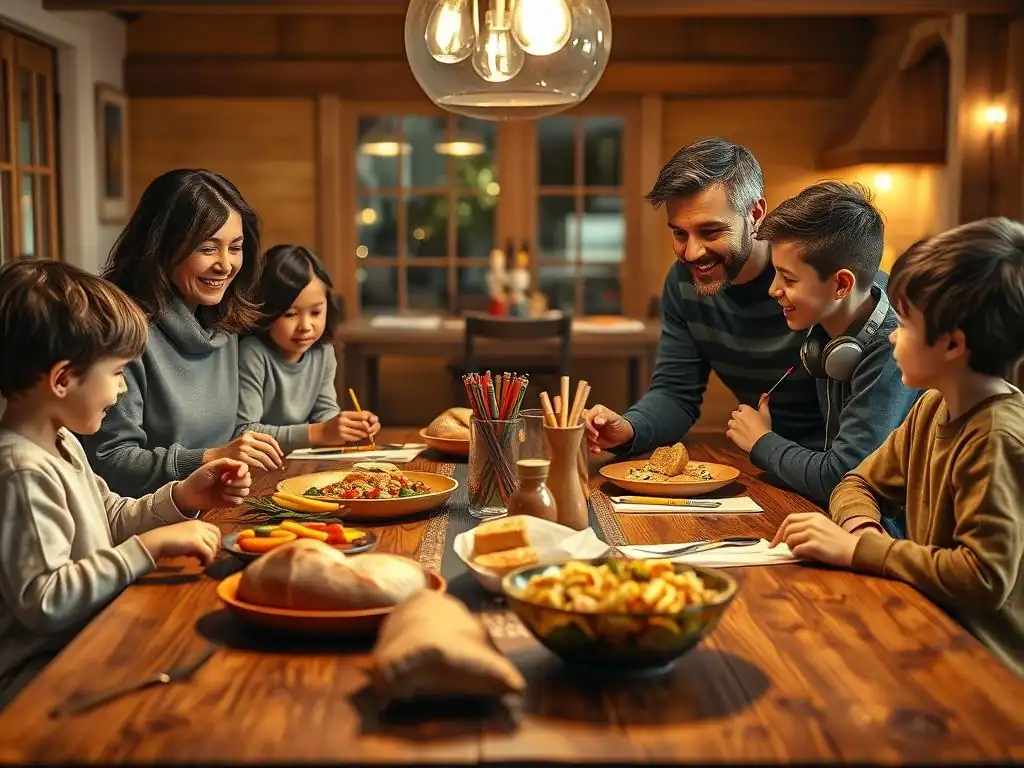
Navigating the complexities of blended family life can feel overwhelming, can't it? At the heart of successful blended families lies a powerful, often overlooked ingredient: empathy. Discover how understanding and sharing the feelings of others can transform your family dynamics and build stronger, more meaningful connections. Explore "The Power of Empathy in Blended Family Relationships" and begin your journey toward a more harmonious and fulfilling family life. What if cultivating empathy could unlock a whole new level of understanding within your family?
Navigating Sibling Rivalry in Blended Families
- Understanding Sibling Rivalry in Blended Families
- Strategies for Managing Sibling Rivalry
- Fostering Positive Sibling Relationships
- Addressing Specific Issues in Blended Families
- The Role of Parents in Mediating Conflicts
- Seeking Professional Help
- Long-Term Strategies for Success
-
Frequently Asked Questions
- How can empathy improve relationships in a blended family?
- What are some practical ways to demonstrate empathy in a blended family dynamic?
- Why is empathy particularly important in blended families compared to nuclear families?
- What are the potential consequences of a lack of empathy in blended family relationships?
- How can professional counseling help improve empathy within a blended family?
- Final Reflection: The Transformative Power of Empathy in Blended Family Relationships
- Unlock Stronger Family Bonds: Embrace Empathy Today!
Understanding Sibling Rivalry in Blended Families
Unique Challenges of Sibling Rivalry in Blended Families
Blending families brings together individuals with distinct histories, traditions, and expectations. Children from different households often arrive with varying levels of attachment to their biological parents and established routines. This inherent difference creates a fertile ground for sibling rivalry, which can manifest more intensely than in traditional nuclear families.
For example, children might struggle to adjust to new rules or shared spaces, feeling a loss of territory or parental attention they once had exclusively. The adjustment period can be prolonged, sometimes taking several years, as family members learn to coexist and build new bonds. Without an underlying foundation of empathy blended family relationships can feel like a battleground rather than a home.
Furthermore, children in blended families may carry unresolved feelings from previous family structures, such as grief over divorce or loss, or anxiety about instability. These emotions can surface as jealousy, resentment, or withdrawal when faced with new siblings vying for parental affection and resources. Unlike siblings who grew up together and share a long history of negotiation and shared experiences, blended family siblings lack this common foundation.
They are often thrust together with little preparation, expected to form close bonds quickly, which is an unrealistic expectation. Developing empathy in blended families requires acknowledging these complex emotional landscapes and providing support for each child's journey.
Common Triggers for Rivalry: Loss, Competition, and Adjustment
Sibling rivalry in blended families is frequently triggered by powerful emotions tied to loss and competition. Children may grieve the loss of their former family structure, their exclusive relationship with a parent, or even tangible things like their bedroom or neighborhood friends. This sense of loss can make them resistant to bonding with new family members, viewing stepsiblings as competitors rather than companions.
Competition often centers around parental attention, affection, and resources, both material and emotional. Children may feel they need to compete for their biological parent's time or validate their place within the new family hierarchy, leading to conflict and vying for favoritism.
The significant adjustment required to merge households also serves as a major trigger. Moving to a new home, changing schools, adapting to new family rules, and navigating relationships with stepparents and stepsiblings all create stress. This stress can manifest as increased friction between siblings as they grapple with the changes.
For instance, a child accustomed to being the oldest might resent a new stepsibling who is older, challenging their established role. Conversely, younger children might feel overwhelmed by older stepsiblings. These adjustments are smoother when family members approach them with patience and a willingness to understand each other's perspectives, fostering empathy in blended family settings.
The Impact of Parental Favoritism (Real or Perceived)
Parental favoritism, whether real or perceived, is a highly destructive force in any sibling relationship, but it is particularly damaging in blended families. Children are acutely sensitive to differential treatment. If a child feels their biological parent favors their stepsibling, or if they feel the stepparent favors their own biological children, it can create deep-seated resentment and insecurity. This perception can stem from seemingly small things, like one child getting more allowance, fewer chores, or more lenient rules, or even just receiving more praise or attention.
The impact of such favoritism is profound. It can erode trust between siblings and between children and parents. Children who feel less favored may withdraw, act out, or become overly competitive to gain approval.
Those who perceive themselves as favored may struggle with guilt or become targets of sibling resentment. Addressing this requires parents to be highly conscious of how they interact with each child, striving for fairness (which doesn't always mean identical treatment, but equitable treatment based on individual needs) and openly discussing feelings. Cultivating empathy blended family relationships means actively working to ensure each child feels equally loved, valued, and belonging, regardless of biological ties.
Strategies for Managing Sibling Rivalry
Establishing Clear and Consistent Family Rules
One foundational strategy for managing sibling rivalry is the establishment of clear, consistent, and fair family rules. When expectations are ambiguous or rules are applied inconsistently between siblings, it creates confusion, resentment, and opportunities for conflict. Rules provide a sense of structure and predictability, which is particularly important for children navigating the inherent changes and complexities of a blended family. These rules should cover common areas of conflict, such as sharing space and belongings, managing chores, screen time, and respectful communication. Involving older children in the rule-setting process can also foster buy-in and a sense of ownership.
However, rules alone are not enough; they must be enforced consistently and empathetically. Consistency ensures that children understand the boundaries and consequences, reducing arguments about fairness. Empathy is crucial in the enforcement process – understanding why a child might be struggling to follow a rule (e.g., difficulty sharing due to past experiences, frustration with change) allows parents to address the underlying issue as well as the behavior.
For instance, if a rule is about sharing toys, an empathetic approach acknowledges a child's attachment to a specific item before guiding them towards sharing, explaining the importance of considering others' feelings. This approach models the kind of empathy blended family relationships need to thrive.
Promoting Individual Attention and Recognition
Ensuring each child receives dedicated, individual attention from both their biological parent and stepparent is vital in reducing sibling rivalry fueled by competition for affection. When children feel seen, heard, and valued for who they are as individuals, their need to compete for parental validation diminishes. This individual time doesn't need to be elaborate or expensive; even 15-20 minutes per week of focused, one-on-one activity – like reading together, playing a game, or simply talking – can make a significant positive impact. The key is that the time is truly dedicated, without distractions.
Recognizing and celebrating each child's unique strengths, talents, and contributions to the family is equally important. Avoid comparing siblings, even positively. Instead, offer specific praise for individual efforts and achievements. This could be acknowledging a child's kindness towards a sibling, their effort on schoolwork, or their help with a family task. This focus on individual recognition helps build self-esteem and reduces the feeling that they must outperform a sibling to gain approval. Promoting individuality alongside family unity strengthens the bonds within the blended family and is a key component of fostering empathy in blended family dynamics.
Encouraging Cooperation and Teamwork
Shifting the focus from competition to cooperation can significantly improve sibling relationships in blended families. Creating opportunities for siblings to work together towards a common goal encourages teamwork, mutual support, and shared positive experiences. This could involve assigning family chores that require collaboration (e.g., cleaning the kitchen together), planning family outings where everyone contributes, or engaging in team-based games or projects.
When siblings work together, they learn to communicate, negotiate, and rely on each other. These shared tasks provide natural opportunities for them to develop empathy blended family relationships require, as they must understand each other's roles, strengths, and challenges to succeed as a team. Parents can facilitate this by framing tasks as team efforts and praising collaborative behavior. For example, "Wow, you two worked together so well to get the yard raked!" This reinforces the value of cooperation and helps build a sense of shared identity and accomplishment within the new family unit.
Fostering Positive Sibling Relationships
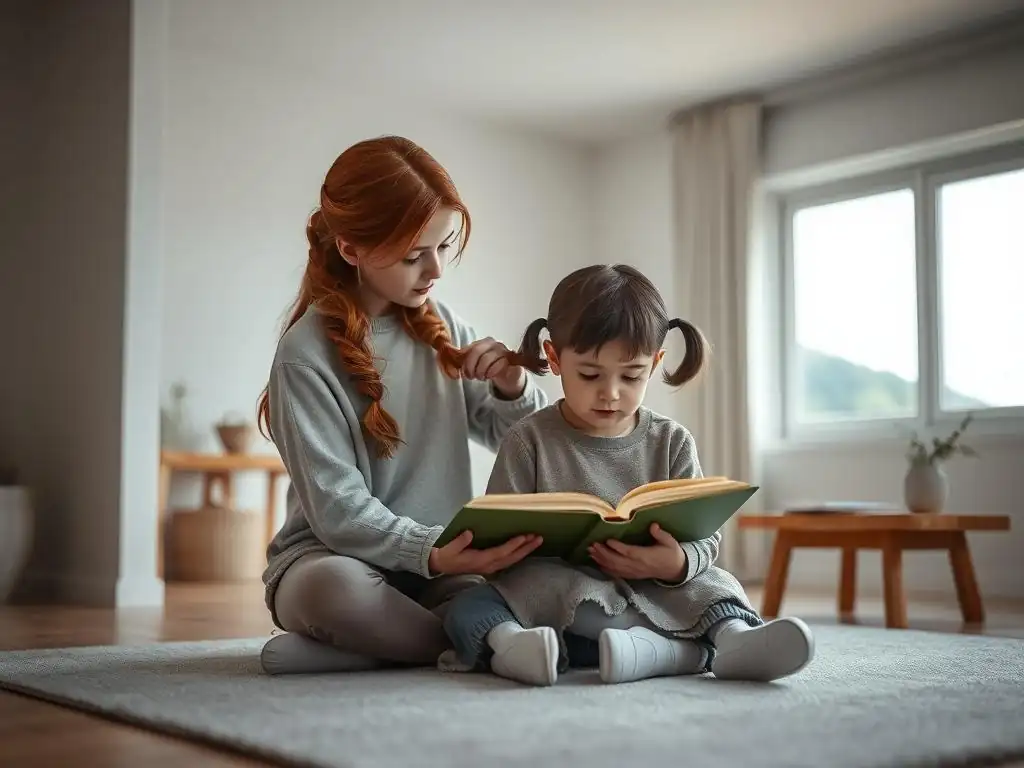
Building a shared history and sense of belonging is fundamental for fostering positive relationships among siblings in a blended family. Creating new family experiences and traditions provides a common ground that transcends their individual histories. These shared moments become the glue that helps bond the family together over time. This could be as simple as a weekly pizza and movie night, an annual camping trip, celebrating a "family birthday" that commemorates the day the families blended, or developing unique holiday traditions.
These shared experiences offer opportunities for siblings to interact in positive, low-pressure environments, away from the potential friction of daily routines. As they create memories together, they build a shared narrative that strengthens their connection. These moments also allow parents to observe and encourage positive interactions, modeling and reinforcing empathy blended family relationships thrive on. Over time, these traditions become anchors that provide stability and a sense of continuity for all family members.
Teaching Conflict Resolution Skills
Conflict is inevitable in any family, especially in blended ones navigating complex dynamics. Teaching children effective conflict resolution skills is crucial for empowering them to manage disagreements constructively rather than resorting to aggression or withdrawal. Parents can act as facilitators, guiding children through conflicts and helping them learn how to express their feelings respectfully, listen to the other person's perspective, and work towards a compromise.
Specific skills to teach include using "I feel..." statements ("I feel angry when you take my toy without asking") instead of blaming "You always..." statements. Encourage active listening, where children repeat back what they heard the other person say to ensure understanding. Guide them to brainstorm solutions together and agree on a fair outcome.
This process inherently requires children to step into the other's shoes and understand their point of view, directly cultivating empathy in blended family settings. Parents should model these skills in their own interactions and practice them with their children during calm times, not just in the heat of an argument.
Modeling Respectful Communication
Children learn how to communicate and interact within relationships primarily by observing their parents. In a blended family, the way stepparents and biological parents communicate with each other, and with the children, sets the tone for the entire household. Modeling respectful communication, even during disagreements, is one of the most powerful tools parents have for fostering positive sibling relationships and building empathy blended family relationships need to flourish.
This means parents should strive to communicate calmly, listen actively to each other and the children, express their needs and feelings clearly and respectfully, and work through conflicts collaboratively. Avoiding yelling, name-calling, or passive-aggressive behavior is essential. When children witness their parents treating each other and them with respect and understanding, they are more likely to adopt these behaviors in their interactions with their siblings. Parents can also explicitly point out positive communication they observe between siblings, reinforcing desired behaviors.
Addressing Specific Issues in Blended Families
Dealing with Loyalty Conflicts
Loyalty conflicts are common and deeply emotional challenges in blended families. Children may feel torn between their biological parents and their stepparents or stepsiblings. They might worry that bonding with new family members is a form of disloyalty to their non-resident biological parent or fear that their biological parent will be hurt or jealous if they form close ties in the blended family. This can lead to anxiety, guilt, and resistance to integration.
Parents must approach loyalty conflicts with immense empathy and reassurance. It's vital to validate the child's feelings and openly acknowledge that it's okay, and even wonderful, to love and care for more people. Reassure them that forming new bonds does not diminish their love for their biological parents.
Biological parents can actively help by expressing support for the child's relationship with their stepparent and stepsiblings, if the relationship with the former partner allows. Stepparents should be patient and understanding, allowing the child to move at their own pace without pressure. Addressing these conflicts with sensitivity builds trust and fosters empathy blended family relationships need to navigate complex emotional terrain.
Differences in parenting styles between biological parents and stepparents are a significant source of tension in blended families and can exacerbate sibling rivalry due to inconsistent expectations and discipline. One parent might be more permissive, while the other is stricter; they might have different views on chores, homework, or freedom. This inconsistency can be confusing for children and can lead to resentment if children feel one parent/stepparent is "meaner" or "unfair."
It is crucial for the adult partners to communicate openly and empathetically with each other to develop a united front on core parenting issues. This doesn't mean they must agree on everything, but they should present consistent rules and consequences to the children. Discussions about parenting styles should happen privately between the adults, not in front of the children.
Understanding each other's perspectives, often rooted in their own upbringing or experiences, is an act of empathy blended family relationships require from the adults. Agreeing on a set of core family rules and how they will be enforced provides stability for the children and reduces opportunities for them to play parents against each other.
Managing Expectations of "Instant Family"
One of the most damaging myths surrounding blended families is the expectation that everyone will instantly love each other and seamlessly merge into a harmonious unit. Reality is far more complex. Building trust, rapport, and genuine affection takes time, often years. Children, especially adolescents, may be resistant to the blending process for various reasons, including loyalty issues, grief, or simply not wanting their lives to change. Forcing closeness or expressing disappointment when bonds don't form quickly can be counterproductive.
Parents and stepparents need to manage their own expectations and embrace patience. Focusing on building respectful relationships first, rather than immediate deep affection, is a more realistic and healthier goal. Acknowledging that it's okay for relationships to develop gradually reduces pressure on everyone.
Approaching the process with empathy in blended family settings means understanding that each child and adult will adjust at their own pace and offering support without judgment. Celebrating small steps towards connection and understanding is more helpful than lamenting the absence of an idealized "instant family." Research suggests it can take anywhere from four to seven years for many blended families to feel truly cohesive.
The Role of Parents in Mediating Conflicts

Active Listening and Validation of Feelings
When sibling conflicts arise, the parents' role as mediators is critical. Effective mediation begins with active listening and validation of each child's feelings. Instead of immediately trying to solve the problem or assign blame, parents should first create a safe space for each child to express their perspective and emotions. Active listening involves giving your full attention, making eye contact, nodding, and using verbal cues like "I see" or "Go on." It also involves summarizing what you heard to ensure you understood correctly: "So, if I understand correctly, you're upset because..."
Validating a child's feelings does not mean agreeing with their actions or blaming the other sibling. It means acknowledging the legitimacy of their emotional experience: "It sounds like you are feeling really angry right now," or "I understand why that would make you feel sad." This step is crucial for building empathy blended family relationships depend on, as it helps children feel heard and understood, which can de-escalate the situation and make them more receptive to finding a resolution. It also models empathetic communication for the children themselves.
Fair and Impartial Intervention
Maintaining fairness and impartiality during sibling conflicts is challenging but essential, particularly in blended families where children may already be sensitive to perceived favoritism. Parents must strive to remain neutral and avoid taking sides, even if one child's behavior seems clearly "wrong." The focus should be on the behavior and finding a solution, not on labeling a child as "the problem." Intervening fairly means giving each child equal opportunity to speak without interruption, ensuring rules are applied consistently, and guiding them towards a mutually acceptable outcome.
Impartiality requires parents to manage their own biases, which can be difficult when dealing with biological children versus stepchildren. It's helpful to have a pre-agreed-upon approach to conflict resolution between the parenting partners. When mediating, focus on guiding the children to communicate directly with each other, rather than speaking only through the parent. This approach empowers children to resolve their own issues over time and reinforces the idea that both siblings' perspectives matter, fostering empathy in blended family dynamics.
Encouraging Empathy and Understanding
A primary goal of parental mediation should be to guide children towards understanding the other sibling's perspective. This directly teaches and encourages empathy. After each child has had a chance to express their feelings and tell their side of the story, parents can ask questions designed to promote perspective-taking: "How do you think that made your brother feel?" or "If you were in their situation, how might you have reacted?"
Parents can also help children identify the emotions involved and connect them to their own experiences: "Remember that time you felt really sad when...? Maybe your sister is feeling something similar now." Highlighting moments where siblings do show kindness or understanding towards each other reinforces positive behavior. By actively teaching children how to understand and share the feelings of others, parents are building the fundamental skill of empathy blended family relationships require for long-term harmony and connection.
Seeking Professional Help
When to Consider Family Therapy
While many blended families successfully navigate sibling rivalry and adjustment with patience and good strategies, there are times when professional help is necessary. Consider seeking family therapy if conflicts are persistent, intense, or involve physical aggression. Signs that indicate a need for professional intervention include children exhibiting significant emotional distress (anxiety, depression, withdrawal) related to family dynamics, academic problems, behavioral issues at school or home, or if loyalty conflicts are causing severe distress.
Therapy can provide a neutral and structured environment for family members to communicate openly about their challenges. A therapist specializing in blended families understands the unique dynamics and can offer tailored strategies. They can help uncover underlying issues, such as unresolved grief or trauma from previous family changes, that may be contributing to the rivalry. Therapy can be a powerful tool for rebuilding connections and fostering empathy in blended family settings when families feel stuck.
Addressing Underlying Issues: Grief, Trauma, and Anxiety
Sibling rivalry and difficulties in blending can often be symptoms of deeper, unresolved issues within individual family members or the family system. Children who have experienced divorce, death of a parent, or significant instability before the blend may be carrying unresolved grief, trauma, or anxiety. These past experiences can impact their ability to trust, form attachments, or cope with change, manifesting as conflict, withdrawal, or behavioral problems within the new family structure.
A therapist can help identify and address these underlying issues in a safe and supportive environment. For example, a child struggling with unresolved grief might be resistant to bonding with a stepparent or stepsibling because it feels like a betrayal of their lost parent or former family life. Therapy provides tools and techniques for processing these complex emotions. Addressing these root causes is crucial for fostering genuine connection and building the empathy blended family relationships need to heal and grow together.
The Benefits of Professional Guidance
Engaging a family therapist offers numerous benefits for blended families struggling with sibling rivalry and adjustment. A therapist provides an objective perspective on family dynamics, helping members understand the patterns of interaction that contribute to conflict. They can teach effective communication skills, conflict resolution techniques, and coping strategies tailored to the specific challenges of blended families.
Crucially, a therapist can facilitate difficult conversations and help family members express their needs and feelings in a way that promotes understanding rather than defensiveness. They can also guide the family in developing greater empathy blended family relationships require, helping individuals see situations from each other's point of view and appreciate the unique challenges each person faces in the blending process. Professional guidance can provide the tools and support needed to transform a struggling blended family into a cohesive and supportive unit.
Long-Term Strategies for Success
Maintaining Open Communication
Long-term success in navigating blended family dynamics, including sibling rivalry, relies heavily on maintaining open and ongoing communication. This involves creating an environment where all family members, adults and children alike, feel safe and encouraged to express their thoughts, feelings, concerns, and successes. Regular family meetings, even short ones, can provide a dedicated time for check-ins, discussing upcoming events, addressing minor issues before they escalate, and reinforcing family values.
Beyond formal meetings, open communication means fostering a culture of dialogue in everyday life. This requires active listening from parents and a willingness to hear difficult truths without becoming defensive. Encouraging children to talk about their day, their friendships, and their feelings strengthens bonds and provides opportunities to address potential sibling issues early. This continuous dialogue, built on a foundation of trust and empathy in blended family settings, helps the family adapt to challenges and changes over time.
Adapting to Changing Family Dynamics
Blended families are not static; they are constantly evolving entities. As children grow from toddlers to teenagers to young adults, their needs, relationships with siblings and parents, and their place within the family structure will change. New challenges may arise as children move through different developmental stages, navigate relationships outside the home, or prepare to leave the nest. The family structure itself might change further due to new relationships, moves, or other life events.
Successfully navigating these long-term changes requires flexibility and a willingness to adapt parenting strategies and family routines. What worked for elementary-aged children may not work for adolescents. Parents need to stay attuned to these shifts and be prepared to adjust their approach. Approaching these changes with empathy blended family relationships require involves understanding that each family member will experience and react to transitions differently and offering support through the changes.
Celebrating Individuality and Family Unity
Ultimately, long-term success in blended families is about finding a balance between celebrating each individual's unique identity and fostering a strong sense of family unity. It's important to recognize and respect each child's background, personality, interests, and relationships outside the blended family. Encouraging their individuality helps them feel valued and secure.
Simultaneously, actively working to create a shared sense of belonging and a unique family identity is crucial. This is where shared traditions, experiences, and a focus on mutual support come into play. Building empathy blended family relationships depend on means appreciating the differences that each person brings while finding common ground and shared values that bind the family together. It's a continuous process of weaving together different threads to create a strong, vibrant, and supportive family tapestry where everyone feels they belong.
Frequently Asked Questions
How can empathy improve relationships in a blended family?
Empathy fosters understanding and acceptance between step-parents, step-children, and biological parents. It allows individuals to see situations from different perspectives, reducing conflict and building stronger bonds. This creates a more supportive and cohesive family unit.
What are some practical ways to demonstrate empathy in a blended family dynamic?
Actively listening without judgment is crucial. Try to validate the feelings of other family members, even if you don't agree with their perspective. Simple acts of kindness and consideration can also demonstrate empathy effectively.
Why is empathy particularly important in blended families compared to nuclear families?
Blended families often face unique challenges due to past experiences, divided loyalties, and adjusting to new family structures. Empathy helps to navigate these complexities by promoting understanding and reducing resentment. It's essential for building trust and security.
What are the potential consequences of a lack of empathy in blended family relationships?
A lack of empathy can lead to misunderstandings, resentment, and conflict. This can result in strained relationships and a negative family environment, potentially impacting the mental well-being of all members, especially children.
How can professional counseling help improve empathy within a blended family?
Counseling can provide a safe space to explore emotions and learn empathetic communication skills. Therapists can facilitate understanding between family members and help them develop strategies for resolving conflicts constructively. This fosters a more empathetic and harmonious environment.
Final Reflection: The Transformative Power of Empathy in Blended Family Relationships
In today's world, where families come in all shapes and sizes, the role of empathy in blended family relationships has never been more crucial. The complexities of navigating different backgrounds, traditions, and emotional histories can create challenges that seem insurmountable. Yet, it is through empathy that we can bridge these divides, fostering understanding and connection. Empathy is not just a tool; it is the very foundation upon which harmonious blended families can thrive.
The influence of empathy extends far beyond individual relationships; it shapes the cultural fabric of our society. As blended families become increasingly common, the need for compassion and understanding grows. By embracing empathy, we not only improve our personal connections but also contribute to a broader culture of acceptance and love. Empathy is about finding echoes of another person in yourself.
– Mohsin Hamid. This quote encapsulates the essence of empathy, reminding us that our shared human experience can guide us toward deeper connections, even in the most challenging family dynamics.
As you reflect on the insights shared in this article, consider how you can cultivate empathy in your own life and relationships. Take a moment to think about the unique dynamics within your family and how understanding each other's perspectives can lead to a more harmonious environment. Whether you are part of a blended family or not, the lessons of empathy are universal and can inspire meaningful change in all our interactions. Embrace the power of empathy, and watch as it transforms not only your relationships but also the world around you.
Unlock Stronger Family Bonds: Embrace Empathy Today!
Thanks for taking the time to explore the power of empathy in blended families with Mind Care Guide. You've gained valuable insights into building stronger connections. Now, let's put that knowledge into action!
- Prioritize one empathetic action this week: Choose a family member, and actively listen to their perspective without judgment. Try focusing on understanding their feelings, even if you don't agree. This single act can make a world of difference.
- Share this article with someone who could benefit: Help others discover the transformative power of empathy in their own blended family relationships.
- Leave a comment below: What's one empathetic action you plan to take, and what challenges or successes are you anticipating? Let's build a supportive community together!
What small step will you take today to cultivate more empathy within your family?