
The First Year in a Blended Family: Anticipating Challenges and Successes

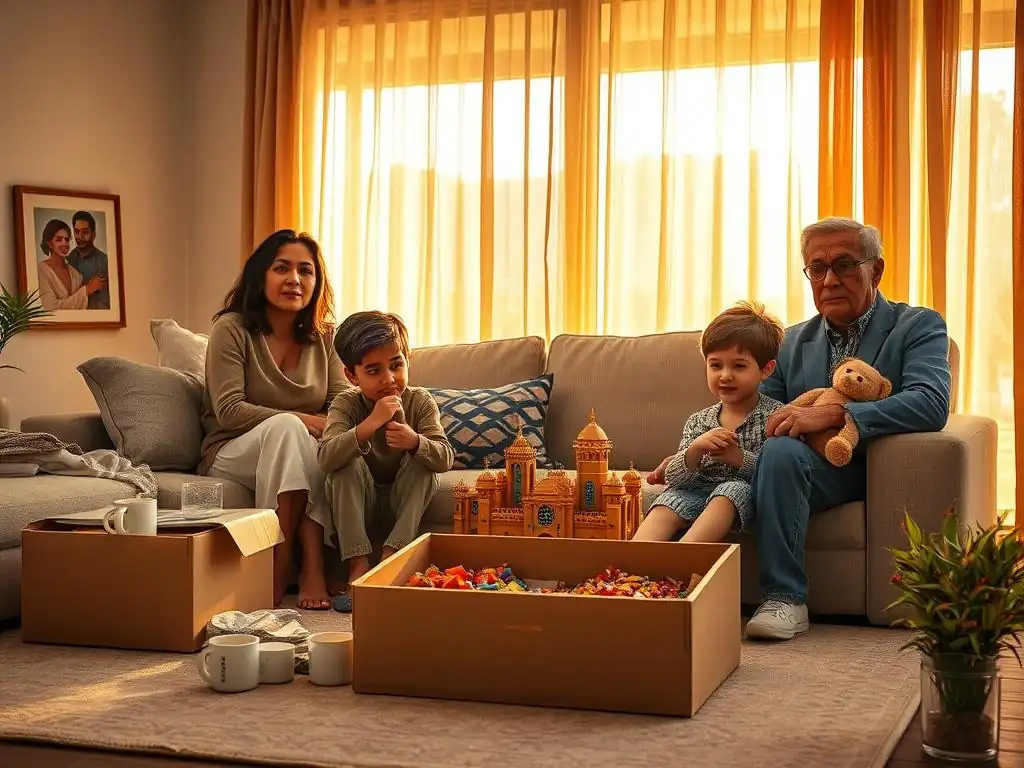
Welcome to Mind Care Guide, your essential resource for navigating the intricate landscape of mental well-being. Here, we understand that the journey toward emotional health can be as complex as the relationships we cherish. In our featured article, “The First Year in a Blended Family: Anticipating Challenges and Successes,” we delve into the unique obstacles and triumphs that come with merging families.
Whether you're newly blended or seeking to support someone who is, prepare to uncover insights that resonate deeply with your experiences. Join us as we explore the nuances of family dynamics and provide you with the tools to thrive in this transformative year. Your journey to understanding begins now—let’s dive in!
- The First Year in a Blended Family: Navigating Challenges and Building Success
-
Anticipating Common Blended Family First Year Challenges
- Initial Adjustment Difficulties in Blended Families
- Sibling Rivalry and Step-Sibling Dynamics
- Navigating Conflicting Parenting Styles in a Blended Family
- Loyalty Conflicts and Divided Allegiances
- Financial Strain and Resource Allocation in Blended Families
- Communication Breakdowns and Misunderstandings
- Strategies for Overcoming Blended Family Challenges in the First Year
- Cultivating Success in Your Blended Family's First Year
- The Role of Self-Care in Navigating Blended Family Life
- Long-Term Considerations for Blended Family Harmony
- Conclusion: Embracing the Journey of Blended Family Life
-
Frequently Asked Questions
- What are some common blended family first year challenges related to adjusting to new family roles?
- How can communication strategies help overcome blended family first year challenges?
- What are some practical tips for managing conflict in the blended family first year?
- How important is it for biological parents to maintain a strong relationship with their children during the blended family first year?
- What resources are available to help navigate the blended family first year challenges and build a successful blended family?
- Final Reflection: Navigating the New Normal in Blended Families
- Unlock Your Blended Family's Potential!
Understanding the Unique Dynamics of Blended Families
Entering a blended family involves merging different histories, traditions, and expectations into a single household. This process is inherently complex, bringing together individuals who have likely experienced significant life changes, such as divorce or loss. Unlike first marriages, blended families begin with existing relationships, often involving children who have established bonds with biological parents and extended family members. The first year is particularly critical as everyone attempts to find their place and navigate these new relationship structures.
This initial period requires immense patience and understanding from all members. Children may feel torn between households or loyalties, while stepparents work to build rapport and establish authority without overstepping or alienating stepchildren. Biological parents often find themselves mediating between their new partner and their children, a delicate balancing act. Recognizing that these dynamics are normal and expected is the first step in addressing the inevitable blended family first year challenges.
Anticipating Common Blended Family First Year Challenges
Initial Adjustment Difficulties in Blended Families
The first year in a blended family is frequently marked by significant adjustment difficulties as everyone attempts to find their footing. Children, regardless of age, may exhibit behavioral changes, withdrawal, or increased anxiety as they adapt to a new living situation, new rules, and new family members. It's not uncommon for children to express resistance or sadness related to the changes, even if the new family structure is ultimately positive.
This phase can be stressful for parents as well. Stepparents often struggle with their role, unsure how to discipline or connect with stepchildren, while biological parents may feel guilty or overwhelmed trying to support both their children and their new partner.
Data suggests that it can take anywhere from two to seven years for a blended family to fully integrate and feel like a cohesive unit, highlighting just how challenging the initial year can be. The period is characterized by learning new routines, negotiating personal space, and simply getting used to living with different people, all of which contribute to the intensity of these initial blended family first year challenges.
Sibling Rivalry and Step-Sibling Dynamics
Integrating children from different families often introduces or exacerbates sibling rivalry. Biological siblings may feel threatened by the arrival of step-siblings, fearing reduced attention or resources from their parent. Step-siblings, coming from different backgrounds and perhaps with different parenting experiences, may clash over everything from toys and personal space to household chores and parental affection. These dynamics can be particularly intense in the first year as children vie for position and security within the new family hierarchy.
Research indicates that conflicts between step-siblings are common, especially in the early stages. Children may test boundaries, argue frequently, and express resentment openly or passively. Navigating these conflicts requires parents to avoid taking sides, encourage empathy, and create opportunities for step-siblings to bond over shared activities. Ignoring or downplaying sibling rivalry during the blended family first year challenges can lead to long-term resentment and hinder family cohesion.
One of the most significant blended family first year challenges arises from differing parenting styles between the biological parent and the stepparent, or even between the two biological parents in co-parenting arrangements. One parent might be more permissive, while the other is stricter; one might prioritize routine, while the other is more spontaneous. These differences can lead to confusion and inconsistency for the children and tension between the adults.
Establishing a unified front on discipline, rules, and expectations is crucial but difficult. It requires open communication and compromise between the adults before presenting a united approach to the children. Failing to align on parenting styles can undermine authority, create power struggles, and provide children with opportunities to play one parent against the other. Addressing these differences early and consistently is vital for navigating the blended family first year challenges effectively.
Loyalty Conflicts and Divided Allegiances
Children in blended families often experience intense loyalty conflicts, feeling pulled between their biological parents and their stepparents, or even between their parents' respective households. They may feel guilty for enjoying time with a stepparent, fearing it betrays their biological parent. Conversely, they might resist bonding with a stepparent to demonstrate loyalty to their non-resident biological parent. This is a profound emotional burden for children and a significant aspect of the blended family first year challenges.
These conflicts can manifest in various ways, such as refusing to follow a stepparent's rules, expressing anger towards a biological parent for remarrying, or withdrawing emotionally. It's important for biological parents to reassure their children that it is okay to care for their stepparent and that doing so does not diminish the love for their biological parent. Stepparents must be patient and allow relationships to develop naturally, without forcing affection or loyalty. Navigating these divided allegiances with empathy is key to helping children adjust.
Financial Strain and Resource Allocation in Blended Families
Merging households often means merging finances, which can introduce considerable strain and become a significant blended family first year challenge. Different approaches to spending, saving, and debt, combined with existing financial obligations like child support or alimony, can lead to disagreements. Deciding how to allocate resources – whether for shared expenses, children's activities, or savings – requires careful planning and transparency.
Studies indicate that financial issues are a leading cause of stress in marriages, and blended families face unique complexities. There may be debates over who pays for which child's expenses, how inheritances are handled, or how to save for college when some children are much older or younger than others. Openly discussing finances, setting clear budgets, and making joint decisions are essential steps to mitigate financial stress and prevent it from exacerbating other blended family first year challenges.
Communication Breakdowns and Misunderstandings
Effective communication is vital in any family, but it is particularly challenging in the complex structure of a blended family during the first year. Misunderstandings can easily arise due to differing communication styles, unresolved past conflicts, or the sheer number of people involved. Adults must communicate not only with each other but also with ex-partners (if applicable) and with each child individually and as a group.
Communication breakdowns can stem from feeling unheard, not understanding the other person's perspective, or avoiding difficult conversations altogether. For instance, a stepparent might feel their efforts are unappreciated, while a biological parent might feel their partner doesn't understand their child's history. Learning to listen actively, express needs clearly, and address conflicts constructively are skills that blended families must develop. Poor communication can amplify all other blended family first year challenges, making it harder to build trust and cohesion.
Strategies for Overcoming Blended Family Challenges in the First Year

Establishing Clear Family Rules and Expectations
One of the most effective ways to address blended family first year challenges is by establishing clear and consistent family rules and expectations early on. This provides a framework that everyone can understand and follow, reducing confusion and conflict. Involve both adults in creating these rules, ensuring they align with both parenting philosophies as much as possible, and present them to the children as a united front.
Rules should cover areas such as chores, homework, screen time, curfews, and consequences for breaking rules. Consistency is paramount; children need to know what to expect, regardless of which parent or stepparent is present. While flexibility is sometimes needed, a lack of clear boundaries can lead to power struggles and resentment, making the blended family first year challenges even harder to navigate. Posting rules in a visible place can serve as a helpful reminder for everyone.
Fostering Open and Honest Communication
Cultivating an environment where open and honest communication is encouraged is fundamental to navigating the blended family first year challenges. This means creating safe spaces for everyone, including children, to express their feelings, concerns, and needs without fear of judgment or punishment. Schedule regular family meetings where everyone has a chance to speak and be heard.
Adults must model good communication by talking respectfully to each other, even during disagreements. Discussing issues privately and resolving conflicts away from the children is also important. For children, validate their feelings, even if you don't agree with their perspective. Letting them know that their feelings about the changes are normal and understandable helps build trust and encourages them to communicate openly rather than acting out.
Prioritizing Quality Time with Each Child
In the busy landscape of a blended family, it's easy for individual connections to get lost. Prioritizing one-on-one quality time with each child, both biological and stepchildren, is crucial for building strong relationships and mitigating blended family first year challenges related to feeling overlooked or less important. Even short periods of focused attention can make a big difference.
For biological parents, this means continuing to nurture their relationship with their children, reassuring them of their love and presence amidst the changes. For stepparents, spending individual time with stepchildren, engaging in activities they enjoy, helps build rapport and trust outside of the disciplinary dynamic. These individual connections strengthen the overall family unit and help children feel secure and valued.
Building a Strong Co-Parenting Relationship
If there are biological parents living outside the home, establishing and maintaining a respectful and functional co-parenting relationship is vital for the success of the blended family. Conflicts between ex-partners can significantly impact the children and spill over into the new blended family unit, exacerbating blended family first year challenges. Focus on communicating clearly about child-related issues – schedules, school, health, activities – and keep adult conflicts separate from the children.
While not always easy, striving for a cooperative or at least parallel parenting relationship minimizes stress for the children and provides consistency across households. Involving the stepparent in appropriate levels of communication with the ex-partner (with the biological parent's agreement) can also help build trust and a sense of shared responsibility for the children's well-being.
Seeking Professional Support: Therapy and Counseling for Blended Families
Navigating the complexities of a blended family can be overwhelming, and seeking professional support is a sign of strength, not failure. Family therapy, couples counseling, or individual therapy can provide invaluable tools and strategies for overcoming blended family first year challenges. A therapist experienced in blended family dynamics can help identify underlying issues, improve communication patterns, and mediate conflicts.
Therapy offers a neutral space for all family members to express their feelings and work through adjustment issues. For couples, counseling can help strengthen their partnership, which is the foundation of the blended family. For children, individual therapy can help them process their emotions related to the changes. Utilizing these resources can significantly ease the transition and build a healthier family unit.
Cultivating Success in Your Blended Family's First Year
Creating New Family Traditions and Rituals
Establishing new family traditions and rituals is a powerful way to build a shared family identity and foster a sense of belonging among all members. These traditions can be simple, like having a specific movie night, a weekly family dinner, or a unique way of celebrating birthdays. They provide positive shared experiences that help bond the family together and create new memories.
These new rituals don't have to replace existing traditions from previous family structures entirely, but they should be unique to the new blended family. Creating something new together helps signal the start of a new chapter and provides a sense of continuity and security for children amidst the changes. Focusing on creating positive shared experiences helps counterbalance the blended family first year challenges.
Focusing on Building Individual Relationships
Beyond the family unit, consciously focusing on building strong individual relationships within the blended family is key to long-term success. This means stepparents investing time in getting to know each stepchild, biological parents nurturing their relationships with their children, and partners prioritizing their relationship as a couple.
Building these individual bonds takes time and patience. It involves active listening, showing genuine interest in each person's life, and finding common ground. For stepparents, it's often recommended to focus on building rapport and friendship with stepchildren before stepping into a disciplinary role. Nurturing these one-on-one connections strengthens the overall fabric of the blended family and helps navigate the inherent blended family first year challenges.
Celebrating Small Wins and Progress
The first year in a blended family can feel like a constant uphill battle, making it essential to pause and celebrate small wins and progress along the way. Acknowledging positive steps, whether it's a successful family outing, a moment of kindness between step-siblings, or a smooth transition between households, reinforces positive behavior and provides encouragement.
Recognizing and celebrating progress helps shift the focus from the difficulties to the positive developments. It builds morale and reminds everyone that the effort they are putting in is yielding results, however small. This positive reinforcement is vital for maintaining momentum and optimism when facing the inevitable blended family first year challenges.
Practicing Patience and Understanding
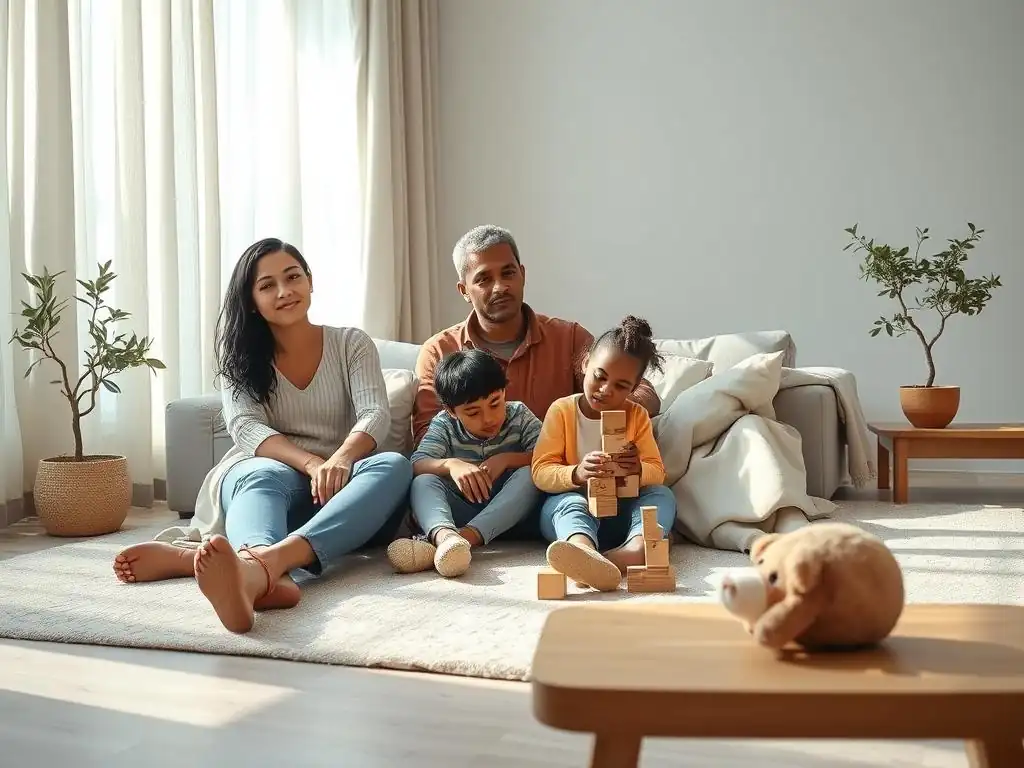
Perhaps the most crucial ingredient for navigating the blended family first year challenges is an abundance of patience and understanding. The adjustment period takes time, and there will be setbacks. Children may regress, conflicts may arise, and frustrations will happen. Expecting perfection or immediate harmony is unrealistic and will only lead to disappointment.
Approaching situations with empathy, trying to understand the perspective of each family member, especially the children who have the least control over the changes, is vital. Remind yourself and your partner that building a blended family is a marathon, not a sprint. Cultivating a patient and understanding attitude helps create a more supportive environment for everyone.
The Impact of Consistent Bedtime Routines on Children's Adjustment
While seemingly small, establishing consistent bedtime routines can have a significant positive impact on children's adjustment in a blended family, particularly during the challenging first year. Predictable routines provide a sense of security and stability in a world that feels like it's constantly changing. A consistent bedtime helps regulate children's sleep, which in turn affects their mood, behavior, and ability to cope with stress.
For children transitioning between two homes, maintaining similar bedtime rituals in both households (where possible) can further enhance this sense of stability. Even if the specific times vary slightly, having a predictable sequence of events leading up to bedtime – like a bath, reading a book, or quiet conversation – signals to the child that it's time to wind down and provides a comforting constant. This predictability helps reduce anxiety and makes the overall adjustment to blended family first year challenges smoother.
Managing Stress and Preventing Burnout as a Parent in a Blended Family
Parenting is demanding, and parenting in a blended family, especially during the intense first year, can be exceptionally stressful. Navigating complex relationships, managing different personalities, and mediating conflicts can lead to burnout. Effectively managing stress is not selfish; it's essential for your well-being and your ability to be a present and supportive parent and partner.
Identify healthy coping mechanisms for stress, whether it's exercise, mindfulness, hobbies, or spending time with supportive friends. Recognize the signs of burnout – chronic fatigue, irritability, feeling overwhelmed, loss of enjoyment – and take steps to address them. Caring for yourself allows you to show up as your best self for your family, better equipped to handle the blended family first year challenges.
Prioritizing Your Mental and Emotional Well-being
Your mental and emotional well-being is the foundation upon which the family's stability rests. Ignoring your own needs while trying to meet everyone else's is unsustainable and detrimental in the long run. Make time for activities that recharge you and maintain your emotional balance. This might involve scheduling regular date nights with your partner, pursuing individual interests, or simply ensuring you get enough rest.
Don't hesitate to lean on your partner, friends, or a therapist for support. Talking about your struggles and frustrations can provide perspective and relief. Prioritizing your mental health sets a positive example for your children and strengthens your resilience in the face of blended family first year challenges and beyond.
Long-Term Considerations for Blended Family Harmony
Establishing Long-Term Goals for Family Unity
While the first year focuses heavily on navigating immediate blended family first year challenges, it's beneficial to also think about long-term goals for family unity. What do you envision for your blended family in five, ten, or twenty years? Discussing these aspirations with your partner helps align your efforts and provides a shared vision to work towards.
Long-term goals might include fostering strong sibling bonds, creating a sense of shared history, ensuring all children feel equally loved and valued, or establishing traditions that will carry through generations. Having these goals in mind can help guide decisions and actions during the difficult early years and provide motivation when facing ongoing blended family challenges.
Addressing Ongoing Challenges and Adjustments
Blended family life involves continuous adjustment. Challenges don't magically disappear after the first year, though they may change in nature. Issues like children entering different life stages (adolescence, leaving home), dealing with new partners of ex-spouses, or navigating complex holiday schedules can arise years down the line. Being prepared for ongoing adjustments is part of the reality.
Maintain open lines of communication, continue to hold family meetings, and be willing to adapt strategies as needed. What worked when children were young may not work when they are teenagers. Remaining flexible and committed to addressing issues as they arise is key to maintaining long-term harmony in a blended family.
Resources for Blended Families: Books, Websites, Support Groups
You are not alone in navigating blended family life. There are numerous resources available to provide information, support, and guidance. Seeking out these resources can be incredibly helpful, particularly when dealing with blended family first year challenges.
Books and websites dedicated to blended families offer insights into common dynamics and practical strategies for overcoming difficulties. Support groups, whether in-person or online, connect you with others who are facing similar situations, providing a sense of community and shared understanding. Utilizing these resources can equip you with valuable knowledge and emotional support.
Conclusion: Embracing the Journey of Blended Family Life
The first year in a blended family is undeniably challenging, marked by adjustment difficulties, relationship complexities, and emotional hurdles. The blended family first year challenges are significant, requiring patience, communication, and a willingness to adapt. However, it is also a year of immense potential – the beginning of building new relationships, creating new memories, and forming a unique family unit.
Reframing Challenges as Opportunities for Growth
Instead of viewing the blended family first year challenges solely as obstacles, try to reframe them as opportunities for growth – for individuals, for couples, and for the family as a whole. Each challenge overcome builds resilience and strengthens bonds. Learning to communicate more effectively, developing patience, and practicing empathy are valuable skills that will benefit everyone involved long after the first year is over. Embracing the journey, with all its ups and downs, is the path to cultivating a successful and fulfilling blended family life.
Frequently Asked Questions
Adjusting to new roles and expectations is a significant hurdle. Common issues include children feeling loyal to their original parent and resistance to a new authority figure. This can lead to behavioral problems and family conflict.
How can communication strategies help overcome blended family first year challenges?
Open and honest communication is crucial. Families should establish regular family meetings to discuss concerns and expectations. Active listening and empathy can foster understanding and reduce misunderstandings.
What are some practical tips for managing conflict in the blended family first year?
Establish clear family rules and consequences that apply to all children. Encourage compromise and focus on finding solutions that work for everyone. Seek professional help if conflict becomes overwhelming.
How important is it for biological parents to maintain a strong relationship with their children during the blended family first year?
Maintaining a strong relationship with biological children is vital for their well-being. Consistent contact and quality time reassure children that they are still loved and valued. This helps ease the transition process.
Support groups, family therapy, and books on blended families can provide valuable guidance and support. Seeking professional help early can equip families with the tools they need to build a strong foundation.
The first year in a blended family is a crucible, forging a new unit from the complexities of individual histories and expectations. This journey, fraught with potential pitfalls, also holds the promise of profound connection and lasting love. Understanding the unique challenges and celebrating the small victories is crucial to building a strong, resilient family unit.
The impact of blended families on our social landscape is undeniable, quietly reshaping the very definition of "family." The rise in blended families reflects societal shifts, highlighting the importance of adaptability and resilience in modern relationships. The family you are born into is not necessarily the family you will have.
This quote speaks to the fluidity of family structures and the need for empathy and understanding as we navigate these evolving dynamics. My own experiences in researching this topic have underscored the importance of open communication and patience in creating a harmonious environment.
Now, consider your own relationships and the families you know. What lessons from this exploration of the first year in a blended family resonate most deeply with you? I invite you to reflect on the power of intentional communication, the importance of setting realistic expectations, and the beauty of embracing the messy, imperfect journey of building a new family. Remember, the challenges are real, but so is the potential for profound love and lasting happiness. Embrace the process, celebrate the milestones, and never underestimate the power of your commitment to building a thriving blended family.
Unlock Your Blended Family's Potential!
Thanks for taking the time to explore the unique journey of building a successful blended family. We hope you gained valuable insights into navigating the common challenges and celebrating the incredible rewards. Now, let's put that knowledge into action!
- Prioritize open communication: Schedule a family meeting this week to discuss what you've learned and create a plan for addressing potential conflicts proactively. This is your foundation for success.
- Share this article with other blended families! Let's build a supportive community together.
- Explore MindCareGuide.org for more resources on family dynamics and relationship building – find tools to help you through every stage.
What small step will you take today to strengthen your blended family bonds?