
Is Your Blended Family Mentally Healthy? Signs to Watch For

Welcome to Mind Care Guide, your sanctuary for navigating the complexities of mental well-being.
Are you part of a blended family and wondering if everyone is truly thriving? Blended family dynamics can present unique mental health challenges, often unseen and unspoken. This article, focusing on blended family mental health struggles, sheds light on the common signs to watch for and offers compassionate guidance towards a happier, healthier home. Discover the subtle indicators and actionable steps you can take. Let's explore together...
Navigating Mental Wellness in Blended Families: A Comprehensive Guide
- Understanding Blended Family Dynamics and Mental Health
- Recognizing Signs of Mental Health Struggles in Blended Families
- Key Indicators of Poor Blended Family Mental Well-being
- Addressing Blended Family Mental Health Struggles: Practical Strategies
- Promoting Positive Mental Health in Blended Families
- When to Seek Professional Help for Blended Family Mental Health
- Resources for Blended Family Mental Health Support
- Maintaining Long-Term Mental Wellness in Blended Families
-
Frequently Asked Questions
- What are some common mental health challenges faced by blended families?
- How can I identify if a child in my blended family is struggling mentally?
- What role does communication play in maintaining mental health within a blended family?
- Are there specific resources available to support the mental health of blended families?
- How can parents prioritize their own mental health while supporting their blended family?
- Final Reflection: Navigating the Complexities of Blended Family Wellbeing
- Unlock Your Blended Family's Potential
Understanding Blended Family Dynamics and Mental Health
Defining Blended Families and Their Unique Mental Health Landscape
A blended family, also known as a stepfamily, forms when two separate families merge, typically through marriage or long-term partnership, bringing children from previous relationships together. This creates a complex landscape with multiple biological and stepparents, stepsiblings, and potentially half-siblings, along with extended family from both sides. Unlike traditional nuclear families, blended families navigate intricate histories, different parenting styles, established traditions, and often, the ongoing involvement of ex-partners. This inherent complexity can significantly impact the mental health of all family members.
Navigating the transition into a blended family involves significant adjustment periods, which can last anywhere from two to seven years for the family to fully integrate. During this time, children and adults alike may experience a range of emotions, including excitement, anxiety, resentment, and grief over the loss of the previous family structure.
These emotional hurdles, combined with the practical challenges of co-parenting across households and integrating different family cultures, create a unique environment where blended family mental health struggles can easily arise if not proactively addressed and supported. The mental well-being of each individual is intertwined with the health of the family unit as a whole.
Common Mental Health Challenges Faced by Blended Families
Blended families often face a distinct set of mental health challenges stemming from their complex structure and history. One prevalent issue is navigating loyalty conflicts, where children may feel torn between biological parents and stepparents, leading to guilt or anxiety. This can manifest as behavioral problems or emotional withdrawal. Stepparents, too, may struggle with feelings of isolation or inadequacy if they don't feel accepted by their stepchildren or if their role within the family is unclear, contributing to their own mental health challenges.
Another significant factor contributing to blended family mental health struggles is the stress associated with financial differences, differing discipline approaches, and integrating routines from two separate households. Research suggests that remarriage and stepfamily formation are among the most stressful life events, ranking alongside job loss or moving. Children in blended families may exhibit higher rates of adjustment issues, such as academic difficulties or emotional regulation problems, particularly during the initial years. Teenagers, in particular, may find the transition challenging due to developmental needs for independence and peer connection, sometimes leading to increased conflict or symptoms of depression and anxiety.
Recognizing Signs of Mental Health Struggles in Blended Families
Identifying Anxiety and Stress in Children and Adults
Anxiety and stress are common responses to the significant changes and adjustments inherent in forming a blended family. In children, signs might include increased clinginess, difficulty separating from a biological parent, excessive worry about future events (like visits with the other parent), or physical complaints such as headaches or stomachaches without a clear medical cause. They might also exhibit irritability, difficulty concentrating in school, or regression to earlier behaviors like thumb-sucking or bedwetting. For example, a child who was previously independent might suddenly become fearful of sleeping alone after a blended family transition.
Adults in blended families can also display symptoms of anxiety and stress, often stemming from the pressures of integrating families, financial worries, or conflict with ex-partners or stepchildren. These signs can include persistent worrying, feeling overwhelmed, difficulty relaxing, muscle tension, and sleep problems. A stepparent might experience chronic stress trying to balance the needs of their biological children with those of their stepchildren, or feel anxious about navigating complex relationships with their partner's ex-spouse. Recognizing these signs early is crucial for addressing potential blended family mental health struggles before they escalate.
Spotting Depression and Withdrawal Symptoms
Depression and withdrawal can manifest differently in blended family members depending on age and role. In children and adolescents, depression might look like persistent sadness, loss of interest in activities they once enjoyed, changes in sleep patterns (too much or too little), significant changes in appetite or weight, fatigue, feelings of worthlessness, or irritability. A previously outgoing teenager might suddenly isolate themselves in their room, stop participating in family activities, and show a decline in school performance, signaling potential blended family mental health struggles.
Adults experiencing depression in a blended family context might show similar symptoms, such as a pervasive low mood, lack of energy, loss of interest in hobbies or sex, difficulty making decisions, and feelings of hopelessness or guilt. They might withdraw from their partner, biological children, or stepchildren, reducing communication and interaction. For instance, a parent feeling overwhelmed by the challenges of blending families might stop attending family dinners or making an effort to connect with their stepchildren, indicating a need for support to address these blended family mental health struggles.
Observing Behavioral Issues and Acting Out
Behavioral issues and acting out are often outward signs that a child or adolescent is struggling to cope with the changes and stresses of a blended family. This can include increased defiance towards parents or stepparents, aggression towards stepsiblings, lying, stealing, or engaging in risky behaviors like substance use or truancy. A child who feels unheard or unable to express their feelings about the blended family transition might resort to disruptive behavior as a way to communicate their distress. For example, a child might repeatedly break household rules established by a stepparent as a form of protest.
In some cases, acting out can be a cry for attention or a way to test boundaries in the new family structure. This is particularly common in early adolescence when identity formation and peer relationships are paramount. Parents might observe a significant increase in arguments, outbursts of anger, or a sudden drop in academic performance. While some behavioral challenges are typical during adjustment periods, a persistent pattern of disruptive or destructive behavior is a strong indicator of deeper blended family mental health struggles that require attention and support.
Recognizing Sibling Rivalry and Adjustment Difficulties
Sibling rivalry is common in all families, but in blended families, it can be intensified by factors like competition for parental attention, differing house rules, and pre-existing loyalties. Stepsiblings who are thrust together without a shared history may struggle to form bonds, leading to frequent arguments, teasing, or even physical altercations. Children may feel their space, possessions, or parental affection are being threatened by the new family members. This can manifest as constant bickering over toys, television time, or who gets to sit where.
Beyond direct rivalry, children in blended families may exhibit general adjustment difficulties, such as struggling to adapt to new routines, school changes (if the family moved), or navigating relationships with new extended family members. They might express resentment towards the stepparent or stepsiblings, openly wishing things were "like they used to be." These adjustment issues, if prolonged and intense, are significant indicators of potential blended family mental health struggles, highlighting the stress the child is experiencing in adapting to their new reality.
Key Indicators of Poor Blended Family Mental Well-being
Communication Breakdown and Conflict Escalation
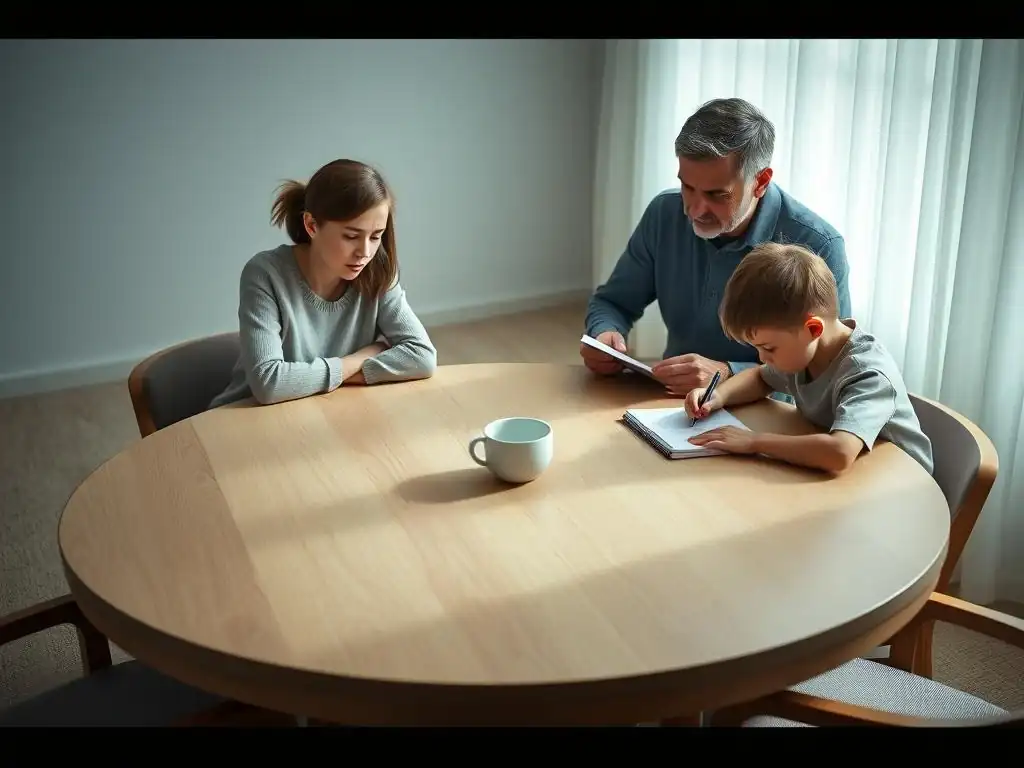
A significant indicator of poor mental well-being within a blended family is a pervasive breakdown in communication. This doesn't just mean occasional arguments, but a pattern where family members struggle to express their feelings openly, respectfully, or effectively. Conversations may become defensive, shut down quickly, or escalate rapidly into shouting matches. For instance, attempts to discuss household chores or disciplinary issues might consistently end in arguments between the parents or between parents and children.
When communication deteriorates, conflict escalation becomes more frequent and intense. Minor disagreements can turn into major blowouts, and underlying resentments or unaddressed issues surface in destructive ways. This creates a constant atmosphere of tension and unpredictability, which is detrimental to the mental health of all involved. A family where members avoid talking to each other or where every interaction feels like walking on eggshells is likely experiencing significant blended family mental health struggles.
Lack of Cohesion and Feeling Disconnected
Family cohesion refers to the emotional bonding that family members have with one another. In a blended family experiencing mental health struggles, there is often a noticeable lack of cohesion. Members may feel like strangers living together rather than a unified family unit. There might be little shared time, lack of mutual support during difficult times, and a general feeling of disconnection among individuals. For example, family members might eat meals separately, pursue individual activities without involving others, and show little interest in each other's lives.
This feeling of disconnection can be particularly pronounced between stepparents and stepchildren, or between stepsiblings. Children might feel like outsiders in their own home, while stepparents may feel excluded from the parent-child bond between their partner and their biological children. This lack of belonging and emotional distance is a clear sign that the blended family's mental well-being is compromised, contributing significantly to blended family mental health struggles.
Increased Irritability and Mood Swings
Heightened irritability and frequent, unpredictable mood swings among family members can signal underlying stress and mental health difficulties within a blended family. Adults might snap easily at their partner or children, exhibit impatience, or seem constantly on edge. Children and adolescents might display sudden shifts from being withdrawn to being explosive, or show increased defiance and frustration over minor issues. For instance, a parent who is usually patient might become easily angered by minor infractions from a stepchild.
These mood fluctuations are often a symptom of struggling to cope with the pressures, frustrations, and emotional demands of navigating complex blended family dynamics. When multiple family members are experiencing increased irritability, it creates a volatile environment that further exacerbates stress and makes it difficult to resolve conflicts constructively. This pervasive tension is a strong indicator of significant blended family mental health struggles.
Sleep Disturbances and Changes in Appetite
Physical symptoms like sleep disturbances and significant changes in appetite or weight can be key indicators of mental health struggles in blended families, affecting both children and adults. Stress and anxiety can lead to difficulty falling asleep, staying asleep, or experiencing restless nights. Conversely, depression might cause excessive sleeping. A child who previously slept soundly might develop insomnia or nightmares after a major family transition.
Similarly, changes in appetite – either a significant increase or decrease – and corresponding weight changes can be physical manifestations of emotional distress. Some individuals cope with stress by overeating, while others lose their appetite entirely. For example, a teenager struggling with the blended family adjustment might skip meals or show a sudden disinterest in food, or alternatively, engage in comfort eating. These physical signs should not be ignored as they often point to underlying blended family mental health struggles.
Addressing Blended Family Mental Health Struggles: Practical Strategies
Open Communication and Active Listening
Establishing open and honest communication is perhaps the most vital strategy for addressing blended family mental health struggles. This involves creating a safe space where all family members feel comfortable expressing their feelings, concerns, and needs without fear of judgment or retaliation. Regular family meetings can provide a structured opportunity for everyone to share. It's important to discuss expectations, roles, and feelings about the new family structure.
Active listening is equally crucial. This means truly hearing and understanding what others are saying, rather than just waiting for your turn to speak. It involves paying attention, showing empathy, and validating the other person's feelings, even if you don't agree with their perspective. For example, a stepparent actively listening to a stepchild's frustration about sharing a room can help the child feel heard and understood, reducing feelings of resentment and building trust. Prioritizing this type of communication is fundamental to navigating blended family mental health struggles effectively.
Establishing Clear Roles, Boundaries, and Expectations
Ambiguity about roles, boundaries, and expectations is a major source of conflict and stress in blended families. Clearly defining who is responsible for what, what the household rules are, and what is expected of each family member helps create stability and reduce confusion. For parents, this means agreeing on discipline approaches and presenting a united front whenever possible. For stepparents, clarifying their role (e.g., friend, mentor, or disciplinary figure) with both their partner and stepchildren is essential.
Setting clear boundaries is also critical. This can involve physical boundaries (like personal space), emotional boundaries (like respecting privacy), and time boundaries (like designating family time). For instance, establishing a boundary that biological parents handle discipline for their own children initially, while stepparents build relationships, can reduce early conflict. Clearly articulated expectations about chores, schoolwork, and behavior provide a framework for everyone to operate within, minimizing misunderstandings and reducing potential blended family mental health struggles.
Creating a Supportive and Nurturing Environment
A supportive and nurturing environment is essential for fostering positive mental health in any family, but it's particularly critical in blended families navigating complex dynamics. This involves showing empathy, compassion, and patience towards all family members, acknowledging that adjustment takes time and can be difficult. Celebrating small successes, offering encouragement during challenges, and creating a sense of security and belonging are key.
Simple actions like regular family dinners, shared activities, and expressing appreciation for one another can significantly strengthen bonds and create a feeling of unity. Ensuring that each child, biological or step, feels valued and loved unconditionally helps build their self-esteem and reduces feelings of insecurity or resentment. A home environment where emotions are acknowledged and validated, and where support is readily available, provides a buffer against the stresses that can contribute to blended family mental health struggles.
Encouraging Individual and Family Therapy
Seeking professional support through individual or family therapy is a highly effective strategy for addressing blended family mental health struggles. Therapy provides a neutral space to work through complex emotions, improve communication patterns, and develop coping strategies. An individual therapist can help a child or adult process their feelings about the transition, loyalty conflicts, or grief.
Family therapy, specifically tailored to blended families, can help the entire unit navigate challenges together. A therapist experienced in stepfamily dynamics can mediate conflicts, help establish roles and boundaries, improve communication, and build stronger relationships. Research indicates that blended families who engage in family therapy often experience improved communication, reduced conflict, and greater overall satisfaction within the family structure, directly addressing blended family mental health struggles.
Promoting Positive Mental Health in Blended Families
Engaging in shared activities is a powerful way to build strong relationships and foster positive mental health within a blended family. These activities provide opportunities for family members to connect, have fun, and create positive shared memories, which are essential for bonding. This could be anything from family game nights, hiking, cooking together, watching movies, or taking short trips.
Prioritizing regular, enjoyable time together helps create a sense of 'us' rather than 'them.' For example, a weekly pizza and board game night can become a cherished tradition that brings everyone together in a relaxed setting. These positive interactions help counteract the stress and potential negativity associated with adjustment, actively promoting mental wellness and reducing the likelihood of developing significant blended family mental health struggles.
Cultivating Empathy and Understanding
Cultivating empathy and understanding among all family members is fundamental to promoting positive mental health in a blended family. This involves encouraging individuals to try and see situations from another person's perspective, acknowledging that everyone is navigating a complex transition. Parents can model empathetic behavior and facilitate discussions that help children understand the feelings of their stepsiblings or stepparents.
Teaching empathy helps reduce conflict and builds stronger, more compassionate relationships. For instance, helping a biological child understand that their stepparent might feel insecure about their role can foster compassion. Similarly, helping a stepparent understand that a stepchild's difficult behavior might stem from fear or grief can shift the dynamic from conflict to understanding. This focus on mutual understanding is vital for mitigating blended family mental health struggles.
Prioritizing Self-Care for Parents and Children
Self-care is not selfish; it's essential for maintaining mental well-being, especially when navigating the demands of a blended family. Parents, in particular, often feel overwhelmed and can neglect their own needs. Prioritizing activities that help manage stress, such as exercise, hobbies, spending time with friends, or mindfulness, is crucial for parents' mental health. Parents who are burnt out are less equipped to support their children.
Children also need to be encouraged to engage in self-care activities appropriate for their age. This could be pursuing their interests, spending time with friends, getting enough sleep, and having quiet time. Ensuring children have opportunities for one-care time with their biological parent can also be a form of self-care that helps maintain that vital bond amidst the blended family structure. Recognizing and meeting individual needs for self-care strengthens individual resilience and contributes to the overall mental health of the blended family.
Seeking Professional Support When Needed
Recognizing when blended family mental health struggles are becoming too difficult to manage alone and seeking professional support is a sign of strength, not weakness. Early intervention can prevent problems from escalating into more severe issues. If communication breaks down consistently, conflict is high, or if any family member is showing persistent signs of anxiety, depression, or behavioral problems, it's time to consider professional help.
Mental health professionals, such as therapists, counselors, or family psychologists specializing in blended families, have the expertise to provide tailored strategies and support. They can help families develop healthier communication patterns, resolve conflicts, navigate complex relationship dynamics, and build a stronger, more cohesive family unit. Proactive engagement with professional support is a critical step in promoting long-term positive mental health and addressing blended family mental health struggles effectively.
When to Seek Professional Help for Blended Family Mental Health

Recognizing the Need for Therapy or Counseling
Knowing when to seek professional help for blended family mental health struggles is crucial. It's often necessary if family members are experiencing persistent distress that impacts daily functioning, such as difficulty sleeping, concentrating, or maintaining relationships. Signs that professional help is needed include chronic high levels of conflict that cannot be resolved, significant behavioral problems in children or adolescents (like aggression, truancy, or substance use), or symptoms of depression and anxiety that don't improve with time or family efforts.
If a stepparent feels consistently rejected or resentful, or if a child expresses a strong desire not to live in the blended family home, these are serious indicators. When family members feel stuck, unable to communicate effectively, or if the atmosphere at home is consistently tense and negative, a therapist can provide the necessary tools and mediation. Delaying help can allow issues to become more entrenched, making intervention more challenging later on.
Finding Qualified Mental Health Professionals
Finding a qualified mental health professional who has experience working with blended families is important. Not all therapists specialize in the unique dynamics of stepfamilies. Look for licensed therapists, counselors, or psychologists who specifically mention family therapy or blended family counseling as areas of expertise. Professional organizations or online directories can help locate practitioners in your area.
It's also beneficial to find a therapist with whom the family feels comfortable and can build a trusting relationship. The first session can be an opportunity to assess the therapist's approach and experience. Don't hesitate to ask questions about their background and how they work with blended families. Choosing the right professional is a key step in effectively addressing blended family mental health struggles.
Understanding the Benefits of Professional Intervention
Professional intervention offers numerous benefits for blended families facing mental health struggles. Therapists provide a neutral, objective perspective on family dynamics and conflicts. They can teach effective communication skills, conflict resolution techniques, and strategies for setting healthy boundaries. For example, a therapist might use role-playing exercises to help family members practice difficult conversations in a safe environment.
Therapy can also help individual family members process their emotions related to the transition, such as grief over the loss of a previous family structure or feelings of insecurity. It can facilitate bonding activities and help the family develop a shared identity and common goals. Research consistently shows that family therapy can improve relationships, reduce stress, and enhance overall well-being in blended families, providing essential support for navigating blended family mental health struggles.
Resources for Blended Family Mental Health Support
Books, Articles, and Websites on Blended Family Dynamics
A wealth of information is available through books, articles, and websites specifically focused on blended family dynamics and mental health. Authors like Patricia Papernow and Ron Deal have written extensively on the challenges and strategies for successful stepfamily living. These resources offer insights into common issues, provide practical advice, and normalize the difficulties faced by blended families.
Reading about the experiences of other blended families can reduce feelings of isolation and provide validation. Many reputable mental health organizations and family-focused websites offer articles and guides on navigating stepfamily life, recognizing signs of struggle, and promoting mental wellness. While not a substitute for professional help, these resources can be a valuable first step in understanding and addressing blended family mental health struggles.
Support Groups and Online Communities
Connecting with others who understand the unique challenges of blended families can be incredibly supportive. Support groups, both in-person and online, offer a space to share experiences, gain advice, and receive emotional support from peers facing similar situations. Hearing how others have successfully navigated specific issues can provide hope and practical strategies.
Online communities and forums dedicated to blended families allow for connection regardless of geographical location. These platforms can provide a sense of belonging and reduce feelings of isolation that parents and children in blended families sometimes experience. While caution should be exercised regarding the accuracy of advice from non-professionals, the emotional support and shared understanding found in these groups can be a valuable resource for those dealing with blended family mental health struggles.
Mental Health Organizations Offering Assistance
Numerous mental health organizations offer resources, information, and sometimes direct assistance for families struggling with mental health issues, including those specific to blended families. Organizations like the National Alliance on Mental Illness (NAMI) or the Depression and Bipolar Support Alliance (DBSA) provide information on various mental health conditions and offer support programs.
Family-focused organizations may also have resources or referrals for blended family counseling. Websites of professional psychological associations often list therapists specializing in family dynamics. These organizations can be a starting point for finding credible information, understanding mental health conditions, and locating professional help when addressing blended family mental health struggles.
Maintaining Long-Term Mental Wellness in Blended Families
Consistent Communication and Problem-Solving
Maintaining long-term mental wellness in a blended family requires ongoing effort, particularly in consistent communication and effective problem-solving. Blended family dynamics are not static; they evolve as children grow and family circumstances change. Regularly scheduled family meetings or check-ins can help keep lines of communication open and provide a forum for addressing issues as they arise, preventing small problems from escalating.
Developing strong problem-solving skills as a family unit is essential. This involves identifying issues together, brainstorming potential solutions, evaluating options, and agreeing on a plan of action. Learning to compromise and find solutions that work for the majority, while acknowledging individual needs, is key. Families that prioritize open communication and collaborative problem-solving are better equipped to navigate future challenges and maintain positive blended family mental health.
Adaptability and Flexibility in Family Dynamics
Adaptability and flexibility are crucial for the long-term success and mental well-being of a blended family. Unlike traditional families, blended families often navigate changing dynamics, such as children moving between households, the introduction of new partners or half-siblings, and evolving relationships with ex-partners and extended family. Being able to adjust expectations and routines as circumstances change is vital.
Rigidity can lead to increased stress and conflict. A willingness to be flexible with schedules, traditions, and even roles within the family allows the unit to adapt to new realities without excessive friction. This adaptability helps reduce stress and promotes a sense of resilience within the family, contributing significantly to maintaining long-term positive blended family mental health.
Celebrating Successes and Acknowledging Challenges
Maintaining a positive outlook and reinforcing positive behaviors are important for long-term mental wellness. This involves celebrating the successes, milestones, and positive moments within the blended family, no matter how small. Acknowledging when the family has successfully navigated a difficult situation or when relationships have strengthened reinforces positive dynamics and builds collective confidence.
Equally important is acknowledging that challenges will continue to arise and that it's okay to struggle sometimes. Openly discussing difficulties without blame fosters a sense of shared experience and encourages mutual support. Creating a family culture that celebrates progress while openly acknowledging ongoing blended family mental health struggles fosters resilience and reinforces the message that the family is a team navigating this journey together.
Frequently Asked Questions
What are some common mental health challenges faced by blended families?
Many blended families grapple with issues like adjustment to new family dynamics, sibling rivalry, and loyalty conflicts. These challenges can impact overall mental well-being.
How can I identify if a child in my blended family is struggling mentally?
Look for signs such as changes in behavior, withdrawal from activities, or increased irritability. These might indicate underlying mental health struggles.
What role does communication play in maintaining mental health within a blended family?
Open and honest communication is crucial. It allows family members to express their feelings, address conflicts constructively, and build stronger relationships.
Are there specific resources available to support the mental health of blended families?
Yes, resources like family therapy, support groups, and online guides (like Mind Care Guide) offer valuable information and strategies for navigating blended family challenges.
How can parents prioritize their own mental health while supporting their blended family?
Parents should practice self-care, seek individual therapy if needed, and establish clear boundaries. This allows them to be more present and supportive for their children.
The challenges faced by blended families are not merely anecdotal; they represent a significant and often overlooked aspect of modern family life. The emotional complexities inherent in merging two separate family units, each with its own history and dynamics, can significantly impact the mental health of every member involved. Ignoring these challenges can have far-reaching consequences, affecting not only the immediate family but also future generations.
The ongoing societal shift towards blended families necessitates a deeper understanding of the unique stressors they face. These aren't simply "adjusting to a new family"; they involve navigating complex emotional landscapes, renegotiating roles and expectations, and often dealing with unresolved grief or trauma from previous relationships. The pressure to create a "perfect" blended family, often fueled by societal expectations, can be incredibly damaging. The family is the first essential cell of human society.
- Pope John Paul II. This quote highlights the fundamental importance of family well-being, and the need to address the specific challenges faced by blended families to strengthen the fabric of our society.
You, the reader, are now equipped with a greater awareness of the potential pitfalls and the crucial signs to watch for in your own blended family or those close to you. Take the time to foster open communication, seek professional support when needed, and prioritize empathy and understanding. Remember, a healthy blended family isn't about perfection; it's about navigating the complexities with resilience, compassion, and a commitment to the well-being of each individual member. Embrace the journey, celebrate the successes, and seek help when the challenges feel overwhelming. Your family's mental health is worth the effort.
Unlock Your Blended Family's Potential
Thanks for taking the time to explore the crucial topic of mental health in blended families. We hope this article provided valuable insights and empowered you to better understand the unique challenges and opportunities you face. Now it's time to take action!
- Prioritize open communication: Schedule a family meeting dedicated to discussing feelings and concerns openly and honestly. Make it a regular event, not just a reaction to a crisis.
- Seek professional support: If you're struggling, consider reaching out to a family therapist specializing in blended families. They can provide guidance and tools to navigate complex dynamics.
- Share your experience: This article has made a difference for you; help others. Leave a comment below and share your own experiences or questions – let's build a supportive community together!
What small step can you take today to foster a more mentally healthy environment within your blended family?