
Creating Your Blended Family Identity: Beyond the Brady Bunch Myth

Welcome to Mind Care Guide.
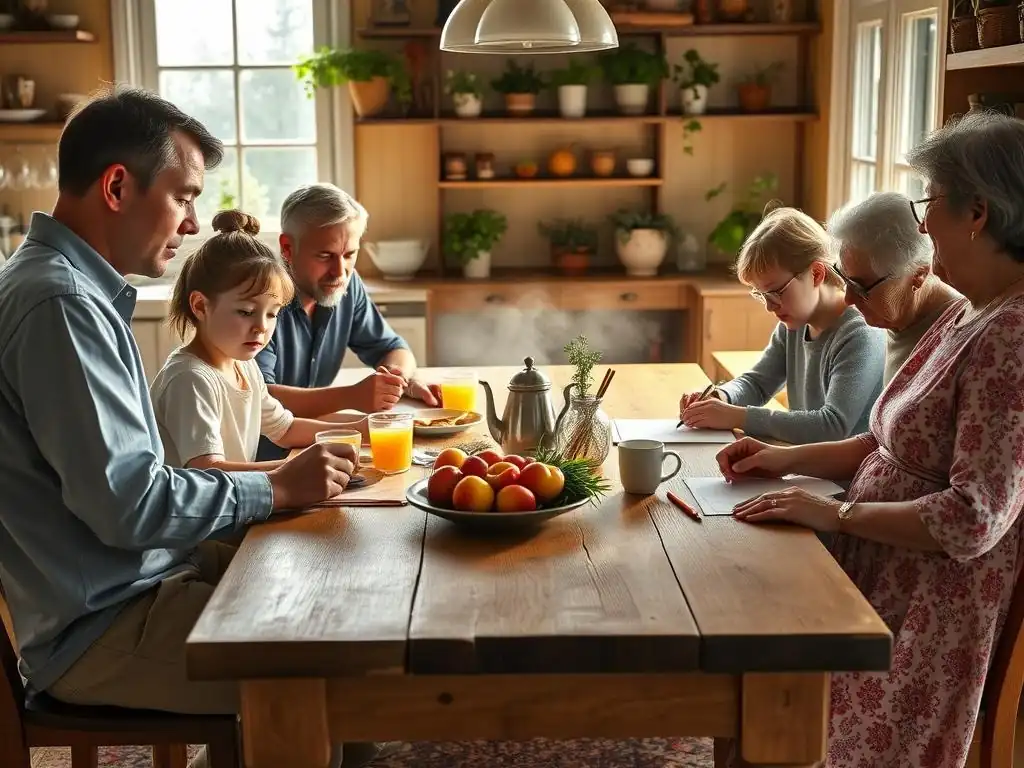
Are you part of a blended family, searching for a path to belonging and connection? We understand the unique challenges and beautiful possibilities that come with forging a new family identity. It's not always the Brady Bunch, and that's okay. Dive into our article, "Creating Your Blended Family Identity: Beyond the Brady Bunch Myth," to discover practical strategies and empathetic guidance for navigating blended family identity and building a stronger, more unified future together. What does a healthy blended family truly look like? Let's explore that together.
Creating Your Blended Family Identity: Beyond the Brady Bunch Myth
- Understanding Blended Family Dynamics and Identity Formation
-
Steps to Navigating Blended Family Identity Successfully
- Step 1: Open Communication and Active Listening in Blended Families
- Step 2: Establishing Shared Values and Goals for Your Blended Family
- Step 3: Creating New Traditions and Rituals for Your Blended Family
- Step 4: Defining Roles and Responsibilities Within the Blended Family
- Step 5: Fostering Individual Identities Within the Blended Family Structure
- Strategies for Strengthening Your Blended Family Bond
- The Role of Professional Support in Blended Family Identity Development
- Long-Term Benefits of a Strong Blended Family Identity
- Resources for Blended Families: Support and Further Reading
-
Frequently Asked Questions
- How can we, as a blended family, start the process of creating our own unique identity?
- What are some common challenges blended families face when trying to establish a shared identity?
- How important is it for children to maintain a connection with their biological family while integrating into a blended family?
- What role does the couple's relationship play in the success of establishing a blended family identity?
- What resources are available for blended families struggling to navigate their identity?
- Final Reflection: Forging a New Family Narrative
- Unite Your Family: Forge a Shared Identity Today!
Understanding Blended Family Dynamics and Identity Formation
What is a Blended Family Identity and Why Does It Matter?
A blended family identity refers to the unique sense of self and belonging that emerges when two existing families merge, typically through marriage or partnership. It's the shared understanding of who "we" are as a new unit, encompassing the collective history, values, traditions, and future aspirations of its members. This identity isn't simply the sum of the original families; rather, it's a newly created entity that acknowledges and respects the past while forging a common path forward.
Developing a strong blended family identity is crucial because it provides a sense of stability, security, and belonging for everyone involved, especially children who may feel caught between two households or loyalties. Without a clear and positive shared identity, members can feel isolated, misunderstood, or like outsiders within their own home.
The process of navigating blended family identity is complex and often takes several years to solidify. Research suggests that it can take anywhere from two to seven years for a blended family to fully integrate and develop a cohesive identity. This timeframe is influenced by factors such as the ages of the children, the level of conflict with ex-partners, and the willingness of all family members to adapt and compromise.
A well-defined identity helps manage expectations, resolve conflicts more effectively, and build resilience against external pressures. It's the foundation upon which trust, respect, and genuine connection can flourish, paving the way for healthier relationships and improved overall family well-being.
Common Challenges in Forming a Unified Blended Family Identity
Forming a unified blended family identity is rarely a seamless process and comes with a distinct set of challenges. One significant hurdle is the integration of different family cultures, rules, and ways of doing things. For example, one family might have a tradition of large, boisterous holiday gatherings, while the other prefers quiet, intimate celebrations.
Reconciling these differences can lead to friction and a feeling that one family's way is being favored over the other. Another common issue is navigating pre-existing loyalties, particularly among children who may feel disloyal to a biological parent if they fully embrace the new blended family unit or form close bonds with step-parents or step-siblings. Studies indicate that roughly 50% of children in blended families experience some degree of loyalty conflict.
Financial differences and differing parenting styles also pose considerable challenges when navigating blended family identity. Merging finances can expose disparate spending habits or priorities, leading to tension. Similarly, step-parents and biological parents may have fundamentally different approaches to discipline, homework, or screen time, creating confusion and resentment among children and conflict between the adults.
For instance, a biological parent might be more lenient, while a step-parent is stricter, leading a child to feel unfairly treated. Additionally, managing relationships with ex-partners, especially high-conflict ones, can significantly disrupt the development of a stable blended family identity, as external drama can spill over and create instability within the new unit.
Debunking the "Brady Bunch" Myth: Realistic Expectations for Blended Families
The pervasive "Brady Bunch" myth, depicting instant harmony, effortless integration, and immediate love among all blended family members, is perhaps the most damaging obstacle to navigating blended family identity successfully. This unrealistic portrayal sets families up for disappointment and failure by suggesting that challenges are abnormal or indicative of a flawed family structure.
In reality, blended families are complex systems formed from loss and change – the loss of the original family structure, the change in roles, and the adjustment to new personalities and dynamics. Expecting instant bonding is like expecting strangers to become best friends overnight; it takes time, patience, and conscious effort.
A more realistic expectation is that building a blended family identity is a gradual process, often marked by ups and downs. There will likely be periods of adjustment, awkwardness, conflict, and resistance, particularly from children. Step-parent roles are often challenging, with research suggesting they can take several years to establish a comfortable and effective dynamic.
Love between step-siblings or step-parents and children is not guaranteed and certainly not instantaneous; it must be earned through shared experiences, respect, and genuine care. Accepting that challenges are normal and part of the journey allows families to approach difficulties with greater patience and a problem-solving mindset, rather than feeling like they have failed to live up to an impossible ideal.
Step 1: Open Communication and Active Listening in Blended Families
Open and honest communication is the cornerstone of successfully navigating blended family identity. It requires creating an environment where every family member, regardless of age, feels safe to express their thoughts, feelings, concerns, and needs without fear of judgment or reprisal. This involves scheduling dedicated time for family discussions, whether it's during dinner, a weekly family meeting, or even one-on-one check-ins.
Active listening is just as important as speaking; it means truly hearing and acknowledging what others are saying, validating their feelings, and seeking to understand their perspective, even if you don't agree with it. For example, a child expressing sadness about missing a tradition from their original family needs to be heard and validated, not simply told to "get over it."
This kind of communication builds trust and ensures that everyone feels seen and valued within the new family structure. It's essential for addressing conflicts as they arise, preventing small misunderstandings from escalating into major issues. For instance, if a stepchild expresses resentment about a new rule, open dialogue allows the parents to understand the root cause – perhaps it feels like their original family's rules are being disregarded – and address it empathetically. Consistent, transparent communication about expectations, decisions, and feelings is vital for creating a stable and secure foundation for the blended family identity to grow.
Creating a Safe Space for Sharing Feelings and Concerns
Creating a safe space means establishing ground rules for communication, such as respecting turn-taking, avoiding name-calling or blaming, and committing to listening without interrupting. It's about fostering an atmosphere of psychological safety where vulnerability is accepted. This can involve using "I" statements ("I feel frustrated when...") rather than "you" statements ("You always make me mad...").
Addressing Pre-existing Loyalties and Family Histories
Acknowledging and respecting the history and loyalties that each member brings from their original families is crucial. Children, in particular, may feel torn between their biological parents and the new blended family unit. It's important to validate these feelings and assure them that loving a step-parent or bonding with step-siblings doesn't diminish their love for their biological parents. Finding ways to honor past traditions or maintain connections with extended family from previous marriages, where appropriate and healthy, can help children feel that their history is valued.
Defining shared values is a foundational step in navigating blended family identity. It involves discussing what principles are important to the family unit as a whole. This could include values like respect, honesty, kindness, resilience, education, or adventure.
When families explicitly talk about and agree upon these core values, it provides a moral compass and a framework for making decisions and resolving conflicts. For example, if "respect" is a core value, family discussions about disagreements can be framed around how to communicate respectfully, even when upset. This process helps to weave together the different threads of the individual families into a cohesive new fabric.
Setting shared goals gives the blended family a common purpose and something to work towards together. These goals can be big or small, short-term or long-term. Examples might include saving for a family vacation, completing a home improvement project, establishing a consistent family dinner schedule, or supporting each other's individual pursuits. Working collaboratively towards shared objectives fosters teamwork, strengthens bonds, and creates positive shared experiences that contribute significantly to the emerging blended family identity. It moves the focus from "my family" and "your family" to "our family."
Identifying Core Values as a Blended Family Unit
Hold family meetings where everyone contributes ideas about what is important for the family to stand for. Write down the suggested values and collectively choose a few key values that resonate with everyone and that the family commits to upholding in their interactions and decisions.
Setting Realistic and Achievable Goals Together
Discuss what the family would like to achieve or experience together. Ensure the goals are specific, measurable, achievable, relevant, and time-bound (SMART). Break down larger goals into smaller steps and celebrate progress along the way to maintain motivation and a sense of shared accomplishment.
Step 3: Creating New Traditions and Rituals for Your Blended Family
Creating new traditions and rituals is a powerful way to forge a unique blended family identity. Traditions provide a sense of continuity, predictability, and belonging. They are shared experiences that create lasting memories and distinguish the blended family as a distinct unit.
These don't have to be elaborate; they can be as simple as a Friday night pizza and movie night, a specific way of celebrating birthdays, an annual camping trip, or a unique holiday decoration ritual. The key is that they are activities or customs that the new family unit develops together, providing a sense of "us." For instance, one blended family might start a tradition of holding a "Family Olympics" in the backyard every summer, creating new shared history and inside jokes.
While creating new rituals is important, it's also essential to respectfully integrate or adapt existing family traditions where possible. Forcing members to abandon cherished customs from their original families can lead to resentment and resistance. Instead, discuss which existing traditions are important to individuals and explore ways to incorporate elements of them into the new family life or alternate between different traditions year to year.
For example, if one side of the family always opened presents on Christmas Eve and the other on Christmas morning, the blended family might decide to open stockings on Christmas Eve and main gifts on Christmas morning, blending the two approaches. This shows respect for individual histories while building new collective practices, crucial for navigating blended family identity effectively.
Inventing Unique Celebrations and Routines
Brainstorm activities or routines that the blended family can adopt as their own. Encourage input from all members, especially children, to ensure buy-in. Schedule these new rituals consistently to help them become established parts of the family's rhythm.
Integrating Existing Family Traditions Respectfully
Discuss which traditions from the original families are most meaningful to each person. Explore ways to combine elements, alternate years, or create new traditions that incorporate aspects of the old ones. Emphasize that honoring past traditions doesn't mean the new family isn't important.
Step 4: Defining Roles and Responsibilities Within the Blended Family
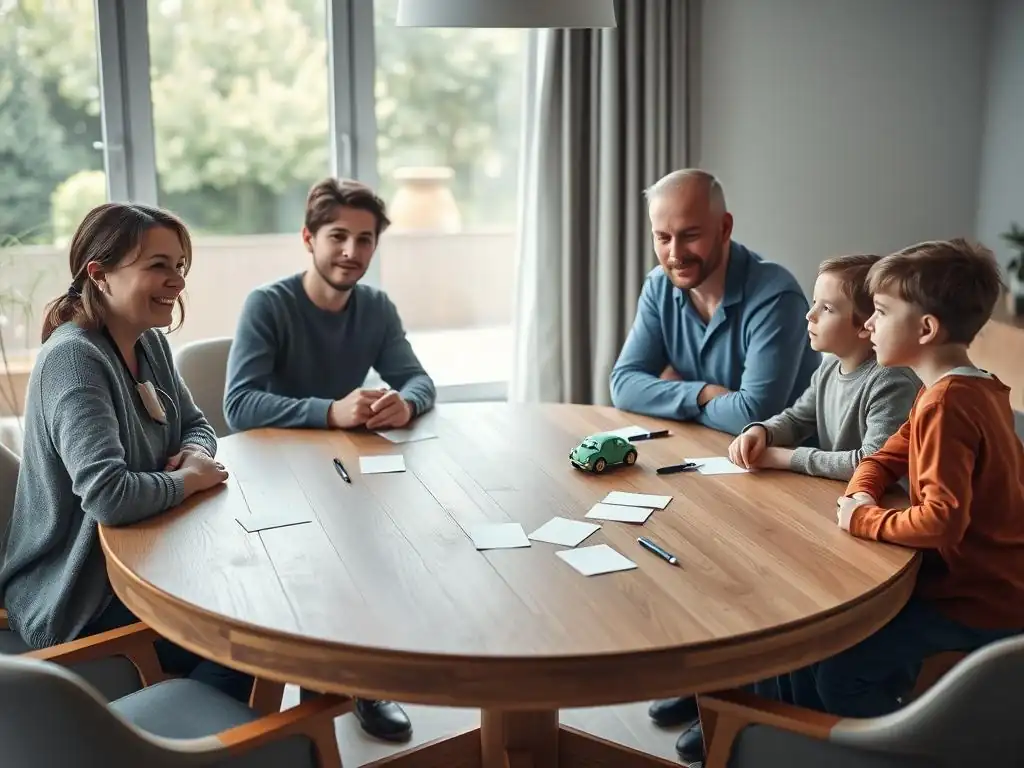
Clearly defining roles and responsibilities is essential for reducing conflict and creating a sense of order when navigating blended family identity. Ambiguity about who is responsible for what, particularly regarding chores, rules, and financial contributions, can lead to frustration and resentment. For children, understanding their role within the new structure and what is expected of them provides security. This doesn't necessarily mean rigid roles, but rather a clear understanding of how the household functions and each person's contribution. For example, establishing a rotating chore chart ensures everyone participates in maintaining the home.
Establishing clear boundaries is equally vital. This includes boundaries around privacy, personal space, finances, and interactions with ex-partners. Everyone in the blended family needs to understand what is and isn't acceptable behavior and what the consequences are for violating boundaries. For instance, setting a boundary that all major financial decisions are discussed by the parenting couple before being announced to the family prevents surprises and potential conflict. Clear expectations about homework time, curfews, and how disagreements are handled also contribute to a stable environment, which is crucial for the secure development of a blended family identity.
Fair Division of Household Chores and Responsibilities
Create a system for dividing chores that is perceived as fair by all members, taking into account age and ability. Involve children in the discussion and assignment of tasks to foster a sense of ownership and contribution to the family unit.
Establishing Clear Boundaries and Expectations for All Members
Communicate rules and expectations clearly and consistently. Ensure that consequences for breaking rules are understood beforehand. Discuss sensitive topics like privacy, financial expectations (for older children), and appropriate interactions with extended family members from original families.
Step 5: Fostering Individual Identities Within the Blended Family Structure
While creating a unified blended family identity is important, it's equally crucial to support and nurture each individual's sense of self. Each member brings their unique personality, interests, talents, and history to the blended family.
Providing space and encouragement for individuals to pursue their passions, maintain friendships outside the family, and have personal time helps prevent feelings of being lost in the shuffle or forced into a mold that doesn't fit. For example, ensuring a child has time and resources for their specific sport or hobby, even if no one else in the family shares that interest, validates their individuality.
Balancing individual needs with the needs of the blended family unit is an ongoing negotiation. It requires compromise and flexibility from everyone. Sometimes individual desires may need to be temporarily set aside for the greater good of the family, but this should not be a constant state.
A healthy blended family identity allows for both collective belonging and individual expression. It's about finding the synergy where individual strengths contribute to the family's richness, and the family unit provides support for individual growth. This balance is key to navigating blended family identity in a way that promotes well-being for all members.
Supporting Each Member's Unique Interests and Talents
Actively encourage and support individual pursuits. Attend their events, provide resources where possible, and show genuine interest in their hobbies and friends. Celebrate individual achievements alongside family milestones.
Balancing Individual Needs with the Needs of the Blended Family
Have open discussions about scheduling and resources to ensure everyone's needs are considered. Practice compromise, where sometimes the family prioritizes a collective activity, and other times, individual needs dictate the schedule. Teach children the importance of both personal space and contributing to the family unit.
Strategies for Strengthening Your Blended Family Bond
Building Trust and Respect Among All Family Members
Building trust and respect is fundamental to strengthening the bond within a blended family and essential for successfully navigating blended family identity. Trust is earned through consistent, reliable, and honest behavior. This means following through on promises, being fair in interactions, and demonstrating empathy.
Respect involves valuing each person's feelings, opinions, and boundaries, even when there are disagreements. It's particularly important for step-parents and children to build trust gradually, often through shared positive experiences and consistent support rather than demanding immediate affection or obedience. For instance, a step-parent consistently showing up for a child's school events or listening without judgment can slowly build a foundation of trust.
Modeling respectful communication and behavior between the parenting couple is paramount, as children learn how to interact within the family by observing the adults. When parents treat each other with respect and work together as a united front (where appropriate), it creates a secure environment that fosters trust among all members. Addressing conflicts constructively, apologizing when wrong, and forgiving mistakes are also vital components of building and maintaining trust and respect. These deliberate actions contribute significantly to the emotional safety and cohesion of the blended family unit.
Addressing Sibling Rivalry and Jealousy in Blended Families
Sibling rivalry and jealousy are common in all families, but they can be particularly intense in blended families as children navigate new relationships and compete for parental attention and resources. Children may feel jealous of the time a parent spends with a stepchild, resentful of new rules or expectations, or competitive over space and possessions. It's important to acknowledge these feelings without judgment and help children articulate them. Avoid comparing siblings or step-siblings, and ensure that each child receives dedicated one-on-one time with their biological parent and, over time, potentially with their step-parent.
Strategies for managing sibling rivalry include establishing clear expectations about how siblings should treat each other, promoting cooperation through shared tasks or games, and intervening fairly when conflicts arise. Encourage empathy by helping children understand each other's perspectives, acknowledging that everyone is adjusting to the new family structure. For example, setting up a family game night or a collaborative project can create positive shared experiences that help build rapport between siblings. It's also helpful to ensure that while rules apply to everyone, individual needs and personalities are respected.
Coping with Co-Parenting Challenges and Ex-Partner Relationships
Navigating relationships with ex-partners, often referred to as co-parenting or parallel parenting, is a significant and ongoing challenge for many blended families and directly impacts the development of a stable blended family identity. High conflict between biological parents can create immense stress for children and the new family unit.
The goal is typically to establish a working relationship with the ex-partner that prioritizes the children's well-being, even if that relationship is strictly business-like (parallel parenting). This means communicating respectfully about logistics, scheduling, and important decisions regarding the children, minimizing conflict in front of the children, and avoiding putting children in the middle as messengers or spies.
Establishing clear boundaries with ex-partners is essential to protect the new blended family unit. This might involve limiting contact to necessary communications, agreeing on how information is shared with the children, and ensuring that the ex-partner respects the boundaries of the new home and family life. For instance, agreeing on a protocol for scheduling changes or financial discussions can prevent last-minute conflicts. While challenging, successfully managing the co-parenting relationship creates a more stable environment for children and allows the blended family to focus on building its own identity without constant external disruption.
The Role of Professional Support in Blended Family Identity Development
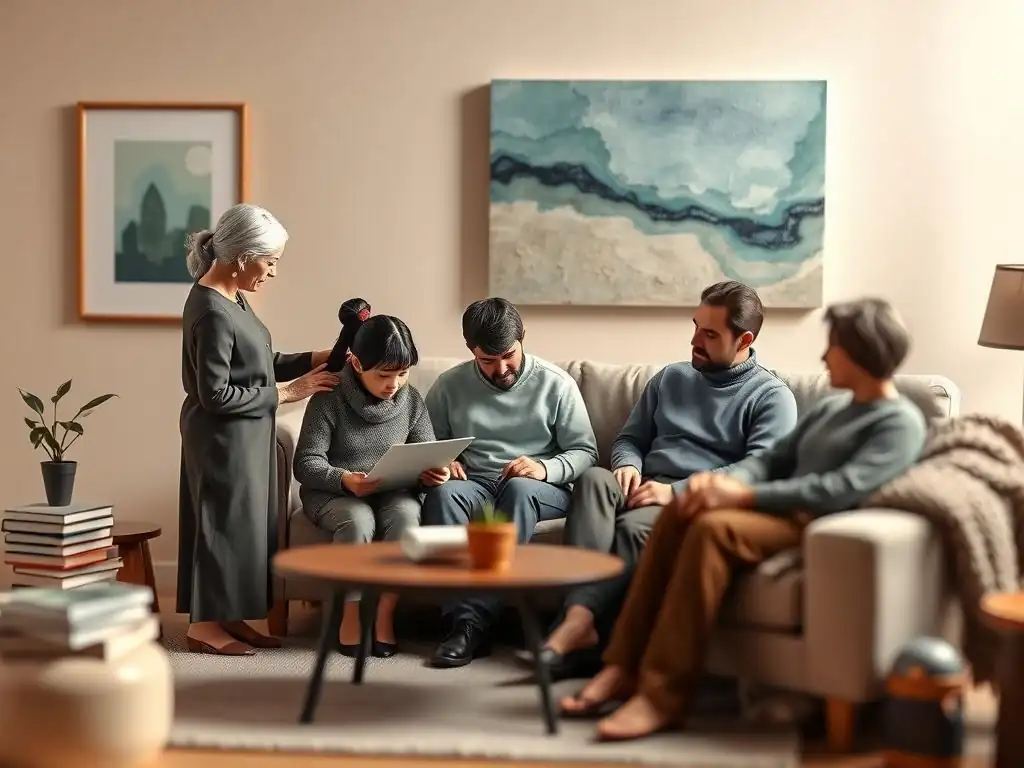
When to Seek Therapy or Counseling for Blended Family Issues
Seeking professional support from a therapist or counselor can be invaluable when navigating blended family identity, especially when challenges feel overwhelming or persistent. It's advisable to seek help if communication has broken down, if conflict is frequent and unresolved, if family members are struggling significantly with adjustment (e.g., behavioral problems in children, withdrawal, depression, anxiety), or if the couple is experiencing significant stress due to blended family dynamics.
For example, if step-parenting is causing significant tension in the marriage, or if children are expressing strong resistance to the new family structure that impacts their well-being, therapy can provide necessary tools and strategies.
Therapy offers a neutral space for family members to express their feelings and concerns, learn effective communication skills, and work through complex emotional issues like grief, loyalty conflicts, and resentment. A therapist specializing in family dynamics can help identify unhealthy patterns of interaction and guide the family in developing healthier ways of relating to each other. They can also provide strategies tailored to specific challenges, such as managing step-sibling relationships or establishing effective co-parenting boundaries. Seeking help is a sign of strength and commitment to the family's well-being, not a failure.
Finding a Therapist Specializing in Blended Family Dynamics
Finding a therapist with experience and expertise in blended family dynamics is crucial for effective support. These therapists understand the unique complexities and challenges inherent in stepfamilies, such as the different stages of integration, the challenges of step-parenting, and the impact of previous family structures. Look for licensed marriage and family therapists (LMFTs) or clinical social workers (LCSWs) who specifically list experience with blended families, stepfamilies, or complex family systems as areas of practice. Professional organizations often have directories where you can search for therapists by specialization.
When selecting a therapist, consider meeting with a few different professionals for an initial consultation to find someone whose approach feels like a good fit for your family. It's important that all participating family members feel comfortable and respected by the therapist. Discuss their experience with blended families and their therapeutic approach. A therapist specializing in this area can offer insights, tools, and guidance specifically relevant to the unique journey of navigating blended family identity, helping your family build a stronger, healthier future together.
Long-Term Benefits of a Strong Blended Family Identity
Increased Family Cohesion and Resilience
Developing a strong, positive blended family identity significantly increases family cohesion – the sense of emotional closeness and unity among members. When a family shares values, traditions, and a collective sense of "us," members feel more connected and supportive of one another. This cohesion acts as a powerful buffer against external stressors and internal conflicts, making the family more resilient. For example, a blended family with a strong identity might weather a job loss or a difficult co-parenting issue with greater unity and mutual support than a family where members feel disconnected or like outsiders.
Resilience in blended families means the ability to adapt to change, bounce back from adversity, and maintain healthy functioning despite challenges. A shared identity provides a common ground and a sense of shared purpose that helps the family navigate transitions and overcome obstacles together. It fosters a belief that "we are in this together," encouraging collaboration and mutual support during tough times. This collective strength is a direct result of intentionally building a shared identity, moving beyond individual histories to create a new, robust family unit capable of facing the future together.
Improved Mental Well-being for All Family Members
Successfully navigating blended family identity has profound positive impacts on the mental well-being of all family members, children and adults alike. For children, having a clear sense of belonging and security within the blended family reduces anxiety, confusion, and loyalty conflicts. When they feel accepted and valued for who they are, including their history, they are less likely to experience depression or behavioral issues related to the family transition. Studies suggest that children who successfully adjust to blended family life often show increased resilience and adaptability.
For adults, establishing a strong blended family identity reduces stress related to uncertainty, conflict, and the pressure to make everyone happy. A clear identity provides a framework for decision-making and reduces ambiguity about roles and expectations. Feeling like a cohesive unit provides a sense of accomplishment and reduces feelings of isolation that can sometimes occur in blended families. The stability and positive relationships fostered by a strong identity contribute to reduced parental stress and improved overall mental health for both partners.
Fostering a Sense of Belonging and Acceptance in Blended Families
At its core, successfully navigating blended family identity is about fostering a deep sense of belonging and unconditional acceptance for every individual. This means creating an environment where everyone feels safe to be themselves, where their past is acknowledged with respect, and where they are genuinely included in the present and future of the family. Belonging isn't just about living in the same house; it's about feeling like an integral, valued part of the family unit. This is particularly important for stepchildren and step-parents who may initially feel like outsiders.
When a blended family successfully builds a shared identity, it creates a sanctuary of acceptance. Differences in background, personality, or previous family experiences are not just tolerated but are often celebrated as contributing to the richness of the family tapestry. This sense of belonging is critical for self-esteem and emotional security, especially for children navigating complex family structures. It confirms that they are loved and accepted for who they are, contributing to a positive self-image and the ability to form healthy relationships both within and outside the family.
Resources for Blended Families: Support and Further Reading
A wealth of resources exists to help families navigate the unique challenges and opportunities of blended family life. Many insightful books offer practical advice, real-life examples, and strategies for building strong stepfamilies. These resources often cover topics such as communication techniques, managing step-parenting roles, addressing discipline differences, and fostering relationships between step-siblings. Reading about the experiences of others and gaining expert perspectives can normalize challenges and provide concrete steps towards building a cohesive blended family identity.
Furthermore, numerous articles and guides written by therapists, counselors, and family experts provide focused information on specific aspects of blended family dynamics. These can be particularly helpful for addressing immediate concerns, such as preparing children for the blend, handling holiday schedules, or managing finances in a stepfamily. Exploring these resources allows families to gain knowledge, feel less alone in their struggles, and discover tools that can be applied to their specific situation, aiding them in the continuous process of navigating blended family identity effectively.
Online Support Groups and Communities for Blended Families
Connecting with other individuals and families who are also navigating blended family identity can provide invaluable support, understanding, and practical advice. Online support groups and communities offer a platform for sharing experiences, asking questions, and receiving encouragement from people who truly understand the unique dynamics of stepfamily life. These forums can be a source of empathy and validation, helping members feel less isolated in their journey. For example, sharing a challenge with step-sibling conflict in an online group might yield helpful strategies from others who have faced similar situations.
These online spaces often host discussions on a wide range of topics relevant to blended families, from managing relationships with ex-partners to creating new family traditions. While not a substitute for professional therapy, they can offer a sense of community and practical peer-to-peer support. Engaging with others who are also actively navigating blended family identity reinforces that the challenges are common and that successful, happy blended families are achievable with effort, patience, and connection.
Frequently Asked Questions
How can we, as a blended family, start the process of creating our own unique identity?
Begin by acknowledging the differences in family cultures. Then, encourage open communication about values and expectations. Finally, work together to establish new traditions that represent everyone.
Challenges include loyalty conflicts between children and their biological parents. Also, there can be differing parenting styles and difficulties integrating new family members. Unrealistic expectations of instant harmony are also a major hurdle.
How important is it for children to maintain a connection with their biological family while integrating into a blended family?
It's crucial for children's well-being. Maintaining contact with their biological family helps them feel secure and connected to their roots, even within the new family structure. This connection supports their sense of self.
What role does the couple's relationship play in the success of establishing a blended family identity?
The couple's relationship is foundational. A strong, supportive partnership provides a stable environment for the entire family. This models healthy communication and conflict resolution skills for the children.
Mind Care Guide offers information, support, and resources for various mental health challenges. Look for blended family support groups or consider family counseling with a therapist specializing in this area.
Final Reflection: Forging a New Family Narrative
The idealized image of the blended family, often portrayed as effortlessly harmonious, is a myth. The reality is far more nuanced, requiring conscious effort, open communication, and a willingness to redefine family itself. This article explored the challenges and triumphs of creating a unique blended family identity, moving beyond societal expectations and embracing the messy, beautiful process of building something new.
The journey of building a blended family identity is a continuous evolution, a testament to the resilience and adaptability of the human spirit. It's a process that demands patience, understanding, and a willingness to let go of preconceived notions. The constant negotiation of roles, traditions, and expectations can be challenging, but the rewards – a deeply connected, loving family unit – are immeasurable. The family you are born into is not necessarily the family you will create.
This quote highlights the power of choice and the agency we have in shaping our family narratives, even when those narratives are complex and multifaceted.
Now, consider your own family dynamics, your own unique challenges and triumphs. What steps can you take today to foster a stronger sense of shared identity within your blended family? Embrace the imperfections, celebrate the victories, and remember that the journey of building a cohesive family unit is a testament to your collective strength and love. The "Brady Bunch" may have been a television fantasy, but your blended family's story is uniquely yours – and it's a story worth writing together.
Thanks for taking the time to explore the complexities of building a blended family! We hope you gained valuable insights into creating a strong, loving unit beyond the often-misrepresented “Brady Bunch” ideal. Now it's time to put those insights into action.
- Prioritize Family Rituals: Establish at least one weekly family activity – a game night, a family dinner, or even a shared chore – that fosters connection and shared experiences. This is your cornerstone for building a unique family identity.
- Document Your Journey: Consider starting a family scrapbook or journal to capture your shared memories and milestones. This is a fun way to record your progress and create lasting memories.
- Share Your Story (Optional): If you feel comfortable, share your experiences and tips with other blended families! Your journey can inspire others.
What small step will you take this week to strengthen your blended family’s unique identity?