
Creating New Traditions: Weaving Your Blended Family Story

Welcome to Mind Care Guide, a space dedicated to nurturing your mental well-being.
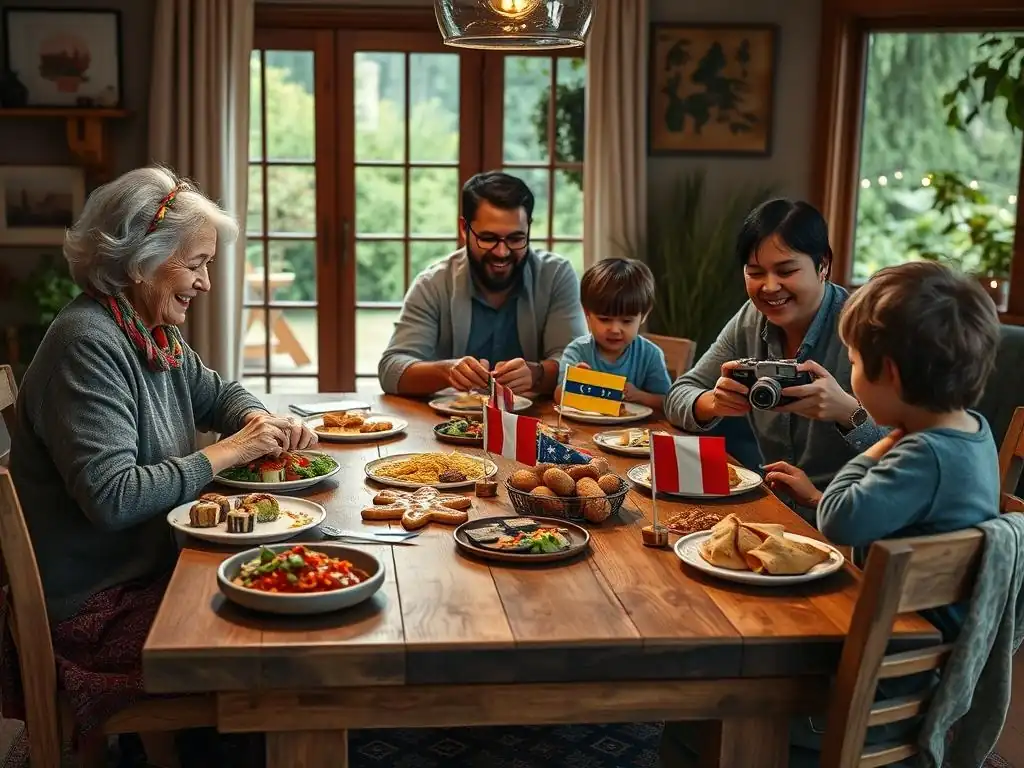
Feeling a bit lost in the complexities of blended family life? You're not alone. This month, we're diving deep into the beautiful, sometimes challenging, art of blended family traditions building. Discover how to weave together unique customs that honor everyone's past while forging a stronger, more connected future. Ready to start building your blended family story?
Creating New Traditions: Weaving Your Blended Family Story
- Understanding Blended Family Dynamics and the Importance of Traditions
-
Blended Family Traditions Building: A Step-by-Step Guide
- Step 1: Open Communication: Discussing Existing Family Traditions
- Step 2: Identifying Shared Values and Interests for New Traditions
- Step 3: Creating New Blended Family Traditions: Practical Ideas
- Step 4: Implementing and Adapting Blended Family Traditions
- Step 5: Celebrating Successes and Addressing Challenges
- Examples of Successful Blended Family Traditions
- Maintaining Harmony and Strengthening Bonds Through Traditions
- Seeking Support and Resources for Blended Family Success
- Conclusion: Embracing the Journey of Building Blended Family Traditions
-
Frequently Asked Questions
- How can we start creating new traditions in our blended family, considering everyone's different backgrounds?
- What are some examples of traditions that work well for blended families, considering the varying ages and interests of children?
- How do we navigate potential conflicts or resistance from children who are attached to their original family traditions?
- How do we handle differences in parenting styles within a blended family when establishing new traditions?
- What resources are available from Mind Care Guide to support blended families in building healthy relationships and creating meaningful traditions?
- Final Reflection: Weaving a Tapestry of Shared Moments
- Unfold Your Family's Unique Story: Create Lasting Traditions
Understanding Blended Family Dynamics and the Importance of Traditions
Blending families brings together individuals from different histories, experiences, and, crucially, different sets of established rituals and norms. This complex dynamic requires careful navigation, particularly when it comes to integrating differing expectations around family life. The success of a blended family often hinges on its ability to forge a new, shared identity, and traditions play a pivotal role in this process. They provide a sense of continuity, predictability, and belonging in what can initially feel like an unfamiliar environment.
Navigating the unique landscape of a blended family presents both challenges and incredible opportunities. Children and adults alike arrive with pre-existing loyalties, routines, and emotional connections tied to their original family structures. Understanding that these histories are valid and important is the first step. Blended families are not simply two halves joined, but a unique entity with its own evolving culture. Recognizing this distinct identity is fundamental to building a strong foundation.
Why Blended Family Traditions Matter for Mental Well-being
Establishing shared traditions in a blended family is far more than just scheduling fun activities; it's a powerful tool for fostering emotional security and enhancing the mental well-being of all family members. For children, predictable routines and rituals create a sense of stability in a life that may have recently undergone significant upheaval. Knowing that every Friday night is pizza and movie night, or that a specific ritual marks the start of the holiday season, provides a comforting anchor. This predictability can reduce anxiety and help children feel more settled and secure in their new family unit.
Furthermore, participating in shared experiences builds shared memories and strengthens emotional bonds. These collective moments, whether big holiday celebrations or small daily rituals like a family dinner where everyone shares their day, create a sense of unity and belonging. This feeling of being connected and valued within the family unit is vital for self-esteem and overall mental health. It helps counteract feelings of being an outsider or having to choose between different family allegiances, promoting a cohesive family identity where everyone feels they belong.
Common Challenges in Establishing Blended Family Rituals
The path to successful blended family traditions building is rarely without hurdles. One of the most significant challenges is the inherent conflict between pre-existing traditions from each original family. What one side considers an essential holiday ritual, the other might find unfamiliar or even uncomfortable. Children, especially, may feel loyalty to their past family customs and resist adopting new ones, viewing them as a replacement rather than an addition. This can lead to tension, resentment, and a sense of loss for cherished past experiences.
Another common difficulty lies in managing differing expectations and levels of enthusiasm. Not everyone may be equally invested in creating new rituals, or individuals might have vastly different ideas about what constitutes a meaningful tradition. Age differences among siblings, varying visitation schedules, and the involvement (or lack thereof) of ex-partners can further complicate the process. Finding activities that genuinely appeal to everyone, from young children to teenagers and adults, requires patience, compromise, and a willingness to adapt.
Blended Family Traditions Building: A Step-by-Step Guide
Building meaningful traditions is a cornerstone of successful blended family life. It's a process that requires intentional effort, open hearts, and a commitment from everyone involved. This guide outlines a structured approach to help your family embark on this rewarding journey. The goal isn't to erase the past but to respectfully integrate elements while creating new, shared experiences that define your unique family identity.
The journey of blended family traditions building is iterative. It's not about finding one perfect set of rituals from day one, but about experimenting, learning, and evolving together. Approach this process with empathy, understanding that adjustment takes time. Celebrate small victories and be prepared to revisit and modify traditions as your family grows and changes.
Step 1: Open Communication: Discussing Existing Family Traditions
Before you can build new traditions, it's crucial to understand the foundation you're working with. Initiate open and honest conversations about the traditions that were important in each original family. This isn't about comparing or judging, but about acknowledging and understanding the significance these rituals hold for individuals. For instance, one side might have always opened presents on Christmas Eve, while the other waited until Christmas morning. Both are valid and hold emotional weight.
Dedicate specific time for these discussions, perhaps during a family meeting or a relaxed dinner. Encourage everyone to share their favorite memories associated with past traditions and explain why those rituals were meaningful to them. This step is vital for building empathy and ensuring that no one feels their history is being dismissed. Acknowledging the past is a sign of respect and creates a safer space for embracing the future of blended family traditions building.
Gathering Input from All Family Members: Kids and Adults
It's imperative that the voices of all family members, regardless of age, are heard during this initial phase. Children, even young ones, have opinions and feelings about their family routines. Ask them what they liked most about holidays, birthdays, or regular family time in their previous structure. Use simple questions like, "What was your favorite thing we used to do for birthdays?" or "What's a special way your family celebrated holidays?"
For older children and teenagers, encourage them to express what traditions they would miss most and what they might be open to trying. Adults should also share their perspectives, explaining the history and meaning behind their own cherished rituals. This inclusive approach ensures that everyone feels like a valued contributor to the process of blended family traditions building, laying the groundwork for buy-in later on.
Acknowledging and Respecting Past Rituals
Simply hearing about past traditions isn't enough; it's essential to actively acknowledge and respect them. This means validating the importance these rituals held and understanding the potential feelings of loss associated with leaving some of them behind. Use phrases that show understanding, such as "It sounds like that was a really special tradition for you," or "I understand why that was so important."
Consider ways to potentially incorporate elements of past traditions into new ones, where feasible and comfortable for everyone. For example, if one family always had a specific dish for Thanksgiving, and the other is open to it, consider adding it to your new family's menu. This demonstrates respect for individual histories and helps bridge the gap between the past and the future of your blended family traditions building efforts.
Once you have a good understanding of past traditions, shift the focus to the future by exploring shared values and interests within your newly formed family unit. What activities does everyone genuinely enjoy? What values do you want to emphasize as a family (e.g., kindness, adventure, creativity, service)? Identifying these common threads provides a strong foundation for creating new rituals that resonate with everyone.
This step is about finding the common ground that unites your blended family. It moves beyond individual histories to discover what brings you joy and connection together. This shared vision is crucial for successful blended family traditions building, ensuring that the new rituals feel authentic and meaningful to the collective group.
Brainstorming Activities That Everyone Can Enjoy
Gather the family for a brainstorming session focused on fun activities. Encourage wild ideas initially, then narrow them down based on feasibility and genuine interest. Consider a wide range of possibilities: outdoor adventures, creative projects, game nights, cooking together, volunteering, visiting local attractions, or even establishing a specific reading hour. Write down all suggestions without judgment.
Use prompts like:
- What's something we could do together every month?
- What kind of trip would be fun for everyone?
- What activity makes you feel most connected to others?
- What's something we could learn or create together?
This collaborative brainstorming makes the process of blended family traditions building feel like a shared adventure, not a mandate.
Finding Common Ground: Shared Hobbies and Interests
Delve deeper into individual hobbies and interests to find overlaps. Does one parent love hiking and a child enjoy exploring nature? Is there a shared passion for board games, movies, cooking, or a particular sport? These shared interests are fertile ground for developing regular traditions. For example, if multiple family members enjoy cooking, a weekly "Family Cooking Challenge" could become a fun tradition.
Even if interests aren't identical, look for ways to connect them. If one person loves art and another enjoys technology, perhaps a tradition of creating digital art together could emerge. Finding these points of connection makes the process of blended family traditions building feel organic and genuinely enjoyable for everyone involved.
Step 3: Creating New Blended Family Traditions: Practical Ideas
With communication lines open and shared interests identified, it's time to start crafting specific traditions. These can range from significant annual events to simple weekly rituals. The key is to choose activities that align with your family's values and interests and that you genuinely look forward to doing together.
Blended family traditions building offers a unique opportunity to be creative. You're not bound by how things were always done. This is your chance to invent rituals that are perfectly suited to your new, special family unit. Don't be afraid to experiment and think outside the box.
Holiday Celebrations: Infusing Old and New Elements
Holidays are often the most sensitive time for blended families due to strong existing traditions. Instead of choosing one family's way over the other, aim to blend elements. For Christmas, perhaps one family always decorated the tree on a specific date, while the other baked cookies. Combine these: decorate the tree and bake cookies together. Alternate key elements year by year, or create entirely new rituals that incorporate aspects from both sides or introduce something brand new.
For instance, if both families had different Christmas Eve rituals, invent a completely new one, like a "Holiday Story Night" where everyone shares a favorite holiday memory or reads a festive book. This approach respects the past while actively engaging in blended family traditions building for the future.
Creating Unique Birthday Rituals for Blended Families
Birthdays are highly personal celebrations. Develop rituals that make each individual feel special within the blended family context. This could involve a specific birthday breakfast tradition, choosing a special activity for the day, a unique way of presenting gifts, or a family "birthday interview" where everyone shares a favorite memory of the birthday person.
Ensure fairness and consistency in how birthdays are celebrated, while still allowing for personalization based on individual preferences. This demonstrates to each child and adult that they are seen, valued, and celebrated within the new family structure, reinforcing the positive aspects of blended family traditions building.
Establishing Weekly or Monthly Family Activities
Regular, smaller traditions can be just as impactful as major holiday events. Consider establishing a weekly "Family Game Night," a monthly "Adventure Day" exploring a new park or museum, or a simple "Sunday Dinner" where everyone helps cook and set the table. These consistent rituals provide regular opportunities for connection amidst busy schedules.
Even a simple "High-Low" tradition at dinner, where everyone shares the best part (high) and the most challenging part (low) of their day, can become a powerful ritual for fostering communication and empathy. Consistency is key to making these activities stick as part of your ongoing blended family traditions building.
Step 4: Implementing and Adapting Blended Family Traditions
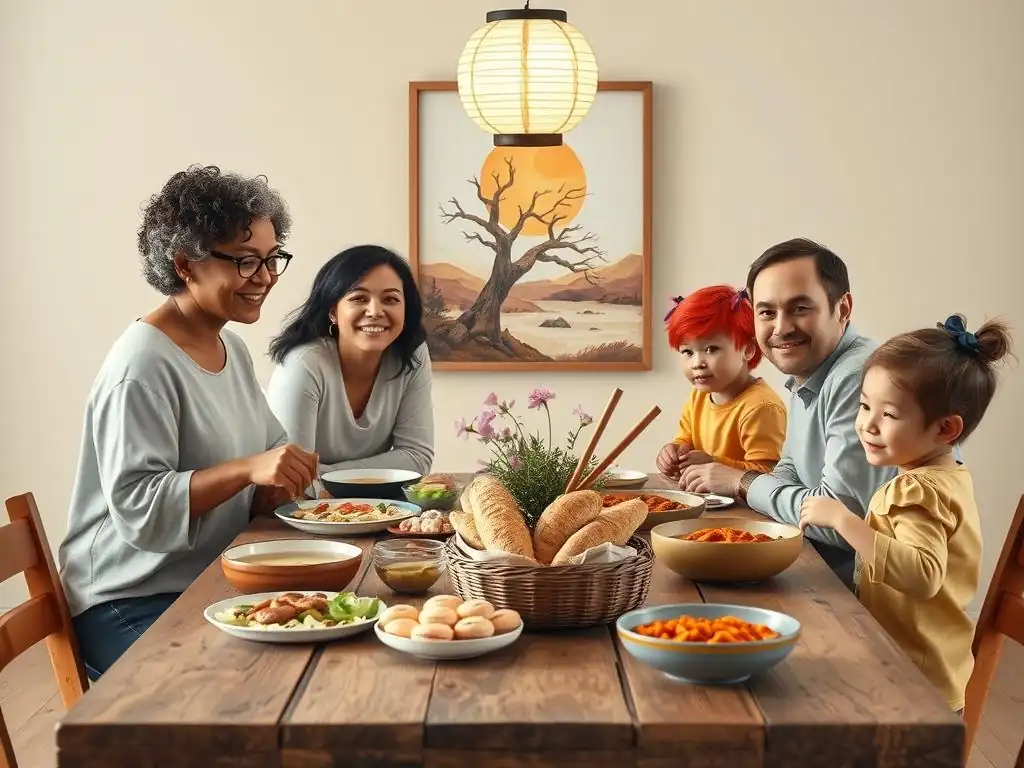
Once you've brainstormed and decided on potential traditions, the next step is putting them into practice. This requires commitment and planning. Schedule these new rituals just like you would any other important appointment. Announce them to the family with enthusiasm and clearly explain what the new tradition will entail.
Remember that implementing new traditions takes time and effort. It might feel awkward or forced at first, especially for children who are used to different ways of doing things. Be patient and persistent. The goal is to create positive, shared experiences, and that often requires consistency over time as you engage in blended family traditions building.
Setting Realistic Expectations for New Rituals
Avoid the trap of expecting every new tradition to be an instant, unqualified success where everyone is perfectly happy all the time. There might be resistance, awkwardness, or even complaints. This is normal. Set realistic expectations for participation and enjoyment. Focus on the process of being together and building something new, rather than demanding perfect enthusiasm.
It's okay if a planned tradition doesn't go exactly as envisioned the first time. Perhaps the board game was too complicated, or the picnic got rained out. Acknowledge the hiccup, learn from it, and either try again with adjustments or pivot to a different activity. Blended family traditions building is about progress, not perfection.
Flexibility is Key: Adjusting Traditions as the Family Evolves
Blended families are dynamic, constantly evolving as children grow, interests change, and life circumstances shift. What works as a tradition for young children might not appeal to teenagers. Be prepared to adapt and modify your traditions over time. Regularly check in with the family to see if rituals are still enjoyable and meaningful.
Think of your traditions as living entities, not rigid rules. If a monthly hiking trip becomes difficult due to changing schedules, perhaps switch to a quarterly camping weekend or a regular family bike ride. Maintaining flexibility ensures that your blended family traditions building remains relevant and sustainable for the long haul.
Step 5: Celebrating Successes and Addressing Challenges
As you implement new traditions, take time to acknowledge and celebrate the moments that go well. Positive reinforcement is powerful. Similarly, be prepared to address challenges and conflicts that arise constructively and empathetically.
This final step in the blended family traditions building guide emphasizes reflection and continuous improvement. It's about learning from your experiences and ensuring that the traditions are truly serving the family's goal of connection and unity.
Recognizing and Appreciating Participation
When a tradition goes well, or even when family members make an effort to participate despite initial hesitation, acknowledge and appreciate it. Simple verbal praise, a high-five, or a note of thanks can go a long way. Point out the positive aspects of the experience: "It was so great laughing together during the game night," or "I really enjoyed our conversation during dinner tonight."
Celebrating the small successes reinforces the value of the shared experience and encourages continued engagement in blended family traditions building. It shows that their effort is noticed and appreciated, making them more likely to participate enthusiastically in the future.
Troubleshooting Common Issues in Blended Family Tradition Building
Inevitably, you'll encounter resistance, scheduling conflicts, or traditions that simply don't land well. When issues arise, approach them as a team problem to solve. Avoid blame. Discuss what didn't work and brainstorm solutions together. For example, if a weekly movie night is constantly interrupted by homework or activities, perhaps move it to a different night or make it a monthly event instead.
- Common issues might include:
- Lack of interest from certain family members.
- Scheduling conflicts due to different households or activities.
- Arguments or tension during the tradition.
- Feeling like the tradition is forced or not fun.
Use these challenges as opportunities for further communication and adaptation, strengthening your blended family traditions building process.
Examples of Successful Blended Family Traditions
Real-life examples, even approximated, can provide inspiration for your own blended family traditions building journey. These case studies illustrate how families have successfully created rituals that foster connection and a shared identity.
These examples are not prescriptive rules, but rather illustrations of the diverse forms that successful blended family traditions can take. They highlight creativity, compromise, and a focus on shared positive experiences.
Case Study 1: The Annual Family Camping Trip
The Miller-Davis family, consisting of two parents and four children ranging from 8 to 16, initially struggled with finding activities that appealed to everyone and felt equally "theirs." After discussing past family vacations (one side camped, the other preferred beach resorts), they decided to try an annual camping trip to a state park about three hours away. The first year involved some learning curves – figuring out tents, cooking outdoors, and managing different comfort levels.
However, they established specific roles (one parent planned meals, the other set up camp, older kids helped with fire and chores, younger kids helped gather wood) and created rituals like nightly s'mores by the campfire and a morning "nature scavenger hunt." By the third year, it had become the most anticipated event of their year. The shared challenge and unique environment fostered teamwork and created a wealth of inside jokes and shared memories. This tradition became a cornerstone of their blended family identity.
Case Study 2: "Gratitude Sunday" Dinner
The Rodriguez-Chen family, with three children aged 6, 10, and 14, wanted a weekly ritual that encouraged connection and positive communication. They instituted "Gratitude Sunday" dinner. Every Sunday, they cook a meal together (taking turns choosing the menu and assigning tasks), and during dinner, each person shares one thing they are grateful for from the past week and one positive intention for the week ahead.
This simple ritual provides a consistent touchpoint amidst busy schedules. It fosters active listening, encourages positive reflection, and ensures that everyone has a moment to share and be heard. Over time, it has become a deeply ingrained part of their week, providing a sense of stability and emotional safety that significantly contributes to the mental well-being of all family members.
Maintaining Harmony and Strengthening Bonds Through Traditions
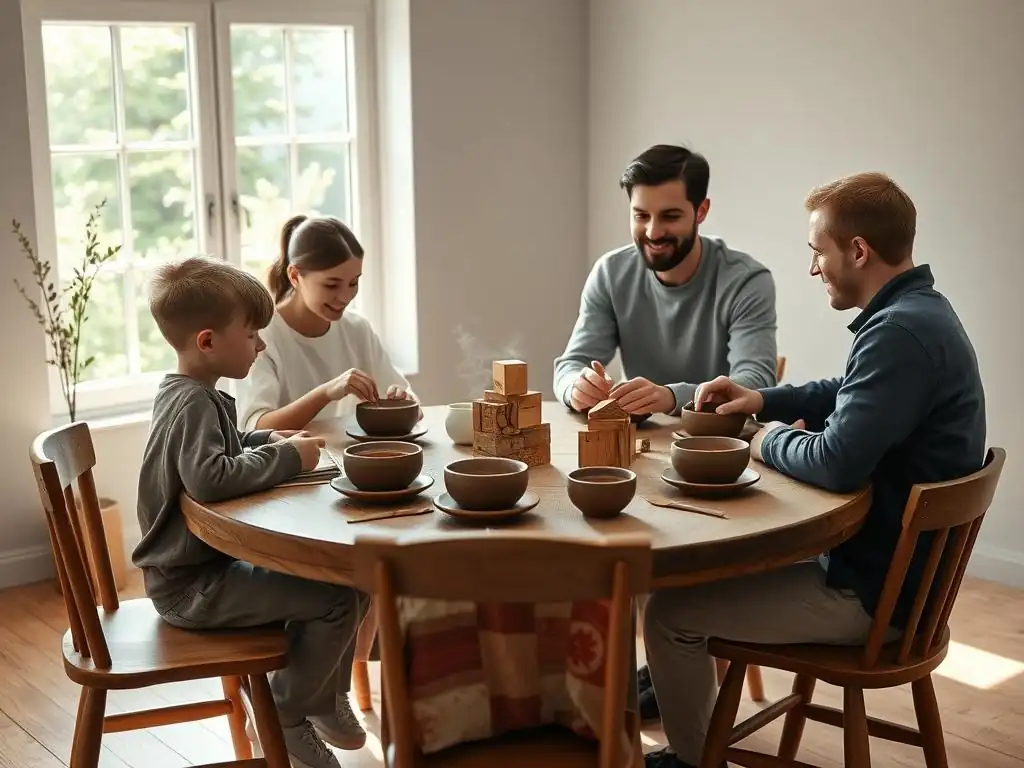
Traditions are more than just fun activities; they are powerful threads that weave together the fabric of a blended family. They provide a shared history, reinforce a sense of belonging, and help navigate the complexities of multiple households and relationships. Actively engaging in blended family traditions building is an investment in the long-term health and harmony of your family unit.
By consistently creating and nurturing these shared rituals, families build a reservoir of positive experiences that can help buffer against inevitable challenges. These traditions become the touchstones that remind everyone they are part of a unique and loving family.
The Role of Traditions in Building a Strong Blended Family Identity
Shared traditions are instrumental in forging a collective identity for the blended family. When families participate in unique rituals together, they create shared memories and inside jokes that belong only to their specific unit. This helps individuals, particularly children, feel like they are part of something new and distinct, rather than just being shuttled between two separate worlds.
Over time, these traditions become part of the family's story, referenced in conversations and looked forward to year after year. This shared narrative and set of experiences solidify the idea of "us" – the blended family – as a cohesive and enduring entity, a direct result of intentional blended family traditions building.
Fostering a Sense of Belonging and Connection
Perhaps the most crucial role of traditions in a blended family is fostering a deep sense of belonging and connection among all members. In the early stages, individuals may feel like outsiders or struggle with feelings of displacement. Shared rituals provide regular opportunities for positive interaction, mutual support, and the creation of strong emotional bonds.
Whether it's cuddling on the couch during movie night, working together to bake holiday cookies, or cheering each other on during a family hike, these shared moments build intimacy and trust. They demonstrate that everyone is a valued member of the family, reinforcing their place and contributing significantly to their emotional security and overall mental well-being.
Seeking Support and Resources for Blended Family Success
While blended family traditions building is a powerful tool, navigating the complexities of stepfamily life can be challenging. It's important to recognize when you might need external support and to know where to find helpful resources. Seeking help is a sign of strength and commitment to your family's well-being.
Don't hesitate to reach out if you feel stuck, overwhelmed, or if conflicts are persistent. There are many resources available specifically designed to support blended families through their unique journey.
When to Consider Family Counseling or Therapy
Family counseling or therapy can be invaluable for blended families, especially when communication is strained, conflicts are frequent or intense, or individuals are struggling to adjust. A therapist trained in family systems can help facilitate open communication, mediate disagreements, and provide tools for navigating complex relationships and emotions.
Consider seeking professional help if:
- Children are exhibiting significant behavioral or emotional difficulties related to the blend.
- Parenting styles are in direct conflict and causing significant friction.
- There is persistent conflict between stepparents and stepchildren.
- The couple relationship is under severe strain due to blended family issues.
- You feel overwhelmed and unsure how to move forward in building family unity.
Therapy can provide a safe space to process feelings, understand different perspectives, and develop healthier patterns of interaction, including strategies for effective blended family traditions building.
Recommended Books and Websites for Blended Family Support
Numerous resources exist to provide guidance, insights, and practical strategies for blended families. Look for books written by experts in stepfamily dynamics that cover topics like common challenges, communication strategies, parenting roles, and building family cohesion. Many offer relatable anecdotes and actionable advice based on research and clinical experience.
Online resources, such as websites and forums dedicated to blended families, can also offer valuable information and a sense of community. These platforms often provide articles, tips, and the opportunity to connect with others facing similar challenges. While specific recommendations cannot be listed here, searching for resources focused on 'stepfamily support,' 'blended family challenges,' or 'blended family traditions building' will yield many helpful options.
Conclusion: Embracing the Journey of Building Blended Family Traditions
Creating new traditions is a vital and rewarding aspect of weaving your blended family story. It's a process that requires patience, empathy, open communication, and a willingness to experiment and adapt. By discussing past rituals, identifying shared interests, brainstorming new activities, and consistently implementing and refining them, you build a strong foundation for family unity and individual well-being.
The journey of blended family traditions building is ongoing. It's about creating shared moments, fostering a sense of belonging, and strengthening the bonds that tie your unique family together. Embrace the process, celebrate the successes, learn from the challenges, and cherish the rich, new story you are writing together, one tradition at a time.
Frequently Asked Questions
How can we start creating new traditions in our blended family, considering everyone's different backgrounds?
Start by having an open family discussion where everyone can share their favorite traditions from their past. Brainstorm new ideas together and decide on a few to try as a family.
What are some examples of traditions that work well for blended families, considering the varying ages and interests of children?
Consider traditions that are inclusive and adaptable, such as a family game night, a themed movie marathon, or a special holiday-themed activity that everyone can participate in.
Acknowledge and validate their feelings about their existing traditions. Explain that creating new traditions doesn't mean forgetting the old ones, but rather building something new together.
How do we handle differences in parenting styles within a blended family when establishing new traditions?
Communication is key. Discuss your parenting styles and find common ground when it comes to discipline and values. Compromise and be flexible when creating traditions.
What resources are available from Mind Care Guide to support blended families in building healthy relationships and creating meaningful traditions?
Mind Care Guide offers articles on communication skills, conflict resolution, and parenting strategies specifically tailored for blended families. Explore our website for additional resources and support.
The creation of meaningful traditions is not merely a nostalgic pursuit; it's the bedrock of a strong and thriving blended family. In a world increasingly focused on instant gratification, the conscious effort to build shared rituals and memories becomes even more vital, offering a powerful antidote to the challenges inherent in navigating complex family dynamics. These traditions, carefully woven from the unique threads of each family member's history, provide a sense of belonging and shared identity that transcends the complexities of a blended family structure.
The impact of shared traditions extends far beyond the immediate family unit. They shape the very fabric of our collective experience, passing down values, beliefs, and stories across generations. These rituals become anchors in the ever-shifting sands of life, providing stability and a sense of continuity. As the saying goes, Tradition is not the worship of ashes, but the preservation of fire.
This sentiment perfectly encapsulates the essence of building traditions within a blended family – it's not about clinging to the past, but about igniting a new flame, a shared warmth that binds everyone together.
Now, consider your own family story. What unique traditions can you create? What cherished memories are waiting to be made? Don't underestimate the power of small gestures – a weekly game night, a special family meal, a yearly tradition of volunteering together. These seemingly insignificant moments, when repeated and cherished, become the threads that weave the rich tapestry of your blended family's unique story. Embrace the journey, celebrate the differences, and watch as your shared traditions become the strongest bonds that unite you all.
Unfold Your Family's Unique Story: Create Lasting Traditions
Thank you for taking the time to explore the journey of building strong traditions in blended families. We hope you gained valuable insights and inspiration to strengthen your family bonds. Now, it's time to put those ideas into action!
- Craft your family's first new tradition: Start small! Think about a simple activity you can all enjoy together – a weekly game night, a monthly family hike, or even a special bedtime story. Make it a ritual.
- Share your inspiration: Tell us about your favorite family traditions (new or old)! Share your ideas in the comments below to inspire others.
- Explore further: Dig deeper into the concept of family rituals. Consider exploring different cultural traditions or researching the psychological benefits of family routines to enrich your approach.
What unique family tradition will you create to weave the rich tapestry of your blended family's story?