
NoiseCanceling Gifts for Sensory Sensitivity and Anxiety

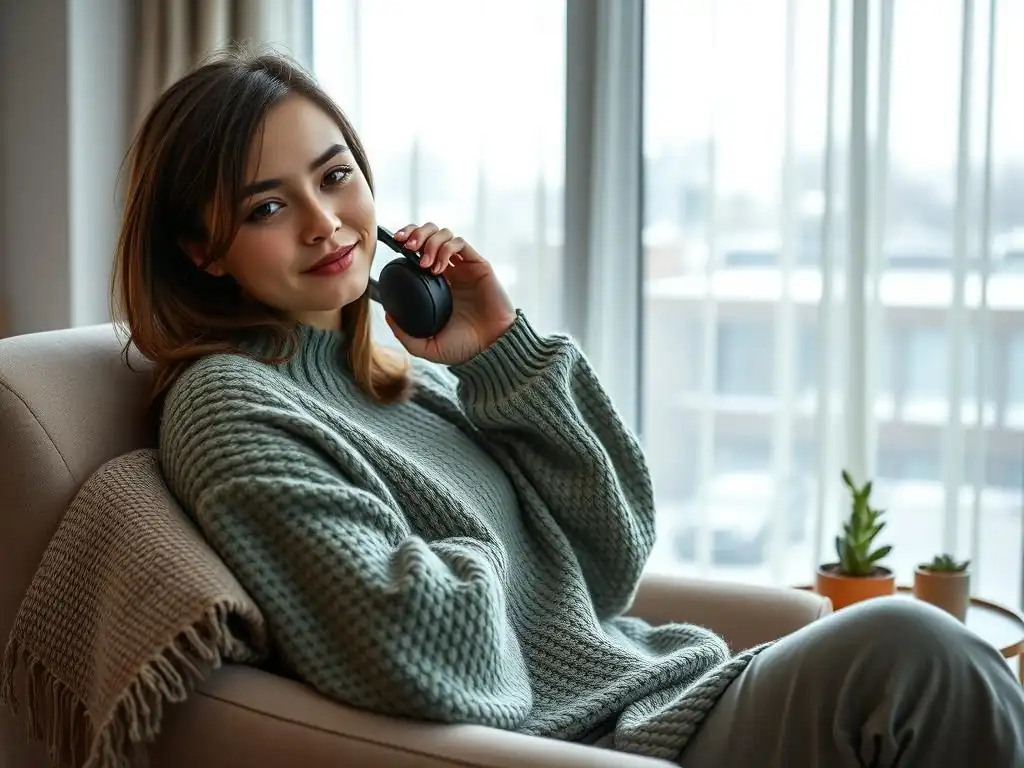
Welcome to Mind Care Guide, a compassionate space dedicated to nurturing your mental well-being.
Feeling overwhelmed by noise? You're not alone. Many experience heightened sensory sensitivity, which can significantly impact daily life. Explore our guide to discover thoughtful sensory sensitivity noise canceling gifts that can bring comfort, peace, and a little bit of quiet to those who need it most. Curious to learn more about how the right gift can make a difference? Let's begin...
Noise-Canceling Gifts for Sensory Sensitivity and Anxiety: A Mind Care Guide
- Understanding Sensory Sensitivity and Anxiety
- Why Noise-Canceling Gifts Can Help
-
Top Noise-Canceling Gift Ideas for Sensory Needs
- 1. Bose QuietComfort 45 Headphones: Immersive Sound and Serenity
- 2. Loop Earplugs: Stylish and Discreet Noise Reduction
- 3. Mpow Noise-Canceling Ear Muffs: Affordable and Effective Sound Blocking
- 4. CozyPhones Sleep Headphones: Peaceful Sleep for Sensitive Individuals
- 5. YnM Weighted Blanket: Dual-Action Comfort
- Choosing the Right Noise-Canceling Gift
- Beyond Noise-Canceling: Other Sensory Sensitivity Support
- Conclusion: Finding the Perfect Noise-Canceling Solution for Sensory Sensitivity and Anxiety.
-
Frequently Asked Questions
- What is sensory sensitivity and how does it relate to noise?
- What are some examples of noise-canceling gifts suitable for individuals with sensory sensitivity?
- How do noise-canceling headphones help those with sensory sensitivity?
- Are there any non-electronic noise-canceling options that can help?
- Where can I find reliable resources and information about sensory sensitivity and mental well-being?
- Final Reflection: Finding Peace in a Noisy World
- Unleash Inner Peace: Gift Yourself (or Someone You Love) the Quiet
Understanding Sensory Sensitivity and Anxiety
The Link Between Sensory Overload and Anxiety
Sensory sensitivity, often associated with conditions like Sensory Processing Sensitivity (SPS), autism spectrum disorder (ASD), and ADHD, involves a heightened awareness of external stimuli. For individuals with this sensitivity, everyday sounds that others might filter out – like traffic noise, office chatter, or household appliances – can feel overwhelming, intrusive, and even physically uncomfortable. This constant bombardment of sensory information, known as sensory overload, can significantly impact mental well-being.
When the brain is constantly trying to process an excessive amount of sensory input, it can trigger a stress response. This physiological and psychological reaction often manifests as increased anxiety, irritability, difficulty concentrating, and a strong desire to withdraw from the environment. For someone prone to anxiety, sensory overload acts as a powerful trigger, potentially leading to panic attacks or prolonged periods of heightened stress. Understanding this direct link is crucial for finding effective coping strategies and supportive tools.
Identifying Sensory Triggers: How Noise Affects Mental Well-being
Noise is one of the most common and impactful sensory triggers for individuals with sensory sensitivity and anxiety. Unlike visual stimuli, which can often be avoided by simply looking away, sound is pervasive and difficult to escape without specific tools. Unexpected loud noises, repetitive sounds, or even a cacophony of multiple noises simultaneously can instantly shift a person from a state of calm to one of distress.
For many, the impact goes beyond simple annoyance. Chronic exposure to unwanted noise has been linked to increased cortisol levels, the body's primary stress hormone. This can contribute to long-term health issues and exacerbate existing anxiety or mood disorders. Identifying specific noise triggers – whether it's the hum of fluorescent lights, the clatter of dishes, or the general din of a busy public space – is a vital step in managing sensory-related anxiety and seeking out helpful interventions or tools like noise-canceling gifts for sensory sensitivity.
Why Noise-Canceling Gifts Can Help
Benefits of Noise Reduction for Sensory Processing Sensitivity
Noise reduction technology offers a tangible way to mitigate the effects of auditory overload for individuals with sensory processing sensitivity. By selectively blocking out or significantly lowering the volume of ambient noise, these tools create a quieter, more manageable sound environment. This reduction in sensory input allows the nervous system to calm down, preventing or decreasing the intensity of the stress response that often accompanies sensory overload.
Using noise reduction tools can empower individuals to navigate challenging environments that were previously inaccessible or highly anxiety-inducing, such as crowded stores, public transportation, or noisy workplaces. It provides a sense of control over their auditory experience, which is incredibly valuable when the external world feels overwhelming. This control can lead to increased confidence, reduced avoidance behaviors, and a greater ability to participate in daily life without constant fear of sensory triggers.
How Noise-Canceling Technology Eases Anxiety Symptoms
The primary mechanism by which noise-canceling technology eases anxiety symptoms is by directly addressing a major trigger. By eliminating or significantly reducing the impact of disruptive sounds, the technology helps prevent the cascade of physiological and psychological responses that lead to anxiety. When the brain isn't constantly on high alert due to noise, it can remain in a more relaxed state.
Furthermore, the act of using noise-canceling devices can be a grounding technique in itself. Putting on headphones or earplugs can signal a shift into a calmer, more internal space, helping individuals regain composure when feeling overwhelmed. For someone experiencing anxiety related to sensory input, these tools are not just accessories; they are essential aids that foster a sense of safety and peace in a potentially chaotic world. Thoughtful noise-canceling gifts for sensory sensitivity directly contribute to this sense of calm.
Top Noise-Canceling Gift Ideas for Sensory Needs
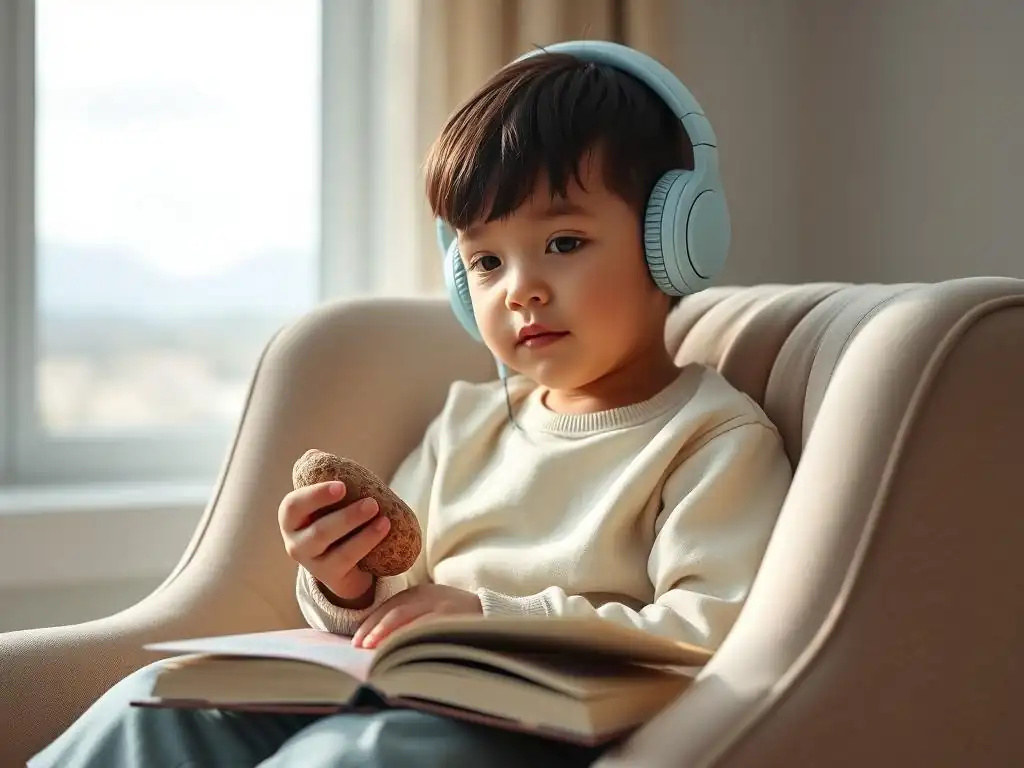
1. Bose QuietComfort 45 Headphones: Immersive Sound and Serenity
Bose QuietComfort headphones have long been a benchmark in active noise cancellation (ANC) technology, and the QC45 model continues this legacy. These over-ear headphones are designed to create a truly immersive listening experience while simultaneously blocking out a significant portion of ambient noise. Their reputation for effective noise cancellation makes them a top contender among noise-canceling gifts for sensory sensitivity.
The headphones feature multiple microphones that detect external sound waves and generate opposing waves to cancel them out. This technology is particularly effective at reducing low-frequency noises like engine hums, air conditioning units, and general background chatter. The result is a quieter environment where individuals can focus, relax, or listen to calming audio without disruption.
Features and Benefits of Bose QuietComfort 45 for Anxiety Relief
The Bose QuietComfort 45 headphones offer two primary noise cancellation modes: Quiet and Aware. The Quiet mode provides maximum noise isolation, ideal for creating a personal haven in noisy environments. The Aware mode allows some ambient sound to filter through, which can be useful for maintaining situational awareness while still reducing overwhelming noise levels. This flexibility is a key benefit for managing varying levels of sensory input throughout the day.
Beyond noise cancellation, the QC45s boast a comfortable, lightweight design suitable for extended wear – crucial for someone who might use them for long periods to manage sensory input. They typically offer around 24 hours of battery life on a single charge, ensuring they are available when needed most. The ability to connect wirelessly via Bluetooth adds convenience, allowing freedom of movement without tangled cords, further reducing potential irritations for sensitive individuals.
Price and Where to Buy: Bose QuietComfort 45
The Bose QuietComfort 45 headphones are considered a premium product and are priced accordingly. They typically retail in a price range that reflects their advanced technology and brand reputation, often fluctuating based on sales or promotions. While specific real-time pricing isn't provided here, potential buyers can expect them to be a significant investment compared to basic earplugs or ear muffs.
These headphones are widely available for purchase. They can be found at major electronics retailers, department stores with electronics sections, and various large online marketplaces. Checking different retailers can sometimes yield variations in price or availability.
Why These Headphones are Ideal for Sensory Sensitivity
The Bose QuietComfort 45 headphones are particularly well-suited as noise-canceling gifts for sensory sensitivity due to their exceptional active noise cancellation capabilities. They don't just muffle sound; they actively cancel it, creating a significant reduction in the overall noise floor that can be profoundly calming for someone easily overwhelmed by auditory input.
Their comfortable fit and long battery life mean they can be worn throughout the day or during travel without causing discomfort or needing frequent recharging. The ability to switch between full noise cancellation and ambient awareness allows the user to tailor their sound environment to their current needs, providing flexibility and control – qualities highly valued by individuals managing sensory challenges.
2. Loop Earplugs: Stylish and Discreet Noise Reduction
Loop Earplugs offer a different approach to noise reduction, focusing on stylish, discreet, and reusable earplugs designed for various situations. Unlike traditional foam earplugs that block sound entirely and can feel isolating, Loop Earplugs use acoustic filtering technology to reduce noise levels while still allowing some sound to pass through, albeit at a lower volume. This makes them excellent noise-canceling gifts for sensory sensitivity where complete silence isn't the goal, but rather a reduction in overwhelming volume.
Their unique circular design is not only aesthetically pleasing but also functional, creating an acoustic loop that helps manage sound waves. Made from comfortable, often hypoallergenic materials, they are designed for extended wear in social settings, work environments, or daily commutes. Their small size and variety of colors allow them to be worn discreetly without drawing attention.
Loop Earplugs: How They Minimize Sensory Overload
Loop Earplugs work by using a combination of a physical barrier and an acoustic channel. The tip of the earplug creates a seal in the ear canal, while the hollow loop part acts as an acoustic resonator. This design reduces the intensity of sound waves as they enter the ear, effectively lowering the overall volume of the environment without completely blocking out sound.
Different models offer varying levels of noise reduction, measured in decibels (dB). For example, models might offer attenuation ranging from approximately 18 dB to 27 dB, depending on the specific design and purpose. This controlled reduction helps to take the "edge" off loud or chaotic environments, making them feel less jarring and overwhelming for sensitive individuals.
Different Loop Earplug Models: Engage, Experience, and Quiet
Loop offers several models, each tailored to different needs and levels of noise sensitivity. The Loop Experience model is designed to reduce noise while preserving sound clarity, making it suitable for concerts, festivals, or social gatherings where you still want to hear conversations and music but at a reduced volume (typically around 18 dB reduction).
The Loop Engage model is specifically engineered for social situations, aiming to lower background noise and voices slightly less than Experience (around 16 dB reduction), making it easier to focus on conversations without feeling disconnected. The Loop Quiet model provides the most significant noise reduction (around 27 dB), designed for sleeping, focusing, or creating calm in truly loud environments, functioning more like traditional earplugs but with a more comfortable and reusable design. This range allows for choosing the perfect noise-canceling gifts for sensory sensitivity based on specific needs.
Pricing and Availability: Get Your Loop Earplugs Here
Loop Earplugs are generally more affordable than high-end active noise-canceling headphones, making them a more budget-friendly option for noise-canceling gifts for sensory sensitivity. Prices vary depending on the model and any bundled accessories (like different tip sizes or carrying cases).
They are primarily sold directly through the Loop Earplugs website and are also available on major online retail platforms. Their increasing popularity means they can sometimes be found in select physical stores focusing on wellness or lifestyle products. Checking their official channels is the best way to find the current selection and pricing.
3. Mpow Noise-Canceling Ear Muffs: Affordable and Effective Sound Blocking
Mpow noise-canceling ear muffs, or similar passive noise reduction ear muffs from various brands, represent a straightforward and often budget-friendly option for significant sound blocking. Unlike active noise cancellation, these ear muffs rely on dense materials and a tight seal around the ears to physically block sound waves. They are particularly effective at reducing high-frequency noises and are often rated with a high Noise Reduction Rating (NRR), sometimes exceeding 25 dB.
While they don't actively cancel noise like electronic headphones, their passive blocking capability is powerful for creating a quiet environment. This makes them excellent noise-canceling gifts for sensory sensitivity when the goal is maximum sound isolation in specific situations, such as studying, working in a noisy home, or being in a loud public space where conversation isn't necessary.
Mpow Ear Muffs: Protecting Against Loud Noises and Sensory Overload
Mpow ear muffs, and similar models from other brands, are primarily designed for industrial use or shooting ranges, which means they are built to withstand and block very loud, potentially damaging noises. This robust sound protection translates well to protecting individuals with sensory sensitivity from overwhelming auditory input in everyday life.
The physical barrier created by the ear cups and padding significantly dampens the intensity of external sounds. For someone experiencing sensory overload due to sudden loud noises or persistent background din, slipping on a pair of these ear muffs can provide immediate relief and a sense of calm by drastically reducing the amount of auditory information their brain has to process.
Ideal for Studying, Working, or Relaxing: Mpow's Versatility
The high level of passive noise reduction offered by Mpow-style ear muffs makes them highly versatile for various activities where focus or relaxation is paramount. Students can use them to create a quiet study zone, even in a busy household or library. Individuals working from home can block out distractions like construction noise or family activity.
They are also effective for creating a peaceful space for relaxation, meditation, or reading. While perhaps bulkier than earplugs or headphones, their effectiveness in blocking sound makes them a valuable tool for managing sensory environments, offering a reliable way to achieve significant quiet when needed.
Purchase and Discount Information: Mpow Noise-Canceling Ear Muffs
Mpow noise-canceling ear muffs, and comparable products from competitors, are widely accessible and typically very affordable. They are generally priced significantly lower than active noise-canceling headphones, making them an accessible option for noise-canceling gifts for sensory sensitivity on a tighter budget.
These types of ear muffs are readily available online through major e-commerce platforms. They can also be found in hardware stores, sporting goods stores, and sometimes in the safety or electronics sections of large retailers. Checking online marketplaces often provides a wide range of brands and price points.
4. CozyPhones Sleep Headphones: Peaceful Sleep for Sensitive Individuals
CozyPhones Sleep Headphones are designed specifically for comfort during rest, integrating flat, padded speakers within a soft, flexible headband. While not primarily active noise-canceling, the headband itself provides a degree of passive noise blocking by covering the ears. Their main benefit lies in allowing users to listen to calming audio, such as white noise, nature sounds, or gentle music, which can help mask external noise and facilitate sleep or relaxation for sensitive individuals.
The comfortable fabric design is a key feature, avoiding the discomfort that traditional earbuds or bulky headphones can cause when lying down. This makes them an excellent addition to a collection of noise-canceling gifts for sensory sensitivity, focusing specifically on improving sleep quality and reducing nighttime auditory disturbances.
CozyPhones: A Review of its Soothing Soundscapes
CozyPhones don't inherently come with built-in soundscapes; they function as comfortable headphones that can play audio from any connected device. The "soothing soundscapes" are typically audio files, apps, or streaming services that the user accesses through their smartphone or tablet, connected wirelessly via Bluetooth to the CozyPhones headband.
The benefit here is the ability to listen to these calming sounds comfortably while in bed. The soft headband design means there are no hard earbuds pressing into the ear or bulky headphones restricting movement. This allows individuals sensitive to physical discomfort or who are easily disturbed by noise at night to effectively use audio masking techniques to fall asleep and stay asleep.
Benefits of White Noise for Insomnia and Anxiety
White noise and other forms of ambient sound (like pink noise or brown noise) are often recommended for individuals struggling with insomnia or anxiety, particularly when noise is a trigger. White noise works by creating a consistent frequency across the audible spectrum, which can effectively mask sudden or variable sounds that might otherwise jolt someone awake or increase anxiety.
For someone with sensory sensitivity, the predictability and consistency of white noise can be inherently calming. It provides a stable auditory background that reduces the contrast of jarring noises, making the environment feel less unpredictable and overwhelming. This can significantly improve sleep onset and quality, which in turn has a positive impact on daytime anxiety levels and overall mental well-being.
Where to Buy Sleep Headphones: Affiliate Links and Best Deals
CozyPhones Sleep Headphones and similar headband-style sleep headphones are readily available. They can be purchased directly from the CozyPhones website or found on large online retail platforms. Prices for these types of headphones are generally moderate, falling somewhere between basic earplugs and high-end ANC headphones.
Checking various online retailers can help users find competitive pricing or potential bundle deals. While specific discounts aren't listed here, it is common to find these products offered during major online shopping events.
5. YnM Weighted Blanket: Dual-Action Comfort
A YnM weighted blanket, or any quality weighted blanket, offers a unique form of sensory input known as deep pressure stimulation (DPS). This type of touch pressure is often described as feeling like a comforting hug and can have a profoundly calming effect on the nervous system. While not a noise-canceling gift in the auditory sense, it addresses sensory needs through touch and can be a powerful tool for reducing anxiety and promoting relaxation, especially when combined with auditory aids.
Weighted blankets are typically filled with glass beads or plastic pellets to provide evenly distributed weight, ranging from a few pounds for children to 20 pounds or more for adults. The weight applies gentle pressure across the body, which can help ground individuals experiencing sensory overload or heightened anxiety.
The Calming Effects of Weighted Blankets on Anxiety
Research and anecdotal evidence suggest that deep pressure stimulation from weighted blankets can help increase the production of serotonin and melatonin, hormones associated with mood and sleep, while potentially reducing cortisol levels. This neurochemical effect contributes to a feeling of calm and security.
For someone experiencing anxiety, particularly the restlessness or agitation that can accompany it, the grounding sensation of a weighted blanket can be incredibly soothing. It provides a clear physical boundary and a sense of being held, which can help disrupt the cycle of anxious thoughts and physical tension. Many people report feeling more relaxed, centered, and less overwhelmed when using one.
Combining Weighted Blankets with Noise Reduction for Enhanced Relaxation
Combining the tactile comfort of a weighted blanket with auditory noise reduction tools creates a powerful multi-sensory approach to managing sensory sensitivity and anxiety. While the weighted blanket addresses the need for calming physical input, noise-canceling headphones or earplugs address the need for reduced auditory input.
Using both simultaneously can create a deeply relaxing environment, ideal for unwinding after a stressful day, preparing for sleep, or simply taking a sensory break. For example, someone might use a weighted blanket while listening to calming music or white noise through their sleep headphones, effectively creating a personal oasis of calm that addresses multiple sensory channels at once.
Recommended Weighted Blankets with Noise-Dampening Features: YnM Weighted Blanket
While weighted blankets themselves do not have "noise-dampening features" in the electronic sense, their physical presence and the act of snuggling under them can indirectly contribute to a sense of quiet and withdrawal from the external environment. The focus here is on recommending quality weighted blankets known for their comfort and effectiveness in providing deep pressure.
YnM is a widely recognized brand in the weighted blanket market, known for offering a variety of sizes, weights, and fabric options. Their blankets are often praised for their quality construction and even weight distribution, making them a reliable choice. Other reputable brands also offer similar products, with options ranging in price and material (like cotton, minky, or bamboo fabrics, some of which might feel more or less appealing depending on an individual's tactile sensitivities).
Choosing the Right Noise-Canceling Gift
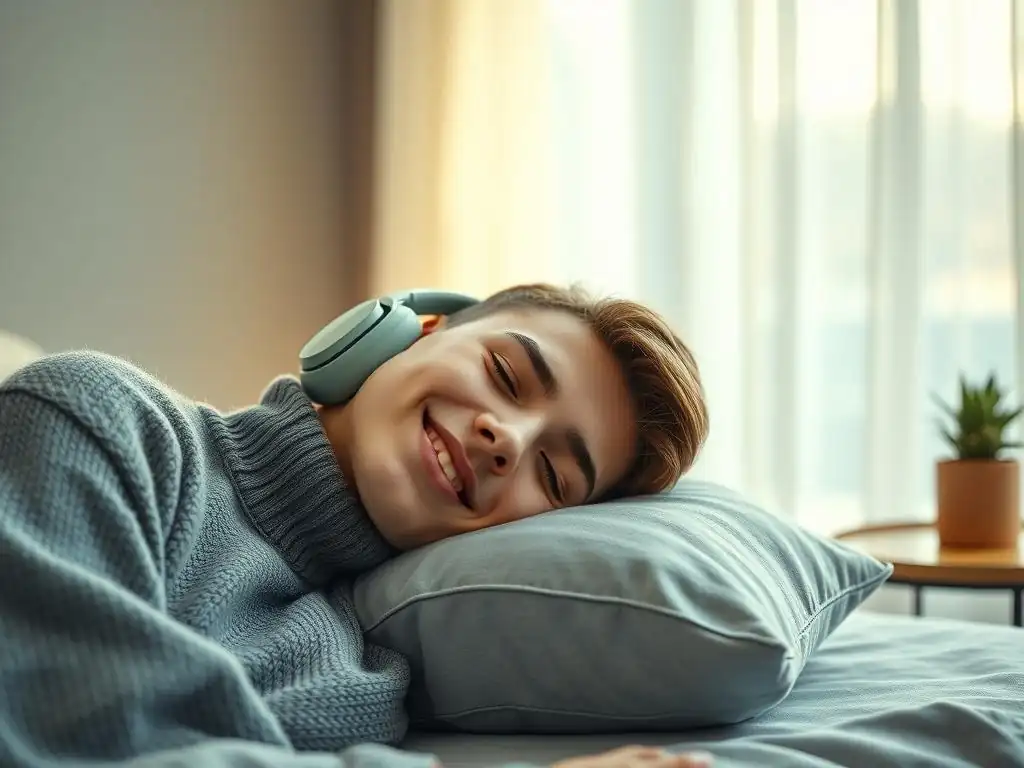
Considering the Individual's Specific Sensory Needs and Preferences
Selecting the most effective noise-canceling gifts for sensory sensitivity requires thoughtful consideration of the recipient's unique profile. Is their primary trigger sudden loud noises, or constant background hum? Do they need complete silence to focus, or just a reduction in volume to make social situations manageable? Some individuals might be sensitive to the feeling of things in or on their ears, making over-ear headphones preferable to earplugs, or vice versa.
Factor in their lifestyle: Will they use the gift primarily at home for relaxation, in a busy office, during commuting, or for sleep? A discreet earplug might be better for social anxiety in public, while robust ear muffs could be ideal for a noisy home study environment. Gathering this information, perhaps through gentle conversation or observation, is key to choosing a gift that will be genuinely helpful and used regularly.
Noise Level and Frequency: Matching the Gift to the Trigger
Different noise-canceling technologies and products excel at blocking different types of sound. Active Noise Cancellation (ANC) in headphones is typically most effective at canceling out low-frequency, continuous sounds like airplane engines or HVAC systems. Passive noise reduction, like that offered by ear muffs or some earplugs, is often better at blocking sudden, sharp noises and a broader range of frequencies, though it may not achieve the same level of quietness for low hums as ANC.
Understanding the specific types of noise that trigger sensory overload for the individual will guide the choice. For instance, if their anxiety is triggered by the general din of a coffee shop, ANC headphones might be highly effective. If it's sudden loud bangs or shouts, high-NRR passive ear muffs or quality earplugs might be more suitable. The goal is to match the gift's capability to the specific auditory challenge.
Comfort and Portability: Ensuring Ease of Use
Even the most effective noise-canceling gift won't be used if it's uncomfortable or inconvenient. For items worn on the body, comfort is paramount for someone with sensory sensitivity, as physical discomfort can itself be a trigger. Consider the material of headphones or earplugs, the weight of a headband or ear muffs, and the feel of ear tips. Many products come with multiple tip sizes or adjustable features, which is a definite plus.
Portability is also important if the gift is intended for use outside the home. Compact earplugs are easy to carry anywhere, while bulkier ear muffs or large headphones require more space. Consider how easily the item can be stored or transported throughout the day. A gift that is comfortable and easy to carry is more likely to become a consistently used tool for managing sensory environments.
Beyond Noise-Canceling: Other Sensory Sensitivity Support
Sensory-Friendly Environments: Creating a Calm Space
While noise-canceling gifts provide portable relief, creating sensory-friendly environments at home or work offers a more permanent solution. This involves intentionally modifying physical spaces to minimize overwhelming stimuli. For auditory sensitivity, this could mean adding soft furnishings like rugs, curtains, and upholstered furniture to absorb sound, using draft stoppers under doors to block noise, or choosing quieter appliances.
Beyond noise, a sensory-friendly space also considers lighting (opting for softer, natural, or dimmable lights over harsh fluorescents), visual clutter (minimizing distracting items), and even smells (avoiding strong fragrances). Empowering an individual to have control over their immediate environment is a significant step in managing sensory overload and reducing anxiety.
Mindfulness and Grounding Techniques for Sensory Overload
Alongside external aids, internal coping strategies like mindfulness and grounding techniques are invaluable for managing sensory sensitivity. Mindfulness involves paying non-judgmental attention to the present moment, which can help individuals observe sensory input without becoming overwhelmed by it. Simple practices like focusing on breath can provide an anchor during moments of heightened sensitivity.
Grounding techniques are specifically useful when feeling disconnected or overwhelmed by sensory input or anxiety. These techniques focus attention on the physical body and the immediate environment. Examples include the "5-4-3-2-1" method (identifying 5 things you can see, 4 things you can touch, 3 things you can hear, 2 things you can smell, and 1 thing you can taste), focusing on the sensation of feet on the ground, or holding a comforting object. These practices can help anchor an individual when sensory input feels chaotic.
Seeking Professional Help: Therapists and Sensory Integration Specialists
For individuals whose sensory sensitivities significantly impact their daily life and mental health, seeking professional guidance is a crucial step. Therapists specializing in anxiety, trauma, or sensory processing issues can provide tailored coping strategies, cognitive behavioral therapy (CBT) techniques to reframe reactions to triggers, or exposure therapy in a controlled environment.
Occupational therapists, particularly those with expertise in sensory integration, can conduct assessments to understand an individual's specific sensory profile and develop strategies and exercises to help regulate their responses to stimuli. They can recommend specific sensory tools (beyond just noise-canceling) and work with individuals to build tolerance and develop a more integrated sensory experience. Professional support complements the use of supportive tools like noise-canceling gifts for sensory sensitivity.
Conclusion: Finding the Perfect Noise-Canceling Solution for Sensory Sensitivity and Anxiety.
Navigating a world filled with overwhelming sounds can be a significant challenge for individuals with sensory sensitivity and anxiety. Fortunately, a range of effective tools exists to help manage auditory input and create moments of calm. Noise-canceling gifts for sensory sensitivity, from high-tech headphones to discreet earplugs and passive ear muffs, offer practical solutions for reducing sensory overload in various environments.
Choosing the right gift involves understanding the individual's specific needs, the types of noise that trigger their anxiety, and factors like comfort and portability. When combined with other strategies like creating sensory-friendly spaces, practicing mindfulness, and seeking professional support, these gifts become powerful components of a comprehensive approach to managing sensory challenges and fostering mental well-being. Providing thoughtful noise-canceling gifts for sensory sensitivity is a tangible way to show support and empathy for those navigating a noisy world.
Frequently Asked Questions
What is sensory sensitivity and how does it relate to noise?
Sensory sensitivity refers to an increased sensitivity to sensory stimuli, including noise. For some, even ordinary sounds can be overwhelming, leading to anxiety and distress. Noise-canceling gifts aim to mitigate this issue.
What are some examples of noise-canceling gifts suitable for individuals with sensory sensitivity?
Examples include noise-canceling headphones or earbuds, white noise machines to mask distracting sounds, and soundproof blankets or curtains for creating a calmer environment. The ideal gift depends on individual preferences.
How do noise-canceling headphones help those with sensory sensitivity?
Noise-canceling headphones use technology to reduce or eliminate ambient noise, creating a quieter and more manageable auditory experience. This can significantly reduce feelings of overwhelm and anxiety.
Are there any non-electronic noise-canceling options that can help?
Yes, options like earplugs, soundproof curtains, or even weighted blankets can help to reduce sensory overload without relying on electronics. These can create a calmer and more controlled environment.
Where can I find reliable resources and information about sensory sensitivity and mental well-being?
Websites like Mind Care Guide offer comprehensive guides and resources on mental well-being, including information about sensory sensitivity and strategies for managing related challenges. Consulting a mental health professional is also recommended.
Final Reflection: Finding Peace in a Noisy World
The pervasive nature of noise pollution, coupled with the rising awareness of sensory sensitivities and anxiety, makes the search for quietude more critical than ever. Finding effective ways to manage overwhelming sensory input is no longer a niche concern; it's a vital aspect of well-being for a growing segment of the population. The right tools, like noise-canceling technology, can be transformative.
This exploration of noise-canceling gifts for sensory sensitivity and anxiety has highlighted not just the technological advancements available, but also the profound impact a quieter environment can have on mental and emotional health. The ability to curate one's auditory experience is a powerful act of self-care, a conscious choice to prioritize inner peace. Silence is not the absence of sound, but the absence of noise.
This quote beautifully encapsulates the essence of what we've discussed – the difference between peaceful quiet and the overwhelming cacophony of modern life. It's a distinction that deserves our attention and understanding.
Consider the impact of these gifts beyond the immediate user. They represent a thoughtful gesture, a recognition of the challenges faced by those with sensory sensitivities. They are a symbol of empathy and support. You, the reader, now hold the power to make a difference.
Think about the individuals in your life who might benefit from the peace and calm offered by noise-canceling technology. Perhaps it's a loved one struggling with anxiety, a child overwhelmed by sensory input, or even yourself. Take a moment to reflect on the importance of creating a more mindful and sensory-conscious environment, both for yourself and for others. The gift of quiet is a gift of well-being.
Unleash Inner Peace: Gift Yourself (or Someone You Love) the Quiet
Thanks for taking the time to explore the world of noise-canceling gifts for sensory sensitivity and anxiety! We hope you found some valuable insights to help you or a loved one find more calm in a noisy world.
Ready to take the next step towards a more peaceful life? Here's how:
- Prioritize your calm: Identify your biggest noise-related stressors and choose the noise-canceling solution that best addresses them – headphones, earbuds, or even a white noise machine.
- Share the serenity: Tell a friend or family member about the benefits of noise-canceling technology for sensory sensitivity and anxiety. You might help them discover a life-changing tool!
- Explore further: Dive deeper into the world of sensory calming techniques by exploring other articles on MindCareGuide.org (We have lots more tips! ).
So, what peaceful change will you make today to embrace more tranquility?