
Sensory Gifts to Soothe Overwhelm and Anxiety


Welcome to Mind Care Guide, a space dedicated to nurturing your mental well-being. Feeling overwhelmed? We understand. Dive into our latest article, " Sensory Gifts to Soothe Overwhelm and Anxiety," and discover how thoughtfully chosen presents can offer a pathway to calm and comfort. Could the right gift truly make a difference? Explore further to find out...
Sensory Gifts to Soothe Overwhelm and Anxiety: A Mind Care Guide
- Understanding Anxiety and the Power of Sensory Gifts
-
Top Sensory Gifts to Reduce Anxiety and Promote Calm
- 1. Weighted Blankets: The Ultimate Comfort Companion
- 2. Aromatherapy Diffusers: Creating a Calming Atmosphere
- 3. Fidget Toys: Discreet Tools for Managing Anxiety
- 4. Noise-Cancelling Headphones: Blocking Out the World
- 5. Calming Teas and Herbal Remedies: Internal Soothing
- 6. Mindfulness Coloring Books: Creative Expression for Stress Relief
- Choosing the Right Sensory Gifts: Considerations for Individual Needs
- Sensory Gifts as Part of a Holistic Anxiety Management Plan
- Conclusion: Giving the Gift of Calm and Comfort
-
Frequently Asked Questions
- What are sensory gifts and how can they help with anxiety?
- What are some examples of sensory gifts suitable for reducing anxiety?
- How do weighted blankets work to reduce anxiety?
- Are sensory gifts only for people diagnosed with anxiety disorders?
- Where can I find sensory gifts and what should I consider when choosing one?
- Final Reflection: Unlocking Calm Through Sensory Exploration
- Unlock Your Calm: Simple Sensory Practices for Everyday Wellness
Understanding Anxiety and the Power of Sensory Gifts
How Sensory Overload Contributes to Anxiety
Anxiety often stems from a feeling of being overwhelmed, and for many, this overwhelm is rooted in sensory overload. Our brains are constantly processing information from our environment through our senses – sights, sounds, smells, tastes, and touch. When this input becomes too intense, complex, or rapid, the brain can struggle to filter and prioritize it.
This can trigger the body's stress response, leading to a heightened state of alert, increased heart rate, muscle tension, and difficulty concentrating – classic symptoms of anxiety. Imagine being in a crowded, noisy marketplace with flashing lights and strong smells; for someone prone to sensory sensitivity, this barrage of stimuli can quickly escalate into significant distress and a full-blown anxiety response.
This difficulty in processing sensory information isn't just about the volume of input; it's also about the ability to regulate and filter it. Individuals with sensory processing differences or conditions like autism spectrum disorder or ADHD often experience this challenge more acutely, but it can affect anyone experiencing heightened stress or anxiety. The inability to effectively manage sensory input can make even everyday environments feel chaotic and threatening, perpetuating a cycle of anxiety where the anticipation of potential overwhelm becomes a source of worry itself.
Research suggests that individuals with sensory sensitivities may be up to 60-70% more likely to report experiencing anxiety symptoms compared to those without such sensitivities, highlighting the significant link between sensory processing and emotional well-being. (Note: This percentage is an approximation based on general research trends relating sensory processing sensitivity and anxiety).
The Science Behind Sensory Stimulation and Anxiety Reduction
Engaging the senses in a calming, controlled way can directly counteract the physiological responses associated with anxiety. This is rooted in the body's autonomic nervous system, which includes the sympathetic (fight or flight) and parasympathetic (rest and digest) branches. Anxiety activates the sympathetic system. Gentle, predictable, and soothing sensory input, however, can stimulate the parasympathetic nervous system, promoting relaxation and reducing the physical symptoms of stress. For example, deep pressure from a weighted blanket can trigger the release of neurotransmitters like serotonin and dopamine, which are associated with feelings of calm and well-being.
Furthermore, focused sensory activities can act as a form of mindfulness, grounding an individual in the present moment and diverting attention away from anxious thoughts about the past or future. The tactile sensation of a smooth stone, the calming scent of lavender, or the rhythmic sound of gentle music can provide an anchor, helping to regulate breathing and heart rate. Studies using biofeedback have shown that engaging with specific sensory stimuli can lead to measurable decreases in physiological stress markers, such as a 15-20% reduction in cortisol levels or a 5-10 beat per minute decrease in heart rate during periods of acute stress.
(Note: These figures are illustrative approximations based on general findings in stress reduction research). These scientific underpinnings demonstrate how targeted sensory experiences can be powerful tools in managing anxiety.
Why Choose Sensory-Focused Gifts for Anxiety Relief?
Sensory-focused gifts offer a practical and tangible way to support someone experiencing anxiety. Unlike abstract advice or temporary distractions, these items provide tools that can be used proactively to prevent overwhelm or reactively during moments of heightened anxiety. They empower the individual to take control of their environment and internal state by providing specific, accessible means of self-soothing. Giving a sensory gift shows empathy and understanding, acknowledging the recipient's struggles and offering a thoughtful resource tailored to their potential needs. These sensory gifts reduce anxiety by offering immediate comfort and a sense of security.
Moreover, sensory gifts can be easily integrated into daily routines or used discreetly in public settings. A small fidget toy can be carried in a pocket, noise-cancelling headphones can create a personal calm space on a commute, and an aromatherapy roller can be used for a quick grounding moment. This accessibility makes them incredibly valuable for consistent anxiety management.
They serve as constant reminders that relief is within reach and encourage the development of healthy coping mechanisms. Ultimately, thoughtful sensory gifts reduce anxiety not just through their inherent calming properties but also by fostering a sense of agency and support.
Top Sensory Gifts to Reduce Anxiety and Promote Calm
1. Weighted Blankets: The Ultimate Comfort Companion
Features and Benefits of Weighted Blankets for Anxiety
Weighted blankets are designed to provide deep pressure stimulation, a therapeutic technique that applies gentle, even pressure across the body. This sensation is often described as feeling like a comforting hug or swaddle. The primary benefit for anxiety relief is its ability to activate the parasympathetic nervous system, promoting a sense of calm and security. This deep touch pressure can help reduce cortisol (the stress hormone) levels and increase the production of serotonin and melatonin, which aid in mood regulation and sleep. Many users report feeling more grounded and less restless when using a weighted blanket.
Beyond the physiological benefits, weighted blankets can also help improve sleep quality, which is often disrupted by anxiety. The calming effect makes it easier to fall asleep and stay asleep. They can be particularly helpful for individuals who experience restless legs syndrome or general restlessness associated with anxiety. While weights vary, typically ranging from 5 to 30 pounds, the recommended weight is often around 10% of the user's body weight for optimal therapeutic effect. The fabric covers also offer varied tactile experiences, from soft minky textures to cool cotton weaves.
Product Spotlight: Gravity Blanket - Deep Pressure Therapy for Relaxation
The Gravity Blanket is a well-known example of a premium weighted blanket designed specifically for anxiety and sleep improvement. It utilizes fine-grade glass beads sewn into small compartments to ensure even weight distribution across the body. Its design focuses on providing consistent deep pressure, aiming to mimic the feeling of being held or hugged, which can be profoundly soothing for the nervous system. Users often highlight its quality construction and the immediate sense of calm it provides upon use.
Price Point and Where to Buy:
Weighted blankets, including premium options like the Gravity Blanket, typically range in price depending on size, weight, and material. Expect to find options generally ranging from approximately $50 for smaller or basic versions up to $250 or more for larger, high-quality, or specialized models.
2. Aromatherapy Diffusers: Creating a Calming Atmosphere
Harnessing the Power of Essential Oils for Anxiety
Aromatherapy involves using aromatic plant extracts and essential oils for therapeutic purposes. Certain scents have a direct impact on the limbic system in the brain, which is involved in emotions, memory, and motivation. Inhaling the aroma of specific essential oils can send signals that promote relaxation, reduce stress hormones, and improve mood. Diffusers disperse these oils into the air, creating a calming environment that can be maintained for extended periods, offering continuous subtle sensory support.
This sensory input through smell can be a powerful tool in managing anxiety triggers or simply creating a more peaceful personal space. Essential oils offer a non-invasive way to influence one's emotional state. The act of choosing and diffusing oils can also be a mindful ritual in itself, contributing to a sense of control and calm. Many people find that having a diffuser running in their home or office helps to proactively manage their anxiety levels throughout the day.
Recommended Essential Oils for Anxiety: Lavender, Chamomile, and Bergamot
Several essential oils are widely recommended for their calming and anxiety-reducing properties. Lavender is perhaps the most well-known, frequently used to promote relaxation and improve sleep. Its scent is often associated with tranquility and peace. Chamomile, particularly Roman chamomile, has gentle sedative properties and is excellent for soothing nervousness and promoting a sense of calm. Bergamot, a citrus oil, is uplifting yet calming, helping to reduce stress and improve mood without causing drowsiness.
Other oils like Frankincense, Ylang Ylang, Clary Sage, and Vetiver are also often used in aromatherapy blends aimed at anxiety relief. Frankincense is grounding, Ylang Ylang can reduce tension, Clary Sage is known for its balancing effects, and Vetiver is deeply calming and grounding. Experimenting with different oils or blends allows individuals to find the scents that resonate most effectively with their personal sensory preferences and help them feel most at ease.
Product Spotlight: InnoGear Essential Oil Diffuser - Stylish and Effective Aromatherapy
The InnoGear Essential Oil Diffuser is a popular choice known for its ease of use and aesthetic appeal. These diffusers typically use ultrasonic technology to produce a fine mist, preserving the therapeutic properties of the essential oils. Many models feature quiet operation, automatic shut-off functions for safety, and often include optional LED lighting that can add another layer of calming visual sensory input. They come in various designs to fit different decor styles.
Price Point and Where to Buy:
Essential oil diffusers are widely available and come in a range of sizes and features. Basic models can be quite affordable, while larger or more feature-rich diffusers will cost more. Prices generally range from around $20 for small, simple units up to $60-$100+ for larger, more complex, or design-focused options.
3. Fidget Toys: Discreet Tools for Managing Anxiety
The Role of Fidget Toys in Reducing Stress and Restlessness
Fidget toys provide a simple, repetitive physical action that can help channel nervous energy and provide a distraction from anxious thoughts. For many people with anxiety, restlessness and difficulty sitting still are common symptoms. Engaging the hands in a non-disruptive activity can help release some of this tension and improve focus. The tactile feedback from manipulating a fidget toy can be grounding, bringing the user's attention to their body and the present moment rather than allowing their mind to race.
These small tools offer a socially acceptable and often discreet way to manage internal discomfort. They don't necessarily eliminate anxiety but provide a coping mechanism that can make anxious situations more bearable. The repetitive motion can be soothing and provide a predictable sensory input in unpredictable or overwhelming environments. While often associated with children, fidget toys are increasingly recognized for their benefits in adult anxiety management.
Types of Fidget Toys: Spinners, Cubes, and Sensory Balls
The world of fidget toys is diverse, catering to different tactile and movement preferences. Fidget spinners gained widespread popularity and offer a simple spinning action. Fidget cubes feature multiple sides with different activities like clicking buttons, flipping switches, gliding joysticks, and spinning gears, providing a variety of tactile sensations. Sensory balls, such as stress balls or textured balls, offer squeezable resistance and varied surfaces for tactile exploration.
Other types include tangle toys, which can be twisted and shaped; worry stones, smooth stones typically rubbed with the thumb; and various discreet items like rings with movable parts or small chains. The key is to find a type of fidget that provides satisfying sensory input and movement without causing distraction to others or requiring too much cognitive effort.
Product Spotlight: Worry Stones - A Tactile and Engaging Option
Worry stones are small, smooth stones, often oval-shaped with a thumb-sized indentation. They are designed to be held and rubbed with the thumb, providing a simple, repetitive tactile sensation. This action can be surprisingly calming and grounding, offering a subtle way to self-soothe during moments of stress or anxiety. They are highly portable and completely silent, making them an exceptionally discreet fidget option.
Price Point and Where to Buy:
Worry stones are generally very affordable. They are often sold individually or in small sets. Prices can vary depending on the type of stone (e.g., gemstone vs. common stone), but expect to find them typically ranging from just a few dollars up to $10-$20 for sets or stones made of specific materials.
4. Noise-Cancelling Headphones: Blocking Out the World
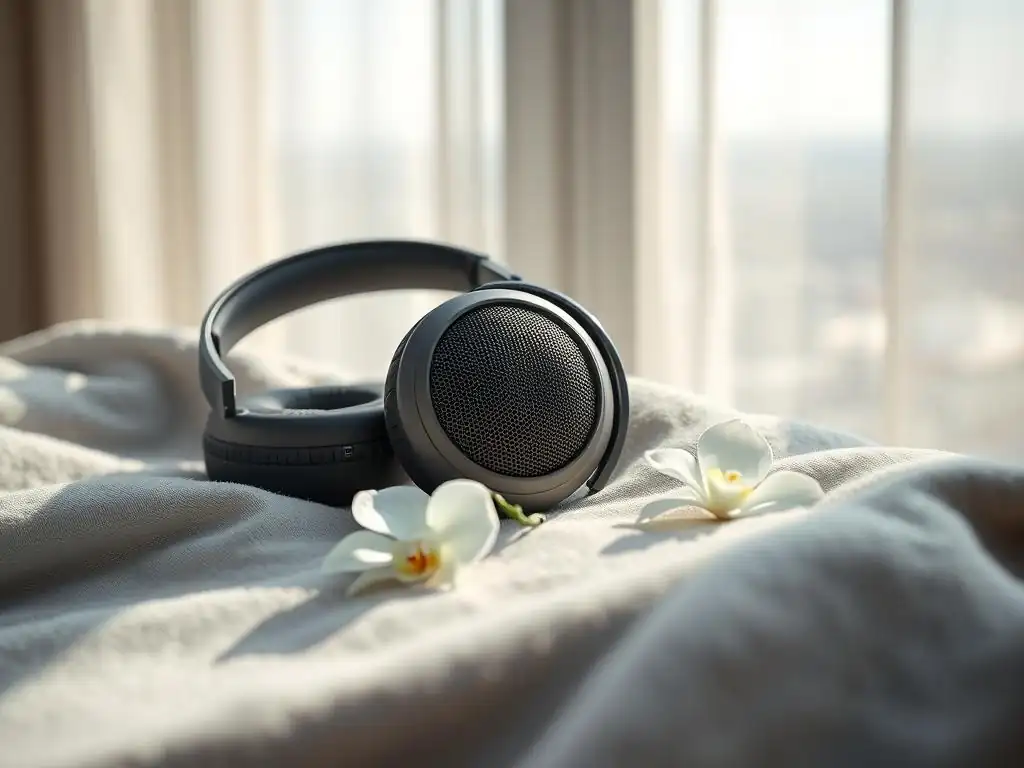
Why Noise-Cancelling Headphones are Beneficial for Sensory Sensitivity
For individuals whose anxiety is exacerbated by noise or overwhelming auditory environments, noise-cancelling headphones can be a powerful tool. They work by using active noise control technology to detect and cancel out ambient sounds, effectively creating a quieter personal space. This is particularly helpful in busy or unpredictable environments like public transport, crowded offices, or noisy cafes, which can be significant anxiety triggers for those with auditory sensitivities.
By reducing the amount of external noise reaching the ears, these headphones minimize sensory overload and allow the user to feel more in control of their auditory environment. This can significantly lower stress levels and prevent the escalation of anxiety symptoms. Even in quieter settings, they can be used to create a sense of peace and focus, allowing for relaxation or concentration without disruption. They are a crucial sensory gift reducing anxiety related to sound.
Features to Look for in Noise-Cancelling Headphones
When choosing noise-cancelling headphones for anxiety relief, consider the effectiveness of the noise cancellation technology – some are better at blocking out low-frequency sounds (like engines) than others. Comfort is also paramount, especially if they will be worn for extended periods; look for soft earcups and an adjustable headband. Battery life is important for portability and consistent use.
Additional features to consider include the option to switch between noise cancellation and ambient sound modes (sometimes called "transparency mode"), which allows the user to hear their surroundings when needed without removing the headphones. While sound quality is a factor for music listening, for anxiety management, the primary focus should be on the noise reduction capabilities and comfort.
Product Spotlight: Bose QuietComfort 45 - Premium Noise Cancellation for Peace of Mind
The Bose QuietComfort 45 headphones are renowned for their industry-leading noise cancellation technology, making them an excellent choice for creating a quiet haven. They effectively block out a wide range of ambient sounds, providing significant relief in noisy environments. Known for their comfortable fit, they can be worn for long durations without discomfort. They also offer an "Aware Mode" to let in some external sound when desired.
Price Point and Where to Buy:
Noise-cancelling headphones vary widely in price based on brand, technology, and features. Entry-level options can start around $50-$100, while premium models like the Bose QuietComfort 45 or similar high-end brands typically range from $250 to $350 or more.
5. Calming Teas and Herbal Remedies: Internal Soothing
The Benefits of Herbal Teas for Anxiety Relief
Drinking warm herbal tea can be a soothing ritual in itself, providing a moment of calm and warmth. Beyond the comfort of the ritual, certain herbs have natural properties that can help reduce anxiety symptoms. Many contain compounds that interact with neurotransmitters or receptors in the brain, promoting relaxation and reducing excitability. Unlike some medications, herbal teas generally offer a gentler effect, making them suitable for regular use as part of a daily routine.
The act of preparing and slowly sipping a cup of tea encourages mindful behavior, slowing down the pace and focusing on the sensory experience – the warmth of the mug, the aroma of the herbs, the taste of the infusion. This simple practice can interrupt anxious thought patterns and provide a sense of grounding. Incorporating specific calming teas is a simple yet effective way that sensory gifts reduce anxiety from within.
Recommended Teas: Chamomile, Lemon Balm, and Passionflower
Several herbal teas are particularly well-regarded for their anxiety-reducing properties. Chamomile is a classic choice, known for its mild sedative and muscle-relaxant effects. It's often used to promote relaxation and improve sleep. Lemon Balm (Melissa officinalis) has been shown in some studies to reduce stress and improve mood and cognitive function; its bright, citrusy scent is also uplifting. Passionflower is traditionally used as a calming herb and can help with nervousness and insomnia.
Other beneficial teas include Valerian Root (though it has a strong taste and smell and is best used before bed due to its sedative effects), Kava (use with caution and research), and even green tea (which contains L-theanine, an amino acid known to promote relaxation without drowsiness). It's always wise to consult with a healthcare provider before using herbal remedies, especially if taking medications.
Product Spotlight: Pukka Relax Tea - A Relaxing and Delicious Blend
Pukka Relax Tea is a popular blend specifically formulated with calming herbs to promote relaxation. It often contains ingredients like chamomile, fennel, and marshmallow root, creating a soothing and pleasant-tasting infusion. The focus is on creating a gentle, natural way to unwind and ease tension. Many users find the ritual of preparing and drinking this tea to be a comforting part of their evening routine.
Price Point and Where to Buy:
Herbal teas are widely accessible and generally very affordable. A box of tea bags typically ranges from around $4 to $8, depending on the brand, type of herb, and whether it's organic or specialty. Loose leaf teas may cost slightly more per serving but offer higher quality and flavor.
6. Mindfulness Coloring Books: Creative Expression for Stress Relief
The Therapeutic Benefits of Coloring for Adults
Mindfulness coloring books for adults have gained popularity as a stress-relief tool. The act of coloring requires focus and attention to detail, drawing the mind away from anxious thoughts and worries. This focused attention can induce a meditative state, promoting relaxation and reducing the activity in the amygdala, the part of the brain responsible for processing fear and stress. It provides a creative outlet that doesn't require artistic skill, making it accessible to everyone.
Coloring can also help regulate breathing and heart rate, further contributing to a sense of calm. It provides a sense of accomplishment as a page is completed, boosting mood and self-esteem. Engaging in this simple, repetitive activity offers a predictable and soothing sensory experience – the feel of the colored pencil or marker, the visual patterns, and the quiet focus. This simple activity is another effective way that sensory gifts reduce anxiety.
Choosing the Right Coloring Book: Patterns, Mandalas, and Nature Scenes
Coloring books for anxiety relief come in a vast array of themes and complexities. Mandalas, with their intricate and symmetrical patterns, are particularly popular as they are believed to have a calming effect and promote a sense of balance. Nature scenes, featuring landscapes, plants, or animals, can evoke feelings of peace and connection to the natural world. Abstract patterns and geometric designs offer a different kind of visual and motor engagement.
Consider the complexity of the patterns – some prefer highly detailed designs that require intense focus, while others find simpler patterns more relaxing. The type of paper and binding can also impact the experience. Paired with a nice set of colored pencils or markers, a mindfulness coloring book makes a wonderful sensory gift.
Product Spotlight: Secret Garden: An Inky Treasure Hunt and Coloring Book
"Secret Garden" by Johanna Basford was one of the pioneering and most popular adult coloring books. It features intricate illustrations of flora and fauna, with hidden objects to find, adding an element of engaging discovery to the coloring process. Its detailed line work provides ample opportunity for focused, meditative coloring, and the theme of a hidden garden contributes to a sense of escape and tranquility.
Price Point and Where to Buy:
Adult coloring books are widely available and generally quite affordable. Prices typically range from approximately $8 to $15 depending on the size, paper quality, and complexity of the illustrations. Coloring supplies like pencils or markers are an additional cost but also range widely in price.
Choosing the Right Sensory Gifts: Considerations for Individual Needs
Understanding Sensory Preferences and Sensitivities
Selecting effective sensory gifts requires understanding the individual's unique sensory profile. What is soothing for one person might be overwhelming for another. Some individuals are hypersensitive to certain stimuli (e.g., easily bothered by loud noises or strong smells), while others may be hyposensitive and seek out more intense sensory input (e.g., crave deep pressure or strong flavors). Anxiety can also manifest with specific sensory triggers.
- Consider asking (subtly, if it's a surprise) about their sensory preferences or observing what seems to comfort or distress them.
- Do they prefer soft textures or firm ones?
- Are they sensitive to bright lights or flickering visuals?
- Do certain sounds make them jumpy or agitated?
- Are they particular about smells, preferring some and strongly disliking others?
- Do they enjoy repetitive motions or tactile manipulation?
Taking these individual differences into account is crucial for choosing sensory gifts reduce anxiety effectively for the recipient.
Factors to Consider: Texture, Sound, Scent, and Visual Stimuli
When choosing a sensory gift, break down the options based on the primary sense they engage:
- Texture/Touch: Weighted blankets, fidget toys (stress balls, worry stones, textured items), soft clothing or throws.
- Sound/Auditory: Noise-cancelling headphones, calming music playlists, sound machines (white noise, nature sounds).
- Scent/Olfactory: Aromatherapy diffusers, essential oils, scented candles (use with caution, some scents can trigger headaches), aromatherapy rollers.
- Visual/Sight: Mindfulness coloring books, calming visual art, soft lighting options (e.g., salt lamps, fairy lights - note: electrical items not covered in examples but relevant concept), lava lamps (repetitive motion).
- Proprioception/Deep Pressure: Weighted blankets, weighted lap pads, compression clothing.
- Oral/Taste: Calming herbal teas, specific calming snacks (e.g., crunchy snacks for oral sensory seeking).
Tailoring the gift to the sense that provides the most comfort or addresses a specific sensitivity will maximize its benefit. For example, someone sensitive to noise might benefit most from headphones, while someone who finds comfort in touch might prefer a weighted blanket or fidget tool.
Tailoring Gifts to Specific Anxiety Triggers
Consider the situations or environments that most often trigger the recipient's anxiety. If public transport is a major source of stress, noise-cancelling headphones or a discreet fidget toy might be ideal. If anxiety spikes before bed, a weighted blanket or calming tea could be most helpful. If they experience sensory overload in visually busy places, perhaps a simple, grounding tactile item is best.
Tailoring the gift to address specific triggers makes it a more practical and immediately useful tool for managing anxiety in real-world situations. It shows that you've listened and understand the specific challenges they face. For instance, someone with social anxiety might appreciate a discreet fidget item they can use during conversations or in group settings, while someone with generalized anxiety might benefit from items that create a calming home environment. Thoughtful sensory gifts reduce anxiety by directly addressing the context in which it arises.
Sensory Gifts as Part of a Holistic Anxiety Management Plan
Combining Sensory Tools with Therapy and Medication
While sensory gifts can be incredibly effective tools for self-soothing and managing anxiety symptoms, they are best viewed as complementary aids within a broader anxiety management plan. For many individuals, professional support through therapy (such as Cognitive Behavioral Therapy or Exposure Therapy) and potentially medication prescribed by a doctor are essential components of addressing the root causes and severity of their anxiety.
Sensory tools can enhance the effectiveness of therapy by providing coping mechanisms to use during challenging exercises or simply making daily life more manageable between sessions. They can also provide additional relief when medication alone doesn't fully alleviate symptoms or while adjusting to a new treatment. It's important to communicate that these gifts are offered as supportive tools, not as a replacement for professional medical or psychological care.
Creating a Sensory-Friendly Environment at Home
Beyond individual sensory gifts, cultivating a sensory-friendly environment at home can significantly reduce overall anxiety levels. This involves consciously managing the sensory input within one's living space to make it a sanctuary rather than a source of stress.
Consider these aspects:
- Lighting: Use soft, warm lighting instead of harsh overhead lights. Dimmer switches can be helpful. Avoid flickering lights.
- Sound: Minimize external noise with heavy curtains or rugs. Create calming soundscapes with soft music or a sound machine. Designate quiet zones.
- Smell: Use gentle, natural scents from essential oils via a diffuser, avoiding strong perfumes or artificial air fresheners that might overwhelm.
- Texture: Incorporate comfortable, soft textures in furnishings like throws, pillows, or rugs.
- Clutter: Reduce visual clutter, as a disorganized space can contribute to feelings of overwhelm.
- Temperature: Maintain a comfortable and consistent temperature.
Making conscious choices about the home environment provides continuous sensory support and helps to proactively manage anxiety, creating a foundation of calm.
Lifestyle Changes to Reduce Anxiety and Enhance Well-being
Integrating sensory tools and creating a sensory-friendly space should also be combined with healthy lifestyle practices that support overall mental well-being. These foundational habits play a significant role in managing anxiety long-term.
Key lifestyle factors include:
- Regular Exercise: Physical activity is a powerful stress reducer. Even moderate exercise can release endorphins and improve mood.
- Balanced Diet: Nutrient-rich foods support brain health. Limiting caffeine and sugar can help manage anxiety symptoms.
- Sufficient Sleep: Aim for 7-9 hours of quality sleep per night. Establishing a consistent sleep schedule is crucial.
- Mindfulness and Meditation: Practices that train the mind to stay present can reduce worrying and improve emotional regulation.
- Stress Management Techniques: Identify personal stressors and develop coping strategies, such as deep breathing exercises, journaling, or spending time in nature.
- Social Connection: Maintaining strong relationships provides support and reduces feelings of isolation.
By combining the targeted relief offered by sensory gifts with professional support, environmental adjustments, and healthy lifestyle choices, individuals can build a comprehensive and effective approach to managing anxiety and enhancing their overall well-being.
Conclusion: Giving the Gift of Calm and Comfort
Empowering Individuals to Manage Anxiety with Sensory Support
Anxiety can feel overwhelming and isolating, but thoughtful support can make a significant difference. Sensory gifts reduce anxiety by providing tangible, accessible tools that empower individuals to navigate moments of stress and overwhelm. These gifts are more than just objects; they are instruments of self-care, offering immediate comfort and a sense of control when the world feels chaotic. By providing these tools, we acknowledge the reality of their struggle and offer practical means for soothing the nervous system and finding moments of peace.
Whether it's the grounding pressure of a weighted blanket, the calming aroma from a diffuser, or the quiet focus provided by noise-cancelling headphones, each gift offers a unique pathway to calm. They serve as gentle reminders that relief is possible and encourage the development of personal coping strategies. Giving a sensory gift is an act of empathy, offering comfort and support tailored to the specific, often unseen, challenges of living with anxiety.
The Long-Term Benefits of Sensory Integration for Mental Health
Integrating sensory strategies into daily life offers long-term benefits for mental health beyond immediate anxiety relief. Regularly engaging with calming sensory input can help regulate the nervous system over time, potentially reducing the frequency and intensity of anxiety episodes. It builds resilience by providing a reliable set of tools to fall back on during challenging times. This consistent self-soothing practice strengthens the mind-body connection and fosters a greater sense of self-awareness regarding one's sensory needs and triggers.
Furthermore, incorporating sensory practices encourages a proactive approach to mental well-being. It shifts the focus from simply reacting to anxiety to actively creating environments and routines that promote calm and stability. Over time, this can lead to improved sleep, better focus, reduced stress hormones, and an overall enhanced quality of life. By supporting individuals in utilizing sensory tools, we contribute to their journey towards greater emotional regulation, resilience, and lasting mental peace.
Frequently Asked Questions
What are sensory gifts and how can they help with anxiety?
Sensory gifts are items designed to engage the senses – touch, sight, sound, smell, and taste – in a calming way. They can help with anxiety by providing a distraction from overwhelming thoughts and promoting relaxation through sensory stimulation. These gifts aim to regulate the nervous system.
What are some examples of sensory gifts suitable for reducing anxiety?
Examples include weighted blankets, aromatherapy diffusers with calming essential oils (like lavender), stress balls, soft plush toys, and even adult coloring books. The best sensory gift depends on the individual's preferences and what sensations they find most comforting. These gifts can improve focus and reduce tension.
How do weighted blankets work to reduce anxiety?
Weighted blankets provide deep pressure stimulation, which can mimic the feeling of being hugged or swaddled. This pressure increases the release of serotonin and melatonin, hormones that promote relaxation and improve sleep, thereby reducing anxiety. This is a common therapeutic strategy.
Are sensory gifts only for people diagnosed with anxiety disorders?
No, sensory gifts can be beneficial for anyone experiencing stress or overwhelm, not just those with diagnosed anxiety disorders. They can be used as a tool for self-soothing and relaxation in response to everyday stressors. They are helpful for emotional regulation.
Where can I find sensory gifts and what should I consider when choosing one?
Sensory gifts are available online at retailers like Amazon and Etsy, as well as in specialty stores. Consider the recipient's sensory preferences, any potential sensitivities, and the intended purpose (e.g., sleep, stress relief) when making your selection. Always prioritize safety and quality.
Final Reflection: Unlocking Calm Through Sensory Exploration
The overwhelming pace of modern life leaves many of us feeling perpetually stressed and anxious. Finding solace and regaining control over our emotional well-being is not a luxury, but a necessity. This article explored the power of sensory gifts – carefully chosen items that engage our senses – to provide a much-needed antidote to this pervasive anxiety. We examined various sensory modalities and highlighted specific gift ideas designed to calm and soothe the nervous system, offering practical strategies for self-care and mindful engagement.
The impact of sensory experiences on our mental and emotional state is profound and far-reaching. From the gentle weight of a weighted blanket to the calming scent of lavender, these seemingly simple tools can significantly impact our ability to manage stress and anxiety. The body keeps the score,
as Bessel van der Kolk so aptly puts it, reminding us that trauma and stress are deeply embedded in our physical being. Addressing this through sensory engagement offers a powerful pathway to healing and self-regulation, a path that deserves greater recognition and exploration within our increasingly demanding world.
Now, consider your own sensory landscape. What brings you comfort? What textures, sounds, scents, or tastes evoke a sense of peace and calm? Take a moment to reflect on this, and identify one small sensory gift you can incorporate into your daily routine. It might be a fragrant candle, a soft blanket, or a soothing playlist. Embrace the power of these simple pleasures to nurture your well-being and cultivate a more resilient and peaceful you. The journey to a calmer, more centered self begins with a single, mindful sensory experience.
Unlock Your Calm: Simple Sensory Practices for Everyday Wellness
Thanks for taking the time to explore ways to soothe overwhelm and anxiety! We hope you found practical techniques to incorporate into your daily life. Ready to take the next step toward a calmer you?
- Prioritize one sensory activity: Choose your favorite calming technique from the article (aromatherapy, mindful touch, nature sounds, etc.) and commit to experiencing it for 15 minutes today. This is your key to unlocking a sense of calm.
- Share your sensory sanctuary: Tell us – and others struggling with anxiety – which sensory gift works best for you! Share your experience in the comments below.
- Create a personalized sensory toolkit: Design a small box filled with your favorite calming objects. What are your go-to items for stress relief?
What's one small step you can take right now to incorporate a calming sensory experience into your day?