
Stop Tossing and Turning: Gifts for Deep, Uninterrupted Sleep

Welcome to Mind Care Guide, your compassionate companion on the journey to mental well-being. Feeling overwhelmed? We understand. Perhaps anxiety is stealing your precious sleep. Let's explore practical solutions together.
Ever wondered if the secret to a calmer mind lies in a better night's rest? Our article, focusing on sleep hygiene for anxiety relief, unveils thoughtful gifts designed to help you (or a loved one) reclaim the serenity of deep, uninterrupted sleep. Discover how creating a soothing bedtime routine can be a powerful tool in managing anxiety and fostering a more peaceful state of mind. Dive in – your journey to restful nights and brighter days starts now.
Stop Tossing and Turning: Gifts for Deep, Uninterrupted Sleep
- Understanding the Link Between Anxiety and Poor Sleep: The Importance of Sleep Hygiene for Anxiety Relief
-
The Best Gifts to Improve Sleep Hygiene for Anxiety Relief
- 1. Weighted Blankets: A Calming Embrace for Anxious Sleepers
- 2. White Noise Machines: Masking Distractions for Deeper Sleep
- 3. Aromatherapy Diffusers: Soothing Scents for a Peaceful Night
- 4. Sleep Masks: Blocking Out Light for Optimal Melatonin Production
- 5. Subscription to a Meditation App: Guided Relaxation for Anxiety and Sleep
- 6. Comfortable Sleep Headphones: Listening to Calming Content Without Disturbing Others
- 7. Blue Light Blocking Glasses: Protecting Your Eyes and Promoting Melatonin Production
- Creating a Relaxing Bedtime Routine for Anxiety Relief: Combining Gifts for Optimal Sleep Hygiene
- Conclusion: Investing in Sleep Hygiene for Long-Term Mental Well-being
-
Frequently Asked Questions
- How can improving my sleep hygiene help with my anxiety?
- What are some key elements of good sleep hygiene for anxiety relief?
- Are there specific gifts mentioned in the article that can aid sleep hygiene for anxiety?
- How long does it typically take to see a noticeable improvement in anxiety levels after implementing better sleep hygiene?
- When should I seek professional help for anxiety, even if I'm improving my sleep hygiene?
- Final Reflection: Finding Peace in the Night, Finding Strength in the Day
- Unlock Your Best Night's Sleep Yet!
Understanding the Link Between Anxiety and Poor Sleep: The Importance of Sleep Hygiene for Anxiety Relief
How Anxiety Disrupts Sleep: A Vicious Cycle
Anxiety and sleep are intricately linked in a challenging cycle. When anxiety levels are high, the body enters a state of heightened alert, often described as the "fight or flight" response. This physiological arousal makes it incredibly difficult to relax, quiet the mind, and fall asleep. Thoughts may race uncontrollably, replaying worries about the past or anticipating future problems, preventing the brain from transitioning into sleep stages. Physical symptoms like a pounding heart, muscle tension, or shortness of breath further contribute to discomfort and wakefulness.
This disruption isn't limited to just falling asleep; anxiety can also cause frequent awakenings during the night. A sudden surge of worry can jolt someone awake, and once awake, the anxious thoughts quickly return, making it hard to drift back to sleep. Studies suggest that individuals with anxiety disorders often report significantly longer sleep onset latency (the time it takes to fall asleep) and reduced total sleep time compared to those without anxiety. This fragmented, poor-quality sleep exacerbates feelings of anxiety and stress the following day, perpetuating the cycle.
Why Prioritizing Sleep Hygiene is Crucial for Mental Well-being
Prioritizing sleep hygiene for anxiety relief is not merely about getting more hours of sleep; it's about establishing consistent, healthy habits that signal to your body and mind that it's time to rest. Good sleep hygiene creates an environment and routine conducive to sleep, which is particularly vital when anxiety makes sleep elusive. By implementing mindful practices and utilizing supportive tools, individuals can begin to break the vicious cycle where poor sleep worsens anxiety and anxiety worsens sleep.
Investing in and practicing good sleep hygiene has profound benefits for overall mental well-being. Adequate, restorative sleep helps regulate neurotransmitters, including serotonin and norepinephrine, which are key to mood stability and managing stress. When sleep is consistently poor, the brain's ability to manage emotions and cope with stressors is compromised. Implementing effective sleep hygiene for anxiety relief can lead to improved mood, increased resilience, better concentration, and a greater sense of control over anxious feelings during waking hours.
The Best Gifts to Improve Sleep Hygiene for Anxiety Relief
1. Weighted Blankets: A Calming Embrace for Anxious Sleepers
Weighted blankets are designed to provide deep pressure stimulation, a therapeutic technique known to promote relaxation and reduce anxiety. The gentle, even pressure across the body mimics the feeling of being hugged or swaddled, which can activate the parasympathetic nervous system, the part of the nervous system responsible for rest and digestion.
How Weighted Blankets Promote Relaxation and Reduce Anxiety Before Bed
The science behind weighted blankets suggests that deep pressure stimulation helps increase the release of serotonin, a neurotransmitter associated with feelings of well-being, and melatonin, the hormone that regulates sleep. Simultaneously, it may help decrease cortisol, the stress hormone. For someone experiencing anxiety, the calming effect can quiet racing thoughts and ease physical restlessness, making the transition to sleep smoother. Many users report feeling grounded and secure under the blanket's weight, which can significantly improve their ability to relax before attempting to sleep.
Recommended Weighted Blanket: Gravity Blanket
The Gravity Blanket is a well-regarded option in the weighted blanket market, known for its thoughtful design and quality materials. It typically features a weighted inner insert filled with fine-grade glass beads, secured within small compartments to ensure even weight distribution. This inner layer is often encased in a soft, removable duvet cover, making it comfortable against the skin and easy to clean.
Benefits of Gravity Blanket for Sleep Hygiene
Using a Gravity Blanket as part of a sleep hygiene routine for anxiety can offer several benefits. Its consistent, soothing pressure can help calm the nervous system, making it easier to unwind at the end of the day.
The feeling of being gently held can reduce the physical symptoms of anxiety, such as restlessness and muscle tension. For individuals struggling with insomnia linked to anxiety, incorporating a weighted blanket can provide a tangible sense of comfort and security, promoting a more relaxed state conducive to falling asleep faster and staying asleep longer, thus improving overall sleep hygiene for anxiety relief.
2. White Noise Machines: Masking Distractions for Deeper Sleep
White noise machines produce a constant, ambient sound that helps to mask sudden noises or fluctuations in sound that could otherwise disturb sleep. This creates a consistent sound environment, which is particularly helpful for individuals whose sleep is easily interrupted by external disturbances or even internal sounds like tinnitus.
The Science Behind White Noise and Its Impact on Sleep Quality
White noise works by creating a "sound wall." Instead of being jolted awake by a car horn or a creaking floorboard, the brain processes the consistent white noise. This reduces the contrast between ambient noise and sudden sounds, making them less likely to trigger an arousal response. This can be especially beneficial for those with anxiety, whose nervous systems might be more sensitive to stimuli that could trigger worry or hypervigilance, thereby improving sleep hygiene for anxiety relief by promoting uninterrupted rest.
Recommended White Noise Machine: Marpac Dohm Classic
The Marpac Dohm Classic is a popular and long-standing choice in the white noise machine category, known for producing natural, fan-based white noise rather than electronic loops. It features a simple, adjustable design allowing users to customize the tone and volume of the sound by rotating the housing and collar. This mechanical method creates a soothing, natural airflow sound.
Why Marpac Dohm Classic is a Great Gift for Anxiety-Related Insomnia
For someone dealing with anxiety-related insomnia, the Marpac Dohm Classic can be a valuable tool for improving sleep hygiene. Its natural sound is often described as more calming than electronic alternatives. By effectively masking disruptive noises, it helps create a more peaceful sleep environment, reducing the likelihood of being startled awake by sounds that might trigger anxious thoughts. Its ease of use and consistent performance make it a reliable component in establishing a calming bedtime routine aimed at enhancing sleep hygiene for anxiety relief.
3. Aromatherapy Diffusers: Soothing Scents for a Peaceful Night
Aromatherapy involves using essential oils to promote physical and psychological well-being. Diffusing certain essential oils in the bedroom before sleep can create a calming atmosphere, signaling to the body and mind that it's time to relax and prepare for rest.
Using Essential Oils to Enhance Sleep Hygiene and Reduce Anxiety
Specific essential oils are known for their sedative and anxiolytic (anxiety-reducing) properties. When inhaled, the aromatic compounds in these oils interact with the olfactory system, which is directly connected to the limbic system – the part of the brain involved in emotions and memory. This interaction can help lower heart rate, reduce blood pressure, and decrease the production of stress hormones, creating a physiological state more conducive to sleep. Integrating aromatherapy into a bedtime ritual is a gentle way to support sleep hygiene for anxiety relief.
Recommended Aromatherapy Diffuser: InnoGear Essential Oil Diffuser
The InnoGear Essential Oil Diffuser is a widely available and user-friendly option, often featuring a compact design, multiple mist settings (continuous or intermittent), and optional soft LED lighting. It typically uses ultrasonic technology to create a fine mist, dispersing the essential oil aroma throughout the room without heat.
Best Essential Oil Blends for Sleep and Anxiety Relief (Lavender, Chamomile, Cedarwood)
Certain essential oils are particularly effective when used to improve sleep hygiene for anxiety. Lavender is perhaps the most well-known, consistently shown in studies to reduce anxiety and improve sleep quality. Chamomile oil also possesses calming properties and can help soothe the nervous system. Cedarwood oil, with its warm, woody scent, is grounding and can help promote feelings of tranquility. A simple blend of lavender and chamomile, or lavender and cedarwood, diffused about 30 minutes before bed, can significantly enhance the relaxation aspect of a sleep hygiene routine, making it easier to quiet an anxious mind.
4. Sleep Masks: Blocking Out Light for Optimal Melatonin Production
Light exposure, particularly to artificial light in the evening, can significantly interfere with the body's natural sleep-wake cycle, known as the circadian rhythm. Even small amounts of light can suppress the production of melatonin, the hormone crucial for signaling to the body that it's time to sleep.
How Light Exposure Affects Sleep Cycles and Anxiety Levels
Exposure to light, especially blue light emitted from screens, inhibits melatonin release. This makes it harder to fall asleep and can disrupt sleep patterns. For individuals with anxiety, a disrupted circadian rhythm can worsen symptoms, as sleep deprivation is a known trigger for increased anxiety and stress reactivity. Ensuring complete darkness during sleep is a fundamental aspect of effective sleep hygiene for anxiety relief, helping the body produce melatonin naturally and maintain a stable sleep cycle.
Recommended Sleep Mask: Alaska Bear Natural Silk Sleep Mask
The Alaska Bear Natural Silk Sleep Mask is a popular choice due to its soft, smooth texture and effective light-blocking capabilities. Made from natural silk, it is gentle on the skin around the eyes and typically features an adjustable strap for a comfortable, secure fit that doesn't put undue pressure on the head.
Alaska Bear Natural Silk Sleep Mask Features and Benefits for Improved Sleep Hygiene
Using an Alaska Bear Natural Silk Sleep Mask can significantly improve sleep hygiene, especially for those sensitive to light or who sleep in environments where complete darkness is challenging. Its ability to completely block out light cues the brain to produce melatonin, promoting natural sleepiness. The silk material is breathable and comfortable, reducing the likelihood of irritation that might cause wakefulness. By ensuring optimal darkness, this mask supports the body's natural sleep processes, making it easier for individuals struggling with anxiety to achieve deeper, more restorative sleep.
5. Subscription to a Meditation App: Guided Relaxation for Anxiety and Sleep
Mindfulness and meditation are powerful tools for managing anxiety and improving sleep quality. These practices teach techniques to calm the mind, reduce rumination on anxious thoughts, and promote a state of relaxation conducive to sleep.
Mindfulness and Meditation Techniques for Improved Sleep Hygiene
Mindfulness involves focusing attention on the present moment without judgment, which can interrupt the cycle of worrying about the past or future that often keeps anxious individuals awake. Meditation techniques, such as guided body scans, breathing exercises, or loving-kindness meditation, activate the body's relaxation response. Regularly practicing these techniques, particularly before bed, can lower physiological arousal, quiet the mental chatter, and train the mind to become less reactive to anxious thoughts, significantly enhancing sleep hygiene for anxiety relief.
Recommended Meditation App: Calm
Calm is a widely recognized meditation and sleep app offering a variety of guided meditations, sleep stories, breathing programs, and relaxing music. It provides content tailored to different needs, including specific programs for reducing anxiety and improving sleep. The app's user-friendly interface and extensive library make it accessible for beginners and experienced meditators alike.
How Calm Can Help Reduce Anxiety and Promote Better Sleep
A subscription to Calm can be an invaluable gift for someone working on their sleep hygiene for anxiety relief. The app offers guided meditations specifically designed to be done before bed, helping users unwind and prepare for sleep. Its "Sleep Stories" feature provides soothing narratives read by calming voices, distracting the anxious mind and lulling listeners to sleep. Regular engagement with the app's content can help individuals develop better coping mechanisms for anxiety, learn to quiet their minds, and establish a consistent wind-down routine that supports deeper, more restful sleep.
6. Comfortable Sleep Headphones: Listening to Calming Content Without Disturbing Others
Listening to calming audio content, such as guided meditations, ambient sounds, or soft music, can be an effective strategy for individuals with anxiety who struggle to quiet their minds at bedtime. However, using regular headphones can be uncomfortable for sleeping, and playing audio aloud might disturb a partner.
How Audio Content Can Improve Sleep Hygiene and Help Reduce Anxiety
Audio content can serve as a focal point, diverting attention away from anxious thoughts and providing a soothing sensory input. Guided meditations or sleep stories actively guide the listener toward relaxation and sleep. Ambient nature sounds or gentle music can mask environmental noises and create a peaceful soundscape. This focused auditory experience can help calm the nervous system and create a mental transition zone between wakefulness and sleep, thereby supporting sleep hygiene for anxiety relief.
Recommended Sleep Headphones: Bose Sleepbuds II
Bose Sleepbuds II are specifically designed for sleep, focusing on noise-masking technology rather than streaming music or podcasts. They are small, comfortable earbuds intended to be worn throughout the night. They play soothing sounds from the Bose Sleep app to cover up common nighttime disturbances like snoring, traffic, or barking dogs.
Bose Sleepbuds II Features and Benefits for a Restful Night
Bose Sleepbuds II offer features uniquely suited for improving sleep hygiene for anxiety. Their comfortable, low-profile design allows side sleeping without discomfort. The noise-masking technology, combined with a selection of calming sounds within the app, effectively blocks out noises that could trigger wakefulness or exacerbate anxiety. While they don't stream external audio, their curated library of masking sounds and relaxation content is specifically engineered to help users fall asleep and stay asleep, providing a dedicated tool for enhancing sleep hygiene for anxiety relief without disturbing a bed partner.
7. Blue Light Blocking Glasses: Protecting Your Eyes and Promoting Melatonin Production
Exposure to blue light, particularly from electronic devices like smartphones, tablets, and computers, in the hours leading up to bedtime has a significant negative impact on sleep. This specific wavelength of light is highly effective at suppressing melatonin production, making it harder to feel sleepy.
The Impact of Blue Light on Sleep and Anxiety
Using screens in the evening delays the natural rise in melatonin that should occur as darkness falls. This shifts the body's internal clock, making it difficult to fall asleep at a consistent, early hour. Chronic disruption of the circadian rhythm due to blue light exposure is linked to increased levels of stress and anxiety, creating a detrimental cycle. Reducing blue light exposure in the evening is a critical component of effective sleep hygiene for anxiety relief, helping the body maintain its natural sleep-wake cycle.
Recommended Blue Light Blocking Glasses: Swanwick Sleep Swannies
Swanwick Sleep Swannies are a well-known brand of blue light blocking glasses designed specifically for evening use. They typically feature amber-tinted lenses that are highly effective at filtering out the majority of blue light wavelengths emitted by screens and artificial lighting.
Benefits of Swanwick Sleep Swannies for Improved Sleep Quality
Wearing Swanwick Sleep Swannies for at least an hour or two before bedtime can significantly improve sleep hygiene by allowing natural melatonin production to occur. By blocking disruptive blue light, these glasses help signal to the brain that nighttime is approaching, promoting a feeling of natural drowsiness. For individuals with anxiety who find it hard to wind down or who rely on screens in the evening, incorporating blue light blocking glasses into their routine can make a tangible difference in their ability to relax and prepare for sleep, contributing positively to sleep hygiene for anxiety relief.
Creating a Relaxing Bedtime Routine for Anxiety Relief: Combining Gifts for Optimal Sleep Hygiene
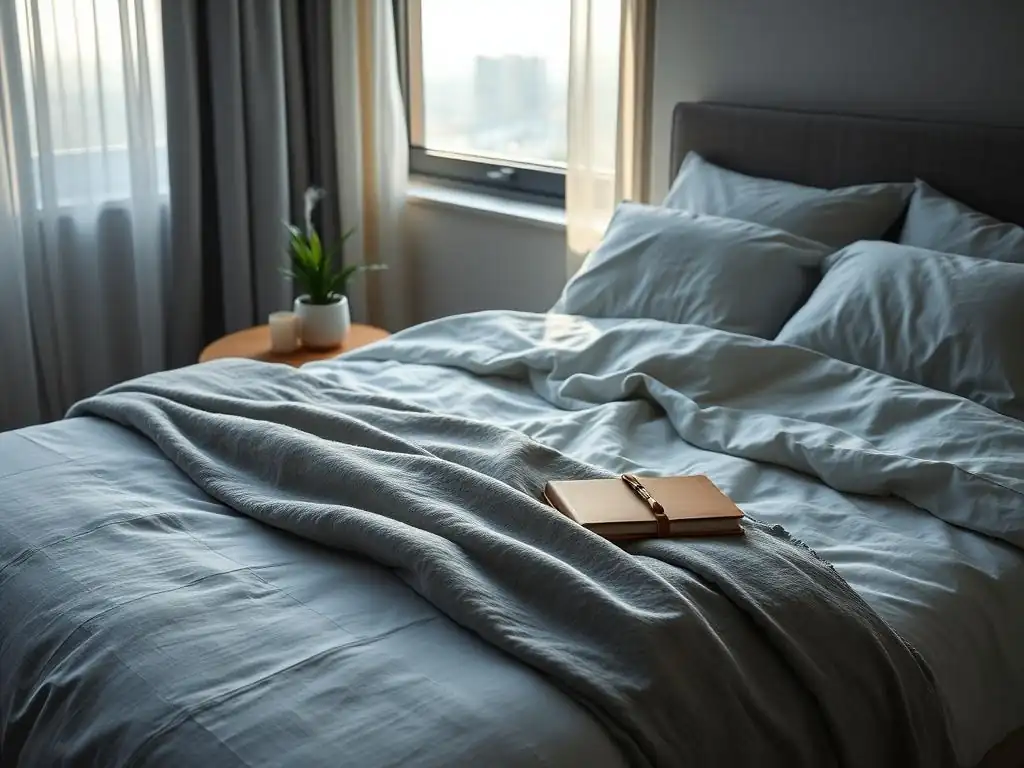
Establishing a consistent, calming bedtime routine is arguably the most critical aspect of improving sleep hygiene for anxiety relief. Gifts like those mentioned above are most effective when used as components within this routine. The goal is to create a predictable sequence of activities that signals to your body and mind that it's time to transition from the day's stresses to a state of rest. This consistency helps regulate the circadian rhythm and reduces the physiological arousal often associated with anxiety before bed.
Example Bedtime Routine: Aromatherapy, Weighted Blanket, and Meditation
Here is an example of how some of these gifts could be combined into a powerful bedtime routine focused on sleep hygiene for anxiety:
- 60-90 minutes before bed: Dim the lights in your living space. Put on blue light blocking glasses if using screens.
- 30-45 minutes before bed: Turn on an aromatherapy diffuser with a calming essential oil blend (like lavender or chamomile) in your bedroom. Begin a gentle wind-down activity, such as reading a physical book or listening to quiet, calming music (not on screens).
- 15-20 minutes before bed: Enter the bedroom. Get comfortable in bed under your weighted blanket.
- 10-15 minutes before bed: Use a meditation app like Calm for a guided meditation or listen to a sleep story through comfortable sleep headphones. Focus on your breath and letting go of daily worries.
- Just before turning off the light: Put on your sleep mask to ensure complete darkness.
This structured approach provides a clear signal to the body that sleep is approaching, utilizing multiple sensory inputs (scent, pressure, sound, light reduction) to promote relaxation and reduce anxiety.
The Importance of Consistency in Establishing Good Sleep Habits
Consistency is paramount when it comes to improving sleep hygiene for anxiety relief. Going to bed and waking up at roughly the same time every day, even on weekends, helps regulate your body's internal clock. Similarly, performing a consistent bedtime routine night after night reinforces the association between these actions and sleepiness. Irregular sleep schedules or inconsistent routines can confuse the body's circadian rhythm, making it harder to fall asleep and stay asleep, which can exacerbate anxiety symptoms. While incorporating new tools is helpful, the real power lies in the consistent application of these practices.
Conclusion: Investing in Sleep Hygiene for Long-Term Mental Well-being
Combating sleep difficulties when you live with anxiety can feel like a daunting task. The cycle of worry leading to sleeplessness, and sleeplessness fueling more worry, is challenging to break. However, focusing on improving sleep hygiene offers a practical and effective pathway to better rest and, consequently, improved mental well-being. By creating a sleep environment and routine that is conducive to relaxation and uninterrupted rest, individuals can take significant steps towards managing their anxiety more effectively.
The Power of Small Changes in Promoting Better Sleep and Reducing Anxiety.
Investing in tools and practices that support sleep hygiene for anxiety relief can have a profound impact. Whether it's the grounding comfort of a weighted blanket, the noise-masking peace from a white noise machine, the calming aroma from a diffuser, the darkness provided by a sleep mask, the guided relaxation from a meditation app, the soothing sound from sleep headphones, or the melatonin boost from blue light blocking glasses, each item can play a role in building a stronger foundation for sleep. These aren't just products; they are aids in establishing healthy habits.
Implementing even one or two of these suggestions consistently can lead to noticeable improvements in sleep quality, helping to quiet the anxious mind and paving the way for more peaceful nights and brighter days. Prioritizing sleep hygiene is a powerful act of self-care that directly benefits long-term mental health.
Frequently Asked Questions
How can improving my sleep hygiene help with my anxiety?
Practicing good sleep hygiene can significantly reduce anxiety by regulating your sleep-wake cycle. Consistent sleep patterns help stabilize mood and reduce the physiological symptoms of anxiety like racing heart and restlessness. A calming bedtime routine can help you wind down before sleep.
What are some key elements of good sleep hygiene for anxiety relief?
Key elements include maintaining a consistent sleep schedule, creating a relaxing bedtime routine, and ensuring your bedroom environment is conducive to sleep. Additionally, avoiding caffeine and alcohol before bed and getting regular exercise can significantly improve sleep quality. Finally, consider limiting screen time before bed.
Are there specific gifts mentioned in the article that can aid sleep hygiene for anxiety?
While the article title suggests gifts, the focus is likely on items or practices that support sleep. This could include things like a weighted blanket, a white noise machine, or a aromatherapy diffuser with calming essential oils.
How long does it typically take to see a noticeable improvement in anxiety levels after implementing better sleep hygiene?
It varies from person to person, but generally, you might start noticing improvements within a few weeks of consistently practicing good sleep hygiene. Patience and consistency are crucial for seeing lasting results. It's important to track your progress.
When should I seek professional help for anxiety, even if I'm improving my sleep hygiene?
If your anxiety is severe, interfering with daily life, or doesn't improve significantly after implementing good sleep hygiene for a reasonable period, it's essential to seek professional help. Therapy and medication can be beneficial in managing anxiety.
Final Reflection: Finding Peace in the Night, Finding Strength in the Day
The pursuit of restful sleep is not a luxury; it's a fundamental pillar of mental and physical well-being, especially in our increasingly anxious world. The struggle to quiet the mind and drift off is a common experience, but as this article has explored, proactive sleep hygiene offers a powerful pathway to alleviate anxiety and reclaim the restorative power of slumber. Understanding the intricate connection between anxiety and sleep allows us to move beyond simply coping with sleepless nights and towards actively cultivating a peaceful, rejuvenating sleep environment.
The impact of consistent, quality sleep extends far beyond the bedroom. It ripples outwards, influencing our mood, productivity, relationships, and overall resilience. As we navigate the complexities of modern life, the ability to find solace in the quiet hours of night becomes increasingly crucial. Sleep is the golden chain that ties health and our bodies together.
– Thomas Dekker. This quote highlights the profound interconnectedness between sleep and our overall well-being, a connection often overlooked in our fast-paced lives. The strategies discussed – from creating a calming bedtime routine to optimizing your sleep environment – are not mere suggestions, but tools for building a stronger, healthier you.
Now, consider your own sleep habits. What small changes can you implement tonight to cultivate a more peaceful sleep environment? Perhaps it's dimming the lights an hour before bed, silencing notifications, or incorporating a relaxing meditation into your routine. Don't underestimate the transformative power of small, consistent actions. By prioritizing sleep hygiene, you are not just improving your sleep; you are investing in your mental and physical health, empowering yourself to face each day with renewed energy, focus, and resilience. Start tonight. Your future self will thank you.
Unlock Your Best Night's Sleep Yet!
Thanks for taking the time to explore the world of restful sleep with us! We hope you've discovered some valuable insights to help you drift off easier and wake up feeling refreshed. Now, let's put that knowledge into action:
- Prioritize one sleep-enhancing tip: Choose one suggestion from the article that resonates most with you and commit to trying it tonight. This could be anything from adjusting your room temperature to trying a new relaxation technique.
- Share your sleep journey: Let's build a supportive community! Share your experience (and your favorite sleep tip!) in the comments below. What worked best for you?
- Explore related resources: Check out other articles on our site related to natural sleep remedies and mindful living to further enhance your sleep routine.
Ready to conquer your nights and wake up feeling amazing? What small change will you make tonight to improve your sleep?