
Unlock Your Best Sleep: Innovative Gifts for Restful Nights

Welcome to Mind Care Guide, a space dedicated to nurturing your mental well-being. Are restless nights and anxious thoughts stealing your peace? You're not alone. Discover how to reclaim your sleep with our insightful guide, starting with essential sleep hygiene tips for anxiety and exploring innovative gifts designed to promote restful nights and a calmer mind. Curious to learn how a weighted blanket or aromatherapy diffuser can transform your sleep? Let's begin!
Unlock Your Best Sleep: Innovative Gifts for Restful Nights
- Introduction: Sleep, Anxiety, and the Power of Thoughtful Gifting
- Understanding Sleep Hygiene for Anxiety Relief
-
The Best Gifts for Improving Sleep Hygiene and Reducing Anxiety
- Weighted Blankets: A Gentle Embrace for Anxious Sleepers
- White Noise Machines: Drowning Out Anxiety's Whispers
- Aromatherapy Diffusers: Scenting Your Way to Serenity
- Silk Pillowcases and Eye Masks: Luxurious Comfort for Anxious Sleep
- Smart Sleep Trackers: Understanding and Optimizing Your Sleep Patterns
- Subscription Boxes for Sleep and Relaxation: A Gift That Keeps on Giving
- Choosing the Right Gift: Considerations for Individual Needs
- Conclusion: Giving the Gift of Rest and Peace of Mind.
-
Frequently Asked Questions
- How can improving my sleep hygiene help with my anxiety?
- What are some key sleep hygiene tips that are effective for managing anxiety?
- Are there specific gifts mentioned in the article that can aid sleep hygiene and reduce anxiety?
- How quickly can I expect to see improvements in my anxiety levels by implementing sleep hygiene tips?
- Where can I find more resources and support for managing anxiety alongside improving sleep hygiene?
- Final Reflection: The Gift of Restful Sleep in an Anxious World
- Unwind and Recharge: Gift Yourself (or Someone You Love!) Better Sleep
Introduction: Sleep, Anxiety, and the Power of Thoughtful Gifting
Sleep is a fundamental pillar of health, yet for many, it remains an elusive luxury, especially when anxiety is a constant companion. The intricate relationship between sleep and anxiety is well-documented; poor sleep can exacerbate anxious feelings, creating a frustrating cycle that's difficult to break. Finding effective ways to improve sleep quality is crucial for managing anxiety and enhancing overall well-being. This is where the concept of thoughtful gifting comes in – not just as a gesture, but as a practical means to support someone's journey towards better rest.
Understanding the specific challenges faced by individuals struggling with sleep due to anxiety opens up a world of potential solutions. Many people seek practical, non-pharmacological aids to complement their existing strategies for managing anxious thoughts at bedtime. Innovative gifts centered around sleep health can provide tangible support, offering tools and comforts designed to promote relaxation, reduce nighttime worries, and ultimately, foster more restful and restorative sleep. These aren't just presents; they are contributions to better mental health and peace of mind.
Understanding Sleep Hygiene for Anxiety Relief
What is Sleep Hygiene and Why Does it Matter for Anxiety?
Sleep hygiene refers to the set of habits and environmental factors that can be adjusted to help you sleep well on a regular basis. It encompasses practices like maintaining a consistent sleep schedule, creating a comfortable sleep environment, and avoiding stimulants before bed. For individuals grappling with anxiety, mastering sleep hygiene is particularly vital.
Anxiety often manifests as racing thoughts, worry, and physical tension, all of which are antithetical to falling asleep and staying asleep. Implementing sound sleep hygiene tips for anxiety can help quiet the mind and prepare the body for rest, reducing the time spent tossing and turning.
Ignoring sleep hygiene when dealing with anxiety can perpetuate a vicious cycle. Poor sleep deprives the brain of essential restorative processes, potentially increasing sensitivity to stress and worry during the day. This heightened anxiety then makes it even harder to sleep the following night. By consciously adopting effective sleep hygiene tips for anxiety, individuals can establish a predictable routine that signals to the brain and body that it's time to wind down. This consistency and preparation can significantly lower the physiological arousal associated with anxiety, making the transition to sleep smoother and the quality of sleep deeper.
Key Sleep Hygiene Tips for Anxiety Sufferers
Implementing specific sleep hygiene tips for anxiety can make a significant difference in nighttime rest. One crucial tip is maintaining a consistent sleep schedule, going to bed and waking up at roughly the same time every day, even on weekends. This helps regulate the body's internal clock, the circadian rhythm, which plays a vital role in sleep regulation. Studies suggest that consistency in sleep timing can improve sleep efficiency by up to 15% in individuals with sleep disturbances.
Another cornerstone of effective sleep hygiene tips for anxiety involves creating a relaxing bedtime routine. This might include activities like reading a book, taking a warm bath, or listening to calming music for 30-60 minutes before getting into bed. Avoiding bright screens (phones, tablets, computers) during this time is also critical, as the blue light emitted can interfere with melatonin production, the hormone that signals sleepiness. Furthermore, optimizing the sleep environment by ensuring the bedroom is dark, quiet, and cool (ideally between 60-67°F or 15-19°C) can significantly enhance sleep quality and reduce anxiety-induced awakenings.
- Maintain a consistent sleep schedule.
- Create a relaxing pre-sleep routine.
- Ensure the bedroom is dark, quiet, and cool.
- Avoid caffeine and alcohol before bed.
- Limit naps, especially long or late-afternoon ones.
- Use the bedroom only for sleep and intimacy.
- Avoid watching the clock if you wake up.
The Best Gifts for Improving Sleep Hygiene and Reducing Anxiety
Weighted Blankets: A Gentle Embrace for Anxious Sleepers
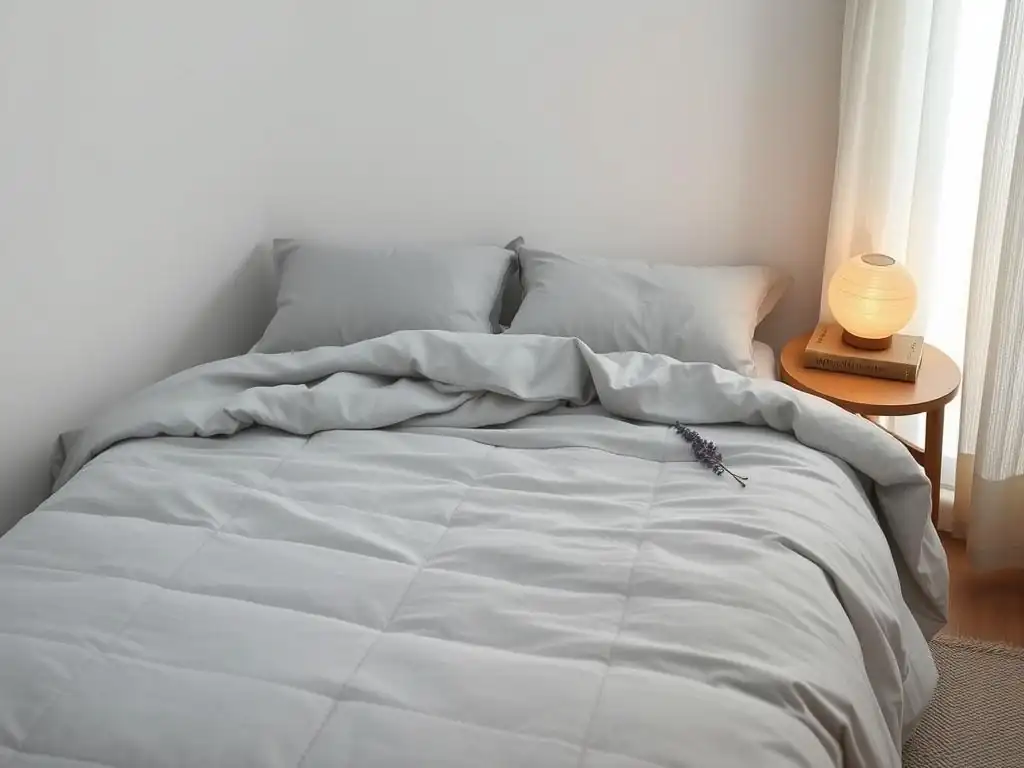
Weighted blankets offer a unique approach to promoting sleep hygiene tips for anxiety by providing deep pressure stimulation, a technique often used in therapeutic settings. These blankets are filled with materials like glass beads or plastic pellets, distributing weight evenly across the body. The gentle, firm pressure mimics the feeling of being hugged or swaddled, which can trigger the release of neurotransmitters like serotonin and melatonin, naturally promoting feelings of calm and reducing cortisol, the stress hormone. Many users report a significant decrease in the time it takes to fall asleep, sometimes cutting it down by half.
Choosing the right weight is important for maximizing the benefits; typically, a weighted blanket should be about 7-12% of the user's body weight. For an adult weighing 150 pounds, a 15-pound blanket is a common recommendation. The physical sensation of the weight can help ground individuals experiencing anxiety, making them feel more secure and contained in bed. This physical comfort directly supports the goal of creating a relaxing sleep environment, one of the core sleep hygiene tips for anxiety, by alleviating restlessness and promoting a sense of safety conducive to sleep.
White Noise Machines: Drowning Out Anxiety's Whispers
White noise machines are effective tools for improving sleep hygiene, particularly for those whose sleep is easily disrupted by external sounds or internal anxieties. These devices produce a consistent, ambient sound that helps to mask sudden noises that might otherwise jolt someone awake or prevent them from falling asleep. The steady hum or static creates a predictable auditory environment, preventing the brain from being alerted by sharp sounds like traffic, creaking floors, or even the sound of one's own anxious thoughts.
Beyond just blocking noise, certain types of sound machines offer different profiles like pink noise (which has a deeper tone, similar to rain) or brown noise (even deeper, like a rushing river). Research suggests that pink noise, in particular, may help improve sleep quality by promoting more stable sleep patterns. By creating a consistent and calming soundscape, white noise machines contribute directly to establishing a quiet sleep environment, a key component of sleep hygiene tips for anxiety, making it easier for the mind to disengage from worries and drift off.
Aromatherapy Diffusers: Scenting Your Way to Serenity
Aromatherapy diffusers utilize the power of scent to create a relaxing atmosphere conducive to sleep, directly supporting the goal of a calming bedtime routine as part of sleep hygiene tips for anxiety. Essential oils like lavender, chamomile, and bergamot have long been associated with relaxation and stress reduction. Diffusing these scents in the bedroom before sleep can help signal to the body and mind that it's time to unwind and prepare for rest.
Studies have indicated that inhaling lavender oil can decrease heart rate and blood pressure, physiological responses associated with reduced anxiety. A common practice is to diffuse 5-10 drops of essential oil in water for 30 minutes to an hour before bed. The gentle mist and calming aroma transform the bedroom into a sanctuary of peace, making it easier to transition from a state of wakefulness and anxiety to one of relaxation, thereby enhancing the effectiveness of other sleep hygiene tips for anxiety being implemented.
Silk Pillowcases and Eye Masks: Luxurious Comfort for Anxious Sleep
While seemingly simple, silk pillowcases and eye masks contribute to sleep hygiene by optimizing the physical comfort of the sleep environment. Silk is a smooth, cool fabric that reduces friction on the skin and hair, which can be a minor but persistent irritant for some.
More significantly for those with anxiety, the luxurious feel of silk can be inherently soothing and signal a shift into a comforting, sleep-focused mindset. An eye mask, particularly one made of soft silk, effectively blocks out light, which is crucial for melatonin production and maintaining a dark sleep environment, a core principle of sleep hygiene tips for anxiety.
A high-quality silk eye mask ensures complete darkness, even in rooms with ambient light or during early sunrises, helping to maintain the body's natural sleep-wake cycle. The gentle pressure and soft texture of the silk mask over the eyes can also feel comforting. Paired with a silk pillowcase, these items enhance the tactile experience of being in bed, making the sleep space feel more inviting and relaxing. This focus on sensory comfort adds another layer to effective sleep hygiene tips for anxiety by making the physical act of getting into bed a more pleasant and calming experience.
Smart Sleep Trackers: Understanding and Optimizing Your Sleep Patterns
Smart sleep trackers, often worn on the wrist or placed under the mattress, provide valuable data that can inform and improve sleep hygiene tips for anxiety. These devices monitor various metrics such as sleep duration, time spent in different sleep stages (light, deep, REM), heart rate, and even movement throughout the night. By analyzing this data, individuals can gain insights into their sleep patterns, identify potential issues (like frequent awakenings or insufficient deep sleep), and understand how their daily habits impact their sleep quality.
Having objective data can be empowering for someone struggling with anxiety-related sleep problems. For instance, tracking sleep alongside notes about daily activities, caffeine intake, or bedtime routines can reveal correlations that highlight which sleep hygiene tips for anxiety are working best and which need adjustment. Some trackers also offer features like guided meditations, smart alarms that wake you during a light sleep stage, or personalized coaching based on your sleep data, providing actionable steps towards better rest.
Subscription Boxes for Sleep and Relaxation: A Gift That Keeps on Giving
Subscription boxes curated specifically for sleep and relaxation offer a delightful and ongoing way to support someone's journey towards better sleep hygiene and reduced anxiety. These boxes typically contain a variety of items designed to promote rest and calm, such as herbal teas, aromatherapy products, sleep masks, cozy socks, journals, bath salts, and mindfulness exercises. Receiving a new box regularly provides a consistent source of inspiration and tools to enhance their bedtime routine and self-care practices.
Each box can introduce new elements to incorporate into their sleep hygiene tips for anxiety routine, keeping the process fresh and engaging. For instance, one month might feature a new calming tea blend and a guided meditation script, while the next might include a luxurious eye cream and a sleep journal. This variety helps individuals discover what works best for them while reinforcing the importance of prioritizing relaxation and sleep health, making the commitment to better rest feel like a regular, anticipated treat rather than a chore.
Choosing the Right Gift: Considerations for Individual Needs
Selecting the perfect gift to support sleep hygiene tips for anxiety requires thoughtful consideration of the individual's specific needs, preferences, and current routines. What works wonderfully for one person might not be suitable for another.
- Consider their primary sleep challenge: Are they struggling to fall asleep (sleep onset insomnia), waking up frequently (sleep maintenance insomnia), or feeling restless?
- Think about their sensory preferences: Are they sensitive to textures, sounds, or smells? Someone sensitive to noise might benefit greatly from a white noise machine, while someone sensitive to pressure might not enjoy a weighted blanket.
- Assess their tech comfort level: Would they appreciate the data from a smart sleep tracker, or would the tracking itself add to their anxiety?
- Evaluate their current sleep environment: Is their room already dark and quiet, or could an eye mask or sound machine make a significant improvement?
- Consider their interests: Do they enjoy rituals like taking baths or drinking tea? A gift that complements these existing habits might be well-received.
- Ask (subtly) or observe: Pay attention to what they've mentioned about their sleep struggles or things they've tried in the past.
Choosing a gift that aligns with their personal situation demonstrates empathy and increases the likelihood that the gift will be used and truly beneficial in helping them implement effective sleep hygiene tips for anxiety.
Conclusion: Giving the Gift of Rest and Peace of Mind.
Navigating the complexities of sleep deprivation compounded by anxiety is a significant challenge. Implementing consistent and effective sleep hygiene tips for anxiety is a powerful strategy, but it often requires support and the right tools. Thoughtful gifts centered around improving sleep health offer more than just material items; they provide practical assistance, comfort, and a tangible reminder that their struggle is seen and supported.
Whether it's the calming embrace of a weighted blanket, the soothing soundscape from a white noise machine, the therapeutic aroma from a diffuser, the luxurious comfort of silk, the insightful data from a sleep tracker, or the ongoing support from a relaxation subscription box, each gift has the potential to make a meaningful difference. By choosing a gift that aligns with their specific needs and preferences, you are contributing to their ability to create a restorative sleep environment and adopt better sleep habits.
Ultimately, you are giving the invaluable gift of potential for more restful nights and, consequently, greater peace of mind.
Frequently Asked Questions
How can improving my sleep hygiene help with my anxiety?
Poor sleep hygiene can exacerbate anxiety symptoms. Implementing sleep hygiene tips helps regulate your sleep-wake cycle, leading to more restful sleep and a reduction in anxiety. This, in turn, allows for better emotional regulation during the day.
What are some key sleep hygiene tips that are effective for managing anxiety?
Some effective tips include establishing a consistent sleep schedule, creating a relaxing bedtime routine free of screens, and ensuring a dark, quiet, and cool sleep environment. Avoiding caffeine and alcohol before bed is also crucial.
Are there specific gifts mentioned in the article that can aid sleep hygiene and reduce anxiety?
While the specific gifts aren't detailed here, they likely include items promoting relaxation and better sleep, such as weighted blankets, aromatherapy diffusers, or white noise machines. These can contribute to a more soothing sleep environment.
How quickly can I expect to see improvements in my anxiety levels by implementing sleep hygiene tips?
It can vary, but generally, you should start noticing improvements within a few weeks of consistent adherence to good sleep hygiene practices. Patience and persistence are key, as it takes time to establish new habits.
Where can I find more resources and support for managing anxiety alongside improving sleep hygiene?
"Mind Care Guide" likely offers additional information and resources. You can also consult with a mental health professional for personalized guidance and support in managing both anxiety and sleep difficulties.
Final Reflection: The Gift of Restful Sleep in an Anxious World
The pursuit of better sleep isn't just a luxury; it's a fundamental need, especially in our increasingly anxious world. The innovative sleep aids explored in this article highlight a crucial truth: achieving restful nights requires a proactive and holistic approach, going beyond simply counting sheep. We've seen how thoughtful gifts, from weighted blankets to aromatherapy diffusers, can significantly contribute to improved sleep hygiene and, consequently, reduced anxiety.
The impact of chronic sleep deprivation on our mental and physical well-being is undeniable, and the link between anxiety and poor sleep is particularly strong. The constant barrage of information and the pressures of modern life leave many feeling overwhelmed and unable to unwind. Sleep is the golden chain that ties health and our bodies together.
– Thomas Dekker. This quote underscores the profound connection between sleep and overall well-being, a connection that deserves our utmost attention and care, especially when navigating the challenges of anxiety. The strategies and products discussed in this article offer practical steps towards reclaiming this vital aspect of our lives.
Consider the gifts mentioned within this article – not just as material objects, but as tools for self-care and empowerment. You deserve a sanctuary of peace and quiet, a space where you can truly rest and recharge. Take some time to reflect on your own sleep habits. What adjustments could you make to create a more calming bedtime routine? Which of the innovative sleep aids discussed might resonate with your needs? Invest in your well-being; the gift of restful sleep is a gift that keeps on giving.
Unwind and Recharge: Gift Yourself (or Someone You Love!) Better Sleep
Thanks for exploring the world of sleep-enhancing gifts with us! We hope you discovered some innovative ways to prioritize rest and relaxation. Ready to take the next step toward a more restful you?
- Prioritize your sleep sanctuary: Start by making one small change to your bedroom tonight – try dimming the lights earlier, adjusting your pillow, or even just adding a calming scent. This small act can make a big difference!
- Share the sleep wisdom: Tell a friend or family member about your favorite gift idea from the article. Let's spread the word about prioritizing better sleep together!
- Explore deeper: Consider researching some of the specific products we highlighted; a quick online search can reveal even more information and user reviews.
What's the one small thing you'll do tonight to improve your sleep? Let us know in the comments below!