
Child Psychiatry's Growth: Understanding Young Minds in the 20th Century

Welcome to Mind Care Guide, a sanctuary for understanding and nurturing mental well-being. Ever wondered how our understanding of young minds has evolved? Child psychiatry historical trends have shaped the landscape of care for children and adolescents facing mental health challenges. Explore the fascinating journey of child psychiatry in our latest article, and discover how past perspectives continue to inform our approach to supporting the mental health of future generations. Unravel the complexities and join us as we delve into the evolution of care, leaving you with insights that resonate long after you've finished reading.
Child Psychiatry's Growth: Understanding Young Minds in the 20th Century
- Introduction: The Dawn of Child Psychiatry in the 20th Century
- Key Figures and Foundational Theories in Early Child Psychiatry
- The Rise of Child Guidance Clinics and Early Interventions
- Mid-Century Shifts: From Psychoanalysis to Biological Psychiatry
- Understanding Specific Childhood Mental Disorders: Historical Perspectives
- Child Psychiatry Historical Trends: Major Developments and Paradigm Shifts
- Late 20th Century and the Integration of Multiple Perspectives
- Challenges and Future Directions in Child Psychiatry
- Conclusion: A Century of Progress in Understanding Young Minds
-
Frequently Asked Questions
- How did the field of child psychiatry initially emerge in the 20th century?
- What were some key historical milestones in the development of child psychiatry?
- How did societal attitudes towards children's mental health evolve throughout the 20th century?
- What impact did influential figures have on shaping the field of child psychiatry?
- How have diagnostic methods in child psychiatry changed over time?
- Final Reflection: The Enduring Legacy of Child Psychiatry's Evolution
- Unlock the Insights: Shape the Future of Child Mental Health
Introduction: The Dawn of Child Psychiatry in the 20th Century
The 20th century marked a pivotal era for understanding the mental well-being of children. Before this period, children's psychological and emotional difficulties were often overlooked, misunderstood, or attributed solely to environmental factors or moral failings. The significant child psychiatry historical trends that emerged during these hundred years transformed how society perceived and addressed the unique mental health needs of young people, laying the groundwork for the specialized field we recognize today.
Setting the Stage: Mental Health Care for Children Before the 20th Century
Before the 1900s, formal mental health care for children was largely non-existent as a distinct discipline. Children exhibiting severe behavioral or emotional problems were often institutionalized alongside adults, frequently in overcrowded and under-resourced asylums. There was little understanding of developmental stages or the specific psychological vulnerabilities of children, and interventions, if any, were often punitive or custodial rather than therapeutic. Historical records suggest that conditions like what we now call intellectual disability or severe behavioral disturbances were often labeled simply as 'madness' or 'idiocy,' with minimal attempts at differential diagnosis or tailored care.
The prevailing view often saw children as miniature adults, or their problems as temporary phases they would outgrow. While some philanthropic efforts existed to care for orphaned or disabled children, a scientific, medical, or psychological approach to childhood mental illness was absent. This historical context highlights the profound shift that occurred in the 20th century, as dedicated professionals began to advocate for and study the specific psychological landscape of childhood, setting the stage for the eventual rise of child psychiatry historical trends focused on early intervention and specialized care.
The Emergence of Child Psychiatry as a Distinct Field
The early decades of the 20th century witnessed the slow but steady emergence of child psychiatry as a specialized medical discipline. This was fueled by growing interest in developmental psychology, the impact of social conditions on child welfare, and pioneering work in psychoanalysis. Professionals began to recognize that children's mental health issues required different diagnostic frameworks and therapeutic approaches than those used for adults. The establishment of specialized clinics and services dedicated to children marked a significant departure from past practices.
A key factor in this emergence was the increasing awareness of the links between childhood experiences and later adult mental health problems. This led to a push for preventative strategies and early intervention.
By the 1920s and 1930s, the term "child psychiatry" began to appear more frequently in medical literature, and a small but dedicated group of physicians started focusing exclusively on the mental and emotional health of youth. This period laid the foundation for the major child psychiatry historical trends that would shape the field throughout the rest of the century, emphasizing the unique needs and complexities of young minds.
Key Figures and Foundational Theories in Early Child Psychiatry
The early development of child psychiatry was profoundly influenced by the work of several pioneering figures whose theories provided new lenses through which to understand childhood development and psychopathology. These individuals, often drawing from psychoanalytic perspectives, challenged prevailing notions and proposed complex models of the inner lives of children. Their contributions were foundational, even as later child psychiatry historical trends incorporated biological and social perspectives.
Sigmund Freud's Influence on Understanding Childhood Development
Sigmund Freud, the founder of psychoanalysis, while primarily focused on adult psychopathology, had a significant, albeit indirect, impact on the burgeoning field of child psychiatry. His theories on psychosexual development, the Oedipus complex, and the structure of the psyche (Id, Ego, Superego) provided a framework for viewing childhood as a critical period shaped by internal conflicts and early relationships.
Although Freud himself conducted limited direct work with children (most famously, the case of "Little Hans," interpreted through the father's reports), his concepts of repression, unconscious drives, and defense mechanisms offered a new way to understand childhood fears, anxieties, and behaviors that were previously inexplicable.
Freud's emphasis on the importance of early experiences and the parent-child relationship profoundly influenced early child guidance efforts and therapeutic approaches. His ideas encouraged clinicians to look beyond overt symptoms and explore the underlying psychological dynamics contributing to a child's difficulties. While many of his specific theories have been revised or challenged by later research, his fundamental insight into the complexity of the child's inner world and the lasting impact of early life experiences was a crucial step in the development of child psychiatry historical trends, shifting the focus from purely descriptive observation to dynamic psychological understanding.
Anna Freud and the Development of Child Psychoanalysis
Anna Freud, daughter of Sigmund Freud, was a central figure in adapting psychoanalytic principles specifically for children. Recognizing that children's developing minds differed significantly from adults', she pioneered techniques suitable for younger patients, such as play therapy and the use of drawings. Her work highlighted the importance of observing children in their natural environment and understanding their developmental stage when interpreting their behavior. She emphasized the child's ego development and the defensive strategies children use to cope with anxiety, which was a crucial refinement of her father's work.
Anna Freud's book, The Ego and the Mechanisms of Defence (1936), while not solely focused on children, provided key insights into the defensive processes observable in young people. Her clinical work, particularly at the Hampstead War Nurseries during World War II, provided invaluable observations on the impact of separation, trauma, and deprivation on children's psychological development. Her systematic approach to child analysis established it as a viable therapeutic modality and significantly shaped the early child psychiatry historical trends related to psychodynamic therapy for youth.
Melanie Klein and Object Relations Theory in Child Psychotherapy
Melanie Klein, another prominent figure in early child psychoanalysis, offered a contrasting but equally influential perspective. Her work, particularly her theories on object relations, focused on the infant's earliest relationships, primarily with the mother, and the internal world shaped by these interactions. Klein used play therapy extensively, viewing children's play as a symbolic language that revealed their unconscious fantasies, anxieties, and internal object relationships (how they perceive and internalize significant people).
Klein's concepts of the "paranoid-schizoid position" and the "depressive position" described early developmental phases characterized by intense anxieties and primitive defenses. While controversial, her emphasis on the power of early phantasies and the impact of aggression and envy provided a deep, albeit sometimes dark, view of the infant mind. Her contributions significantly influenced the development of child psychotherapy, particularly in understanding severe disturbances, and remain a key part of the complex tapestry of child psychiatry historical trends, pushing the boundaries of understanding the earliest psychological life.
Leo Kanner and Early Descriptions of Autism
Leo Kanner, an Austrian-American child psychiatrist, made a landmark contribution in 1943 with his paper "Autistic Disturbances of Affective Contact." This work described a group of 11 children who exhibited a unique pattern of behaviors, including extreme aloneness, insistence on sameness, fascination with objects rather than people, mutism or non-communicative speech, and excellent rote memory. Kanner's description was the first clinical account that clearly delineated this distinct syndrome, which he termed "early infantile autism."
Kanner's careful clinical observations and detailed case studies provided a foundation for future research and understanding of autism spectrum disorder. Although his initial theories about the causes of autism (including the controversial idea of "refrigerator mothers") were later disproven, his identification and description of the core behavioral features were groundbreaking. His work marked a critical point in child psychiatry historical trends, moving towards the identification and classification of specific, complex developmental disorders in children, separate from other forms of mental illness or intellectual disability.
The Rise of Child Guidance Clinics and Early Interventions
The early 20th century saw a significant movement towards establishing specialized services aimed at addressing the mental and behavioral problems of children outside of traditional asylums. The Child Guidance Movement was a pivotal development in this regard, fostering a more preventative and community-based approach to child mental health. These initiatives underscored the growing recognition that early intervention could significantly impact a child's future well-being.
The Child Guidance Movement: Addressing Behavioral Problems in Children
Originating in the United States in the early 1900s, the Child Guidance Movement sought to apply psychological and social science principles to prevent juvenile delinquency and address children's behavioral and emotional difficulties. Influenced by figures like William Healy, who founded the first psychiatric clinic for delinquents in Chicago in 1909, the movement emphasized a multidisciplinary approach. Clinics typically employed psychiatrists, psychologists, and social workers who worked together to evaluate children and families, considering psychological, social, and environmental factors contributing to the child's problems.
By the 1920s, supported partly by grants from organizations like the Commonwealth Fund, child guidance clinics began to proliferate across the US and spread to other countries. These clinics focused on understanding the child within their family and social context, offering services like diagnostic evaluations, parent counseling, and psychotherapy. This movement was instrumental in shifting the focus of child psychiatry historical trends towards prevention, early identification, and community-based care, making mental health services more accessible to children and families than ever before.
The Role of Early Childhood Education in Mental Health
Parallel to the Child Guidance Movement, there was a growing recognition of the importance of early childhood experiences and education for healthy development. Pioneers in early education, such as Maria Montessori and Friedrich Froebel (kindergarten movement), emphasized the critical nature of the first few years of life for cognitive, social, and emotional growth. While not strictly part of child psychiatry, these educational philosophies highlighted the developmental needs of young children and the potential for early environments to shape later mental health.
The integration of psychological principles into educational settings began to take hold. School psychologists and counselors started to become more common, addressing learning difficulties and behavioral issues in the school context. The understanding that early positive experiences, secure attachments, and supportive learning environments could act as protective factors against later mental health problems became increasingly influential. This cross-pollination between education and mental health disciplines was a key feature of child psychiatry historical trends, reinforcing the idea that promoting mental well-being starts in the earliest years.
The Evolution of Diagnostic Approaches for Childhood Mental Disorders
The 20th century saw significant evolution in how childhood mental disorders were diagnosed and classified. In the early part of the century, diagnoses were often broad and based on observational descriptions or psychoanalytic interpretations. There was a lack of standardized diagnostic criteria, making it difficult to compare research findings or ensure consistent clinical practice. Conditions like "childhood schizophrenia" were sometimes applied broadly to various severe disturbances in children.
The development of diagnostic manuals, such as the Diagnostic and Statistical Manual of Mental Disorders (DSM) by the American Psychiatric Association, beginning in 1952 (DSM-I), marked a major step towards standardization. While early editions had limited specific categories for childhood disorders, later versions, particularly DSM-III (1980) and DSM-IV (1994), introduced much more detailed and specific criteria for childhood conditions like ADHD, conduct disorder, separation anxiety, and autism. This shift towards operationalized criteria significantly influenced child psychiatry historical trends, enabling more reliable diagnosis, facilitating research, and shaping the development of targeted treatments.
Mid-Century Shifts: From Psychoanalysis to Biological Psychiatry
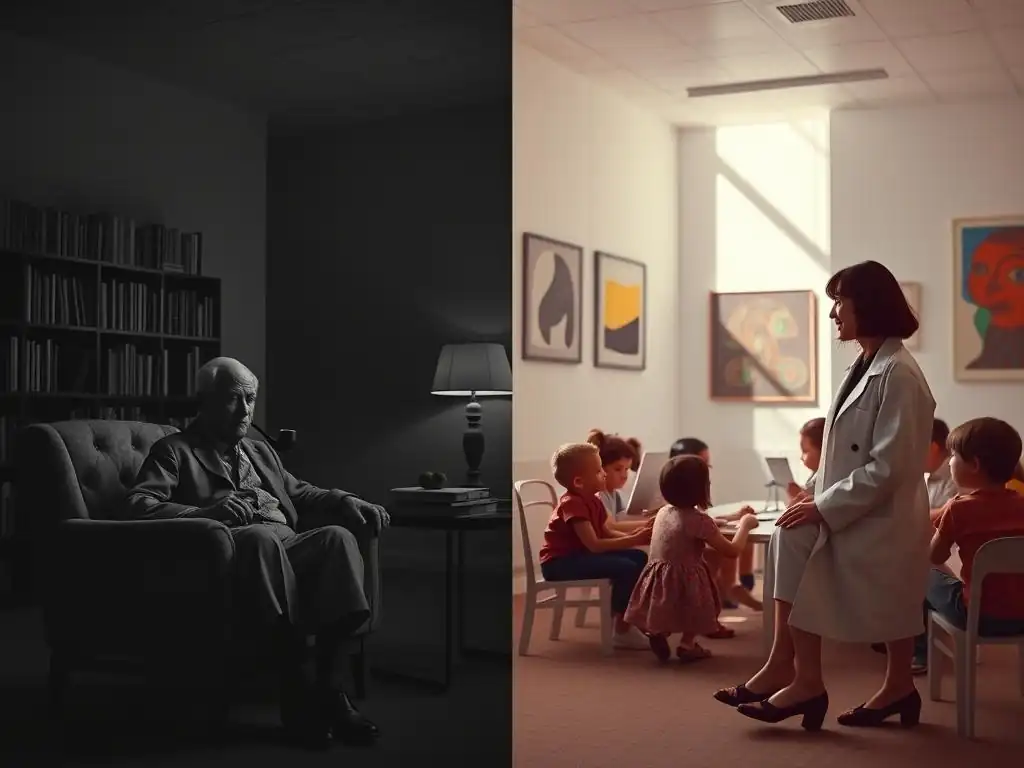
The mid-20th century brought about significant shifts in the theoretical underpinnings and practical approaches within child psychiatry. While psychoanalytic perspectives remained influential, new forces emerged, including the devastating impact of global conflict and the rapid advancements in psychopharmacology and biological research. These factors began to push the field towards a more diverse and biologically informed understanding of childhood mental health.
The Impact of World War II on Child Mental Health
World War II had a profound and lasting impact on the understanding of childhood trauma and resilience. The war exposed countless children to unprecedented levels of stress, separation from families, loss of parents, and direct violence. Observing the psychological effects on these children provided stark evidence of how environmental stressors could severely impact mental well-being, challenging purely constitutional or purely internal-conflict-based explanations for distress.
Psychiatrists and researchers, including Anna Freud and Melanie Klein in London, documented the reactions of children evacuated from cities or orphaned by the war. Their work highlighted the importance of stable attachments, the trauma of separation, and the varied ways children cope with extreme adversity. The experiences of war-affected children underscored the need for mental health support during and after crises and spurred interest in the epidemiology of childhood trauma. This period was crucial in shaping child psychiatry historical trends by bringing the impact of external, traumatic events squarely into the focus of clinical attention.
The Rise of Biological Psychiatry and the Search for Biological Markers
Towards the mid-to-late 20th century, advancements in genetics, neurochemistry, and brain imaging began to influence psychiatric thinking, including in the child field. Researchers started exploring potential biological underpinnings for mental disorders, moving beyond purely psychological explanations. This shift was partly driven by limited success with some purely psychotherapeutic approaches for severe conditions and the advent of effective psychotropic medications for adults, which spurred interest in their potential use in children.
The search for biological markers for conditions like schizophrenia, bipolar disorder, and later, ADHD and autism, gained momentum. While definitive biological markers for most childhood mental disorders remain elusive even today, this era saw the beginning of research into genetic predispositions, neurotransmitter imbalances, and structural or functional differences in the brains of children with psychiatric conditions. This focus on biological factors represented a significant divergence in child psychiatry historical trends, adding another layer of complexity to understanding the etiology of disorders alongside psychological and environmental factors.
Development and Use of Early Psychopharmacological Interventions in Children
The development of psychotropic medications in the 1950s and 1960s, initially for adult conditions, quickly led to their exploration for use in children. Early medications included stimulants for hyperactivity (which would later be understood as ADHD), antipsychotics for severe behavioral disturbances or presumed childhood schizophrenia, and later, antidepressants for mood and anxiety issues. The introduction of these drugs marked a dramatic change in the potential treatment landscape for childhood mental disorders.
While early use was often cautious and based on extrapolation from adult data, the observed effectiveness of some medications, particularly stimulants for attention and hyperactivity problems, demonstrated that biological interventions could play a role in managing specific symptoms. This opened up new avenues for treatment but also raised significant questions about safety, long-term effects, and the ethics of using powerful drugs in developing brains. The rise of psychopharmacology became a major, and often debated, element of child psychiatry historical trends, adding medication management to the toolkit alongside psychotherapy and other interventions.
Understanding Specific Childhood Mental Disorders: Historical Perspectives
The 20th century was characterized by a gradual refinement in the understanding and classification of specific mental health conditions affecting children. What were once vague descriptions or grouped under broad categories began to be recognized as distinct disorders with unique presentations and potential etiologies. Examining the historical perspectives on key childhood disorders illustrates the evolution of diagnostic thinking and research.
Historical Perspectives on Autism Spectrum Disorder (ASD)
As mentioned earlier, Leo Kanner provided the first detailed clinical description of early infantile autism in 1943. For several decades after Kanner's initial paper, autism was often misunderstood and sometimes confused with childhood schizophrenia. Early theories often focused on environmental factors, particularly parental coldness or neglect (the "refrigerator mother" hypothesis), which caused significant distress to families and lacked scientific support.
Throughout the latter half of the century, research began to shift towards biological and genetic factors. Studies comparing identical and fraternal twins, and later, molecular genetics research, provided strong evidence for a significant genetic component. Hans Asperger's work on a milder form of autism (Asperger's syndrome), published in 1944 but not widely recognized in the English-speaking world until the 1980s, broadened the concept of autism to include individuals with higher cognitive abilities but social and communication difficulties.
The inclusion of Autism Spectrum Disorder in DSM-IV (1994) as a spectrum of conditions reflected the growing understanding of its diverse presentations. This evolution in understanding ASD is a prime example of the changing child psychiatry historical trends, moving from psychogenic theories to neurodevelopmental models.
Attention-Deficit/Hyperactivity Disorder (ADHD): An Evolving Understanding
The history of understanding what is now known as Attention-Deficit/Hyperactivity Disorder (ADHD) is long and reflects changing perspectives on childhood behavior. In the early 20th century, children with symptoms of hyperactivity and impulsivity were sometimes described as having "minimal brain damage" or "minimal brain dysfunction," linking the behavior to presumed neurological issues, often following illnesses like encephalitis. Early treatments sometimes involved sedatives, which were largely ineffective.
The discovery that stimulant medications could paradoxically calm hyperactive children in the late 1930s (pioneered by Charles Bradley) was a major turning point. By the 1960s, the condition was often referred to as "hyperkinetic reaction of childhood." DSM-III (1980) introduced the term "Attention Deficit Disorder (ADD)" with or without hyperactivity, distinguishing between inattentive and hyperactive/impulsive symptoms.
DSM-IV (1994) refined this to ADHD, recognizing the combined presentation as common. This shift from focusing solely on hyperactivity to recognizing the core issues with attention and impulse control illustrates a significant child psychiatry historical trend towards more precise diagnostic criteria and a better understanding of the underlying cognitive difficulties.
The History of Understanding Childhood Anxiety and Depression
Historically, anxiety and depression in children were often overlooked or considered transient, normal phases of childhood. While adult forms of these disorders were recognized, the idea that children could experience clinically significant levels of persistent sadness, worry, or loss of interest was not widely accepted in the early 20th century. Symptoms were often attributed to behavioral problems, school refusal, or other external factors.
The influence of psychoanalytic theory provided some early frameworks for understanding childhood fears and anxieties, often linking them to developmental conflicts. However, it wasn't until the later half of the century, particularly from the 1970s onwards, that systematic research began to demonstrate that children do experience anxiety and depression in ways that can be distinct from adults but are nonetheless impairing.
Studies using standardized diagnostic interviews and rating scales confirmed that childhood anxiety disorders (like separation anxiety, generalized anxiety, and phobias) and depression were prevalent and often required clinical intervention. This increased recognition and research into childhood mood and anxiety disorders is a key child psychiatry historical trend, leading to the development of age-appropriate diagnostic tools and therapeutic approaches like cognitive-behavioral therapy (CBT) adapted for children.
Early Recognition and Treatment of Childhood Trauma
While war highlighted the impact of large-scale trauma, the recognition of other forms of childhood trauma, particularly child abuse and neglect, was slower to develop within the field of child psychiatry. In the early 20th century, physical abuse was often seen as a social or legal issue rather than a mental health one. The term "battered child syndrome" was coined in the early 1960s by pediatrician Henry Kempe, drawing attention to the pattern of injuries resulting from physical abuse. This medical recognition was a critical step.
Psychological and emotional trauma resulting from abuse, neglect, or adverse childhood experiences (ACEs) was even less understood initially. Psychoanalytic theories touched on the impact of early adverse relationships, but the systematic study of trauma's neurobiological and psychological effects on child development gained significant momentum only in the later decades of the century.
Research began to link childhood trauma exposure to a wide range of mental health problems in adolescence and adulthood, including PTSD (though PTSD was primarily defined based on adult experiences initially), depression, anxiety, and substance use disorders. This growing awareness and research into the pervasive impact of childhood trauma represents a crucial child psychiatry historical trend, emphasizing the need for trauma-informed care and prevention efforts.
Child Psychiatry Historical Trends: Major Developments and Paradigm Shifts
Looking across the 20th century, several overarching child psychiatry historical trends stand out, marking significant shifts in how mental health care for children was conceptualized, delivered, and researched. These developments transformed the landscape of the field, moving towards more integrated, community-focused, and evidence-based approaches.
The Deinstitutionalization Movement and its Impact on Child Mental Health Services
The mid to late 20th century witnessed a significant shift in mental health care away from large, long-term psychiatric institutions towards community-based services. The deinstitutionalization movement, spurred by humanitarian concerns, advancements in psychopharmacology, and changes in mental health policy (like the Community Mental Health Act of 1963 in the US), significantly impacted children's mental health care. While fewer children than adults were housed in large state hospitals, those with severe disorders were often placed in residential treatment centers or psychiatric units.
Deinstitutionalization led to a greater need for outpatient clinics, day treatment programs, and in-home support services for children and families. The goal was to provide care in less restrictive environments, closer to the child's home and community. However, the transition was often challenging, with community resources struggling to meet the demand. This movement fundamentally altered the delivery model within child psychiatry historical trends, shifting the focus from long-term institutionalization for the few to developing a spectrum of services for a broader population, though often with insufficient resources.
The Growing Awareness of Child Abuse and Neglect
As discussed earlier, the formal recognition of child abuse as a significant problem with serious psychological consequences was a major development in the 20th century. Henry Kempe's 1962 paper on "battered child syndrome" was a catalyst, leading to increased reporting laws and greater awareness among medical professionals and the public. This was followed by increased attention to emotional abuse and neglect as equally damaging forms of maltreatment.
The growing body of research on Adverse Childhood Experiences (ACEs) in the later part of the century further solidified the understanding of the long-term impact of various forms of trauma and adversity on physical and mental health across the lifespan. This heightened awareness forced child psychiatry to confront the reality of family violence and dysfunction and integrate this understanding into diagnostic assessments and treatment planning. Addressing the mental health needs of abused and neglected children became a critical component of child psychiatry historical trends, leading to the development of specialized trauma-informed therapies and advocacy for prevention.
The Influence of Research on Brain Development and Child Psychiatry
The latter half of the 20th century saw rapid advancements in neuroscience and a growing understanding of brain development from infancy through adolescence. Technologies like MRI and fMRI allowed researchers to study the structure and function of the developing brain in living children. This research provided crucial insights into critical periods of development, the impact of experiences (both positive and negative) on brain architecture, and potential neurobiological correlates of mental disorders.
Understanding how areas like the prefrontal cortex, amygdala, and hippocampus develop and interact provided a biological context for understanding phenomena like impulse control difficulties (ADHD), emotion regulation problems (anxiety, depression), and social processing deficits (ASD). This neurodevelopmental perspective became increasingly influential, complementing psychological and environmental viewpoints. The integration of findings from developmental neuroscience into clinical understanding and research design is a defining feature of late child psychiatry historical trends, moving towards a more integrated understanding of mind and brain.
Late 20th Century and the Integration of Multiple Perspectives

The final decades of the 20th century were characterized by a move towards integrating the diverse theoretical and clinical approaches that had developed. Purely psychoanalytic, purely biological, or purely social models were increasingly seen as insufficient on their own. The field began to embrace more comprehensive frameworks that acknowledged the interplay of multiple factors in determining a child's mental health.
The Biopsychosocial Model, popularized by George Engel in the late 1970s, provided a framework for integrating biological, psychological, and social factors in understanding health and illness. In child psychiatry, this model emphasized that a child's mental health is a complex outcome of the interaction between their biological predisposition (genetics, brain development), psychological factors (temperament, coping skills, cognitive patterns), and social/environmental factors (family dynamics, peer relationships, school environment, cultural influences, socioeconomic status, exposure to trauma).
Applying this model encouraged clinicians to conduct comprehensive assessments that considered all these domains rather than focusing on a single presumed cause. Treatment planning became more nuanced, often involving a combination of interventions targeting different levels – medication for biological factors, individual or family therapy for psychological and relational issues, and environmental modifications or support services for social challenges. The adoption of the biopsychosocial model was a major unifying child psychiatry historical trend in the late 20th century, promoting a holistic view of the child.
The Integration of Family Therapy and Systems Approaches
Recognizing that a child's mental health is deeply intertwined with their family environment became increasingly central in the late 20th century. Family therapy and systems approaches, which view the family as an interacting system where each member's behavior affects the others, gained prominence. These approaches moved beyond focusing solely on the "identified patient" (the child) and instead worked with the entire family unit to improve communication patterns, resolve conflicts, and create a more supportive environment.
Approaches like structural family therapy, strategic family therapy, and later, attachment-based family therapy, were adapted for working with families facing various child mental health challenges, including conduct problems, anxiety, depression, and eating disorders. Research began to demonstrate the effectiveness of involving parents and siblings in treatment. This shift towards family-centered care was a significant child psychiatry historical trend, acknowledging that addressing the relational context is often crucial for sustainable positive change in the child.
The Development of Evidence-Based Practices in Child Mental Health
Towards the end of the 20th century, there was a growing push within medicine and psychology towards developing and implementing "evidence-based practices." This involved systematically reviewing research findings (such as randomized controlled trials) to identify interventions that have demonstrated efficacy for specific disorders in children. The goal was to move beyond relying solely on theoretical models or clinical experience and instead base treatment decisions on the best available scientific evidence.
This movement led to increased funding for research on treatment outcomes and the development of manualized therapies for specific childhood disorders, such as Cognitive Behavioral Therapy (CBT) for anxiety and depression, Parent Management Training (PMT) for disruptive behavior disorders, and specific interventions for trauma. The focus on evidence-based practice became a defining child psychiatry historical trend in the late 20th century, aiming to improve the quality and effectiveness of care and ensure that children received treatments shown to work.
Challenges and Future Directions in Child Psychiatry
Despite the significant progress made throughout the 20th century, child psychiatry at the century's close and moving into the 21st still faced considerable challenges. These included systemic barriers to care, the need to leverage new technologies, and the ongoing imperative for research to deepen understanding and improve interventions.
Addressing Stigma and Improving Access to Care
One persistent challenge throughout the 20th century, which continued into its final decades, was the significant stigma associated with mental illness, including in children. This stigma often prevented families from seeking help or openly discussing their child's difficulties. Fear of judgment or labeling could lead to delayed diagnosis and intervention, potentially worsening outcomes. Public awareness campaigns and educational efforts were undertaken, but stigma remained a barrier.
Furthermore, access to quality child mental health care was, and remains, unevenly distributed. Many areas, particularly rural and underserved communities, lacked sufficient numbers of trained child psychiatrists, psychologists, and therapists. Financial barriers, including limited insurance coverage for mental health services compared to physical health, also restricted access for many families. Addressing these systemic issues of stigma and access continued to be a critical area of focus, building on efforts initiated earlier in the century as a key aspect of child psychiatry historical trends needing further progress.
The Role of Technology in Child Mental Health Treatment
While the major technological advancements of the 20th century were in areas like psychopharmacology and brain imaging, the seeds of using information technology in mental health were sown. The late 20th century saw the early development of computer-assisted therapeutic programs and the beginning of telemedicine, though these were not yet widespread in child psychiatry. However, the increasing integration of computers and the internet into daily life hinted at the potential for technology to transform how mental health services could be delivered to children and families.
Potential applications emerging or being explored included:
- Online resources for parents and children.
- Computer-based assessment tools.
- Delivery of therapy via video conferencing (telepsychiatry).
- Development of therapeutic video games or apps.
These early explorations suggested that technology could potentially help overcome geographical barriers, improve access, and provide novel ways to engage children in treatment, foreshadowing a significant area of development for child psychiatry historical trends in the 21st century.
Future Research Directions in Child Psychiatry
As the 20th century concluded, the agenda for future research in child psychiatry was robust. Key questions remained about the specific neurobiological pathways involved in different disorders, the complex interplay between genes and environment, and the long-term effectiveness of various interventions. There was a growing recognition of the need for more research on prevention strategies, particularly for children at high risk due to family history, poverty, or exposure to trauma.
Research priorities included:
- Identifying reliable biomarkers for diagnosis and treatment response.
- Understanding the impact of early adversity and stress on the developing brain.
- Developing more personalized and targeted interventions.
- Evaluating the effectiveness of interventions in real-world settings.
- Exploring the role of cultural factors in the presentation and treatment of disorders.
This forward-looking research agenda, built upon a century of progress, highlighted the dynamic nature of child psychiatry historical trends and the ongoing commitment to improving the lives of children affected by mental health challenges.
Conclusion: A Century of Progress in Understanding Young Minds
The 20th century represented a transformative period for child psychiatry. From a time when children's mental health issues were largely ignored or misunderstood, the field evolved into a distinct and complex medical specialty. Key figures like Freud, Anna Freud, Klein, and Kanner provided foundational theoretical insights and clinical descriptions. Movements like Child Guidance established community-based care models. The introduction of psychopharmacology and the rise of biological psychiatry added new dimensions to understanding and treatment.
Significant child psychiatry historical trends included the move towards standardized diagnosis, increased recognition of specific disorders like ASD and ADHD, a deeper understanding of childhood trauma, the adoption of comprehensive models like the biopsychosocial framework, and the integration of family systems and evidence-based practices. While challenges like stigma and access persisted, the century ended with a far more nuanced, empathetic, and scientifically grounded approach to understanding and supporting the mental well-being of young minds, setting the stage for further advancements in the 21st century.
Frequently Asked Questions
How did the field of child psychiatry initially emerge in the 20th century?
Child psychiatry's emergence in the 20th century was largely driven by growing awareness of children's unique emotional needs and the rise of child guidance clinics. Early pioneers recognized that adult models of treatment were not always appropriate for young people.
What were some key historical milestones in the development of child psychiatry?
Key milestones include the establishment of the first child psychiatry journals, the formal recognition of childhood disorders in diagnostic manuals, and the development of specialized therapeutic approaches tailored for children.
How did societal attitudes towards children's mental health evolve throughout the 20th century?
Societal attitudes shifted from viewing children's emotional problems as simple behavioral issues to recognizing them as legitimate mental health conditions. This led to increased research and improved access to treatment.
What impact did influential figures have on shaping the field of child psychiatry?
Individuals like Anna Freud and Leo Kanner made significant contributions by developing psychoanalytic theories and identifying specific childhood disorders, respectively. Their work profoundly influenced diagnostic and therapeutic approaches.
How have diagnostic methods in child psychiatry changed over time?
Early diagnostic methods relied heavily on clinical observation and parental reports. Over time, standardized assessment tools and a greater understanding of neurodevelopmental processes have led to more accurate and nuanced diagnoses.
Final Reflection: The Enduring Legacy of Child Psychiatry's Evolution
The understanding and treatment of childhood mental health have undergone a dramatic transformation throughout the 20th century, a journey that continues to shape our approach to young minds today. This evolution, marked by significant advancements in diagnosis, therapy, and societal understanding, is not merely a historical footnote; it's a testament to our ongoing struggle to provide the best possible care for vulnerable children. The challenges faced in the past – from a lack of resources to stigmatizing attitudes – serve as crucial lessons as we navigate the complexities of mental health in the 21st century.
The impact of 20th-century child psychiatry extends far beyond the clinic walls; it has profoundly reshaped our cultural understanding of childhood itself. The shift from viewing childhood disorders as solely behavioral problems to recognizing the intricate interplay of biological, psychological, and social factors has been monumental. This paradigm shift has led to more nuanced and compassionate approaches to care, though much work remains. The child is father of the man,
wrote Wordsworth, highlighting the profound impact of early experiences. This understanding, though not fully realized until later, became a cornerstone of the developing field of child psychiatry.
Consider the journey we've taken, the strides we've made, and the challenges that still lie ahead. You, the reader, are now equipped with a deeper understanding of child psychiatry's historical trajectory. Reflect on how this knowledge informs your own perspectives on mental health, not just in children, but in individuals of all ages. Engage in conversations, advocate for better resources, and continue to learn. The future of child mental health depends on our collective commitment to understanding, empathy, and action. Let the legacy of the 20th century inspire us to build a brighter, healthier future for generations to come.
Here's a Call to Action (CTA) tailored to the provided article title and website information:
Unlock the Insights: Shape the Future of Child Mental Health
Thank you for exploring the fascinating evolution of child psychiatry! You've gained valuable insight into the progress made in understanding young minds throughout the 20th century. Now, let's build on that knowledge.
- Dive deeper: Explore resources from reputable organizations dedicated to child mental health. Find out more about current research, advocacy efforts, and support systems.
- Share your perspective: What moments in the article resonated most with you? Share your thoughts and experiences in the comments below – your insights can spark crucial conversations.
- Champion change: Consider supporting local initiatives that promote mental well-being for children in your community. Even small actions can make a big difference.
What steps will you take to foster a better understanding and support system for children's mental health today?