
The Rise of Medical Explanations for Mental Illness During the Enlightenment

Welcome to Mind Care Guide, a sanctuary for understanding and nurturing your mental well-being.
Are you curious about how we've come to understand mental illness today? Join us as we delve into the fascinating history of mental health, specifically exploring medical explanations mental illness enlightenment, and uncover the pivotal shifts that shaped our modern perspectives. Discover how a new era of thinking began to illuminate the shadows, offering hope and understanding to those who need it most. Let's embark on this journey together.
The Rise of Medical Explanations for Mental Illness During the Enlightenment
- Introduction: The Shifting Landscape of Mental Illness in the Enlightenment
- Pre-Enlightenment Understandings of Mental Illness: A Brief Overview
- The Enlightenment's Embrace of Reason and Observation
- Emerging Medical Models of Mental Illness
- Key Figures and Their Contributions to Medical Explanations
- The Development of Early Psychiatric Institutions
- The Concept of "Nerves" and Their Role in Mental Health
- The Limitations and Criticisms of Early Medical Explanations
- The Legacy of the Enlightenment's Medicalization of Mental Illness
- Conclusion: Reflecting on the Enlightenment's Impact on Mental Health Understanding
-
Frequently Asked Questions
- What was the general understanding of mental illness before the Enlightenment?
- How did the Enlightenment contribute to the shift in understanding mental illness?
- What were some of the early medical explanations for mental illness during the Enlightenment?
- What impact did this shift have on the treatment of individuals with mental illness?
- Why is it important to understand the historical context of mental illness during the Enlightenment?
- Final Reflection: Unraveling the Mind: Then, Now, and Beyond
- Unlock the Mind's History: Explore the Enlightenment's Impact
Introduction: The Shifting Landscape of Mental Illness in the Enlightenment
Contextualizing Mental Health Before the Enlightenment
Before the intellectual and cultural upheaval of the Enlightenment, understandings of mental illness were largely rooted in non-medical frameworks. Across many societies, madness or aberrant behavior was often attributed to supernatural forces, divine punishment, demonic possession, or witchcraft. This meant that responses to mental distress were frequently handled by religious authorities, exorcists, or even legal systems focused on punishing perceived moral failings rather than treating an ailment. Care, when it existed, often took the form of confinement in rudimentary institutions, poorhouses, or even prisons, with little to no therapeutic intent based on a biological understanding.
The prevailing worldview saw the mind and body as separate entities, with the mind's afflictions primarily spiritual or moral in origin. There was limited systematic observation or scientific inquiry into the physical basis of mental states. While some ancient medical theories, like the humoral theory, persisted, they were often intertwined with philosophical and religious beliefs, lacking the empirical rigor that would characterize later periods. This historical context is crucial for understanding the radical departure that the push for medical explanations for mental illness during the Enlightenment represented.
The Dawn of New Perspectives: Enlightenment Ideals and Mental Illness
The Enlightenment, roughly spanning the 17th and 18th centuries, championed reason, individualism, skepticism, and science as primary sources of knowledge and legitimacy. This intellectual movement encouraged a systematic questioning of traditional authorities, including religious dogma and inherited beliefs about the human condition. As thinkers applied rational inquiry to all aspects of life, the realm of human behavior, including deviations from perceived norms, naturally came under scrutiny. The emphasis shifted from abstract metaphysical explanations to observable phenomena and empirical evidence.
This new intellectual climate provided fertile ground for the emergence of medical explanations for mental illness. The Enlightenment's focus on understanding the natural world through observation and experimentation extended to the human body and, eventually, the mind. Philosophers and early scientists began to propose that mental states, including those considered pathological, might have physical causes rooted in the body, particularly the brain and nervous system.
This represented a foundational shift away from purely spiritual or moralistic interpretations and paved the way for a more scientific approach to understanding and potentially treating mental health challenges. The search for medical explanations for mental illness during the Enlightenment became a significant intellectual pursuit.
Pre-Enlightenment Understandings of Mental Illness: A Brief Overview
Supernatural Explanations for Mental Disorders
For centuries preceding the Enlightenment, supernatural beliefs dominated explanations for mental illness. Across Europe and elsewhere, conditions now recognized as depression, psychosis, or epilepsy were frequently interpreted through a lens of spiritual warfare or divine intervention. It was commonly believed that demons could possess individuals, causing them to exhibit erratic behavior, speak in tongues, or suffer from delusions. Conversely, mental states could also be seen as a result of divine favor or punishment, perhaps linked to sin or a lack of faith.
This perspective had profound consequences for how individuals experiencing mental distress were treated. Rather than seeking medical help, families and communities often turned to religious figures for exorcisms or prayers. Accusations of witchcraft were tragically common, leading to persecution and even execution for individuals whose behavior was misunderstood as malevolent supernatural influence.
Historical records from witch trials across Europe, such as those in Salem, Massachusetts, in the late 17th century, illustrate how symptoms potentially related to mental or neurological conditions were interpreted as signs of diabolical pacts. While not the sole explanation, the supernatural framework was deeply ingrained and heavily influenced societal responses to mental health issues before the widespread adoption of medical explanations for mental illness during the Enlightenment.
Moral and Religious Interpretations of Madness
Alongside supernatural explanations, moral and religious frameworks also heavily influenced pre-Enlightenment understandings of mental illness. Madness was often seen as a consequence of moral failing, excessive passion, or a lack of self-control. Individuals were sometimes blamed for their condition, viewed as having succumbed to temptation, sloth, or other vices that disordered their minds. This perspective reinforced the idea that mental health was tied to one's character and spiritual state, rather than being an involuntary affliction.
Religious institutions often played a significant role in caring for the mentally ill, sometimes providing refuge but also imposing strict moral codes and discipline. Confinement was common, intended perhaps to protect society or the individual from themselves, but rarely with a focus on therapeutic intervention. The emphasis was often on repentance, prayer, and adherence to religious doctrine as potential means of recovery, aligning with the belief that the disorder stemmed from a spiritual or moral imbalance. This contrasted sharply with the later Enlightenment push for medical explanations for mental illness, which sought physical causes and treatments.
The Enlightenment's Embrace of Reason and Observation
The Scientific Revolution's Influence on Understanding the Human Body
The Scientific Revolution, which preceded and overlapped with the Enlightenment, laid essential groundwork for the medicalization of mental illness. Figures like Vesalius revolutionized anatomy through systematic dissection and observation, providing a more accurate map of the human body. Harvey's discovery of blood circulation demonstrated the body as a complex, interconnected system governed by mechanical principles. These breakthroughs fostered a mechanistic view of the body, suggesting that even complex functions, perhaps including mental processes, could be explained by physical mechanisms rather than mysterious forces.
This new emphasis on empirical observation and experimentation fundamentally changed how scholars approached understanding health and disease. Disease began to be viewed less as an imbalance of humors (a classical medical theory) or divine displeasure and more as a specific problem within the body's structure or function.
This paved the way for applying similar methods to the study of the brain and nervous system, which Enlightenment thinkers increasingly suspected were involved in thought, emotion, and behavior. The success of the Scientific Revolution in explaining physical phenomena inspired confidence that mental phenomena could also eventually be understood through scientific inquiry, driving the search for medical explanations for mental illness during the Enlightenment.
Empiricism and the Study of the Mind
Empiricism, a core tenet of the Enlightenment championed by philosophers like John Locke and David Hume, asserted that knowledge is derived from sensory experience and observation. This philosophical stance had a profound impact on the study of the mind. Rather than relying solely on introspection or abstract philosophical reasoning, empiricists argued that understanding the mind required observing its operations and the external world it interacted with. Locke, for instance, proposed the concept of the tabula rasa (blank slate), suggesting that the mind is shaped by experience, implying a physical basis for how experiences are registered and processed.
While direct observation of the brain's function was limited at the time, the empirical approach encouraged systematic observation of behavior and mental states. This led to more detailed descriptions of various forms of madness and distress, moving away from generic labels like "lunacy" towards recognizing different patterns of symptoms. Physicians and philosophers began to collect case histories, documenting the onset, progression, and characteristics of mental disorders, seeking patterns that might point to underlying causes. This empirical drive was fundamental to the emerging medical explanations for mental illness during the Enlightenment, attempting to ground psychological understanding in observable reality.
Emerging Medical Models of Mental Illness
Shifting Focus: From Spiritual to Physical Causes
The most significant development in the Enlightenment's approach to mental illness was the fundamental shift in the perceived origin of these conditions. Instead of viewing madness as a spiritual affliction, a moral failing, or demonic influence, a growing number of physicians and thinkers began to hypothesize that mental disorders had physical, biological causes. This represented a radical departure from centuries of entrenched beliefs and laid the groundwork for what would eventually become the field of psychiatry.
This shift was driven by the increasing success of the scientific method in explaining other bodily functions and diseases. If conditions like fever or paralysis could be traced to physical causes, why not disorders of thought, mood, and behavior? Early medical models focused on potential physical derangements: problems with the brain itself, the nervous system, circulation, or even digestive issues were proposed as potential culprits. This reorientation towards physical causes was central to the burgeoning medical explanations for mental illness during the Enlightenment.
The Rise of Anatomy and Physiology in Mental Health Understanding
The advancements in anatomy and physiology during the Scientific Revolution and Enlightenment fueled the search for physical causes of mental illness. Detailed dissections provided a better understanding of the structure of the brain and nervous system, leading to speculation about how abnormalities in these structures might lead to mental dysfunction. While knowledge of brain function was still rudimentary, the focus shifted to the physical organ of the mind.
Physiologists began to explore the nervous system's role in sensation, movement, and even emotion. Theories emerged linking nervous excitement or depletion to various forms of mental distress. Although these early physiological explanations were often speculative and lacked direct empirical proof, they represented a crucial step towards viewing mental illness as a problem residing within the physical body, subject to natural laws, rather than external or supernatural forces. This physiological perspective became a cornerstone of the developing medical explanations for mental illness during the Enlightenment.
Key Figures and Their Contributions to Medical Explanations
William Cullen: Advocating for Somatic Origins of Mental Disorders
William Cullen (1710–1790), a prominent Scottish physician and professor at the University of Edinburgh, was a significant figure in promoting medical explanations for mental illness during the Enlightenment. Cullen is known for his influential First Lines of the Practice of Physic (1774-1783), a widely used medical textbook. In this work, he systematically classified diseases based on symptoms and proposed theories about their underlying causes. Crucially, Cullen included nervous disorders, which encompassed various forms of mental illness, within his nosological system (classification of diseases), treating them as legitimate medical conditions rather than moral or spiritual ones.
Cullen specifically advocated for the "somatic" or bodily origin of mental disorders. He hypothesized that many forms of madness were diseases of the nervous system, particularly involving abnormal states of nervous excitement or debility. While his specific theories about nervous energy were speculative by modern standards, his insistence on classifying mental illness as a medical disease with a physical basis was highly influential. He helped to legitimize the study of mental illness within the medical field and encouraged physicians to seek physiological explanations, directly contributing to the development of medical explanations for mental illness during the Enlightenment.
Philippe Pinel: Linking Brain Function to Mental States
Philippe Pinel (1745–1826), a French physician, is perhaps best known for his humanitarian reforms at the Salpêtrière and Bicêtre asylums in Paris, where he famously ordered the chains removed from patients. However, Pinel was also a key figure in advancing medical explanations for mental illness. In his seminal work, A Treatise on Insanity (1801), Pinel presented a systematic approach to studying and classifying mental disorders based on detailed clinical observation. He meticulously described different forms of manie (mania), mélancolie (melancholia), démence (dementia), and idiotisme (idiocy), providing early diagnostic categories.
Pinel explicitly argued that mental illness was a disease of the brain, influenced by hereditary factors, physiological disturbances, and psychological stresses (though he still rooted these stresses in their effect on the physical organism). He believed that careful observation of patients' symptoms and behaviors could reveal the underlying physical derangements.
While his treatments still included practices like bleeding or purging, his focus on detailed clinical description and his assertion of the brain as the seat of mental disorder were foundational to the medical model. Pinel's work exemplified the Enlightenment's empirical approach applied to mental health and significantly advanced medical explanations for mental illness.
Benjamin Rush: The Development of Early Psychiatric Theories
Benjamin Rush (1746–1813), a physician and signatory of the American Declaration of Independence, is often considered the "father of American psychiatry." His major work, Medical Inquiries and Observations, Upon the Diseases of the Mind (1812), was the first systematic treatise on mental diseases published in the United States. Rush firmly believed that mental illness was a disease of the blood vessels of the brain, caused by abnormal circulation and congestion. He proposed various treatments aimed at restoring proper blood flow, including bleeding, purging, and the use of his infamous "tranquilizer chair," designed to reduce excitement by restricting movement.
Despite his often harsh and ineffective treatments by modern standards (e.g., he advocated for bleeding patients suffering from mania), Rush's insistence that mental illness was a physical disease amenable to medical intervention was highly influential. He meticulously documented case histories and attempted to classify different forms of mental disorder based on his vascular theory. His work solidified the idea of medical explanations for mental illness in the nascent American medical field and reinforced the Enlightenment's push to view mental health through a biological lens.
The Development of Early Psychiatric Institutions
Asylums as Sites of Observation and Experimentation
The shift towards viewing mental illness as a medical condition during the Enlightenment influenced the nature and purpose of institutions housing the mentally ill. While confinement facilities existed before, the Enlightenment saw the development of institutions specifically designated as "asylums" for the insane, which began to evolve from mere holding pens into places where patients could be observed and studied. Physicians and nascent alienists (early psychiatrists) saw these institutions as living laboratories where they could systematically observe the symptoms and progression of mental disorders, gather case data, and test emerging medical theories.
Notable examples include the York Retreat in England (founded 1796), which, while also promoting "moral treatment," was established on principles influenced by Enlightenment ideals of rational care and observation. Bethlem Royal Hospital in London, though older, also saw shifts in how its inmates were viewed and documented over the 18th century, moving incrementally towards a more clinical perspective, although conditions remained often brutal. These institutions, despite their many shortcomings, became central to the effort to gather empirical data on mental illness, supporting the search for medical explanations for mental illness during the Enlightenment.
The Evolution of Treatment Approaches: From Restraint to "Moral Treatment"
The Enlightenment period witnessed a slow but significant evolution in the approach to treating mental illness within institutions, moving away from purely punitive or custodial methods towards more therapeutic goals, albeit still within the framework of emerging medical and moral theories. Pre-Enlightenment practices often relied heavily on physical restraint, chains, and harsh discipline, reflecting the view that madness was a sign of lack of control or even inherent depravity.
The late Enlightenment saw the rise of "Moral Treatment," championed by figures like Pinel in France and William Tuke (associated with the York Retreat) in England. While "Moral Treatment" emphasized humane care, structured daily routines, therapeutic activities, and compassionate interaction, it was often implemented alongside physical treatments like bleeding, purging, or cold baths, which stemmed from the prevailing medical theories of the time (like Rush's vascular theory or general beliefs about humoral imbalances).
Moral Treatment itself, though seemingly non-medical, was often seen as working through the body, calming the nervous system or restoring balance. Thus, the evolution of treatment during this era was a complex interplay between burgeoning medical explanations for mental illness and new humanitarian ideals.
The Concept of "Nerves" and Their Role in Mental Health
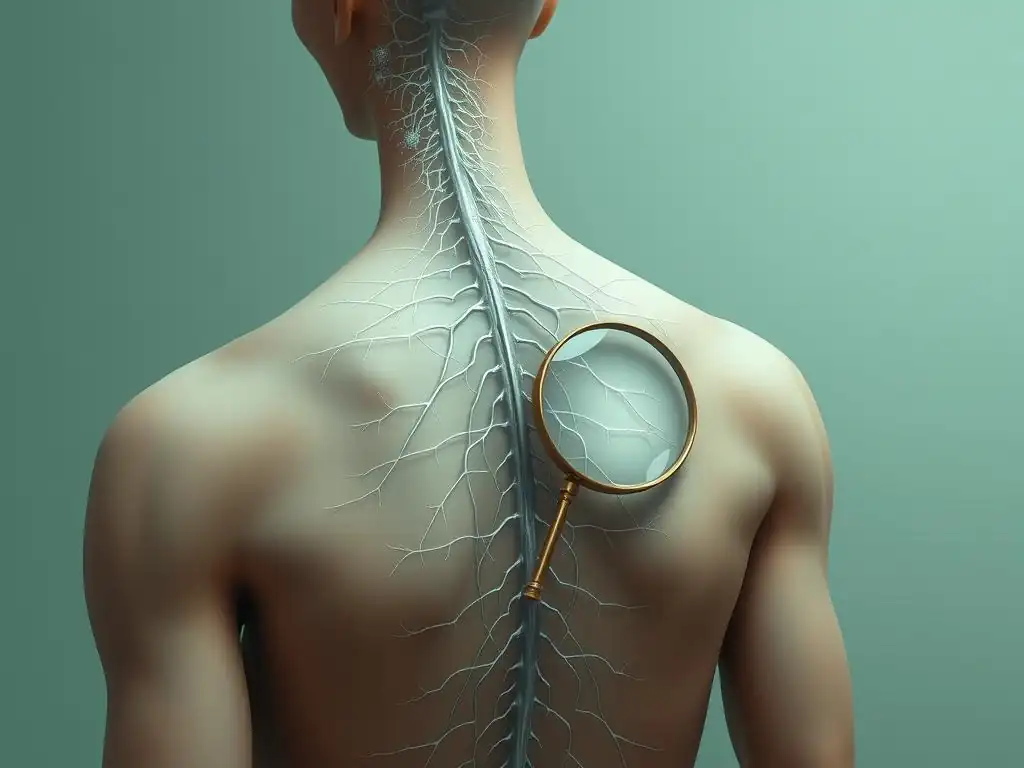
Nervous Disorders as a Medical Explanation for Emotional Distress
A prominent feature of the medical explanations for mental illness during the Enlightenment was the increasing focus on the nervous system. Building on advances in anatomy and physiology, physicians began to attribute a wide range of physical and mental symptoms to disorders of the "nerves." Conditions like anxiety, depression (often termed "melancholy"), hysteria, and hypochondriasis were frequently categorized as "nervous disorders" or "neuroses."
This concept provided a seemingly scientific framework for understanding conditions that didn't present with clear physical lesions or fevers. It was theorized that the nerves, seen as delicate fibers transmitting sensations and impulses throughout the body, could become overstimulated, depleted, or otherwise disordered, leading to a cascade of physical and emotional symptoms. This focus on the nervous system offered a compelling, physically-rooted explanation for conditions previously attributed to humors, passions, or external forces, solidifying the medical explanations for mental illness in Enlightenment thought.
The Influence of the "Nervous Temperament" on Perceptions of Mental Illness
The concept of "nervous disorders" also contributed to the idea of a "nervous temperament" or "nervous constitution." This suggested that some individuals were inherently more susceptible to developing nervous afflictions due to their biological makeup. This temperament was often associated with sensitivity, intelligence, and refinement, particularly among the upper classes. While this classification could sometimes lead to a more empathetic view of the afflicted person (as suffering from a physical vulnerability rather than a moral failing), it also reinforced societal norms and could pathologize natural variations in personality or emotional responsiveness.
The idea of a nervous temperament became a popular explanation for a wide range of human experiences, from irritability to profound melancholy. It was discussed in medical treatises and popular literature alike, shaping public perception of mental and emotional distress through a medical lens. The concept of the nervous temperament, rooted in the emerging understanding of the nervous system, became a significant part of the medical explanations for mental illness during the Enlightenment and beyond, influencing diagnostic categories and treatment approaches for centuries.
The Limitations and Criticisms of Early Medical Explanations
Despite the growing prominence of medical explanations for mental illness during the Enlightenment, older moral and social interpretations did not simply vanish. Many physicians and the general public continued to view mental illness through a lens of character, willpower, and social conformity. Behaviors deemed disruptive or non-conforming were still often judged morally, even when a medical label was applied.
For instance, while melancholia might be classified as a nervous disorder, it could still be seen as exacerbated by idleness or excessive introspection, implying a degree of personal responsibility. Similarly, institutional practices, even under "Moral Treatment," often relied on discipline and control, reflecting a belief that patients needed to be trained back into rational behavior, which blended medical and moralizing approaches. The complete shift to a purely biological model was far from complete, and the interplay between medical, moral, and social explanations remained complex during this period.
The Lack of Effective Treatments and the Challenges of Diagnosis
A major limitation of the early medical explanations for mental illness during the Enlightenment was the severe lack of truly effective treatments based on these theories. While physicians proposed various interventions – bleeding, purging, cold baths, mechanical restraint devices like the tranquilizer chair, and later, sedatives like opium – these treatments were often based on speculative physiological theories (like imbalances in blood flow or nervous energy) rather than evidence of efficacy. Many treatments were invasive, uncomfortable, and potentially harmful, doing little to alleviate the underlying suffering of patients.
Furthermore, the diagnostic categories developed by figures like Pinel and Rush, while representing a step towards systematic classification, were still rudimentary and often based on superficial symptom descriptions rather than identified biological causes. The technology to investigate the brain and nervous system was extremely limited. Without a deeper understanding of neurobiology, the medical explanations remained largely theoretical and failed to translate into reliably effective therapies, highlighting the significant challenges faced by those attempting to medicalize mental illness in this era.
The Legacy of the Enlightenment's Medicalization of Mental Illness
Laying the Foundation for Modern Psychiatry
The most enduring legacy of the Enlightenment's push for medical explanations for mental illness is the establishment of mental illness as a legitimate subject for medical inquiry and intervention. By arguing that mental disorders had physical causes residing within the body, Enlightenment thinkers and physicians moved these conditions out of the exclusive domain of theology and morality and into the realm of science. This fundamental shift was crucial for the eventual development of psychiatry as a medical specialty.
The systematic observation, classification attempts, and focus on the brain and nervous system, pioneered by figures like Cullen, Pinel, and Rush, laid the conceptual and methodological groundwork for future psychiatric research. The establishment of specialized asylums, despite their flaws, created spaces where mental illness could be studied, however imperfectly, contributing to a growing body of clinical knowledge. The Enlightenment's commitment to reason and empirical investigation provided the intellectual framework upon which modern biological psychiatry would eventually be built, recognizing mental illness as a health condition requiring medical attention.
While the Enlightenment firmly placed mental illness within the medical domain, the debate about its ultimate causes and the most effective treatments continues to this day. The emphasis on medical explanations for mental illness during the Enlightenment initiated a long-standing tension between purely biological models and those that incorporate psychological, social, and environmental factors. While modern psychiatry heavily relies on neurobiology, genetics, and psychopharmacology (a direct descendant of the Enlightenment's medical focus), it also recognizes the crucial role of psychological therapies, social support, and environmental influences.
The Enlightenment's legacy is not a monolithic biological view, but rather the medicalization of the field – bringing it under the purview of medicine. The subsequent history of mental health has seen swings between dominant biological explanations and those emphasizing psychological or social factors. Today, a more integrated approach, often termed the biopsychosocial model, attempts to synthesize these different perspectives, recognizing that mental health is influenced by a complex interplay of biological predispositions, psychological experiences, and social circumstances. The foundational step of considering mental illness as a medical issue, however, was decisively taken during the Enlightenment.
Conclusion: Reflecting on the Enlightenment's Impact on Mental Health Understanding
The Enduring Influence of Medical Explanations
The Enlightenment marked a pivotal turning point in the understanding of mental illness. The radical shift from predominantly supernatural, moral, or religious interpretations to a focus on physical, biological causes fundamentally altered the trajectory of how societies perceived and responded to mental distress. This era championed the application of reason, observation, and scientific inquiry to the human condition, leading to the hypothesis that disorders of the mind were, in fact, disorders of the body, particularly the brain and nervous system.
Figures like Cullen, Pinel, and Rush were instrumental in advocating for and developing these early medical explanations for mental illness. Their work, though limited by the scientific knowledge of their time, legitimized mental illness as a subject for medical study and treatment. The establishment of asylums, evolving into sites of observation, further supported this medicalizing trend. The concept of "nervous disorders" became a prevalent framework for understanding a wide range of psychological and emotional difficulties, firmly embedding the idea of a physical basis for mental suffering in the public consciousness.
A Shift Towards Biological Understanding: Progress and Persistent Challenges
The Enlightenment's embrace of medical explanations for mental illness represented significant intellectual progress, laying the essential groundwork for the eventual development of modern psychiatry. It moved away from punitive or superstitious approaches towards a framework that, at least in principle, saw mental illness as an affliction requiring medical care. This shift was foundational and irreversible, changing the conversation about madness from one of sin or spirits to one of physiology and pathology.
However, this era also highlights persistent challenges. The early medical explanations were often speculative and lacked effective treatments, sometimes leading to harmful interventions. The complete disentanglement from moral and social judgments was not achieved. The Enlightenment initiated a long and complex journey in understanding mental health, one that continues to grapple with the intricate relationship between the biological, psychological, and social dimensions of human experience. The legacy of the Enlightenment's medicalization is a field that continues to seek empirical understanding while striving for effective, humane, and holistic care.
Frequently Asked Questions
What was the general understanding of mental illness before the Enlightenment?
Before the Enlightenment, mental illness was often attributed to supernatural causes such as demonic possession or moral failings, rather than medical conditions. Treatment methods often involved religious rituals or punitive measures.
How did the Enlightenment contribute to the shift in understanding mental illness?
The Enlightenment emphasized reason and scientific observation, leading to a growing belief that mental illnesses had physical or biological causes. This spurred exploration into anatomy, physiology, and the brain.
What were some of the early medical explanations for mental illness during the Enlightenment?
Early medical explanations included imbalances in the bodily humors (blood, phlegm, yellow bile, black bile) and nervous system dysfunctions. These explanations, though primitive by today's standards, represented a departure from supernatural beliefs.
What impact did this shift have on the treatment of individuals with mental illness?
The rise of medical explanations led to the development of asylums and other institutions intended to provide care, albeit often in harsh conditions. The focus shifted from punishment to attempted medical interventions, however misguided.
Why is it important to understand the historical context of mental illness during the Enlightenment?
Understanding this history allows us to appreciate the progress made in mental health understanding and treatment. It also highlights the dangers of stigma and the importance of evidence-based approaches over supernatural or moralistic interpretations.
Final Reflection: Unraveling the Mind: Then, Now, and Beyond
The Enlightenment's quest to understand mental illness through a medical lens, while revolutionary for its time, continues to shape our understanding of the mind today. The legacy of this period—both its advancements and its limitations—remains profoundly relevant in our ongoing struggle to effectively diagnose, treat, and destigmatize mental health conditions. We must acknowledge the progress made while remaining vigilant against the potential for reductionism and the perpetuation of harmful biases.
The shift from supernatural explanations to biological and psychological ones was a monumental leap, yet it also laid the groundwork for future debates about the nature of mental illness. The very act of seeking medical explanations, while sometimes leading to misinterpretations and even harm, fundamentally altered the way society viewed and treated those struggling with mental health challenges. The history of mental illness is not simply a history of disease, but also a history of how societies have understood and responded to suffering.
This quote highlights the complex interplay between medical advancements and societal attitudes, a dynamic that continues to unfold today.
Consider the implications of this historical narrative in your own life. How do you perceive mental illness? What role do medical explanations play in your understanding? Let this exploration of the Enlightenment's influence inspire you to engage critically with current discussions surrounding mental health, to advocate for compassionate and evidence-based care, and to challenge the stigma that still surrounds these conditions. The journey towards a more complete understanding of the human mind is far from over, and your active participation is crucial.
Unlock the Mind's History: Explore the Enlightenment's Impact
Thanks for delving into the fascinating evolution of understanding mental illness during the Enlightenment! You've gained valuable insights into a pivotal period in history. Now, let's build on that knowledge:
- Dive deeper: Research a specific figure or theory mentioned in the article. See how their ideas influenced modern approaches to mental health. This could be a great starting point for further learning!
- Share your thoughts: What surprised you most about the Enlightenment's approach to mental illness? Start a conversation in the comments below – let's discuss!
- Explore related eras: Consider researching the medical understanding of mental illness before or after the Enlightenment. How did societal shifts influence these changes?
What other historical periods do you think had a similarly transformative impact on our understanding of mental health?