
From Shell Shock to PTSD: War's Impact on Psychiatric Understanding

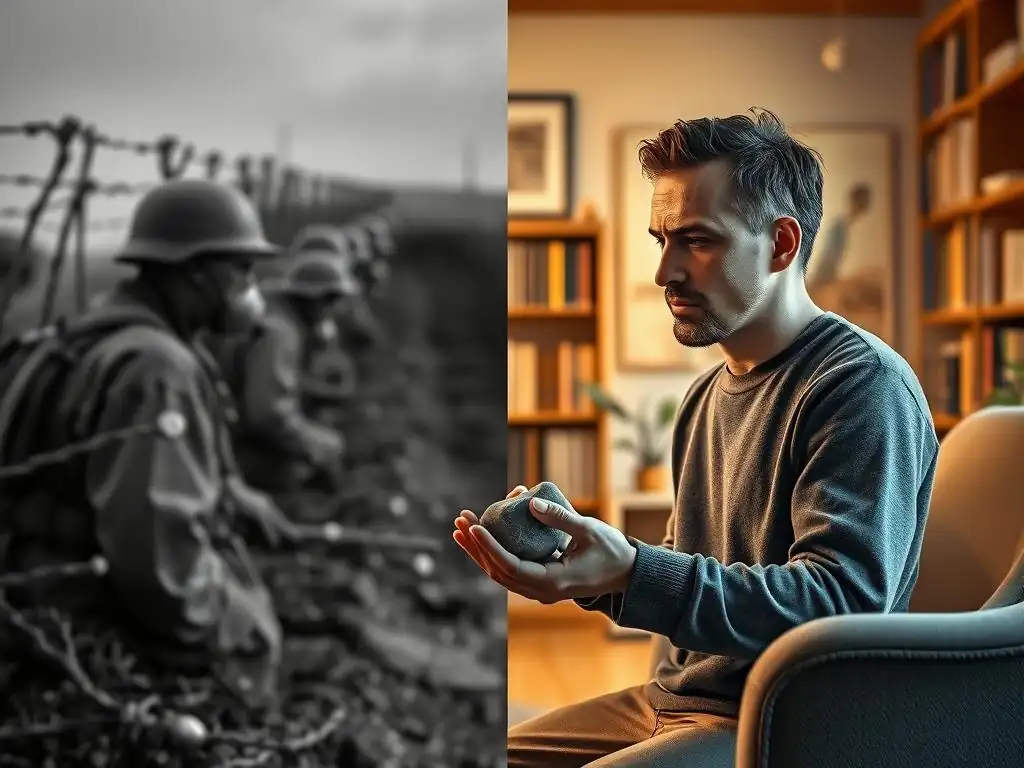
Welcome to Mind Care Guide, a sanctuary for understanding and nurturing your mental well-being. Have you ever wondered how the profound impact of war reshaped our understanding of mental health, leading to breakthroughs in PTSD treatment? This is where our journey begins. Dive into our exploration of "From Shell Shock to PTSD: War's Impact on Psychiatric Understanding," and discover the historical context behind today's posttraumatic stress disorder treatment options. Let's unravel the past to build a healthier future, together.
From Shell Shock to PTSD: War's Impact on Psychiatric Understanding
- Introduction: Tracing the Evolution of War-Related Trauma
- Shell Shock: The First World War and its Psychological Toll
- The Interwar Period: A Shift in Perspective on War Neurosis
- The Second World War: Advancements in Understanding Combat Stress
- The Vietnam War: A Turning Point for PTSD Recognition
- Posttraumatic Stress Disorder (PTSD): A Modern Understanding
- Posttraumatic Stress Disorder Treatment Options: A Comprehensive Overview
- The Ongoing Evolution of PTSD Research and Treatment
- Conclusion: A Legacy of Understanding and Healing
-
Frequently Asked Questions
- What are some common posttraumatic stress disorder treatment options available today?
- How has the understanding of PTSD evolved from terms like "shell shock"?
- What role does psychotherapy play in posttraumatic stress disorder treatment options?
- Are there any alternative or complementary posttraumatic stress disorder treatment options?
- Where can I find resources and support for posttraumatic stress disorder treatment options?
- Final Reflection: The Enduring Legacy of Trauma and the Path to Healing
- Unlock Your Understanding of PTSD: Take the Next Step
Understanding the Historical Context of Psychological Trauma in Warfare
Throughout history, soldiers have experienced profound psychological distress in response to the horrors of combat. Ancient texts describe warriors exhibiting symptoms that today we might recognize as trauma-related, such as nightmares, anxiety, and detachment after battle. However, these experiences were often attributed to moral failing, weakness of character, or even supernatural influences rather than a direct consequence of the psychological impact of warfare itself. Military cultures often emphasized resilience and stoicism, creating an environment where admitting psychological vulnerability was discouraged, leading to suffering in silence for countless individuals.
The systematic study and recognition of war-related psychological trauma as a medical issue is a relatively modern development. Prior to the 20th century, while symptoms were observed, they were not typically categorized or treated within a psychiatric framework focused on trauma exposure. Soldiers exhibiting distress might be disciplined, discharged for "cowardice," or institutionalized without a clear understanding of the underlying cause. The sheer scale and intensity of warfare in the 20th century, particularly World War I, forced a re-evaluation of these phenomena, paving the way for psychiatric understanding to evolve significantly.
The Purpose of this Guide: Exploring the Journey from Shell Shock to Modern PTSD Treatment
This guide traces the complex journey of understanding war-related psychological trauma, from the initial, often misunderstood, concept of "shell shock" during World War I to the formal diagnosis of Posttraumatic Stress Disorder (PTSD) recognized today. We will explore the shifts in psychiatric thought, the impact of different conflicts on diagnostic criteria, and the development of therapeutic approaches over the past century.
The evolution from dismissive attitudes and ineffective interventions to evidence-based Posttraumatic stress disorder treatment options reflects significant progress in both clinical understanding and societal awareness. By examining this historical trajectory, we gain valuable insight into how trauma affects the human mind and the ongoing efforts to provide effective care and support for those who have experienced the psychological wounds of war and other traumatic events. This historical perspective underscores the importance of continued research and accessible Posttraumatic stress disorder treatment options for all who need them.
Shell Shock: The First World War and its Psychological Toll
Defining Shell Shock: Symptoms, Causes, and Initial Misconceptions
"Shell shock" was a term coined during World War I to describe a range of psychiatric symptoms displayed by soldiers who had been exposed to intense shelling and trench warfare. Symptoms included:
- Tremors and shaking
- Paralysis or mutism
- Blindness or deafness (without physical injury)
- Nightmares and flashbacks
- Severe anxiety and panic attacks
- Confusion and disorientation
- Fatigue and exhaustion
Initially, many medical officers believed shell shock was a physical injury caused by the concussive force of exploding shells damaging the nervous system, hence the name. This "physicalist" view dominated early understanding, overlooking the profound psychological stress of constant danger, witnessing death, and the unbearable living conditions in the trenches. Soldiers exhibiting symptoms were often treated as if they had a physical ailment, or worse, accused of malingering or cowardice, reflecting the deep misconceptions of the time.
As the war progressed and the number of shell-shocked soldiers escalated dramatically – estimates suggest hundreds of thousands were affected across all armies – the physicalist explanation proved inadequate. Many soldiers suffered severe symptoms without direct exposure to shellfire, indicating a psychological rather than purely physical cause. Pioneering physicians like Charles Myers began to argue that the condition was a form of psychological trauma, a breakdown resulting from prolonged exposure to extreme stress and fear. This shift in understanding was slow and met with resistance, highlighting the prevailing lack of psychiatric insight into trauma's effects.
The social stigma attached to shell shock was immense and deeply damaging. In a culture that glorified military valor and stoicism, psychological breakdown was often perceived as a moral failure or a lack of courage. Soldiers returning with symptoms were sometimes met with suspicion, ridicule, or outright contempt from the public and even within the military hierarchy. This stigma prevented many from seeking help and exacerbated their suffering, leading to isolation and despair.
Military authorities often struggled to reconcile the traditional image of the brave soldier with the reality of shell shock. While some medical officers advocated for compassionate care, others favored harsh disciplinary measures, viewing shell-shocked soldiers as shirkers.
Courts-martial were held for soldiers exhibiting severe symptoms, and tragically, some were even executed for cowardice, a stark illustration of the failure to understand the psychological toll of combat. This punitive approach not only failed to treat the suffering but also reinforced the idea that psychological distress was something to be ashamed of, creating a lasting legacy of silence around military mental health issues that persisted for decades.
Early Treatments and Management of Shell Shock
Early approaches to treating shell shock were varied, often experimental, and sometimes harsh due to the lack of understanding of the condition. Treatments ranged from "rest cures" away from the front lines to more extreme measures. Some soldiers were given electric shock therapy, sometimes applied in a punitive manner to "shock" them out of their symptoms, a practice that was often ineffective and traumatizing. Others underwent forms of hydrotherapy or massage.
As the understanding began to shift towards a psychological basis, early forms of talk therapy emerged. Physicians like William Rivers used approaches resembling psychoanalysis, encouraging soldiers to talk about their experiences and process their trauma. While these methods were more humane and sometimes beneficial, there was no standardized approach, and effective Posttraumatic stress disorder treatment options as we know them today did not exist. Many soldiers received inadequate care, and their symptoms persisted long after the war ended, leaving a generation grappling with the invisible wounds of conflict without sufficient support or effective interventions.
The Interwar Period: A Shift in Perspective on War Neurosis
The Lasting Effects of WWI on Mental Health Care
World War I had a profound and lasting impact on mental health care, despite the initial confusion and stigma surrounding shell shock. The sheer volume of affected soldiers forced psychiatric issues onto the public and medical agenda in an unprecedented way. While effective treatments were still nascent, the war highlighted the vulnerability of individuals, even seemingly strong ones, to extreme psychological stress. This led to increased, albeit still limited, funding and attention for psychiatric research and services.
The experience of WWI also spurred some development in psychiatric hospitals and clinics dedicated to treating veterans. Physicians who had worked with shell-shocked soldiers gained invaluable, though often difficult, experience, which began to inform psychiatric theory and practice. The war demonstrated that mental health issues were not confined to those with pre-existing vulnerabilities but could be induced by external, traumatic events, laying groundwork for the concept of a stress-induced disorder like PTSD, though it would take many more decades to formalize.
Emergence of New Theories on Trauma and its Impact on Soldiers
Following WWI, psychiatric thought began to move away from purely biological or purely psychoanalytic explanations for war-related psychological distress. The concept of "war neurosis" became a more widely accepted term, encompassing a range of symptoms beyond the physical manifestations initially associated with shell shock. Theorists began to explore the role of psychological factors such as fear, loss, separation, and the disruption of identity caused by combat.
Psychoanalytic perspectives, particularly influenced by figures like Sigmund Freud, who wrote about trauma and repetition compulsion, contributed to understanding how traumatic memories might be repressed and later resurface. However, these theories often lacked practical applications for treating large numbers of affected veterans. Simultaneously, early behavioral psychology began to consider how fear responses could be learned and unlearned. This period saw a gradual accumulation of clinical observations and theoretical frameworks that, while not yet cohesive, chipped away at the older, dismissive attitudes towards war-related psychological suffering.
Despite the emerging theories, the interwar period remained challenging for diagnosing and treating war-related psychological issues. There was no standardized diagnostic manual or set of criteria, leading to inconsistent diagnoses and difficulties in comparing research findings. Veterans often presented with a complex mix of symptoms, including anxiety, depression, substance use, and physical complaints, making differential diagnosis difficult.
Treatment options were still limited and often based on individual clinician preferences rather than empirical evidence. Access to care was also a major barrier. Many veterans returned to communities with limited mental health resources, and the lingering stigma from the war years made seeking help difficult. The economic hardships of the Great Depression further strained resources. Consequently, a significant number of WWI veterans continued to suffer from chronic psychological distress, highlighting the urgent need for more effective diagnostic frameworks and accessible Posttraumatic stress disorder treatment options.
The Second World War: Advancements in Understanding Combat Stress

Combat Fatigue and its Manifestations in WWII Soldiers
World War II saw a resurgence of war-related psychological casualties, initially referred to by various terms like "combat exhaustion," "battle fatigue," or "operational fatigue." These terms reflected a growing understanding that the condition was a result of the cumulative stress of combat rather than a physical injury or a moral failing. Symptoms were similar to those seen in WWI shell shock but were often described with more psychiatric precision:
- Intense anxiety and hypervigilance
- Irritability and aggression
- Difficulty sleeping and nightmares
- Memory and concentration problems
- Emotional numbness or withdrawal
- Physical symptoms like rapid heart rate or trembling
The sheer scale of WWII meant that military psychiatrists were deployed in large numbers, gaining extensive experience in observing and treating combat stress reactions in real-time. They noted that the condition was widespread and affected soldiers from all backgrounds, reinforcing the idea that it was a normal, albeit extreme, reaction to abnormal circumstances. Estimates suggest that hundreds of thousands of soldiers across Allied and Axis forces experienced significant combat stress reactions.
The Development of Brief Psychiatric Interventions on the Front Lines
A key advancement during WWII was the development of "forward psychiatry." Recognizing that removing soldiers far from the front lines often made their return to duty more difficult and strained resources, military psychiatrists established treatment centers closer to the combat zone. The principle was to provide immediate, brief intervention with the expectation of a quick return to their units.
These interventions typically involved:
- Proximity: Treatment near the front.
- Immediacy: Intervention as soon as symptoms appeared.
- Expectancy: The clear message that the soldier was expected to recover and return to duty.
Treatment often consisted of rest, food, sleep, and brief, supportive psychotherapy focusing on the soldier's experiences and emotions. While not always successful, this model proved effective for many soldiers with acute combat stress reactions, preventing the development of more chronic conditions. It represented a significant step forward in recognizing the importance of timely intervention and environmental factors in treating war-related psychological distress, influencing future approaches to trauma care.
Lessons Learned from WWII: Refining Diagnostic Criteria
The extensive experience with combat stress in WWII led to valuable lessons that helped refine the understanding of trauma-related disorders. Military psychiatrists observed that while some soldiers recovered quickly with brief interventions, others developed more persistent and severe symptoms, particularly if their stress reactions were ignored or if they had repeated exposures to traumatic events.
The war highlighted the spectrum of responses to trauma, from acute, transient reactions to chronic, debilitating conditions. It reinforced the idea that individual vulnerability played a role, but that the traumatic experience itself was the primary catalyst. These observations contributed to the growing body of knowledge about the nature of psychological trauma and helped pave the way for the development of more specific diagnostic criteria in the post-war era. The term "combat stress reaction" became a more clinical descriptor, moving further away from the physicalist notions of shell shock and emphasizing the psychological impact of warfare.
The Vietnam War: A Turning Point for PTSD Recognition
The Unique Psychological Challenges Faced by Vietnam Veterans
The Vietnam War presented a unique set of psychological challenges for servicemen and women, contributing significantly to the eventual recognition of PTSD. Unlike previous wars with clear front lines and periods of rest, Vietnam often involved guerrilla warfare, unpredictable attacks, and prolonged exposure to danger in a complex, unconventional environment. Soldiers faced moral dilemmas, witnessed atrocities, and experienced a lack of clear objectives or traditional victory, which complicated their ability to process their experiences.
Furthermore, many veterans returned home not to ticker-tape parades but to a society divided and often hostile towards the war and its participants. This lack of societal support, combined with the difficulty of integrating back into civilian life after experiencing such intense and prolonged stress, exacerbated psychological distress. Symptoms often appeared or worsened years after returning home, a phenomenon known as delayed-onset trauma, challenging the previous assumption that war-related psychological issues were primarily acute reactions.
The Rise of Advocacy Groups and their Impact on Mental Health Awareness
The difficulties faced by Vietnam veterans upon their return, including high rates of unemployment, homelessness, substance abuse, and mental health issues, led to the formation of powerful veteran advocacy groups. Organizations like Vietnam Veterans of America played a crucial role in bringing the psychological suffering of veterans to public attention. They shared their stories, lobbied politicians, and pushed for better recognition and treatment of their war-related psychological problems.
These groups challenged the prevailing psychiatric classifications of the time, which didn't adequately capture the constellation of symptoms experienced by veterans – the persistent nightmares, flashbacks, emotional numbing, and difficulty with relationships. Their advocacy was instrumental in highlighting the shortcomings of existing diagnostic categories and creating pressure for the psychiatric community to develop a more accurate and comprehensive diagnosis for the long-term effects of trauma.
Formalizing the Diagnosis: The Introduction of Posttraumatic Stress Disorder (PTSD)
The intense advocacy by Vietnam veterans and growing research into trauma's effects culminated in a landmark moment in psychiatric history: the introduction of Posttraumatic Stress Disorder (PTSD) as a formal diagnosis in the third edition of the Diagnostic and Statistical Manual of Mental Disorders (DSM-III) in 1980. This was a pivotal shift, recognizing that severe psychological symptoms could develop after exposure to a traumatic event, regardless of the individual's pre-existing personality or presumed weakness.
The DSM-III criteria for PTSD included symptoms like re-experiencing the trauma, avoidance of reminders, and increased arousal. This formal diagnosis provided a common language for clinicians and researchers, validated the experiences of trauma survivors (not just veterans, but also survivors of other traumas like assault, accidents, and natural disasters), and spurred significant research into the prevalence, nature, and Posttraumatic stress disorder treatment options. It marked the culmination of decades of evolving understanding, moving definitively from "shell shock" and "combat fatigue" to a diagnosis based on the traumatic event itself.
Posttraumatic Stress Disorder (PTSD): A Modern Understanding
Defining PTSD: Diagnostic Criteria and Key Symptoms
Posttraumatic Stress Disorder (PTSD) is a psychiatric disorder that can occur in people who have experienced or witnessed a traumatic event such as a natural disaster, a serious accident, a terrorist act, war/combat, or rape or who have been threatened with death, serious injury, or sexual violence. According to the DSM-5, a diagnosis of PTSD requires exposure to actual or threatened death, serious injury, or sexual violence, and the presence of symptoms from four main clusters:
- Intrusion Symptoms: Recurrent, involuntary, and intrusive distressing memories of the traumatic event; recurrent distressing dreams related to the event; dissociative reactions (e.g., flashbacks) where the individual feels or acts as if the traumatic event were recurring; intense or prolonged psychological distress or marked physiological reactions upon exposure to internal or external cues that symbolize or resemble an aspect of the traumatic event.
- Avoidance Symptoms: Persistent avoidance of distressing memories, thoughts, or feelings about or closely associated with the traumatic event; persistent avoidance of external reminders (people, places, conversations, activities, objects, situations) that arouse distressing memories, thoughts, or feelings about or closely associated with the traumatic event.
- Negative Alterations in Cognitions and Mood: Inability to remember an important aspect of the traumatic event; persistent and exaggerated negative beliefs or expectations about oneself, others, or the world; persistent distorted cognitions about the cause or consequences of the traumatic event; persistent negative emotional state; markedly diminished interest or participation in significant activities; feelings of detachment or estrangement from others; persistent inability to experience positive emotions.
- Alterations in Arousal and Reactivity: Irritable behavior and angry outbursts; reckless or self-destructive behavior; hypervigilance; exaggerated startle response; problems with concentration; sleep disturbance.
These symptoms must last for more than one month, cause clinically significant distress or impairment in social, occupational, or other important areas of functioning, and not be attributable to the effects of a substance or another medical condition. Understanding these specific criteria is fundamental to accurate diagnosis and selecting appropriate Posttraumatic stress disorder treatment options.
The Neurobiology of PTSD: Understanding the Brain's Response to Trauma
Modern research has shed light on the complex neurobiological changes associated with PTSD, moving beyond purely psychological explanations. Studies using neuroimaging techniques like fMRI have shown that trauma can alter the structure and function of key brain regions involved in fear processing, memory, and emotional regulation.
Specifically, individuals with PTSD often show:
- Increased activity in the amygdala: This area is involved in processing fear and emotional responses. The amygdala in someone with PTSD may be hyper-responsive to perceived threats, leading to exaggerated fear and startle responses.
- Decreased activity in the medial prefrontal cortex (mPFC): This region is involved in regulating emotions and inhibiting the amygdala. Reduced activity here may impair the ability to control fear responses and process traumatic memories effectively.
- Changes in the hippocampus: This area is crucial for memory formation and context processing. In PTSD, the hippocampus may be smaller or less active, potentially contributing to difficulties distinguishing between past trauma and present safety, leading to intrusive memories and flashbacks.
Furthermore, research indicates that trauma can affect stress hormone systems, such as the hypothalamic-pituitary-adrenal (HPA) axis, leading to dysregulation of cortisol and other stress hormones. Understanding these neurobiological underpinnings helps explain the persistent nature of PTSD symptoms and informs the development of pharmacological and psychotherapeutic Posttraumatic stress disorder treatment options aimed at modulating these brain circuits and chemical imbalances.
Comorbidity: Co-occurring Mental Health Conditions with PTSD
It is very common for individuals with PTSD to experience other mental health conditions simultaneously, a phenomenon known as comorbidity. These co-occurring conditions can complicate diagnosis and treatment, often exacerbating PTSD symptoms and reducing overall quality of life. Recognizing and addressing comorbidity is a critical aspect of providing comprehensive Posttraumatic stress disorder treatment options.
Some of the most frequently co-occurring conditions include:
- Depression: Affecting a significant majority of individuals with PTSD, often characterized by persistent sadness, loss of interest, and fatigue.
- Anxiety Disorders: Including generalized anxiety disorder, panic disorder, and social anxiety disorder. Hypervigilance and exaggerated startle responses in PTSD can overlap with or worsen anxiety symptoms.
- Substance Use Disorders: Many individuals with PTSD may turn to alcohol or drugs to self-medicate their distressing symptoms, leading to addiction. Studies show a high prevalence of substance use disorders among veterans and other trauma survivors with PTSD.
- Dissociative Disorders: Including depersonalization and derealization, where individuals feel detached from themselves or their surroundings, often as a coping mechanism during overwhelming trauma.
- Sleep Disorders: Insomnia, nightmares, and other sleep disturbances are core features of PTSD and often require specific intervention.
Addressing these co-occurring conditions requires an integrated treatment approach that considers the interaction between PTSD and other diagnoses. Effective Posttraumatic stress disorder treatment options often need to be tailored to address the most pressing symptoms or conditions first, while always keeping the underlying trauma at the core of the treatment plan.
Posttraumatic Stress Disorder Treatment Options: A Comprehensive Overview

Effective Posttraumatic stress disorder treatment options have advanced significantly since the days of shell shock. Today, a range of evidence-based therapies and medications are available, often used in combination, to help individuals manage symptoms, process trauma, and regain control of their lives. The goal of Posttraumatic stress disorder treatment options is not necessarily to erase the memory of the trauma but to reduce the power it holds over the individual's life and improve daily functioning.
Psychotherapy for PTSD: Evidence-Based Approaches
Psychotherapy, or talk therapy, is considered a first-line treatment for PTSD. Several specific types of therapy have strong empirical support for their effectiveness in reducing PTSD symptoms. These therapies help individuals process the traumatic experience, challenge negative thoughts and beliefs related to the trauma, and develop coping skills. Access to qualified therapists offering these Posttraumatic stress disorder treatment options is crucial for recovery.
Cognitive Behavioral Therapy (CBT) for PTSD
Cognitive Behavioral Therapy (CBT) is an umbrella term for several types of therapy that focus on the relationship between thoughts, feelings, and behaviors. For PTSD, specific CBT approaches are highly effective Posttraumatic stress disorder treatment options. These therapies typically involve psychoeducation about trauma and PTSD, relaxation techniques, and strategies for managing distressing thoughts and feelings.
Two prominent forms of CBT used for PTSD are:
- Prolonged Exposure (PE) Therapy: This therapy involves gradually confronting trauma-related memories, feelings, and situations that have been avoided. This is done through "in vivo" exposure (safely approaching feared situations or objects) and "imaginal" exposure (repeatedly recounting the trauma memory aloud). The goal is to help the individual process the memory and reduce the power of trauma reminders.
- Cognitive Processing Therapy (CPT): CPT focuses on identifying and challenging unhelpful thoughts and beliefs ("stuck points") about the trauma, oneself, others, and the world. It helps individuals reframe their understanding of the trauma and its impact, reducing negative emotions like guilt and shame.
Both PE and CPT are highly recommended Posttraumatic stress disorder treatment options and have demonstrated significant symptom reduction in numerous studies.
Eye Movement Desensitization and Reprocessing (EMDR) Therapy
Eye Movement Desensitization and Reprocessing (EMDR) is another evidence-based psychotherapy used to treat PTSD. It involves recalling distressing images or memories while simultaneously engaging in bilateral stimulation, such as eye movements, taps, or tones. The theory is that this process helps the brain reprocess the traumatic memory, making it less emotionally charged.
EMDR therapy typically involves several phases, including history taking, preparation, assessment, desensitization, installation of positive beliefs, body scan, closure, and re-evaluation. While the exact mechanism is still debated, studies have shown EMDR to be effective in reducing the intensity of distressing trauma-related memories and associated symptoms. It is recognized by major health organizations as a valid Posttraumatic stress disorder treatment option.
Trauma-Focused Cognitive Behavioral Therapy (TF-CBT)
Trauma-Focused Cognitive Behavioral Therapy (TF-CBT) is a specific type of CBT developed primarily for children and adolescents who have experienced trauma, though it is also used with adults. It is a structured, components-based treatment model that incorporates trauma-sensitive interventions with cognitive and behavioral techniques.
Key components of TF-CBT include:
- Psychoeducation and Parenting Skills
- Relaxation Techniques
- Affect Regulation Skills
- Cognitive Processing of the trauma
- Trauma Narrative development and processing
- In Vivo Exposure (gradual exposure to trauma reminders)
- Conjoint Parent/Child Sessions (if applicable)
- Enhancing Safety and Future Planning
TF-CBT is a highly effective Posttraumatic stress disorder treatment option for younger populations, addressing the unique developmental considerations in trauma recovery and involving caregivers where appropriate.
Medication for PTSD: Managing Symptoms and Improving Functioning
Medication can be an important part of Posttraumatic stress disorder treatment options, particularly for managing specific symptoms like severe anxiety, depression, or sleep problems. While medication does not cure PTSD, it can significantly reduce symptom intensity, making it easier for individuals to engage in psychotherapy and improve their daily functioning.
Selective Serotonin Reuptake Inhibitors (SSRIs)
Selective Serotonin Reuptake Inhibitors (SSRIs) are the most commonly prescribed class of medications for PTSD and are considered first-line pharmacological Posttraumatic stress disorder treatment options. They work by increasing the levels of serotonin, a neurotransmitter in the brain that affects mood and anxiety.
SSRIs that have demonstrated effectiveness for PTSD include:
- Sertraline (Zoloft)
- Paroxetine (Paxil)
Fluoxetine (Prozac)
Citalopram (Celexa)
These medications can help reduce the frequency and intensity of intrusive thoughts and flashbacks, decrease avoidance behaviors, and improve mood and irritability. It's important to note that it may take several weeks for SSRIs to have a noticeable effect, and dosage adjustments may be needed.
Serotonin-Norepinephrine Reuptake Inhibitors (SNRIs)
Serotonin-Norepinephrine Reuptake Inhibitors (SNRIs) are another class of antidepressants that can be effective Posttraumatic stress disorder treatment options. They work by increasing levels of both serotonin and norepinephrine in the brain, which are also involved in mood, anxiety, and the stress response.
Venlafaxine (Effexor) is an SNRI that has shown efficacy in treating PTSD symptoms. Like SSRIs, SNRIs can help manage anxiety, depression, and hyperarousal symptoms associated with PTSD. Medication decisions are typically made in consultation with a psychiatrist or other prescribing physician, taking into account the individual's specific symptoms, medical history, and potential side effects.
Alternative and Complementary Therapies for PTSD: Exploring Additional Options
In addition to evidence-based psychotherapy and medication, various alternative and complementary therapies can support recovery and enhance well-being for individuals with PTSD. While not typically used as standalone Posttraumatic stress disorder treatment options for the core symptoms, they can be valuable additions to a comprehensive treatment plan, helping manage stress, improve coping, and promote relaxation.
Mindfulness and Meditation
Mindfulness and meditation practices teach individuals to focus on the present moment without judgment. For those with PTSD, who may be haunted by past trauma or anxious about the future, cultivating mindfulness can help reduce rumination, manage distressing thoughts and emotions, and increase a sense of calm.
Regular meditation practice has been shown to potentially impact brain areas involved in emotional regulation and stress response. Mindfulness-based interventions, such as Mindfulness-Based Stress Reduction (MBSR), can be helpful in reducing anxiety, depression, and even some hyperarousal symptoms associated with PTSD. These practices empower individuals with tools to manage their internal experiences.
Yoga and Exercise
Physical activity, including yoga and other forms of exercise, can be beneficial for individuals with PTSD. Trauma can manifest physically, leading to chronic tension and a feeling of being "stuck" in the body's stress response. Yoga, with its emphasis on breathwork, postures, and mindful movement, can help release physical tension, improve body awareness, and promote relaxation.
Aerobic exercise has also been shown to reduce anxiety and depression symptoms, improve sleep, and release endorphins, which can have mood-boosting effects. Engaging in regular physical activity provides a healthy outlet for stress and energy, complementing other Posttraumatic stress disorder treatment options by improving overall physical and mental well-being.
Art Therapy
Art therapy provides a non-verbal way for individuals to express and process difficult emotions and experiences related to trauma. For those who struggle to talk about their trauma, creating art (drawing, painting, sculpting, etc.) can offer a safe avenue for externalizing internal distress.
A trained art therapist can guide individuals in exploring the meanings behind their creations, helping them gain insight into their trauma and its impact. This form of therapy can be particularly helpful in processing traumatic memories, reducing emotional numbing, and fostering a sense of self-expression and control. Art therapy can be a valuable adjunct to traditional Posttraumatic stress disorder treatment options, especially for those who find verbal processing challenging.
The Ongoing Evolution of PTSD Research and Treatment
Emerging Therapies and Future Directions in PTSD Care
Research into PTSD continues to evolve, leading to the exploration of new and innovative Posttraumatic stress disorder treatment options. Scientists are investigating novel pharmacological agents that target specific neurotransmitter systems or hormonal pathways implicated in PTSD. For example, research is ongoing into the potential use of medications like prazosin (an alpha-blocker) for trauma-related nightmares, or even novel compounds like MDMA or psilocybin in controlled, therapeutic settings to enhance the effectiveness of psychotherapy in processing trauma, though these are still largely experimental and not widely available clinical Posttraumatic stress disorder treatment options.
Furthermore, technology is playing an increasing role. Virtual reality (VR) exposure therapy is being developed and tested, offering a way to safely and gradually expose individuals to simulations of their traumatic environment under clinical guidance. Internet-based and mobile health applications are also being explored to improve access to evidence-based therapies and provide support tools for symptom management. The future of Posttraumatic stress disorder treatment options is likely to involve a blend of refined existing therapies, targeted pharmacological interventions, and technology-assisted approaches.
Addressing the Needs of Specific Populations: Veterans, Civilians, and First Responders
While PTSD criteria are universal, the experience of trauma and the pathways to recovery can differ based on the population affected. Veterans often face unique challenges related to military culture, deployment experiences, and transition back to civilian life. First responders (police, firefighters, paramedics) have repeated exposures to potentially traumatic events as part of their profession, leading to cumulative stress and unique occupational challenges. Civilians can experience trauma from diverse sources like accidents, violence, or natural disasters.
Developing Posttraumatic stress disorder treatment options that are sensitive to the specific contexts and cultures of these different groups is crucial. This includes providing trauma-informed care within military and first responder organizations, tailoring therapy content to specific types of trauma (e.g., combat trauma vs. sexual assault trauma), and addressing systemic barriers to care that might affect certain populations more than others, such as geographical access or financial constraints. Tailored support and understanding are key to effective treatment delivery.
Reducing Stigma and Improving Access to Mental Health Services for Trauma Survivors
Despite significant progress since the days of shell shock, stigma surrounding mental health, particularly PTSD, remains a barrier for many individuals seeking help. The historical narrative of shame and weakness associated with psychological distress persists in some communities and institutions. Reducing this stigma requires ongoing education, public awareness campaigns, and visible support from leaders and peers.
Improving access to evidence-based Posttraumatic stress disorder treatment options is equally critical. This involves increasing the number of trained mental health professionals, particularly in underserved areas, integrating mental health care into primary care settings, and advocating for policies that ensure adequate insurance coverage for trauma therapy and related services. Telehealth has shown promise in expanding access, particularly for those in rural areas or with mobility issues. Ensuring that anyone affected by trauma feels safe and supported in seeking and receiving the best available Posttraumatic stress disorder treatment options is a vital goal.
Conclusion: A Legacy of Understanding and Healing
The journey from the confused and often punitive response to "shell shock" in World War I to the sophisticated understanding and evidence-based Posttraumatic stress disorder treatment options available today represents a remarkable evolution in psychiatric understanding. We have moved from viewing psychological breakdown in war as a sign of moral failing to recognizing it as a complex disorder arising from the impact of overwhelming trauma on the human brain and mind.
This progress is a testament to the resilience of trauma survivors who shared their stories, the dedication of researchers and clinicians who sought to understand and heal, and the advocacy efforts that pushed for recognition and resources. While the scars of war and other traumas are deep, the development of effective Posttraumatic stress disorder treatment options offers hope and pathways to recovery that were unimaginable a century ago.
The Importance of Continued Research and Advocacy for PTSD Treatment
Despite the significant advancements, the work is far from over. Millions worldwide continue to suffer from PTSD, both from war and other traumatic experiences. Continued research is essential to deepen our understanding of the neurobiological, psychological, and social factors contributing to PTSD and to develop even more effective and personalized Posttraumatic stress disorder treatment options.
Advocacy remains crucial to ensure that these treatments are accessible to everyone who needs them, regardless of their background, socioeconomic status, or the source of their trauma. Reducing stigma, improving mental health literacy, and ensuring robust funding for research and services are ongoing battles. The legacy of shell shock and PTSD underscores the vital importance of compassion, understanding, and persistent effort in addressing the psychological wounds of trauma.
Resources for Individuals Seeking Posttraumatic Stress Disorder Treatment Options and Support
If you or someone you know is struggling with symptoms of PTSD, it is important to remember that effective Posttraumatic stress disorder treatment options are available, and recovery is possible. Reaching out for help is a sign of strength. There are many resources available to provide support and guidance.
- Consult with a primary care physician who can provide a referral to a mental health professional.
- Contact local mental health services or community clinics.
- Explore resources provided by veteran affairs departments if applicable.
- Seek out national mental health organizations that offer information and helplines.
- Look for therapists specializing in trauma-informed care and evidence-based Posttraumatic stress disorder treatment options like CBT, EMDR, or TF-CBT.
Remember, you are not alone, and help is available. Finding the right support and the most appropriate Posttraumatic stress disorder treatment options can make a profound difference in healing and reclaiming your life.
Frequently Asked Questions
What are some common posttraumatic stress disorder treatment options available today?
Treatment options include psychotherapy, such as Cognitive Behavioral Therapy (CBT) and Eye Movement Desensitization and Reprocessing (EMDR), and medication, like antidepressants, to manage symptoms. Support groups can also be beneficial.
How has the understanding of PTSD evolved from terms like "shell shock"?
Historically, "shell shock" was a broad term; now, PTSD is a more specific diagnostic category focusing on the psychological impact of trauma. This reflects a greater understanding of the underlying neurological and psychological processes.
What role does psychotherapy play in posttraumatic stress disorder treatment options?
Psychotherapy, particularly trauma-focused therapies, helps individuals process traumatic memories, develop coping mechanisms, and reduce avoidance behaviors. It addresses the root causes and symptoms of PTSD.
Are there any alternative or complementary posttraumatic stress disorder treatment options?
While not a replacement for traditional treatments, some individuals find relief through mindfulness practices, yoga, or acupuncture. It's essential to discuss these options with a healthcare professional.
Where can I find resources and support for posttraumatic stress disorder treatment options?
Mind Care Guide offers comprehensive information and resources. Additionally, organizations like the National Center for PTSD and the Department of Veterans Affairs provide support and treatment options.
Final Reflection: The Enduring Legacy of Trauma and the Path to Healing
The understanding and treatment of trauma, specifically PTSD, have evolved dramatically, yet the core challenges remain strikingly similar to those faced by soldiers returning from the trenches of World War I. The enduring impact of war and other traumatic experiences continues to shape our understanding of mental health, demanding innovative and compassionate approaches to care. We must never forget the lessons learned from the past as we strive to improve the lives of those struggling today.
The journey from "shell shock" to PTSD represents not just a shift in terminology, but a profound evolution in our societal understanding of mental illness. The stigma surrounding trauma-related disorders, though lessened, still persists. This underscores the importance of continued research, education, and advocacy. As the poet W.B. Yeats wrote, Things fall apart; the centre cannot hold; / Mere anarchy is loosed upon the world.
This sentiment echoes the experience of many suffering from PTSD, highlighting the urgent need for comprehensive and accessible support systems.
The information presented in this article is not merely historical; it's a roadmap. You have the power to make a difference. Consider how you can contribute to a more compassionate and informed society, whether through supporting veterans' organizations, raising awareness about PTSD, or simply offering empathy and understanding to those who have experienced trauma. Let us move forward, armed with knowledge and empathy, to ensure that the lessons learned from the past pave the way for a future where healing and recovery are within reach for all.
Unlock Your Understanding of PTSD: Take the Next Step
Thank you for taking the time to explore the profound impact of war on psychiatric understanding. We hope you gained valuable insights into the evolution of our knowledge surrounding PTSD and its treatment. Now, let's turn this understanding into action.
- Deepen your knowledge: Explore resources from reputable organizations dedicated to PTSD research and support. This could involve searching for local support groups or online educational materials to further your learning.
- Share your insights: Discuss the article's key takeaways with friends or family. Open conversations can help reduce stigma and increase awareness surrounding mental health challenges for veterans and others.
- Consider volunteering: Research local organizations providing support to veterans and individuals affected by trauma. Even a small contribution of time can make a significant difference.
What specific action will you take today to improve your understanding of PTSD and contribute to a more supportive community?