
The Art of Winding Down: Sleep Hygiene Techniques for an Overactive Mind


Welcome to Mind Care Guide, a safe space dedicated to nurturing your mental well-being.
Struggling to quiet the racing thoughts that keep you up at night? We understand. Many find that anxiety casts a long shadow over their sleep. That's why we've created this guide exploring the powerful impact of sleep hygiene for anxiety. Discover simple, yet effective techniques to reclaim your nights and find the restful sleep you deserve. Ready to unlock the secrets to a calmer mind and a more peaceful slumber? Let's begin.
The Art of Winding Down: Sleep Hygiene Techniques for an Overactive Mind
An overactive mind, often a companion to anxiety, can make the simple act of falling asleep feel like an insurmountable challenge. Thoughts race, worries loom, and the harder you try to switch off, the more awake you become. This frustrating cycle can significantly impact your mental well-being, energy levels, and overall quality of life. Fortunately, adopting effective sleep hygiene techniques can provide a powerful pathway to calming your mind and achieving the restful sleep you deserve. This article will guide you through practical strategies for improving your sleep habits, specifically tailored for those grappling with anxiety.
- Understanding the Connection Between Sleep, Anxiety, and Mental Well-being
- Creating a Sleep-Conducive Environment for Reducing Anxiety
- Establishing a Relaxing Bedtime Routine for Anxiety Relief
- Dietary Considerations for Improved Sleep and Reduced Anxiety
- Managing Thoughts and Worries for Better Sleep Hygiene and Anxiety Control
- The Role of Exercise in Promoting Sleep and Reducing Anxiety
- Overcoming Common Sleep Obstacles and Anxiety Triggers
- When to Seek Professional Help for Sleep and Anxiety Issues
- Maintaining Long-Term Sleep Hygiene for Sustainable Mental Well-being
- Frequently Asked Questions
- Final Reflection: Cultivating Calm in a Restless World
- Unwind and Reclaim Your Restful Nights
Understanding the Connection Between Sleep, Anxiety, and Mental Well-being
The intricate relationship between sleep and mental health is well-established. When sleep is compromised, our emotional regulation, cognitive function, and stress resilience can all suffer. For individuals experiencing anxiety, this connection is particularly pronounced, creating a challenging feedback loop that can be difficult to break without targeted strategies. Understanding this dynamic is the first step toward implementing effective sleep hygiene for anxiety relief.
Why Quality Sleep is Crucial for Mental Health
Quality sleep is not merely a period of rest; it's a vital process during which our brains consolidate memories, process emotions, and regulate mood. When sleep is sufficient and restorative, it enhances our ability to cope with stress, maintain emotional balance, and think clearly. Research consistently demonstrates that chronic sleep deprivation is associated with an increased risk of developing various mental health conditions, including anxiety disorders and depression. A study involving over 18,000 adults, for instance, found that individuals reporting persistent sleep difficulties were significantly more likely to experience symptoms of anxiety.
Conversely, prioritizing quality sleep can act as a protective factor for mental health. Adequate rest supports the prefrontal cortex, the part of the brain responsible for executive functions like decision-making and emotional control, which can be impaired by anxiety. Improving sleep hygiene for anxiety helps to strengthen these crucial brain functions, making it easier to manage worries and reduce feelings of being overwhelmed. Think of sleep as the brain's essential maintenance period – without it, the system starts to falter under pressure.
The Vicious Cycle: Anxiety Fuels Sleeplessness, Sleeplessness Worsens Anxiety
The relationship between anxiety and sleeplessness often becomes a self-perpetuating cycle. Anxiety can make it difficult to fall asleep because the mind is racing with worries about the day's events, future uncertainties, or even the anxiety itself. You might lie in bed, heart pounding, catastrophizing about potential problems, which naturally makes relaxation impossible. This difficulty falling asleep can then lead to worry about sleep – "What if I don't sleep tonight? How will I function tomorrow?" – adding another layer of anxiety specifically related to sleep performance.
This lack of sleep, in turn, exacerbates anxiety symptoms during the day. Sleep deprivation can heighten emotional reactivity, reduce tolerance for stress, and make it harder to regulate anxious thoughts. A fatigued mind is less resilient and more prone to getting stuck in negative thought patterns. Studies have shown that even a single night of poor sleep can increase amygdala activity (the brain's fear center) and reduce connectivity with the prefrontal cortex, making us more susceptible to anxiety triggers. Breaking this cycle is a primary goal of implementing robust sleep hygiene techniques for anxiety management.
Recognizing Signs of Poor Sleep Hygiene and Anxiety
Identifying the signs of poor sleep hygiene, especially when intertwined with anxiety, is crucial for taking action. Beyond the obvious difficulty falling or staying asleep, poor sleep hygiene might manifest as needing excessive amounts of caffeine to function during the day, feeling drowsy or irritable, or experiencing impaired concentration and memory. You might also find yourself relying on substances like alcohol or sedatives to try and induce sleep, which often disrupts sleep quality in the long run.
When coupled with anxiety, these sleep issues often present with specific symptoms. You might notice increased rumination at bedtime, physical tension or restlessness that makes it hard to lie still, or waking up frequently during the night with a racing heart or anxious thoughts.
Some individuals experience sleep anxiety, a fear of not being able to sleep, which itself becomes a significant barrier. Recognizing these patterns – such as regularly taking longer than 30 minutes to fall asleep, waking up multiple times per night, or feeling unrefreshed despite spending adequate time in bed – indicates that your sleep habits may need adjustment, particularly focusing on sleep hygiene for anxiety.
Creating a Sleep-Conducive Environment for Reducing Anxiety
Your bedroom environment plays a significant role in signaling to your body and mind that it's time to rest. Optimizing this space can help reduce the physiological arousal often associated with anxiety, making it easier to transition into sleep. Focusing on the sensory aspects of your bedroom is a key component of effective sleep hygiene for anxiety relief.
Optimizing Your Bedroom for Restful Sleep: Temperature, Darkness, and Noise
The ideal sleep environment is cool, dark, and quiet. Maintaining a bedroom temperature between 60-67°F (15-19°C) is often recommended because a slight dip in body temperature is a natural part of the sleep onset process. A room that is too warm can disrupt sleep architecture and cause awakenings. Consider using a thermostat, fan, or air conditioning to keep the temperature within this comfortable range.
Darkness is essential because light exposure, especially artificial light, can suppress melatonin production, the hormone that regulates your sleep-wake cycle. Use blackout curtains or blinds to block out external light sources, even small amounts from streetlights. A completely dark room signals to your brain that it's nighttime.
Noise can also be a significant sleep disruptor, particularly for anxious minds that are highly attuned to stimuli. If you live in a noisy environment, consider using earplugs or a white noise machine or app to create a consistent, soothing sound that can mask sudden disturbances and promote better sleep hygiene for anxiety management.
Choosing the Right Mattress, Pillows, and Bedding for Comfort and Relaxation
Physical comfort is foundational to relaxing enough to fall asleep, especially when anxiety causes muscle tension or restlessness. Your mattress and pillows should provide adequate support and comfort for your preferred sleeping position, helping to alleviate pressure points and promote spinal alignment. While the "best" mattress is subjective, investing in one that reduces tossing and turning can significantly improve sleep quality.
Bedding materials also matter. Choose breathable fabrics like cotton, bamboo, or linen that help regulate body temperature and prevent overheating. Soft, comfortable sheets and blankets can contribute to a sense of coziness and security, creating a more inviting sleep space. Ensuring your bed is a sanctuary of comfort reinforces its association with rest and relaxation, which is a vital aspect of improving sleep hygiene for anxiety.
The Role of Light Exposure in Regulating Sleep and Anxiety
Beyond just darkness at night, your exposure to light throughout the day significantly impacts your circadian rhythm, the body's internal clock. Getting exposure to natural sunlight, particularly in the morning, helps to reinforce the wake signal and regulate melatonin production later in the evening. Aim for at least 15-30 minutes of morning sunlight exposure shortly after waking up. This helps anchor your sleep-wake cycle, making it easier to feel alert during the day and sleepy at night.
Conversely, minimizing exposure to bright light in the hours leading up to bedtime is equally important. Artificial light, especially the blue light emitted from electronic screens, can suppress melatonin and delay sleep onset. Creating a dim environment in the evening signals to your brain that it's time to wind down. This conscious management of light exposure throughout the day and evening is a fundamental practice in effective sleep hygiene for anxiety reduction.
Establishing a Relaxing Bedtime Routine for Anxiety Relief
A consistent bedtime routine signals to your body and mind that the day is ending and it's time to prepare for sleep. This period of winding down helps to transition from the alertness of the day to a state conducive to rest, which is particularly beneficial for calming an overactive, anxious mind. Developing a personalized routine is a cornerstone of improving sleep hygiene for anxiety.
The Power of Mindfulness and Meditation for Calming the Mind Before Bed
Mindfulness and meditation techniques are powerful tools for anchoring your attention in the present moment and reducing the grip of anxious thoughts that can keep you awake. Even a few minutes of guided meditation or simple deep breathing exercises before bed can help quiet a racing mind. Apps like Calm or Headspace offer specific sleep meditations designed to relax the body and soothe the mind.
Practicing mindfulness involves gently bringing your awareness back to your breath or bodily sensations whenever your mind wanders to worries. This isn't about stopping thoughts, but learning to observe them without judgment and without getting carried away by them. Regularly incorporating these practices into your bedtime routine can significantly lower physiological arousal and improve your ability to fall asleep, enhancing your overall sleep hygiene for anxiety management.
Gentle Stretching and Yoga for Releasing Tension and Promoting Sleep
Anxiety often manifests as physical tension in the body – tight shoulders, clenched jaw, restless legs. Engaging in gentle stretching or restorative yoga poses before bed can help release this accumulated physical tension, making it easier to relax into sleep. Focus on slow, deliberate movements and connect with your breath. Poses like Child's Pose, Legs-Up-The-Wall, or a gentle supine twist can be particularly calming.
Avoid vigorous exercise close to bedtime, as this can be stimulating. The goal here is relaxation, not exertion. A brief 10-15 minute session of gentle movement can signal to your body that it's time to wind down. This physical release complements the mental calming techniques and is an effective component of comprehensive sleep hygiene for anxiety.
Limiting Screen Time and Blue Light Exposure Before Sleep
As mentioned earlier, the blue light emitted from smartphones, tablets, computers, and even some televisions can disrupt your circadian rhythm by suppressing melatonin. It's highly recommended to avoid using these devices for at least 1-2 hours before bedtime. The stimulating content often consumed on screens (emails, social media, news) can also activate the mind and increase anxiety, making it harder to relax.
Instead of scrolling, engage in activities that promote relaxation during this wind-down period. If you must use screens, activate night mode or use blue light filtering apps or glasses, although complete avoidance is most effective. Making this change is a crucial step in improving sleep hygiene for anxiety, allowing your body's natural sleep signals to function properly.
Reading and Journaling for Mental Clarity and Reducing Worry
Engaging in quiet, non-stimulating activities like reading or journaling can help shift your focus away from anxious thoughts. Reading a physical book (not on a backlit device) allows your mind to settle without the stimulating effects of screens. Choose calming or lighthearted material rather than anything too engaging or stressful.
Journaling can be particularly helpful for an anxious mind. Writing down your worries or a "to-do" list for the next day can help externalize these thoughts, preventing them from swirling in your head as you try to fall asleep. Some people find a "worry journal" helpful – dedicating a specific time earlier in the evening to write down and process worries, then closing the journal and leaving them there until the next day. This practice can significantly improve sleep hygiene for anxiety by clearing the mental clutter that often prevents sleep.
Dietary Considerations for Improved Sleep and Reduced Anxiety

What you eat and drink, particularly in the hours leading up to bedtime, can significantly impact your ability to fall asleep and stay asleep. Certain substances are known sleep disruptors, while others may have properties that promote relaxation. Paying attention to your evening diet is a valuable aspect of optimizing sleep hygiene for anxiety.
Foods and Drinks to Avoid Before Bed: Caffeine, Alcohol, and Sugar
Caffeine is a stimulant that can linger in your system for many hours. Avoid caffeine from coffee, tea, soda, energy drinks, and even chocolate in the late afternoon and evening. A study might show that caffeine consumed even six hours before bedtime can significantly disrupt sleep. Alcohol, while it might initially make you feel drowsy, actually disrupts sleep architecture later in the night, leading to fragmented sleep and early awakenings. It can also exacerbate anxiety the next day.
High-sugar foods and refined carbohydrates can cause blood sugar spikes and crashes, which can disrupt sleep. Avoid sugary snacks, desserts, and sodas close to bedtime. While individual sensitivities vary, a general rule is to avoid these substances for at least 2-3 hours before you plan to go to sleep to support better sleep hygiene for anxiety.
Incorporating Sleep-Promoting Foods and Drinks into Your Evening Routine: Chamomile Tea, Tart Cherry Juice, Almonds
Some foods and drinks contain compounds that may promote relaxation and sleep. Chamomile tea is widely known for its calming properties and is a popular bedtime beverage. Tart cherry juice has been shown in some studies to improve sleep quality, potentially due to its natural melatonin content. For example, one small study found that participants who drank tart cherry juice twice a day experienced increased sleep time and efficiency.
Foods containing magnesium and tryptophan, an amino acid that the body converts into serotonin and then melatonin, can also be beneficial. Almonds, walnuts, and pumpkin seeds are good sources of magnesium and tryptophan. A small, light snack containing these elements a couple of hours before bed might be helpful, but avoid large meals which can cause digestive discomfort and disrupt sleep. Incorporating these elements thoughtfully can enhance your sleep hygiene for anxiety.
The Importance of Regular Meal Times for Sleep-Wake Cycle Regulation
Maintaining regular meal times throughout the day helps to regulate your body's internal clock, including the sleep-wake cycle. Eating meals at consistent times signals to your body when it's 'daytime' and promotes rhythmic biological processes. Skipping meals or eating large, heavy meals late at night can disrupt this rhythm and make it harder to fall asleep.
Aim for your last substantial meal to be at least 2-3 hours before bedtime. If you need a snack closer to sleep, keep it small and easily digestible, focusing on sleep-promoting options like those mentioned above. Consistent meal timing is a subtle yet effective piece of the puzzle when implementing comprehensive sleep hygiene for anxiety.
Managing Thoughts and Worries for Better Sleep Hygiene and Anxiety Control
For an anxious mind, the quiet of bedtime can become a breeding ground for worries. Learning to manage these intrusive thoughts is perhaps one of the most critical aspects of improving sleep hygiene for anxiety. This often involves addressing the underlying anxiety and developing specific techniques to quiet the mental chatter before sleep.
Cognitive Behavioral Therapy Techniques for Insomnia (CBT-I): Sleep Restriction, Stimulus Control Therapy
Cognitive Behavioral Therapy for Insomnia (CBT-I) is a highly effective, evidence-based treatment that addresses the thoughts and behaviors that interfere with sleep. It's often considered a first-line treatment for chronic insomnia, including insomnia related to anxiety. Two core components are Sleep Restriction and Stimulus Control Therapy.
Sleep Restriction therapy involves temporarily limiting the time spent in bed to match the amount of time you are actually sleeping, even if it's short. This increases sleep drive and helps consolidate sleep. As sleep efficiency improves, the time in bed is gradually increased.
Stimulus Control Therapy aims to break the negative association between the bed/bedroom and wakefulness/anxiety. Key principles include only using the bed for sleep and intimacy, getting out of bed if you can't fall asleep within about 20 minutes, and returning only when sleepy, and maintaining a consistent wake time regardless of how much sleep you got. These techniques are powerful tools for improving sleep hygiene for anxiety by retraining your brain's relationship with sleep.
Addressing Underlying Anxiety Disorders that Impact Sleep
While sleep hygiene techniques can significantly improve sleep quality, they may not fully resolve sleep issues if they are primarily a symptom of an untreated anxiety disorder (like Generalized Anxiety Disorder, Panic Disorder, or OCD). Addressing the root cause of the anxiety is essential for long-term relief from both anxiety and sleep problems.
This often involves psychotherapy, such as standard Cognitive Behavioral Therapy (CBT), exposure therapy, or Acceptance and Commitment Therapy (ACT), which help individuals understand and change the thought patterns and behaviors that maintain anxiety. In some cases, medication may also be prescribed to manage anxiety symptoms. Working with a mental health professional to treat the underlying anxiety disorder is a crucial step towards achieving sustainable sleep hygiene for anxiety relief.
Relaxation Techniques: Progressive Muscle Relaxation (PMR) and Deep Breathing Exercises
Specific relaxation techniques can help calm the nervous system and prepare the body for sleep. Progressive Muscle Relaxation (PMR) involves tensing and then releasing different muscle groups in the body, one by one, to become more aware of physical tension and learn how to release it. This technique can be particularly effective for reducing the physical symptoms of anxiety that interfere with sleep.
Deep breathing exercises, such as diaphragmatic or box breathing, can also activate the body's relaxation response. Slow, deep breaths signal to your nervous system that you are safe, counteracting the fight-or-flight response associated with anxiety. Practicing these techniques regularly, especially before bed, can help quiet the physiological arousal that often accompanies an overactive mind, significantly improving your sleep hygiene for anxiety.
The Role of Exercise in Promoting Sleep and Reducing Anxiety
Regular physical activity is a powerful tool for both reducing anxiety and improving sleep quality. It helps to burn off excess energy, reduce stress hormones like cortisol, and can even help regulate circadian rhythms. Incorporating exercise into your routine is a valuable addition to your sleep hygiene for anxiety strategy.
The Best Time to Exercise for Optimal Sleep: Morning vs. Evening
While regular exercise at any time of day is generally beneficial for sleep and anxiety, the timing can matter for some individuals. Exercising in the morning or early afternoon can help reinforce your circadian rhythm, promoting alertness during the day and making it easier to feel sleepy at night. Morning sunlight combined with exercise is particularly effective for anchoring your internal clock.
For many people, exercising in the late afternoon or early evening is also perfectly fine and can help release tension accumulated during the day. However, some individuals find that vigorous exercise too close to bedtime (e.g., within 2-3 hours) can be too stimulating and make it harder to fall asleep. Pay attention to how your body responds and adjust your timing accordingly.
Types of Exercise that Can Improve Sleep Quality: Walking, Swimming, Yoga
Most forms of moderate-intensity exercise can improve sleep quality and reduce anxiety. Aerobic exercises like brisk walking, jogging, swimming, cycling, or dancing are excellent for reducing stress and improving mood. A meta-analysis of studies, for example, found that regular exercise interventions led to significant improvements in sleep quality metrics.
Mind-body practices like yoga and Tai Chi are also highly effective, particularly for individuals with anxiety. These forms of exercise combine physical movement with breathwork and mindfulness, helping to calm the nervous system and release tension. Even light activities like a gentle evening stroll can be beneficial for winding down and improving sleep hygiene for anxiety.
Avoiding Intense Workouts Close to Bedtime
As mentioned, while exercise is good for sleep, intense or vigorous workouts too close to bedtime can be counterproductive. High-intensity exercise raises your heart rate, body temperature, and adrenaline levels, which can make it difficult to relax and fall asleep. The body needs time to cool down and shift from a state of activity to rest.
Aim to complete any vigorous exercise at least 2-3 hours before you plan to go to bed. If you exercise in the evening, opt for lighter activities like stretching, gentle yoga, or a leisurely walk. Being mindful of the intensity and timing of your workouts is an important consideration for optimizing sleep hygiene for anxiety.
Overcoming Common Sleep Obstacles and Anxiety Triggers
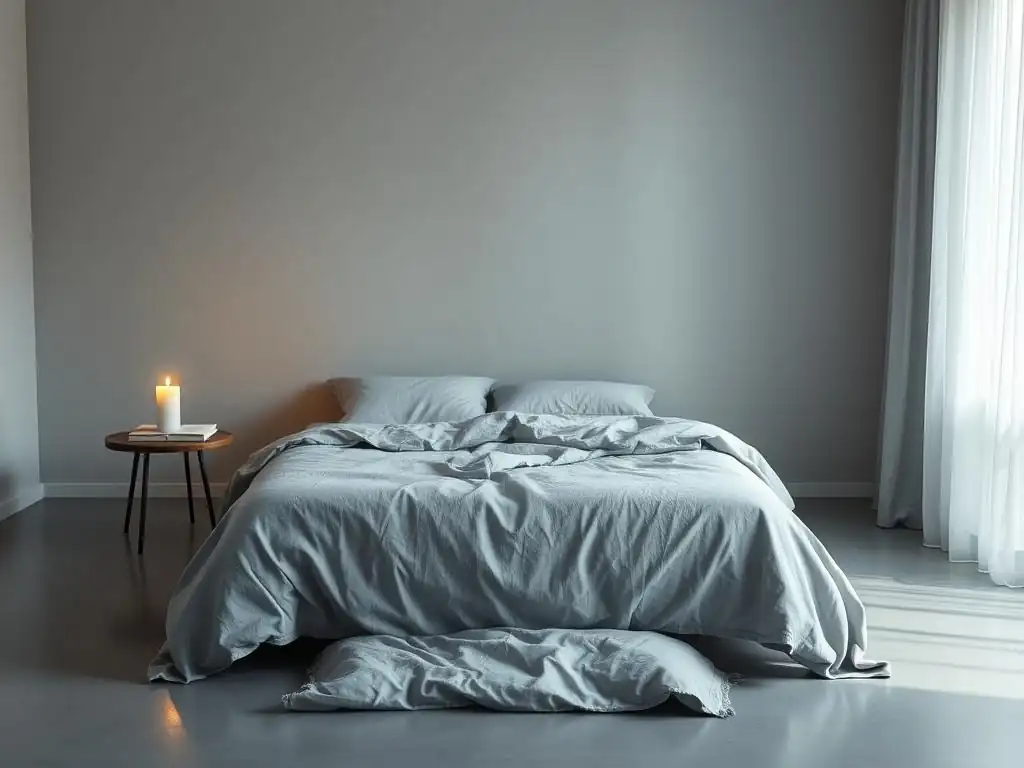
Even with excellent sleep hygiene practices, specific obstacles and anxiety triggers can sometimes interfere with sleep. Addressing these directly is crucial for consistent, restful nights, particularly when dealing with an overactive mind prone to worry.
Addressing Nightmares and Sleep Terrors
Nightmares and sleep terrors can be particularly distressing for individuals with anxiety, often leading to fear of falling asleep or fragmented sleep. Nightmares are vivid, disturbing dreams that cause you to wake up and remember the content. Sleep terrors are more dramatic, often involving screaming or thrashing, but the person usually doesn't fully wake up and has no memory of the event.
For recurring nightmares related to anxiety, techniques like Imagery Rehearsal Therapy (IRT) can be helpful. IRT involves rewriting the narrative of the nightmare while awake and rehearsing the new, less threatening version. Addressing the underlying anxiety through therapy is also key. While sleep terrors are less responsive to psychological interventions, ensuring good sleep hygiene and managing stress can reduce their frequency. Discussing these issues with a therapist or sleep specialist is recommended for personalized strategies to improve sleep hygiene for anxiety.
Managing Sleep Anxiety and Fear of Insomnia
Sleep anxiety, or the fear of not being able to sleep, is a significant obstacle for many people with anxiety. This performance anxiety around sleep creates a self-fulfilling prophecy: the worry about not sleeping makes it harder to relax and fall asleep. This can lead to excessive monitoring of sleep, spending too much time in bed trying to force sleep, and increased frustration.
Techniques from CBT-I, particularly Stimulus Control Therapy, are highly effective for sleep anxiety. Learning to get out of bed when awake helps break the negative association. Cognitive restructuring techniques can challenge unhelpful beliefs about sleep ("I must get 8 hours of sleep or my day will be ruined"). Mindfulness can also help by allowing you to observe thoughts about sleep without getting caught up in them. Addressing sleep anxiety directly is a core component of successful sleep hygiene for anxiety.
Dealing with External Stressors that Disrupt Sleep
Life stressors – work pressure, relationship issues, financial worries, major life changes – are significant contributors to both anxiety and sleep disruption. While you can't always eliminate stressors, you can develop healthier coping mechanisms to prevent them from derailing your sleep.
Stress management techniques such as yoga, meditation, exercise, spending time in nature, or engaging in hobbies can help reduce the overall impact of stress on your nervous system. Establishing a "worry time" earlier in the evening, as mentioned before, can also help contain anxious thoughts related to stressors. Learning to set boundaries and prioritize self-care are also important. Effectively managing external stressors is vital for maintaining good sleep hygiene for anxiety.
When to Seek Professional Help for Sleep and Anxiety Issues
While implementing good sleep hygiene techniques is a powerful first step, there are times when professional help is necessary. Persistent sleep problems, especially when coupled with significant anxiety, can indicate underlying issues that require diagnosis and treatment from a healthcare provider or mental health professional.
Identifying Signs You Need to Consult a Doctor or Therapist
It's time to seek professional help if:
- Your sleep problems are chronic (lasting for several months or longer) and significantly impact your daytime functioning, mood, or health.
- You've consistently applied sleep hygiene techniques for several weeks or months without significant improvement in your sleep quality or quantity.
- Your anxiety symptoms are severe, interfering with your daily life, relationships, or ability to work.
- You suspect you might have a sleep disorder other than insomnia, such as sleep apnea, restless legs syndrome, or narcolepsy.
- You are experiencing panic attacks, intrusive thoughts, or other intense anxiety symptoms that make it impossible to relax or sleep.
- You are relying heavily on alcohol, sleep aids (prescription or over-the-counter), or other substances to sleep.
Don't hesitate to reach out; seeking support is a sign of strength and a crucial step towards improving both your sleep and your mental well-being. Addressing sleep hygiene for anxiety may require expert guidance.
Available Treatment Options for Sleep Disorders and Anxiety
A healthcare professional or mental health provider can offer various evidence-based treatment options. For insomnia, CBT-I is often the recommended first-line treatment. Prescription medications might be used in some cases, usually for short-term use, alongside behavioral therapies. Sleep disorders like sleep apnea may require specific medical interventions, such as a CPAP machine.
For anxiety disorders, treatment options include various forms of psychotherapy (like CBT, ACT, exposure therapy), medication (such as SSRIs, SNRIs, or benzodiazepines, often used cautiously), or a combination of both. A professional can help determine the most appropriate course of treatment based on your specific symptoms, diagnosis, and needs. Integrating treatment for both sleep issues and anxiety is often the most effective path to improving sleep hygiene for anxiety.
Finding the Right Mental Health Professional for Your Needs
Finding a therapist or doctor who is a good fit for you is important. Consider looking for professionals who specialize in sleep disorders, anxiety disorders, or the intersection of both. Psychologists, clinical social workers, licensed professional counselors, and psychiatrists are all types of mental health professionals who can help.
You can start by asking your primary care physician for a referral, checking with your insurance provider for in-network specialists, or using online directories from professional organizations. Don't be afraid to ask questions about their experience, approach, and treatment methods during an initial consultation. Finding the right support is key to developing sustainable sleep hygiene for anxiety.
Maintaining Long-Term Sleep Hygiene for Sustainable Mental Well-being
Improving sleep hygiene for anxiety isn't a one-time fix; it's an ongoing practice. Consistency and adaptability are key to maintaining healthy sleep habits and supporting sustainable mental well-being over the long term.
Consistency is Key: Sticking to a Regular Sleep Schedule
One of the most powerful sleep hygiene practices is maintaining a consistent sleep schedule, even on weekends. Going to bed and waking up around the same time each day helps regulate your body's circadian rhythm. While it might be tempting to sleep in on days off, large variations in your schedule can disrupt your internal clock, making it harder to fall asleep the following night (often referred to as "social jetlag").
Aim for a consistent wake-up time first, as this is the strongest anchor for your circadian rhythm. Then, try to go to bed when you feel genuinely sleepy, rather than at a fixed time if you're not tired. Over time, your body will naturally adjust to a more consistent sleep-wake pattern, which is fundamental for effective sleep hygiene for anxiety.
Regular Review and Adjustment of Your Sleep Hygiene Practices
Life circumstances, stress levels, and even the seasons can impact your sleep. It's helpful to regularly review your sleep hygiene practices and make adjustments as needed. Are you consistently struggling to fall asleep? Maybe you need to reduce screen time even more or refine your bedtime routine. Is anxiety spiking? Perhaps incorporating more mindfulness or stress management techniques is necessary.
Keep track of your sleep patterns and how you feel during the day. A sleep diary can be a useful tool for identifying patterns and triggers. Be willing to experiment with different techniques and find what works best for you at any given time. Sleep hygiene for anxiety is a dynamic process that requires ongoing attention and flexibility.
Celebrating Small Victories and Recognizing Progress in Your Sleep Journey
Improving sleep when you have an overactive, anxious mind is a journey, and it's important to acknowledge and celebrate your progress along the way. Did you fall asleep faster last night? Did you feel slightly more rested this morning? Did you successfully implement a new bedtime routine step? These are all victories worth recognizing.
Focusing on small, achievable goals and acknowledging your efforts can build motivation and a sense of self-efficacy. It reinforces positive behaviors and helps counteract the frustration that can sometimes accompany sleep difficulties. Be patient and kind to yourself. By consistently applying and refining your sleep hygiene for anxiety, you are making a significant investment in your mental well-being.
Frequently Asked Questions
What is sleep hygiene?
Sleep hygiene refers to habits and practices that promote better sleep quality and overall mental well-being. These practices can reduce anxiety and improve restfulness during sleep.
How does sleep hygiene affect anxiety?
Maintaining good sleep hygiene can significantly reduce symptoms of anxiety by promoting deeper sleep and better rest, leading to improved mood and overall mental health.
What are some techniques for improving sleep hygiene?
Techniques include creating a consistent sleep schedule, limiting screen time before bed, and creating a relaxing bedtime routine to signal to your body it's time to wind down.
How does an overactive mind impact sleep?
An overactive mind can lead to racing thoughts and difficulty falling asleep, which can exacerbate feelings of anxiety and hinder overall mental well-being.
Can sleep hygiene practices be tailored for anxiety?
Yes, specific sleep hygiene practices can be tailored to address symptoms of anxiety, such as using relaxation techniques or mindfulness exercises before bed to calm the mind.
Final Reflection: Cultivating Calm in a Restless World
The relentless pace of modern life leaves many of us struggling to quiet the mental chatter that prevents restful sleep. This struggle is not a personal failing, but a shared experience amplified by pervasive anxiety. The techniques explored in this article – from mindful breathing exercises to establishing consistent sleep schedules – offer practical pathways to reclaim the restorative power of sleep, a fundamental pillar of both physical and mental well-being.
The impact of poor sleep hygiene on our collective mental health is undeniable. The constant connectivity and pressure to perform contribute to a pervasive sense of overwhelm, making it harder than ever to disconnect and truly rest. Sleep is the golden chain that ties health and our bodies together.
– Thomas Dekker. This quote highlights the crucial link between sleep and overall well-being, a connection often overlooked in our fast-paced society. The journey towards better sleep is not just about improving sleep quality; it's about cultivating a healthier relationship with ourselves and our minds, fostering resilience in the face of daily stressors.
You now hold the key to unlocking a more peaceful and productive life. Consider which techniques resonated most with you and integrate them into your daily routine. Start small, be patient with yourself, and celebrate every step forward. Remember, the art of winding down is a continuous practice, a journey of self-discovery and self-compassion. Embrace the quiet moments, nurture your mind, and allow yourself the gift of truly restorative sleep.
Unwind and Reclaim Your Restful Nights
Thanks for taking the time to explore the world of better sleep! We hope you gained valuable insights into calming your mind and preparing for a truly restorative night's rest. Now, let's put those techniques into action.
- Prioritize your wind-down routine: Start implementing even one of the sleep hygiene techniques discussed today—perhaps a warm bath, a calming meditation, or journaling—and see how it impacts your sleep.
- Share your sleep success story (or challenge): Connect with our community on social media and share your experiences! Let's build a supportive network around better sleep habits. What worked best for you? What are you still struggling with?
- Explore a guided sleep meditation: Try a short guided meditation specifically designed for sleep; many free resources are available online.
Ready to experience the transformative power of a truly restful night? What small step will you take tonight to prioritize your sleep?