
Beyond the Therapy Couch: Nature's Role in Boosting Mood


Welcome to Mind Care Guide, your sanctuary for fostering mental well-being.
Feeling overwhelmed? Discover how the simple act of stepping outside can be a powerful ally in your journey to a brighter mood. This week, we delve into the profound ways nature boost mood naturally, offering practical tips and insights to harness the healing power of the outdoors. Curious to learn how a walk in the park can be as effective as some therapies? Let's explore together...
Nature's Embrace: Cultivating Mental Well-being Through the Outdoors
- Mental Wellness & Nature: A Guide to Enhancing Your Mood
- Nature's Impact on Mental Health: Exploring the Science
- Nature-Based Activities: Practical Steps to Improve Mental Health
- Integrating Nature into Your Life: Overcoming Obstacles
- Research on Nature and Mood: Evidence-Based Benefits
- Safety and Considerations: Potential Risks and Mitigation
- Embracing Nature for a Healthier Mind: A Path Forward
-
Frequently Asked Questions
- How can spending time in nature actually boost my mood?
- Is there any scientific evidence to support the idea that nature can improve mental health?
- How much time do I need to spend in nature to experience a noticeable mood boost?
- What if I live in a city with limited access to green spaces? What are my options for a "nature boost"?
- Can engaging with nature help with specific mental health conditions, or is it just a general mood enhancer?
- Final Reflection: Reconnecting with Nature for Lasting Well-being
- Unveil Your Nature-Powered Mood Boost!
Mental Wellness & Nature: A Guide to Enhancing Your Mood
The Increasing Acceptance of Nature-Based Therapies
In recent years, there has been a significant shift in how mental health professionals and individuals view the role of the natural world in fostering well-being. This growing acceptance is supported by accumulating scientific evidence demonstrating nature's profound impact on mood, stress levels, and overall psychological health.
What was once considered merely a pleasant pastime is now being integrated into therapeutic practices and self-care routines, highlighting how nature boost mood naturally. This approach recognizes that human connection to the environment is fundamental, and spending time in green or blue spaces (water environments) can offer tangible benefits that complement traditional mental health treatments.
The integration of nature-based therapies, sometimes referred to as ecotherapy, is becoming more mainstream. For instance, some healthcare providers are now prescribing time outdoors, recognizing it as a valid component of a holistic treatment plan for conditions like anxiety and depression.
This movement is reflected in various initiatives, from urban park development focused on mental health benefits to guided nature walks and forest bathing programs. The understanding is deepening: interacting with the natural world provides a unique set of stimuli and restorative experiences that are difficult to replicate indoors or through purely synthetic environments, making it a powerful way nature boost mood naturally.
Defining "Nature": From Wilderness to Urban Green Spaces
When we talk about nature's impact on mental well-being, the term "nature" is broadly defined. It doesn't solely refer to vast, untouched wilderness areas accessible only to a few. While remote forests, mountains, and coastlines offer deep immersion experiences, nature also encompasses the green spaces within our cities and suburbs. This includes local parks, community gardens, tree-lined streets, nature reserves, and even private gardens or balconies filled with plants. The key element is the presence of living organisms and natural elements that provide a contrast to built-up, artificial environments.
Even small doses of exposure to these diverse forms of nature can yield benefits. Research suggests that just looking at trees or having plants indoors can have a positive effect on mood and stress. Access to urban green spaces, even if limited, is particularly crucial for mental health equity, providing opportunities for urban dwellers to connect with the natural world and allow nature boost mood naturally without extensive travel. The principle remains the same: any interaction with the natural environment, regardless of its scale or location, can contribute to enhanced psychological states and act as a natural mood booster.
Nature's Impact on Mental Health: Exploring the Science

Physiological Benefits: Reducing Stress and Promoting Relaxation
Spending time in natural environments has a direct, measurable impact on our physiology, particularly concerning stress response. When we are in nature, our sympathetic nervous system (responsible for the "fight or flight" response) activity decreases, while our parasympathetic nervous system (responsible for rest and digestion) activity increases. This shift promotes a state of calm and relaxation. The sensory inputs from nature—the sounds of birds, the rustling of leaves, the scent of soil, the visual complexity of plants—are inherently less demanding and more restorative than the stimuli often encountered in busy urban settings, helping nature boost mood naturally.
Studies using physiological markers have consistently shown these effects. For example, research on forest bathing (Shinrin-yoku) in Japan has demonstrated significant decreases in blood pressure, heart rate, and levels of stress hormones like cortisol after spending time in a forest environment compared to an urban control. These physiological changes underpin the subjective feelings of relaxation and stress reduction that people report after spending time outdoors, illustrating a key mechanism by which nature boost mood naturally.
Cortisol Reduction Through Nature Immersion
Cortisol, often called the "stress hormone," is a key indicator of physiological stress levels. Chronic elevation of cortisol is linked to numerous health problems, including anxiety, depression, and impaired immune function. Studies have specifically measured cortisol levels in individuals before and after exposure to nature. A meta-analysis of studies on forest bathing, for instance, indicated that participants experienced an average reduction in salivary cortisol levels by approximately 10-15% after just a few hours spent in a forest environment compared to their baseline or a control group in an urban setting.
This reduction in cortisol is not just a temporary effect; regular exposure to nature appears to help regulate the body's stress response system over time. The calming effect of natural surroundings allows the body to recover from the demands of daily life, preventing the chronic activation of the stress response. This physiological benefit is a fundamental way that engaging with nature boost mood naturally by mitigating the underlying biological effects of stress.
The Role of Phytoncides in Calming the Nervous System
Beyond visual and auditory stimuli, nature offers unique chemical compounds that influence our physiology. Phytoncides are antimicrobial volatile organic compounds emitted by plants, particularly trees, to protect themselves from insects and decay. When humans inhale these compounds, they can have beneficial effects on our immune system and stress levels. Research has shown that exposure to phytoncides can lead to a decrease in the levels of stress hormones in the blood and an increase in the activity of natural killer (NK) cells, a type of white blood cell important for immune function and fighting off viruses and tumor cells.
One notable study found that individuals who spent time in a forest environment had significantly higher NK cell activity (sometimes reported as an increase of 40-50% compared to control groups) and lower levels of stress hormones persisting for up to a week after their visit. While the exact mechanisms are still being explored, it's believed that inhaling phytoncides contributes to the overall relaxation and health-promoting effects of spending time in forested areas. This biochemical interaction is another fascinating aspect of how nature boost mood naturally.
Psychological Benefits: Boosting Mood and Cognitive Function
Beyond physiological effects, nature interaction yields significant psychological benefits. Spending time outdoors is widely reported to improve mood, increase feelings of happiness, and reduce symptoms of depression and anxiety. The restorative qualities of nature help to alleviate mental fatigue, often experienced after prolonged periods of focused work or exposure to stimulating urban environments. This mental replenishment allows for improved cognitive function and emotional regulation.
The sense of peace and wonder that nature can inspire also contributes to psychological well-being. Engaging with the natural world can provide perspective, foster a sense of connection to something larger than oneself, and offer opportunities for reflection and introspection. These experiences collectively contribute to a stronger sense of inner peace and resilience, demonstrating how profoundly nature boost mood naturally.
Improved Attention Span in Natural Settings
In today's world, our attention is constantly being pulled in multiple directions by technology and demanding tasks. This can lead to directed attention fatigue. According to Attention Restoration Theory (ART), natural environments are particularly effective at restoring our ability to focus. Unlike urban settings which demand directed attention (ignoring distractions like traffic or billboards), nature offers "soft fascination"—stimuli that capture our attention effortlessly and pleasantly, allowing our directed attention capacity to recover.
Studies supporting ART have shown that even brief exposure to nature can improve performance on cognitive tasks requiring focus. For example, participants who took a walk in a park performed significantly better on a subsequent attention test than those who walked along a busy street. The improvements in attention scores have been noted, with some studies suggesting performance increases of 15-20% on tasks requiring concentration after nature exposure. This cognitive benefit is a crucial way that engaging with nature boost mood naturally by improving mental clarity and reducing frustration associated with mental fatigue.
Nature as a Tool for Mindfulness and Presence
Nature provides an ideal setting for practicing mindfulness and cultivating presence. When surrounded by natural elements, it becomes easier to engage our senses fully—noticing the intricate patterns of leaves, the textures of bark, the varied sounds of wildlife, or the feel of the breeze on our skin. This sensory engagement naturally draws our awareness to the present moment, pulling us away from ruminating on the past or worrying about the future.
Engaging mindfully with nature can involve activities as simple as sitting quietly and observing the details of a plant or mindfully walking and paying attention to each step and the surrounding environment. This practice helps to quiet the mental chatter and reduce the dwelling on negative thoughts often associated with anxiety and depression. By fostering presence, nature helps individuals disconnect from internal stressors and reconnect with their immediate surroundings, acting as a powerful catalyst for how nature boost mood naturally through heightened awareness and calm.
Enhanced Self-Perception and Reduced Rumination
Spending time in nature has been shown to positively influence self-perception and reduce rumination, the tendency to dwell on negative thoughts. Natural environments often provide a sense of perspective, making personal problems feel less overwhelming when viewed against the vastness and enduring cycles of the natural world. Being physically active in nature, whether hiking or gardening, can also increase feelings of competence and self-efficacy.
Furthermore, studies have found that walks in natural settings significantly decrease rumination compared to walks in urban environments. For instance, research involving brain imaging showed reduced neural activity in the subgenual prefrontal cortex, an area associated with rumination, after a 90-minute walk in a natural area. This suggests a biological mechanism by which nature helps quiet the negative thought loops, thereby contributing to improved mood and a more positive self-view. This reduction in rumination is a key factor in how nature boost mood naturally and sustainably.
Nature-Based Activities: Practical Steps to Improve Mental Health
Forest Therapy: Immersing Yourself for Stress Reduction
Forest Therapy, or Shinrin-yoku, is more than just a walk in the woods; it's a practice of immersing oneself in the forest atmosphere using all senses. Originating in Japan in the 1980s, it has become a cornerstone of preventative healthcare there. The goal is to slow down, disconnect from technology, and consciously connect with the natural environment. This practice has been linked to numerous health benefits, including significant reductions in stress hormones, lowered blood pressure, and improved immune function, demonstrating a potent way nature boost mood naturally.
Forest therapy is not about hiking or reaching a destination; it's about the journey of sensory connection. It involves mindful walking, sitting quietly, observing details, and breathing deeply the forest air rich in beneficial compounds like phytoncides. Guided forest therapy walks are available in many areas, helping participants learn techniques to deepen their connection with nature and maximize the therapeutic benefits.
Techniques for Effective Forest Therapy
Engaging in effective forest therapy involves several simple techniques designed to heighten sensory awareness and promote relaxation. One common technique is "inviting the senses," where you are prompted to consciously notice what you see, hear, smell, touch, and even taste (safely, of course) in the forest. This might involve observing the play of light on leaves, listening to the sounds of birds or insects, smelling the damp earth or pine needles, touching the texture of bark or moss, or feeling the temperature and breeze on your skin.
Another technique is "sit spot," which involves finding a comfortable place to sit quietly for an extended period (e.g., 20-30 minutes) and simply being present, observing the subtle changes and activities around you without judgment. Mindful walking, moving slowly and paying attention to the feeling of your feet on the ground and the rhythm of your breath, is also central. These practices help to ground you in the present moment and facilitate the restorative effects of the forest environment, making it easier for nature boost mood naturally.
Gardening and Horticulture: Cultivating Wellness Through Plants
Gardening, whether it's tending a large vegetable patch, a small flower bed, or just a few potted plants on a windowsill, is a highly therapeutic activity. The act of nurturing living things, working with soil, and observing growth cycles can be incredibly grounding and rewarding. Horticulture therapy is a recognized practice used in various settings, including hospitals, rehabilitation centers, and schools, to promote physical and mental health.
The physical activity involved in gardening provides exercise, while the focused yet non-demanding nature of the tasks can be meditative. Furthermore, contact with soil has been linked to mood improvement; certain soil microbes, like Mycobacterium vaccae, have been shown to activate neurons in the brain that produce serotonin, a neurotransmitter associated with feelings of happiness and well-being. This direct interaction with the earth is a unique way that nature boost mood naturally.
The Therapeutic Effects of Soil Contact
The soil beneath our feet is teeming with life, including microbes that can positively impact human health and mood. Research has explored the "hygiene hypothesis" and the role of beneficial bacteria in regulating our immune system and potentially influencing our mental state. Specific studies on Mycobacterium vaccae, a non-pathogenic bacterium commonly found in soil, have shown promising results. When introduced into animal studies, it has been found to increase serotonin levels in the brain, reduce anxiety-like behavior, and even improve cognitive function.
While direct ingestion or injection is not the therapeutic method for humans, inhaling the bacteria when disturbing soil (like when digging or potting) or having it enter minor cuts can trigger an immune response that leads to the release of serotonin and other mood-boosting chemicals. This suggests that simply getting your hands dirty in the garden can have a tangible, biologically mediated effect on your mood and stress levels, providing a compelling reason why nature boost mood naturally through this humble activity.
Hiking and Outdoor Exercise: Combining Physical Activity with Nature
Combining physical exercise with exposure to nature offers compounded benefits for mental health. Activities like hiking, trail running, or even cycling on nature paths provide the known mood-boosting effects of exercise—releasing endorphins and reducing tension—while simultaneously immersing you in a natural environment. The varied terrain and sensory stimulation of being outdoors can make exercise feel less monotonous than being indoors, potentially increasing motivation and enjoyment.
Studies have shown that exercising in green spaces leads to greater improvements in mood and self-esteem compared to exercising indoors or in urban settings. A meta-analysis pooling data from multiple studies found that even short periods (e.g., 5 minutes) of "green exercise" resulted in significant improvements in self-esteem and mood. This synergy between physical activity and natural surroundings is a powerful means by which nature boost mood naturally.
Nature Photography and Art: Creative Expression in the Outdoors
Engaging creatively with nature through photography, painting, sketching, or writing can deepen your connection to the environment and provide a unique outlet for expression. Focusing on capturing the beauty or details of the natural world encourages careful observation and appreciation, shifting attention away from internal stressors and towards external inspiration. This process can be both meditative and stimulating.
Nature photography, for example, requires paying close attention to light, composition, and subject matter, fostering a sense of presence and focus. Similarly, sketching or painting landscapes or plants allows for a different kind of engagement, translating observations into artistic form. These creative pursuits in nature provide a structured way to interact with the environment, offering a sense of purpose and accomplishment while harnessing the inherent power of how nature boost mood naturally through beauty and inspiration.
Integrating Nature into Your Life: Overcoming Obstacles
Urban Nature: Finding Green Spaces in the City
For those living in urban areas, accessing vast natural landscapes can be challenging due to time, distance, and cost. However, it is still possible to integrate nature into city life. Urban environments often contain hidden or underutilized green spaces that can serve as oases of calm. Identifying and utilizing these resources is key to allowing nature boost mood naturally even amidst the hustle and bustle.
This involves seeking out local parks, community gardens, nature trails along rivers or disused railway lines, urban forests, or even cemeteries, which often contain significant green space and mature trees. Public transport can often provide access to larger parks or nature reserves on the outskirts of the city. Actively seeking out these green pockets and scheduling regular visits can make a significant difference to mental well-being.
Creating a Natural Home Environment
Bringing elements of nature indoors can also contribute to a more calming and restorative living space. Houseplants are a simple and effective way to achieve this. Studies have shown that having plants in the home or office can reduce stress, improve air quality, and boost mood. Even caring for plants can be a therapeutic activity, providing a sense of responsibility and connection to living things.
Incorporating natural materials into home decor, such as wood, stone, and natural fibers, can also create a more naturalistic and soothing atmosphere. Maximizing natural light, ensuring good ventilation, and even using nature sounds or diffusing essential oils derived from plants (like pine or citrus) can help mimic the sensory experience of being outdoors and contribute to how nature boost mood naturally within your own walls.
Utilizing Urban Parks and Community Gardens
Urban parks are vital resources for mental health in cities. They offer space for exercise, relaxation, social interaction, and connection with nature. Making regular visits to a local park, even for a short walk during a lunch break, can provide a necessary respite from the urban environment. Utilizing park benches for quiet contemplation, observing the wildlife, or simply sitting under a tree can help reduce stress and improve mood.
Community gardens provide another excellent opportunity to connect with nature and community simultaneously. Participating in a community garden plot offers the therapeutic benefits of gardening while also fostering social connections, which are crucial for mental well-being. These shared green spaces allow urban residents to experience the tangible rewards of growing plants and food, providing a direct and accessible way that nature boost mood naturally.
Overcoming Barriers: Time Constraints and Limited Access
A common barrier to spending time in nature is the perception of not having enough time or easy access, particularly for those with busy schedules or mobility issues. However, even short, intentional interactions with nature can be beneficial. The key is to find ways to integrate nature exposure into existing routines rather than viewing it as a separate, time-consuming activity.
This might involve choosing a walking route that passes through a park, taking a few minutes each day to sit by a window with a view of trees, or incorporating plants into your workspace. For those with limited mobility, even spending time on a balcony or in a courtyard with plants can be helpful. Focusing on quality of interaction over quantity can make nature exposure more achievable and sustainable.
Incorporating Nature into a Hectic Schedule
Integrating nature into a busy life requires conscious effort and planning. It doesn't necessarily mean dedicating entire weekends to wilderness trips. Short bursts of nature exposure can be surprisingly effective. Consider taking a 15-minute "nature break" instead of a coffee break—step outside, find a green spot, and simply observe. Walk or cycle to work or errands if possible, choosing routes with trees or parks.
Schedule "green meetings" by walking in a park with a colleague instead of sitting in an office. Eat lunch outdoors in a park or garden. Even small actions like bringing a plant into your workspace or spending five minutes mindfully observing the sky can help. The goal is consistency; frequent, brief interactions with nature can add up and significantly contribute to how nature boost mood naturally over time.
Finding Accessible Nature Locations and Resources
Identifying accessible nature locations is crucial, especially for individuals with physical limitations or those relying on public transport. Many cities and regions have resources online that list accessible parks, trails, and nature reserves. Websites for local parks departments, nature conservancies, or accessibility organizations can provide valuable information on paved paths, accessible facilities, and public transport options.
Community centers, libraries, or local environmental groups may also offer information on nearby green spaces and organized nature walks or activities, some of which may be specifically designed for accessibility. Exploring virtual maps or apps that highlight green areas can also help in discovering nearby natural pockets. Planning ahead and researching options can remove logistical barriers and make it easier to access places where nature boost mood naturally.
Research on Nature and Mood: Evidence-Based Benefits
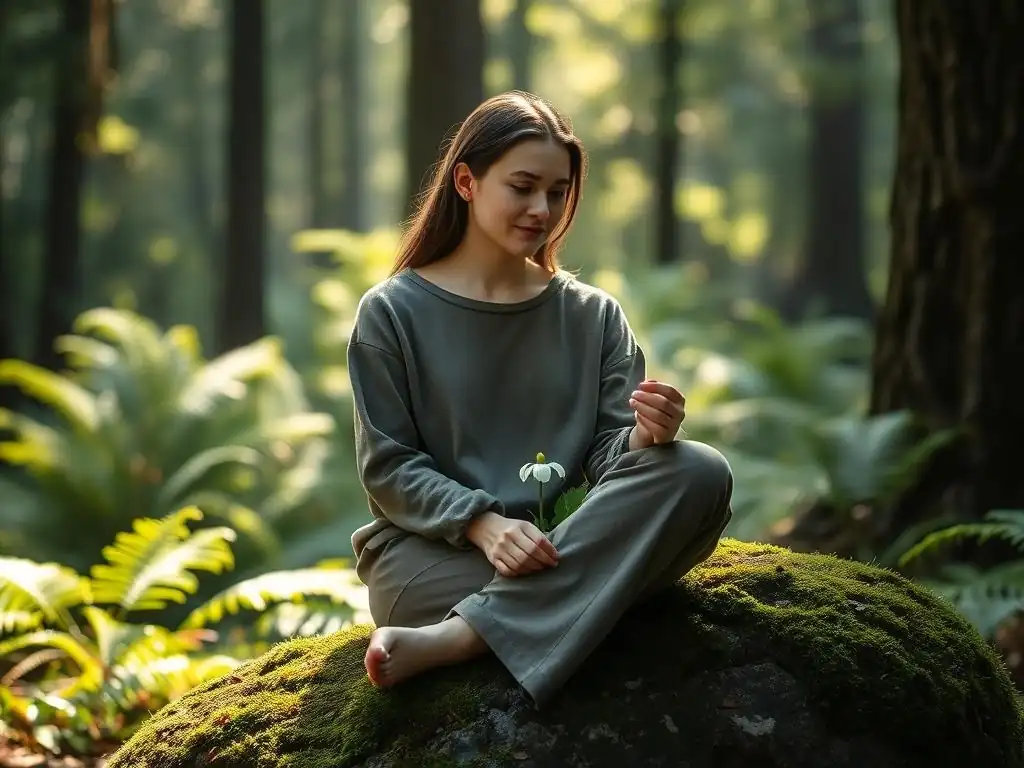
Numerous studies across various disciplines—psychology, environmental science, public health, and neuroscience—have explored the link between nature exposure and mental well-being. This body of research provides strong evidence supporting the subjective reports of feeling better after spending time outdoors. The findings consistently point to nature's ability to reduce stress, alleviate symptoms of anxiety and depression, improve cognitive function, and enhance overall mood, solidifying the understanding of how nature boost mood naturally.
Meta-analyses and systematic reviews that synthesize findings from multiple studies provide robust evidence. For instance, reviews of studies on green space exposure and mental health have found consistent associations between living near green spaces or spending time in them and reduced prevalence of mental health issues, including depression and anxiety disorders. This research forms the scientific basis for integrating nature into mental health strategies.
Key Studies on Nature's Impact on Mental Well-being
Specific studies have provided key insights into the mechanisms and effects of nature exposure. The well-documented research on forest bathing (Shinrin-yoku) from Japan, pioneered by researchers like Qing Li, has provided quantifiable data on physiological changes like reduced cortisol and increased NK cell activity. These studies often involve controlled experiments comparing groups spending time in forests versus urban environments.
Studies employing neuroimaging techniques have shown how nature affects brain activity, such as the reduced rumination observed after nature walks. Large-scale epidemiological studies have also linked access to green space with improved mental health outcomes across populations. For example, a study in the Netherlands found that people living within one kilometer of green space had a lower prevalence of anxiety disorders. These diverse research approaches collectively build a compelling case for how nature boost mood naturally.
Nature as a Complement to Traditional Mental Healthcare
While nature exposure offers significant mental health benefits, it is generally viewed as a complementary approach rather than a standalone replacement for traditional mental healthcare, especially for severe conditions. For individuals managing conditions like clinical depression, severe anxiety disorders, or other complex mental health challenges, therapy, medication, and other evidence-based treatments remain crucial.
However, incorporating nature into a treatment plan can enhance the effectiveness of traditional therapies and support recovery. Spending time in nature can reduce stress that exacerbates symptoms, provide a sense of calm that facilitates therapeutic processing, and offer a restorative space for individuals to practice coping skills learned in therapy. Many therapists now recognize the value of recommending nature-based activities as homework or incorporating them into therapeutic sessions where possible, acknowledging that nature boost mood naturally and supports overall resilience.
Safety and Considerations: Potential Risks and Mitigation
While generally beneficial, spending time outdoors does come with potential risks that should be considered and mitigated. Awareness of these factors ensures that nature experiences remain positive and safe, allowing individuals to fully reap the benefits of how nature boost mood naturally without unnecessary worry.
Potential risks include environmental factors like weather conditions, uneven terrain leading to falls, exposure to sun or insects, and encounters with wildlife. For individuals with allergies or environmental sensitivities, certain natural settings might pose challenges. Taking precautions and being prepared are essential steps for safe and enjoyable nature engagement.
Managing Allergies and Environmental Sensitivities in Nature
Individuals with allergies to pollen, mold, or insect stings may find certain natural environments challenging during specific times of the year. It's important to be aware of your sensitivities and take appropriate precautions. This might include checking local pollen forecasts, taking allergy medication before spending time outdoors, wearing protective clothing, or choosing natural settings that are less likely to trigger symptoms (e.g., a beach instead of a meadow during peak pollen season).
For those with sensitivities to sun or insects, using appropriate sun protection (sunscreen, hats, protective clothing) and insect repellent is crucial. Consulting with a healthcare provider or allergist can help develop a plan for safely managing allergies or sensitivities while still being able to enjoy time in nature. With preparation, most individuals can find ways to engage with nature safely, ensuring that the experience remains positive and that nature boost mood naturally without adverse reactions.
Ensuring Safety in Outdoor Environments: Awareness and Prevention
Safety in outdoor environments requires awareness of your surroundings and taking preventive measures. Before venturing into unfamiliar natural areas, research the location, potential hazards, and weather forecast. Dress appropriately for the conditions and type of activity. Wear sturdy footwear, especially on uneven trails.
Inform someone about your plans, including where you are going and when you expect to return. Carry essentials like water, snacks, a basic first-aid kit, and a fully charged phone. Be mindful of wildlife and maintain a safe distance. Stick to marked trails where possible. If hiking or exploring more remote areas, consider going with a companion. Taking these simple precautions significantly reduces risks and allows for a more relaxed and beneficial nature experience, supporting the goal of letting nature boost mood naturally and safely.
Embracing Nature for a Healthier Mind: A Path Forward
Integrating nature into your life is an accessible and powerful strategy for enhancing mental well-being. It's not a one-size-fits-all approach; the key is finding what resonates with you and fits into your lifestyle. Whether it's a daily walk in a local park, tending to houseplants, weekend hikes, or simply sitting quietly in a green space, consistent engagement with the natural world can yield significant benefits for mood, stress levels, and cognitive function.
Making a conscious effort to connect with nature can be a proactive step in managing stress, preventing burnout, and cultivating a greater sense of peace and happiness. It's a reminder that the resources for improving our mental health are often closer than we think, readily available in the world around us. Embracing this connection is a path towards a healthier, more balanced mind, highlighting the profound capacity for nature boost mood naturally.
Tailoring a Nature-Based Wellness Routine
Creating a personal nature-based wellness routine involves identifying activities that you enjoy and can realistically incorporate into your schedule. Start small; even 10-15 minutes of focused nature time a few times a week can make a difference. Consider what type of nature is most accessible and appealing to you—is it a park, a garden, a forest, or a body of water?
Experiment with different activities like mindful walking, nature journaling, gardening, or simply observing wildlife. Schedule nature time in your calendar just as you would any other important appointment to ensure it happens. Be flexible and adapt your routine based on weather, season, and your energy levels. The most effective routine is one that is sustainable and enjoyable, consistently allowing nature boost mood naturally in a way that suits you.
Monitoring Progress and Reflecting on the Benefits
As you begin to integrate nature into your routine, pay attention to how it makes you feel. Keep a simple journal or make mental notes about your mood, energy levels, and stress before and after spending time in nature. Do you feel calmer, more energized, or more focused? Reflect on which types of nature exposure or activities seem to have the most positive impact on your well-being.
Tracking your experiences can help you understand the specific benefits you gain from nature and refine your routine accordingly. This reflective process deepens your appreciation for the natural world's healing power and reinforces the motivation to continue. Recognizing the tangible improvements in how nature boost mood naturally for you personally makes it easier to prioritize this valuable aspect of self-care.
Frequently Asked Questions
How can spending time in nature actually boost my mood?
Being in nature triggers the release of endorphins and reduces stress hormones like cortisol, leading to improved mood and feelings of well-being. It provides a break from the demands of modern life.
Is there any scientific evidence to support the idea that nature can improve mental health?
Yes! Studies show that exposure to green spaces is linked to decreased rates of depression and anxiety. Research also highlights the benefits of forest bathing and other nature-based therapies.
How much time do I need to spend in nature to experience a noticeable mood boost?
Even short periods, such as 20-30 minutes, can have a positive effect. Regular, shorter visits are often more beneficial than infrequent, longer excursions.
What if I live in a city with limited access to green spaces? What are my options for a "nature boost"?
You can still incorporate nature into your life by visiting local parks, creating a small garden on your balcony, or even bringing indoor plants into your home.
Can engaging with nature help with specific mental health conditions, or is it just a general mood enhancer?
While not a replacement for professional treatment, nature can complement therapy for conditions like depression, anxiety, and PTSD, offering a natural way to manage symptoms and improve overall well-being.
Final Reflection: Reconnecting with Nature for Lasting Well-being
The profound impact of nature on our mental health is no longer a fringe idea; it's a vital piece of the puzzle in understanding and addressing the global mental health crisis. We've explored the scientific evidence showcasing nature's ability to reduce stress, improve focus, and boost overall mood – a powerful antidote to the pressures of modern life. This isn't just about escaping; it's about actively engaging with the natural world to cultivate inner peace and resilience.
The shift towards recognizing nature's therapeutic potential is a significant cultural change, moving away from solely pharmaceutical solutions towards a more holistic approach to well-being. This resonates deeply with me, as I've personally witnessed the transformative power of spending time outdoors. It's not just about pretty scenery; it's about a fundamental connection to something larger than ourselves, a feeling of grounding and belonging. In every walk with nature, one receives far more than he seeks.
- John Muir. This quote perfectly encapsulates the unexpected gifts that await us when we open ourselves to the restorative power of the natural world.
Now, consider your own relationship with nature. How often do you actively seek out time outdoors? What small changes could you implement to incorporate more nature into your daily life? Perhaps a daily walk in a park, a weekend hike, or even simply opening a window to let in the fresh air and sunlight. Start small, be consistent, and allow the healing power of nature to nurture your mind, body, and soul. The journey towards better mental well-being begins with a single step – a step outside.
Unveil Your Nature-Powered Mood Boost!
Thanks for taking the time to explore the powerful connection between nature and mental well-being! We hope you've discovered new ways to nurture your mind and spirit. Ready to take the next step towards a happier, healthier you?
- Prioritize a Nature Break: Schedule a daily walk in a park, a hike in the woods, or even just 15 minutes sitting by a window observing nature. This is the cornerstone of integrating nature's mood-boosting power into your life.
- Share Your Nature Moments: Post a picture of your favorite nature spot on social media using #NatureMoodBoost and inspire others to connect with the outdoors!
- Join the Conversation: What natural spaces bring you the most joy and peace? Share your experiences in the comments below—let's build a community of nature-loving well-being enthusiasts!
What's your favorite way to connect with nature and lift your spirits?