
Biophilia Explained: Our Innate Need for Nature and Its Impact on Mind

Welcome to Mind Care Guide.
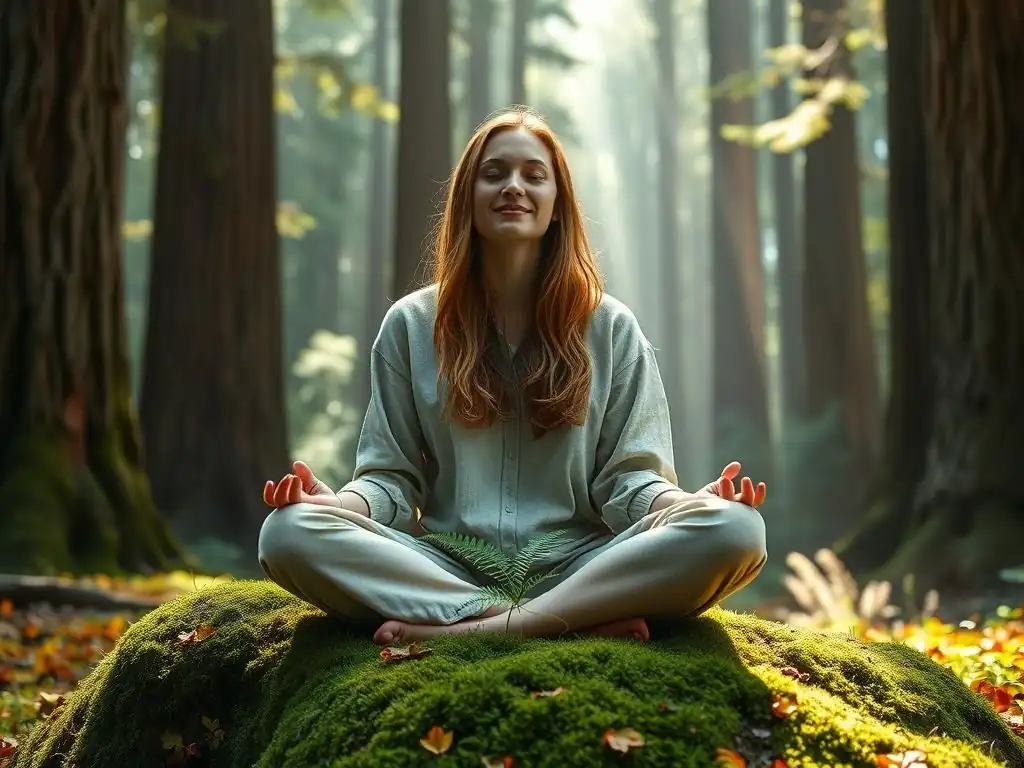
Are you feeling disconnected from the natural world? Do you sense a subtle longing for something more in your daily life? You're not alone. We believe deeply in the power of connection, and in this article, we explore the profound impact of Nature’s impact on mental health. Discover how simply embracing the outdoors can revolutionize your well-being and unlock a deeper sense of peace. Ready to reconnect with your roots and nurture your mind? Let's delve into the science and solace of biophilia…
Biophilia Explained: Our Innate Need for Nature and Its Impact on Mind
- Introduction to Biophilia and Mental Well-being
- Understanding the Core Principles of Biophilic Design
- The Psychological Benefits of Connecting with Nature
- Nature’s Impact on Mental Health: Scientific Evidence and Research
- Implementing Biophilic Principles in Daily Life for Enhanced Mental Health
- Addressing Nature Deficit Disorder: Reconnecting with the Natural World
- Nature’s Impact on Mental Health: Practical Tips for Incorporating Nature
- Overcoming Barriers to Nature Exposure
- Nature and Mental Health: A Holistic Approach to Well-being
- Conclusion: Embracing Biophilia for a Healthier Mind and Life
-
Frequently Asked Questions
- What exactly is biophilia and how does it relate to mental well-being?
- How does spending time in nature specifically benefit my mental health?
- What are some practical ways to incorporate nature into my daily life, even if I live in a city?
- What kind of mental health challenges can be potentially improved by exposure to nature?
- Are there any risks associated with using nature as a mental health intervention?
- Final Reflection: Reconnecting with Nature, Reconnecting with Ourselves
- Unleash Your Inner Nature: Cultivate a Biophilic Life
Introduction to Biophilia and Mental Well-being
Biophilia, a term popularized by biologist E.O. Wilson, describes the innate human tendency to connect with nature and other living systems. It suggests that our deep bond with the natural world is not merely a preference but a fundamental part of our biological makeup, shaped by millions of years of evolution. In modern life, often dominated by concrete jungles and digital screens, understanding biophilia is crucial for recognizing the profound influence nature has on our mental and emotional states. This intrinsic connection forms the basis for exploring how integrating nature into our lives can significantly enhance mental well-being.
The concept of biophilia extends beyond simply enjoying a walk in the park; it encompasses our attraction to landscapes, weather patterns, animals, and even the intricate patterns found in plants. This innate connection is believed to be a vital component of human flourishing, contributing to our psychological resilience and overall health. Recognizing this deep-seated need helps us appreciate why nature’s impact on mental health is so significant and why prioritizing our relationship with the natural world is essential for a balanced and healthy mind.
Exploring the Biophilia Hypothesis: A Deep Connection with Nature
The biophilia hypothesis posits that humans have an evolutionary predisposition to affiliate with nature. This isn't just about survival instincts like finding food or shelter; it's about a deeper, emotional, and cognitive connection that has positive effects on our well-being. For instance, studies have shown that exposure to natural environments can reduce activity in the subgenual prefrontal cortex, a part of the brain linked to rumination and negative thought patterns.
This deep connection is thought to be rooted in our ancestral environment, where survival depended on understanding and interacting with the natural world. Our sensory systems are finely tuned to process natural stimuli – the rustling of leaves, the smell of rain, the sight of flowing water. These stimuli can trigger relaxation responses in our bodies.
Research from institutions like the University of California, Berkeley, has indicated that spending time in nature can lead to increased feelings of awe, which is associated with reduced inflammation markers in the body, suggesting a physiological link between nature connection and reduced stress. This reinforces the idea that nature’s impact on mental health is deeply ingrained in our biology.
Nature's Impact on Mental Health: Why We Crave Green Spaces
Our craving for green spaces stems from the restorative qualities that natural environments offer, which are often lacking in urban settings. The constant demands and stimuli of city life can lead to mental fatigue, a state sometimes referred to as directed attention fatigue. Natural environments, with their softer, non-demanding stimuli, allow our directed attention to rest and recover, leading to improved focus and clarity.
Furthermore, green spaces provide opportunities for physical activity, social interaction, and exposure to sunlight, all of which are known contributors to positive mental health. A study published in Environmental Science & Technology found that moving to a greener urban area was associated with an immediate and sustained improvement in mental health. The study tracked thousands of individuals in the UK and observed that increases in neighborhood green space correlated with decreased mental distress levels. This compelling evidence highlights the profound and measurable nature’s impact on mental health.
Understanding the Core Principles of Biophilic Design
Biophilic design is an innovative approach to architecture and interior design that seeks to incorporate nature and natural elements into built environments. It's based on the understanding that humans thrive when connected to nature and aims to create spaces that satisfy this innate need. The goal is to improve the health and well-being of occupants by leveraging the restorative power of nature within buildings and urban landscapes.
This design philosophy goes beyond simply adding potted plants; it involves integrating natural patterns, processes, and elements into the design of spaces. This can include using natural materials, optimizing access to natural light and ventilation, incorporating views of nature, simulating natural patterns (like fractals), and even designing spaces that mimic natural spatial configurations found in nature, such as prospect and refuge. Understanding these principles is key to unlocking nature’s impact on mental health within the places we live, work, and heal.
Elements of Biophilic Design: Mimicking Nature Indoors
Biophilic design incorporates several key elements to foster a connection with nature indoors. One primary element is the use of natural patterns and processes, like the flow of water or the fractal geometry found in leaves and snowflakes, which can be subtly integrated into textures, shapes, and layouts. Another crucial element is the incorporation of direct nature, such as indoor plants, water features, and access to natural light and ventilation.
Indirect nature elements are also vital, including natural materials (wood, stone), colors, and views of outdoor green spaces. For example, studies have shown that hospital patients with views of nature recover faster and require less pain medication than those with views of walls. A report by Terrapin Bright Green outlined 14 Patterns of Biophilic Design, including "Visual Connection with Nature," "Non-Visual Connection with Nature" (sounds, smells), and "Presence of Water." These patterns provide a framework for designers to systematically incorporate nature’s impact on mental health into the built environment.
Direct vs. Indirect Nature Experiences: Sunlight vs. Nature Photography
Biophilic design distinguishes between direct and indirect nature experiences, both of which contribute to well-being but through different mechanisms. Direct nature experiences involve actual contact with natural elements, such as feeling sunlight on your skin, breathing fresh air from an open window, touching soil, or seeing a live plant. These experiences can directly influence physiological responses, like regulating circadian rhythms through natural light exposure or reducing stress hormones through contact with beneficial soil microbes.
Indirect nature experiences involve representations or simulations of nature. This includes viewing nature photography or art, using natural materials like wood or stone indoors, incorporating natural patterns into design, or listening to nature sounds. While not providing the full sensory immersion of direct nature, indirect experiences can still evoke positive psychological responses, such as feelings of relaxation, nostalgia, or interest. For instance, having a desktop background of a forest scene or incorporating a wooden desk can offer subtle, positive cues that contribute to a sense of calm and connection, demonstrating nature’s impact on mental health even in mediated forms.
The Psychological Benefits of Connecting with Nature
Connecting with nature offers a wide array of psychological benefits, acting as a powerful antidote to the stresses of modern life. Regular exposure to natural environments has been linked to reduced symptoms of depression and anxiety, improved mood, and enhanced overall psychological resilience. This isn't just anecdotal; a growing body of scientific evidence supports the profound positive effects that nature has on our minds.
Spending time outdoors allows us to disconnect from digital distractions and reconnect with ourselves and the world around us. This can foster a sense of peace, perspective, and mindfulness. Whether it's a walk in the woods, sitting by a lake, or simply tending to a few houseplants, these interactions provide valuable opportunities for psychological restoration and growth, underscoring the significant nature’s impact on mental health.
Reducing Stress and Anxiety Through Nature Exposure
One of the most well-documented benefits of nature exposure is its ability to reduce stress and anxiety. When we are in nature, our bodies often exhibit physiological changes indicative of relaxation, such as lowered heart rate, reduced blood pressure, and decreased levels of stress hormones like cortisol. A study published in Frontiers in Psychology in 2019 found that spending just 20 minutes in nature significantly lowered cortisol levels.
This stress-reducing effect is partly attributed to the "soft fascination" that nature provides. Unlike the demanding stimuli of urban environments, nature's patterns and elements capture our attention effortlessly, allowing our minds to relax and wander. This restorative process helps alleviate mental fatigue and reduces the physiological stress response. Incorporating regular nature breaks into our routine is a simple yet effective strategy for managing stress and enhancing nature’s impact on mental health.
Enhancing Cognitive Function and Creativity with Natural Environments
Exposure to nature has been shown to improve cognitive function, including attention, memory, and problem-solving skills. The Attention Restoration Theory (ART) suggests that nature helps restore our ability to focus by allowing our directed attention to replenish. Studies have demonstrated that even brief interactions with nature, such as looking at pictures of natural scenes, can improve performance on cognitive tasks.
Furthermore, nature environments can spark creativity. The relaxed state induced by nature allows for diffuse thinking, which is conducive to generating new ideas and insights. A study involving hikers on a four-day wilderness trek showed a remarkable 50% increase in creativity scores compared to a control group. This suggests that disconnecting from technology and immersing oneself in nature can significantly enhance creative problem-solving abilities, highlighting another facet of nature’s impact on mental health and cognitive performance.
Nature's Role in Improving Mood and Emotional Regulation
Nature has a powerful positive effect on mood and can aid in emotional regulation. Spending time in green spaces is associated with increased feelings of happiness, vitality, and a sense of well-being. Conversely, lack of access to nature has been linked to higher rates of mood disorders. The physical activity often associated with nature exposure (like walking or hiking) also releases endorphins, which are natural mood boosters.
Beyond physical activity, the sensory experience of nature – the colors, sounds, smells, and textures – can evoke positive emotions and a sense of calm. For individuals struggling with depression or anxiety, nature can provide a gentle and accessible form of therapy. Research suggests that even short periods in natural settings can lift spirits and reduce symptoms of negative affect, demonstrating the direct and positive nature’s impact on mental health and emotional states.
Nature’s Impact on Mental Health: Scientific Evidence and Research
The scientific community has increasingly focused on understanding the mechanisms behind nature's beneficial effects on mental health. Numerous studies from various disciplines, including psychology, public health, and environmental science, provide compelling evidence for this connection. This research helps validate the intuitive understanding that being in nature makes us feel better and provides a foundation for integrating nature-based approaches into public health and therapeutic practices.
From large-scale epidemiological studies linking green space availability to population-level mental health outcomes to controlled experiments examining the physiological responses to nature stimuli, the evidence is robust and growing. This scientific backing solidifies the importance of acknowledging and harnessing nature’s impact on mental health for individual and societal well-being.
Studies on the Correlation Between Green Spaces and Reduced Depression
Multiple studies have shown a strong correlation between access to green spaces and reduced prevalence of depression and other mood disorders. A landmark study published in Nature Human Behaviour in 2019 analyzed data from over 20,000 people and found that spending at least 120 minutes per week in nature is associated with good health and psychological well-being. This dose-response relationship suggests that more time in nature yields greater benefits.
Another study focusing on urban environments in the Netherlands found that people living within one kilometer of a park or green space reported fewer symptoms of anxiety and depression. The benefits were particularly pronounced for children and individuals with lower socioeconomic status. These findings underscore the importance of urban planning that prioritizes accessible green infrastructure as a public mental health intervention, leveraging nature’s impact on mental health at a community level.
The Positive Effects of Nature Sounds on Stress Levels
Beyond visual stimuli, auditory elements of nature also play a significant role in promoting relaxation and reducing stress. Sounds like flowing water, birdsong, or wind rustling through leaves are often perceived as calming and non-threatening. In contrast, urban sounds are frequently loud and unpredictable, contributing to stress and annoyance.
Research using fMRI scans has shown that listening to nature sounds can alter connectivity in the brain, reducing activity in areas associated with inward-directed attention and rumination, while increasing activity in areas associated with outward-directed attention and relaxation. A study by Brighton and Sussex Medical School found that participants who listened to natural soundscapes showed decreased sympathetic nervous system activity (the "fight or flight" response) and increased parasympathetic nervous system activity (the "rest and digest" response) compared to those who listened to artificial sounds. This provides clear physiological evidence of nature’s impact on mental health through auditory pathways.
Biophilic Design in Healthcare: Promoting Healing and Recovery
Biophilic design principles are increasingly being applied in healthcare settings, with promising results for patient recovery and staff well-being. Incorporating elements such as natural light, views of nature, indoor plants, and natural materials can create more calming and restorative environments. Studies have shown that patients in hospitals with access to natural views or sunlight experience shorter hospital stays, require less pain medication, and report lower stress levels.
For example, a study at a Pennsylvania hospital found that patients recovering from gallbladder surgery who had rooms with windows overlooking trees had shorter hospital stays by nearly a full day and took fewer potent pain relievers compared to patients in similar rooms facing a brick wall. Designing hospitals and clinics with biophilic elements acknowledges the therapeutic power of nature and actively utilizes nature’s impact on mental health and physical healing within clinical settings.
Implementing Biophilic Principles in Daily Life for Enhanced Mental Health
Integrating biophilic principles into our daily lives doesn't require a complete renovation or moving to the countryside. There are many practical and accessible ways to increase our connection with nature, even in urban environments. By consciously incorporating natural elements and experiences into our homes, workplaces, and routines, we can harness the restorative power of nature for improved mental well-being on a regular basis.
Making small, intentional changes can significantly boost our exposure to nature's benefits. This involves thinking creatively about how we can bring the outside in, utilize existing outdoor spaces, and seek out nature experiences in our local areas. Embracing these practices is key to maximizing nature’s impact on mental health in our everyday lives.
Bringing Nature Indoors: Plants, Natural Light, and Materials
Transforming indoor spaces to incorporate biophilic elements can have a noticeable effect on mood and productivity. Adding houseplants is one of the simplest ways to bring nature indoors. Plants not only add visual appeal but can also improve air quality and create a sense of calm. Studies suggest that having plants in a workspace can reduce stress and increase productivity by up to 15%.
Maximizing access to natural light is another crucial element. Position workspaces near windows, use sheer curtains instead of heavy drapes, and consider light tubes or skylights if possible. Natural light helps regulate circadian rhythms, which are vital for sleep quality and mood regulation. Using natural materials like wood, bamboo, or stone in furniture, flooring, or decor can also evoke a sense of connection to the natural world, subtly enhancing nature’s impact on mental health within our homes and offices.
Creating Outdoor Retreats: Gardens, Balconies, and Green Roofs
Even small outdoor spaces can be transformed into personal nature retreats. For those with gardens, dedicating time to planting, tending, or simply sitting amongst the greenery can be incredibly therapeutic. Engaging with soil and plants has been linked to reduced stress and improved mood, partly due to exposure to beneficial soil bacteria ( Mycobacterium vaccae).
For apartment dwellers, balconies can become vibrant green spaces with potted plants, herbs, or a small vertical garden. Green roofs, while a larger project, offer significant environmental benefits and create urban oases that connect residents with nature. Utilizing these spaces, no matter how small, provides opportunities for direct nature contact and reinforces nature’s impact on mental health by making it accessible right outside our doors.
Nature-Based Activities: Hiking, Gardening, and Forest Bathing for Mental Clarity
Engaging in nature-based activities is a proactive way to seek out and benefit from nature exposure. Hiking or walking in natural settings combines physical exercise with the restorative effects of the environment, offering a powerful boost to mental health. Gardening, whether in a backyard plot or a community garden, provides a hands-on connection with the earth and the satisfaction of nurturing life.
Forest bathing, or Shinrin-yoku, is a Japanese practice that involves immersing oneself in the forest atmosphere. It's not about hiking or strenuous exercise but about mindful presence – engaging all senses to connect with the forest. Research on forest bathing has shown reductions in stress hormones, lowered blood pressure, and improved immune function. These activities provide structured ways to actively seek out and benefit from nature’s impact on mental health.
Addressing Nature Deficit Disorder: Reconnecting with the Natural World
Nature Deficit Disorder, a term coined by Richard Louv, describes the human costs of alienation from nature, particularly in children. It's not a medical diagnosis but a way of understanding the growing disconnect between people, especially children, and the natural world, and the potential behavioral and psychological consequences. In an increasingly indoor, screen-focused world, addressing this deficit is crucial for fostering healthy development and well-being.
Recognizing the signs of Nature Deficit Disorder involves observing behaviors like difficulty focusing, increased stress, and a lack of appreciation for the environment. Reconnecting with nature is vital not only for children's development but for people of all ages to counteract the negative effects of this disconnection and fully experience nature’s impact on mental health.
The Consequences of Limited Nature Exposure on Children's Mental Health
Limited exposure to nature during childhood has been linked to several negative outcomes for mental and physical health. Children who spend less time outdoors may experience higher rates of attention problems, anxiety, and depression. Outdoor play in natural settings encourages creativity, problem-solving skills, and risk-taking within a safe environment, all of which are important for cognitive and emotional development.
Furthermore, reduced contact with nature can lead to a diminished sense of wonder and connection to the environment, potentially impacting future environmental stewardship. Studies suggest that children who play regularly in nature develop better motor skills and coordination. Ensuring children have ample opportunities to explore and interact with the natural world is fundamental for their healthy development and leveraging nature’s impact on mental health from an early age.
Strategies for Encouraging Outdoor Play and Exploration
Encouraging outdoor play requires intentional effort in today's screen-dominated world. Parents and educators can facilitate this by scheduling regular unstructured outdoor time, providing access to natural spaces like parks or nature reserves, and modeling appreciation for nature themselves. Creating safe and accessible natural play areas in schools and communities is also essential.
Simple strategies include planning family outings to local parks or trails, encouraging imaginative play using natural materials (sticks, leaves, stones), and involving children in gardening activities. Limiting screen time and providing opportunities for free exploration in natural settings allows children to experience the sensory richness and restorative qualities of the outdoors, counteracting Nature Deficit Disorder and positively influencing nature’s impact on mental health in youth.
Making Nature Accessible: Urban Green Spaces and Community Gardens
Ensuring access to nature is particularly challenging in urban areas, where green spaces are often limited. However, the presence of urban parks, community gardens, tree-lined streets, and even small pocket parks can make a significant difference. These spaces provide vital opportunities for urban dwellers to connect with nature without having to travel far.
Advocating for and investing in urban green infrastructure is crucial for public health. Community gardens, for example, not only provide access to green space but also foster social connections and opportunities for physical activity. Designing cities with more green elements actively works to mitigate Nature Deficit Disorder and ensures that the positive nature’s impact on mental health is available to a broader population, regardless of where they live.
Nature’s Impact on Mental Health: Practical Tips for Incorporating Nature
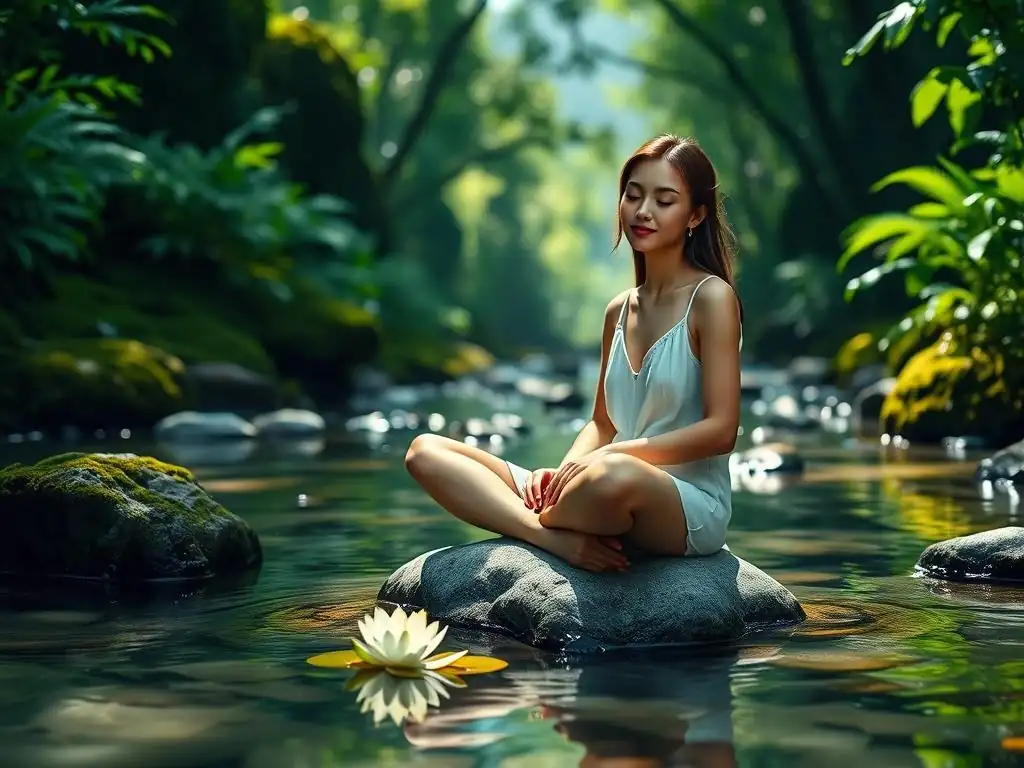
Integrating nature into a busy modern life can seem daunting, but it doesn't require grand gestures. Many simple, practical steps can be taken daily to increase our connection with the natural world and reap its mental health benefits. These small actions can accumulate over time, fostering a stronger bond with nature and enhancing our overall well-being.
The key is to be mindful and intentional about seeking out nature experiences, even if they are brief. Finding ways to weave nature into existing routines makes it more sustainable. By adopting some of these tips, we can consistently benefit from nature’s impact on mental health without significant disruption to our lives.
Simple Ways to Connect with Nature Daily: Walking in Parks, Birdwatching
Incorporating short nature breaks into your daily routine can be highly effective. Taking a lunch break walk in a nearby park, even for just 10-15 minutes, can help clear your head and reduce stress. Simply sitting outdoors and mindfully observing the natural elements around you – the sky, trees, birds – can be a form of meditation.
Birdwatching is a simple activity that encourages close observation of the natural world. Keeping a small plant on your desk or windowsill and taking a moment to water it or observe its growth provides a brief connection. Even opening a window to let in fresh air and natural sounds can offer a moment of natural connection. These small, consistent interactions reinforce nature’s impact on mental health daily.
The Benefits of Nature Photography and Art Therapy
Engaging with nature through creative outlets like photography or art can be a powerful way to deepen your connection. Nature photography encourages you to look closely at the details, patterns, and beauty in the natural world, fostering a sense of awe and appreciation. The act of focusing on capturing the essence of nature can be a meditative and grounding experience.
Similarly, using nature as inspiration for painting, drawing, or sculpting can be a form of art therapy. Working with natural materials like leaves, stones, or clay can also be therapeutic. These creative processes allow for emotional expression and can enhance feelings of peace and connection to the environment. This creative engagement is another avenue through which we can experience nature’s impact on mental health.
Utilizing Virtual Nature Experiences: Nature Documentaries, Virtual Hikes
While not a substitute for direct nature contact, virtual nature experiences can offer some benefits, particularly when access to real nature is limited. Watching nature documentaries, viewing high-quality nature photography online, or using virtual reality nature simulations can evoke positive emotions and provide a sense of connection.
Studies have shown that viewing natural scenes, even on a screen, can reduce stress and improve mood. For individuals who are unable to access outdoor environments due to physical limitations, illness, or geographic location, virtual nature provides a valuable alternative. While the benefits may be less profound than real-world exposure, these virtual experiences still offer a means to access some aspects of nature’s impact on mental health.
Overcoming Barriers to Nature Exposure
Despite the well-established benefits, many people face significant barriers to accessing nature regularly. Urban living often means limited green space, busy schedules leave little time for outdoor activities, and weather conditions can sometimes make outdoor excursions challenging. Addressing these common obstacles is essential to ensuring that everyone has the opportunity to benefit from nature’s positive influence on mental health.
Identifying the specific barriers in your own life is the first step towards overcoming them. Then, creative problem-solving and prioritizing nature connection can help integrate more green time into your routine. Making conscious choices to seek out nature, even in small doses, can make a significant difference in experiencing nature’s impact on mental health.
Addressing Accessibility Issues for Urban Dwellers
For those living in dense urban environments, accessibility is a major barrier to nature exposure. Public parks may be far away, crowded, or perceived as unsafe. Solutions involve advocating for more urban green spaces, improving public transport links to natural areas on the outskirts of cities, and supporting community initiatives like urban farming or park clean-ups.
On an individual level, exploring less-known green pockets, utilizing rooftop spaces for container gardening, or simply spending time on tree-lined streets can help. Visiting botanical gardens or nature centers within the city can also provide valuable nature experiences. Overcoming urban accessibility issues is key to ensuring nature’s impact on mental health is not limited by geography.
Managing Time Constraints and Prioritizing Nature
Modern life is often characterized by demanding schedules and limited free time. Finding time for nature exposure requires intentional prioritization. This might mean scheduling nature time just like any other important appointment – blocking out time in your calendar for a walk in the park or a visit to a local nature reserve.
Combining nature time with other activities can also be effective, such as having walking meetings outdoors, exercising in a park instead of a gym, or socializing with friends during a hike. Even short, frequent bursts of nature exposure can be beneficial. Recognizing that nature time is an investment in your mental health can help shift perspective and make it a higher priority, ensuring you benefit from nature’s impact on mental health.
Dealing with Weather Conditions: Indoor Alternatives
Inclement weather can be a deterrent to outdoor nature exposure. However, there are ways to maintain a connection with nature even when it's raining, snowing, or excessively hot. Bringing nature indoors through houseplants, natural materials, and maximizing natural light is one strategy.
Visiting indoor botanical gardens, conservatories, or nature-themed museums provides a controlled environment to experience nature. Engaging with nature-themed books, art, or documentaries can also offer a connection. While not the same as being outdoors, these alternatives help maintain a link to the natural world and provide some level of nature’s impact on mental health when outdoor access is challenging.
Nature and Mental Health: A Holistic Approach to Well-being
Integrating nature into our lives should be viewed as a fundamental component of a holistic approach to mental well-being. It's not just a pleasant pastime but a powerful tool that complements other strategies like therapy, mindfulness, and healthy lifestyle choices. Recognizing the interconnectedness of human health and the health of the planet underscores the importance of fostering our relationship with nature.
Embracing nature’s impact on mental health means looking beyond traditional clinical interventions and incorporating nature-based practices into personal self-care routines and broader public health initiatives. This holistic perspective acknowledges that our environment plays a crucial role in shaping our mental and emotional landscapes.
Integrating Nature into Mental Health Treatment Plans
Nature-based interventions are increasingly being recognized and incorporated into formal mental health treatment plans. Ecotherapy, also known as nature therapy or green therapy, utilizes activities in nature to promote mental and physical health. This can include activities like therapeutic gardening, wilderness therapy programs, or guided nature walks.
For individuals dealing with conditions like PTSD, anxiety, or depression, structured nature programs can offer unique benefits, including reduced isolation, increased physical activity, and opportunities for reflection and healing in a calming environment. Some therapists are beginning to offer sessions outdoors or incorporate nature elements into their practice, demonstrating a growing understanding of nature’s impact on mental health within the clinical field.
The Role of Nature in Promoting Mindfulness and Self-Awareness
Nature provides an ideal environment for practicing mindfulness and cultivating self-awareness. The quiet, non-judgmental presence of the natural world encourages us to slow down, pay attention to our senses, and be present in the moment. Observing the intricate details of a leaf, feeling the wind on our skin, or listening to the sounds of a forest can help ground us and quiet the mental chatter.
Mindful walks in nature, where the focus is entirely on the sensory experience of the environment, can reduce rumination and increase feelings of calm. This practice helps us become more attuned to our internal states and external surroundings, fostering greater self-awareness. Utilizing nature for mindfulness practices is a powerful way to enhance nature’s impact on mental health by deepening our connection to both ourselves and the world around us.
Fostering a Deeper Appreciation for the Natural World
Cultivating a deeper appreciation for the natural world is not only beneficial for our mental health but also essential for environmental stewardship. The more we connect with and value nature, the more likely we are to protect it. This reciprocal relationship means that caring for the environment also means caring for ourselves.
Engaging with nature through learning, observation, and active participation (like conservation efforts) can foster a sense of wonder, gratitude, and responsibility towards the planet. This deeper connection moves beyond simply using nature for our benefit and towards recognizing our place within a larger ecological system. Fostering this appreciation strengthens nature’s impact on mental health by creating a sense of purpose and interconnectedness.
Conclusion: Embracing Biophilia for a Healthier Mind and Life
The evidence is clear: our connection to nature, rooted in the concept of biophilia, is not merely a preference but a fundamental human need with profound implications for our mental health and overall well-being. From reducing stress and anxiety to enhancing cognitive function and promoting emotional resilience, nature offers a powerful, accessible, and often overlooked pathway to a healthier mind.
In a world that is increasingly urbanized and digitally saturated, actively seeking out and integrating nature into our lives is more important than ever. Embracing biophilia means recognizing our innate bond with the natural world and making conscious choices to nurture that connection for the benefit of our psychological health.
The Long-Term Benefits of Prioritizing Nature Connection
Prioritizing regular connection with nature yields significant long-term benefits for mental and physical health. Consistent exposure to green spaces has been linked to increased longevity, improved immune function, and a reduced risk of chronic diseases. Psychologically, it builds resilience, enhances mood stability, and provides a continuous source of restoration and inspiration.
Making nature a regular part of your life, rather than an occasional escape, creates a cumulative positive effect. It helps regulate our nervous system, improves sleep patterns, and fosters a sense of peace and grounding that can counteract the chronic stresses of modern life. The long-term nature’s impact on mental health is a compelling reason to make this connection a lifelong priority.
Nature’s impact on mental health: A Call to Action for Creating Greener Environments
Understanding nature’s impact on mental health should serve as a call to action for individuals, communities, and policymakers. On a personal level, commit to spending more time outdoors, bringing nature indoors, and engaging in nature-based activities.
On a broader level, advocate for the creation and preservation of green spaces in urban areas, support initiatives that connect people with nature, and promote biophilic design in architecture and urban planning. Recognizing and prioritizing our innate need for nature is essential not only for individual well-being but for building healthier, more resilient communities and fostering a sustainable relationship with the planet that sustains us all. Harnessing nature’s impact on mental health is a shared responsibility that benefits everyone.
Frequently Asked Questions
What exactly is biophilia and how does it relate to mental well-being?
Biophilia refers to the innate human connection to nature and other living things. This connection is believed to have a positive impact on mental well-being, reducing stress and improving mood. It suggests we thrive when connected to the natural world.
How does spending time in nature specifically benefit my mental health?
Spending time in nature can lower cortisol levels (the stress hormone), improve focus and attention span, and promote feelings of calmness and relaxation. These benefits collectively contribute to improved mental well-being.
What are some practical ways to incorporate nature into my daily life, even if I live in a city?
You can bring nature indoors with houseplants, visit local parks or gardens, incorporate natural elements into your decor, or even listen to nature sounds. The goal is to create a connection with nature in any way possible.
What kind of mental health challenges can be potentially improved by exposure to nature?
Studies suggest that exposure to nature can help alleviate symptoms of anxiety, depression, and stress. It can also improve cognitive function and promote a greater sense of overall well-being.
Are there any risks associated with using nature as a mental health intervention?
While generally safe, it's important to be aware of potential allergies or sensitivities to plants or insects. It's also crucial to practice safe outdoor activities and be mindful of your surroundings.
Final Reflection: Reconnecting with Nature, Reconnecting with Ourselves
The urgent need to understand and nurture our biophilic tendencies is more critical now than ever before. In a world increasingly dominated by technology and urban sprawl, the detrimental effects of nature deficit disorder are becoming alarmingly clear. We've explored the scientific basis of biophilia, the innate human connection to the natural world, and its profound impact on our mental and physical well-being. This isn't just a feel-good concept; it's a fundamental truth about our human experience.
The pervasive influence of technology and the resulting disconnection from nature has profoundly shaped our modern lives, contributing to rising rates of anxiety and depression. This isn't simply a matter of personal preference; it's a systemic issue demanding our attention. As Edward O. Wilson, the pioneer of biophilia theory, stated: The more humans are separated from nature, the more they lose their humanity.
This quote resonates deeply, highlighting the critical link between our well-being and our relationship with the natural world. We must actively combat this separation, not just for our individual health, but for the collective health of our society.
Now, consider your own relationship with nature. How often do you actively seek out green spaces? How much time do you spend outdoors, truly engaging with your surroundings?
I urge you to make a conscious effort to integrate more nature into your daily life. This could be as simple as a daily walk in a park, tending a small garden, or simply taking a few moments to appreciate the beauty of a tree. By nurturing our biophilic tendencies, we not only improve our mental and physical health, but we also contribute to a more sustainable and compassionate future for all.
Unleash Your Inner Nature: Cultivate a Biophilic Life
Thanks for exploring the fascinating world of biophilia with us! We hope you gained a deeper understanding of our innate connection to nature and its powerful impact on well-being. Ready to integrate more nature into your daily life?
- Prioritize a daily dose of nature: Even 15 minutes spent in a park, garden, or simply by an open window can make a difference. Notice the details – the sunlight, the sounds, the smells.
- Share your biophilic havens: Tell us about your favorite nature spots! What brings you peace and reconnection? Share your experiences in the comments below.
- Create a mini-nature sanctuary: Transform a corner of your home or office with plants, natural materials, or calming nature sounds. Consider it a personal biophilic experiment!
What small step will you take today to cultivate a stronger connection with the natural world?