
Breaking Through Resistance: Starting Tai Chi When You Feel Stuck


Welcome to Mind Care Guide, your compassionate companion on the journey to mental well-being.
Feeling stuck? We understand. It's a common hurdle on the path to self-improvement. That's why we're diving deep into how Tai Chi can be a powerful tool for overcoming mental resistance. Curious to discover how this ancient practice can help you break free from inertia and unlock a renewed sense of peace and purpose? Let's explore how to get started, even when you feel like you can't.
Breaking Through Resistance: Starting Tai Chi When You Feel Stuck
- Tai Chi Overcoming Mental Resistance: A Path to Inner Peace
- Understanding Mental Resistance to Tai Chi
- The Mental Health Benefits of Tai Chi for Overcoming Inertia
- Practical Strategies for Overcoming Tai Chi Resistance
- Tai Chi for Mental Clarity: Releasing Stuck Energy
- Building a Sustainable Tai Chi Practice for Long-Term Mental Well-being
- Addressing Specific Challenges in Tai Chi Practice
- Tai Chi Overcoming Mental Resistance: A Case Study
- Maintaining Momentum: Staying Committed to Your Tai Chi Practice
- Tai Chi for Mental Health: A Powerful Tool for Self-Care
-
Frequently Asked Questions
- ### What is Tai Chi and how can it help with mental resistance?
- ### Why is it so hard to start Tai Chi when you're feeling mentally stuck?
- ### What are some practical tips to break through the resistance and start practicing Tai Chi?
- ### How does Tai Chi specifically address common mental health challenges like anxiety and depression?
- ### Where can I find resources and support to learn Tai Chi for mental well-being?
- Final Reflection: Finding Flow Through Stillness
- Unleash Your Inner Peace: Start Your Tai Chi Journey Today!
Tai Chi Overcoming Mental Resistance: A Path to Inner Peace
Finding the motivation to start something new, especially a physical practice like Tai Chi, can be incredibly challenging when you're feeling stuck or overwhelmed by mental resistance. This inertia is a common barrier, often rooted in anxiety, self-doubt, or simply the sheer effort required to change. However, exploring Tai Chi offers a gentle yet powerful pathway specifically designed for Tai chi overcoming mental resistance, helping you move from a state of stagnation towards greater flow and peace. It's a practice that meets you where you are, providing tools to quiet the internal chatter and build momentum gradually.
Tai Chi, often described as "meditation in motion," is not about pushing through discomfort aggressively, but rather about cultivating awareness and gentle movement. This inherent philosophy makes it uniquely suited for individuals struggling with mental blocks or emotional inertia. By focusing on slow, deliberate movements and deep breathing, Tai Chi helps calm the nervous system, reduce rumination, and create a sense of grounding. It's about finding ease within effort, making it an accessible first step when the idea of vigorous exercise feels impossible and Tai chi overcoming mental resistance becomes a tangible goal.
Understanding Mental Resistance to Tai Chi
Identifying the Roots of Resistance: Why We Hesitate
Hesitation to start Tai Chi often stems from deep-seated fears or past negative experiences with exercise or new activities. One common root is the fear of failure or looking foolish. Many people envision complex, flowing movements that seem impossible to master, leading to feelings of inadequacy before even beginning.
This fear can be particularly strong if someone has struggled with coordination or physical activity in the past, creating a mental barrier that says, "I won't be good at this, so why bother?" Data from surveys on exercise adoption consistently show that fear of judgment or not meeting expectations is a significant deterrent for many individuals.
Another significant root cause is the sheer energy cost, both perceived and real, of starting something new, especially when dealing with low mood or fatigue. When feeling stuck or overwhelmed, the mental energy required to research classes, find an instructor, or even just commit to a schedule feels monumental.
This perceived barrier is often higher than the actual effort involved, but it acts as a powerful deterrent. It's estimated that individuals experiencing symptoms of depression or anxiety often report significantly lower levels of perceived energy, making the activation energy for starting new habits, including Tai chi overcoming mental resistance, particularly high.
Common Mental Blocks to Starting Tai Chi Practice
Several specific mental blocks frequently prevent people from starting Tai Chi. One prevalent block is the "all or nothing" mindset, where individuals believe they need to dedicate hours every week or perform movements perfectly from day one. This perfectionism creates an impossibly high bar, leading to discouragement and abandonment before a routine can even form. For instance, someone might think, "If I can't practice for 30 minutes every day, there's no point," when even 5-10 minutes could offer significant benefits.
Another common block is skepticism about the benefits, particularly the mental health benefits, of a gentle practice like Tai Chi. In a culture often focused on high-intensity workouts for physical results, the subtle, cumulative effects of Tai Chi on stress, anxiety, and mood might be underestimated or dismissed as ineffective. This skepticism can prevent someone from even trying the practice, reinforcing the inertia they are trying to overcome. Overcoming this block often requires a leap of faith or exposure to testimonials and evidence supporting Tai chi overcoming mental resistance through its mindful approach.
Recognizing the Physical and Emotional Manifestations of Resistance
Mental resistance doesn't just stay in your head; it often manifests physically and emotionally, creating a vicious cycle that reinforces feeling stuck. Physically, resistance might show up as fatigue, sluggishness, or even increased physical tension, such as tight shoulders or a clenched jaw, especially when contemplating starting the activity. You might experience a lack of energy specifically when thinking about practicing Tai Chi, even if you have energy for other tasks. This physical drag makes the idea of movement feel even more daunting.
Emotionally, resistance can appear as procrastination, avoidance, irritability, or a pervasive sense of dread or overwhelm associated with the thought of practicing. You might find yourself constantly putting it off, finding excuses, or feeling a surge of anxiety when a potential practice time approaches. This emotional burden adds another layer to the inertia, making Tai chi overcoming mental resistance a multifaceted challenge that requires addressing both the mental and emotional aspects.
The Mental Health Benefits of Tai Chi for Overcoming Inertia
Tai Chi for Anxiety and Stress Reduction: A Gentle Approach
Tai Chi is widely recognized for its profound effects on reducing anxiety and stress, making it an excellent tool for Tai chi overcoming mental resistance rooted in these feelings. The slow, fluid movements, combined with deep, conscious breathing, activate the parasympathetic nervous system, which is responsible for the body's "rest and digest" state. This counteracts the "fight or flight" response triggered by stress and anxiety. Research, including studies published in journals like the Journal of Clinical Psychiatry, has shown that regular Tai Chi practice can significantly lower cortisol levels, the body's primary stress hormone, and reduce self-reported anxiety scores.
The emphasis on mindfulness within Tai Chi also helps to quiet the anxious mind. By focusing attention on the present moment – the breath, the movement, the feeling in the body – practitioners are gently pulled away from worrying about the past or future. This present-moment awareness cultivates a sense of calm and reduces the mental chatter that often fuels anxiety. Even short sessions, perhaps 15-20 minutes practiced consistently, can begin to rewire the brain's response to stress, building resilience over time.
Improving Focus and Concentration Through Tai Chi Mindfulness
Tai Chi's emphasis on mindful movement directly enhances focus and concentration, skills often impaired when feeling stuck or overwhelmed. The practice requires paying close attention to posture, weight distribution, breath, and the sequence of movements. This sustained, gentle focus trains the mind to stay present and engaged, improving attentional control not just during practice but in daily life. It's like a workout for your focus muscle, strengthening its ability to resist distraction.
Unlike activities that demand intense, high-arousal focus, Tai Chi cultivates a calm, centered concentration. This type of focus is less draining and more sustainable, making it particularly beneficial for individuals struggling with fatigue or mental fog. Studies using neuroimaging have indicated that regular mindfulness practices, including Tai Chi, can lead to changes in brain areas associated with attention and executive function, such as the prefrontal cortex, supporting the claim that Tai chi overcoming mental resistance includes sharpening cognitive abilities.
Tai Chi for Depression: Releasing Emotional Blockages Through Movement
For individuals experiencing depression, the inertia and lack of motivation can feel insurmountable. Tai Chi offers a gentle yet active way to combat these symptoms by promoting movement and energy flow. The slow, continuous nature of the movements helps to release physical tension often held in the body due to emotional distress, acting as a form of moving meditation that encourages the release of stagnant energy. This physical release can have a profound impact on emotional state, providing a sense of lightness and ease.
Furthermore, engaging in a regular practice, even a short one, provides a sense of accomplishment and structure, which can be incredibly helpful when dealing with depression. The social aspect of group classes, if chosen, also provides valuable connection. While not a substitute for professional medical treatment, research, including reviews of multiple studies, suggests that Tai Chi can be a beneficial complementary therapy for depression, potentially improving mood, increasing energy levels, and reducing feelings of isolation, contributing to Tai chi overcoming mental resistance associated with low mood.
Practical Strategies for Overcoming Tai Chi Resistance
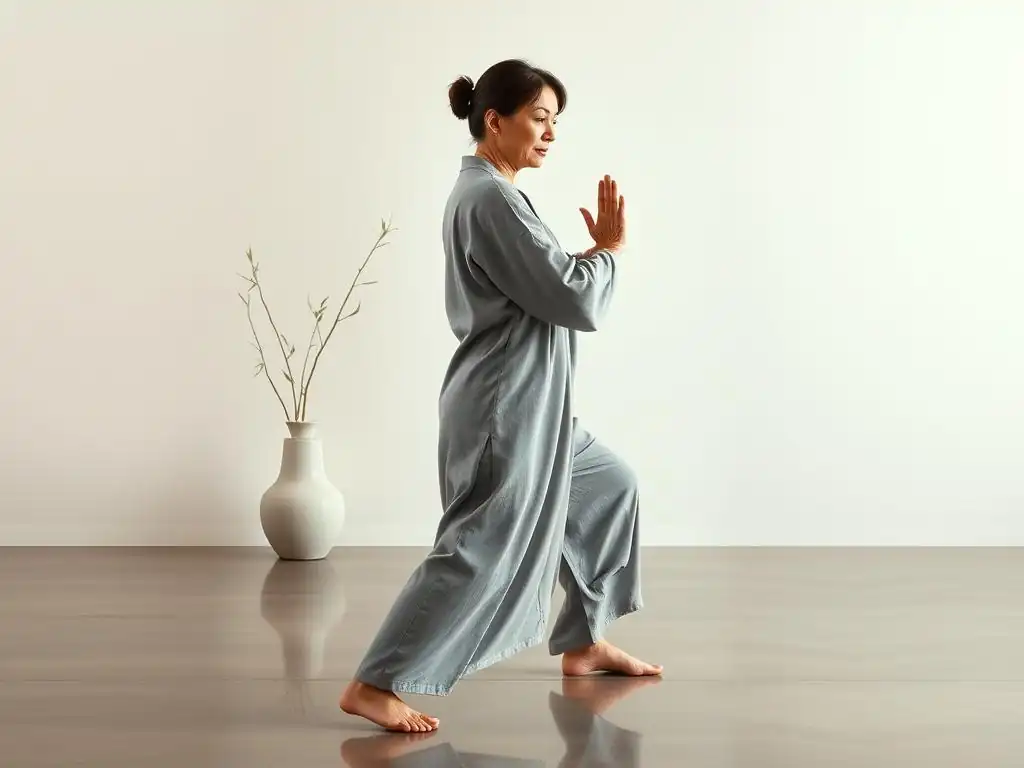
Start Small: Embracing Micro-Movements and Gradual Progress
One of the most effective strategies for Tai chi overcoming mental resistance is to drastically lower the bar for entry. Instead of committing to a full form or a 60-minute class, start incredibly small. Think "micro-movements." This could mean simply standing in the basic Tai Chi posture (Wu Chi stance) for two minutes, focusing only on your breath and feeling your feet on the ground. Or practice just one or two simple movements, like "Beginning of Tai Chi" or "Ward Off," for five minutes.
The goal here is to build consistency and positive association, not to achieve perfection. By making the initial commitment tiny, you reduce the perceived effort and make it easier to start. Success in completing even a micro-practice builds confidence and makes the next session feel less daunting. Over time, as your comfort and energy grow, you can gradually add a few more minutes or movements, embodying the Tai Chi principle of gradual, continuous development.
Finding the Right Tai Chi Style and Instructor for Your Needs
Tai Chi encompasses various styles (Yang, Chen, Wu, Sun, etc. ), and finding one that resonates with you is crucial for sustained practice. Some styles are slower and focus more on health, while others are more martial or physically demanding. Researching different styles or trying introductory classes from different instructors can help you find a good fit. For someone feeling stuck, a slower, more health-focused style like Yang style, which is widely taught and known for its gentle, flowing movements, might be more accessible initially.
Equally important is finding an instructor whose teaching style is supportive and empathetic. A good instructor understands that students come with varying levels of experience and physical or mental states. They create a welcoming environment, offer modifications, and emphasize the principles of relaxation and mindfulness over perfect form. Don't hesitate to observe a class or talk to the instructor beforehand to gauge if their approach aligns with your needs for Tai chi overcoming mental resistance.
Creating a Supportive Environment for Tai Chi Practice
Your physical and social environment significantly impacts your ability to overcome resistance. Designate a specific space, however small, for your practice. This could be a corner of a room, a spot in your garden, or even a park bench. Keeping this space tidy and accessible removes a potential barrier to starting. Ensure it's a place where you feel safe and undisturbed, allowing you to focus inward.
Consider practicing with others, either in a class or with a friend. The social support and shared commitment can provide motivation on days when you feel like skipping. Online communities or virtual classes can also offer a sense of connection if in-person options are limited. Sharing your intention to start Tai Chi with a supportive friend or family member can also provide gentle accountability, further aiding in Tai chi overcoming mental resistance by creating external encouragement.
Visualization and Positive Affirmations for Building Confidence
Visualization can be a powerful tool in preparing your mind for Tai Chi practice, especially when battling self-doubt. Spend a few minutes visualizing yourself successfully completing a short practice session. Focus on the feeling of calm, the gentle movement, and the sense of accomplishment afterward. This mental rehearsal can help reduce anxiety and build confidence before you even begin moving.
Combine visualization with positive affirmations tailored to address your specific areas of resistance. For example, if you fear not being good enough, repeat affirmations like, "I am capable of learning and growing," or "Progress, not perfection, is my goal." If energy is the issue, try, "I have enough energy for this gentle movement," or "Each breath brings me more energy." Repeating these phrases regularly, perhaps while standing in your practice space, can help reprogram negative thought patterns associated with Tai chi overcoming mental resistance.
Tai Chi for Mental Clarity: Releasing Stuck Energy
The Role of Breathwork in Overcoming Mental Obstacles
Breath is fundamental to Tai Chi and plays a critical role in releasing mental obstacles and stuck energy. Often, when we feel stressed or resistant, our breath becomes shallow and held high in the chest. This restricted breathing pattern reinforces feelings of anxiety and physical tension. Tai Chi emphasizes deep, diaphragmatic breathing – inhaling into the belly and exhaling fully and smoothly.
Focusing on this deep, slow breath during practice helps to calm the nervous system directly. It increases oxygen flow to the brain and muscles, reducing physical fatigue and mental fog. By consciously linking breath with movement, you create a powerful feedback loop that grounds you in the present moment, dissolving distracting thoughts and the heavy feeling of inertia. This simple act of mindful breathing is a core component of Tai chi overcoming mental resistance.
Mindful Movement: Connecting Body and Mind in Tai Chi
The core of Tai Chi is mindful movement – performing movements with full awareness of your body, breath, and surroundings. This practice cultivates a strong connection between body and mind, which is often fractured when experiencing mental resistance or feeling stuck. Instead of just going through the motions, you are encouraged to feel the weight shifting, the joints loosening, and the energy flowing through your limbs.
This deep connection helps you become more attuned to your physical and emotional state without judgment. It allows you to notice where tension is held and gently release it through movement and breath. By bringing awareness to the physical body, you anchor yourself in the present, reducing the power of overwhelming thoughts or feelings of inertia. This integration of body and mind is essential for Tai chi overcoming mental resistance at a fundamental level.
Diaphragmatic Breathing for Grounding
Diaphragmatic breathing, the deep belly breathing central to Tai Chi, is a powerful grounding technique. When feeling overwhelmed or mentally resistant, we often feel disconnected from our bodies and the present moment. Focusing on breathing deeply into the diaphragm helps to bring your awareness down into your core and lower body, creating a sense of stability and connection to the ground.
Practice this simple technique anytime you feel resistance or anxiety rising: Sit or stand comfortably, place one hand on your chest and the other on your belly. Inhale slowly through your nose, feeling your belly expand outwards. Exhale slowly through your mouth, feeling your belly contract. Repeat for several breaths, focusing on the gentle rise and fall of your belly. This practice alone can help shift your state and make the idea of starting Tai Chi feel less daunting, supporting Tai chi overcoming mental resistance by providing immediate calm.
Building a Sustainable Tai Chi Practice for Long-Term Mental Well-being
Setting Realistic Goals and Expectations for Your Tai Chi Journey
Building a sustainable Tai Chi practice requires setting goals that are achievable and aligned with your current capacity, especially when starting from a place of resistance. Avoid aiming for daily hour-long sessions immediately. Instead, set a goal you feel confident you can meet, such as practicing for 10 minutes, three times a week. Achieving small, consistent goals builds momentum and reinforces positive habits.
It's also crucial to manage expectations regarding progress. Mastery of Tai Chi takes years, but the benefits to mental well-being can be felt relatively quickly, often within a few weeks of consistent, even short, practice. Understand that some days will be easier than others, and perfection is not the aim. Focus on the process and the feeling of the practice rather than striving for flawless form. This realistic perspective is key for Tai chi overcoming mental resistance over the long haul.
Tracking Your Progress and Celebrating Small Victories
Monitoring your progress, no matter how small, can be incredibly motivating. Keep a simple journal or use a tracking app to note when you practiced, for how long, and how you felt before and after. Did you feel slightly less anxious? Was your mind a little clearer? Did you notice a moment of ease? These small shifts are significant victories, especially when you started feeling stuck.
Celebrating these small wins reinforces the positive association with Tai Chi and provides encouragement to continue. This could be as simple as acknowledging your effort, treating yourself to a relaxing cup of tea after practice, or sharing your progress with a supportive friend. Recognizing and celebrating consistency, rather than just physical achievement, is vital for maintaining motivation and solidifying your commitment to Tai chi overcoming mental resistance.
Finding a Tai Chi Community for Support and Motivation
Joining a Tai Chi community, whether in-person or online, can provide invaluable support and motivation. Practicing with others creates a sense of shared experience and accountability. Seeing others at various stages of their journey can be inspiring and normalize the challenges you might face. Instructors and fellow students can offer encouragement, answer questions, and provide a sense of belonging.
Even if you primarily practice alone, connecting with an online forum or group can offer a sense of community. Sharing experiences, asking for advice on Tai chi overcoming mental resistance, and celebrating milestones together can significantly boost your commitment and make the journey feel less isolating. Many studies on exercise adherence highlight the power of social support in maintaining long-term practice.
Addressing Specific Challenges in Tai Chi Practice
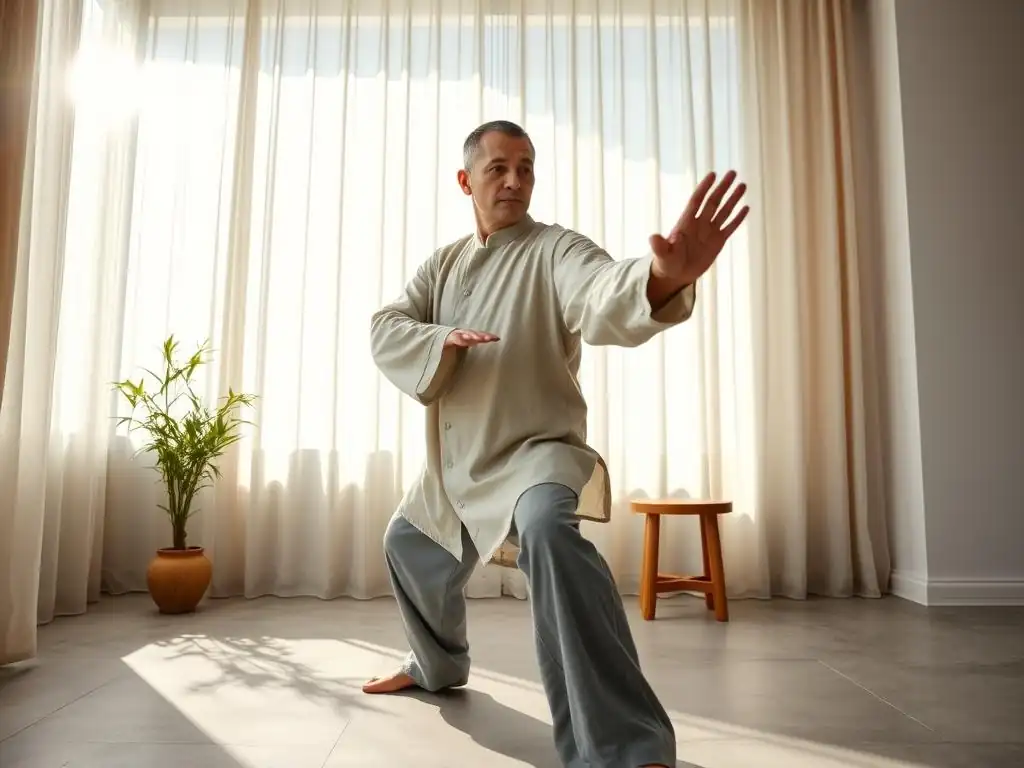
Overcoming Self-Consciousness and Body Image Issues
Self-consciousness, particularly regarding body image or perceived awkwardness, can be a major barrier to practicing Tai Chi, especially in a group setting. It's common to feel clumsy or compare yourself negatively to others, which can trigger resistance. Remember that Tai Chi is a non-competitive practice, and everyone starts as a beginner. Most people in a class are focused on their own practice, not judging others.
If self-consciousness is a significant barrier, consider starting with private lessons or practicing alone at home using online resources. Focus on the internal feeling of the movements rather than how they look. As you become more comfortable and confident in your body's ability to move, self-consciousness often diminishes. Gentle self-compassion is key here; acknowledge the feeling without letting it stop you from trying.
Dealing with Fatigue and Physical Limitations
Feeling fatigued or having physical limitations are common reasons for resistance, especially when feeling stuck due to mental health challenges. Tai Chi is adaptable and can be modified to suit various physical conditions. If fatigue is high, practice for shorter durations (5-10 minutes) or focus on seated Tai Chi exercises. Listen to your body and rest when needed, rather than pushing through discomfort.
For physical limitations, such as joint pain or balance issues, communicate with your instructor if you're in a class. Most Tai Chi movements can be modified. For example, stances can be higher, steps can be smaller, and hand movements can be performed while seated. There are even specific Tai Chi programs designed for conditions like arthritis or balance improvement. The goal is gentle movement, not strenuous exercise, making it highly adaptable.
Modifying Tai Chi Movements for Knee Pain
Knee pain is a frequent concern for individuals considering Tai Chi, as some stances involve bending the knees. However, Tai Chi is often recommended for knee health because it strengthens the muscles around the joint and improves balance, reducing strain. The key is modification. Avoid deep stances if they cause pain. Keep your knees slightly bent, but do not sink lower than comfortable.
Focus on keeping your knees tracking over your ankles and avoid twisting the knee joint independently of the hip. If standing is difficult, explore seated Tai Chi forms. Many traditional movements have seated variations that provide similar benefits to balance, coordination, and mental focus without putting stress on the knees. A qualified instructor can provide specific modifications to ensure your practice is safe and beneficial, aiding Tai chi overcoming mental resistance related to physical concerns.
Tai Chi Overcoming Mental Resistance: A Case Study
Sarah's Journey: Overcoming Resistance to Tai Chi with Gentle Practice
Sarah, a 45-year-old marketing manager, had been feeling stuck for months, overwhelmed by work stress and a creeping sense of inertia that made simple tasks feel exhausting. She struggled with anxiety and found it hard to motivate herself to do anything beyond her basic responsibilities. The idea of exercise felt impossible, but she read about Tai Chi's benefits for stress and decided to explore Tai chi overcoming mental resistance through this gentle art. However, she faced significant internal resistance – fear of not being graceful, skepticism about its effectiveness, and the sheer effort of researching and finding a class.
Instead of trying to jump into a group class, Sarah started by watching short online videos focusing on basic warm-ups and just the first three movements of the Yang style form. Her initial goal was just five minutes, three times a week. Some days she only managed two minutes, other days ten. She practiced alone in her living room, focusing only on her breath and the feeling of her body moving, ignoring any self-critical thoughts about her form. She kept a small notebook to simply tick off the days she practiced, no matter the duration.
Analyzing the Key Factors in Sarah's Success
Several factors contributed to Sarah's success in using Tai Chi to overcome her mental resistance. Firstly, she started incredibly small, drastically reducing the activation energy required. Her goal of "five minutes, three times a week" was so achievable that it felt less intimidating than a typical exercise regimen. This micro-commitment allowed her to build consistency without feeling overwhelmed.
Secondly, she focused on the internal experience – breath and body feeling – rather than external perfection. By practicing alone initially and not worrying about form, she bypassed the self-consciousness that had been a major barrier. The simple act of movement, combined with conscious breathing for even a few minutes, began to gently shift her physical and emotional state. The simple act of tracking her practice provided tangible evidence of her effort, reinforcing her commitment to Tai chi overcoming mental resistance one small step at a time.
Lessons Learned from Sarah's Journey
Sarah's journey highlights several key lessons for anyone facing resistance to starting Tai Chi. The first is the power of starting small; consistency in tiny steps is far more effective than aiming for perfection and failing. Second, focusing on the internal, mindful aspects of Tai Chi (breath, sensation) is more important than perfect external form, especially in the beginning. Third, adapting the practice to your current energy levels and comfort zone is essential for sustainability – it's okay to modify or do less on challenging days.
Finally, celebrating the effort and consistency, rather than just physical results, helps maintain motivation. Sarah's simple tick marks in her notebook represented victories against inertia. Her experience demonstrates that Tai chi overcoming mental resistance isn't about fighting your inner state, but gently moving with it, step by mindful step, allowing the practice itself to gradually dissolve the barriers.
Maintaining Momentum: Staying Committed to Your Tai Chi Practice
Regularly Reassessing Your Goals and Adjusting Your Approach
Maintaining a long-term Tai Chi practice requires flexibility and the willingness to adapt your goals as your circumstances or feelings change. What worked when you first started Tai chi overcoming mental resistance might need adjustment as you progress or face new challenges. Periodically check in with yourself: Is your current practice schedule still realistic? Are your goals still motivating?
Perhaps you started with 10 minutes and now feel ready for 20, or maybe a life event means you need to scale back temporarily. Be kind to yourself and adjust your approach without guilt. This might involve trying a new style, joining a class, exploring different aspects of the practice like push hands (if appropriate), or simply changing the time of day you practice. Regular reassessment ensures your Tai Chi journey remains a source of support, not another source of stress.
Integrating Tai Chi Principles into Daily Life
The benefits of Tai Chi extend far beyond the formal practice time. Integrating its core principles – mindfulness, relaxed movement, balanced posture, and deep breathing – into your daily activities can significantly enhance your mental well-being and reinforce your commitment. Practice mindful breathing while waiting in line, maintain relaxed shoulders while working at a computer, or walk with conscious awareness of your posture and steps.
By weaving these principles into everyday life, you strengthen the mind-body connection cultivated during formal practice. This continuous application helps to maintain a state of calm and presence, making it easier to return to your mat or practice space. It reinforces the idea that Tai chi overcoming mental resistance is not just something you do during specific sessions, but a way of being that supports you constantly.
Recognizing and Addressing Potential Setbacks
Setbacks are a normal part of any journey, including building a Tai Chi practice. There will be days or even weeks when life gets in the way, motivation wanes, or resistance creeps back in. Recognize these moments without judgment. Acknowledge that you've missed a session or feel less motivated, but avoid letting it derail your entire practice.
Instead of viewing a missed day as a failure, see it as a temporary pause. Gently recommit to the next scheduled session. If resistance feels overwhelming, revisit the strategies that helped you start: begin with just a few minutes, focus purely on breath, or visualize yourself completing a short practice. Seek support from your community or instructor if needed. Addressing setbacks with compassion and flexibility is crucial for long-term adherence and continued Tai chi overcoming mental resistance.
Tai Chi for Mental Health: A Powerful Tool for Self-Care
Tai Chi offers a uniquely gentle yet powerful approach to enhancing mental well-being and Tai chi overcoming mental resistance. Its focus on slow movement, deep breathing, and mindfulness provides a direct antidote to the stress, anxiety, and inertia that can leave us feeling stuck. By starting small, finding a supportive environment, and being kind to ourselves through the process, we can gradually build a sustainable practice.
This ancient art is more than just exercise; it's a moving meditation, a pathway to greater self-awareness, and a profound act of self-care. As you navigate the challenges of feeling stuck, remember that Tai Chi meets you where you are, offering a gentle hand to guide you towards greater flow, clarity, and inner peace. Embracing Tai Chi can be a transformative step in your journey towards holistic mental health.
Frequently Asked Questions
### What is Tai Chi and how can it help with mental resistance?
Tai Chi is a gentle exercise involving slow, flowing movements and focused breathing. It can help overcome mental resistance by reducing stress and promoting mindfulness, making it easier to embrace new activities.
### Why is it so hard to start Tai Chi when you're feeling mentally stuck?
Feeling mentally stuck often leads to inertia and lack of motivation. The perceived effort required to start something new, even something gentle like Tai Chi, can feel overwhelming and increase resistance to change.
### What are some practical tips to break through the resistance and start practicing Tai Chi?
Start small with just 5-10 minutes a day. Focus on the present moment and celebrate small victories. Consider joining a class or finding a beginner-friendly online video to guide you.
### How does Tai Chi specifically address common mental health challenges like anxiety and depression?
Tai Chi's focus on mindfulness and slow, deliberate movements can help regulate the nervous system, reducing anxiety symptoms. The physical activity and social interaction (if in a class) can also alleviate symptoms of depression.
### Where can I find resources and support to learn Tai Chi for mental well-being?
The Mind Care Guide website offers information and support for various mental health challenges. Search online for local Tai Chi classes or look for reputable online resources and certified instructors specializing in Tai Chi for mental well-being.
Final Reflection: Finding Flow Through Stillness
The persistent hum of mental resistance—that nagging voice of self-doubt and inertia—is a universal experience, yet Tai Chi Chuan offers a potent antidote. This ancient practice, often perceived as gentle, provides a surprisingly powerful pathway to overcome internal barriers and unlock a sense of freedom both on and off the mat. It's not just about physical flexibility; it's about cultivating mental agility.
The journey of learning Tai Chi, with its emphasis on mindful movement and breathwork, has profoundly impacted my own understanding of resilience. The process of confronting physical limitations, of patiently working through awkward postures and frustrating moments of imbalance, mirrors the challenges we face in navigating life's complexities. It's a constant reminder that progress isn't linear, and that the beauty lies in the process itself. The journey of a thousand miles begins with a single step.
This ancient proverb resonates deeply with the practice of Tai Chi, highlighting the power of consistent, mindful action in overcoming seemingly insurmountable obstacles.
Now, I invite you to consider your own internal resistance. Where in your life are you feeling stuck? What small, consistent step—perhaps a single Tai Chi posture, a moment of mindful breathing, or a commitment to self-compassion—can you take today to begin breaking through? Embrace the stillness, find your flow, and discover the transformative power that awaits within.
Unleash Your Inner Peace: Start Your Tai Chi Journey Today!
Thanks for taking the time to explore the world of Tai Chi and how it can help you overcome resistance and find inner peace. We hope you found the insights helpful and inspiring! Now it's time to put that knowledge into action. Ready to feel more centered and empowered?
- Begin your Tai Chi practice with a simple 5-minute routine. Find a quiet space, and try the beginner's sequence outlined in the article. Even a few minutes can make a difference!
- Share your experience! Tell us about your first steps on your Mind Care Guide community forum (we'd love to hear how it's going! ).
- Challenge yourself to practice daily for a week. Notice the subtle changes in your energy levels and mental clarity. It's a small commitment with potentially powerful results.
What small step will you take today to cultivate more calmness and balance in your life?