
Breathe Your Stress Away: Easy Deep Breathing Exercises for Instant Calm

Welcome to Mind Care Guide, your compassionate companion on the journey to mental well-being. Feeling overwhelmed by anxiety? You're not alone. Discover the profound power of simple breathwork and learn how deep breathing for anxiety relief can become your instant, portable sanctuary of calm. Let's explore practical techniques to unlock inner peace, one breath at a time. Are you ready to take control of your anxiety right now?
- Understanding the Power of Deep Breathing for Anxiety Relief
- Quick and Easy Deep Breathing Techniques for Stress Management
- Incorporating Deep Breathing into Your Daily Routine
- Tips for Maximizing the Benefits of Deep Breathing Exercises
- Overcoming Challenges in Deep Breathing Practice
- Deep Breathing and Overall Mental Wellbeing
- Conclusion: Embrace Deep Breathing for a Calmer, More Balanced Life
-
Frequently Asked Questions
- How quickly can deep breathing exercises provide anxiety relief?
- What are some easy deep breathing exercises I can try right now?
- How does deep breathing actually help reduce anxiety?
- Are there any potential side effects to deep breathing exercises?
- How often should I practice deep breathing to experience long-term anxiety relief?
- Final Reflection: The Enduring Power of the Breath
- Unwind and Breathe: Your Path to Calmer Moments
Understanding the Power of Deep Breathing for Anxiety Relief
Deep breathing is far more than just taking a big gulp of air. It's a fundamental physiological tool we all possess, capable of profoundly influencing our mental and emotional state. Focusing on deep breathing for anxiety relief taps into the body's natural calming mechanisms, offering a simple yet powerful pathway to managing stress and restoring inner peace. Unlike many external coping mechanisms, breathing exercises are always available, requiring no special equipment or location.
Engaging in deep, conscious breathing shifts the body from a state of fight-or-flight, often triggered by anxiety, to a state of rest and digest. This transition is critical for overall well-being, impacting everything from heart rate to digestion. By mastering simple breathing techniques, individuals can build resilience against daily stressors and gain a practical method for instant calm when anxiety strikes. This foundational understanding is the first step towards harnessing the full potential of deep breathing for stress management.
The Science Behind Deep Breathing and Stress Reduction
When we experience stress or anxiety, our sympathetic nervous system kicks into gear, preparing us to face a perceived threat. This response includes increased heart rate, rapid and shallow breathing, muscle tension, and the release of stress hormones like cortisol and adrenaline. This is a crucial survival mechanism, but chronic activation due to everyday worries can be detrimental to health. Deep breathing acts as a direct countermeasure to this stress response.
Specifically, slow, deep breaths activate the vagus nerve, a major component of the parasympathetic nervous system. This system is responsible for bringing the body back to a state of calm. Activation of the vagus nerve signals the brain to slow the heart rate, decrease blood pressure, and reduce the levels of circulating stress hormones.
Research, including studies in psychophysiology, consistently demonstrates that controlled, slow breathing techniques can induce a significant shift towards parasympathetic dominance, effectively dampening the physiological markers of stress and promoting relaxation. For individuals seeking deep breathing for anxiety relief, understanding this physiological link provides a powerful incentive to practice.
Why Deep Breathing Exercises Work for Calming Anxiety
Deep breathing exercises are effective for calming anxiety because they interrupt the cyclical nature of anxious thoughts and physical symptoms. Anxiety often manifests as a feedback loop: anxious thoughts lead to physical symptoms like rapid heart rate and shortness of breath, which in turn reinforce the feeling of anxiety and generate more anxious thoughts. Focusing on the breath breaks this loop.
By consciously controlling the pace and depth of breathing, you shift your attention away from anxious thoughts and onto a tangible physical process. This simple act of focusing on the breath is a form of mindfulness that anchors you in the present moment, away from worries about the future or regrets about the past, which are common triggers for anxiety.
Furthermore, the physiological changes induced by deep breathing—the slowing of heart rate, the reduction of muscle tension, the calming effect on the nervous system—directly counteract the physical sensations of anxiety, making it harder for the anxious feedback loop to take hold. This makes deep breathing for anxiety relief a potent tool for regaining control and fostering a sense of calm.
Quick and Easy Deep Breathing Techniques for Stress Management
Learning just a few simple breathing techniques can equip you with powerful tools for managing stress and anxiety throughout your day. These methods are designed to be accessible and effective, even when you have limited time or are in a challenging environment. Practicing these regularly builds your capacity to use them effectively when you need them most.
The beauty of these quick techniques lies in their simplicity and portability. They can be performed almost anywhere – at your desk, on public transport, before a meeting, or when feeling overwhelmed. Mastering even one or two can significantly enhance your ability to find instant calm and manage moments of heightened stress, making deep breathing for anxiety relief a practical reality.
Diaphragmatic Breathing: The Foundation of Relaxation
Diaphragmatic breathing, often called belly breathing, is the cornerstone of many relaxation techniques. It involves engaging the diaphragm, a large muscle located below the lungs, to pull air deep into the lungs. This contrasts with shallow chest breathing, which is often associated with stress and provides less oxygen exchange. Learning to breathe deeply using the diaphragm is the first step towards harnessing the full power of your breath for relaxation.
Proper diaphragmatic breathing maximizes oxygen intake and promotes a slower, more efficient breathing pattern. This type of breathing directly stimulates the vagus nerve, signaling the body to relax. Consistent practice of diaphragmatic breathing has been shown in various studies to lower heart rate, reduce blood pressure, and decrease levels of stress hormones. For effective deep breathing for anxiety relief, mastering this fundamental technique is highly recommended as it forms the basis for more advanced breathwork.
How to Practice Diaphragmatic Breathing (Belly Breathing)
Here’s a simple way to start practicing diaphragmatic breathing:
- Find a comfortable position: Sit or lie down. If lying down, bend your knees with your feet flat on the floor or a surface.
- Place your hands: Put one hand on your upper chest and the other just below your rib cage, allowing you to feel the movement of your diaphragm.
- Inhale slowly: Breathe in slowly through your nose, feeling your abdomen expand as if filling with air. The hand on your belly should rise, while the hand on your chest should remain relatively still.
- Exhale slowly: Exhale slowly through pursed lips (as if whistling), gently contracting your abdominal muscles. The hand on your belly should fall, and the hand on your chest should still remain relatively still.
- Repeat: Continue for 5-10 minutes daily.
- [ ] Sit or lie comfortably.
- [ ] Place one hand on chest, one on belly.
- [ ] Inhale slowly through nose, expand belly.
- [ ] Exhale slowly through pursed lips, contract belly.
- [ ] Repeat for 5-10 minutes.
Practice this technique regularly, even when you don't feel anxious, to make it a natural response. Over time, you'll find that you can engage in diaphragmatic breathing more easily, even while standing or walking, making it a readily available tool for deep breathing for anxiety relief.
Box Breathing: A Simple Technique for Immediate Calm
Box breathing, also known as square breathing, is a simple yet incredibly effective technique used by everyone from Navy SEALs to corporate executives to manage stress in high-pressure situations. Its power lies in its rhythmic pattern, which provides a mental anchor and regulates the nervous system quickly. The equal duration of each phase of the breath (inhale, hold, exhale, hold) creates a calming, meditative effect that can rapidly reduce feelings of being overwhelmed.
This technique is particularly useful for immediate deep breathing for anxiety relief because it requires concentration on the count, diverting the mind from anxious thoughts. The controlled holding phases help regulate oxygen and carbon dioxide levels, further promoting a sense of calm and control. Many find that even just a few rounds of box breathing can significantly lower their heart rate and quiet mental chatter, making it an excellent on-the-spot tool for stress management.
Step-by-Step Guide to Box Breathing for Anxiety
Follow these steps to practice box breathing:
- Find a comfortable position: Sit upright with your feet flat on the floor, or lie down.
- Empty your lungs: Gently exhale all the air from your lungs.
- Inhale: Inhale slowly through your nose for a count of four. Feel your belly expand.
- Hold: Hold your breath for a count of four.
- Exhale: Exhale slowly through your mouth for a count of four.
- Hold: Hold your breath again for a count of four before the next inhale.
- Repeat: Continue this "inhale 4, hold 4, exhale 4, hold 4" pattern for several minutes, or until you feel a sense of calm.
1.  Exhale completely.
2.  Inhale for 4 counts.
3.  Hold breath for 4 counts.
4.  Exhale for 4 counts.
5.  Hold breath for 4 counts.
6.  Repeat steps 2-5.
Visualizing a box or square as you move through the four phases can help maintain focus. This technique is highly effective for managing acute moments of stress and is a valuable addition to your toolkit for deep breathing for anxiety relief.
Alternate Nostril Breathing (Nadi Shodhana): Balancing Your Energy
Alternate Nostril Breathing, or Nadi Shodhana in Sanskrit, is a traditional yogic breathing practice known for its balancing and calming effects. It involves breathing through one nostril at a time, alternating between them in a specific pattern. This technique is believed to balance the left and right hemispheres of the brain, calm the nervous system, and clear energy channels (nadis), promoting mental clarity and emotional equilibrium.
While it might seem a bit more complex than other methods, Alternate Nostril Breathing is incredibly effective at reducing stress and preparing the mind for meditation or sleep. Studies have indicated that consistent practice can lead to a significant reduction in perceived stress levels and improved physiological markers of relaxation. It's a powerful technique for deep breathing for anxiety relief, particularly when you feel agitated or mentally scattered.
Performing Alternate Nostril Breathing for Stress Relief
Here’s how to practice Alternate Nostril Breathing:
- Find a comfortable seated position: Sit with a straight spine.
- Position your hand: Rest your left hand comfortably on your lap. With your right hand, bring your index and middle fingers down to rest on your palm, leaving your thumb, ring finger, and pinky finger extended (Vishnu Mudra).
- Close right nostril: Close your right nostril gently with your right thumb.
- Inhale left: Inhale slowly and deeply through your left nostril.
- Close left nostril, release right: Close your left nostril with your ring finger and pinky finger. Release your right nostril (lift your thumb).
- Exhale right: Exhale slowly and completely through your right nostril.
- Inhale right: Inhale slowly and deeply through your right nostril.
- Close right nostril, release left: Close your right nostril with your thumb. Release your left nostril (lift your ring/pinky fingers).
- Exhale left: Exhale slowly and completely through your left nostril.
- Repeat: This completes one round. Continue for 5-10 rounds, always starting and ending by exhaling through the left nostril.
- Note: If one nostril is blocked, breathe normally through the open nostril until it clears, or skip this technique for the moment.
1.  Sit comfortably, spine straight.
2.  Use right hand: close right nostril with thumb.
3.  Inhale left nostril.
4.  Close left nostril (ring/pinky), release thumb from right.
5.  Exhale right nostril.
6.  Inhale right nostril.
7.  Close right nostril (thumb), release ring/pinky from left.
8.  Exhale left nostril.
9.  Repeat steps 2-8 for 5-10 rounds.
This rhythmic, alternating pattern helps to soothe the nervous system and bring about a state of calm focus, making it a profound practice for deep breathing for anxiety relief.
4-7-8 Breathing: A Natural Tranquilizer
The 4-7-8 breathing technique, popularized by Dr. Andrew Weil, is often described as a "natural tranquilizer for the nervous system." It's based on ancient yogic practices and is specifically designed to promote relaxation and help you fall asleep. The longer exhale compared to the inhale is key to its calming effect, allowing the body to release carbon dioxide and further activate the parasympathetic nervous system.
This method is excellent for rapid relaxation and can be particularly helpful when you feel restless, stressed, or are struggling with insomnia related to anxiety. The focus on counting provides a mental distraction from worries, while the specific timing directly influences physiological calming responses. Practicing 4-7-8 breathing regularly can improve your ability to relax on command, proving highly effective for deep breathing for anxiety relief.
How to Perform the 4-7-8 Breathing Technique
Follow these steps for the 4-7-8 technique:
- Find a comfortable position: Sit with a straight back or lie down.
- Position your tongue: Place the tip of your tongue against the ridge of tissue just behind your upper front teeth, and keep it there throughout the exercise. You will exhale around your tongue.
- Exhale completely: Exhale completely through your mouth, making a "whoosh" sound.
- Inhale: Close your mouth and inhale quietly through your nose for a count of four.
- Hold: Hold your breath for a count of seven.
- Exhale: Exhale completely through your mouth, making a "whoosh" sound, for a count of eight.
- Repeat: This completes one cycle. Repeat the cycle three more times for a total of four breaths.
- Note: The counts are important; the total time for each phase doesn't matter as much as the ratio (4:7:8). If holding your breath for 7 counts is difficult initially, start with a shorter hold and work your way up.
1.  Tip of tongue behind front teeth.
2.  Exhale completely through mouth ("whoosh").
3.  Inhale through nose for 4 counts.
4.  Hold breath for 7 counts.
5.  Exhale through mouth ("whoosh") for 8 counts.
6.  Repeat steps 3-5 three more times (total 4 breaths).
This technique is particularly potent due to the extended exhale and hold, making it a go-to method for quickly reducing tension and promoting rest. It's a powerful tool within the realm of deep breathing for anxiety relief.
Incorporating Deep Breathing into Your Daily Routine
Integrating deep breathing into your daily life transforms it from a reactive coping mechanism into a proactive strategy for well-being. Regular practice builds resilience, lowers baseline stress levels, and makes it easier to access calm when you need it most. Finding specific times and triggers throughout your day to pause and breathe deeply can create powerful habits that support mental health.
Consistency is key. Even dedicating just a few minutes each day to conscious breathing can yield significant benefits over time. Think about moments where you naturally pause or transition – waking up, before starting work, during a commute, before meals, or before bed. These moments provide perfect opportunities to weave in a few rounds of deep breathing for anxiety relief and stress management.
Deep Breathing Exercises for Morning Calm and Focus
Starting your day with deep breathing sets a positive tone and prepares your mind for the hours ahead. Instead of immediately checking emails or social media, dedicate 5-10 minutes to conscious breathing. This practice can help clear morning grogginess, reduce anticipatory anxiety about the day's challenges, and improve focus by centering your mind before distractions take hold.
A simple diaphragmatic breathing exercise or a few rounds of Box Breathing can be performed while still in bed or sitting in a quiet spot with your morning coffee. This intentional start helps activate the parasympathetic nervous system early on, counteracting the stress response that can sometimes be triggered by the mere thought of a busy day. Making this a non-negotiable part of your morning ritual is an effective way to utilize deep breathing for anxiety relief right from the start.
Deep Breathing Techniques for Workplace Stress Relief
The workplace is a common source of stress and anxiety. Tight deadlines, difficult colleagues, or demanding tasks can quickly escalate tension. Fortunately, deep breathing exercises are discreet and effective tools you can use right at your desk or in a quiet break room. Taking just 60-90 seconds for a few conscious breaths can make a significant difference in your ability to handle pressure.
Techniques like Box Breathing or a simplified 4-7-8 (without the tongue position) can be done without drawing attention. When you feel overwhelmed or frustrated, pause, close your eyes for a moment if comfortable, and perform 4-6 cycles of one of these techniques. This brief pause interrupts the stress response, helps you regain composure, and allows you to approach the situation with a clearer mind. Utilizing deep breathing for anxiety relief in the workplace can enhance productivity and improve overall job satisfaction.
Using Deep Breathing Before Bed for Better Sleep
Anxiety and racing thoughts are major contributors to insomnia and poor sleep quality. Bringing deep breathing into your bedtime routine can signal to your body and mind that it's time to wind down and prepare for rest. The calming effect of conscious breathing helps quiet the mental chatter that often keeps you awake.
The 4-7-8 breathing technique is particularly well-suited for bedtime due to its potent relaxation effects. Lying in bed, perform several rounds of the 4-7-8 breath. Focus solely on the counts and the sensation of the breath. If your mind wanders, gently guide it back to the breathing pattern. This practice helps lower your heart rate, relax tense muscles, and shift your nervous system into a state conducive to sleep. Making deep breathing for anxiety relief a regular part of your sleep hygiene can significantly improve your ability to fall asleep faster and achieve more restful sleep.
Tips for Maximizing the Benefits of Deep Breathing Exercises
While deep breathing techniques are simple, certain practices can enhance their effectiveness and make them more beneficial for managing anxiety and stress. These tips focus on creating the right environment, cultivating awareness, and integrating breathing with other calming practices to amplify its power.
Approaching deep breathing with intention and consistency is key. It's not just about going through the motions but engaging fully with the process. By paying attention to these details, you can deepen your practice and unlock the full potential of deep breathing for anxiety relief.
Finding a Quiet Space for Practice
While you can practice deep breathing anywhere, especially for quick stress relief, finding a quiet space when you are learning or dedicating time for a longer session can significantly enhance the experience. A quiet environment minimizes external distractions, making it easier to focus inward on your breath and body sensations. This focused attention is crucial for calming the busy mind, which is often a source of anxiety.
Even if you don't have a perfectly silent room, finding a spot away from the main hubbub of activity can help. Turn off notifications on your phone, close the door, or step outside if possible. Dedicating this time and space signals to your brain that this is a moment for calm and self-care, reinforcing the practice's effectiveness. Creating this peaceful sanctuary, even temporarily, supports the goal of using deep breathing for anxiety relief.
Focusing on Your Breath and Body Sensations
The core of effective deep breathing is mindful awareness. It's not just about the mechanics of inhaling and exhaling but about paying attention to the sensations of the breath as it enters and leaves your body. Notice the rise and fall of your abdomen or chest, the temperature of the air as it enters your nostrils and leaves your mouth, and the subtle movements within your body.
This focus on physical sensations grounds you in the present moment, pulling your attention away from anxious thoughts about the past or future. When your mind inevitably wanders (which it will), gently acknowledge the thought without judgment and guide your focus back to the breath. This practice strengthens your ability to direct your attention, a skill invaluable for managing anxiety. Cultivating this mindful awareness while doing deep breathing for anxiety relief amplifies its calming power.
Combining Deep Breathing with Mindfulness Meditation
Deep breathing is a foundational element of mindfulness meditation. By combining focused breathing with a broader practice of non-judgmental awareness, you can deepen your ability to observe thoughts and feelings without getting swept away by them. Start by focusing on your breath using one of the techniques, and then gradually expand your awareness to notice bodily sensations, sounds, and thoughts, maintaining a gentle, curious attitude towards whatever arises.
This combined approach enhances the benefits of both practices. The deep breathing helps calm the nervous system, making it easier to sit and practice mindfulness. Mindfulness, in turn, helps you become more aware of your breathing patterns throughout the day, allowing you to catch shallow breathing early and consciously shift to deeper breaths before anxiety escalates. Integrating these two practices creates a powerful synergy for comprehensive deep breathing for anxiety relief and overall mental well-being.
Overcoming Challenges in Deep Breathing Practice
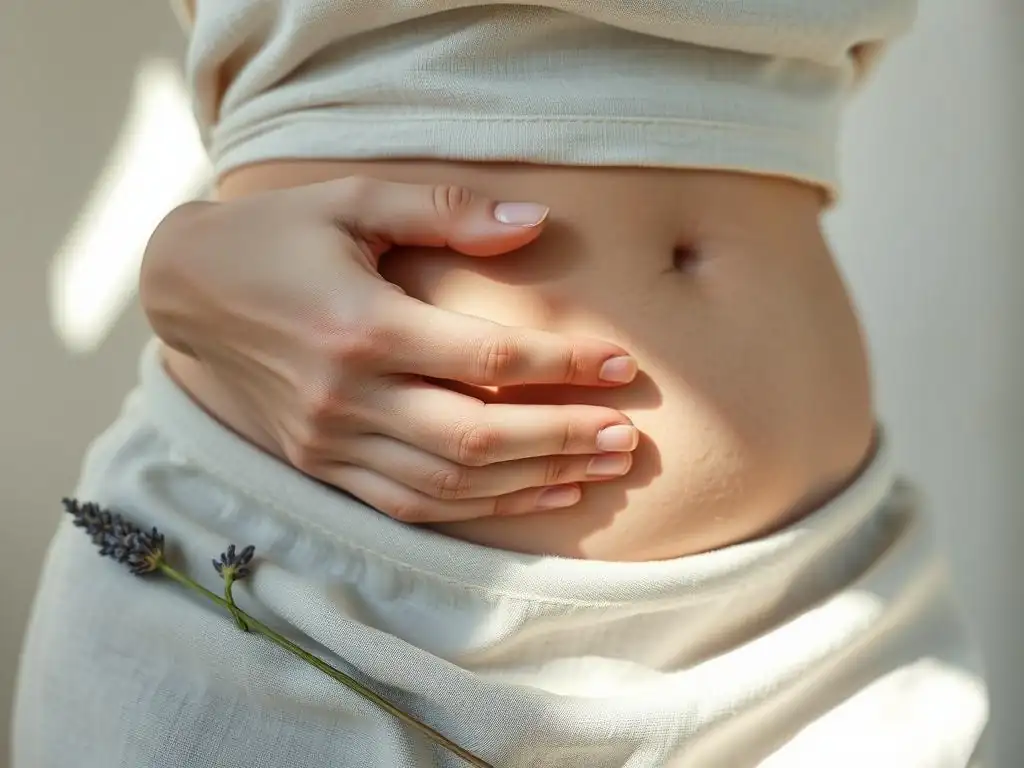
While deep breathing is generally simple and accessible, it's not uncommon to encounter challenges when you first start or even after practicing for a while. Feeling lightheaded, struggling to focus, or finding it difficult to engage the diaphragm are common hurdles. Recognizing these potential issues and having strategies to address them can help you maintain a consistent practice and maximize the benefits.
Patience and self-compassion are important when learning any new skill, including breathwork. It's okay if it doesn't feel perfect right away. The key is to keep practicing and adjust the techniques as needed. Addressing these challenges head-on ensures that deep breathing for anxiety relief remains a positive and effective tool for you.
Addressing Common Difficulties with Deep Breathing
One common difficulty is feeling lightheaded or dizzy, especially when first practicing deeper or slower breaths. This is often due to taking in more oxygen than usual or exhaling more carbon dioxide rapidly. If this happens, simply return to your normal breathing pattern until the sensation passes, and then resume the deep breathing more gently, perhaps for shorter durations. Gradually increase the length of your practice as your body adjusts.
Another challenge is a wandering mind. It's completely normal for thoughts to pop up during breathing exercises. The goal isn't to stop thinking, but to notice the thoughts without judgment and gently redirect your attention back to your breath. Think of your thoughts like clouds passing in the sky – acknowledge them and let them drift by as you return to the anchor of your breath. Consistency helps train your focus over time, making deep breathing for anxiety relief more effective.
Modifying Techniques to Suit Your Needs
Not every technique will resonate with everyone, and that's perfectly fine. If you find a particular method, like Alternate Nostril Breathing, feels awkward or uncomfortable, try another one, such as Box Breathing or 4-7-8 breathing. You can also modify techniques to better suit your current state or physical abilities. For instance, if holding your breath is difficult, shorten the hold time in the Box or 4-7-8 techniques, or practice Diaphragmatic Breathing without any holds.
If you have respiratory conditions, consult with a healthcare provider before starting new breathing exercises. They can offer guidance on safe and effective practices for your specific situation. The goal is to find techniques that feel comfortable and beneficial for you. Experiment and adapt to discover what works best for your personal journey with deep breathing for anxiety relief.
Deep Breathing and Overall Mental Wellbeing
The benefits of deep breathing extend far beyond immediate anxiety relief. Regular practice contributes significantly to overall mental and emotional wellbeing by influencing physiological processes, enhancing self-awareness, and building resilience. It's a fundamental self-care practice that supports a healthier, more balanced mind.
Incorporating deep breathing into a broader lifestyle focused on mental health amplifies its effects. It complements other healthy habits like exercise, mindful eating, and sufficient sleep, creating a holistic approach to managing stress and promoting emotional regulation. Understanding these wider impacts highlights the value of making deep breathing for anxiety relief a consistent part of your life.
Beyond Anxiety Relief: The Broader Benefits of Deep Breathing
Regular deep breathing offers a multitude of benefits for mental and physical health. Physiologically, consistent practice can contribute to lower resting heart rate, reduced blood pressure, improved digestion, and better oxygenation of the body's tissues and organs. It can also help regulate the body's response to pain and improve immune function by reducing chronic stress.
Mentally and emotionally, deep breathing enhances self-awareness, helping you recognize stress signals earlier. It improves focus and concentration by training your attention. Many people report increased feelings of calm, patience, and emotional stability with regular practice. It provides a sense of agency and control, knowing you have a tool readily available to manage your internal state. These wide-ranging benefits underscore the power of deep breathing for anxiety relief as a gateway to enhanced overall wellbeing.
Deep Breathing as Part of a Holistic Stress Management Plan
While incredibly effective, deep breathing is most powerful when integrated into a comprehensive stress management plan. Think of it as a vital component alongside other healthy habits. Combining breathing exercises with regular physical activity, which helps release tension and stress hormones, creates a powerful synergy. Mindful eating, ensuring your body is well-nourished, also supports your ability to manage stress.
Adequate sleep is crucial, and deep breathing can help you achieve it, which in turn improves your capacity to handle stress the next day. Additionally, incorporating practices like journaling, spending time in nature, connecting with loved ones, and setting healthy boundaries all contribute to a robust framework for managing life's pressures. Deep breathing serves as an accessible, on-the-spot tool and a foundational practice that enhances the effectiveness of these other strategies, making deep breathing for anxiety relief a cornerstone of a balanced life.
Conclusion: Embrace Deep Breathing for a Calmer, More Balanced Life
Deep breathing is a simple, free, and readily available tool for managing stress and anxiety. By understanding the science behind it and practicing easy techniques like Diaphragmatic Breathing, Box Breathing, Alternate Nostril Breathing, and 4-7-8 Breathing, you gain the power to influence your body's stress response and cultivate a sense of calm anytime, anywhere.
Incorporating these techniques into your daily routine, whether in the morning, at work, or before bed, builds resilience and promotes lasting well-being. While challenges may arise, patience and modification ensure that deep breathing remains an accessible and effective practice. Embracing deep breathing for anxiety relief is more than just a quick fix; it's an investment in your overall mental and physical health, paving the way for a calmer, more balanced, and fulfilling life. Start breathing deeply today and experience the profound difference it can make.
Frequently Asked Questions
How quickly can deep breathing exercises provide anxiety relief?
Deep breathing exercises can often provide instant, though temporary, anxiety relief. The physiological changes induced by deep breathing, such as a lowered heart rate, can be felt within minutes. However, consistent practice leads to more sustained benefits.
What are some easy deep breathing exercises I can try right now?
One simple exercise is diaphragmatic breathing, also known as belly breathing. Another is the 4-7-8 technique: inhale for 4 seconds, hold for 7, and exhale for 8. Finally, box breathing involves inhaling, holding, exhaling, and holding, each for 4 seconds.
How does deep breathing actually help reduce anxiety?
Deep breathing activates the parasympathetic nervous system, which is responsible for the "rest and digest" response. This counteracts the "fight or flight" response triggered by anxiety. It also increases oxygen flow to the brain, promoting relaxation and clarity.
Are there any potential side effects to deep breathing exercises?
While generally safe, some individuals may experience lightheadedness or dizziness if they breathe too quickly or deeply. It's important to start slowly and gradually increase the duration and intensity. Consult a healthcare professional if you have underlying health conditions.
How often should I practice deep breathing to experience long-term anxiety relief?
Regular practice is key. Aim for at least 5-10 minutes daily, even when you're not feeling anxious. Integrating deep breathing into your routine can help build resilience to stress and reduce the overall frequency and intensity of anxiety symptoms.
Final Reflection: The Enduring Power of the Breath
The simple act of breathing, often overlooked in our fast-paced lives, holds the key to unlocking a profound sense of calm and managing the pervasive anxiety of modern existence. This article explored practical, accessible deep breathing exercises, demonstrating that a powerful antidote to stress and anxiety is literally at our fingertips – or rather, at the tip of our tongues. The techniques discussed offer immediate relief and, with consistent practice, can cultivate a lasting sense of inner peace.
The impact of chronic stress and anxiety on our collective well-being is undeniable, manifesting in physical ailments, strained relationships, and diminished overall quality of life. The exploration of deep breathing techniques, therefore, is not merely a fleeting trend but a vital component of self-care in an increasingly demanding world. The breath is the bridge between the body and the mind.
This simple truth underscores the power of these exercises to connect us to our inner selves and cultivate a sense of groundedness amidst the chaos.
Now, consider how you can integrate these breathing exercises into your daily routine. Perhaps start with just five minutes each morning and evening, creating a mindful sanctuary within your busy schedule. Don't underestimate the transformative potential of this simple practice. You deserve moments of peace and tranquility, and the breath is your gateway. Embrace this gift, and watch as the calming power of your breath transforms your life, one inhale and exhale at a time.
Unwind and Breathe: Your Path to Calmer Moments
Thanks for taking the time to explore the power of deep breathing with us! We hope you discovered some simple techniques to manage stress and find inner peace. Ready to integrate these practices into your daily life?
- Prioritize a daily breathing session: Start small, even just 5 minutes, focusing on one of the exercises you learned today. This simple act can make a significant difference in your overall well-being.
- Share your experience: Tell a friend or family member about the benefits of deep breathing and invite them to join you in a practice session. Sharing your journey can amplify its positive impact.
- Experiment with different techniques: Don't be afraid to try the techniques at different times of the day to see which resonate most with you and your needs. What works best for one person might not work for another.
So, what's your first step towards a calmer, more centered you?