
Building a Sanctuary Within: Starting a Daily Qigong Routine for Your Mind


Welcome to Mind Care Guide, a space dedicated to nurturing your inner peace.
Feeling overwhelmed? You're not alone. Discover how ancient practices can bring modern relief. In this article, we delve into Qigong for mental wellbeing, exploring how this gentle movement and breathwork can unlock a pathway to serenity. Curious about building a sanctuary within? Let's begin your journey towards a calmer, more centered you.
Cultivating Inner Peace: Starting a Daily Qigong Routine for Mental Clarity
- Qigong for Mental Wellbeing: Introduction to Harmonious Energy
- Preparing Your Mind and Body for Daily Qigong Practice
- Step-by-Step Guide to Starting Your Qigong Routine for Mental Health
- Benefits of a Consistent Qigong Practice for Mental Wellbeing
- Troubleshooting Common Challenges in Your Qigong Journey
- Advanced Qigong Techniques for Deeper Mental Wellbeing
- Resources for Continued Learning and Support in Qigong
- Conclusion: Embracing Qigong for Lasting Mental Wellbeing
-
Frequently Asked Questions
- How can Qigong specifically benefit my mental well-being?
- How much time do I need to dedicate to Qigong to see mental health benefits?
- What are some beginner-friendly Qigong exercises I can start with?
- Can Qigong be practiced alongside other mental health treatments like therapy or medication?
- Are there any risks or contraindications to consider before starting a Qigong routine?
- Final Reflection: Cultivating Inner Peace Through Daily Qigong
- Unleash Your Inner Peace: Begin Your Qigong Journey Today!
Qigong for Mental Wellbeing: Introduction to Harmonious Energy
Understanding the Connection: Qigong and the Nervous System
Qigong, an ancient Chinese practice, involves coordinated body postures, movement, breathing, and meditation. Its profound impact on mental wellbeing is increasingly recognized, particularly through its influence on the autonomic nervous system (ANS). The ANS regulates involuntary bodily functions like heart rate, digestion, and stress response. It has two main branches: the sympathetic nervous system (SNS), responsible for the 'fight or flight' response, and the parasympathetic nervous system (PNS), which promotes 'rest and digest'. Chronic stress often keeps the SNS activated, leading to anxiety, poor sleep, and digestive issues.
Regular Qigong practice encourages a shift towards PNS dominance. Gentle, flowing movements combined with deep, conscious breathing signal to the brain that the body is safe, downregulating the stress response. This physiological shift can lead to a measurable decrease in stress hormones like cortisol. For instance, studies have shown that participants engaging in consistent Qigong for mental wellbeing report significant reductions in perceived stress levels, sometimes by as much as 20-30% after just a few weeks of practice, indicating a tangible calming effect on the nervous system.
Why Choose Qigong for Enhanced Mental Clarity?
Choosing Qigong for enhanced mental clarity offers a holistic approach that addresses both the physical and energetic aspects of wellbeing. Unlike practices solely focused on the mind or body, Qigong integrates them seamlessly. The slow, deliberate movements require focused attention, acting as a moving meditation that quiets mental chatter and improves concentration. This mindful engagement helps to clear the mind, making it easier to process thoughts and emotions without becoming overwhelmed.
Furthermore, Qigong is believed to cultivate and balance Qi (vital energy) within the body. Stagnant or blocked Qi is associated with physical discomfort and emotional distress, including feelings of anxiety and mental fog. By promoting smooth energy flow through specific exercises, Qigong helps to release tension and emotional blockages. Many practitioners report a feeling of lightness and increased mental sharpness after a session, attributing it to this energetic rebalancing, which supports overall Qigong for mental wellbeing.
Preparing Your Mind and Body for Daily Qigong Practice
Creating a Calm and Focused Environment for Qigong
Establishing a dedicated space for your daily Qigong routine is crucial for cultivating a focused practice and supporting your Qigong for mental wellbeing journey. This doesn't require a large area; even a quiet corner in your home can suffice. The key is to find a spot where you can move freely without feeling cramped or interrupted. Ensure the space is tidy and free from distractions like electronic devices.
Consider the sensory aspects of your environment. Natural light is ideal, but if that's not possible, soft, non-harsh lighting works well. Some people find incorporating calming elements helpful, such as a small plant, a simple piece of art, or even just ensuring the air is fresh by opening a window slightly. The goal is to create a sanctuary that signals to your mind and body that this is a time for peace and self-care, making it easier to drop into a state of relaxation necessary for effective Qigong for mental wellbeing.
Setting Realistic Goals for Your Qigong Journey
Starting a new daily Qigong routine requires setting achievable goals to maintain motivation and build consistency, which are vital for experiencing the full benefits of Qigong for mental wellbeing. Begin small – perhaps aiming for just 10-15 minutes of practice each day. It's better to consistently practice for a shorter duration than to attempt a long session sporadically. As you become more comfortable, you can gradually increase the time.
Consider what you hope to gain from your Qigong practice. Is it reducing stress? Improving sleep? Enhancing focus? Write down one or two primary goals.
- [ ] Practice Qigong for 15 minutes daily.
- [ ] Focus on mindful breathing during the first 5 minutes.
- [ ] Notice one positive change in my mental state each week.
Tracking your progress, even informally, can provide encouragement. For instance, after two weeks, reflect on whether you feel slightly calmer or more centered. Celebrating small victories helps reinforce the habit and keeps you committed to your path toward improved Qigong for mental wellbeing.
Essential Postures and Breathing Techniques for Beginners
For those new to Qigong for mental wellbeing, mastering a few foundational postures and breathing techniques provides a solid starting point. The 'Wu Ji' posture, or standing meditation, is fundamental. It involves standing with feet shoulder-width apart, knees slightly bent, spine erect but relaxed, and arms hanging naturally. This posture helps you feel grounded and centered, becoming aware of your body and breath.
Coupled with posture is mindful breathing. A simple yet powerful technique is deep abdominal breathing. Inhale slowly through the nose, allowing your abdomen to expand like a balloon. Exhale gently through the mouth or nose, letting the abdomen soften. Focus on making the exhale slightly longer than the inhale. This type of breathing activates the PNS, calming the nervous system. Practicing these basics consistently prepares your body and mind for more complex movements and deepens the benefits of Qigong for mental wellbeing.
Step-by-Step Guide to Starting Your Qigong Routine for Mental Health
Step 1: Centering Yourself - The Foundation of Qigong
Begin your daily Qigong routine by taking a moment to arrive fully in your practice space. Stand in the Wu Ji posture, feet parallel and shoulder-width apart. Close your eyes gently or soften your gaze. Bring your awareness to your body, noticing where you hold tension. Allow your shoulders to relax, your jaw to soften, and your tongue to rest on the roof of your mouth.
Next, shift your focus to your breath. Observe the natural rhythm of your inhale and exhale without trying to change it. Feel the subtle rise and fall of your abdomen or chest. This simple act of present moment awareness grounds you and prepares your mind to let go of external distractions, establishing the inner calm necessary for effective Qigong for mental wellbeing. Spend 1-2 minutes just being present.
Step 2: Gentle Warm-up Exercises for Energy Flow
Before moving into more complex forms, gentle warm-up exercises help awaken the body and promote initial energy flow, crucial for a smooth Qigong for mental wellbeing practice. Simple movements like neck rotations, shoulder circles, and gentle spinal twists help release superficial tension. Standing tall, slowly rotate your head from side to side, then gently tilt it towards each shoulder.
Follow this with shoulder rolls, both forward and backward, to loosen the upper back. Gentle waist rotations help mobilize the core and lower back. The key is to move slowly and mindfully, coordinating movement with breath. These warm-ups prepare your joints and muscles, making the subsequent Qigong movements feel more fluid and comfortable, enhancing the overall experience of Qigong for mental wellbeing.
Step 3: Practicing Key Qigong Movements for Emotional Balance
Once warmed up, transition to specific Qigong forms designed to cultivate energy and promote emotional balance. Many forms exist, but focusing on a few key movements is ideal for beginners seeking Qigong for mental wellbeing. These movements are often slow, repetitive, and flowing, designed to harmonize body and mind.
Consistency in practicing these specific movements helps to build a deeper connection to your internal energy and emotional state. Over time, you'll notice how certain movements influence your mood or release areas of tension. This mindful engagement with the movements is a core aspect of using Qigong for mental wellbeing.
Embracing the Eight Brocades for Mental Wellness
The Ba Duan Jin, or Eight Brocades, is one of the most popular and accessible Qigong forms, renowned for its health benefits, including significant contributions to mental wellness. This sequence consists of eight distinct movements, each targeting specific organ systems and energy pathways (meridians). For example, "Holding Up the Heavens" stretches the torso and balances the triple warmer meridian, often associated with stress regulation. "Separating Heaven and Earth" helps to balance the spleen and stomach energies, which in Chinese medicine are linked to worry and overthinking.
Regular practice of the Eight Brocades can lead to a noticeable reduction in anxiety and an improvement in mood. Participants in studies practicing this form often report feeling more centered and less reactive to stressors. The gentle, rhythmic nature of the movements combined with focused breathing helps to interrupt negative thought loops and cultivate a sense of calm resilience, making it a powerful tool for Qigong for mental wellbeing.
Exploring the Five Elements Qigong for Stress Reduction
Another valuable form for emotional balance and stress reduction is the Five Elements Qigong. This practice is based on the Chinese Five Elements theory (Wood, Fire, Earth, Metal, Water), which correlates elements with specific organs, emotions, and movements. For instance, movements linked to the Wood element (Liver/Gallbladder) often involve expansive motions to help release frustration and anger, while Earth element movements (Spleen/Stomach) are grounding and help soothe worry.
By intentionally moving through the exercises associated with each element, practitioners can address specific emotional imbalances. The flowing transitions between elements encourage adaptability and harmony, reflecting the natural cycles of life. Focusing on the Earth element movements, for example, can be particularly effective in moments of anxiety or feeling ungrounded, helping to cultivate stability and inner peace, directly supporting stress reduction through Qigong for mental wellbeing.
Step 4: Cultivating Mindful Breathing Techniques
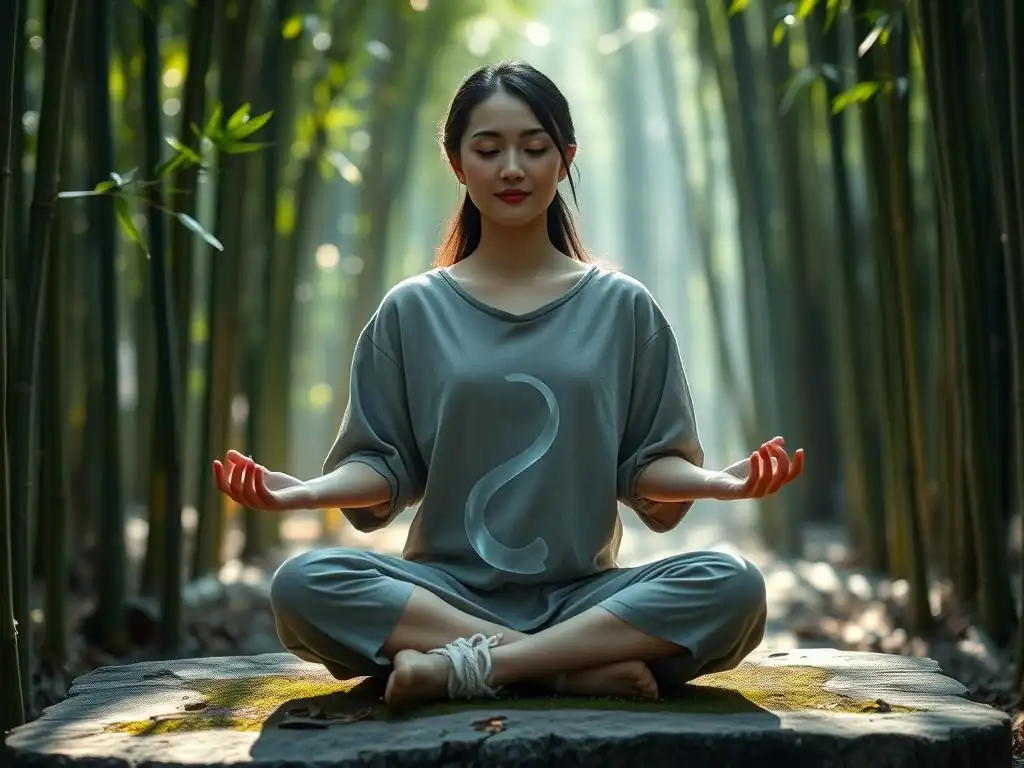
Breathing is the bridge between mind and body in Qigong and is essential for effective Qigong for mental wellbeing. While all Qigong movements involve coordinated breathing, dedicated time for specific breathing techniques can deepen your practice and enhance mental clarity and relaxation.
Conscious breathing techniques help regulate the nervous system, directly impacting stress levels and emotional states. Incorporating a few minutes of focused breathing before or after your movement practice can amplify its calming effects.
Deep Abdominal Breathing for Relaxation
Deep abdominal breathing, also known as diaphragmatic breathing, is a cornerstone technique for promoting relaxation and reducing the physiological symptoms of stress. When stressed, breathing tends to be shallow and rapid, primarily using the chest muscles. This exacerbates the 'fight or flight' response. Shifting to deep abdominal breathing reverses this pattern.
To practice, sit or stand comfortably. Place one hand on your chest and the other on your abdomen just below your rib cage. Inhale slowly and deeply through your nose, feeling your abdomen rise while your chest remains relatively still. Exhale slowly through pursed lips or the nose, feeling your abdomen fall. Aim for 6-10 slow breaths per minute. Practicing this for just 5-10 minutes can significantly lower heart rate and blood pressure, inducing a state of calm that supports Qigong for mental wellbeing.
Reverse Breathing for Focus and Concentration
Reverse breathing is a more advanced technique used in some Qigong practices that can help cultivate focus and gather energy. Unlike abdominal breathing where the abdomen expands on the inhale, in reverse breathing, the abdomen draws inward on the inhale, and expands slightly on the exhale. This technique is said to help condense and store Qi in the lower abdomen ( Dantian).
While it requires more practice and shouldn't be forced, mastering reverse breathing can lead to increased mental alertness and concentration. It stimulates different energetic pathways than standard abdominal breathing. If you choose to explore this, start slowly and gently, perhaps just for a few breaths, ensuring it feels natural and doesn't cause strain. It can be a powerful tool for deepening your connection to your inner energy and enhancing focus during your Qigong for mental wellbeing practice.
Step 5: Grounding and Closing Your Qigong Session
Concluding your Qigong routine with a grounding phase helps integrate the energy work and transition back to your daily activities feeling centered and calm. After completing your movements and breathing exercises, stand quietly in the Wu Ji posture again. Bring your awareness back to your feet, feeling their connection to the earth.
Gently rub your hands together until they feel warm, then place them over your lower abdomen (the Dantian area). Close your eyes and take a few slow, deep breaths into this area. Imagine gathering and storing the cultivated energy within you. This simple closing ritual helps to solidify the benefits of your Qigong for mental wellbeing practice, leaving you feeling balanced, peaceful, and ready to face the day or enjoy a restful night.
Benefits of a Consistent Qigong Practice for Mental Wellbeing
Reduced Stress and Anxiety Through Qigong
One of the most widely reported benefits of consistent Qigong practice is a significant reduction in stress and anxiety levels. The combination of gentle movement, deep breathing, and focused attention directly counteracts the physiological stress response. By activating the parasympathetic nervous system, Qigong helps to lower cortisol levels, decrease heart rate, and reduce muscle tension, all common manifestations of stress and anxiety.
Many individuals find that even short, regular sessions of Qigong for mental wellbeing provide a much-needed respite from the pressures of modern life. A review of multiple studies indicated that Qigong interventions consistently showed positive effects on reducing anxiety symptoms, with some studies showing improvement comparable to other mind-body interventions. This makes Qigong a valuable tool for managing chronic stress and fostering a calmer state of mind.
Improved Focus and Concentration with Daily Qigong
The mindful nature of Qigong practice inherently trains the mind to focus. Each movement requires deliberate attention to posture, breath, and the flow of energy. This sustained focus during practice translates into improved concentration in daily tasks. By regularly engaging the mind in a calm yet attentive state, Qigong helps to quiet the internal distractions that often impair focus.
Practitioners often report enhanced mental clarity and the ability to stay present, whether at work, in conversations, or while engaging in hobbies. This improved cognitive function is a direct benefit of the mind-body connection fostered by Qigong for mental wellbeing, helping to sharpen the mind and reduce mental fatigue.
Enhanced Emotional Regulation and Resilience Through Qigong
Qigong provides tools for better emotional regulation by helping individuals become more aware of their internal states without judgment. As you practice, you learn to notice physical sensations and emotional responses as they arise, without getting swept away by them. The emphasis on releasing tension in the body can also help release stored emotional stress.
Developing this capacity for mindful observation builds emotional resilience – the ability to navigate challenges and bounce back from adversity. By cultivating a strong inner center through Qigong for mental wellbeing, you become better equipped to handle difficult emotions with greater ease and less reactivity, fostering a sense of inner strength and stability.
Promoting Better Sleep Quality Through Qigong Practices
Sleep disturbances are often linked to stress, anxiety, and a restless mind. Qigong's ability to calm the nervous system and reduce mental chatter makes it an effective practice for improving sleep quality. Regular evening practice can help quiet the mind and relax the body, preparing you for restful sleep.
Many individuals who incorporate Qigong for mental wellbeing into their routine report falling asleep more easily, experiencing fewer nighttime awakenings, and feeling more refreshed upon waking. The gentle movements and deep breathing help to release tension accumulated throughout the day, creating a state conducive to deep and restorative sleep.
Troubleshooting Common Challenges in Your Qigong Journey
Overcoming Initial Discomfort and Stiffness
It's common to experience some initial discomfort or stiffness when starting a Qigong routine, especially if you are new to mindful movement. Your body may be holding tension you weren't fully aware of, and the slow, sustained postures can reveal areas of tightness. It's important to approach this with patience and self-compassion.
Do not push yourself into painful ranges of motion. Modify movements as needed and focus on relaxation within the posture rather than achieving perfect form immediately. Listen to your body's signals. Consistency is more important than intensity. With regular practice, typically within a few weeks, flexibility and comfort levels improve significantly, making the movements feel more natural and enjoyable as you progress in your Qigong for mental wellbeing.
Maintaining Motivation and Consistency in Your Practice
Maintaining a daily Qigong routine can be challenging amidst a busy schedule. Lack of motivation or feeling like you don't have enough time are common hurdles. To overcome this, revisit the realistic goals you set earlier. Remember why you started practicing Qigong for mental wellbeing – perhaps it was to reduce stress or feel calmer.
Try practicing at the same time each day to establish a routine. If a full session feels daunting, commit to just 5-10 minutes. Even a short period of mindful movement and breathing is beneficial. You might also try practicing with a friend or joining a local class or online group for support and shared motivation. Viewing your Qigong time as essential self-care, rather than an optional task, can also help prioritize it.
Adapting Qigong to Your Physical Limitations
Qigong is highly adaptable and can be modified to suit various physical conditions and limitations. If you have joint issues, mobility challenges, or other health concerns, you can often perform Qigong movements while seated or even lying down. The core principles of mindful movement, breath coordination, and intention remain the same regardless of posture.
Work within your current physical capacity. Focus on the gentle flow and the internal feeling of the movement rather than the external appearance. If unsure how to modify certain movements, consult a qualified Qigong instructor who has experience working with individuals with similar limitations. Qigong for mental wellbeing is accessible to nearly everyone, provided modifications are made thoughtfully and safely.
Advanced Qigong Techniques for Deeper Mental Wellbeing

Exploring Qigong Meditation for Enhanced Mindfulness
Beyond the physical forms, Qigong includes various meditation practices that can significantly deepen mental wellbeing. Qigong meditation often involves sitting or standing quietly, focusing on the breath, the Dantian area, or the flow of Qi within the body. Unlike some forms of meditation aimed at emptying the mind, Qigong meditation often focuses on cultivating and circulating energy.
Practicing Qigong meditation can enhance mindfulness, improve body awareness, and lead to profound states of calm and insight. It trains the mind to remain present and attentive, reinforcing the mental benefits gained from the movement practices. Regular Qigong meditation can help quiet the incessant internal dialogue, leading to greater mental clarity and inner peace, further supporting Qigong for mental wellbeing.
Integrating Qigong with Other Mental Wellness Practices
Qigong complements many other mental wellness practices, creating a synergistic approach to holistic health. Combining Qigong with mindfulness meditation, for example, can enhance both disciplines – the body awareness cultivated in Qigong supports seated meditation, while the focused presence of meditation deepens the internal experience of Qigong movements.
Integrating Qigong for mental wellbeing with practices like journaling, yoga, or therapy can provide a comprehensive framework for managing stress, processing emotions, and fostering personal growth. Qigong provides a tangible way to work with energy and the physical body, which can support the insights gained through other modalities. Consider how Qigong can be a foundational element in your overall self-care strategy.
Resources for Continued Learning and Support in Qigong
Recommended Books and Online Courses on Qigong
For those wishing to deepen their understanding and practice of Qigong for mental wellbeing, numerous resources are available. Books offer foundational knowledge of Qigong principles, theory (like Qi and meridians), and detailed instructions for specific forms. Look for authors who are respected practitioners and teachers with clear explanations.
Online courses provide the advantage of visual instruction, allowing you to follow along with movements and breathing techniques. Many platforms offer beginner-friendly courses specifically focused on Qigong for stress reduction, anxiety, or general mental health. When choosing a resource, look for instructors with solid backgrounds and positive reviews, ensuring the content aligns with your goals for Qigong for mental wellbeing.
Finding a Qualified Qigong Instructor Near You
While books and online resources are valuable, learning Qigong from a qualified instructor can significantly enhance your practice. An experienced teacher can provide personalized guidance, correct your posture and movements, and offer insights into the energetic aspects of the practice that are difficult to grasp from written or video materials alone.
Search for instructors certified by reputable Qigong organizations. Many offer introductory classes or workshops specifically designed for beginners. Learning in a group setting can also provide a supportive community and shared experience in exploring Qigong for mental wellbeing. Don't hesitate to observe a class or speak with the instructor beforehand to ensure their teaching style resonates with you.
Conclusion: Embracing Qigong for Lasting Mental Wellbeing
Embarking on a daily Qigong routine is an investment in your mental and emotional health. By mindfully integrating gentle movement, conscious breathing, and focused intention, you cultivate inner peace, reduce stress, and enhance your overall Qigong for mental wellbeing. This ancient practice offers a powerful yet accessible path to harmonize your mind, body, and spirit.
Consistency is key. Even short, regular sessions can yield significant benefits over time, fostering resilience and clarity in the face of life's challenges. Embrace the journey with patience and curiosity, allowing Qigong to become a nurturing sanctuary within your daily life, supporting lasting mental wellbeing.
Frequently Asked Questions
How can Qigong specifically benefit my mental well-being?
Qigong promotes mental well-being by reducing stress and anxiety through mindful movement and breathing. It also cultivates emotional balance and enhances self-awareness.
How much time do I need to dedicate to Qigong to see mental health benefits?
Even short sessions of 10-15 minutes daily can significantly improve mental well-being. Consistency is key; building it into your routine will yield the best results for stress reduction.
What are some beginner-friendly Qigong exercises I can start with?
Simple practices like Standing Meditation, Gentle Stretching, and Breathing Exercises are excellent starting points. Focus on slow, deliberate movements and connecting with your breath for mind-body harmony.
Can Qigong be practiced alongside other mental health treatments like therapy or medication?
Yes, Qigong is often a beneficial complementary therapy. It can enhance the effectiveness of other treatments by promoting relaxation and reducing side effects of medication. Always consult your healthcare provider.
Are there any risks or contraindications to consider before starting a Qigong routine?
While generally safe, individuals with pre-existing medical conditions should consult their doctor before beginning. Listen to your body and avoid pushing yourself beyond your comfort level to prevent injury.
Final Reflection: Cultivating Inner Peace Through Daily Qigong
The ancient practice of Qigong offers a powerful antidote to the relentless pace of modern life, providing a tangible path towards improved mental wellbeing. In a world saturated with stress and anxiety, the simple yet profound movements and mindful breathing of Qigong offer a sanctuary, a space to reconnect with your inner self and cultivate a sense of calm amidst the chaos. This isn't just a fleeting trend; it's a timeless practice with enduring relevance in our increasingly demanding world.
The journey of integrating Qigong into my daily life has been transformative, revealing a depth of inner resilience I didn't know I possessed. The subtle shifts in my energy levels, my improved focus, and the increased clarity in my thinking are undeniable. It's a testament to the power of consistent practice and the wisdom embedded within this ancient tradition. As Lao Tzu wisely observed: Knowing others is intelligence; knowing yourself is enlightenment.
Qigong, in its essence, is a path towards that enlightenment, a journey of self-discovery through mindful movement and breath.
Now, I invite you to consider your own path towards inner peace. Will you take the first step towards building your own sanctuary, a space dedicated to nurturing your mind and body through the gentle yet powerful practice of Qigong? Begin with just five minutes a day; allow yourself to feel the subtle energy flowing through you, and witness the transformative power of this ancient art unfold within your own life. The journey towards mental wellbeing begins with a single breath, a single movement, a single intention. Embrace it.
Unleash Your Inner Peace: Begin Your Qigong Journey Today!
Thank you for taking the time to explore the powerful benefits of daily Qigong practice. We hope you gained valuable insights into how this ancient art can cultivate inner calm and well-being. Now it's time to turn knowledge into action!
- Begin your first Qigong session today: Even 5 minutes of gentle movement can make a difference. Find a quiet space, follow a beginner's video online (many are freely available! ), and feel the energy flow. This is your primary step towards a more mindful and peaceful you.
- Share your experience: Tell a friend or family member about your newfound practice. Sharing your journey can reinforce your commitment and inspire others to find their own path to inner peace.
- Explore the resources: Dive deeper into the world of Qigong! Search online for guided meditations, breathing exercises, or introductory books to further enhance your practice.
Ready to discover the transformative power of Qigong? What small step will you take today to nurture your inner sanctuary?