
City Stress vs. Nature's Peace: Why Your Brain Craves Green Escapes

Welcome to Mind Care Guide, your trusted companion on the path to mental well-being.
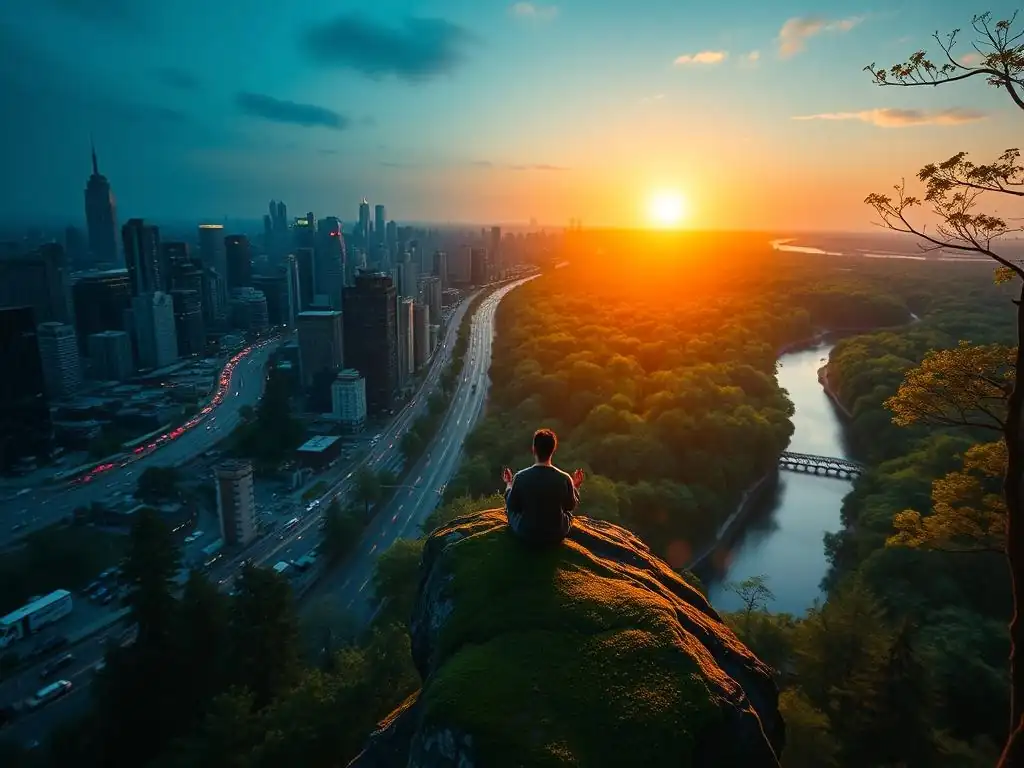
Feeling overwhelmed by the relentless pressure of city life? You're not alone. But what if the solution to your stress was closer than you think? Dive into our exploration of how nature reduces city stress and discover why your brain desperately craves those green escapes. Ready to unlock the calming power of the natural world? Let's begin...
City Stress vs. Nature's Peace: Why Your Brain Craves Green Escapes
- Understanding the Impact of City Life on Mental Well-being
- The Healing Power of Nature: A Counterbalance to Urban Stress
- Nature Reduces City Stress: Specific Benefits of Green Escapes
- Creating Your Own Green Escape: Finding Nature in the City and Beyond
- The Long-Term Impact of Nature on Overall Well-being
- Practical Tips for Maximizing Nature's Stress-Relieving Benefits
-
Frequently Asked Questions
- How does spending time in nature actually reduce city stress?
- What specific aspects of nature are most effective at alleviating stress?
- How much time in nature is needed to experience a significant reduction in stress?
- If I live in a city with limited green spaces, what are some alternative ways to connect with nature?
- Besides stress reduction, what other mental health benefits can I expect from spending time in nature?
- Final Reflection: Reclaiming Our Inner Peace in a Concrete Jungle
- Unleash Your Inner Calm: Reconnect with Nature Today
Understanding the Impact of City Life on Mental Well-being
The Urban Stress Effect: How Cities Affect Your Brain
Living in a bustling city offers excitement and opportunity, but it also exposes our brains to a constant barrage of stimuli that can lead to chronic stress. Research indicates that individuals residing in urban areas often exhibit higher activity in the amygdala, the brain region responsible for processing fear and anxiety.
This heightened state of alert can contribute to a persistent feeling of being overwhelmed, a phenomenon sometimes referred to as "urban brain." The sheer density of people, the relentless pace, and the multitude of daily demands all contribute to this elevated neurological response, potentially impacting our mental resilience over time.
The cumulative effect of navigating complex urban environments can manifest in various ways. Studies have shown correlations between city living and increased rates of certain mental health conditions. For instance, some population-level data suggests that the risk of developing anxiety disorders might be around 21% higher, and mood disorders approximately 39% higher, for people living in cities compared to those in rural settings. While many factors are at play, the constant exposure to stressors unique to urban life is a significant contributor to this statistical difference, highlighting the need for effective coping mechanisms.
Increased Anxiety and City Living: A Direct Correlation?
While not a simple cause-and-effect, there is a strong correlation between urban environments and increased levels of anxiety. The constant exposure to noise pollution, overcrowding, perceived lack of safety, and competitive social dynamics inherent in city life can trigger the body's stress response system repeatedly. This chronic activation can lead to a state of hypervigilance, making individuals more susceptible to feelings of worry, nervousness, and restlessness – classic symptoms of anxiety.
Furthermore, the potential for social isolation, despite being surrounded by millions, is a paradox of urban living that can exacerbate anxiety. The transient nature of relationships and the difficulty in forming strong community bonds in large cities can leave individuals feeling disconnected. This lack of social support, combined with the external pressures of urban life, creates a fertile ground for anxiety to flourish. Exploring how nature reduces city stress becomes particularly relevant in this context, offering a potential antidote to these pervasive urban anxieties.
Sensory Overload in Urban Environments: Noise, Light, and Information
Cities are epicenters of sensory input, constantly bombarding us with sights, sounds, and information. The pervasive drone of traffic, construction noise, sirens, and constant chatter creates a high level of auditory stimulation that can be mentally exhausting. Unlike the natural sounds of birdsong or rustling leaves, urban noise is often unpredictable and intrusive, making it difficult for the brain to filter and process effectively, leading to fatigue and irritability.
Beyond sound, the visual landscape of a city is equally demanding. Bright, artificial lights, towering buildings, flashing advertisements, and constant movement strain our visual processing centers. This visual clutter, combined with the sheer volume of information we process daily – from navigating public transport routes to absorbing news and social media feeds – creates a state of cognitive overload. This persistent sensory and informational deluge leaves little room for mental rest, underlining the importance of finding environments where the brain can recover and recalibrate, which is precisely where nature reduces city stress effectively.
The Healing Power of Nature: A Counterbalance to Urban Stress
Nature's Positive Influence on Mental Health: Scientific Evidence
A growing body of scientific research firmly establishes the profound positive influence of nature on mental health. Studies employing various methodologies, from physiological measurements to psychological assessments, consistently show that exposure to natural environments can significantly improve mood, reduce symptoms of depression and anxiety, and enhance overall psychological well-being. This isn't just about feeling good; it's supported by measurable changes in brain activity and stress hormone levels.
For example, research using fMRI scans has shown that walking in a natural environment decreases activity in the subgenual prefrontal cortex, a brain region linked to rumination and negative thought patterns, compared to walking in an urban setting. This provides a neurological basis for why spending time in nature can help break cycles of worry and negativity. The evidence is compelling: integrating nature into our lives is a powerful, evidence-based strategy for supporting mental health.
Biophilia Hypothesis: Our Innate Connection to the Natural World
The Biophilia Hypothesis, popularized by E.O. Wilson, posits that humans possess an innate, biological need to connect with nature and other living systems. This deep-seated connection is thought to be a product of our evolutionary history, where survival depended on understanding and interacting with the natural world. According to this hypothesis, being separated from nature in increasingly urbanized environments can lead to a sense of disconnection and contribute to psychological distress.
This innate connection explains why spending time outdoors often feels inherently restorative and calming. Our brains and bodies are, in a sense, hardwired to respond positively to natural stimuli. Recognizing this fundamental need helps us understand why simply being in a park, by a body of water, or surrounded by trees can have such a profound impact on our mental state. It underscores the idea that nature reduces city stress not merely as a pleasant pastime, but as a fulfillment of a fundamental human requirement for connection.
Green Spaces and Stress Reduction: Research Findings
Numerous studies have specifically investigated the link between access to green spaces and stress reduction. Research conducted in diverse urban settings has consistently shown that individuals living in areas with more parks, trees, and natural landscapes report lower stress levels and better mental health outcomes. Access to nearby green spaces is associated with reduced levels of perceived stress and lower incidence of stress-related physical ailments.
One notable line of research, often involving salivary cortisol measurements, demonstrates that spending time in natural environments leads to a decrease in this primary stress hormone. For instance, a study might find that a 20-minute visit to an urban park can significantly lower cortisol levels compared to spending the same amount of time in a built-up urban area. These findings provide tangible evidence that accessing green spaces is a powerful tool in the battle against chronic urban stress, demonstrating how nature reduces city stress on a physiological level.
Nature Reduces City Stress: Specific Benefits of Green Escapes
Lowering Cortisol Levels with Nature Exposure: The Science Behind It
One of the most well-documented physiological benefits of nature exposure is its ability to lower cortisol levels. Cortisol is often referred to as the "stress hormone" because it's released by the adrenal glands in response to stressful situations. While essential for our fight-or-flight response, chronically elevated cortisol due to persistent urban stressors can negatively impact various bodily functions, including sleep, mood, and immune response.
Studies have shown that activities like spending time in a forest, walking in a park, or even viewing nature scenes can lead to a measurable decrease in salivary or blood cortisol concentrations. For example, participants in forest bathing studies often show significantly lower cortisol levels after their nature immersion compared to baseline or control groups. This direct impact on a key stress biomarker provides compelling scientific evidence for how nature reduces city stress at a fundamental biological level.
Enhancing Cognitive Function Through Nature Walks: Improved Focus and Memory
Beyond stress reduction, nature also offers significant cognitive benefits, helping to counteract the mental fatigue often associated with urban life. The Attention Restoration Theory (ART) suggests that urban environments demand directed attention – the kind we use to focus on tasks, ignore distractions, and make decisions – which can deplete our cognitive resources. Natural environments, however, engage our involuntary attention, requiring less effort and allowing our directed attention capacity to replenish.
Research supports this theory, showing that walks in nature can improve performance on cognitive tasks requiring focus and memory. A study might find that participants who walked through a park performed significantly better on memory recall tasks than those who walked along a busy street. This indicates that even short periods in nature can act as a mental reset, improving our ability to concentrate, solve problems, and retain information, demonstrating another way nature reduces city stress by restoring mental energy.
Nature's Role in Emotional Regulation: Reducing Anxiety and Depression
Nature plays a vital role in helping us regulate our emotions, providing a buffer against negative states like anxiety and depression that can be heightened in urban settings. The calming and restorative qualities of natural environments can help shift our emotional state from one of stress and worry to one of peace and contentment. This effect is partly due to the physiological changes nature induces, such as lowered heart rate and blood pressure, but also involves psychological processes.
Spending time in nature can foster feelings of awe and wonder, pulling us out of self-referential thinking and reducing rumination on stressors. Furthermore, the sense of peace and tranquility found in natural settings can provide a much-needed emotional respite from the intensity of city life. Population-level studies have even suggested that living near green spaces is associated with a lower prevalence of depression and anxiety symptoms, reinforcing the powerful role nature plays in emotional well-being and solidifying the concept that nature reduces city stress by offering emotional sanctuary.
Creating Your Own Green Escape: Finding Nature in the City and Beyond
Urban Nature Prescriptions: Incorporating Green Time into Your Routine
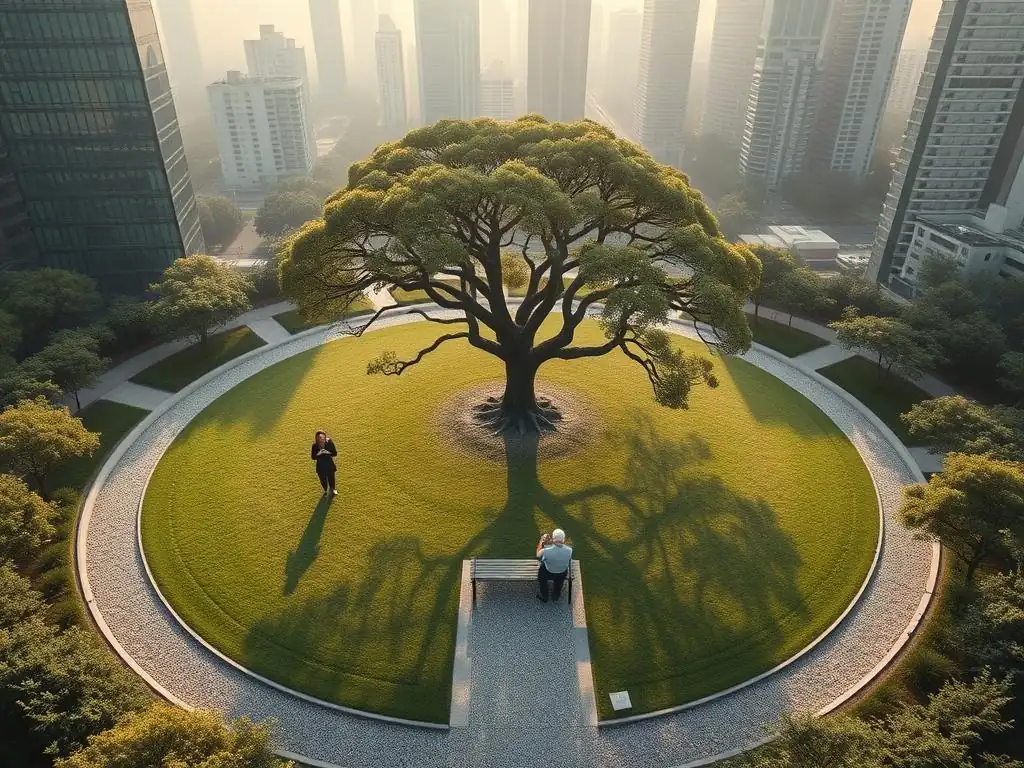
Recognizing the powerful benefits, some healthcare professionals are beginning to issue "nature prescriptions," formally recommending that patients spend time outdoors in nature as part of their treatment plan for stress, anxiety, and other conditions. While formal prescriptions might not be widespread, you can create your own urban nature prescription by intentionally scheduling green time into your week. This could be as simple as a 15-minute walk in a nearby park during your lunch break or dedicating an hour each weekend to visit a local nature reserve.
Think of green time not as a luxury, but as a necessary component of your mental health routine, similar to exercise or sleep. Start small if finding time feels challenging. Even looking at pictures of nature or having plants in your home and workspace can offer minor benefits. The key is consistency; regular, even brief, exposure is more impactful than infrequent, long trips. This conscious effort to incorporate nature into your daily or weekly rhythm is essential for leveraging how nature reduces city stress effectively.
The Benefits of Gardening for Mental Health: Cultivating Calm
Gardening offers a unique and deeply rewarding way to connect with nature, even within urban constraints. Whether it's tending to a few pots on a balcony, participating in a community garden, or cultivating a small backyard patch, the act of gardening provides numerous mental health benefits. The physical activity involved is therapeutic, and the process of nurturing plants fosters patience and provides a sense of accomplishment.
Working with soil, feeling the textures of leaves, and observing the growth cycle can be incredibly grounding and mindful. Gardening provides a distraction from daily worries and allows for a focus on the present moment. It's a tangible way to interact with the natural world, offering a sense of purpose and connection that can be profoundly calming amidst the chaos of city life. This hands-on engagement is a powerful example of how nature reduces city stress through active participation.
Planning Weekend Nature Retreats: Escaping the Concrete Jungle
While incorporating daily or weekly doses of nature is crucial, planning longer weekend nature retreats can provide a more intensive reset for your mind and body. Escaping the city for a day hike in a national park, a camping trip by a lake, or simply visiting a less urbanized area allows for deeper immersion in natural environments, maximizing the restorative effects.
These longer retreats offer a chance to disconnect from the constant demands and stimuli of city life. Without the pervasive noise, crowds, and digital distractions, your nervous system can truly relax and recover. Planning these getaways in advance gives you something positive to look forward to and ensures that you prioritize this essential form of self-care. Making time for these significant breaks reinforces the understanding that nature reduces city stress most effectively with dedicated time and immersion.
The Long-Term Impact of Nature on Overall Well-being

Preventing Burnout with Regular Nature Breaks: Sustaining Mental Energy
Chronic stress, especially prevalent in demanding urban environments, is a leading cause of burnout – a state of emotional, physical, and mental exhaustion. Regularly incorporating nature breaks into your life can act as a powerful preventative measure against burnout by helping to replenish your mental energy reserves. As discussed earlier, nature allows for the restoration of directed attention, which is constantly drained by urban cognitive demands.
By providing a contrasting environment that is less taxing on the brain and more engaging for involuntary attention, nature helps to recharge your capacity to focus and cope with challenges. Making nature a consistent part of your routine ensures that you are regularly topping up your mental battery, building resilience, and sustaining the energy needed to navigate the pressures of modern life without reaching a state of depletion. This proactive approach demonstrates how nature reduces city stress over the long term by fostering sustainable mental health.
Building Resilience Through Nature Connection: Adapting to Stressful Situations
Connecting with nature can significantly contribute to building psychological resilience – the ability to bounce back from adversity and adapt to stressful situations. Spending time in natural environments can enhance feelings of peace, perspective, and connection, all of which are components of a resilient mindset. Nature often operates on cycles and rhythms that are much slower and larger than human concerns, offering a sense of perspective on our own challenges.
Furthermore, engaging with nature can foster a sense of agency and competence, whether it's successfully navigating a trail or nurturing a plant. These experiences build confidence and reinforce the belief in one's ability to handle difficulties. Regularly seeking solace and strength in nature provides a reliable coping mechanism and a source of renewal, enhancing our capacity to face urban stressors with greater fortitude. This consistent engagement is key to understanding how nature reduces city stress by building inner strength.
Nature as a Tool for Mindfulness and Meditation: Finding Inner Peace
Natural settings provide an ideal backdrop for practicing mindfulness and meditation, powerful tools for managing stress and finding inner peace. The inherent tranquility and sensory richness of nature encourage present-moment awareness. The sounds of birds, the feel of the breeze, the sight of intricate patterns in plants – all these elements can draw our attention away from internal worries and towards the external world in a gentle, non-judgmental way.
Whether sitting quietly by a tree, walking slowly and mindfully through a park, or simply observing the details of a leaf, nature facilitates a state of relaxed awareness. This practice helps to calm the nervous system, quiet the incessant mental chatter, and cultivate a sense of inner peace that can be carried back into the busy urban environment. Using nature as a consistent setting for these practices is a profound way in which nature reduces city stress by fostering calm and presence.
Practical Tips for Maximizing Nature's Stress-Relieving Benefits
Forest Bathing (Shinrin-Yoku): Immersing Yourself in Nature's Atmosphere
Forest bathing, or Shinrin-Yoku, is not about swimming but about immersing yourself in the atmosphere of the forest. It involves mindfully spending time among trees, using all your senses to connect with the natural environment. This means slowing down, breathing deeply, and paying attention to the sights, sounds, smells, and textures around you – the scent of pine needles, the feel of bark, the sound of leaves rustling.
The practice is less about hiking or reaching a destination and more about simply being present in the forest. It's recommended to turn off your phone and allow yourself to wander without a specific plan. Studies have shown that even short sessions of forest bathing can significantly lower blood pressure, heart rate, and cortisol levels, while also boosting immune function.
- [ ] Find a local park or forest area.
- [ ] Plan at least 20-30 minutes of uninterrupted time.
- [ ] Leave your phone on silent or at home.
- [ ] Walk slowly and pay attention to your senses.
- [ ] Find a spot to sit quietly and observe.
Mindful Walking in Green Spaces: Paying Attention to Your Surroundings
Mindful walking combines the physical benefits of walking with the mental benefits of mindfulness, practiced specifically in a green space. Instead of rushing through your walk or letting your mind wander to your to-do list, mindful walking involves bringing your attention fully to the experience of walking in nature. Notice the sensation of your feet on the ground, the movement of your body, and the rhythm of your breath.
Simultaneously, engage your senses with the surrounding natural environment. Observe the colors of the leaves, the shapes of the clouds, the sounds of birds or insects, the smell of damp earth or flowers. This practice helps to anchor you in the present moment, reducing rumination about the past or worry about the future. It's a simple yet powerful way to integrate mindfulness into your routine and enhance how nature reduces city stress through active engagement.
- [ ] Choose a park, garden, or tree-lined street.
- [ ] Walk at a comfortable, unhurried pace.
- [ ] Focus on your breath and the physical sensations of walking.
- [ ] Gently bring your attention to the sights, sounds, and smells of nature.
- [ ] If your mind wanders, gently guide it back to the present moment and your surroundings.
Connecting with Nature Through Photography and Art: Expressing Your Experience
Engaging with nature through creative outlets like photography, sketching, or painting offers another avenue for deep connection and stress relief. These activities encourage close observation of the natural world, forcing you to slow down and notice details you might otherwise overlook – the intricate pattern of a spiderweb, the subtle gradation of color in a sunset, the unique shape of a single leaf.
Expressing your experience of nature through art provides a channel for emotional processing and self-expression. It allows you to capture the feeling or beauty of a natural scene, solidifying the positive impact it had on you. This creative interaction fosters a sense of wonder and appreciation, strengthening your bond with nature and providing a calming, focused activity that contrasts sharply with the hurried pace of city life.
- [ ] Bring a camera, sketchbook, or journal on your nature visit.
- [ ] Choose a subject that captures your attention – a flower, a tree, a landscape.
- [ ] Spend time observing the details before you begin creating.
- [ ] Focus on the process of creation rather than the final product.
- [ ] Reflect on how the act of creating in nature makes you feel.
Frequently Asked Questions
How does spending time in nature actually reduce city stress?
Exposure to nature lowers levels of stress hormones like cortisol. Natural environments also promote relaxation and mindfulness, helping to counteract the constant stimulation of city life.
What specific aspects of nature are most effective at alleviating stress?
Studies show that green spaces, like parks and forests, and blue spaces, such as lakes and rivers, are particularly beneficial. The sights, sounds, and smells of nature contribute to a sense of calm.
How much time in nature is needed to experience a significant reduction in stress?
Even short periods of time can be helpful. Studies suggest that as little as 20-30 minutes in nature can result in noticeable improvements in mood and stress levels.
If I live in a city with limited green spaces, what are some alternative ways to connect with nature?
Consider indoor plants, visiting botanical gardens, or listening to nature sounds. Even looking at images or videos of nature can have a positive impact on stress levels. Seek out community gardens or rooftop gardens as well.
Besides stress reduction, what other mental health benefits can I expect from spending time in nature?
Nature can improve mood, increase feelings of happiness and well-being, and boost cognitive function. It can also foster a sense of connection and belonging, combating feelings of isolation.
Final Reflection: Reclaiming Our Inner Peace in a Concrete Jungle
The relentless pace of city life, with its constant noise and stimulation, is undeniably taking a toll on our mental well-being. The pervasive stress of urban environments is a modern epidemic, demanding a solution that goes beyond simple relaxation techniques. This article has explored the profound impact of nature on our brains, demonstrating how even brief exposure to green spaces can significantly reduce stress hormones and improve cognitive function. We've seen the scientific evidence, the practical applications, and the undeniable human need for connection with the natural world.
The ongoing influence of urbanization on our mental health is a critical issue, one that demands our collective attention. The constant pressure to succeed, the overwhelming sensory input, and the lack of access to natural environments are creating a generation grappling with anxiety and burnout. The cure for anything is salt water: sweat, tears, or the sea.
– Isak Dinesen. This quote speaks to the innate human need for a release, a cleansing, that nature so readily provides. We are, after all, products of nature, and our disconnection from it has significant consequences.
Now, consider your own life. How much time do you spend surrounded by concrete and steel versus the calming embrace of nature? I urge you to actively seek out opportunities to reconnect with the natural world. Whether it's a daily walk in a park, a weekend hike in the mountains, or simply tending to a small garden, make a conscious effort to incorporate green spaces into your routine. Your mind, body, and spirit will thank you for it. Let's prioritize our mental well-being and rediscover the restorative power of nature.
Unleash Your Inner Calm: Reconnect with Nature Today
Thanks for taking the time to explore the powerful link between nature and mental wellbeing! We hope you gained a fresh perspective on how green spaces can revitalize your mind. Now, let's turn that knowledge into action.
- Prioritize a nature escape this week: Even a short walk in a park or a few minutes spent observing plants can make a significant difference. Schedule it now, you deserve it!
- Share your favorite calming nature spots with others! Spread the word and inspire more people to experience the tranquility of the natural world.
- Try mindful nature journaling: Take notes on your sensory experiences during your next outdoor adventure – what you see, hear, smell, feel, and taste. It's a surprisingly effective way to deepen your connection with nature.
What small step will you take today to incorporate more nature into your life?