
The Connection Between Stress and Gut Health: How Relaxation Helps

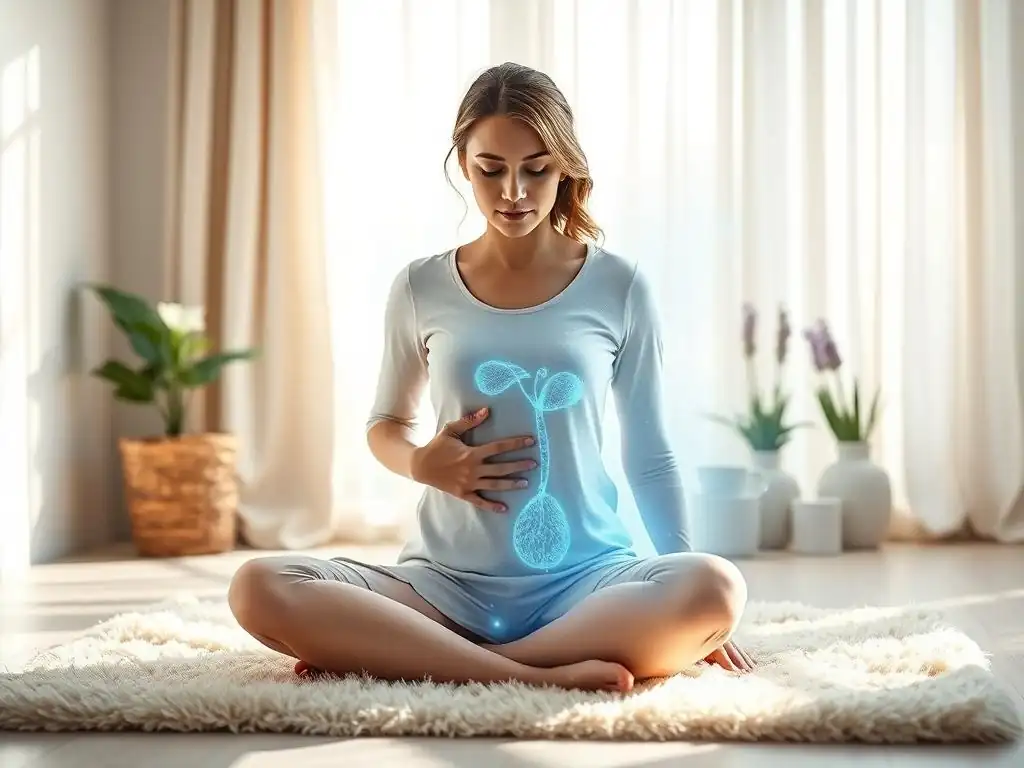
Welcome to Mind Care Guide, a sanctuary for your mental well-being.
Feeling overwhelmed? Did you know that your stress levels can significantly impact your gut health? We understand the intricate connection between mind and body. Dive into our latest article, " The Connection Between Stress and Gut Health: How Relaxation Helps," to discover how managing stress can actually reduce gut inflammation symptoms. Uncover practical strategies and insightful information to nurture both your mental and physical health. Are you ready to explore the path to a calmer mind and a healthier gut? Let's begin...
- Understanding the Gut-Brain Connection
- The Impact of Stress on Gut Health
- Symptoms of Stress-Related Gut Inflammation
- How Relaxation Techniques Can Help Gut Health
- Specific Relaxation Techniques for Gut Health
- Integrating Relaxation into Your Daily Routine
- The Role of Lifestyle in Supporting Gut Health and Managing Stress
- Other Therapies to Support Sleep and Pain Management
- Other Therapies to Support Gut Health and Stress Management
- Long-Term Strategies for Maintaining Sleep Quality and Managing Chronic Pain
- Long-Term Strategies for Maintaining Gut Health and Managing Chronic Stress
- Conclusion: Prioritizing Relaxation for a Healthier Gut and Mind
-
Frequently Asked Questions
- How does stress contribute to gut inflammation?
- Can relaxation techniques really reduce gut inflammation symptoms?
- What are some practical relaxation methods I can use to improve my gut health?
- What kind of diet is recommended alongside relaxation to combat stress-related gut inflammation?
- When should I seek professional help for stress-related gut inflammation?
- Final Reflection: Finding Calm, Cultivating a Healthier Gut
- Unlock Your Inner Calm: Nourish Your Mind & Gut
Understanding the Gut-Brain Connection
The Enteric Nervous System: Your "Second Brain"
Deep within the walls of your digestive tract lies a complex network of neurons, often referred to as the enteric nervous system (ENS). This intricate system contains hundreds of millions of nerve cells, extending from the esophagus all the way to the anus. It's so extensive and capable of independent function that scientists have dubbed it the "second brain."
While it doesn't handle complex thought, the ENS plays a crucial role in controlling digestion, including regulating motility, secretion, and blood flow within the gut. It can operate autonomously, managing digestion without direct input from the central nervous system (brain and spinal cord), though the two are constantly communicating.
This "second brain" is intimately connected to your emotional and mental state. The ENS and the central nervous system are linked via the vagus nerve, a major communication highway. This bidirectional pathway means that signals travel not just from your brain to your gut (explaining why stress can make your stomach churn), but also from your gut back to your brain (influencing mood, cognition, and even pain perception). This constant dialogue highlights how deeply intertwined our psychological state and our digestive health truly are, forming the basis of the gut-brain axis.
How Stress Signals Travel Between the Brain and Gut
When you experience stress, your brain activates the body's stress response system, primarily involving the hypothalamic-pituitary-adrenal (HPA) axis. This triggers the release of stress hormones like cortisol and adrenaline into the bloodstream. These hormones are designed for short-term survival responses but have widespread effects throughout the body, including the gut. For instance, cortisol can alter the permeability of the intestinal lining, potentially making it more "leaky."
Simultaneously, the sympathetic nervous system, part of the autonomic nervous system responsible for the "fight or flight" response, diverts blood flow away from the digestive tract and can slow down gut motility. This diversion is evolutionarily designed to prioritize resources for immediate action, but chronic activation disrupts normal digestive processes. These hormonal and neurological signals directly impact gut function, affecting everything from the speed at which food moves through the system to the types of bacteria that thrive there, setting the stage for potential gut inflammation.
The Gut Microbiome: A Key Player in the Connection
The gut microbiome, the vast community of trillions of microorganisms living in your digestive tract, is a critical component of the gut-brain axis and significantly influenced by stress. This diverse ecosystem of bacteria, viruses, fungi, and other microbes plays essential roles in digestion, nutrient absorption, immune function, and even the production of certain vitamins and neurotransmitters. The balance and composition of the microbiome are sensitive to various factors, including diet, medication, and crucially, stress levels.
Research shows that chronic stress can alter the diversity and balance of the gut microbiome, often leading to a decrease in beneficial bacteria and an increase in potentially harmful species. This dysbiosis, or imbalance, can impair gut barrier function, increase inflammation, and affect the production of microbial metabolites that influence brain function and mood.
For example, some gut bacteria produce short-chain fatty acids (SCFAs) like butyrate, which are vital for gut health and have anti-inflammatory properties, while others can produce compounds that promote inflammation. Stress-induced shifts in the microbial community can tip this balance towards inflammation, exacerbating or contributing to various digestive issues.
The Impact of Stress on Gut Health
How Chronic Stress Affects Gut Motility and Permeability
Chronic stress can significantly disrupt the normal functioning of the digestive system, particularly affecting gut motility and permeability. Motility refers to the muscular contractions that move food through the digestive tract. Stress hormones like cortisol can either speed up transit time, leading to diarrhea, or slow it down, resulting in constipation. This unpredictable or altered movement disrupts the delicate process of digestion and nutrient absorption, causing discomfort and potentially leading to nutrient deficiencies over time.
Furthermore, stress is known to increase intestinal permeability, often referred to as "leaky gut." The lining of the intestines acts as a barrier, controlling what passes from the gut into the bloodstream. When this barrier becomes compromised due to stress-induced inflammation or changes in the gut lining structure, larger molecules, toxins, and bacteria can potentially leak into the bloodstream. This can trigger a systemic immune response, contributing to chronic low-grade inflammation not only in the gut but throughout the body, and is a key way that stress contributes to gut inflammation symptoms.
Stress-Induced Changes in the Gut Microbiome Composition
As previously mentioned, chronic stress exerts a profound influence on the composition and diversity of the gut microbiome. Studies have demonstrated that prolonged exposure to stress can lead to a reduction in the overall diversity of gut bacteria, which is generally considered a marker of a healthy gut ecosystem. Specifically, stress can decrease the abundance of beneficial bacteria, such as Lactobacillus and Bifidobacterium species, while potentially increasing the populations of bacteria associated with inflammation and disease.
This shift in microbial balance can have cascading effects. A less diverse and less balanced microbiome is less effective at performing its crucial functions, including producing beneficial metabolites, reinforcing the gut barrier, and modulating the immune system. The altered microbial environment can directly contribute to increased gut inflammation, making the digestive system more susceptible to irritation and exacerbating symptoms in individuals already prone to gut issues.
The Link Between Stress and Inflammatory Gut Conditions
The chronic impact of stress on gut motility, permeability, and the microbiome creates a fertile ground for the development or exacerbation of inflammatory gut conditions. While stress is not typically considered a primary cause of conditions like Inflammatory Bowel Disease (IBD), including Crohn's disease and ulcerative colitis, or Irritable Bowel Syndrome (IBS), it is a well-documented trigger for symptom flares and increased disease activity. Many individuals with IBD report that periods of high stress precede relapses or worsening symptoms.
For those with IBS, a functional gastrointestinal disorder characterized by abdominal pain, bloating, diarrhea, and constipation, stress is a major factor influencing symptom severity. The heightened sensitivity of the gut-brain axis in IBS means that stress signals can be perceived more intensely, leading to exaggerated pain responses and motility changes. Effectively managing stress reduces gut inflammation symptoms and can significantly improve quality of life for people living with these conditions, highlighting the critical need for stress reduction strategies.
Common Digestive Symptoms Associated with Stress
Stress manifests in the gut in various ways, often leading to a range of uncomfortable digestive symptoms. One of the most common is changes in bowel habits, which can include either diarrhea or constipation, sometimes alternating. Abdominal pain and cramping are also frequently reported, often described as a churning or knotted feeling in the stomach. Bloating and excessive gas are further symptoms, resulting from altered motility and potential changes in gut fermentation patterns caused by microbial shifts.
Many people also experience nausea, indigestion, or a feeling of fullness even after eating very little when under stress. These symptoms arise because stress impacts the speed of digestion, acid production, and the coordinated muscle movements of the stomach and intestines. Recognizing that these digestive complaints might be linked to stress is the first step towards addressing them, as they often indicate that stress is contributing to underlying gut inflammation or dysfunction.
Beyond Digestion: Systemic Effects of Stress on the Body
While digestive issues are prominent, the impact of stress on the gut-brain axis extends beyond the digestive tract, influencing systemic health. Chronic gut inflammation triggered or exacerbated by stress can contribute to a state of low-grade systemic inflammation throughout the body. This persistent inflammation is linked to a wide range of health problems beyond the gut, including fatigue, joint pain, skin issues, and even mood disorders.
The bidirectional communication between the gut and the brain means that stress-induced changes in the gut can also negatively impact mental health. Gut dysbiosis and inflammation can affect the production of neurotransmitters like serotonin (much of which is produced in the gut) and influence neural pathways connected to mood regulation. This creates a vicious cycle where stress harms the gut, and the resulting gut issues contribute to increased stress and anxiety levels. Addressing stress reduces gut inflammation symptoms and offers broader health benefits.
Recognizing the Warning Signs of Chronic Stress Impact on Gut Health
Identifying when your gut symptoms are significantly influenced by stress is crucial. Pay attention to the timing and context of your symptoms. Do your digestive issues tend to worsen during periods of high workload, relationship problems, or other stressful life events? Are your symptoms less severe when you are on vacation or feeling relaxed? Keeping a symptom diary can help track the correlation between stress levels and gut distress.
Other warning signs might include a general feeling of malaise, increased fatigue, or a noticeable change in your tolerance for certain foods during stressful times. If you experience persistent digestive symptoms that don't seem directly related to diet or have been diagnosed with conditions like IBS or IBD and notice symptom flares during stress, it's a strong indicator that stress is playing a significant role. Consulting with a healthcare professional can help determine the underlying causes and develop a comprehensive management plan that includes stress reduction.
How Relaxation Techniques Can Help Gut Health
The Physiological Effects of Relaxation on the Body
Engaging in relaxation techniques triggers the body's "rest and digest" response, the opposite of the stress-induced "fight or flight" mode. This shift is mediated by the parasympathetic nervous system. When you relax, your heart rate slows down, blood pressure decreases, and breathing becomes calmer and deeper. Crucially for gut health, blood flow is redirected back to the digestive system, allowing it to function more efficiently.
Relaxation also helps to regulate the release of stress hormones like cortisol. By reducing the chronic flood of these hormones, relaxation minimizes their detrimental effects on gut motility, permeability, and the microbiome. This physiological shift from a state of high alert to one of calm allows the gut to recover and function more normally, directly helping to stress reduces gut inflammation symptoms over time.
Reducing Stress Hormone Levels and Their Impact on the Gut
One of the primary mechanisms by which relaxation benefits gut health is by lowering the levels of circulating stress hormones, particularly cortisol. Chronic stress keeps cortisol levels elevated, which, as discussed, negatively impacts the gut barrier, motility, and microbial balance. By activating the parasympathetic nervous system, relaxation techniques counterbalance the HPA axis activity, leading to a decrease in cortisol production and release.
Lower cortisol levels mean less disruption to the gut lining's integrity, potentially reducing "leaky gut." It also helps normalize gut motility, easing issues like stress-induced diarrhea or constipation. Furthermore, a reduction in stress hormones creates a less hostile environment for beneficial gut bacteria, supporting a healthier microbiome composition. This hormonal rebalancing is a key way that relaxation helps mitigate stress-related gut inflammation.
Promoting a Healthier Gut Environment Through Relaxation
Beyond directly impacting hormones and motility, relaxation techniques foster an internal environment conducive to gut health. By reducing overall physiological stress, relaxation can help dampen the inflammatory response throughout the body, including in the gut. Chronic low-grade inflammation is a hallmark of many stress-related gut issues, and achieving a state of calm can help cool down this inflammatory fire.
A more relaxed state also positively influences the gut microbiome, indirectly and directly. Reduced stress hormone levels create a more favorable environment for beneficial bacteria. Some research even suggests that the vagus nerve, stimulated by relaxation practices like deep breathing, can directly influence the gut microbiome composition. By promoting a less inflammatory state and supporting a balanced microbial community, relaxation helps to strengthen the gut barrier and improve overall digestive function, actively working to stress reduces gut inflammation symptoms.
Specific Relaxation Techniques for Gut Health
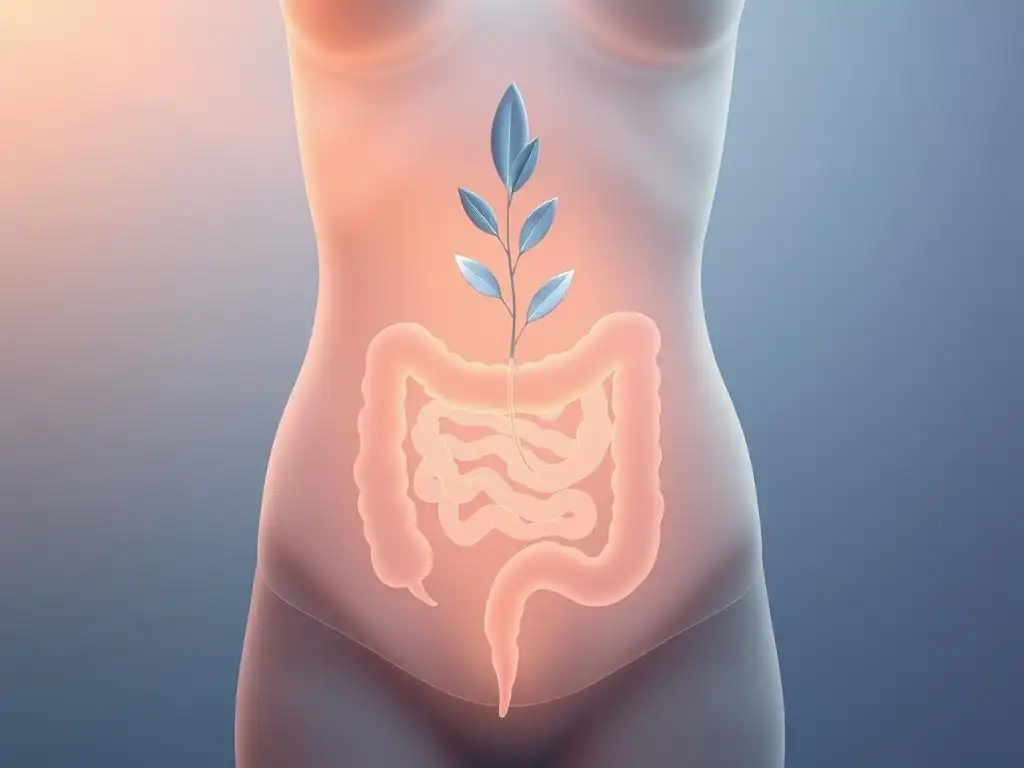
Diaphragmatic Breathing and Its Effect on Gut Function
Diaphragmatic breathing, also known as deep belly breathing, is a simple yet powerful relaxation technique with direct benefits for gut health. This technique involves breathing deeply into the abdomen, rather than shallowly into the chest. Practicing diaphragmatic breathing activates the vagus nerve, which connects the brain to the gut. Stimulation of the vagus nerve promotes parasympathetic activity, initiating the "rest and digest" response.
The physical act of deep breathing also creates gentle pressure changes in the abdominal cavity, which can help stimulate gut motility and ease tension in the digestive muscles. Regular practice can help regulate gut transit time, reduce bloating, and alleviate abdominal pain. Studies have shown that diaphragmatic breathing exercises can be particularly beneficial for individuals with IBS, helping to reduce symptom severity by calming the nervous system and improving gut function.
Mindfulness and Meditation for Stress Reduction and Gut Relief
Mindfulness involves paying attention to the present moment without judgment, while meditation is a practice that uses techniques like mindfulness to train attention and awareness. Both practices are highly effective at reducing overall stress levels and calming the nervous system, which in turn benefits gut health. By regularly engaging in mindfulness or meditation, individuals can reduce the physiological and emotional reactivity to stress, preventing the cascade of stress hormones that negatively impact the gut.
These practices help individuals develop a greater awareness of their body's signals, including gut sensations, without becoming overwhelmed by them. This can help reduce the amplification of pain signals often seen in stress-related gut issues. Regular meditation has been associated with reduced symptom severity in conditions like IBS and may even influence the gut microbiome over time by reducing stress-induced dysbiosis. Dedicating even 10-15 minutes daily to these practices can make a significant difference in managing stress and improving gut well-being.
Progressive Muscle Relaxation for Easing Gut Tension
Progressive muscle relaxation (PMR) is a technique that involves tensing specific muscle groups and then consciously releasing the tension. This practice helps individuals become more aware of physical tension in the body and learn how to release it. Stress often causes involuntary muscle tension, including in the abdominal area, which can contribute to pain, cramping, and altered gut motility.
By systematically tensing and relaxing muscles throughout the body, including those around the abdomen, PMR can help alleviate physical tension that might be contributing to gut discomfort. The practice also promotes a general state of relaxation, reducing overall sympathetic nervous system activity and promoting the "rest and digest" state. Regularly practicing PMR can help individuals recognize and release stress-induced tension, providing relief from gut symptoms exacerbated by physical stress responses.
Integrating Relaxation into Your Daily Routine
Practical Tips for Incorporating Relaxation Throughout the Day
Integrating relaxation into a busy schedule might seem challenging, but it doesn't require hours of dedicated time. Start small. Schedule short "relaxation breaks" of 5-10 minutes throughout the day. This could involve taking a few minutes for deep breathing exercises before a meeting, practicing mindfulness during your commute, or doing a quick body scan meditation during your lunch break. Use cues, like finishing a task or transitioning between activities, as reminders to pause and breathe.
Another practical tip is to weave relaxation into existing activities. Practice mindful eating by paying full attention to the taste, texture, and smell of your food. Incorporate deep breathing while doing chores or walking. Use technology wisely: there are numerous apps offering guided meditations, breathing exercises, and relaxation sounds. The key is consistency, even in short bursts. These small moments of calm accumulate and help manage stress levels throughout the day, which in turn helps stress reduces gut inflammation symptoms.
Finding What Works for You: Personalizing Your Approach
There is no one-size-fits-all approach to relaxation. What works for one person might not work for another. Experiment with different techniques to find what resonates most with you. You might find that structured meditation is helpful, or perhaps a more active form of relaxation like gentle yoga or spending time in nature is more effective. Some people benefit from creative outlets like drawing or playing music, while others find listening to calming music or taking a warm bath most relaxing.
Consider combining techniques. You might start your day with a short meditation, use deep breathing during stressful moments, and wind down in the evening with progressive muscle relaxation. Pay attention to how your body and mind respond to different practices. The goal is to find sustainable practices that you genuinely enjoy and can realistically incorporate into your life. Personalizing your relaxation strategy increases the likelihood that you will stick with it long-term, providing consistent benefits for your gut health.
Consistency is Key: Making Relaxation a Habit
The benefits of relaxation techniques for gut health, particularly in helping to stress reduces gut inflammation symptoms, are cumulative and most pronounced with regular practice. Sporadic attempts at relaxation during moments of acute stress offer some relief, but building a consistent habit is far more effective for managing chronic stress and its impact on the gut. Aim for daily practice, even if it's just for a few minutes.
Think of relaxation as preventive maintenance for your stress response system and your gut. Just as you wouldn't expect brushing your teeth only when you have a cavity to be effective, relying on relaxation only when symptoms flare up is less impactful than making it a regular part of your routine. Start by committing to a small, manageable amount of time each day and gradually increase it as it becomes easier. Making relaxation a non-negotiable habit is a powerful investment in both your mental and digestive well-being.
The Role of Lifestyle in Supporting Gut Health and Managing Stress
Exercise, Sleep, and Nutrition: Foundational Pillars
While relaxation techniques are powerful tools, they are most effective when supported by a healthy lifestyle. Regular physical activity is a potent stress reliever and has direct positive effects on gut motility and potentially the gut microbiome. Aim for moderate exercise most days of the week, finding activities you enjoy to make it sustainable. Exercise helps regulate stress hormones and promotes overall physiological balance.
Adequate, quality sleep is also fundamental. Sleep deprivation significantly increases stress hormone levels and negatively impacts gut barrier function and the microbiome. Prioritize 7-9 hours of sleep per night and establish a consistent sleep schedule. Nutrition plays a crucial role too.
A balanced diet rich in fiber, fermented foods, and prebiotics supports a healthy gut microbiome, which is more resilient to the effects of stress. Limiting processed foods, excessive sugar, and unhealthy fats can also reduce inflammation. These three pillars – exercise, sleep, and nutrition – provide a strong foundation upon which relaxation techniques can build, maximizing their benefits for stress and gut health.
Building Resilience to Stress Through Healthy Habits
Adopting healthy lifestyle habits doesn't just help manage existing stress; it also helps build resilience, making you better equipped to handle future stressors without experiencing severe gut reactions. Regular exercise improves your body's ability to cope with physiological stress. Sufficient sleep ensures your brain and body are functioning optimally, improving emotional regulation and stress tolerance. A healthy gut microbiome, supported by good nutrition, is increasingly recognized as playing a role in mental resilience and stress response modulation.
By consistently engaging in these healthy behaviors, you create a buffer against the negative effects of stress on your gut and overall health. You become less reactive to stressful situations, and when stress does occur, your system is better able to recover quickly. This proactive approach significantly reduces the likelihood of developing or worsening stress-related gut inflammation symptoms.
Seeking Support: When to Talk to a Professional
While lifestyle changes and relaxation techniques can be incredibly effective, sometimes professional support is needed. If your gut symptoms are severe, persistent, or significantly impacting your quality of life, it's essential to consult a healthcare professional to rule out underlying medical conditions. A doctor can provide diagnosis, treatment, and guidance tailored to your specific needs.
If stress and anxiety feel overwhelming and unmanageable, impacting your ability to function or consistently practice relaxation, seeking support from a mental health professional, such as a therapist or counselor, can be invaluable. Therapies like Cognitive Behavioral Therapy (CBT) can help you develop healthier coping mechanisms for stress.
A registered dietitian or nutritionist can provide personalized dietary advice to support gut health. Building a support team can provide comprehensive care for both your mental well-being and your gut health, ensuring you have the tools and guidance necessary to effectively manage stress reduces gut inflammation symptoms and improve your overall well-being.
Other Therapies to Support Sleep and Pain Management
This section header appears to be inconsistent with the article's theme of Stress and Gut Health. Assuming this is an error in the provided structure template and adapting to the theme:
Other Therapies to Support Gut Health and Stress Management

Cognitive Behavioral Therapy (CBT) is a type of psychotherapy that helps individuals identify and change negative thought patterns and behaviors that contribute to stress and anxiety. For people experiencing stress-related gut issues like IBS, CBT can be particularly beneficial. It helps individuals understand the connection between their thoughts, feelings, and gut symptoms, and develop strategies to manage the stress response.
CBT techniques teach coping skills, such as challenging unhelpful thoughts about symptoms, learning relaxation techniques, and developing problem-solving skills for stressors. Studies have shown that CBT can significantly reduce the severity of gut symptoms, including pain and changes in bowel habits, by effectively lowering stress levels and altering how the brain processes signals from the gut. It empowers individuals to feel more in control of their symptoms by addressing the psychological factors that contribute to stress-related gut inflammation.
Acupuncture and Massage Therapy for Gut Relief and Stress Reduction
Complementary therapies like acupuncture and massage therapy are sometimes used to help manage stress and alleviate symptoms associated with gut dysfunction. Acupuncture, originating from traditional Chinese medicine, involves inserting thin needles into specific points on the body. It is believed to influence the nervous system and release endorphins, which have pain-relieving and stress-reducing effects. Some studies suggest acupuncture may help regulate gut motility and reduce abdominal pain and bloating in conditions like IBS.
Massage therapy, particularly abdominal massage, can help relax the muscles of the digestive tract, potentially easing cramping and improving motility. General massage therapy can also significantly reduce overall stress and anxiety levels by promoting relaxation and lowering stress hormone production. While these therapies may not address the root cause of gut issues, they can be valuable adjunctive treatments for managing stress, reducing tension, and providing symptomatic relief from stress-related gut inflammation symptoms.
Mindfulness and Meditation for Pain Reduction and Relaxation
This section header appears to be inconsistent with the article's theme of Stress and Gut Health and also repeats a previous section header. Assuming this is an error in the provided structure template and adapting to the theme:
Biofeedback and Hypnotherapy for Modulating Gut Response to Stress
Biofeedback and hypnotherapy are two mind-body techniques that can be helpful in managing stress-related gut symptoms. Biofeedback involves using electronic monitoring to provide real-time information about physiological functions, such as heart rate, muscle tension, or skin temperature. By seeing these responses, individuals can learn to consciously control them, including reducing the physical tension and heightened nervous system activity associated with stress, which impacts the gut.
Hypnotherapy for gut issues, often called gut-directed hypnotherapy, involves entering a relaxed, trance-like state and receiving suggestions aimed at regulating gut function, reducing pain sensitivity, and promoting relaxation. It can help retrain the brain's response to gut signals and reduce the stress-induced amplification of symptoms. Research has shown gut-directed hypnotherapy to be effective in reducing pain, bloating, and bowel irregularities in people with IBS, demonstrating its potential to help stress reduces gut inflammation symptoms.
Long-Term Strategies for Maintaining Sleep Quality and Managing Chronic Pain
This section header appears to be inconsistent with the article's theme of Stress and Gut Health. Assuming this is an error in the provided structure template and adapting to the theme:
Long-Term Strategies for Maintaining Gut Health and Managing Chronic Stress
Building a Multidisciplinary Approach to Stress and Gut Management
Effectively managing stress and its long-term impact on gut health often requires a multidisciplinary approach. This involves coordinating care among different healthcare professionals to address the various facets of the gut-brain connection. This team might include a gastroenterologist to diagnose and treat any underlying digestive conditions, a primary care physician to oversee general health, a mental health professional (like a therapist or psychologist) to address stress, anxiety, or depression, and possibly a registered dietitian to provide nutritional guidance.
Working with a team ensures that all contributing factors to your gut symptoms and stress levels are being considered and addressed comprehensively. This integrated approach is more likely to lead to sustainable improvements in both your mental well-being and your digestive health, helping you manage and stress reduces gut inflammation symptoms over time.
Developing Personalized Strategies for Managing Stress and Improving Gut Health
Just as relaxation techniques should be personalized, long-term strategies for managing stress and gut health need to be tailored to your individual needs, lifestyle, and triggers. What causes stress for one person may not affect another, and how stress manifests in the gut can also vary. Developing personalized strategies involves identifying your specific stressors and the particular ways they impact your digestive system.
Keep a symptom and stress diary to track patterns. Experiment with different stress management techniques, relaxation practices, and lifestyle adjustments (diet, exercise, sleep) to see what provides the most relief for your gut symptoms. Work with healthcare professionals to refine your approach based on your progress and changing circumstances. A personalized plan is more sustainable and effective in the long run for maintaining gut health and resilience against stress.
The Importance of Regular Monitoring and Adjustment of Treatment Plans
Managing chronic stress and its impact on gut health is an ongoing process that requires regular monitoring and adjustment of your strategies. Life circumstances change, stress levels fluctuate, and your body's needs may evolve over time. What worked effectively six months ago might need tweaking today. Regularly assess your stress levels, gut symptoms, and overall well-being.
Communicate openly with your healthcare team about your progress, challenges, and any changes in your symptoms or stress levels. Be prepared to adjust your relaxation practices, lifestyle habits, or medical treatments as needed. This proactive approach ensures that your long-term strategy remains effective in helping you manage stress reduces gut inflammation symptoms and maintain the best possible quality of life.
Conclusion: Prioritizing Relaxation for a Healthier Gut and Mind
The intricate connection between stress and gut health is undeniable. Chronic stress can profoundly disrupt digestive function, contributing to inflammation, altered motility, and imbalances in the gut microbiome, leading to uncomfortable and sometimes debilitating symptoms. Recognizing this link is the first step towards effective management. Fortunately, you have powerful tools at your disposal.
Prioritizing relaxation techniques such as deep breathing, mindfulness, meditation, and progressive muscle relaxation can significantly mitigate the negative effects of stress on your gut. These practices activate the body's "rest and digest" response, reduce stress hormone levels, and create an environment conducive to gut healing and healthy function. While relaxation is a cornerstone, integrating it with other healthy lifestyle habits like regular exercise, adequate sleep, and a balanced diet provides the most comprehensive support.
Managing stress effectively helps stress reduces gut inflammation symptoms and contributes to improved overall well-being, benefiting not just your digestive system but also your mental health and resilience. Making relaxation a consistent, personalized part of your daily routine is a vital investment in your long-term health. By nurturing the gut-brain connection through conscious stress management and relaxation, you pave the way for a healthier gut and a calmer mind, ultimately improving your quality of life.
Frequently Asked Questions
How does stress contribute to gut inflammation?
Stress triggers the release of stress hormones, which can disrupt the gut microbiome and increase intestinal permeability, leading to inflammation.
Can relaxation techniques really reduce gut inflammation symptoms?
Yes, relaxation techniques like meditation and deep breathing can help lower stress levels, which, in turn, may reduce inflammation in the gut.
What are some practical relaxation methods I can use to improve my gut health?
Try mindfulness meditation, yoga, or spending time in nature. These activities can help regulate the nervous system and promote a healthier gut environment.
An anti-inflammatory diet rich in fiber, fruits, and vegetables is recommended. This helps nourish the gut microbiome and reduce inflammation naturally.
If your symptoms are persistent or severe, or if relaxation techniques aren't providing relief, consult a healthcare professional for a proper diagnosis and personalized treatment plan.
Final Reflection: Finding Calm, Cultivating a Healthier Gut
The inextricable link between stress and gut health is no longer a niche topic; it's a critical understanding for navigating the complexities of modern life. Chronic stress, as we've explored, significantly impacts gut inflammation, leading to a cascade of potential health problems. Ignoring this connection is akin to ignoring a crucial warning sign, leaving us vulnerable to a range of uncomfortable and potentially serious issues.
The pervasive nature of stress in our society underscores the importance of this research. We are constantly bombarded with demands, deadlines, and anxieties, creating a perfect storm for gut dysbiosis and inflammation. The gut is the second brain,
a phrase often used, highlights the profound connection between our mental and physical well-being. Understanding this connection empowers us to take proactive steps towards better health, moving beyond simply treating symptoms to addressing the root cause. This isn't just about improved digestion; it's about cultivating a holistic approach to well-being that prioritizes mental and emotional health alongside physical health.
Now, consider your own life. What stressors are impacting your gut health? Are you prioritizing relaxation techniques like mindfulness, yoga, or spending time in nature? This article isn't just information; it's a call to action. Make a conscious effort to incorporate stress-reducing practices into your daily routine. Start small, perhaps with just five minutes of deep breathing each day. Listen to your body, notice the subtle cues, and nurture your gut health. The journey to a healthier, happier you begins with a commitment to inner peace and a mindful approach to self-care.
Unlock Your Inner Calm: Nourish Your Mind & Gut
Thanks for taking the time to explore the fascinating connection between stress and gut health! You've now gained valuable insights into how relaxation can significantly impact your well-being. Ready to put this knowledge into action?
- Prioritize a daily relaxation technique: Start with just 5 minutes of deep breathing or meditation. This is your key to unlocking a calmer, healthier you.
- Share your experience: Discuss what you've learned with a friend, family member, or in our Mind Care Guide community! Let's build a supportive network focused on well-being.
- Experiment with a gut-friendly diet: Consider adding more fermented foods or probiotics to your daily meals. Small changes can have big impacts!
What simple relaxation technique are you most excited to try first, and why?