
Your Daily Dose of Calm: Integrating Relaxation into a Busy Schedule

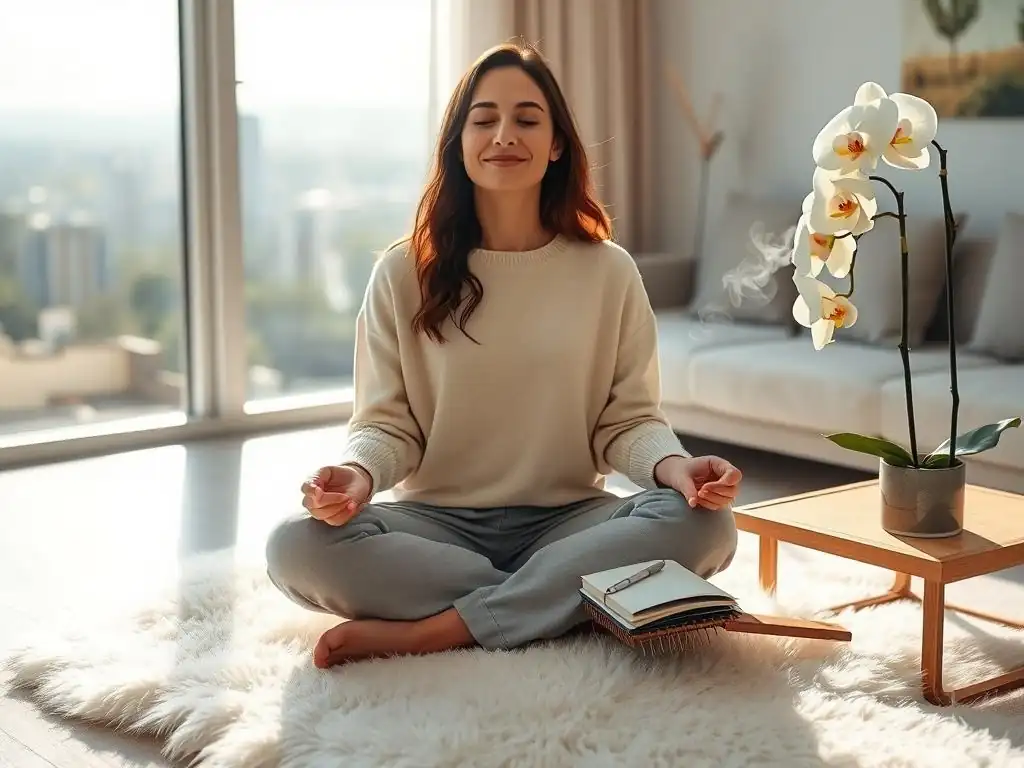
Welcome to Mind Care Guide, your sanctuary for navigating the complexities of mental well-being. Feeling overwhelmed by the relentless demands of a busy life? You're not alone. Dive into our insights on stress management techniques for busy lives and discover practical strategies to reclaim your inner peace, even amidst the chaos. Let's embark on this journey to a calmer, more balanced you. Intrigued? Read on to find out how.
Your Daily Dose of Calm: Integrating Relaxation into a Busy Schedule
- The Importance of Stress Management Techniques in Modern Life
- Identifying Stress Triggers and Time Constraints
- Practical Relaxation Techniques for Busy Individuals
- Time Management Strategies for Incorporating Relaxation
- Creating a Relaxing Environment Amidst the Chaos
- Long-Term Stress Management Strategies for a Sustainable Lifestyle
- Overcoming Common Obstacles to Relaxation
- Measuring Your Progress and Adapting Your Approach
- The Benefits of Consistent Relaxation Practices: A Summary
-
Frequently Asked Questions
- How can I realistically incorporate stress management techniques into my extremely busy schedule?
- What are some quick and effective stress management techniques I can use during a stressful workday?
- I often feel overwhelmed. What's the best way to identify my primary stressors and address them using stress management techniques?
- Are there any technology-based tools or apps that can help me with stress management techniques in my busy life?
- If I'm consistently struggling with stress despite using stress management techniques, when should I consider seeking professional help?
- Final Reflection: Cultivating Calm in the Chaos
- Unlock Your Inner Calm: Start Your Relaxation Journey Now!
The Importance of Stress Management Techniques in Modern Life
In today's fast-paced world, the demands on our time and energy seem to grow constantly. Juggling work, family, social commitments, and personal aspirations can leave many feeling overwhelmed and stretched thin. This relentless pace often leads to chronic stress, a state that can significantly impact both our physical and mental health. Effective stress management techniques for busy lives are no longer a luxury but a necessity for maintaining overall well-being and preventing burnout. Learning how to weave moments of calm into a hectic schedule is a vital skill for navigating the complexities of modern life.
Developing robust stress management techniques is essential because stress isn't just a feeling; it's a physiological response that, when prolonged, can become toxic. While acute stress can be a helpful motivator in short bursts, chronic stress keeps the body's fight-or-flight response activated over extended periods. This constant state of alert can disrupt nearly all of your body's processes, increasing your risk of numerous health problems. Prioritizing relaxation within a busy life is a proactive step towards mitigating these risks and building resilience against life's inevitable challenges.
Why Prioritizing Relaxation is Crucial for Mental Well-being
Prioritizing relaxation is not an indulgence; it is a fundamental component of maintaining robust mental health, especially when employing stress management techniques for busy lives. In a world that often glorifies constant productivity and busyness, taking time to relax can feel counterintuitive or even lazy.
However, research consistently shows that regular relaxation practices help to lower cortisol levels, the primary stress hormone, which in turn can improve mood, reduce anxiety, and decrease the likelihood of developing depression. A study published in the Journal of Consulting and Clinical Psychology found that individuals who regularly engaged in relaxation practices reported significantly lower levels of psychological distress compared to those who did not.
Furthermore, dedicated periods of relaxation provide the brain with much-needed rest and recovery time. Just as the body needs sleep to repair and rejuvenate, the mind requires downtime to process information, consolidate memories, and restore cognitive function. Failing to prioritize this mental rest can lead to decreased concentration, impaired decision-making, increased irritability, and a diminished ability to cope with daily stressors. Integrating relaxation into your routine, even for short periods, supports cognitive flexibility and emotional regulation, making you better equipped to handle the demands of a busy schedule without sacrificing your mental well-being.
Understanding the Impact of Chronic Stress on Your Health
The prolonged exposure to stress hormones characteristic of chronic stress has a profound and detrimental impact on nearly every system in the body. The constant activation of the sympathetic nervous system keeps heart rate elevated, blood pressure high, and muscles tense. Over time, this can lead to serious cardiovascular issues, including an increased risk of heart attack and stroke. According to the American Heart Association, chronic stress is a significant risk factor for heart disease, comparable to factors like smoking or poor diet. This highlights why effective stress management techniques for busy lives are critical for physical health.
Beyond the cardiovascular system, chronic stress weakens the immune system, making individuals more susceptible to illnesses, from common colds to more serious infections. It can disrupt the digestive system, leading to issues like irritable bowel syndrome (IBS), ulcers, and acid reflux.
Additionally, chronic stress is strongly linked to sleep disturbances, weight gain (especially around the abdomen), muscle tension, headaches, and exacerbation of chronic pain conditions. The cumulative effect of these physical ailments further depletes energy reserves and makes engaging in healthy behaviors, like exercise or social connection, more difficult, creating a vicious cycle that underscores the urgent need for integrating stress management techniques into daily life.
Identifying Stress Triggers and Time Constraints
Effectively implementing stress management techniques for busy lives requires a clear understanding of what causes your stress and where your time actually goes. Without this awareness, efforts to relax might feel like trying to paddle against a strong current. Taking the time to identify your personal stressors and analyze your daily schedule are foundational steps in carving out space for calm. This process involves honest self-reflection and observation to pinpoint the specific situations, people, or thoughts that consistently elevate your stress levels and the activities that consume the majority of your day.
Understanding your stress triggers isn't about avoiding everything that causes stress – some stress is unavoidable and even necessary for growth. Instead, it's about recognizing the patterns and anticipating challenging situations so you can apply appropriate stress management techniques proactively.
Similarly, analyzing your time constraints isn't about finding fault with how you spend your hours, but about gaining insight into your habits and commitments to identify potential pockets of time, no matter how small, that could be repurposed for relaxation or self-care. This dual approach empowers you to make informed decisions about how to best manage both your stress and your schedule.
Recognizing Your Personal Stressors and Time Vampires
Identifying personal stressors requires introspection. These can be external events, like tight deadlines at work or family conflicts, or internal factors, such as perfectionism, fear of failure, or negative self-talk. Keeping a stress journal for a week or two can be incredibly insightful. Note down when you feel stressed, what happened immediately before, who you were with, and how you reacted. You might discover patterns, such as stress spikes every Monday morning, before public speaking engagements, or after checking work emails late at night. Recognizing these specific triggers is the first step in applying targeted stress management techniques.
Simultaneously, identify your "time vampires" – those activities or habits that drain significant amounts of your time without contributing positively to your well-being or goals. This could be excessive scrolling on social media (studies suggest the average adult spends over 2 hours daily on social media), unnecessary meetings, engaging in unproductive gossip, or simply being disorganized. Track your time rigorously for a few days using a simple log or app.
You might be surprised to find that hours are spent on activities you weren't fully aware of. Pinpointing these time vampires reveals opportunities to reclaim minutes or even hours that can be redirected towards relaxation or other valuable stress management techniques for busy lives.
Assessing Your Daily Schedule and Identifying Potential Relaxation Slots
Once you've identified your stressors and time vampires, the next step is to critically assess your daily schedule to find opportunities for relaxation. This isn't about magically creating extra hours, but about strategically inserting short bursts of calm into existing routines. Look at your day in blocks: morning, afternoon, and evening. Are there transition times that could be utilized? For example, the 10 minutes between finishing one task and starting another, your commute time (if not driving), your lunch break, or the time spent waiting in line. These small pockets, often overlooked, are ideal for quick stress management techniques.
Consider your most hectic days versus your less busy ones. Can you schedule slightly longer relaxation periods on days with fewer commitments? Even on the busiest days, can you commit to one or two 5-minute breaks solely for relaxation? Think about your energy levels throughout the day.
When do you typically experience a slump? This might be the perfect time for a brief mindfulness exercise to re-energize and apply effective stress management techniques for busy lives. Be realistic but creative in finding these slots; they might not look like a full hour at a spa, but they can still be incredibly effective.
Practical Relaxation Techniques for Busy Individuals
Implementing effective stress management techniques for busy lives requires practical, accessible methods that don't demand significant time or resources. The good news is that many powerful relaxation techniques can be integrated into even the most packed schedules, often taking just a few minutes. The key is finding techniques that resonate with you and can be easily practiced throughout your day, whether you're at your desk, commuting, or waiting in line. These methods focus on quickly shifting your state from stress to calm, providing immediate relief and building resilience over time.
These practical techniques range from simple breathing exercises you can do anywhere to short guided meditations available via apps, and physical movements like gentle stretching. The goal is not to eliminate stress entirely, but to develop a toolkit of strategies you can deploy in the moment to manage your reaction to stress and prevent it from escalating. By incorporating these accessible stress management techniques into your daily routine, you empower yourself to navigate busy periods with greater ease and maintain a sense of calm amidst the chaos.
Quick Mindfulness Exercises for Stress Reduction on the Go
Mindfulness is a powerful stress management technique that can be practiced anywhere, anytime, making it ideal for busy lives. It involves focusing your attention on the present moment without judgment. Even a few minutes of mindful awareness can interrupt the stress response and bring a sense of calm. These exercises don't require special equipment or a quiet room; they can be done while commuting, waiting for a meeting to start, or during a short break.
Mindfulness on the go helps you become more aware of your thoughts, feelings, and physical sensations without getting swept away by them. This awareness allows you to recognize stress triggers earlier and respond to them more skillfully rather than react automatically. Incorporating these brief practices throughout the day can significantly reduce cumulative stress and improve your overall capacity for calm, proving to be invaluable stress management techniques for busy lives.
The Power of Deep Breathing Exercises: A Simple Technique
Deep breathing is perhaps the simplest and most immediate stress management technique available. When stressed, our breathing becomes shallow and rapid. Conversely, deep, slow breathing signals the nervous system to calm down. A common technique is 4-7-8 breathing: inhale deeply through your nose for a count of four, hold your breath for a count of seven, and exhale slowly through your mouth for a count of eight. Repeat this cycle just a few times.
This simple act slows your heart rate and helps to lower blood pressure. It can be done discreetly at your desk, in your car, or even during a challenging conversation. Practicing deep breathing for just 1-2 minutes can interrupt a stress spiral and bring you back to a state of centeredness, making it an indispensable tool among stress management techniques for busy lives.
Body Scan Meditation: Finding Calm in Awareness
A brief body scan meditation involves bringing your attention to different parts of your body, noticing any sensations without trying to change them. This can be done while sitting, standing, or lying down. Start by focusing on your feet, then move up through your legs, torso, arms, neck, and head. Notice areas of tension, tingling, warmth, or coolness.
Even a 3-5 minute body scan can help you become more aware of where you hold stress physically and release some of that tension. It grounds you in the present moment and shifts focus away from anxious thoughts. This technique is particularly effective when you feel physically tense due to stress.
Mindful Walking: Turning Everyday Activities into Relaxation Opportunities
Mindful walking transforms the simple act of walking into a stress management technique. Instead of rushing from one place to another or letting your mind race with thoughts, focus on the physical sensations of walking: the feeling of your feet hitting the ground, the movement of your legs, the swing of your arms. Pay attention to your breath as you walk.
You can practice mindful walking during your commute, a short walk during lunch, or even walking to the printer. Engage your senses: notice the sights, sounds, and smells around you. This brings your attention to the present moment, interrupting the cycle of worry and providing a brief but effective mental break.
Short Guided Meditations: Finding Peace in Minutes
For those new to meditation or who find it difficult to focus on their own, short guided meditations are excellent stress management techniques for busy lives. Numerous apps and online resources offer guided sessions ranging from 3 to 10 minutes. These meditations often focus on breath awareness, body scans, or cultivating feelings of calm and compassion.
Listening to a guided meditation during a break or commute provides structure and support, making it easier to quiet the mind and relax. Many people find that even a 5-minute guided session can significantly reduce feelings of anxiety and improve focus for the rest of the day.
Progressive Muscle Relaxation: Releasing Tension Systematically
Progressive Muscle Relaxation (PMR) is a technique that involves tensing and then releasing different muscle groups in the body. This process helps you become more aware of physical tension and learn how to release it. You typically start with your feet, tensing the muscles for a few seconds, then releasing completely and noticing the difference. You then move up the body, group by group (calves, thighs, abdomen, hands, arms, shoulders, face, etc. ).
A full PMR session can take 15-20 minutes, but a shortened version focusing on major tension areas like shoulders, neck, and jaw can be done in 5-10 minutes. This technique is particularly effective for individuals who hold stress physically and experience tension headaches, back pain, or jaw clenching. Practicing PMR regularly can improve awareness of muscle tension even when not actively doing the exercise.
Desk-Friendly Yoga and Stretching for Stress Relief
Physical tension is a common symptom of stress, and gentle movement can be a highly effective stress management technique. Desk-friendly yoga poses and simple stretches can be performed without leaving your workspace or needing special attire. Movements like shoulder rolls, neck stretches, wrist circles, seated spinal twists, and gentle forward folds can release built-up tension.
Taking 5-10 minutes for desk stretches not only relieves physical discomfort but also provides a mental break and improves circulation. Regular short stretching breaks can prevent stiffness and pain associated with prolonged sitting and contribute to a more relaxed physical state throughout the day, enhancing overall well-being and reducing stress levels.
Time Management Strategies for Incorporating Relaxation
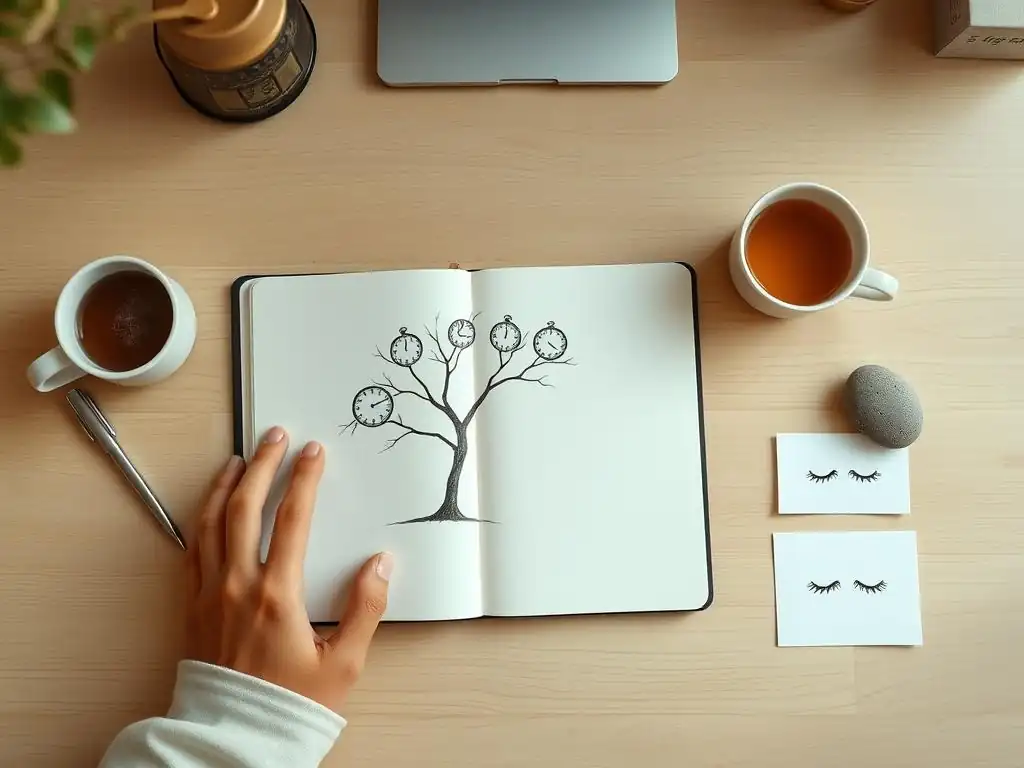
Even with a clear understanding of stress management techniques for busy lives, finding the time to practice them can be the biggest hurdle. Effective time management isn't just about productivity; it's also about intentionally scheduling self-care and relaxation. Viewing relaxation as a non-negotiable part of your day, rather than an optional add-on, is crucial for consistent practice and long-term stress reduction. This requires shifting your mindset and employing specific strategies to protect your time and energy.
Integrating relaxation means being strategic about how you allocate your time. It involves setting priorities, actively scheduling relaxation periods, and learning to say no to commitments that would overextend you. By applying simple time management principles, you can create space for calm even amidst a demanding schedule, ensuring that stress management techniques become a sustainable part of your life.
Prioritization Techniques: Making Time for Self-Care
Prioritization is key to ensuring relaxation doesn't fall by the wayside. Use techniques like the Eisenhower Matrix, which categorizes tasks based on urgency and importance. Relaxation and self-care often fall into the "Important, Not Urgent" category. These are activities that contribute significantly to your long-term well-being but don't have immediate deadlines. They are easily postponed in favor of "Urgent, Important" tasks.
To prioritize relaxation, elevate its importance. Think of it as preventive maintenance for your mind and body. Just as you wouldn't skip essential work tasks, commit to your relaxation time. Block it out in your calendar, treat it as a crucial appointment, and understand that neglecting it will eventually impact your ability to handle urgent tasks effectively. Making relaxation important is a critical step in implementing stress management techniques for busy lives.
Scheduling Relaxation: Treating it as an Important Appointment
Once you've prioritized relaxation, the next step is to schedule it explicitly. Don't just hope you'll find time; make time. Look at your week and identify specific slots for your chosen stress management techniques. This could be a 10-minute mindfulness session after your morning coffee, a 15-minute walk during lunch, or a 20-minute progressive muscle relaxation before bed.
Write these sessions into your calendar or to-do list just like any other meeting or task. Setting reminders can also help you stay accountable. When the scheduled time arrives, honor that commitment to yourself. This practice reinforces the idea that relaxation is a valuable and necessary part of your day, not just something to do if you have leftover time.
Saying "No": Setting Boundaries to Protect Your Time and Energy
One of the most challenging but effective time management strategies for incorporating relaxation is learning to say "no." Overcommitment is a major source of stress for many busy individuals. Saying yes to every request for your time and energy leaves no room for self-care and relaxation. Setting boundaries is essential for protecting your schedule and preventing burnout.
It's okay to decline invitations, delegate tasks, or negotiate deadlines if your plate is full. Saying no politely allows you to preserve your energy and time for what is truly important, including your own well-being and the practice of stress management techniques. Remember that saying no to something that doesn't serve you is saying yes to yourself and your health.
Creating a Relaxing Environment Amidst the Chaos
Your physical environment significantly impacts your stress levels and ability to relax. While you might not be able to control your surroundings completely, especially in a busy office or home, you can implement strategies to make your immediate space more conducive to calm. Creating a mini-sanctuary or incorporating specific elements can help you transition from a state of stress to one of relaxation, even if only for a few minutes.
This involves making conscious choices about the design and elements within your personal space, whether it's your desk area, a corner of your living room, or even just the immediate vicinity around you. By thoughtfully curating your environment, you can create cues for relaxation that support your stress management techniques for busy lives.
Designing a Calming Workspace or Home Area
Even a small space can be transformed into a calming retreat. At your desk, this might mean decluttering regularly, adding a small plant, using a comfortable chair, or personalizing the space with objects that bring you joy or peace. Ensure good lighting, preferably natural light if possible. Keep noise levels manageable, perhaps by using noise-canceling headphones if necessary.
At home, designate a specific corner or room for relaxation if possible. If not, make small changes in areas where you spend time. Use soft lighting, comfortable seating, and minimize clutter. The visual order and aesthetic appeal of your environment can have a direct impact on your mental state, making it easier to unwind and practice stress management techniques.
Utilizing Aromatherapy and Soothing Sounds for Stress Relief
Aromatherapy can be a powerful tool for promoting relaxation. Certain scents, like lavender, chamomile, bergamot, and sandalwood, are known for their calming properties. You can use essential oil diffusers (check office policies first), roll-on essential oils, or scented candles (use with caution and safety in mind, especially at work). A quick inhale of a relaxing scent can act as an immediate stress reliever.
Similarly, soothing sounds can help block out distractions and promote a sense of calm. This could include nature sounds (like rain or ocean waves), instrumental music, or ambient noise. Many apps and websites offer curated playlists or soundscapes designed for relaxation and focus. Using headphones can create a personal auditory sanctuary, making these effective stress management techniques for busy lives more accessible even in noisy environments.
The Role of Nature in Reducing Stress: Incorporating Natural Light
Exposure to nature, even in small doses, has been shown to significantly reduce stress and improve mood. If possible, position your workspace near a window to benefit from natural light and views of the outdoors. Studies have found that even looking at pictures of nature can have a calming effect.
If you can't access a window, consider bringing natural elements inside, such as potted plants. Taking short breaks to step outside, even just for a few minutes of fresh air and sunlight, can help reset your nervous system. Incorporating natural light and elements into your environment provides passive stress reduction and supports active stress management techniques.
Long-Term Stress Management Strategies for a Sustainable Lifestyle
While quick relaxation techniques are essential for managing stress in the moment, sustainable stress management for busy lives requires integrating healthy habits into your long-term lifestyle. Relying solely on short-term fixes without addressing underlying issues or building a foundation of well-being is like trying to empty a bathtub with a teacup while the tap is still running. A holistic approach that includes consistent healthy habits, strong social connections, and knowing when to seek professional support is key to building resilience and maintaining calm over time.
Developing a sustainable lifestyle involves making conscious choices about your physical health, social interactions, and mental well-being. These long-term strategies work synergistically to reduce your overall stress vulnerability and enhance your capacity to cope with challenges. They are the bedrock upon which effective stress management techniques for busy lives are built.
Cultivating Healthy Habits for Ongoing Stress Reduction
Consistent healthy habits form a powerful defense against chronic stress. These habits nourish your body and mind, providing the energy and resilience needed to navigate a busy life. Integrating regular exercise, a balanced diet, and sufficient sleep are foundational elements of any effective stress management plan.
Making these habits a priority, even when time is scarce, pays significant dividends in your ability to handle stress. They contribute to a stable mood, improved physical health, and increased mental clarity, all of which are essential for sustained well-being.
Regular Exercise: A Natural Stress Reliever
Regular physical activity is one of the most effective natural stress relievers. Exercise reduces stress hormones like cortisol and adrenaline and stimulates the production of endorphins, which are natural mood boosters and painkillers. Aim for at least 150 minutes of moderate-intensity aerobic activity or 75 minutes of vigorous-intensity activity per week, plus muscle-strengthening activities at least two days a week, as recommended by health guidelines.
Even short bursts of exercise, like a brisk 10-minute walk or a quick workout video, can make a difference. Find an activity you enjoy, whether it's running, swimming, dancing, or team sports, to make it sustainable. Regular exercise not only helps manage stress but also improves sleep, boosts energy, and enhances self-esteem.
Healthy Diet: Nourishing Your Body and Mind
The food you eat affects your mood and energy levels, which in turn influence your ability to handle stress. A balanced diet rich in fruits, vegetables, whole grains, lean proteins, and healthy fats provides the nutrients your brain and body need to function optimally. Avoid excessive caffeine, sugar, and processed foods, which can cause energy crashes and exacerbate feelings of anxiety.
Staying hydrated by drinking plenty of water throughout the day is also crucial. Making conscious choices about nutrition supports overall health and provides a stable foundation for managing stress effectively.
Sufficient Sleep: The Foundation of Mental Wellness
Quality sleep is non-negotiable for stress management and overall mental well-being. Chronic sleep deprivation impairs cognitive function, increases irritability, and makes you more vulnerable to stress. Most adults need 7-9 hours of quality sleep per night.
Prioritize sleep by establishing a regular sleep schedule, creating a relaxing bedtime routine, and ensuring your bedroom is dark, quiet, and cool. If you struggle with sleep, explore techniques like meditation or consult a healthcare professional. Adequate sleep is a cornerstone of effective stress management techniques for busy lives.
Building a Support System: Connecting with Others
Humans are social beings, and strong social connections are vital for buffering stress. Sharing your feelings and experiences with trusted friends, family members, or colleagues can provide emotional support and different perspectives on challenges. Simply talking through a problem can often reduce its perceived intensity.
Make time for social interactions, even if it's just a brief phone call or a quick coffee break with a friend. Building and nurturing a supportive network provides a sense of belonging and reminds you that you don't have to face stress alone. Engaging in social activities you enjoy also serves as a positive distraction and a source of joy.
Seeking Professional Help: When to Consider Therapy or Counseling
Sometimes, despite implementing various stress management techniques for busy lives, stress can become overwhelming or lead to symptoms of anxiety or depression. Knowing when to seek professional help is a sign of strength, not weakness. Therapists, counselors, or psychologists can provide tailored strategies, coping mechanisms, and support for managing stress and addressing underlying issues.
Consider seeking professional help if:
- You feel overwhelmed by stress most days.
- Stress is significantly impacting your sleep, appetite, or physical health.
- You are experiencing persistent feelings of sadness, anxiety, or hopelessness.
- You are using unhealthy coping mechanisms like excessive alcohol or substance use.
- Stress is interfering with your relationships, work, or daily functioning.
Mental health professionals offer a safe space to explore your stressors and develop personalized strategies for building resilience and improving your well-being.
Overcoming Common Obstacles to Relaxation

Even when you understand the importance of stress management techniques for busy lives and have strategies in mind, obstacles can arise that make consistent practice challenging. Feelings of guilt, distractions, interruptions, and simply maintaining motivation are common hurdles. Recognizing these potential roadblocks and developing strategies to overcome them is crucial for making relaxation a sustainable part of your routine.
Addressing these obstacles requires self-awareness, patience, and proactive planning. It's about anticipating difficulties and having a plan in place to navigate them, ensuring that your commitment to relaxation doesn't falter when faced with the realities of a busy life.
Addressing Feelings of Guilt or Selfishness
A significant barrier for many busy individuals is the feeling that taking time for relaxation is selfish or unproductive. This often stems from societal pressure to always be busy or a personal belief that your value is tied to constant activity. Combatting these feelings requires a shift in perspective. Reframe relaxation not as an indulgence, but as essential maintenance that allows you to be more present, productive, and effective in all areas of your life.
Remind yourself that prioritizing your well-being benefits not only you but also the people you care about. When you are less stressed and more centered, you are a better partner, parent, friend, and colleague. Challenge the notion that busyness equals worth. Consider relaxation a necessary investment in your long-term capacity to contribute and care for others.
Dealing with Distractions and Interruptions
In a busy environment, distractions and interruptions are inevitable. Notifications ping, emails arrive, colleagues drop by, or family members need attention. These can easily derail a planned relaxation session. To minimize these, try to create a boundary around your relaxation time.
If possible, find a quiet space. Put your phone on silent or airplane mode. Let others know you need a few minutes of uninterrupted time (e.g., "I'm taking 10 minutes to reset, I'll be available after that"). If complete isolation isn't possible, use headphones to block out noise or focus on techniques like deep breathing that can be done even with some background activity. Be flexible and adapt; if a planned 15-minute session is interrupted, aim for a shorter 5-minute version later.
Maintaining Consistency and Avoiding Burnout
Starting new stress management techniques is often easier than maintaining them consistently over time. Burnout can occur not only from overwork but also from feeling overwhelmed by the effort required to manage stress. To maintain consistency, start small and build gradually. Don't try to implement too many new techniques at once. Choose one or two that resonate with you and aim for consistency, even if it's just for a few minutes daily.
Track your progress (see the next section) and notice the positive impacts on your mood and energy. This positive reinforcement can fuel motivation. Be kind to yourself; if you miss a day or a session, don't view it as a failure. Simply acknowledge it and commit to getting back on track the next day. Flexibility and self-compassion are key to making stress management techniques for busy lives a sustainable habit.
Measuring Your Progress and Adapting Your Approach
Integrating stress management techniques for busy lives is not a one-size-fits-all solution; it's an ongoing process of experimentation and adjustment. What works one week might be less effective the next, or your schedule might change, requiring a different approach. To ensure your efforts are effective and sustainable, it's helpful to periodically assess your progress and be willing to adapt your strategies based on what you learn about yourself and your circumstances.
Measuring your progress doesn't necessarily mean using complex metrics; it can be as simple as noticing how you feel or tracking your practices. This reflection allows you to identify which techniques are most beneficial, understand patterns in your stress levels, and make informed decisions about how to refine your approach to better meet your needs.
Tracking Your Stress Levels and Relaxation Practices
Keeping a simple log or journal can be a valuable way to measure the impact of your stress management techniques. You don't need to write extensively. Each day, you might rate your overall stress level on a scale of 1 to 10. Note which relaxation practices you engaged in and for how long.
After a week or two, look for correlations. Do you notice lower stress scores on days you practiced deep breathing or took a mindful walk? Are certain times of day consistently more stressful? This tracking helps you understand your patterns and identify which stress management techniques are most effective for you in different situations, providing specific data points for adaptation.
Adjusting Your Routine Based on Your Needs and Preferences
Based on your tracking and self-reflection, be prepared to adjust your relaxation routine. If you find that a 10-minute meditation feels too long or difficult to fit in, try a 3-minute breathing exercise instead. If evening relaxation is consistently disrupted, try scheduling it earlier in the day. If a particular technique doesn't seem to help, explore others.
Your needs will also change over time. During periods of high pressure, you might need to increase the frequency or duration of your relaxation practices. During calmer periods, you might focus on different techniques or simply maintain a baseline. Be flexible and responsive to what your body and mind are telling you. Effective stress management techniques for busy lives are adaptable.
Celebrating Small Victories and Recognizing Your Efforts
Integrating relaxation into a busy life is a significant achievement, and it's important to acknowledge your efforts along the way. Celebrate small victories, such as consistently taking a 5-minute break each day for a week, successfully saying no to an unnecessary commitment, or noticing a tangible reduction in your stress level after a relaxation practice.
Recognizing your progress, no matter how small, provides positive reinforcement and boosts motivation. It helps you appreciate the value of your stress management techniques and encourages you to continue prioritizing your well-being. This positive feedback loop is crucial for maintaining consistency and building a sustainable habit of calm.
The Benefits of Consistent Relaxation Practices: A Summary
Consistently integrating stress management techniques into a busy life yields a multitude of benefits that extend far beyond simply feeling less stressed in the moment. These practices contribute significantly to improved mental clarity, enhanced emotional regulation, increased resilience, and ultimately, a higher overall quality of life. Making time for calm is an investment that pays dividends across all areas of your personal and professional life.
The cumulative effect of regular relaxation is powerful. It shifts your baseline stress level, improves your ability to bounce back from challenges, and allows you to approach life with greater presence and intention. These benefits underscore why stress management techniques for busy lives are essential for thriving, not just surviving.
Improved Mental Clarity and Focus
Regular relaxation practices, such as mindfulness and meditation, train your brain to focus and resist distractions. By giving your mind a chance to rest and reset, you improve your ability to concentrate on tasks, make decisions, and solve problems more effectively. Reduced stress also clears the mental fog that can impair cognitive function.
Studies have shown that even short periods of mindfulness meditation can improve attention span and working memory. This enhanced mental clarity means you can tackle your busy schedule with greater efficiency and less mental fatigue, making stress management techniques for busy lives directly beneficial for productivity.
Enhanced Emotional Regulation and Resilience
Relaxation techniques provide tools to manage difficult emotions more effectively. By practicing mindfulness or deep breathing, you learn to observe your emotions without being overwhelmed by them. This allows you to respond to challenging situations with greater composure and less reactivity.
Increased resilience means you are better equipped to cope with setbacks and bounce back from adversity. Consistent relaxation helps build emotional strength, making you less vulnerable to the negative impacts of stress and better able to navigate life's ups and downs with grace.
Increased Overall Well-being and Quality of Life
Ultimately, the most significant benefit of consistently practicing stress management techniques for busy lives is an overall increase in well-being and quality of life. Reduced stress levels lead to better physical health, improved sleep, more positive relationships, and a greater sense of peace and contentment.
When you prioritize relaxation, you create space for joy, creativity, and connection. You move from a state of constantly reacting to stress to one of proactively choosing calm. This shift allows you to live a more fulfilling and vibrant life, demonstrating that managing stress is not just about reducing negatives, but about increasing positives.
Frequently Asked Questions
How can I realistically incorporate stress management techniques into my extremely busy schedule?
Integrating relaxation doesn't require huge time commitments. Focus on short, mindful practices like deep breathing exercises or brief meditations that can be squeezed into your day. Consistency is key, even if it's just for a few minutes at a time.
What are some quick and effective stress management techniques I can use during a stressful workday?
Try deep breathing exercises (4-7-8 technique), progressive muscle relaxation for a few minutes, or take short breaks to step away from your work and stretch. These provide immediate relief.
I often feel overwhelmed. What's the best way to identify my primary stressors and address them using stress management techniques?
Keep a stress journal to track situations, thoughts, and feelings. Once you identify patterns, you can implement specific stress management techniques tailored to those stressors, like time management strategies or assertiveness training. Prioritize addressing the biggest stressors first.
Are there any technology-based tools or apps that can help me with stress management techniques in my busy life?
Yes, many apps offer guided meditations, mindfulness exercises, and sleep support. Explore options like Headspace, Calm, or simple timer apps to remind you to take breaks. Find one that fits your lifestyle.
If I'm consistently struggling with stress despite using stress management techniques, when should I consider seeking professional help?
If stress is significantly impacting your daily life, relationships, or work performance, it's time to consult a mental health professional. Don't hesitate to seek help if self-help strategies are insufficient.
Final Reflection: Cultivating Calm in the Chaos
The relentless pace of modern life leaves many feeling overwhelmed, a constant state of "almost-breaking." This article explored practical, accessible stress management techniques designed to integrate relaxation into even the busiest schedules, proving that finding calm amidst the chaos isn't a luxury, but a necessity for well-being. We've examined mindfulness exercises, the power of short breaks, and the importance of prioritizing self-care, all aimed at equipping you with tools to navigate the pressures of daily life with greater ease and resilience.
The pursuit of calm is not a fleeting trend; it's a fundamental shift in how we approach our lives. The impact of chronic stress on physical and mental health is undeniable, and the need for effective coping mechanisms is more urgent than ever. The greatest weapon against stress is our ability to choose one thought over another.
– William James. This quote highlights the power of conscious choice in managing our responses to stress, a core theme explored throughout this article. The ongoing societal pressure to "do more, be more" necessitates a counter-movement – a conscious effort to prioritize mental and emotional well-being alongside professional and personal achievements.
Now, consider your own life. What small adjustments can you make today to incorporate even one of the techniques discussed? Perhaps it's a five-minute meditation before your workday begins, a mindful walk during your lunch break, or simply setting aside 15 minutes each evening for a relaxing activity. Start small, be consistent, and remember that the journey to a calmer, more balanced life is a personal one, filled with small victories that accumulate into significant change. Embrace the power of self-care, and watch as your ability to navigate the stresses of life transforms.
Unlock Your Inner Calm: Start Your Relaxation Journey Now!
Thanks for taking the time to explore practical ways to integrate relaxation into your busy day. We hope you gained valuable insights into finding moments of peace amidst the chaos. Now it's time to put your newfound knowledge into action!
- Prioritize your well-being: Identify one small relaxation technique from the article (deep breathing, mindful walking, etc.) and commit to practicing it for 5 minutes daily this week. This is your first step to a calmer you.
- Share your calm: Tell a friend or family member about a relaxation technique you found helpful. Sharing your discoveries can inspire others and strengthen your own commitment.
- Discover more: Explore other relaxation techniques on MindCareGuide.org (This is a placeholder; no link is needed per the instructions.) and find what truly resonates with you.
What's one small change you'll make today to incorporate more relaxation into your life?