
Finding Time for Calm: Stress Management for Busy People

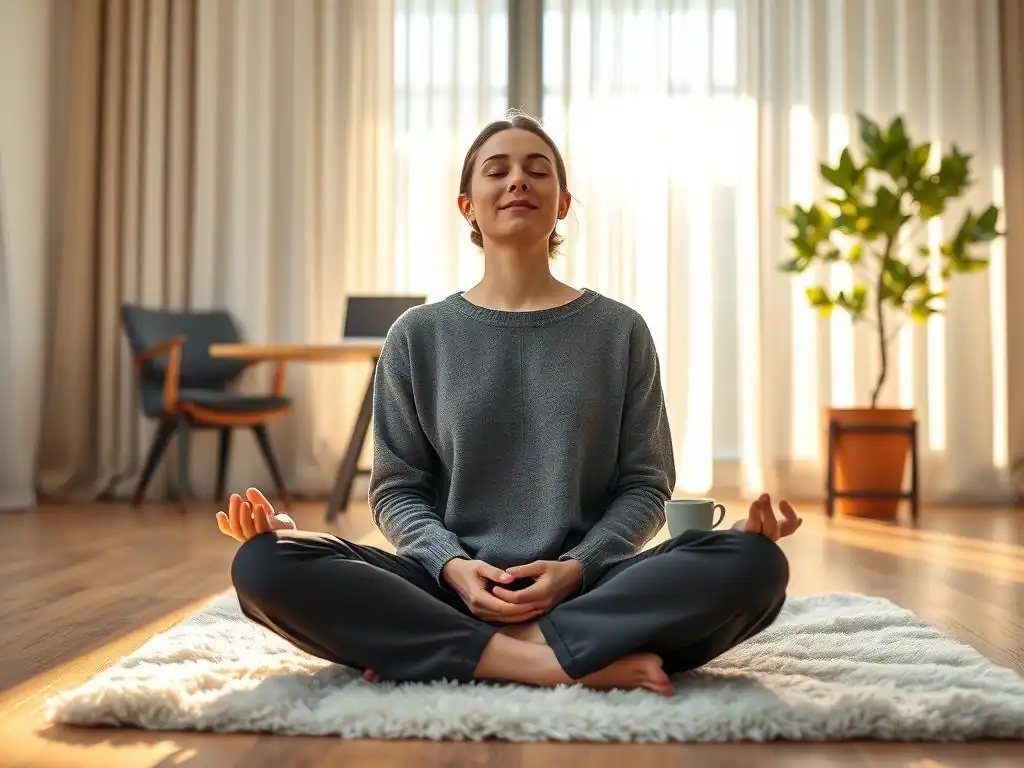
Welcome to Mind Care Guide, your sanctuary for navigating the complexities of mental well-being.
Are you feeling overwhelmed by the demands of a hectic schedule? You're not alone. Many struggle to find moments of peace amidst the chaos. In this guide, we delve into practical and effective stress management for busy people, offering actionable strategies to reclaim your calm and prioritize your mental health. Curious how you can integrate mindful practices into even the most packed day? Let's explore together.
Finding Time for Calm: Stress Management for Busy People
- Understanding Stress in the Modern, Hectic World
- Effective Stress Management Techniques for Busy Schedules
- Creating a Calming Environment Amidst the Chaos
- Lifestyle Changes for Sustainable Stress Relief
- Practical Tools and Resources for Stress Management
- Overcoming Common Obstacles to Stress Management
- Long-Term Strategies for a Calm and Balanced Life
-
Frequently Asked Questions
- What are some quick stress management techniques for busy people?
- How can I prioritize stress management when I'm already overwhelmed with tasks?
- What resources does Mind Care Guide offer for stress management strategies?
- How can I identify the root causes of my stress as a busy person?
- Is professional help necessary for stress management, or can I manage it independently?
- Final Reflection: Cultivating Calm in a Chaotic World
- Unlock Your Inner Calm: Start Your Stress-Free Journey Today!
Understanding Stress in the Modern, Hectic World
The Impact of Busyness on Mental and Physical Health
In today's fast-paced world, being busy is often worn as a badge of honor, yet the relentless pace takes a significant toll on both mental and physical health. Chronic busyness, a common characteristic among those seeking stress management busy people strategies, can lead to persistent activation of the body's stress response system.
This prolonged state elevates cortisol levels, which over time can contribute to a range of health problems, from increased risk of heart disease and weakened immune function to digestive issues and chronic headaches. Mentally, the constant pressure can manifest as anxiety, irritability, difficulty concentrating, and even depression, severely impacting overall quality of life.
Beyond the physiological effects, the mental burden of an overflowing schedule leaves little room for rest, recovery, or activities that nourish the spirit. Many busy individuals report feeling overwhelmed, disconnected from loved ones, and losing interest in hobbies they once enjoyed. Studies consistently show that a significant percentage of the working population experiences burnout, a direct consequence of unmanaged stress and excessive demands. Addressing this impact is crucial for effective stress management busy people require.
Identifying Your Personal Stress Triggers
Understanding what specifically causes you stress is the first critical step in effective stress management busy people. Triggers are highly individual and can range from major life events like a job change or moving to daily hassles such as traffic jams, difficult colleagues, or simply feeling like there aren't enough hours in the day.
For some, the trigger might be the pressure of deadlines, while for others, it could be uncertainty about the future or feeling a lack of control over their schedule. Paying close attention to situations, people, or thoughts that consistently evoke feelings of tension, frustration, or anxiety is key.
Journaling can be a powerful tool in this identification process. By noting down stressful events and your reactions to them over a week or two, patterns often emerge that were previously unnoticed. Stress management busy people need to make this process efficient, perhaps by dedicating just five minutes each evening. Recognizing these personal triggers allows you to anticipate stressful situations and develop targeted coping strategies, rather than simply reacting to stress as it arises.
Recognizing the Symptoms of Chronic Stress
Chronic stress, the kind that lingers day after day due to persistent busyness, manifests in various ways, affecting physical, emotional, cognitive, and behavioral health. Physically, symptoms might include persistent fatigue, muscle tension, headaches, digestive problems (like irritable bowel syndrome), changes in appetite, or frequent illnesses due to a compromised immune system. These physical signs are the body's alarm system, signaling that the demands placed upon it are exceeding its capacity to cope effectively without proper stress management busy people techniques.
Emotionally, chronic stress can lead to feelings of irritability, anxiety, restlessness, overwhelm, sadness, or even a sense of detachment. Cognitively, you might notice difficulty concentrating, memory problems, indecisiveness, or constant worrying. Behaviorally, this stress can result in changes in sleep patterns (insomnia or oversleeping), social withdrawal, increased use of alcohol or other substances, or nervous habits like nail-biting. Recognizing these symptoms early is vital; ignoring them can lead to more severe health issues and make effective stress management busy people strategies harder to implement.
Effective Stress Management Techniques for Busy Schedules
Micro-Mindfulness: Incorporating Mindfulness into Daily Activities
For stress management busy people, finding large blocks of time for meditation can feel impossible. This is where micro-mindfulness comes in – intentionally bringing awareness to ordinary, everyday activities. Instead of trying to carve out 30 minutes for sitting meditation, you can practice mindfulness while doing things you're already doing. This could be mindfully brushing your teeth, paying attention to the sensations; mindfully walking to your car, noticing the feel of your feet on the ground and the sights around you; or mindfully eating lunch, focusing on the taste, texture, and smell of your food.
The goal of micro-mindfulness is not to clear your mind, but to simply notice what is happening in the present moment without judgment. Even just one minute of focused attention on your breath while waiting for a computer program to load or standing in line can interrupt the cycle of stressful thoughts and bring a sense of calm. Integrating these small moments of presence throughout the day accumulates, significantly reducing the overall impact of stress and making stress management busy people more accessible and sustainable.
Quick Relaxation Exercises for Instant Stress Relief
When stress levels spike during a busy day, having quick, accessible relaxation techniques is invaluable. These exercises can be done discreetly at your desk, on public transport, or even during a short break between meetings. The key is that they are brief and require minimal space or time, making them perfect for stress management busy people who feel constantly pressed for time.
Deep Breathing Techniques for Busy Individuals
Deep breathing is one of the most immediate ways to calm the nervous system. When stressed, breathing becomes shallow and rapid. Deliberately slowing down and deepening your breath sends a signal to your brain that you are safe, counteracting the stress response. A simple technique is the 4-7-8 method: inhale deeply through your nose for a count of four, hold your breath for a count of seven, and exhale slowly through your mouth for a count of eight.
Repeat this just a few times, and you can feel a noticeable shift in your state. This can be done in a bathroom stall, in a quiet corner, or even while sitting at your desk with your eyes closed for a moment. It's a portable, powerful tool for stress management busy people.
Another effective technique is box breathing, often used by first responders. Inhale for a count of four, hold for four, exhale for four, and hold again for four, visualizing the sides of a box as you do so. This rhythmic pattern helps regulate the breath and calm the mind quickly. Practicing these simple breathing exercises for just 1-2 minutes multiple times a day can significantly reduce cumulative stress and improve your ability to handle pressure, proving that effective stress management busy people doesn't always require extensive time commitments.
Progressive Muscle Relaxation on the Go
Progressive Muscle Relaxation (PMR) involves tensing and then releasing different muscle groups in the body. While a full PMR session can take 15-20 minutes, a condensed version is highly effective for quick stress relief. The basic principle is that by deliberately tensing a muscle group for a few seconds and then releasing it, you become more aware of the difference between tension and relaxation, helping to release stored physical stress.
For a quick version suitable for stress management busy people, focus on just a few key areas prone to tension, such as the shoulders, neck, and jaw. Shrug your shoulders up towards your ears, hold tightly for 5-10 seconds, and then let them drop completely, feeling the tension drain away. Clench your jaw lightly for a few seconds and then release. You can also clench your fists and release. Doing this sequence even once or twice can alleviate immediate physical symptoms of stress like tightness and stiffness, providing a rapid pathway to feeling more relaxed amidst a chaotic schedule.
Time Management Strategies for Reduced Stress
Poor time management is a major contributor to stress for busy people. Feeling overwhelmed by too much to do and not enough time creates a constant state of anxiety. Implementing effective time management strategies isn't about fitting more into your day, but about working smarter, prioritizing, and creating realistic expectations, which are fundamental components of stress management busy people.
Prioritizing Tasks and Delegating Responsibilities
One of the most effective time management strategies is ruthless prioritization. Not all tasks are created equal, and learning to distinguish between urgent and important tasks is crucial. The Eisenhower Matrix (Urgent/Important, Urgent/Not Important, Not Urgent/Important, Not Urgent/Not Important) is a simple framework to help decide what to do now, schedule, delegate, or eliminate. For stress management busy people, focusing on the "Important, Not Urgent" tasks helps prevent them from becoming "Urgent and Important" crises later.
Delegation is another powerful tool, especially in professional settings. If a task can be effectively done by someone else, entrusting it to them frees up your time to focus on responsibilities only you can handle. This requires trust and clear communication, but it can significantly lighten your load and reduce the feeling of being solely responsible for everything. For stress management busy people, understanding that asking for help or distributing work isn't a sign of weakness but a strategic move is vital.
Saying No: Setting Boundaries to Protect Your Time
A common trap for busy people is saying yes to every request or opportunity, leading to an overcommitted schedule. Learning to say "no" is a powerful act of boundary setting that protects your time and energy. It's not about being unhelpful or unwilling, but about making conscious choices about where you invest your valuable time. Saying no to something that doesn't align with your priorities or capacity allows you to say a more enthusiastic "yes" to things that truly matter.
Setting boundaries also involves limiting availability, whether it's setting specific times for checking email, turning off notifications during focused work periods, or establishing clear start and end times for your workday. Communicating these boundaries respectfully to colleagues, friends, and family is important. While it might feel uncomfortable initially, establishing clear limits is essential for maintaining control over your schedule and preventing burnout, making it a non-negotiable aspect of effective stress management busy people.
Creating a Calming Environment Amidst the Chaos

Designing a Relaxing Workspace or Home
Your physical surroundings significantly impact your stress levels. For stress management busy people, transforming even a small corner of their workspace or home into a calming oasis can provide a much-needed respite. At work, this might involve decluttering your desk, adding a small plant, or personalizing your space with a photo that brings you joy. The goal is to create an environment that feels less chaotic and more conducive to focus and peace.
At home, dedicate a specific area, no matter how small, to relaxation. This could be a comfortable chair by a window, a corner with soft lighting, or simply ensuring your bedroom is a sanctuary free from work-related items and screens before bed. The principle is to design spaces that signal relaxation and recovery to your brain, making it easier to switch off from the demands of your busy life and actively practice stress management busy people strategies within these calming zones.
Utilizing Calming Scents and Sounds
Engaging your senses with calming stimuli can be a powerful tool for rapid stress reduction, a useful technique for stress management busy people who need quick anchors of calm. Aromatherapy, using essential oils like lavender, chamomile, or bergamot, has been shown in studies to help reduce anxiety and promote relaxation. A small diffuser or even just a roll-on applicator can be kept in your bag or on your desk for a quick dose of calm when needed.
Sound also plays a significant role. While constant noise contributes to stress, calming sounds can soothe the nervous system. This might include listening to nature sounds (like rain or ocean waves), gentle instrumental music, or guided meditations. Creating a playlist of calming sounds to listen to during commutes, breaks, or while winding down in the evening can help drown out internal and external stressors, making it easier to find moments of peace and support your efforts in stress management busy people.
The Power of Nature: Connecting with the Outdoors for Stress Reduction
Spending time in nature, even for short periods, has profound benefits for stress reduction. Research consistently shows that exposure to green spaces lowers cortisol levels, reduces blood pressure, and improves mood. For stress management busy people who spend most of their time indoors, intentionally seeking out nature is essential.
This doesn't require a long hike; even a 10-15 minute walk in a local park during your lunch break, sitting by a window with a view of trees, or tending to a few houseplants can make a difference. Pay attention to the sensory details – the feeling of the breeze, the sound of birds, the sight of greenery. Connecting with the natural world provides perspective, reduces mental fatigue, and offers a powerful, accessible form of relaxation that complements other stress management busy people techniques.
Lifestyle Changes for Sustainable Stress Relief
The Importance of Regular Exercise for Mental Wellbeing
Physical activity is not just good for your body; it's a cornerstone of effective stress management busy people. Exercise releases endorphins, natural mood boosters that act as a powerful antidote to stress and anxiety. Regular physical activity helps reduce the levels of stress hormones like cortisol and adrenaline. It also provides a healthy outlet for pent-up energy and frustration.
Aiming for consistent physical activity is more important than strenuous workouts. Even 20-30 minutes of moderate exercise most days of the week can make a significant difference. This could be brisk walking, cycling, dancing, or any activity you enjoy. Finding ways to integrate movement into a busy schedule, like taking the stairs, walking during phone calls, or doing a quick workout video at home, is key for stress management busy people who struggle to find dedicated gym time.
Healthy Eating Habits to Combat Stress
What you eat significantly impacts your mood, energy levels, and ability to cope with stress. While comfort food might offer temporary relief, a diet high in processed foods, sugar, and unhealthy fats can actually exacerbate stress symptoms, leading to energy crashes and mood swings. For effective stress management busy people, focusing on balanced nutrition is vital.
Prioritize whole foods, including fruits, vegetables, lean proteins, and complex carbohydrates. These provide the steady energy and nutrients your brain and body need to function optimally. Limiting caffeine and alcohol, which can disrupt sleep and increase anxiety, is also important. Planning meals and snacks in advance can help busy people make healthier choices when time is short, ensuring that nutrition supports their stress management busy people goals rather than hindering them.
Prioritizing Sleep: Establishing a Consistent Sleep Schedule
Sleep deprivation is both a cause and a symptom of stress. When you're busy, sleep is often the first thing to be sacrificed, yet consistently getting insufficient sleep makes you more susceptible to stress, impairs your cognitive function, and negatively impacts your mood. Prioritizing 7-9 hours of quality sleep per night is non-negotiable for sustainable stress management busy people.
Establishing a consistent sleep schedule, going to bed and waking up around the same time each day, even on weekends, helps regulate your body's internal clock. Creating a relaxing bedtime routine signals to your body that it's time to wind down – this might include reading, taking a warm bath, or listening to calming music. Avoiding screens (phones, tablets, TVs) in the hour before bed is also crucial as the blue light can interfere with melatonin production. Making sleep a priority is a fundamental pillar of stress management busy people need to build their well-being upon.
Practical Tools and Resources for Stress Management

Apps and Online Programs for Mindfulness and Meditation
Technology can be a valuable ally in stress management busy people, offering accessible tools for relaxation and mindfulness. Numerous mobile apps provide guided meditations ranging from 1 minute to longer sessions, suitable for fitting into small pockets of time. These apps often include programs focused on specific goals like reducing anxiety, improving sleep, or building resilience.
Beyond meditation, some apps offer guided breathing exercises, calming sounds, or tools for tracking mood and stress levels. Online programs and websites also provide courses on mindfulness, yoga, and other stress-reducing practices that can be accessed anytime, anywhere. While it's important not to become dependent on technology, these digital resources can serve as convenient guides and motivators for integrating stress management techniques into a busy life.
Utilizing Technology for Stress Reduction (Without Overdoing It)
While technology can be a source of stress (notifications, constant connectivity), it can also be leveraged for stress reduction in smart ways. Beyond mindfulness apps, consider using technology to disconnect or simplify. Using productivity apps to manage tasks and reduce mental clutter, setting "do not disturb" modes during focused work or relaxation time, or using noise-canceling headphones to create a quiet space can all help.
However, the key for stress management busy people is using technology intentionally, not compulsively. Avoid mindlessly scrolling through social media when stressed, as this often increases anxiety and comparison. Instead, use technology actively for calming purposes – listening to a podcast on stress management during your commute, watching a short yoga video, or video calling a supportive friend. The mindful use of technology can support your stress reduction efforts without adding to the digital overload.
Support Systems: Building a Network for Emotional Support
Feeling isolated can significantly amplify stress. Building and utilizing a strong support system is a vital component of stress management busy people. This network can include friends, family, colleagues, mentors, or professional therapists. Having people you can talk to openly about your challenges, who offer empathy and understanding, provides immense relief and perspective.
Regularly connecting with loved ones, even if it's just a quick phone call or text exchange, helps maintain these bonds. Sharing your feelings and experiences can validate them and reduce the feeling of carrying the burden alone. For those who feel overwhelmed, seeking professional support from a therapist or counselor can provide tailored strategies and coping mechanisms for managing stress. A robust support system acts as a buffer against the pressures of a busy life, making stress management busy people feel less daunting.
Overcoming Common Obstacles to Stress Management
Dealing with Procrastination and Perfectionism
Procrastination and perfectionism are two sides of the same coin that significantly contribute to stress, especially for busy people. Perfectionism can lead to procrastination because the fear of not doing something perfectly prevents you from starting or completing tasks, creating a backlog that fuels anxiety. Conversely, procrastinating until the last minute often results in rushed, lower-quality work and intense stress. These patterns are significant hurdles for stress management busy people.
Breaking these cycles involves setting realistic expectations and practicing self-compassion. Instead of aiming for perfect, aim for "good enough" or "complete." Break large tasks into smaller, manageable steps to make them less intimidating. Use techniques like the Pomodoro method (working in focused bursts with short breaks) to build momentum and overcome the inertia of procrastination. Recognizing that mistakes are part of the process and learning from them reduces the pressure to be flawless, making stress management busy people more achievable.
Managing Anxiety and Overthinking
Busy schedules often leave little mental space, making individuals prone to anxiety and overthinking – constantly replaying past events or worrying excessively about the future. This mental chatter is a major source of stress and can paralyze decision-making and action. Effectively managing this requires techniques to quiet the mind and ground yourself in the present, key skills for stress management busy people.
Mindfulness practices, even brief ones, can help train your mind to observe thoughts without getting swept away by them. Cognitive Behavioral Therapy (CBT) techniques, such as identifying and challenging negative thought patterns, can also be very effective. Setting aside specific "worry time" – a short, designated period each day to think about concerns – can help contain anxious thoughts so they don't consume your entire day. Focusing on what you can control and accepting what you cannot is fundamental to reducing the burden of overthinking and improving stress management busy people.
Staying Motivated and Consistent with Stress-Relief Practices
One of the biggest challenges for stress management busy people is consistency. When life gets hectic, stress management practices are often the first things to be dropped, precisely when they are needed most. Lack of immediate results or feeling like the practices are just another item on a long to-do list can demotivate.
To stay consistent, integrate stress relief into your existing routines rather than trying to add entirely new activities. For example, do deep breathing while commuting or listen to a calming podcast while making dinner. Start small – even 5-10 minutes a day of a chosen practice is better than nothing. Track your progress, perhaps by journaling how you feel after a practice, to see the cumulative benefits. Find an accountability partner or join a group. Remember that effective stress management busy people is a journey, not a destination, and small, consistent steps lead to significant long-term change.
Long-Term Strategies for a Calm and Balanced Life
Cultivating Gratitude and Positive Thinking
Shifting your perspective can profoundly impact your stress levels. Cultivating gratitude involves consciously acknowledging and appreciating the good things in your life, no matter how small. This practice helps counterbalance the brain's natural negativity bias and shifts focus away from stressors and towards positive aspects. Even in the midst of busyness, there are moments to be grateful for.
Practicing positive thinking doesn't mean ignoring problems, but approaching challenges with a more optimistic and resilient mindset. This involves reframing negative thoughts, focusing on solutions rather than dwelling on issues, and believing in your ability to cope. Simple practices like keeping a gratitude journal, listing three good things each day, or starting your day by setting a positive intention can rewire your brain over time, significantly enhancing your capacity for stress management busy people and fostering a more balanced outlook.
Developing Resilience to Handle Future Stressors
Resilience is the ability to bounce back from adversity and cope effectively with stress. It's not an innate trait but a set of skills that can be developed over time. Building resilience involves fostering a positive self-image, developing strong coping mechanisms, maintaining supportive relationships, and finding meaning or purpose. For stress management busy people, resilience is key to navigating inevitable future challenges without becoming overwhelmed.
Strategies for building resilience include practicing mindfulness, engaging in regular physical activity, nurturing social connections, problem-solving skills, and maintaining a hopeful outlook. Learning from past stressful experiences and recognizing your own strength in overcoming them also builds confidence. By proactively developing resilience, you equip yourself with the internal resources needed to face future stressors head-on, making stress management busy people not just about coping, but about thriving.
Making Self-Care a Non-Negotiable Priority
In the pursuit of stress management busy people, self-care is not a luxury; it is a necessity. It involves intentionally taking actions to preserve or improve your own health and well-being. For busy individuals, self-care often falls to the bottom of the priority list, viewed as selfish or unproductive. However, neglecting self-care leads directly to burnout and decreased effectiveness in all areas of life.
Make self-care a non-negotiable part of your schedule, just like any important meeting or deadline. This might mean blocking out time for exercise, scheduling regular breaks throughout the day, dedicating evenings to relaxation and hobbies, or ensuring you take your full lunch break away from your desk. Identify what activities truly replenish you – whether it's reading, spending time in nature, listening to music, or connecting with loved ones – and commit to making time for them regularly. Prioritizing self-care is the most powerful long-term strategy for sustainable stress management busy people and cultivating a calm, balanced life.
Frequently Asked Questions
What are some quick stress management techniques for busy people?
Busy individuals can benefit from mindfulness exercises like deep breathing, short meditation sessions, or taking brief breaks to disconnect and engage in enjoyable activities. These can be incorporated throughout the day.
How can I prioritize stress management when I'm already overwhelmed with tasks?
Prioritization is key. Schedule dedicated time slots for relaxation, even if they are short. Learn to delegate tasks where possible and say no to additional commitments to protect your mental well-being.
What resources does Mind Care Guide offer for stress management strategies?
Mind Care Guide provides articles, guided meditations, and practical tools aimed at helping busy individuals understand and manage their stress levels effectively. We also offer links to external support services.
How can I identify the root causes of my stress as a busy person?
Keep a stress journal to track triggers and patterns. Reflect on your work-life balance and identify areas where adjustments can be made to reduce pressure and promote well-being.
Is professional help necessary for stress management, or can I manage it independently?
While many can manage stress with self-care techniques, seeking professional help from a therapist or counselor is recommended if stress is severe, persistent, or impacting your daily life. They can provide personalized strategies.
Final Reflection: Cultivating Calm in a Chaotic World
The relentless pace of modern life leaves many feeling overwhelmed, a pervasive sense of stress impacting not only our well-being but also our productivity and relationships. This article explored practical strategies for managing stress, even within the confines of a busy schedule, emphasizing the importance of self-care and mindful practices. The truth is, finding time for calm isn't a luxury; it's a necessity.
The impact of chronic stress on our society is undeniable, manifesting in everything from increased healthcare costs to decreased workplace efficiency. We've seen firsthand how the constant pressure to "do more" often leads to burnout and a diminished quality of life. The price of anything is the amount of life you exchange for it,
as Henry David Thoreau wisely observed. This quote resonates deeply, reminding us that prioritizing our well-being is not selfish, but rather a crucial investment in our overall success and happiness. The strategies discussed – from mindful breathing exercises to setting realistic boundaries – are not just fleeting trends, but essential tools for navigating the complexities of modern life with grace and resilience.
Now, consider your own life. What small changes can you implement today to cultivate more calm? Perhaps it's scheduling a 10-minute meditation session, setting aside time for a hobby you enjoy, or simply taking a few deep breaths before responding to a stressful email. Remember, the journey to a calmer, more fulfilling life begins with a single, conscious step. Embrace the power of small changes, and watch as they ripple outwards, transforming your experience of the world, one mindful moment at a time.
Unlock Your Inner Calm: Start Your Stress-Free Journey Today!
Thanks for taking the time to explore practical stress management techniques with us! We hope you found valuable insights to help you navigate the demands of your busy life. Now, it's time to put those insights into action.
Here's how to begin your journey towards a calmer, more balanced you:
- Prioritize one stress-reducing activity: Choose just one technique from the article (meditation, deep breathing, a mindful walk) and commit to practicing it daily for even just 5 minutes. This small step can make a huge difference!
- Share your experience: Tell us (or a friend!) about your chosen technique. What resonated with you? What challenges did you encounter? Sharing your journey can help solidify your progress.
- Explore a surprising relaxation method: Look into something completely new – perhaps forest bathing, or a guided imagery session – to expand your toolkit for managing stress.
Ready to embrace a calmer, more fulfilling life? What small change are you ready to implement today to reduce your stress levels?