
Gentle Yoga for Mental Health: Accessible Practices

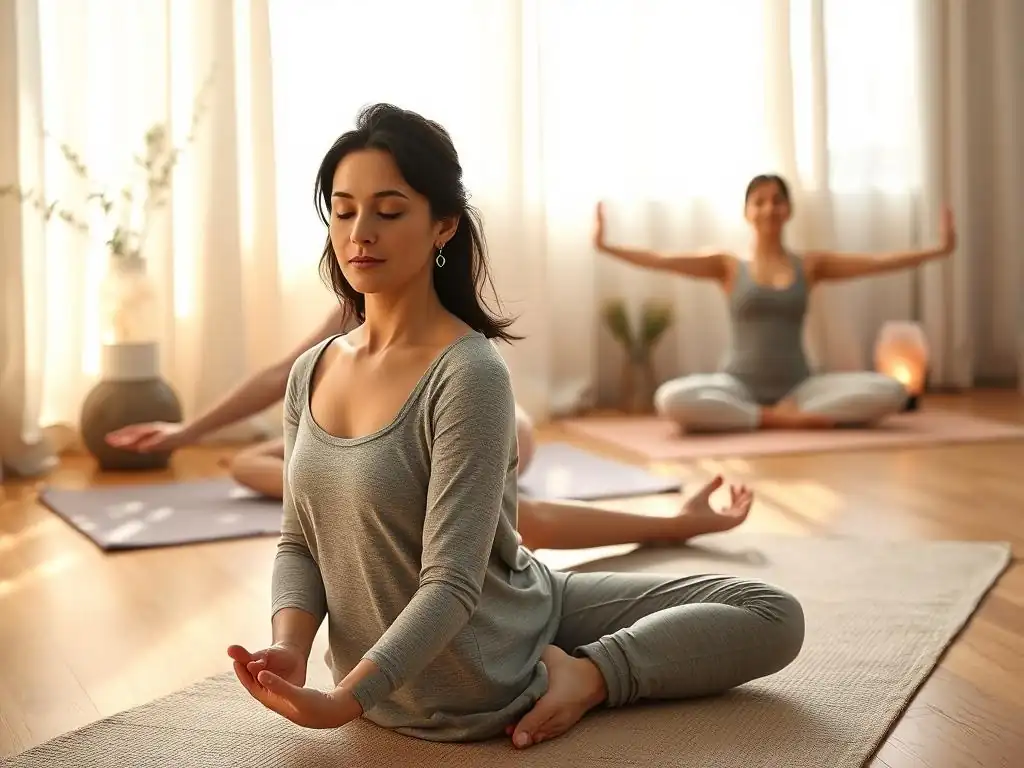
Welcome to Mind Care Guide.
Feeling overwhelmed? You're not alone. We understand the daily struggles with anxiety, and we're here to offer a path towards inner peace. Explore how Gentle Yoga can be a powerful tool to reduce anxiety, offering accessible practices for everyone. Discover practical techniques and compassionate support as you begin your journey to mental well-being. Curious to learn more and find a sense of calm? Let's begin.
Gentle Yoga for Mental Health: Accessible Practices
- Understanding Gentle Yoga and its Benefits for Mental Well-being
- Gentle Yoga Poses for Anxiety Reduction and Improved Mood
- Creating a Gentle Yoga Practice for Mental Health
- Gentle Yoga for Specific Mental Health Challenges
- Tips for Maintaining a Consistent Gentle Yoga Practice for Mental Health
- Integrating Gentle Yoga with Other Mental Health Therapies
- Conclusion: Embracing Gentle Yoga for a Calmer, More Balanced Mind
-
Frequently Asked Questions
- How can gentle yoga specifically help reduce anxiety?
- What makes gentle yoga different from other forms of yoga, especially for anxiety?
- Are there any specific gentle yoga poses particularly effective for anxiety relief?
- How often should I practice gentle yoga to see a reduction in anxiety symptoms?
- Where can I find resources or classes for gentle yoga designed for anxiety reduction?
- Final Reflection: Finding Calm in the Storm
- Unleash Your Inner Calm: Take the Next Step
Understanding Gentle Yoga and its Benefits for Mental Well-being
What is Gentle Yoga and How Does it Differ From Other Styles?
Gentle yoga is a mindful, slower-paced style of yoga that emphasizes relaxation, stretching, and deep breathing. Unlike more dynamic or physically demanding styles such as Vinyasa or Ashtanga, gentle yoga typically involves holding poses for longer durations with a focus on comfort, alignment, and body awareness rather than strength or flexibility extremes. Props like blocks, blankets, and bolsters are often used to support the body and make poses more accessible, allowing practitioners to relax deeply into stretches without strain. The pace is unhurried, providing ample time for transitions and self-reflection.
This approach makes gentle yoga particularly suitable for beginners, individuals with physical limitations, seniors, or anyone seeking a less intense practice focused on stress reduction and mental calm. While a power yoga class might leave you feeling energized and physically challenged, a gentle yoga session aims to leave you feeling grounded, relaxed, and mentally clear. The focus is less on mastering complex postures and more on cultivating presence, easing tension, and fostering a connection between mind and body, which is profoundly beneficial for mental health.
The Science Behind Gentle Yoga's Impact on Mental Health: Reducing Anxiety and Stress
The positive effects of gentle yoga on mental health are supported by scientific research. Regular practice has been shown to influence the body's stress response system. Specifically, it can help regulate the hypothalamic-pituitary-adrenal (HPA) axis, which controls the release of cortisol, the primary stress hormone. By calming the nervous system, gentle yoga can lower cortisol levels, leading to a reduction in feelings of stress and anxiety. A study published in the Journal of Alternative and Complementary Medicine in 2010, for example, found that a consistent yoga practice led to a significant decrease in cortisol levels among participants.
Furthermore, gentle yoga encourages vagal tone, the activity of the vagus nerve, which plays a crucial role in the parasympathetic nervous system – the "rest and digest" system. A higher vagal tone is associated with better stress management, resilience, and emotional regulation. The slow, controlled movements and emphasis on deep, conscious breathing characteristic of gentle yoga stimulate the vagus nerve, promoting a state of calm. Research indicates that practices like mindful movement and specific breathing techniques used in gentle yoga can directly improve vagal tone, helping gentle yoga reduce anxiety and improve overall emotional balance.
Benefits of Gentle Yoga for Anxiety Relief: A Comprehensive Overview
Gentle yoga offers a multifaceted approach to alleviating anxiety. On a physical level, it helps release chronic muscular tension that often accompanies anxiety, particularly in areas like the shoulders, neck, and hips. The gentle stretching and holding of poses encourage relaxation in these tight areas, signaling to the brain that the body is safe and can relax. This physical release has a direct impact on mental state, helping to quiet racing thoughts and reduce feelings of unease.
Beyond the physical, gentle yoga cultivates mindfulness and present moment awareness. By focusing on breath and bodily sensations during practice, individuals are gently guided away from anxious rumination about the past or future. This practice of bringing attention back to the present moment, even for short periods, builds the capacity to manage anxious thoughts when they arise off the mat. Over time, this consistent practice in gentle yoga can significantly reduce anxiety levels and improve the ability to cope with stressful situations more effectively.
Gentle Yoga Poses for Anxiety Reduction and Improved Mood
Beginner-Friendly Gentle Yoga Poses for Anxiety Relief: A Step-by-Step Guide
Child's Pose (Balasana): Calming the Mind and Body
Child's Pose is a deeply calming and grounding posture that is accessible to most beginners. To perform it, start on your hands and knees. Bring your big toes to touch and widen your knees out to the sides (or keep them closer together if more comfortable). Lower your hips back towards your heels. Rest your torso down between your thighs and let your forehead rest on the mat or a blanket. Your arms can rest alongside your body, palms up, or extended forward.
Hold this pose for several breaths, focusing on the gentle expansion of your back as you inhale and the sense of release as you exhale. This pose signals safety and retreat, making it incredibly effective for reducing feelings of overwhelm and anxiety. Many find that the gentle pressure on the forehead is soothing, and the enclosed shape provides a sense of comfort and security.
Supported Bridge Pose (Setu Bandhasana): Easing Tension and Promoting Relaxation
Supported Bridge Pose is a restorative variation that helps open the chest and shoulders while gently stretching the front of the body, countering the hunched posture often associated with stress and anxiety. To practice this, lie on your back with your knees bent and feet flat on the floor, hip-width apart, heels close to your hips. Press into your feet and gently lift your hips off the floor. Slide a block (at any height that feels comfortable) or a rolled blanket underneath your sacrum (the flat part at the base of your spine). Rest your weight onto the support.
Allow your arms to rest alongside your body, palms up, or clasp your hands beneath you. Breathe deeply, feeling the gentle opening across your chest. This supported inversion helps calm the nervous system and can alleviate fatigue and mild backache. Holding this pose for several minutes allows for deep relaxation and can significantly ease physical tension held due to anxiety.
Legs-Up-the-Wall Pose (Viparita Karani): Reducing Stress and Improving Circulation
Legs-Up-the-Wall Pose is a highly restorative and calming inversion that requires minimal effort. Sit alongside a wall, then swing your legs up the wall as you simultaneously lie down on your back. Adjust your hips so they are comfortably close to the wall (you can place a blanket or bolster under your hips for added support). Let your arms rest out to the sides, palms up, or on your belly.
Remain in this pose for 5-15 minutes, focusing on relaxing your entire body. This pose helps to reduce swelling in the legs and feet, calms the nervous system, and can alleviate symptoms of anxiety and insomnia. The gentle inversion encourages blood flow back towards the heart and head, promoting a sense of calm and grounding. It's a simple yet powerful pose for unwinding and letting go of accumulated stress.
Corpse Pose (Savasana): Deep Relaxation and Integration
Corpse Pose, or Savasana, is the final and arguably most important pose in many yoga practices, especially for mental health. Lie flat on your back with your legs extended, letting your feet fall open naturally. Allow your arms to rest alongside your body, palms facing up, slightly away from your torso. Close your eyes gently.
The goal of Savasana is complete relaxation – physical, mental, and emotional. Release any tension you notice in your body, starting from your toes and moving up to the crown of your head. Simply observe your breath without trying to change it. This pose allows the benefits of the practice to integrate into your body and mind, promoting deep rest and reducing stress. Even 5-10 minutes in Savasana can be profoundly restorative and help gentle yoga reduce anxiety effectively.
Modifying Gentle Yoga Poses for Different Body Types and Abilities
Gentle yoga is inherently adaptable, making it suitable for almost everyone regardless of body type, age, or physical condition. Modifications are key to ensuring comfort, safety, and effectiveness. For example, if kneeling in Child's Pose is uncomfortable for your knees, you can place a rolled blanket behind the knees or practice the pose lying on your back with knees drawn into the chest.
For Supported Bridge Pose, the height of the block can be adjusted from its lowest setting to its highest, or a bolster can be used for a gentler slope. If getting legs directly up the wall is challenging, try placing a chair in front of you while lying down and resting your calves on the seat of the chair. A qualified instructor can provide specific adjustments, but generally, listening to your body, avoiding pain, and using props generously are fundamental principles of modifying gentle yoga poses.
Creating a Gentle Yoga Practice for Mental Health
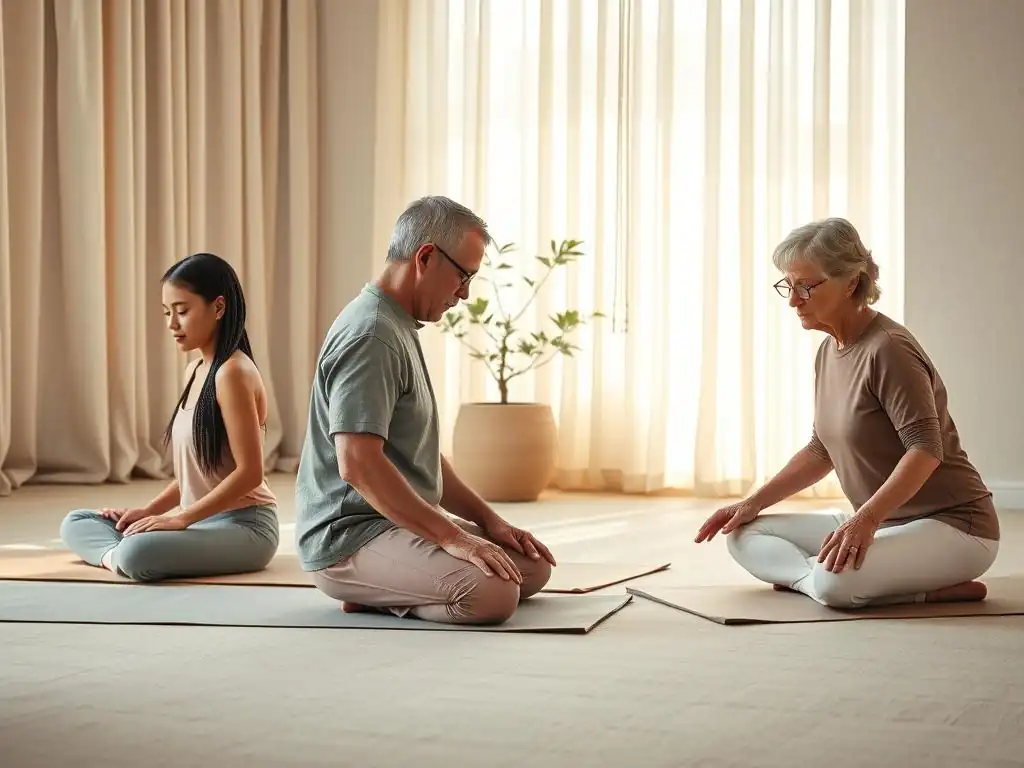
Setting Up Your Space for a Relaxing Gentle Yoga Session
Creating a dedicated, calming space is crucial for a gentle yoga practice focused on mental well-being. Find a quiet area in your home where you won't be interrupted. Ensure the space is clean, tidy, and free from clutter, as visual distractions can impede relaxation. Soft, ambient lighting is preferable to harsh overhead lights; consider using lamps or natural light.
Gather your props: a yoga mat, a blanket (for cushioning or warmth), a bolster or pillows, and yoga blocks if you have them. You might also consider elements like soft music, a calming scent from an essential oil diffuser (like lavender or chamomile), or a lit candle (with caution) to enhance the serene atmosphere. Making your space inviting signals to your mind and body that it's time to transition into a state of rest and self-care, preparing you to let gentle yoga reduce anxiety.
Breathing Techniques (Pranayama) for Anxiety and Stress Relief in Gentle Yoga
Breathing practices, or pranayama, are integral to gentle yoga and are powerful tools for managing anxiety and stress. Conscious control of the breath directly impacts the nervous system. Slowing down and deepening the breath activates the parasympathetic nervous system, counteracting the "fight or flight" response associated with anxiety.
Incorporating specific breathing techniques before, during, or after your gentle yoga poses can amplify their calming effects. These techniques help to anchor your awareness, regulate your physiological state, and cultivate a sense of control and calm even when external circumstances feel chaotic. Practice these techniques regularly, and you'll find they become accessible tools whenever you feel anxious.
Diaphragmatic Breathing (Belly Breathing): Calming the Nervous System
Diaphragmatic breathing, often called belly breathing, is one of the simplest yet most effective techniques for calming the nervous system. It encourages full oxygen exchange and slows the heart rate. To practice, sit or lie down comfortably. Place one hand on your chest and the other on your belly just below your rib cage. Inhale slowly through your nose, feeling your belly rise against your hand while your chest remains relatively still.
Exhale slowly through pursed lips or your nose, gently drawing your belly button towards your spine to expel all the air. Repeat this for several minutes, focusing on the gentle rise and fall of your belly. This practice helps shift dominance from the sympathetic to the parasympathetic nervous system, making it a fundamental technique to help gentle yoga reduce anxiety.
Alternate Nostril Breathing (Nadi Shodhana): Balancing the Mind
Alternate Nostril Breathing is a balancing pranayama that is believed to harmonize the left and right hemispheres of the brain and balance the body's energy channels (nadis). It can significantly reduce stress and anxiety while improving focus. Sit comfortably with a straight spine. Close your right nostril with your right thumb. Inhale slowly through your left nostril.
Close your left nostril with your right ring finger, release your thumb from the right nostril, and exhale slowly through your right nostril. Inhale through your right nostril. Close your right nostril with your thumb, release your ring finger from the left nostril, and exhale through your left nostril. This completes one round. Continue for 5-10 rounds, alternating the nostril you exhale through after each inhale.
Incorporating Mindfulness into Your Gentle Yoga Practice
Mindfulness is the practice of paying attention to the present moment without judgment. Integrating mindfulness into gentle yoga involves bringing your full awareness to your breath, bodily sensations, and thoughts as they arise during your practice. Instead of rushing through poses or letting your mind wander, you consciously observe what is happening in your body and mind from one moment to the next.
This can involve noticing the feeling of your feet on the mat, the stretch in a muscle, the flow of your breath, or the emotions present within you. When your mind inevitably wanders to anxious thoughts, gently acknowledge them without judgment and guide your attention back to your current experience on the mat. This repeated act of returning to the present builds your capacity for mindfulness off the mat, enhancing the ability of gentle yoga to reduce anxiety in daily life.
Gentle Yoga for Specific Mental Health Challenges
Gentle Yoga for Anxiety Disorders: Tailoring Your Practice
For individuals managing diagnosed anxiety disorders, gentle yoga can be a valuable complementary tool. Tailoring the practice involves focusing heavily on grounding poses like Child's Pose or Legs-Up-the-Wall, and prioritizing longer holds in restorative postures. Emphasis should be placed on breath awareness techniques, particularly slow, deep diaphragmatic breathing, to help regulate the nervous system during moments of heightened anxiety.
It is also beneficial to incorporate practices that build a sense of safety and self-compassion. This might include gentle heart-opening poses (like Supported Bridge) to counter feelings of being closed off, or simple seated meditations focusing on kindness towards oneself. Working with a trauma-informed or mental health-aware yoga instructor can provide guidance on specific modifications and practices that are most supportive for managing anxiety disorder symptoms.
Gentle Yoga for Depression: Finding Movement and Connection
Gentle yoga can be helpful for those experiencing depression by providing gentle movement, promoting body awareness, and fostering a sense of connection (even if practicing alone). The physical movement, even at a gentle pace, can help release endorphins, which have mood-lifting effects. Poses that encourage gentle backbends or chest opening can be particularly beneficial, as they can help counter the slumped posture sometimes associated with low mood and encourage a sense of openness.
Consistency is key; even short, regular practices (e.g., 15-20 minutes daily) are more impactful than infrequent long sessions. Focusing on breath and simple, repetitive movements can help quiet the ruminating thoughts common in depression. While gentle yoga is not a substitute for professional treatment, it offers an accessible way to engage with the body, feel a sense of accomplishment through movement, and create moments of peace, aiding in managing depressive symptoms.
Gentle Yoga for PTSD: Trauma-Sensitive Practices
For individuals with Post-Traumatic Stress Disorder (PTSD), a trauma-sensitive approach to gentle yoga is essential. This means prioritizing safety, predictability, and choice within the practice. Instructors should offer clear invitations rather than commands ("If it feels comfortable, you might try...") and empower students to make choices about which poses to do, how long to hold them, and whether to close their eyes.
Poses that feel grounding and stable are often emphasized, while potentially triggering poses (like intense backbends or inversions, or those that involve being on the stomach) might be avoided or heavily modified. The focus is on helping individuals gently reconnect with their bodies in a safe way, build interoceptive awareness (the ability to sense internal states), and utilize breath as a tool for self-regulation. The goal is to create a sense of agency and safety within one's own body.
Gentle Yoga for Stress Management: Daily Techniques
Gentle yoga provides practical, daily techniques for managing everyday stress. Incorporating even 10-15 minutes of gentle movement and breathwork into your routine can make a significant difference. Simple practices like a few rounds of diaphragmatic breathing, a short sequence of cat-cow stretches on hands and knees, followed by a few minutes in Child's Pose or Legs-Up-the-Wall, can help dissipate accumulated tension.
These mini-practices can be done in the morning to set a calm tone for the day, during a lunch break to reset, or in the evening to wind down before sleep. The key is consistency and accessibility. By having a repertoire of gentle poses and breathing techniques readily available, you have tools at your disposal to proactively manage stress throughout your day, preventing it from escalating into overwhelming anxiety.
Tips for Maintaining a Consistent Gentle Yoga Practice for Mental Health
Scheduling Your Gentle Yoga Sessions for Optimal Benefits
Consistency is crucial for experiencing the full mental health benefits of gentle yoga, including how gentle yoga helps reduce anxiety. Treat your practice like any other important appointment and schedule it into your week. Even 15-30 minutes a few times a week can be beneficial. Consider what time of day works best for you – some prefer mornings to start the day calmly, while others find evenings helpful for unwinding.
Be realistic about your schedule and start small if needed. A consistent short practice is more effective than an ambitious schedule you can't maintain. Use reminders on your phone or calendar. The goal is to build a sustainable habit that supports your mental well-being over the long term.
Listening to Your Body and Avoiding Overexertion
Gentle yoga is about nurturing, not pushing. It's essential to listen intently to your body's signals and respect its limits each day. Pain is a signal to back off immediately. Discomfort is sometimes part of stretching, but sharp or intense pain is not. Avoid comparing yourself to others or trying to force your body into a shape it's not ready for.
Focus on how the pose feels in your body rather than how it looks. Use props generously to support yourself and make poses comfortable. If a pose feels wrong or triggers discomfort (physical or emotional), skip it or modify it significantly. The purpose of gentle yoga for mental health is to create a sense of safety and ease, not strain or frustration.
Finding a Qualified Gentle Yoga Instructor or Online Resources
While many gentle yoga poses are accessible for self-practice, learning from a qualified instructor can greatly enhance your experience and ensure you are practicing safely and effectively. Look for instructors specifically trained in gentle yoga, restorative yoga, trauma-sensitive yoga, or yoga for mental health. They can offer personalized guidance, modifications, and deeper insights into the mind-body connection.
Numerous online platforms and apps also offer gentle yoga classes. Look for reputable sources with experienced teachers. Many offer classes specifically labeled "gentle," "restorative," or "yoga for anxiety/stress." Explore different instructors and styles to find what resonates with you. Ensure the online resource emphasizes safe alignment and encourages listening to your body.
Considerations for Individuals with Physical Limitations
Gentle yoga is highly adaptable for individuals with various physical limitations, including chronic pain, mobility issues, or injuries. Poses can often be done seated on a chair, lying in bed, or using extensive prop support. For example, Chair Yoga is a recognized style that adapts traditional poses for seated practice.
Individuals with significant physical limitations or health conditions should consult with their healthcare provider before starting a yoga practice. Finding an instructor with experience working with specific populations (e.g., seniors, chronic illness, injury recovery) can be invaluable. They can offer expert modifications and ensure the practice is therapeutic and safe, further demonstrating how gentle yoga can reduce anxiety even with physical challenges.
Integrating Gentle Yoga with Other Mental Health Therapies
Combining Gentle Yoga with Therapy or Counseling
Gentle yoga can be a powerful complement to traditional mental health therapies like counseling or psychotherapy. Therapy often works with the mind, helping individuals process thoughts, emotions, and experiences. Gentle yoga, by focusing on the body and breath, provides a complementary pathway to healing. It can help individuals become more aware of how emotions manifest physically (e.g., tension in the shoulders, tightness in the chest) and learn tools to self-regulate the nervous system.
Discussing your gentle yoga practice with your therapist can also be beneficial. They may help you connect insights gained on the mat to your therapeutic process. For example, noticing resistance to a particular pose might relate to patterns explored in therapy. This integrated approach can deepen self-understanding and provide a holistic framework for managing mental health challenges.
The Role of Gentle Yoga in Complementary Mental Health Care
In the broader landscape of complementary and integrative health, gentle yoga serves as a valuable mind-body modality. It aligns well with other practices aimed at reducing stress and improving well-being, such as meditation, mindfulness-based stress reduction (MBSR), acupuncture, or massage therapy. Gentle yoga offers a physical component that many purely mental or passive therapies lack, providing a gentle way to move energy and release physical tension.
Its emphasis on breath and present moment awareness also supports the goals of mindfulness-based interventions. Research continues to explore the synergistic effects of combining yoga with other treatments for conditions like depression, anxiety, and PTSD, often finding that the combination yields better outcomes than either approach alone. Embracing gentle yoga can be a proactive step in building a comprehensive mental health care plan.
Precautions and Contraindications
While generally safe and accessible, gentle yoga is not without precautions. Individuals with certain medical conditions, such as severe hypertension, heart conditions, glaucoma, or recent surgeries, should consult their doctor before starting yoga. Pregnant individuals should seek prenatal yoga classes led by certified instructors.
Listen carefully to your body and avoid any pose that causes pain, dizziness, or exacerbates symptoms. If you are experiencing a mental health crisis, gentle yoga should not be used as a substitute for professional medical or psychiatric care. It is a supportive practice, not a primary treatment for acute conditions. Always prioritize safety and consult with healthcare professionals regarding any concerns.
Conclusion: Embracing Gentle Yoga for a Calmer, More Balanced Mind
The Long-Term Benefits of Gentle Yoga for Mental Well-being
Committing to a consistent gentle yoga practice offers significant long-term benefits for mental well-being. Over time, regular practice can lead to sustained reductions in anxiety and stress levels, improved mood, better sleep quality, and increased resilience to life's challenges. The skills learned on the mat – such as mindful breathing, body awareness, and the ability to return to the present moment – become internalized tools that can be accessed anytime, anywhere.
Beyond symptom reduction, gentle yoga cultivates a deeper connection with oneself, fostering self-compassion and acceptance. It encourages a kinder relationship with your body and mind, shifting focus from what you can't do to what you can do, and appreciating the present moment. This journey towards inner peace and balance is a profound long-term benefit.
Start Your Gentle Yoga Journey Today: Accessible Practices for a Healthier Mind
Beginning your gentle yoga journey is an accessible step towards cultivating a calmer, more balanced mind. You don't need special equipment or prior experience to start. Simple practices like mindful breathing or a few minutes in Child's Pose can be done anywhere. As you become more comfortable, you can explore beginner-friendly poses and short sequences.
Finding a local gentle yoga class or exploring reputable online resources can provide structure and guidance. Remember to be patient and compassionate with yourself; progress in gentle yoga, especially for mental health, is not linear. Embrace the process, listen to your body, and celebrate the small moments of calm and presence you discover on the mat. Let gentle yoga reduce anxiety and become a nurturing part of your self-care routine.
Frequently Asked Questions
How can gentle yoga specifically help reduce anxiety?
Gentle yoga promotes relaxation by activating the parasympathetic nervous system, which helps to calm the mind and body. Specific poses and breathing techniques can directly reduce anxious thoughts and feelings.
What makes gentle yoga different from other forms of yoga, especially for anxiety?
Gentle yoga emphasizes slow, deliberate movements and mindful breathing, unlike more strenuous styles. This approach makes it more accessible for beginners and those with physical limitations, promoting relaxation without added stress.
Are there any specific gentle yoga poses particularly effective for anxiety relief?
Yes, poses like child's pose, corpse pose (Savasana), and legs-up-the-wall pose are known for their calming and grounding effects. These poses encourage deep relaxation and reduce tension in the body.
How often should I practice gentle yoga to see a reduction in anxiety symptoms?
While individual results vary, practicing gentle yoga for at least 2-3 times per week can lead to noticeable improvements. Consistency is key for long-term anxiety management and improved mental well-being.
Where can I find resources or classes for gentle yoga designed for anxiety reduction?
Mind Care Guide offers resources and information. Many yoga studios and online platforms offer gentle yoga classes tailored for mental health. Look for classes specifically mentioning anxiety relief or stress reduction.
Final Reflection: Finding Calm in the Storm
The gentle practice of yoga is not merely a physical exercise; it's a powerful tool for navigating the anxieties of modern life. In a world increasingly characterized by relentless pressure and uncertainty, the ability to cultivate inner peace and resilience is more crucial than ever. This article explored accessible gentle yoga techniques designed to reduce anxiety, offering a pathway to self-care that's both effective and easily integrated into daily routines.
The impact of gentle yoga on mental well-being extends far beyond the mat. It's a practice that fosters self-awareness, encourages mindful movement, and cultivates a deeper connection with one's body and breath. This, in turn, creates a ripple effect, influencing not only individual mental health but also broader societal attitudes towards stress management and self-compassion. As the renowned yoga teacher B.K.S. Iyengar once said, Yoga is a light, which once lit, will never dim. The better your practice, the brighter your flame.
This resonates deeply with the transformative power I've witnessed in individuals who embrace gentle yoga as a path to emotional equilibrium.
Consider the simple act of deep, conscious breathing – a cornerstone of gentle yoga. It's a readily available tool, accessible anytime, anywhere. You, the reader, hold the power to incorporate these practices into your own life. Start small, perhaps with just five minutes of mindful breathing each day. Gradually expand your practice, exploring the poses and techniques discussed in this article. Embrace the journey towards a calmer, more centered you. The path to reducing anxiety begins with a single breath, a single pose, a single step towards self-care.
Unleash Your Inner Calm: Take the Next Step
Thanks for taking the time to explore the power of gentle yoga for better mental well-being! We hope you found practical tools and inspiration within this article. Now, it's time to put that newfound knowledge into action.
- Start your gentle yoga journey today: Begin with just 5 minutes of mindful stretching from the poses discussed – focus on your breath and how your body feels. You'll be surprised at the difference!
- Share this article with someone who could benefit: Let's spread the word about accessible self-care.
- Join our community forum (on MindCareGuide.org) and share your experiences! Let's support each other on this path to improved mental health.
What small step will you take today to nurture your mind and body?