
Healing Trauma Through Movement: The Power of Qigong for Emotional Release

Welcome to Mind Care Guide.
Are you carrying the weight of past traumas? We understand that the journey to healing can feel overwhelming. You're not alone. Discover how Qigong trauma emotional release offers a gentle yet powerful pathway to unlock suppressed emotions and find inner peace. Ready to explore a holistic approach to well-being and learn how movement can be your key to emotional freedom? Let's begin your healing journey now.
Healing Trauma Through Movement: The Power of Qigong for Emotional Release
- Introduction: Qigong for Trauma Recovery and Emotional Wellbeing
- Qigong: An Ancient Practice for Releasing Trauma
- Qigong for Trauma Emotional Release: Key Principles and Techniques
- Benefits of Qigong for Trauma Survivors: A Path to Emotional Healing
- Specific Qigong Exercises for Emotional Release
- Integrating Qigong into Your Trauma Recovery Journey
- Precautions and Considerations When Using Qigong for Trauma
- Conclusion: Embracing Qigong for Lasting Emotional Release and Wellbeing
- Frequently Asked Questions
- Final Reflection: Embracing the Flow of Healing
- Unleash Your Inner Peace: Start Your Qigong Journey Today!
Introduction: Qigong for Trauma Recovery and Emotional Wellbeing
Understanding Trauma and its Impact on the Body-Mind Connection
Trauma, whether from a single overwhelming event or chronic stress, leaves a profound imprint not just on the mind, but deeply within the body. It can disrupt the nervous system's ability to regulate, leading to persistent states of hyperarousal (anxiety, panic) or hypoarousal (numbness, dissociation). This disregulation manifests physically as chronic tension, pain, digestive issues, and sleep disturbances.
The body essentially holds onto the trauma, creating blockages in energy flow and perpetuating the feeling of being stuck or unsafe. Understanding this somatic component is crucial because traditional talk therapies, while vital, may not fully address the physical residue of traumatic experiences.
The enduring effects of trauma are well-documented. Research indicates that individuals with a history of trauma often exhibit altered physiological responses, such as elevated cortisol levels or a heightened startle reflex. Estimates suggest that a significant portion of the population, potentially over 60% of adults, has experienced at least one traumatic event.
Many of these individuals grapple with the long-term consequences, including difficulty managing emotions, strained relationships, and physical health problems. Addressing these deep-seated physical and emotional patterns requires approaches that work directly with the body's stored tension and disrupted energy, paving the way for genuine Qigong trauma emotional release.
The Promise of Qigong: A Gentle Path to Healing Emotional Wounds
Qigong offers a unique and gentle pathway for individuals seeking to heal from trauma and achieve emotional release. Unlike high-intensity exercises or therapies that might feel overwhelming to a disregulated nervous system, Qigong emphasizes slow, deliberate movements, conscious breathing, and focused awareness. This ancient practice cultivates a deep connection with the body, allowing individuals to gradually and safely explore sensations, release held tension, and restore a sense of agency and safety within themselves. It is a practice of cultivating internal resources, empowering survivors to navigate their healing journey with resilience.
The core principles of Qigong – regulating breath, coordinating gentle movement, and focusing the mind – work synergistically to calm the nervous system. By promoting parasympathetic nervous system activation, Qigong helps to counteract the chronic fight, flight, or freeze responses associated with trauma. This gentle regulation supports the body's natural capacity for healing and facilitates the slow, safe thawing of frozen emotional states. The goal is not to force a release, but to create a nurturing internal environment where healing can unfold naturally, making Qigong for trauma emotional release a powerful, body-centered option.
Qigong: An Ancient Practice for Releasing Trauma
What is Qigong? Exploring the Fundamentals of Energy Cultivation
Qigong (pronounced "chee-gung") is a traditional Chinese mind-body practice that translates literally to "cultivating life energy." With roots stretching back thousands of years, it is a cornerstone of Traditional Chinese Medicine and martial arts. At its heart, Qigong involves coordinating slow, flowing movements, deep rhythmic breathing, and meditative focus to cultivate and balance Qi (vital energy) within the body. The belief is that balanced and free-flowing Qi is essential for physical health, emotional stability, and mental clarity.
The practice encompasses a vast array of forms and styles, ranging from static postures to dynamic sequences. Despite the variety, fundamental principles remain consistent: conscious breath control, mindful movement, and focused intention. Regular practice is thought to clear blockages in the body's energy pathways (meridians), nourish internal organs, strengthen the immune system, and calm the mind. For those grappling with the aftermath of trauma, this focus on restoring energetic balance and promoting a sense of inner harmony is particularly pertinent for Qigong trauma emotional release.
How Qigong Differs from Other Trauma Therapies: A Mind-Body Approach
While many effective trauma therapies exist, such as Cognitive Behavioral Therapy (CBT) or Eye Movement Desensitization and Reprocessing (EMDR), Qigong offers a distinct approach by prioritizing the body's wisdom and capacity for self-regulation. Unlike therapies that primarily focus on processing narratives or reframing thoughts, Qigong directly engages the somatic experience of trauma. It recognizes that trauma is stored physically as much as it is psychologically and provides tools to work with the body's held tension and energetic stagnation without necessarily requiring detailed verbal recounting of traumatic events, which can be re-traumatizing for some individuals.
Qigong's emphasis on gentle, repetitive movements and conscious breath allows individuals to build tolerance for physical sensations associated with stored trauma in a controlled and supportive manner. It helps to increase interoceptive awareness – the ability to sense what is happening inside one's body – which is often impaired in trauma survivors.
By fostering this connection, Qigong empowers individuals to gently pendulate between activation and calm, gradually expanding their window of tolerance. This body-first approach complements talk therapy by providing a foundational sense of safety and embodiment essential for deeper psychological processing, making Qigong a valuable tool for trauma emotional release.
Qigong for Trauma Emotional Release: Key Principles and Techniques
Breathwork in Qigong: Calming the Nervous System and Releasing Blocked Emotions
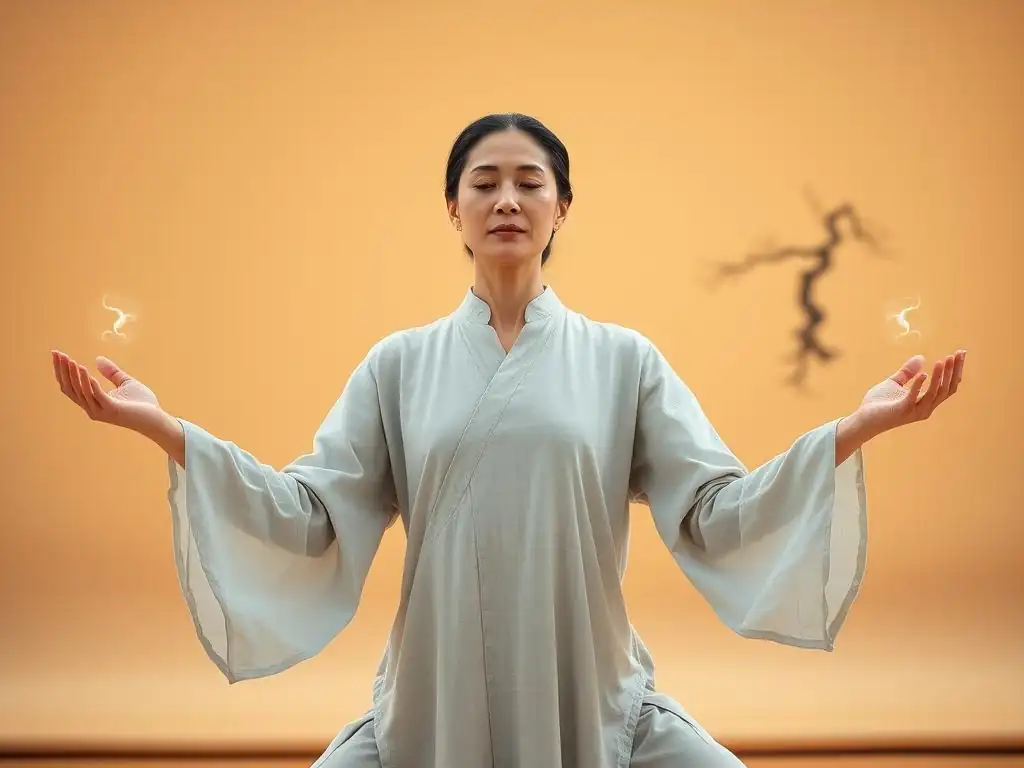
Breath is fundamental to Qigong and serves as a primary tool for regulating the nervous system, which is often dysregulated after trauma. Shallow, rapid breathing is a common symptom of anxiety and the fight-or-flight response. Qigong teaches deep, slow, diaphragmatic breathing, often coordinated with movement. This type of breath stimulates the vagus nerve, promoting the parasympathetic nervous system's "rest and digest" response and counteracting the effects of chronic stress. By consciously slowing and deepening the breath, individuals can signal safety to their nervous system, creating a foundation for emotional release.
Beyond calming, Qigong breathwork is used to actively move and release stagnant energy and emotions. Techniques like "clearing breath" or specific breathing patterns linked to movements are designed to facilitate the release of emotional blockages held in the body. For instance, breathing into areas of tension or discomfort during practice can help to soften those areas and allow stored emotions to surface gently. This conscious engagement with the breath transforms it from an involuntary reaction to stress into a powerful, voluntary tool for self-regulation and facilitating Qigong trauma emotional release.
Movement and Posture: Restoring Flow and Releasing Physical Tension Associated with Trauma
The gentle, flowing movements and stable postures in Qigong are specifically designed to promote the smooth flow of Qi throughout the body and release physical tension that often accumulates as a result of trauma. Traumatic experiences can cause muscles to chronically clench and contract, preparing the body for perceived danger that never fully resolves. Qigong movements, which are typically slow, circular, and relaxed, encourage the softening and lengthening of these tense areas. They help to restore natural range of motion and flexibility, freeing the body from its state of protective rigidity.
Specific postures and movements target different areas of the body known to hold emotional tension. For example, movements focusing on the hips or shoulders can help release deep-seated emotional weight. The repetitive, mindful nature of the movements helps to ground the practitioner in the present moment, interrupting cycles of rumination or dissociation common in trauma survivors. By systematically moving the body with awareness, Qigong helps to discharge pent-up energy and facilitate the physical unwinding necessary for Qigong trauma emotional release.
Visualization and Meditation: Cultivating Inner Peace and Emotional Regulation
Visualization and meditative focus are integral components of Qigong, enhancing its power for emotional healing. Practitioners are often guided to visualize the flow of Qi, imagine tension leaving the body with the exhale, or cultivate feelings of peace, strength, or safety within. This focused intention helps to direct energy and reinforce the mind-body connection. For trauma survivors, visualizations can be particularly helpful in creating an internal sense of a safe space, counteracting feelings of being constantly threatened or unsafe.
Meditation in Qigong involves cultivating focused, relaxed awareness. This can be practiced while standing, sitting, or moving. The goal is not to empty the mind, but to gently observe thoughts, feelings, and sensations without judgment. This practice builds mindfulness, a crucial skill for emotional regulation. By learning to observe difficult emotions or physical discomfort with curiosity rather than reactivity, trauma survivors can increase their capacity to tolerate challenging internal states and develop greater emotional resilience, supporting the process of Qigong trauma emotional release.
Benefits of Qigong for Trauma Survivors: A Path to Emotional Healing
Reducing Anxiety and Stress Through Qigong Practice
One of the most immediate and widely reported benefits of Qigong for trauma survivors is a significant reduction in anxiety and overall stress levels. The combination of deep breathing, gentle movement, and meditative focus directly counteracts the physiological symptoms of stress and anxiety, such as rapid heartbeat, shallow breathing, and muscle tension. Regular practice helps to lower cortisol levels and promote a state of calm presence.
Studies and anecdotal evidence consistently show that mind-body practices like Qigong can lead to measurable decreases in self-reported anxiety. For example, some research suggests that consistent Qigong practice can reduce anxiety scores by 30% or more in individuals experiencing chronic stress or trauma symptoms. This reduction in baseline anxiety creates a greater capacity for individuals to engage in their daily lives and further therapeutic work, making Qigong a valuable tool in managing the pervasive anxiety linked to trauma, supporting Qigong trauma emotional release.
Improving Sleep Quality and Promoting Relaxation
Sleep disturbances, including difficulty falling asleep, staying asleep, or experiencing nightmares, are incredibly common among trauma survivors. The chronic state of hypervigilance makes it difficult for the nervous system to fully relax and enter restorative sleep cycles. Qigong's calming effect on the nervous system directly addresses this issue.
By promoting relaxation and reducing anxiety, Qigong helps to prepare the body and mind for sleep. The gentle movements release physical tension that can interfere with comfort, and the breathwork helps to quiet the racing thoughts that often accompany insomnia.
Many practitioners report falling asleep more easily and experiencing more restful, uninterrupted sleep after incorporating Qigong into their routine. While specific data on Qigong's impact on trauma-related sleep disorders is emerging, general studies on Qigong and sleep show improvements in sleep duration and quality, with some participants reporting significant reductions in insomnia symptoms, further aiding in Qigong trauma emotional release.
Enhancing Emotional Resilience and Self-Awareness
Qigong practice cultivates a deeper connection with one's internal experience, fostering increased self-awareness. By paying mindful attention to physical sensations, breath, and emotions during practice, individuals become more attuned to their internal landscape. This heightened awareness allows them to recognize emotional states as they arise, rather than being overwhelmed by them.
This increased self-awareness is the foundation for building emotional resilience. As individuals learn to observe their emotions without judgment during Qigong, they develop a greater capacity to tolerate difficult feelings and respond to them with greater wisdom and less reactivity. They learn that emotions are dynamic and can flow and change, much like the energy they cultivate. This empowers them to navigate challenging emotional terrain with greater ease and confidence, strengthening their ability to achieve Qigong trauma emotional release over time.
Fostering a Sense of Safety and Embodiment
Trauma often leaves individuals feeling disconnected from their bodies, viewing them as sources of pain, betrayal, or vulnerability. Dissociation is a common coping mechanism. Qigong gently encourages re-inhabiting the body in a safe and controlled manner. The slow, deliberate movements and focus on internal sensation help to rebuild trust in the body and foster a sense of being grounded and present.
Through consistent practice, individuals can cultivate a felt sense of safety within their own physical form. They learn to experience their body not as a threat, but as a source of strength and stability. This process of re-embodiment is crucial for trauma recovery, providing a foundation of felt safety from which deeper healing can occur. Fostering this sense of embodiment is a key aspect of using Qigong for trauma emotional release.
Specific Qigong Exercises for Emotional Release
"Gentle Swaying": Grounding and Releasing Tension
"Gentle Swaying" is a fundamental Qigong exercise that is particularly beneficial for grounding and releasing accumulated tension, making it excellent for Qigong trauma emotional release. Standing with feet shoulder-width apart, knees slightly bent, the practitioner simply sways gently back and forth, or side to side, allowing the arms to swing loosely like ropes. The movement is initiated from the core, allowing the rest of the body to relax and follow naturally. The breath is deep and relaxed, coordinating with the sway.
This seemingly simple movement is profoundly effective. It helps to discharge nervous energy held in the legs and torso, promoting a sense of being rooted and stable, countering the feeling of being "ungrounded" common after trauma. The repetitive, rhythmic motion is naturally calming to the nervous system, similar to rocking a baby. It encourages the release of physical tightness in the joints and muscles, allowing stagnant energy and emotions to begin to dissipate. Practicing this for just 5-10 minutes can significantly shift one's state from anxious to centered, supporting Qigong trauma emotional release.
"Kidney Breathing": Strengthening Vitality and Calming Fear
In Qigong and Traditional Chinese Medicine, the Kidneys are associated with vitality, courage, and the emotion of fear. Trauma can deeply impact the Kidneys, leading to chronic fear, fatigue, and feelings of instability. "Kidney Breathing" is a practice designed to nourish the Kidney energy and calm the fear response, supporting Qigong trauma emotional release. While variations exist, a common method involves placing hands on the lower back (over the Kidney area) and directing deep, slow breaths into this region, visualizing warmth and light filling the area.
Another approach involves specific postures that gently stretch or stimulate the Kidney meridian, combined with focused breathing. For example, bending forward slightly from the waist while exhaling and returning to standing while inhaling can help. The intention is to bring conscious awareness and vital energy to this area, helping to release the grip of fear and cultivate a sense of inner strength and resilience. Regular practice of Kidney-focused exercises is thought to help rebuild the body's core vitality and diminish the pervasive sense of threat often experienced by trauma survivors.
"Heart Opening": Cultivating Self-Compassion and Emotional Balance
The Heart in Qigong is associated with joy, love, and emotional balance, but it can also hold grief, sadness, and emotional pain, often impacted by trauma. "Heart Opening" exercises aim to release tension in the chest and shoulders, cultivate self-compassion, and restore emotional equilibrium, facilitating Qigong trauma emotional release. Movements often involve gentle expansions and contractions of the chest, sometimes with arm movements that open the front of the body, such as reaching arms out to the sides or gently circling them.
Breathing is focused on the chest area, encouraging the release of tightness and constriction. Visualizations might involve imagining the heart center filling with warm light or cultivating feelings of kindness towards oneself. Trauma can lead to self-blame, shame, and closing off emotionally. Heart Opening practices gently encourage vulnerability and connection, both internally and externally. By releasing physical tension around the heart, individuals can create space for healing emotional pain and fostering a greater capacity for joy and connection, vital for comprehensive Qigong trauma emotional release.
Integrating Qigong into Your Trauma Recovery Journey
Finding a Qualified Qigong Instructor for Trauma-Sensitive Practice
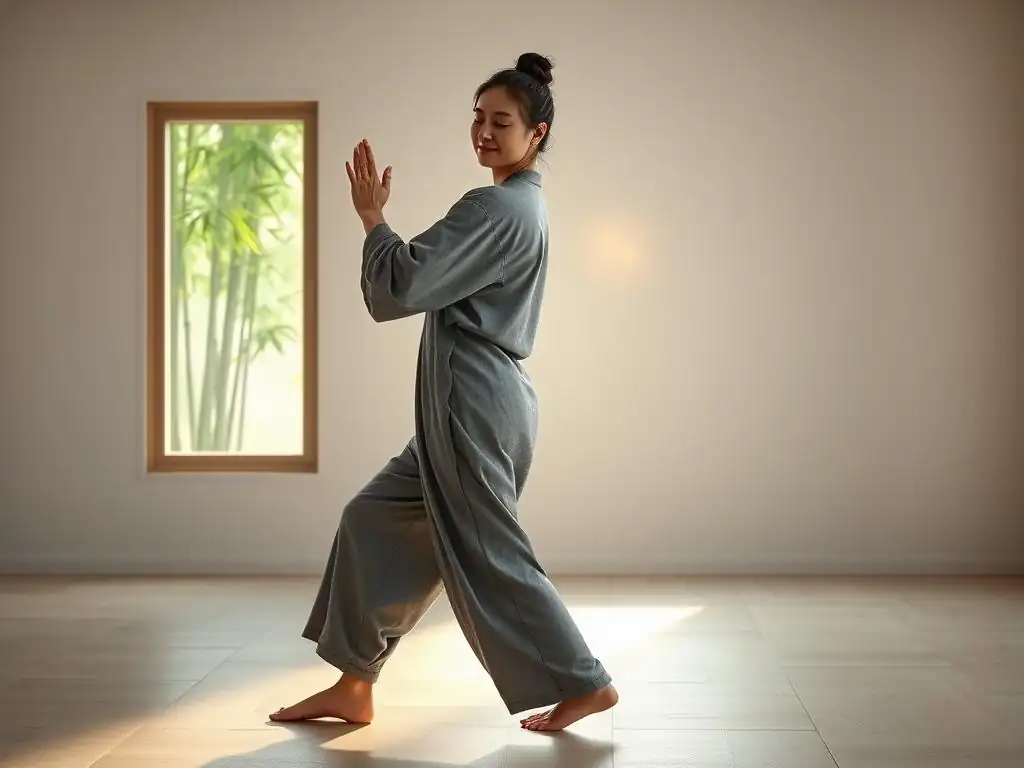
Integrating Qigong effectively into a trauma recovery journey is significantly enhanced by finding a qualified instructor, ideally one with experience or training in trauma-sensitive approaches. While self-practice is valuable, guidance from an experienced teacher can ensure proper form, deepen understanding of the energetic principles, and provide necessary support. A trauma-sensitive instructor understands the potential for triggering and can offer modifications, variations, and a safe container for practice.
When seeking an instructor, inquire about their training and experience, particularly if they have worked with individuals with trauma histories or have knowledge of somatic approaches. A good instructor will emphasize safety, embodiment, and meeting you where you are without pushing you too hard or too fast. They will help you build interoceptive awareness and self-regulation skills. Look for someone who fosters a sense of trust and safety in their classes or sessions, as this relationship is paramount for effective Qigong trauma emotional release.
Creating a Safe and Supportive Practice Environment
Creating a safe and supportive environment for your Qigong practice is crucial, especially when working with trauma. This means choosing a physical space where you feel secure and undisturbed, whether it's a quiet corner of your home, a peaceful spot outdoors, or a studio class where you feel comfortable. Ensure the temperature is comfortable, and there are no distractions.
Beyond the physical space, cultivate an internal environment of self-compassion and patience. Approach your practice without judgment or expectation. Recognize that some days may feel easier than others, and that's okay. If difficult emotions or sensations arise, remember that this is part of the process of Qigong trauma emotional release. Have a plan for self-soothing or grounding if you feel overwhelmed, such as having a comforting object nearby or knowing you can pause and rest. Treating yourself with kindness is paramount.
Listening to Your Body: Adapting Qigong to Your Individual Needs
One of the most important principles in using Qigong for trauma is learning to listen deeply to your body and adapting the practice to your individual needs on any given day. Trauma can disrupt the ability to sense and respond to bodily signals. Qigong is a practice of cultivating this connection. Pay attention to sensations without judgment: Where do you feel tension? What movements feel expansive? What feels restrictive?
- Start with short practice sessions (5-10 minutes).
- Choose movements that feel safe and grounding.
- Modify postures if they cause discomfort or triggering.
- Prioritize gentle, flowing movements over complex forms initially.
- Allow yourself to rest or pause whenever needed.
- Focus on the breath as an anchor.
This practice of mindful adaptation empowers you, reinforcing a sense of control and agency that trauma often diminishes. It ensures that Qigong remains a supportive tool, not another source of pressure or potential re-traumatization, facilitating sustainable Qigong trauma emotional release.
Combining Qigong with Other Therapies for Holistic Healing
Qigong is a powerful complementary practice and can be incredibly effective when combined with other forms of therapy and healing modalities. It is not typically a standalone treatment for complex trauma but serves as a potent adjunct that supports the overall recovery process. Many individuals find that incorporating Qigong enhances the benefits of talk therapy, somatic experiencing, or other body-centered approaches.
For example, Qigong can help regulate the nervous system before or after a therapy session, making it easier to process difficult material. It can provide tools for managing anxiety and dissociation between sessions. Combining Qigong with practices like mindfulness meditation, yoga, or creative arts therapies can create a comprehensive, holistic approach to healing. Discussing your interest in Qigong with your therapist or healthcare provider is a good step to ensure your healing journey is integrated and well-supported, maximizing the potential for Qigong trauma emotional release.
Precautions and Considerations When Using Qigong for Trauma
Understanding Potential Triggering Effects
While Qigong is generally gentle, it is important to be aware that working with the body and breath can sometimes bring up difficult emotions or sensations related to trauma. Certain movements, postures, or even the focus on breath or internal sensation might inadvertently trigger memories, flashbacks, or intense feelings. This is not necessarily a sign that Qigong is harmful, but rather an indication that stored material is beginning to surface.
It is crucial to approach Qigong practice with awareness and self-compassion. If you experience triggering, remember that you have the power to pause, modify, or stop the practice. Grounding techniques, such as feeling your feet on the floor, focusing on external sights or sounds, or using self-soothing touch, can be helpful. Practicing in a safe environment and having support structures in place (like a therapist) are vital for navigating these potential challenges safely during the process of Qigong trauma emotional release.
Seeking Guidance from a Mental Health Professional
Given the complex nature of trauma, it is highly recommended to undertake Qigong practice as part of a broader healing plan and ideally under the guidance of a mental health professional experienced in trauma recovery. Qigong can be a wonderful support, but it is not a substitute for professional psychological or psychiatric care. A therapist can help you process the emotional material that may arise during Qigong and provide strategies for managing intense experiences.
Discussing your intention to practice Qigong with your therapist allows for a coordinated approach to your healing. They can help you identify potential challenges, offer support, and integrate the insights gained from your physical practice into your overall therapeutic work. This collaborative approach ensures that you have the necessary emotional and psychological support as you work towards Qigong trauma emotional release.
Starting Slowly and Gradually Increasing Intensity
When beginning Qigong for trauma, it is essential to start slowly and gradually increase the duration and intensity of your practice. Trauma recovery is not a race, and pushing yourself too hard physically or emotionally can be counterproductive. Begin with short sessions, perhaps just 5-10 minutes a few times a week. Focus on simple, grounding movements and gentle breathwork.
Pay close attention to how your body and mind respond. If you feel overwhelmed or exhausted, it's a signal to slow down or rest. As you build tolerance and feel more comfortable, you can gradually extend the practice time or explore more complex forms, always prioritizing a sense of safety and ease. This patient, step-by-step approach builds resilience and ensures that Qigong remains a healing, rather than taxing, experience, supporting sustainable Qigong trauma emotional release.
Conclusion: Embracing Qigong for Lasting Emotional Release and Wellbeing
Qigong as a Powerful Tool for Trauma Healing and Self-Empowerment
Qigong offers a profound and accessible path for individuals navigating the complexities of trauma. By gently engaging the body, regulating the breath, and focusing the mind, Qigong provides tangible tools for calming the nervous system, releasing stored tension, and fostering a deeper connection with oneself. It moves beyond simply managing symptoms, offering a way to address the root physiological and energetic impacts of trauma.
This ancient practice empowers trauma survivors by restoring a sense of agency and control over their internal state. Learning to regulate one's own nervous system through breath and movement is a powerful antidote to the helplessness often felt after traumatic experiences. Qigong supports the natural unfolding of healing, allowing emotional release to occur safely and organically, making it a truly transformative practice for Qigong trauma emotional release and overall wellbeing.
Moving Forward: Resources and Support for Your Qigong Journey
Embarking on a Qigong journey for trauma healing is a courageous step towards greater emotional freedom and physical vitality. Remember that finding the right guidance and creating a supportive practice environment are key. Seek out qualified instructors who understand trauma-informed principles. Connect with communities or online resources that resonate with you.
Your body holds incredible wisdom and capacity for healing. By embracing Qigong, you are tapping into this innate ability, cultivating resilience, and fostering a lasting sense of peace and embodiment. Be patient and compassionate with yourself throughout the process. The path of Qigong trauma emotional release is one of gentle unfolding, leading towards a more integrated and vibrant self.
Frequently Asked Questions
How does Qigong help with trauma recovery?
Qigong uses gentle physical movements, breathwork, and meditation to help regulate the nervous system. This process can help individuals reconnect with their bodies and release stored trauma.
What is "emotional release" in the context of Qigong?
Emotional release in Qigong refers to the process of allowing pent-up emotions related to trauma to surface and be processed. It often involves experiencing and releasing these emotions through physical movements and breathing exercises within a safe space.
Is Qigong a replacement for traditional therapy for trauma?
No, Qigong is typically used as a complementary therapy alongside traditional mental health treatments like psychotherapy. It is not a replacement for professional help from a therapist or psychiatrist.
What types of Qigong practices are most effective for trauma?
Practices that focus on grounding, gentle movements, and breath regulation are generally considered most effective. These include practices like Eight Brocades Qigong or Five Elements Qigong, modified for trauma sensitivity.
How long does it take to experience the benefits of Qigong for trauma?
The timeline varies depending on the individual and the severity of the trauma. Some may experience immediate relief, while others may require consistent practice over weeks or months to see significant changes in their emotional well-being.
Final Reflection: Embracing the Flow of Healing
The profound connection between body and mind is undeniable, and the healing power of Qigong for trauma release is a testament to this truth. In a world increasingly burdened by stress and emotional upheaval, finding accessible and effective methods for processing trauma is paramount. Qigong, with its gentle yet powerful movements and mindful breathing, offers a pathway to emotional liberation that is both deeply personal and profoundly transformative.
The impact of trauma extends far beyond the initial event, rippling outwards to affect our relationships, our self-perception, and even our physical health. Qigong provides a space to reconnect with the body, to gently unravel the knots of tension that trauma creates, and to cultivate a sense of inner peace. The body keeps the score,
as Bessel van der Kolk so eloquently puts it, and Qigong offers a tangible method for rewriting that score, one mindful movement at a time. It's not about erasing the past, but about creating a more balanced and resilient present.
Consider the gentle sway of the Tai Chi ball, the focused breath of the Eight Brocades, the calming stillness of Zhan Zhuang. These are not just exercises; they are pathways to self-discovery, opportunities to listen to the whispers of your body, and tools for cultivating a deeper connection with your inner strength. You possess the inherent capacity to heal; Qigong simply provides the key to unlock that potential. Begin your journey today. Explore the gentle movements, breathe deeply, and allow the flow of Qigong to guide you toward a more peaceful and empowered you.
Unleash Your Inner Peace: Start Your Qigong Journey Today!
Thanks for taking the time to explore the healing power of Qigong! We hope this article helped you understand how movement can unlock emotional freedom. Now it's time to put this knowledge into practice.
- Begin your Qigong practice today: Even 5 minutes of gentle flowing movements can make a difference. Find a quiet space and try the basic exercises we outlined.
- Share your experience: Let us know in the comments how your Qigong journey is progressing. We'd love to hear about your experience and offer support.
- Explore further: Investigate different Qigong styles to find one that resonates with you—there's a perfect practice waiting to be discovered.
What small step will you take today to nurture your emotional well-being through the power of movement?