
Herbs for Happiness? A Holistic Perspective on Natural Supplements


Welcome to Mind Care Guide, a space dedicated to nurturing your inner peace. Feeling overwhelmed? You're not alone. We understand the journey to mental well-being can be challenging, and that's why we're here to provide guidance and support. In this article, we delve into a topic close to many hearts: can natural supplements boost mental wellness? Prepare to explore a holistic perspective, uncovering potential benefits and essential considerations before you embark on this path. Let's begin your journey towards a brighter, more balanced you.
- Herbs for Happiness? A Holistic Perspective on Natural Supplements | Mind Care Guide
- Top Herbs and Natural Supplements for Enhanced Mood and Mental Clarity
- Incorporating Natural Supplements into Your Mental Wellness Routine
- Debunking Myths: Separating Fact from Fiction About Natural Supplements
- The Future of Natural Supplements in Mental Health Care
- Empowering Your Mental Health Journey with Natural Support
-
Frequently Asked Questions
- How can natural supplements contribute to my mental well-being?
- Are there specific herbs known to boost mental wellness, and how do they work?
- What are the potential risks and side effects associated with using natural supplements for mental health?
- Can natural supplements replace traditional treatments for mental health challenges?
- Where can I find reliable information and resources about using natural supplements for mental wellness?
- Final Reflection: Harvesting Happiness: The Enduring Power of Nature's Pharmacy
- Unleash Your Inner Sunshine: Boost Your Mood Naturally
Herbs for Happiness? A Holistic Perspective on Natural Supplements | Mind Care Guide
The Holistic Approach to Mental Health: Beyond Traditional Treatments
A holistic perspective on mental health recognizes that well-being is a complex interplay of biological, psychological, social, and environmental factors. Traditional treatments, while vital and effective for many conditions, often focus primarily on addressing specific symptoms or chemical imbalances. A holistic view broadens this scope, considering lifestyle, nutrition, physical activity, social connections, and environmental influences as integral components of mental wellness.
This approach doesn't necessarily replace conventional care but rather complements it, seeking to support the individual's overall health and resilience. It acknowledges that factors like chronic stress, poor diet, lack of sleep, and environmental toxins can significantly impact mood, cognitive function, and emotional stability, and therefore, addressing these foundational elements is crucial for sustainable mental well-being.
Integrating natural supplements into a mental wellness plan exemplifies this holistic philosophy. Instead of viewing supplements as standalone cures, they are considered tools that can support the body's natural processes, potentially helping to balance neurotransmitter levels, reduce inflammation, or mitigate the effects of stress when combined with other healthy practices. For instance, someone managing anxiety might use cognitive-behavioral therapy alongside regular exercise and perhaps a natural supplement known for its calming properties, like L-theanine.
This multi-pronged strategy aims not just to alleviate the symptom of anxiety but to build a stronger, more resilient foundation for mental health. The goal is to empower individuals to take an active role in their well-being by addressing multiple contributing factors, acknowledging that natural supplements can boost mental wellness as part of a comprehensive strategy.
Exploring the Link Between Nutrition and Emotional Balance
The profound connection between what we eat and how we feel is increasingly supported by scientific evidence. The gut-brain axis, a complex communication network linking the digestive system and the brain, plays a significant role in emotional regulation. Trillions of microorganisms residing in our gut produce neurotransmitters and other compounds that can influence mood, stress response, and cognitive function.
A diet rich in processed foods, sugar, and unhealthy fats can disrupt this delicate balance, potentially contributing to inflammation and negatively impacting mental state. Conversely, a diet abundant in whole foods, fiber, healthy fats, and fermented foods can support a healthy gut microbiome and, consequently, better emotional balance.
Beyond the gut, specific nutrients are essential for brain health and neurotransmitter synthesis. Omega-3 fatty acids, found in fatty fish and flaxseeds, are crucial for brain structure and function, and deficiencies have been linked to mood disorders. B vitamins are vital cofactors in the production of neurotransmitters like serotonin and dopamine, which are critical for mood regulation.
Magnesium, often called the "relaxation mineral," is involved in hundreds of biochemical reactions in the body, including those related to stress response and sleep. When dietary intake of these essential nutrients is insufficient, targeted natural supplements can potentially help fill nutritional gaps, offering support to boost mental wellness by ensuring the brain has the building blocks it needs to function optimally.
Top Herbs and Natural Supplements for Enhanced Mood and Mental Clarity
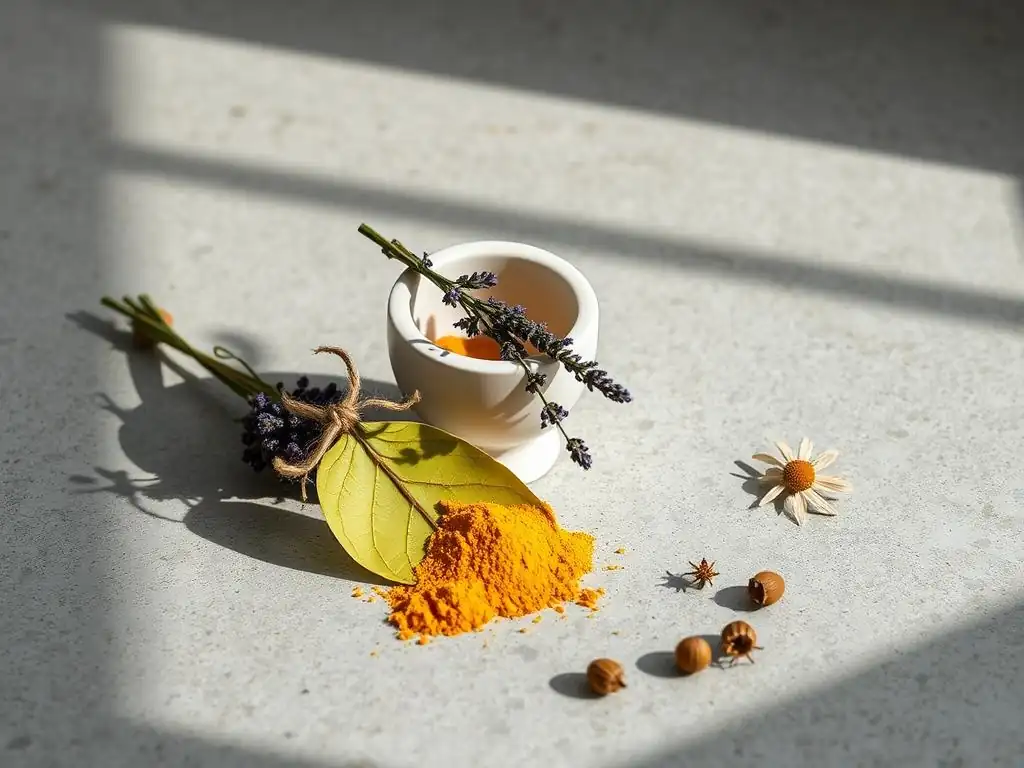
St. John's Wort: A Natural Antidepressant Alternative?
St. John's Wort ( Hypericum perforatum) is perhaps one of the most well-known herbal remedies studied for mood support. Historically used for various ailments, its use for mild to moderate depression gained significant traction in the late 20th century, particularly in Europe. Research suggests that compounds in St. John's Wort, such as hypericin and hyperforin, may influence neurotransmitters like serotonin, dopamine, and norepinephrine, similar to how some conventional antidepressant medications work, although the exact mechanisms are not fully understood.
Some meta-analyses of clinical trials have indicated that St. John's Wort extract can be as effective as standard antidepressants for mild to moderate depression, with potentially fewer side effects for some individuals. For example, a comprehensive review published around 2017 analyzing dozens of studies found evidence supporting its efficacy for these specific severity levels.
However, it is crucial to understand that St. John's Wort is not a universal solution and carries significant considerations. Its effectiveness is generally considered less robust for severe depression, and it can interact dangerously with a wide range of medications, including antidepressants, birth control pills, blood thinners, and medications for heart disease or HIV/AIDS. These interactions can render conventional medications less effective or increase their side effects.
For instance, taking St. John's Wort with certain antidepressants can increase the risk of serotonin syndrome, a potentially life-threatening condition. Therefore, while some studies suggest St. John's Wort can boost mental wellness for certain individuals experiencing mild mood dips, its use requires careful consideration, professional medical guidance, and vigilance regarding potential drug interactions.
Understanding the Benefits and Potential Side Effects of St. John's Wort
The primary potential benefit of St. John's Wort lies in its observed effectiveness for relieving symptoms of mild to moderate depressive episodes. Users in some studies have reported improvements in mood, reduction in feelings of sadness, and increased energy levels comparable to those seen with some prescription medications. Its natural origin appeals to individuals seeking non-pharmaceutical options. Furthermore, compared to some conventional antidepressants, St. John's Wort might have a lower incidence of certain side effects like weight gain or sexual dysfunction, although this varies greatly among individuals and studies.
Despite its potential benefits, St. John's Wort is associated with several potential side effects and significant risks. Common side effects can include digestive upset, skin sensitivity to sunlight (photodermatitis), fatigue, restlessness, anxiety, and dizziness. More concerning are its numerous drug interactions, which can have serious health consequences.
It induces liver enzymes (specifically CYP3A4) that metabolize many drugs, leading to decreased levels and reduced effectiveness of those medications. Conversely, it can also affect transporter proteins (like P-glycoprotein), altering drug absorption and elimination. The interaction profile is so extensive that many healthcare providers strongly advise against its use, especially for individuals taking any prescription medication.
Rhodiola Rosea: Combating Stress and Boosting Cognitive Function
Rhodiola Rosea, an adaptogenic herb, has been used for centuries in traditional medicine, particularly in Eastern Europe and Asia, to enhance physical and mental performance and combat fatigue. Adaptogens are a class of natural substances believed to help the body adapt to stress, normalizing physiological functions. Research suggests that Rhodiola may influence key stress response systems, including the hypothalamic-pituitary-adrenal (HPA) axis, and affect levels of neurotransmitters like serotonin and dopamine.
Studies have explored its potential in reducing fatigue, improving concentration, and alleviating symptoms of burnout and stress-induced anxiety. For example, a study involving individuals with stress-related fatigue showed significant improvements in symptoms like exhaustion, irritability, and difficulty concentrating after several weeks of supplementation.
The appeal of Rhodiola Rosea lies in its potential to support the body's resilience to stress without causing significant sedation or stimulation. It is thought to work by helping cells manage energy more efficiently and protecting them from oxidative stress. While research is ongoing, the evidence suggests it may help mitigate the negative physical and mental impacts of chronic stress, a common contributor to reduced mental wellness.
Participants in some trials have reported feeling more energetic, less overwhelmed, and better able to focus when facing demanding situations. This makes Rhodiola a popular choice among those looking for natural supplements to boost mental wellness, particularly in the context of demanding lifestyles or periods of high stress.
How Rhodiola Rosea Supports Resilience in the Face of Stress
Rhodiola Rosea's primary mechanism of action is thought to involve its ability to modulate the body's stress response system. When faced with stressors, the HPA axis is activated, leading to the release of stress hormones like cortisol.
While this response is adaptive in the short term, chronic activation due to prolonged stress can have detrimental effects on physical and mental health, including impaired cognitive function, mood disturbances, and fatigue. Rhodiola is believed to help normalize the activity of the HPA axis, preventing excessive cortisol release and allowing the body to return to a state of balance more efficiently after a stressor has passed.
Furthermore, compounds in Rhodiola, such as salidroside and rosavin, may help increase levels of stress-protective proteins and antioxidants within cells. This cellular support could contribute to improved energy production, reduced cellular damage from stress, and enhanced overall resilience. By buffering the physiological impact of stress, Rhodiola may help maintain mental clarity, improve mood, and prevent stress-induced fatigue, thereby supporting the body's natural capacity to cope with challenges. For someone experiencing burnout symptoms, for instance, Rhodiola might help improve energy levels and focus, making it easier to manage daily tasks and reduce feelings of being overwhelmed.
Ashwagandha: An Ancient Herb for Anxiety Relief and Overall Well-being
Ashwagandha ( Withania somnifera) is another prominent adaptogenic herb with a long history of use in Ayurvedic medicine, particularly valued for its ability to help the body manage stress and promote tranquility. Its name, roughly translating to "smell of horse," is said to allude to its unique odor and its traditional reputation for imparting the strength and vitality of a horse. Modern research has focused on its anxiolytic (anxiety-reducing) properties and its potential impact on stress hormones.
Studies have consistently shown that Ashwagandha supplementation can lead to significant reductions in cortisol levels, the body's primary stress hormone. For example, a study published in 2012 found that participants taking a high concentration full-spectrum extract of Ashwagandha root reported a significant reduction in stress and anxiety levels compared to a placebo group, with their serum cortisol levels also dropping substantially.
Beyond its direct impact on stress and anxiety, Ashwagandha is also studied for its potential effects on sleep quality, fatigue, and even cognitive function. Chronic stress can disrupt sleep patterns and impair cognitive performance, and by helping to regulate the stress response, Ashwagandha may indirectly improve these areas.
Some users report feeling calmer, more centered, and experiencing improved sleep after regular use. This broad spectrum of potential benefits makes Ashwagandha a popular choice for individuals seeking natural support for overall mental well-being and resilience against the pressures of modern life, aiming to help natural supplements boost mental wellness by addressing the root cause of stress.
The Science Behind Ashwagandha's Calming Effects
The calming and stress-reducing effects of Ashwagandha are primarily attributed to its active compounds, known as withanolides. These compounds are believed to interact with the body's stress response system in multiple ways. As mentioned, Ashwagandha is well-documented for its ability to lower cortisol levels, which is a key factor in mitigating the physiological effects of chronic stress. By reducing cortisol, it can help prevent the cascading negative impacts of prolonged stress on mood, sleep, immune function, and cognitive performance.
Furthermore, research suggests that withanolides may interact with the gamma-aminobutyric acid (GABA) system, the primary inhibitory neurotransmitter system in the brain. By enhancing GABAergic activity, Ashwagandha could promote relaxation and reduce neuronal excitability, contributing to its anxiolytic effects. Some studies also indicate potential effects on other neurotransmitter systems, but the impact on cortisol and the GABA system are considered major contributors to its calming properties. This scientific backing provides a basis for understanding why Ashwagandha is often recommended as a natural supplement to boost mental wellness, particularly for those struggling with stress and anxiety.
L-Theanine: Promoting Relaxation Without Drowsiness
L-Theanine is an amino acid naturally found in tea leaves, particularly green tea. It is known for promoting a state of relaxed alertness, often described as a calm focus. Unlike many other calming agents, L-Theanine typically does not cause drowsiness, making it suitable for use throughout the day.
Its effects are thought to be mediated by increasing levels of GABA, serotonin, and dopamine in the brain, neurotransmitters that influence mood, sleep, and emotion. It also appears to promote the production of alpha brain waves, which are associated with a state of relaxed wakefulness, creativity, and focus – the state achieved during meditation.
Studies on L-Theanine have demonstrated its ability to reduce stress and anxiety in individuals exposed to stressful conditions. For example, research has shown that L-Theanine can significantly decrease subjective stress responses and lower heart rate and salivary cortisol levels in participants performing mentally stressful tasks. Its ability to cross the blood-brain barrier allows it to exert its effects relatively quickly after ingestion. This makes L-Theanine a popular choice for those seeking immediate, yet gentle, support for managing daily stress, improving focus during demanding tasks, or promoting relaxation in the evening without impairing alertness the next day.
L-Theanine and its Synergistic Effects with Caffeine
One interesting aspect of L-Theanine is its synergistic relationship with caffeine, another compound found naturally in tea. While caffeine is known for its stimulating effects, which can sometimes lead to jitters or anxiety, L-Theanine appears to counteract these negative side effects while preserving or even enhancing the cognitive benefits. The combination is often reported to produce a state of calm focus or "smooth energy." Studies investigating the combination of L-Theanine and caffeine have shown improvements in cognitive performance, including enhanced attention, alertness, and reaction time, without the typical increase in anxiety or blood pressure associated with caffeine alone.
This synergy is thought to occur because L-Theanine promotes alpha waves, inducing a state of relaxed alertness, while caffeine stimulates beta waves, associated with heightened vigilance. The combination may balance these effects, leading to improved focus and reduced distractibility compared to caffeine alone. This makes the L-Theanine and caffeine pairing, either through consuming tea or taking separate supplements, an attractive option for individuals looking for natural ways to boost mental wellness by enhancing cognitive function and managing stress simultaneously.
Saffron: Emerging Evidence for Mood Support
Saffron ( Crocus sativus) is a spice derived from the flower of the saffron crocus. While primarily known for its culinary uses, traditional medicine systems have long used saffron for various health purposes, including mood elevation. In recent years, scientific research has begun to explore the potential of saffron extract, particularly its active compounds crocin and safranal, for supporting mental well-being. Several clinical trials have investigated saffron's effects on symptoms of depression and anxiety, yielding promising results.
Multiple studies have suggested that saffron extract may be effective in improving symptoms of mild to moderate depression, with some research indicating it might be comparable to certain conventional antidepressant medications for these specific conditions, similar to findings for St. John's Wort but with a potentially different interaction profile. For instance, a meta-analysis published in 2019 reviewed multiple randomized controlled trials and concluded that saffron supplementation was associated with a significant reduction in depressive symptoms compared to placebo.
Research into its mechanisms of action is ongoing, but possibilities include influencing neurotransmitter systems, reducing inflammation, and providing antioxidant effects. While more large-scale studies are needed, saffron is emerging as a promising natural supplement to boost mental wellness, particularly in the realm of mood support.
Saffron Extract: A Promising Natural Supplement for Depression?
The evidence base supporting saffron extract as a potential natural supplement for depression is growing. Clinical trials, often using standardized extracts, have reported positive outcomes in reducing depressive symptom scores on standardized scales like the Hamilton Depression Rating Scale (HAM-D) or the Beck Depression Inventory (BDI).
These studies often compare saffron extract to placebo or, in some cases, to conventional antidepressants like fluoxetine (Prozac) or imipramine. While results vary, many studies have found the efficacy of saffron to be comparable to these medications for mild to moderate depression, often with fewer reported side effects like sexual dysfunction or weight gain.
The proposed mechanisms behind saffron's antidepressant effects are thought to involve multiple pathways. These may include modulating levels of neurotransmitters such as serotonin, dopamine, and norepinephrine; exerting anti-inflammatory effects, as chronic inflammation is increasingly linked to depression; and protecting brain cells from oxidative stress.
While saffron is generally considered safe, its potential interactions with medications, particularly those affecting serotonin, should be discussed with a healthcare provider. The research on saffron is still relatively young compared to herbs like St. John's Wort, but the current findings position it as a potentially valuable addition to the list of natural supplements that may help boost mental wellness for individuals with mild to moderate mood concerns.
Incorporating Natural Supplements into Your Mental Wellness Routine
Consulting with a Healthcare Professional: The Importance of Personalized Advice
Integrating natural supplements into your mental wellness routine should never be undertaken without careful consideration and, most importantly, consultation with a qualified healthcare professional. This includes medical doctors, psychiatrists, or registered dietitians who have expertise in both conventional and potentially integrative approaches. While supplements are "natural," they are not inherently risk-free. They contain biologically active compounds that can have significant effects on the body, interact with medications, and may not be suitable for everyone, particularly those with underlying health conditions, pregnant or breastfeeding individuals, or children.
A healthcare professional can help you assess whether a particular supplement is appropriate for your specific needs, health status, and any medications you are currently taking. They can provide personalized advice on dosage, potential side effects, and interactions. For instance, someone on blood thinners absolutely must avoid high doses of certain supplements like St. John's Wort or high-dose omega-3s without strict medical supervision due to increased bleeding risk.
Similarly, someone with a history of bipolar disorder needs careful guidance, as some supplements could potentially trigger manic episodes. Consulting a professional ensures that you approach using natural supplements to boost mental wellness safely and effectively, integrating them responsibly into your overall health plan.
Dosage and Safety Considerations for Herbal Supplements
Determining the correct dosage for herbal supplements can be challenging, as it often depends on the specific extract used, its standardization, and the individual's needs and response. Unlike pharmaceuticals, which have rigorously tested and standardized dosages, herbal supplements can vary significantly in potency and composition between brands and even between batches of the same brand. Recommended dosages are often based on clinical studies, but these studies may use specific extracts or concentrations that are not readily available to consumers. Taking too little may render the supplement ineffective, while taking too much could increase the risk of side effects.
Safety considerations extend beyond dosage to the quality and purity of the supplement itself. Contamination with heavy metals, pesticides, or other harmful substances is a potential risk with some herbal products. Furthermore, some supplements may be adulterated with synthetic drugs or contain different plant species than listed on the label. This underscores the importance of choosing reputable brands that conduct third-party testing for purity and potency.
Always start with the lowest effective dose, monitor your body's response, and be aware of potential side effects. If you experience any adverse reactions, discontinue use and consult your healthcare provider immediately. Responsible use of natural supplements to boost mental wellness hinges on understanding these dosage and safety considerations.
Lifestyle Factors to Enhance the Effectiveness of Natural Supplements
While natural supplements can be supportive tools, their effectiveness in boosting mental wellness is significantly enhanced when combined with healthy lifestyle practices. No supplement can fully compensate for the detrimental effects of poor diet, chronic sleep deprivation, lack of physical activity, or unmanaged stress. These lifestyle factors form the foundation of mental health, and addressing them is paramount. For example, while Rhodiola might help with stress resilience, consistently getting only 4-5 hours of sleep per night will likely undermine any benefit it provides.
Focusing on foundational health habits creates a fertile ground for supplements to potentially exert their effects. A balanced diet rich in whole foods provides essential nutrients the brain needs. Regular exercise is a powerful mood booster, stress reliever, and improves sleep. Prioritizing 7-9 hours of quality sleep per night is crucial for cognitive function and emotional regulation. Practicing stress-reduction techniques like mindfulness or meditation can also significantly impact well-being. When these core elements are in place, natural supplements can act synergistically, potentially offering an extra layer of support to optimize mental wellness.
The Role of Diet, Exercise, and Sleep in Mental Health
Diet, exercise, and sleep are often referred to as the pillars of health, and their impact on mental well-being is profound and well-documented. Nutrition directly influences brain structure and function; inflammatory diets are linked to increased risk of depression and anxiety, while diets rich in omega-3s, antioxidants, and fiber support cognitive health and mood.
Regular physical activity reduces stress hormones, increases endorphins (natural mood elevators), improves sleep quality, and can serve as a powerful distraction from negative thought patterns. Even moderate activity, like a 30-minute brisk walk most days of the week, has been shown to have significant mental health benefits.
Sleep is critical for brain restoration and consolidation of memories and emotional processing. Chronic sleep deprivation impairs cognitive function, increases irritability, and exacerbates symptoms of anxiety and depression. Aiming for consistent, quality sleep is non-negotiable for mental wellness.
Think of it this way: natural supplements might provide building blocks or help regulate specific processes, but diet provides the fuel, exercise keeps the machinery running smoothly, and sleep allows for essential maintenance and repair. Prioritizing these three areas is the most impactful way to support your mental health journey, creating the optimal environment for any natural supplements to boost mental wellness.
Debunking Myths: Separating Fact from Fiction About Natural Supplements

Are Natural Supplements Always Safe? Understanding Potential Risks
A common misconception is that because something is "natural," it is automatically safe and without side effects. This is a dangerous oversimplification. Many potent and even toxic substances are found in nature. Herbal supplements contain active compounds that can interact with the body's physiology in significant ways. As discussed with St. John's Wort, interactions with prescription medications are a major concern and can be life-threatening. For example, certain herbs can affect blood clotting, blood pressure, or blood sugar levels, posing risks for individuals with related medical conditions or those undergoing surgery.
Beyond interactions, some natural supplements can have inherent side effects. High doses of certain vitamins or minerals can be toxic (e.g., excessive Vitamin A can cause liver damage). Some herbs can cause digestive issues, allergic reactions, or photosensitivity.
The lack of stringent regulation compared to pharmaceuticals means that the purity, potency, and even the identity of the ingredients in a supplement product can vary widely. Therefore, it is crucial to approach natural supplements with the understanding that they carry potential risks and side effects, just like any other active substance, and their use requires informed decision-making and often professional guidance. Relying solely on the "natural" label for safety is a myth that should be debunked.
The Importance of Choosing High-Quality Supplements
Given the variability in the supplement market, choosing high-quality products from reputable manufacturers is paramount for safety and effectiveness. The U.S. Food and Drug Administration (FDA) regulates dietary supplements differently than prescription drugs; they are treated more like food. Manufacturers are responsible for ensuring their products are safe and truthfully labeled, but the FDA does not approve them before they go to market. This means there is less oversight regarding potency, purity, and consistency.
To mitigate these risks, look for supplements that have been voluntarily tested by independent third-party organizations. These organizations, such as USP (United States Pharmacopeia), NSF International, or ConsumerLab.com, test products to verify that they contain the ingredients listed on the label, in the declared amounts, and are free from harmful levels of contaminants like heavy metals or pesticides.
While not a guarantee of effectiveness for your specific needs, choosing products with third-party certification provides a greater assurance of product quality and safety, increasing the likelihood that you are getting what you paid for and reducing potential risks when using natural supplements to boost mental wellness.
The Future of Natural Supplements in Mental Health Care
Ongoing Research and Emerging Trends in Herbal Medicine for Mental Wellness
The field of natural supplements for mental wellness is dynamic, with ongoing research continually shedding light on the potential benefits and mechanisms of various herbs and nutrients. Scientists are using more rigorous methodologies, including randomized, placebo-controlled trials and advanced neuroimaging techniques, to understand how these substances impact brain function and mood. Emerging trends include exploring the potential of compounds derived from mushrooms (e.g., lion's mane for cognitive support), probiotics and prebiotics for their impact on the gut-brain axis and mental health, and further investigation into lesser-known botanicals used in traditional medicine systems worldwide.
Furthermore, research is moving towards personalized approaches, investigating how genetic factors or individual microbiome profiles might influence a person's response to specific supplements. For example, understanding how an individual metabolizes certain compounds could help predict whether a specific herbal extract is likely to be effective or cause side effects for them. This ongoing scientific exploration is critical for moving beyond anecdotal evidence and traditional use, providing a clearer picture of which natural supplements can reliably boost mental wellness for whom, under what conditions, and at what dosages.
Integrating Natural Supplements with Other Therapeutic Approaches
The future of natural supplements in mental health care likely lies not in replacing conventional treatments but in their thoughtful integration into comprehensive, personalized care plans. As the holistic perspective gains wider acceptance, healthcare providers are becoming more open to discussing and incorporating evidence-based natural therapies alongside traditional approaches like psychotherapy and medication, where appropriate. This integrative model recognizes that different tools may be effective for different aspects of a person's mental health journey.
For example, someone managing depression might benefit from a combination of talk therapy, antidepressant medication, regular exercise, and perhaps a natural supplement like saffron or omega-3 fatty acids, based on their individual needs and in consultation with their doctor. This approach aims to address mental health challenges from multiple angles, leveraging the strengths of various modalities.
The goal is to create a synergistic effect, where natural supplements support the body's resilience and function while other therapies address psychological and behavioral factors. This collaborative model between patients, conventional practitioners, and practitioners of integrative medicine represents a promising path forward for optimizing mental wellness.
Empowering Your Mental Health Journey with Natural Support
Creating a Personalized Plan for Natural Supplementation
Empowering your mental health journey involves taking an active role in understanding your needs and exploring potential avenues for support, including natural supplements. However, this exploration should be guided and personalized. There is no one-size-fits-all approach to supplementation for mental wellness. What works well for one person might not work for another, and the appropriate supplements, dosages, and duration of use depend heavily on individual factors like your specific symptoms, overall health status, lifestyle, diet, medications, and personal response.
Creating a personalized plan begins with a thorough assessment of your current health and mental wellness goals, ideally in collaboration with a healthcare professional knowledgeable in both conventional and integrative medicine. Discuss your symptoms, medical history, medications, and lifestyle habits. Based on this, you can explore which natural supplements might be potentially beneficial, considering the available evidence for their effectiveness for your specific concerns (e.g., anxiety, low mood, stress-related fatigue).
The plan should include specific product recommendations (ideally third-party tested), starting dosages, monitoring for effects and side effects, and a timeline for re-evaluation. This thoughtful, personalized approach is key to safely and effectively using natural supplements to boost mental wellness.
Resources for Further Learning About Natural Supplements and Mental Wellness
Navigating the world of natural supplements can be complex due to the sheer volume of information, varying quality of products, and ongoing research. Accessing reliable resources is crucial for making informed decisions. Reputable sources include websites of national health organizations (like the National Institutes of Health, specifically the National Center for Complementary and Integrative Health - NCCIH), academic institutions, and evidence-based databases on dietary supplements (like the Natural Medicines Database, though some may require subscriptions).
Be wary of information found solely on supplement manufacturer websites or social media, which may be biased or contain unsubstantiated claims. Look for information that is backed by scientific studies, clearly references its sources, and acknowledges the limitations of the research. Consulting with registered dietitians, naturopathic doctors (with appropriate licensing and credentials), or pharmacists who specialize in supplements can also provide valuable guidance. Continuously educating yourself from credible sources empowers you to make knowledgeable choices and work effectively with your healthcare team to integrate natural supplements into your strategy for boosting mental wellness.
Frequently Asked Questions
How can natural supplements contribute to my mental well-being?
Natural supplements may offer support by influencing neurotransmitter production and reducing inflammation in the brain. They can be a complementary approach alongside other mental wellness strategies. However, consult with a healthcare professional before use.
Are there specific herbs known to boost mental wellness, and how do they work?
Certain herbs, such as St. John's Wort and Rhodiola Rosea, are often associated with improved mood and stress reduction. They are believed to work by affecting serotonin and dopamine levels. Always check for potential interactions with existing medications.
What are the potential risks and side effects associated with using natural supplements for mental health?
While generally considered safe, natural supplements can cause side effects like digestive upset or allergic reactions. Interactions with medications are possible, so consult a doctor beforehand is crucial.
Can natural supplements replace traditional treatments for mental health challenges?
No, natural supplements should not replace prescribed medications or therapy. They can be a complementary approach, but professional medical advice is always necessary for serious mental health conditions.
Where can I find reliable information and resources about using natural supplements for mental wellness?
Websites like Mind Care Guide offer information, but always consult with a doctor or qualified healthcare professional. They can provide personalized guidance and ensure safe and effective use.
Final Reflection: Harvesting Happiness: The Enduring Power of Nature's Pharmacy
The pursuit of mental wellness is no longer a niche interest; it's a global conversation. The overwhelming demand for effective, accessible solutions underscores the urgent need to explore alternatives alongside traditional approaches. This article has highlighted the potential of natural supplements, specifically herbs, in supporting mental wellbeing, but it's crucial to remember that this is a journey, not a quick fix.
The exploration of herbal remedies for mental wellness connects us to ancient traditions and a deeper understanding of our relationship with the natural world. These practices, often passed down through generations, offer a holistic approach that considers the interconnectedness of mind, body, and spirit. Nature is not a place to visit. It is home.
– Gary Snyder. This quote resonates deeply, reminding us that our well-being is intrinsically linked to the health of our planet and the resources it provides. The increasing interest in natural supplements reflects a growing awareness of this connection and a desire for gentler, more sustainable paths to improved mental health.
Now, consider your own journey towards wellness. What steps can you take to incorporate more natural elements into your self-care routine? Perhaps it's exploring a new herbal tea, incorporating mindful practices into your day, or simply spending more time in nature. Remember, the path to happiness is unique to each individual, but the power of nature offers a wealth of resources to support you on your way. Embrace the opportunity to explore, experiment, and discover what works best for you – your journey to a happier, healthier you begins now.
Unleash Your Inner Sunshine: Boost Your Mood Naturally
Thanks for exploring the world of mood-boosting herbs with us! We hope you gained valuable insights into how nature can support your well-being. Now it's time to take action and nurture your happiness journey.
- Prioritize one herb: Choose the herb that resonated most with you from the article (perhaps chamomile for relaxation or St. John's Wort for a more focused approach) and incorporate it into your daily routine. Start small – a cup of tea, a capsule – and see how it feels.
- Share your experience: Tell us (or a friend!) about your experience with the chosen herb. What did you notice? Did it help you in unexpected ways? Sharing your journey can inspire others!
- Create a mindful moment: Take a few minutes each day to consciously enjoy your chosen herb. Savor the aroma, focus on the taste, and appreciate the connection to nature.
What natural method will you explore first to support your emotional well-being, and why?