
HighIntensity Interval Training (HIIT) for Quick Mental Boosts


Welcome to Mind Care Guide.
Feeling overwhelmed? You're not alone. Sometimes, finding a path to better mental well-being can seem daunting. But what if there was a surprisingly quick way to lift your spirits? Explore how HIIT boosts mental wellbeing fast – it might just be the key to unlocking a more resilient and joyful you. Intrigued? Let's dive in and discover how this powerful technique can transform your mental state in just minutes.
High-Intensity Interval Training (HIIT) for Quick Mental Boosts
- Introduction: Harnessing HIIT for Rapid Mental Wellbeing
- Understanding HIIT and Its Impact on Mental Health
- How HIIT Rapidly Enhances Mental Wellbeing: Key Benefits
- Practical HIIT Workouts for a Fast Mental Pick-Me-Up
- Optimizing Your HIIT Routine for Maximum Mental Health Benefits
- Addressing Concerns and Potential Risks of HIIT
- Real-Life Examples: HIIT Success Stories for Mental Wellbeing
- Conclusion: Embrace HIIT for a Faster Path to Mental Clarity and Wellbeing
-
Frequently Asked Questions
- How does HIIT provide such a quick mental boost?
- Is HIIT suitable for everyone looking to improve their mental well-being?
- How often should I do HIIT to experience consistent mental health benefits?
- What types of exercises are typically included in a HIIT workout for mental wellness?
- Can HIIT replace traditional mental health treatments like therapy or medication?
- Final Reflection: The Mind-Body Connection in the Age of HIIT
- Ignite Your Mind: Take Charge of Your Mental Energy
Introduction: Harnessing HIIT for Rapid Mental Wellbeing
In today's fast-paced world, finding effective strategies to manage stress, improve mood, and enhance cognitive function quickly is paramount. While traditional exercise methods offer undeniable mental health benefits, they often require longer durations to achieve a significant impact. This is where High-Intensity Interval Training, or HIIT, emerges as a powerful tool, particularly for those seeking a rapid improvement in their mental state.
HIIT is not just about physical fitness; it's a potent catalyst for boosting mental wellbeing fast. Its unique structure of short, intense bursts of activity followed by brief recovery periods triggers specific physiological and neurological responses that can positively influence mood, reduce anxiety, sharpen focus, and provide a noticeable mental lift in a relatively short amount of time. This article explores how incorporating HIIT into your routine can offer these quick mental boosts and contribute to overall mental resilience.
Understanding HIIT and Its Impact on Mental Health
What is High-Intensity Interval Training (HIIT)?
High-Intensity Interval Training (HIIT) is a training philosophy that involves short bursts of intense exercise followed by brief recovery periods. This cycle is repeated multiple times within a single workout session. The "high-intensity" phase typically involves working at 80-95% of your maximum heart rate, pushing your body to its anaerobic limit for a short duration, often between 20 seconds and a few minutes. The subsequent recovery period is shorter than the work interval and allows for partial, but not complete, recovery before the next intense burst.
A typical HIIT session might involve sprinting for 30 seconds, then walking or jogging slowly for 60 seconds, repeating this pattern for 15-20 minutes. The key is the significant fluctuation in intensity, which challenges the body in a way that steady-state cardio does not. This method can be applied to various exercises, including running, cycling, swimming, or bodyweight movements, making it highly adaptable and accessible.
The Science Behind HIIT and Brain Function
The rapid fluctuations in intensity during HIIT trigger a cascade of physiological responses that directly impact brain function and mental wellbeing. One significant effect is the increased production of Brain-Derived Neurotrophic Factor (BDNF). Often referred to as "Miracle-Gro for the brain," BDNF is a protein that promotes the growth, survival, and function of brain cells, particularly in areas crucial for memory, learning, and mood regulation, such as the hippocampus. Studies, including research published in the Journal of Physiology, have shown that exercise, especially vigorous exercise like HIIT, can significantly elevate BDNF levels.
Beyond BDNF, HIIT also improves blood flow to the brain, delivering more oxygen and nutrients essential for optimal cognitive function. This improved circulation can enhance neural plasticity – the brain's ability to reorganize itself by forming new neural connections. Furthermore, the intense physical exertion acts as a powerful stressor on the body, which, counterintuitively, helps train the body's stress response system. By repeatedly exposing the body to controlled stress and then recovering, HIIT can improve resilience to everyday psychological stressors, contributing to reduced overall anxiety and a more stable mood.
HIIT vs. Steady-State Cardio: Mental Health Benefits Compared
While both HIIT and steady-state cardio (like moderate jogging or cycling for 30-60 minutes) offer significant mental health benefits, they often achieve them through slightly different mechanisms or with varying speeds of impact. Steady-state cardio is excellent for sustained stress reduction and mood improvement over time, often linked to the release of endorphins during longer durations of activity. It promotes cardiovascular health and can be a calming, meditative experience for some.
HIIT, however, tends to provide a more rapid and intense release of certain neurochemicals and hormonal responses. The high-intensity bursts are particularly effective at stimulating the release of endorphins quickly, leading to that immediate "runner's high" feeling, even after a short workout. Additionally, as mentioned, HIIT appears to be a potent stimulator of BDNF production compared to moderate-intensity exercise in some studies.
For individuals seeking a fast mental pick-me-up or a quick way to break through brain fog or stress in a limited timeframe, the intensity and interval structure of HIIT can offer a more immediate and powerful mental boost than a longer, less intense session. Both have their place, but HIIT excels in delivering rapid results for mental wellbeing.
How HIIT Rapidly Enhances Mental Wellbeing: Key Benefits
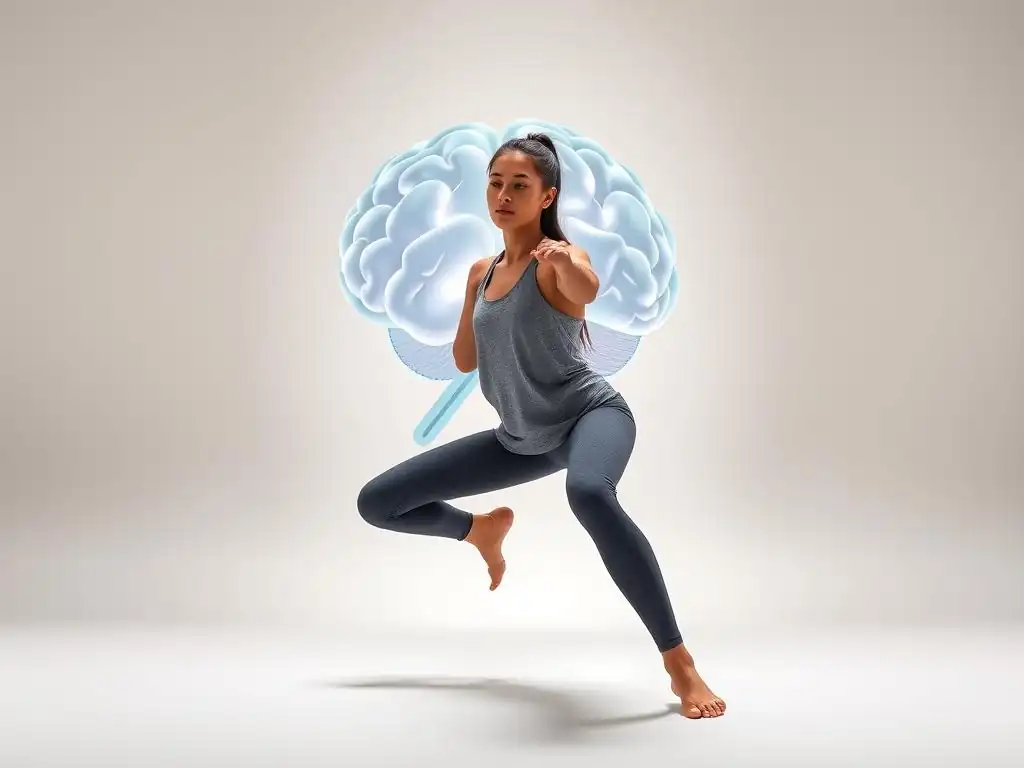
HIIT Reduces Stress and Anxiety Quickly
The intense physical effort involved in HIIT serves as a powerful outlet for accumulated stress and nervous energy. During the high-intensity intervals, your body focuses entirely on the physical task at hand, providing a temporary but significant distraction from worries and anxious thoughts. This intense focus can help break the cycle of rumination that often accompanies anxiety. Furthermore, the physiological stress induced by HIIT, followed by recovery, helps regulate the body's stress hormones, like cortisol.
Regular engagement in HIIT can improve the body's ability to manage cortisol release in response to future stressors. Instead of experiencing a prolonged stress response, the body learns to return to a baseline state more quickly. Many individuals report feeling a profound sense of calm and relief after a HIIT session, attributing it to the release of pent-up tension and the subsequent shift in neurochemical balance. This rapid reduction in felt stress and anxiety is a key reason why HIIT boosts mental wellbeing fast for many practitioners.
HIIT Improves Mood and Fights Depression Symptoms
The impact of HIIT on mood is significant and often felt immediately. One of the primary mechanisms is the rapid release of endorphins, often described as the body's natural mood elevators and pain relievers. These neurochemicals interact with receptors in your brain that reduce your perception of pain and trigger a positive feeling in the body, similar to that of morphine. The intense nature of HIIT seems particularly effective at stimulating a strong endorphin response relatively quickly compared to lower-intensity exercise.
Beyond endorphins, HIIT also influences other neurotransmitters crucial for mood regulation, such as serotonin and norepinephrine. Imbalances in these chemicals are often linked to symptoms of depression. By boosting the levels and activity of these neurotransmitters, HIIT can help alleviate feelings of sadness, hopelessness, and lack of motivation. For someone experiencing low mood or mild to moderate depression symptoms, a short, intense HIIT session can often provide a noticeable, albeit temporary, improvement in emotional state and energy levels, demonstrating how HIIT boosts mental wellbeing fast.
HIIT Enhances Cognitive Function and Focus
The cognitive benefits of HIIT are substantial and can lead to improved focus and mental clarity relatively quickly. The increased blood flow to the brain during and after HIIT delivers more oxygen and glucose, the brain's primary fuel source. This improved circulation supports better neuronal activity and communication. As mentioned earlier, HIIT is a potent stimulator of BDNF, which is critical for neurogenesis (the creation of new brain cells) and synaptic plasticity (the strengthening of connections between neurons).
These biological changes translate into tangible improvements in cognitive abilities. Many people report feeling more alert, focused, and mentally sharp after a HIIT workout. Tasks requiring concentration and problem-solving may feel easier. This enhancement isn't just subjective; research has shown that intense exercise can improve executive functions, including working memory, cognitive flexibility, and inhibitory control. For students, professionals, or anyone needing a mental edge, incorporating short HIIT bursts can be a powerful strategy for boosting cognitive function and focus rapidly.
HIIT Releases Endorphins for an Immediate Mood Lift
One of the most immediate and widely recognized benefits of exercise, especially intense exercise, is the release of endorphins. HIIT is particularly effective at triggering this "endorphin rush" due to its high-intensity nature. Endorphins are opioid peptides that the body produces naturally. They bind to opioid receptors in the brain, leading to feelings of pleasure and euphoria, and acting as natural painkillers.
The intense effort required during the work intervals of a HIIT session signals the body to release these powerful neurochemicals. This response can occur within minutes of reaching a high intensity. While the exact amount and duration of the endorphin rush vary from person to person, the feeling of elation, reduced pain perception, and overall sense of wellbeing that follows a challenging HIIT workout is a common and potent benefit. This rapid neurochemical shift is a primary reason why many individuals turn to HIIT for a quick and effective mental pick-me-up, experiencing how HIIT boosts mental wellbeing fast.
Practical HIIT Workouts for a Fast Mental Pick-Me-Up
Sample HIIT Workout for Beginners: 15-Minute Bodyweight Blast
A beginner-friendly HIIT workout can be done anywhere with no equipment, making it highly accessible for a quick mental boost. This 15-minute routine includes a warm-up, the main HIIT circuit, and a cool-down.
Warm-up (5 minutes):
- Light jogging in place (2 minutes)
- Arm circles (forward and backward) (1 minute)
- Leg swings (forward and backward, side to side) (1 minute)
- Dynamic stretching like walking lunges or torso twists (1 minute)
HIIT Circuit (8 minutes - Repeat 2 times):
Perform each exercise intensely for 30 seconds, followed by 30 seconds of rest.
- Jumping Jacks (30s work / 30s rest)
- Bodyweight Squats (30s work / 30s rest)
- Push-ups (on knees or toes) (30s work / 30s rest)
- Lunges (alternating legs) (30s work / 30s rest)
- Plank (hold for 30s / 30s rest)
- High Knees (30s work / 30s rest)
- Mountain Climbers (30s work / 30s rest)
- Burpees (modified if needed) (30s work / 30s rest)
Cool-down (2 minutes):
- Static stretching, holding each stretch for 15-20 seconds (e.g., hamstring stretch, triceps stretch, quad stretch).
This structure ensures a high heart rate during the work intervals, promoting the rapid release of mood-boosting chemicals, and can provide a significant mental uplift in under 20 minutes.
HIIT Exercises You Can Do Anywhere: No Equipment Needed
The beauty of using HIIT for a fast mental pick-me-up is that many effective exercises require no equipment, making them perfect for home, a park, or even a hotel room. These exercises leverage your own body weight for resistance and can elevate your heart rate quickly to achieve the desired intensity.
Here are some examples of bodyweight exercises suitable for a no-equipment HIIT routine:
- Jumping Jacks: A classic cardio move that quickly increases heart rate.
- High Knees: Running in place while bringing your knees up towards your chest.
- Burpees: A full-body exercise involving a squat, push-up (optional), and jump. Can be modified by stepping instead of jumping.
- Mountain Climbers: In a plank position, alternating bringing knees towards the chest.
- Squat Jumps: Explosive squats ending with a jump.
- Lunge Jumps: Alternating lunge position with a jump in between.
- Push-ups: Can be done on knees or toes.
- Triceps Dips: Using a sturdy chair or bench.
- Plank Jacks: From a plank position, jumping feet out and back together like a jumping jack.
- Skater Hops: Lateral jumps mimicking speed skating.
These exercises, when performed with maximum effort during short intervals (e.g., 20-40 seconds), followed by brief rest (e.g., 10-20 seconds), form the core of an effective, portable HIIT workout that can provide a rapid mental boost. The accessibility means you can fit in a session whenever you need to quickly improve your mental state.
Considerations for Designing Your Own HIIT Routine
Designing your own HIIT routine allows for personalization based on your fitness level, available time, and preferred exercises. However, several key considerations are crucial for effectiveness and safety, especially when using HIIT to boost mental wellbeing fast.
First, determine your work-to-rest ratio. Common ratios include 1:1 (e.g., 30 seconds work, 30 seconds rest), 2:1 (e.g., 40 seconds work, 20 seconds rest), or even 1:2 for beginners (e.g., 20 seconds work, 40 seconds rest). Shorter rest periods increase the overall intensity and conditioning effect. Second, choose exercises that you can perform safely at high intensity.
Focus on compound movements that work multiple muscle groups, like squats, lunges, push-ups, and burpees, as these are efficient at elevating heart rate quickly. Third, decide on the total duration of the work intervals. A typical HIIT workout might involve 4-10 rounds of intervals, lasting anywhere from 10 to 25 minutes in total (including warm-up and cool-down).
Remember that quality of effort during the intense bursts is more important than quantity of exercises or duration. Finally, always include a proper warm-up (5-10 minutes) to prepare your muscles and cardiovascular system for the intensity, and a cool-down (5-10 minutes) with stretching to aid recovery and flexibility. Listening to your body and progressively increasing intensity or duration is vital to avoid injury and ensure long-term adherence, helping you consistently experience how HIIT boosts mental wellbeing fast.
Optimizing Your HIIT Routine for Maximum Mental Health Benefits
The Importance of Warm-Up and Cool-Down
A proper warm-up is non-negotiable before starting a HIIT session, especially given the high intensity involved. Its primary purpose is to gradually increase your heart rate, blood flow to muscles, and body temperature, preparing your cardiovascular system and musculoskeletal system for strenuous activity. A good warm-up, lasting typically 5-10 minutes, might include light cardio like jogging in place or jumping jacks, followed by dynamic stretches that mimic the movements you'll perform during the workout. This preparation significantly reduces the risk of muscle strains, sprains, and other injuries that can derail your fitness routine and negatively impact your mental state.
Equally important is the cool-down phase after the intense intervals. A cool-down, usually 5-10 minutes of light activity (like walking) followed by static stretching, allows your heart rate and breathing to gradually return to resting levels. Skipping the cool-down can cause blood to pool in the lower extremities, potentially leading to dizziness or fainting.
Static stretching during the cool-down helps improve flexibility, reduce muscle soreness (though some soreness is expected with HIIT), and promote recovery. Both warm-up and cool-down contribute to making HIIT a safer and more sustainable practice, ensuring you can consistently use HIIT to boost mental wellbeing fast without unnecessary physical setbacks.
Frequency and Duration: Finding the Right Balance
Finding the optimal frequency and duration for HIIT depends on individual fitness levels, recovery capacity, and goals. For individuals primarily using HIIT for quick mental boosts and not necessarily as their sole form of exercise, 2-3 sessions per week are often sufficient. More frequent sessions might be possible for well-conditioned individuals, but allowing adequate recovery time (at least 24-48 hours between intense sessions working the same muscle groups) is crucial to prevent overtraining.
The duration of the HIIT session itself, excluding warm-up and cool-down, can range from as short as 8 minutes to 25 minutes. Even a very short session, like 10-15 minutes of intense intervals, can be highly effective for triggering a rapid mental uplift. The key is the quality of effort during the high-intensity bursts.
For example, a study published in the Journal of Strength and Conditioning Research indicated that even very brief protocols (like 4-6 repetitions of 30-second sprints) can yield significant physiological benefits. Listen to your body; if you feel excessively fatigued or sore, reduce the frequency or duration. Consistency, even with shorter sessions, is more beneficial in the long run for maintaining the mental health advantages of HIIT.
Listen to Your Body: Preventing Overtraining and Injury
While HIIT is incredibly effective, its high-intensity nature means there's a higher risk of overtraining or injury if not approached mindfully. Overtraining can manifest not only as physical symptoms like persistent muscle soreness, fatigue, and decreased performance but also as psychological symptoms such as irritability, difficulty sleeping, and even increased anxiety or depression – the very issues you're trying to combat with HIIT.
Paying close attention to your body's signals is paramount. If you experience sharp pain during an exercise, stop immediately. Distinguish between muscle fatigue (the burning sensation during exertion) and joint or tendon pain, which could indicate injury. Ensure you're getting enough sleep and proper nutrition, as these are critical for recovery.
Incorporate rest days into your weekly schedule. If you consistently feel exhausted, unmotivated, or your performance is declining, it might be a sign of overtraining, and taking extra rest days or reducing the intensity/frequency of your HIIT sessions is necessary. Prioritizing recovery ensures that your HIIT practice remains a positive force for boosting mental wellbeing fast, rather than becoming a source of stress.
Combining HIIT with Other Mental Wellbeing Practices: Mindfulness and Meditation
While HIIT provides potent and rapid mental boosts, its benefits can be amplified when combined with complementary mental wellbeing practices like mindfulness and meditation. HIIT can prepare the mind for these practices by reducing immediate stress and increasing focus through improved blood flow and neurochemical release. The physical exertion can help calm a restless body, making it easier to sit still for meditation.
For example, a short 15-minute HIIT session could be immediately followed by a 5-10 minute guided meditation or a simple breathing exercise. The elevated mood and reduced anxiety from the workout might make the meditation session feel more profound and effective.
Conversely, incorporating mindfulness during the HIIT workout – paying attention to bodily sensations, breath, and the effort involved without judgment – can enhance the mind-body connection and make the workout itself a form of active meditation. This synergistic approach leverages the rapid physical benefits of HIIT to support deeper psychological practices, creating a more holistic and robust strategy for boosting mental wellbeing fast and sustainably.
Addressing Concerns and Potential Risks of HIIT

Is HIIT Suitable for Everyone? Contraindications and Precautions
While HIIT offers numerous benefits, including how it boosts mental wellbeing fast, it is not suitable for everyone, particularly those with certain pre-existing health conditions. Due to its high-intensity nature, individuals with cardiovascular issues, such as uncontrolled high blood pressure, heart disease, or a history of stroke, should consult a doctor before starting HIIT. The rapid increase in heart rate and blood pressure during intense intervals can pose risks.
Similarly, individuals with joint problems, musculoskeletal injuries, or conditions like osteoporosis might find the high impact or rapid movements in some HIIT exercises challenging or dangerous. People with diabetes should monitor their blood sugar closely, as intense exercise can affect glucose levels differently than moderate exercise. Pregnant individuals or those recovering from surgery also need medical clearance. It is crucial for anyone with a chronic health condition or significant injury history to get personalized advice from a healthcare provider or a certified exercise professional before attempting HIIT to ensure safety and suitability.
Managing Potential Side Effects: Muscle Soreness and Fatigue
Muscle soreness and fatigue are common side effects of starting or increasing the intensity of HIIT, especially when using it to boost mental wellbeing fast. This is largely due to microscopic tears in muscle fibers that occur during intense exercise, a process necessary for muscle growth and adaptation. While some degree of soreness is normal (often peaking 24-48 hours after the workout, known as Delayed Onset Muscle Soreness or DOMS), excessive or debilitating soreness can be managed.
Strategies to mitigate soreness and fatigue include ensuring adequate warm-up and cool-down, staying well-hydrated, and getting sufficient protein intake for muscle repair. Active recovery, such as light walking or gentle stretching on rest days, can also help. Most importantly, allow for adequate rest between HIIT sessions.
Pushing through extreme soreness can increase the risk of injury. If fatigue persists despite rest, it might indicate overtraining or another underlying issue, requiring a review of your routine or consultation with a healthcare provider. Understanding and managing these side effects is key to maintaining a consistent and beneficial HIIT practice for mental health.
Adapting HIIT for Different Fitness Levels and Mental Health Conditions
One of the strengths of HIIT is its adaptability, making it possible for individuals across a range of fitness levels and even those managing specific mental health conditions to participate safely and effectively. For beginners or those less physically fit, adaptations are crucial. This involves reducing the duration of work intervals, increasing the duration of rest intervals, choosing lower-impact exercise variations (e.g., stepping burpees instead of jumping, squats instead of squat jumps), and performing fewer total rounds. Progress should be gradual, increasing intensity, duration, or decreasing rest only as fitness improves.
For individuals managing mental health conditions like severe anxiety or depression, starting with less intense forms of exercise might be advisable. However, for those ready, HIIT can be adapted. The focus might initially be on the mental release and mood boost rather than peak performance.
Choosing exercises that feel empowering and enjoyable is important. Working with a fitness professional experienced in exercise for mental health can provide tailored guidance. The key is to start gently, listen intently to both physical and mental responses, and adjust the routine to feel challenging but not overwhelming, ensuring the practice remains a positive tool for boosting mental wellbeing fast.
Real-Life Examples: HIIT Success Stories for Mental Wellbeing
Improved Focus and Productivity Through Morning HIIT
Consider the case of a marketing professional in her early 30s who struggled with morning brain fog and difficulty focusing on complex tasks at work. She often felt scattered and unproductive for the first few hours of her workday. Seeking a solution beyond caffeine, she decided to incorporate a short, 20-minute bodyweight HIIT session into her morning routine, doing it right after waking up.
Within just a couple of weeks, she noticed a significant change. The intense burst of activity seemed to clear her head almost immediately. She reported feeling more alert, focused, and mentally prepared to tackle her tasks right from the start of her workday.
The initial struggle with concentration lessened considerably. This wasn't just a subjective feeling; she tracked her productivity and found she was completing her most demanding analytical tasks more efficiently in the morning. This example illustrates how a consistent morning HIIT session can rapidly boost cognitive function and productivity, showcasing how HIIT boosts mental wellbeing fast, particularly for focus.
Reduced Anxiety and Stress Levels with Lunchtime HIIT Sessions
Think about a project manager in his late 40s who experienced significant stress and anxiety throughout his workday, particularly around high-pressure deadlines. He often felt overwhelmed and found it difficult to switch off or manage his stress levels effectively. He started incorporating a 15-minute HIIT workout during his lunch break, using a quiet space in his office building or a nearby park.
He quickly found that the intense physical exertion provided a powerful release for his pent-up stress. The focus required during the intervals pulled his mind away from his worries. After the workout, he felt a noticeable reduction in his anxiety levels and a sense of calm that lasted for several hours. He reported feeling more equipped to handle stressful situations in the afternoon and less prone to feeling overwhelmed. This case highlights the rapid stress and anxiety reduction benefits of HIIT, demonstrating how a midday session can effectively use HIIT to boost mental wellbeing fast amidst a busy schedule.
Enhanced Mood and Motivation with Evening HIIT Workouts
Imagine a graphic designer in her early 20s who often felt a slump in mood and motivation in the evenings after a long day of work. She struggled to find the energy or enthusiasm for personal projects or social activities, often feeling drained and slightly down. She decided to try a short, dynamic HIIT routine in her living room around 6 PM a few times a week.
She discovered that the intense bursts of exercise acted as a powerful mood elevator. Within minutes of completing the session, she felt a surge of energy and a significantly improved mood. The feeling of accomplishment from pushing herself, combined with the post-exercise endorphin rush, dispelled her evening slump.
She found herself more motivated to engage in hobbies, meet friends, and feel more positive about her evenings. This example showcases how an evening HIIT session can effectively combat low mood and lack of motivation, serving as a clear instance of how HIIT boosts mental wellbeing fast at the end of the day.
Conclusion: Embrace HIIT for a Faster Path to Mental Clarity and Wellbeing
The Long-Term Benefits of Incorporating HIIT into Your Routine
While the immediate effects of HIIT on mood, stress, and focus are impressive and often felt rapidly, the long-term benefits of consistently incorporating High-Intensity Interval Training into your routine extend far beyond these quick boosts. Regular HIIT practice contributes to improved cardiovascular health, increased endurance, and enhanced metabolic health, all of which have downstream positive effects on mental wellbeing. Physically healthier individuals often report feeling more energetic, capable, and resilient, which translates to better mental resilience.
Over time, consistent HIIT can lead to sustained improvements in brain structure and function, including increased gray matter volume in certain areas and improved connectivity, supporting better cognitive function, memory, and emotional regulation. The discipline and sense of accomplishment derived from sticking with a challenging exercise routine also build self-efficacy and confidence, contributing significantly to overall mental wellness. Thus, while you might start for the rapid mental lift, the enduring physical and psychological adaptations make HIIT a powerful tool for sustained mental health.
Next Steps: Start Your HIIT Journey Today!
If you're looking for an efficient and powerful way to quickly enhance your mental state, reduce stress, lift your mood, and sharpen your focus, High-Intensity Interval Training is definitely worth exploring. Start small and listen to your body. Begin with just 10-15 minutes, including warm-up and cool-down, a couple of times a week. Choose exercises you are comfortable with and can perform safely at intensity.
- Assess your current fitness level and any health considerations. Consult a healthcare provider if necessary.
- Choose a few basic bodyweight exercises you can do anywhere.
- Design a simple work-to-rest ratio, perhaps starting with 1:2 (e.g., 20 seconds work, 40 seconds rest) for 6-8 rounds.
- Commit to a short warm-up and cool-down for every session.
- Schedule your first few sessions – perhaps a quick mental boost with HIIT in the morning, at lunch, or in the evening.
- Pay attention to how you feel during and after the workout, noting the changes in your mood, stress levels, and focus.
By taking these practical steps, you can begin to experience firsthand how effectively HIIT boosts mental wellbeing fast and start building a sustainable practice that supports your mental health journey.
Frequently Asked Questions
How does HIIT provide such a quick mental boost?
HIIT rapidly elevates your heart rate, which triggers the release of endorphins and other neurochemicals. These act as natural mood boosters, reducing feelings of stress and anxiety almost immediately. It's a fast-acting physiological response.
Is HIIT suitable for everyone looking to improve their mental well-being?
While beneficial, HIIT isn't for everyone. Individuals with pre-existing health conditions should consult a doctor. Starting with lower-intensity exercises and gradually increasing intensity is recommended to avoid injury or overexertion.
How often should I do HIIT to experience consistent mental health benefits?
Consistency is key. Aim for 2-3 HIIT sessions per week, lasting between 20-30 minutes each, including warm-up and cool-down. This frequency can lead to significant and sustained improvements in mood and overall mental well-being.
What types of exercises are typically included in a HIIT workout for mental wellness?
HIIT involves short bursts of intense exercises like sprinting, jumping jacks, or burpees, followed by brief recovery periods. The focus is on pushing your limits momentarily, then allowing recovery, creating a cycle of exertion and rest that's effective.
Can HIIT replace traditional mental health treatments like therapy or medication?
No, HIIT should not be considered a replacement for professional mental health treatment. It's a valuable addition to a holistic approach, complementing therapy and medication, but not a substitute for clinical intervention when needed. It can, however, act as a powerful adjunctive therapy.
Final Reflection: The Mind-Body Connection in the Age of HIIT
The rapid pace of modern life demands efficient solutions, and HIIT's ability to deliver both physical and mental benefits in a short timeframe is undeniably relevant today. This isn't just about sculpted muscles; it's about cultivating a resilient mind capable of navigating the pressures of our increasingly demanding world. The impact of even short bursts of intense exercise on cognitive function, mood, and stress reduction is simply too significant to ignore.
The exploration of HIIT's mental health benefits reveals a profound truth about the interconnectedness of mind and body – a truth often overlooked in our fragmented approach to wellness. We've seen how the release of endorphins, improved sleep quality, and the simple act of prioritizing self-care through exercise can profoundly impact mental wellbeing. The body achieves what the mind believes.
This quote, while often attributed to various sources, encapsulates the power of the mind-body connection and the transformative potential of consistent HIIT workouts. It's a testament to the fact that physical exertion can be a powerful tool for mental resilience.
Now, consider your own life. What small changes can you implement to incorporate even a few minutes of HIIT into your routine? Don't underestimate the power of a short, intense workout to shift your mental landscape. Experiment with different HIIT routines, find what works best for you, and commit to making it a regular part of your self-care strategy. Remember, the journey to a healthier, more resilient mind begins with a single, powerful burst of energy – and that energy can be found within you, waiting to be unleashed through the invigorating power of HIIT.
Ignite Your Mind: Take Charge of Your Mental Energy
Thanks for taking the time to explore the power of HIIT for mental wellness! We hope you gained valuable insights into boosting your cognitive function through quick bursts of exercise. Now, it's time to put this knowledge into action.
- Prioritize a 15-minute HIIT workout today: Even a short session can significantly impact your mental clarity and energy levels. Find a workout online or create your own!
- Share your HIIT experience: Tell us (or your friends!) about your workout and how it affected your mood and focus. Let's build a supportive community!
- Explore different HIIT variations: Experiment with different exercises and intensities to find what works best for you and keeps you motivated.
Ready to feel the difference a little HIIT can make to your mental game? What's your favorite HIIT exercise to incorporate into your routine?