
Mindful Movement: Combining Exercise and Awareness for Deep Mental Peace

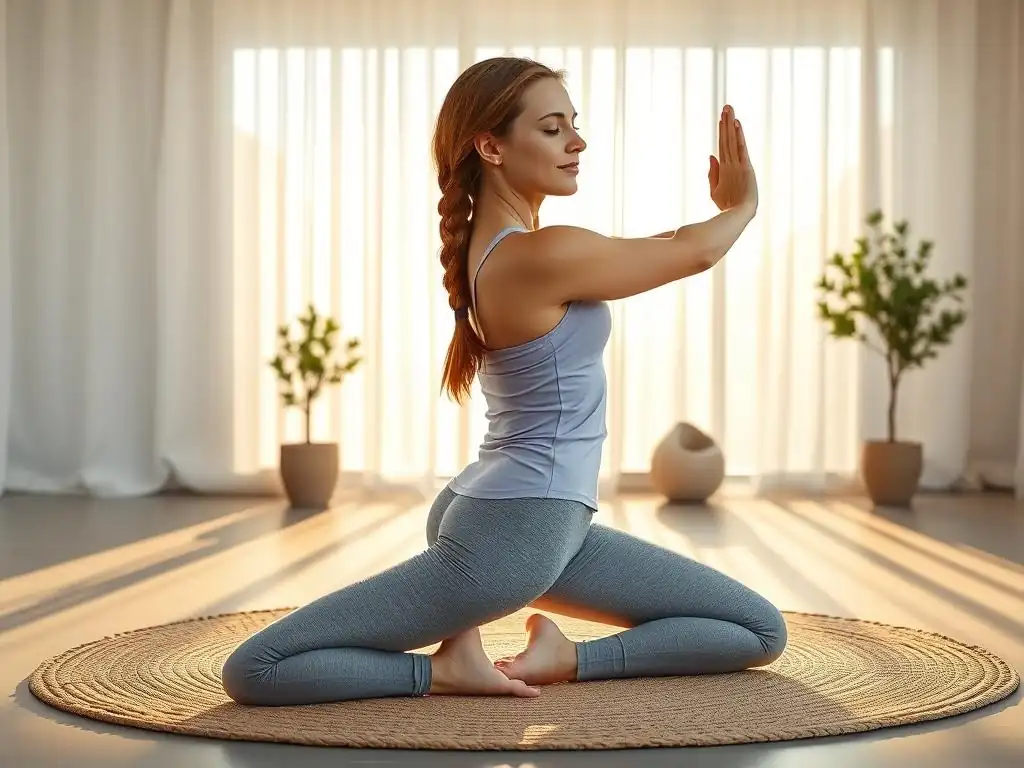
Welcome to Mind Care Guide, your sanctuary for navigating the complexities of mental well-being.
Are you feeling overwhelmed by anxiety and stress, longing for a sense of inner peace? Perhaps you've heard whispers of a powerful yet gentle technique that can help? This article delves into how mindful movement can be a transformative tool in reducing anxiety and stress. Discover how combining physical activity with present moment awareness can unlock a deeper sense of calm and resilience. Intrigued? Let's explore the connection between body and mind together...
Mindful Movement: Combining Exercise and Awareness for Deep Mental Peace
- Introduction to Mindful Movement for Mental Well-being
- The Benefits of Mindful Movement for Anxiety and Stress
- Types of Mindful Movement Practices
- How to Start Practicing Mindful Movement for Anxiety Reduction
- Mindful Movement Techniques for Stress Relief
- Overcoming Challenges in Mindful Movement
- Mindful Movement and Long-Term Mental Health
- Conclusion: Embracing Mindful Movement for a Calmer, More Focused Life
-
Frequently Asked Questions
- What exactly is mindful movement, and how does it differ from regular exercise?
- How can mindful movement specifically help reduce anxiety and stress?
- What are some examples of mindful movement activities I can try?
- How often should I practice mindful movement to see noticeable benefits for my mental well-being?
- Are there any potential downsides or precautions to consider before starting a mindful movement practice?
- Final Reflection: Cultivating Inner Calm Through Mindful Movement
- Unleash Your Inner Calm: Take the Next Step Towards Mindfulness
Introduction to Mindful Movement for Mental Well-being
Understanding the Connection Between Physical Activity and Mental Health
The intricate link between our physical state and our mental well-being is increasingly recognized in modern health science. Engaging in physical activity is not merely about building muscle or improving cardiovascular health; it profoundly impacts brain chemistry and psychological resilience. When we move, our bodies release endorphins, often called "feel-good" hormones, which naturally elevate mood and act as potent stress relievers. This biochemical response is a key reason why exercise is frequently recommended as a complementary strategy for managing various mental health conditions.
Beyond the immediate hormonal effects, regular physical activity fosters neurogenesis – the growth of new neurons – particularly in areas of the brain associated with memory and emotion regulation, like the hippocampus. Chronic stress and anxiety can sometimes impair these brain regions, while consistent movement can help counteract such negative impacts. Furthermore, the rhythm and focus required by many forms of exercise can provide a valuable distraction from ruminative thoughts, offering a mental break from worry and promoting a sense of control and accomplishment.
What is Mindful Movement? A Definition
Mindful movement is an approach to physical activity that integrates the principles of mindfulness – paying deliberate, non-judgmental attention to the present moment – with exercise. It's not just about performing the movements; it's about experiencing the movement from within. This involves tuning into the sensations in your body, observing your breath, noticing your thoughts and emotions without getting carried away by them, and engaging your senses in the process. Unlike exercising purely for performance or physical transformation, the primary goal of mindful movement is to cultivate awareness, presence, and a deeper connection between mind and body.
This practice transforms exercise from a potentially goal-driven or even stressful activity into an opportunity for self-discovery and peace. Whether it's the flowing postures of yoga, the gentle forms of Tai Chi, or simply walking with intention, the focus shifts from the outcome to the journey itself. By bringing a quality of attention to each step, stretch, or breath, mindful movement helps to anchor you in the present, reducing the mental clutter that often fuels anxiety and stress.
Why Choose Mindful Movement for Anxiety and Stress Reduction?
Choosing mindful movement offers a unique blend of physical benefits and psychological insights that are particularly effective for managing anxiety and stress. While traditional exercise provides a physiological release of tension and beneficial neurochemicals, adding mindfulness amplifies these effects by addressing the cognitive and emotional components of distress. It teaches you how to observe anxious thoughts or stressful feelings without judgment, allowing them to pass without getting trapped in worry cycles.
Research supports the efficacy of mindful movement reduce anxiety stress. For instance, studies on practices like mindful yoga and Tai Chi have shown significant reductions in reported anxiety levels and cortisol (a stress hormone) markers among participants over relatively short periods, such as 8-12 weeks. This approach empowers individuals not just to burn calories, but to build a healthier relationship with their internal experience, developing resilience against future stressors and cultivating a profound sense of calm and presence in daily life.
The Benefits of Mindful Movement for Anxiety and Stress
Reducing Anxiety Through Mindful Exercise
Mindful exercise provides a powerful antidote to the physiological and psychological symptoms of anxiety. By focusing attention on bodily sensations and breath during movement, practitioners interrupt the cycle of anxious thoughts that often spiral into worry and panic. This deliberate focus acts as an anchor, pulling the mind away from potential future threats or past regrets and grounding it firmly in the safety of the present moment. This shift in attention can significantly lower the baseline level of physiological arousal associated with chronic anxiety.
Furthermore, the physical act of movement, combined with mindful awareness, helps to release stored tension in the muscles, a common symptom of anxiety. Gentle, conscious movements, like those found in mindful yoga or Tai Chi, promote relaxation in the nervous system. A meta-analysis published in 2018 examining the effects of mindfulness-based interventions, including those incorporating movement, found a moderate effect size for reducing anxiety symptoms across various populations, highlighting its clinical relevance. This suggests that consistent mindful movement reduce anxiety stress effectively for many individuals.
Mindful Movement as a Stress Management Technique
Stress is an inevitable part of life, but how we manage it determines its impact on our well-being. Mindful movement offers a proactive and effective stress management technique by addressing both the physical tension and mental overload that stress creates. The combination of physical exertion (even gentle) and focused awareness helps to discharge accumulated stress hormones and clear mental fog. It provides a dedicated time and space to disconnect from stressors and reconnect with oneself.
Consider the experience of someone feeling overwhelmed by work deadlines. Taking even 15-20 minutes for a mindful walk or a short sequence of conscious stretches can dramatically shift their state. By paying attention to their breath, the feeling of their feet on the ground, or the stretch in their muscles, they create a buffer between themselves and the stressor.
Studies have shown that regular mindful movement practices can lower subjective stress levels and improve coping mechanisms, helping individuals navigate challenges with greater ease and less reactivity. For example, a study involving university students demonstrated that incorporating mindful movement practices like yoga reduced perceived stress levels by nearly 30% over a semester.
Enhancing Emotional Regulation with Conscious Movement
Emotional regulation, the ability to understand and manage one's emotional responses, is crucial for mental health. Mindful movement cultivates this skill by teaching individuals to observe their emotions without immediate reaction. During a mindful movement practice, uncomfortable emotions, like frustration or sadness, may arise. Instead of suppressing or being overwhelmed by these feelings, the practice encourages acknowledging them with curiosity and non-judgment.
This detached observation, practiced repeatedly during movement, builds the capacity to respond to emotions in daily life with greater awareness and less impulsivity. For instance, a mindful movement session might involve noticing irritation when a pose feels difficult.
By observing this feeling without judgment and continuing the movement, you train your brain to tolerate discomfort and choose a response (like adjusting the pose or accepting the feeling) rather than reacting habitually (like giving up or getting angry). This learned ability to stay present with difficult internal states is a cornerstone of effective emotional regulation, significantly contributing to why mindful movement reduce anxiety stress over time.
Improved Focus and Concentration Through Mindful Practices
In our increasingly distracting world, the ability to focus and concentrate is a valuable asset for both mental well-being and productivity. Mindful movement inherently trains attention. The practice requires you to focus on specific sensations, the rhythm of your breath, or the precise execution of a movement, repeatedly bringing your attention back when it wanders. This is essentially a workout for your prefrontal cortex, the part of the brain responsible for executive functions like focus and decision-making.
Regular engagement in mindful movement strengthens these neural pathways, leading to improved concentration not just during the practice but also in daily tasks. For example, studies on mindful walking have shown that even short sessions can improve cognitive performance on tasks requiring sustained attention. Participants report feeling less scattered and more able to maintain focus on single tasks after incorporating mindful movement into their routine. This enhanced ability to concentrate helps reduce the feeling of being overwhelmed, which is a significant contributor to stress and anxiety.
Types of Mindful Movement Practices
Yoga: A Classic Approach to Mindful Movement
Yoga, originating in ancient India, is perhaps one of the most widely recognized forms of mindful movement. It combines physical postures (asanas), breathing techniques (pranayama), and meditation or relaxation. The practice encourages practitioners to move with awareness, coordinating breath with movement and paying close attention to bodily sensations, thoughts, and emotions as they arise without judgment. It's a holistic system that aims to unify the mind, body, and spirit.
Different styles of yoga offer varying intensities, but the core principle of mindful awareness remains central. From vigorous Vinyasa flows that require deep concentration on breath and movement transitions, to gentle Hatha or Restorative yoga that emphasize holding poses and cultivating stillness, all forms can be practiced mindfully. This focus on internal experience rather than external performance makes yoga an ideal practice for those seeking to connect more deeply with themselves and cultivate inner peace.
Benefits of Yoga for Anxiety Relief
Yoga has been extensively studied for its positive effects on mental health, particularly in reducing anxiety. The combination of physical postures and controlled breathing techniques helps to activate the parasympathetic nervous system, often referred to as the "rest and digest" system, counteracting the "fight or flight" response associated with anxiety. Holding postures can also teach tolerance for discomfort, helping individuals become more comfortable with physical sensations that might mimic anxiety symptoms.
Clinical trials have demonstrated significant reductions in anxiety symptoms among individuals participating in regular yoga programs. For example, an 8-week study published in the Journal of Alternative and Complementary Medicine found that participants in a yoga intervention group experienced a greater decrease in anxiety scores compared to a control group. The practice also provides a sense of community in group settings, which can further support mental well-being. The breathwork inherent in yoga, such as Ujjayi breath, directly calms the nervous system, proving that mindful movement reduce anxiety stress through multiple pathways.
Beginner-Friendly Yoga Poses for Stress Reduction
Starting yoga doesn't require complex poses or extreme flexibility. Many basic postures are accessible and profoundly stress-reducing. Child's Pose (Balasana) is a gentle resting pose that encourages relaxation and inward focus. Sitting forward folds like Paschimottanasana (Seated Forward Bend) can calm the mind and release tension in the back and hamstrings.
Another simple yet effective pose is Legs-Up-the-Wall Pose (Viparita Karani), which helps to reverse blood flow, calm the nervous system, and reduce fatigue. Cat-Cow Pose (Marjaryasana-Bitilasana) links breath to gentle spinal movement, releasing tension and promoting mobility. Even simple mindful breathing while sitting or lying down, noticing the rise and fall of the abdomen, is a powerful yoga practice for stress reduction. Consistency, even for just 10-15 minutes a day using these poses, can yield noticeable benefits in managing stress.
Tai Chi: Gentle Flow for Mental Clarity
Tai Chi Chuan, often shortened to Tai Chi, is an ancient Chinese martial art practiced for its health benefits. It involves a series of slow, continuous, and graceful movements, often described as "meditation in motion." The practice emphasizes proper posture, relaxed movement, and deep, coordinated breathing. The focus is on cultivating Qi (life energy) and allowing it to flow smoothly through the body, promoting balance and harmony.
Tai Chi forms consist of sequences of movements performed slowly and deliberately. Practitioners are encouraged to maintain a calm, focused mind, paying attention to the subtleties of their posture, weight distribution, and the flow of energy. This constant, gentle attention to the body and breath makes Tai Chi a powerful form of mindful movement, particularly beneficial for calming the nervous system and improving mental clarity.
The Calming Effects of Tai Chi on the Nervous System
The slow, rhythmic nature of Tai Chi has a profound calming effect on the nervous system. The practice encourages deep, abdominal breathing, which stimulates the vagus nerve, a key component of the parasympathetic nervous system. This stimulation helps to lower heart rate, reduce blood pressure, and decrease the levels of stress hormones like cortisol. The gentle, flowing movements also help to release physical tension without the high impact or intensity that might exacerbate stress in some individuals.
Research supports these calming effects. A study published in the Journal of the American Geriatrics Society found that older adults who practiced Tai Chi for 12 weeks showed reduced levels of inflammatory markers and improved mood. The meditative aspect of Tai Chi, requiring focused attention on the present moment and the sequence of movements, helps to quiet the "monkey mind" – the constant chatter of thoughts that often accompanies anxiety and stress. This mental stillness cultivates a sense of inner peace and tranquility.
Tai Chi for Improved Balance and Coordination
While its mental benefits are significant, Tai Chi is also renowned for improving physical balance and coordination, which can indirectly boost confidence and reduce anxiety related to physical instability. The slow, deliberate weight shifts and controlled movements required in Tai Chi forms train proprioception – the body's sense of its position in space. Regular practice strengthens the core and leg muscles, contributing to greater stability.
Studies have consistently shown that Tai Chi is effective in improving balance and reducing falls, particularly in older populations. For example, a meta-analysis of multiple studies concluded that Tai Chi practice significantly reduces the risk of falls in older adults. This physical benefit translates to mental benefits; feeling more stable and confident in one's body can reduce anxiety, especially for individuals who may worry about mobility or falls. The focus required to execute the movements also enhances body awareness and coordination, further integrating mind and body.
Qigong: Energy Cultivation for Inner Peace
Qigong (or Chi Kung) is another ancient Chinese mind-body practice that involves slow movements, controlled breathing, and meditation. Like Tai Chi, it focuses on cultivating and balancing Qi (life energy) within the body. Qigong is often simpler in its movements than Tai Chi, making it highly accessible to people of all ages and physical conditions. It is often practiced for health maintenance, healing, and cultivating inner peace.
Qigong practices typically involve holding specific postures, performing gentle, repetitive movements, and using visualization techniques, all coordinated with deep, intentional breathing. The emphasis is on relaxation, stillness of mind, and the internal experience of energy flow. This introspective quality makes Qigong a potent form of mindful movement, designed to calm the spirit and harmonize the body's systems.
Qigong Exercises to Reduce Stress and Improve Mood
Qigong offers a range of exercises specifically aimed at reducing stress and improving mood by regulating the nervous system and releasing stagnant energy. Gentle movements like "Lifting the Sky" or "Pushing Mountains" involve slow, expansive motions coordinated with breath, promoting relaxation and releasing tension from the shoulders and chest, areas where stress often accumulates. These movements encourage deep, diaphragmatic breathing, which directly calms the fight-or-flight response.
The meditative aspect of Qigong, focusing on internal sensations and visualizing energy flow, helps to quiet the anxious mind. Practices like the "Inner Smile" or "Six Healing Sounds" use visualization and vocalizations to transform negative emotional energy into positive feelings. Research indicates that regular Qigong practice can lead to significant reductions in stress, fatigue, and depression symptoms. For example, a study on breast cancer survivors found that Qigong practice led to sustained improvements in mood and reduced stress over several months. This demonstrates the capacity of mindful movement reduce anxiety stress and enhance emotional well-being.
The Connection Between Qigong and Mindfulness
The practice of Qigong is deeply intertwined with mindfulness. At its core, Qigong requires bringing full, non-judgmental attention to the present moment – specifically, to the sensations within the body, the rhythm of the breath, and the subtle feeling of energy moving. The slow, deliberate pace of the movements encourages a heightened state of awareness, making it easier to notice physical tension, emotional states, and mental chatter without getting caught up in them.
By focusing on the process of movement and breath rather than an external goal, Qigong cultivates presence. This is the essence of mindfulness: being fully engaged in what you are doing, right now. The repetitive nature of some Qigong exercises can also induce a meditative state, further quieting the mind and fostering a sense of calm. This intentional cultivation of present-moment awareness through gentle physical activity is precisely why Qigong is so effective as a mindful movement practice for stress and anxiety reduction.
Walking Meditation: Combining Movement and Awareness

Walking meditation is a simple yet profound mindful movement practice that integrates awareness into the everyday act of walking. It involves paying deliberate attention to the sensations of walking – the lifting and placing of the feet, the movement of the legs, the swing of the arms, the rhythm of the breath, and the contact with the ground. It can be practiced indoors or outdoors, in short bursts or for extended periods.
Unlike walking for exercise or transportation, the purpose of walking meditation is not to get from point A to point B quickly, but to be fully present with the experience of walking itself. It's about cultivating awareness in motion, bringing the meditative state off the cushion and into activity. This practice helps to ground you in the physical reality of the present moment, offering a portable method to reduce anxiety and stress wherever you are.
How to Practice Walking Meditation for Anxiety
Practicing walking meditation for anxiety involves slowing down your pace slightly and bringing your attention to specific aspects of the walking experience. Start by noticing the sensation of your feet making contact with the ground – the heel striking, the weight rolling through the sole, the toes pushing off. You can mentally label these sensations ("lifting," "moving," "placing") to help maintain focus.
Bring awareness to your breath – notice its rhythm without trying to change it. If your mind wanders to anxious thoughts, gently acknowledge them without judgment ("thinking") and guide your attention back to the sensations of walking or breathing. You can also expand your awareness to include other sensory input, such as the feeling of air on your skin, the sounds around you, or the sights in your periphery, observing them mindfully. Even 5-10 minutes of focused walking can significantly reduce feelings of overwhelm and bring a sense of calm.
The Benefits of Walking Meditation in Nature
Combining walking meditation with being in nature enhances its benefits for anxiety and stress reduction. Spending time in natural environments has been shown to lower stress hormones, reduce blood pressure, and improve mood. When you practice mindful walking in a park, forest, or by water, you engage your senses with the calming elements of the natural world – the sight of trees, the sound of birds, the smell of earth, the feel of a breeze.
This sensory engagement helps to further anchor you in the present moment and away from anxious thoughts. The expansive quality of natural landscapes can also provide a sense of perspective and openness. Studies indicate that mindful walks in nature can lead to greater reductions in rumination (repetitive negative thinking) compared to mindful walks in urban environments. This synergy between mindful movement and nature makes walking meditation outdoors a particularly potent practice for cultivating peace and reducing mental distress.
Dance and Movement Therapy: Expressing Emotions Through Movement
Dance and Movement Therapy (DMT) is a therapeutic approach that uses movement to support intellectual, emotional, and motor functions of the body. It is based on the idea that motion and emotion are interconnected. DMT provides a non-verbal way to explore feelings, gain self-awareness, and facilitate change. It can be practiced individually or in group settings, often guided by a trained therapist.
Unlike structured dance forms, DMT is less about performing specific steps and more about using movement as a language for self-expression. It can involve free-form movement, structured exercises, or guided improvisation, all aimed at helping individuals process experiences, understand patterns, and develop new coping mechanisms. This expressive form of mindful movement offers a unique pathway to mental and emotional well-being.
Dance Therapy Techniques for Emotional Release
Dance therapy employs various techniques to facilitate emotional release and processing. Mirroring, where a therapist or group member mirrors another's movement, can help individuals feel seen and understood, fostering empathy and connection. Authentic Movement is a technique where one person moves with their eyes closed, guided by internal impulses, while another acts as a 'witness,' observing without judgment. This can bring unconscious material to the surface and allow for deep emotional expression.
Prop use, like scarves or ribbons, can extend the body's movement possibilities and symbolize feelings or experiences. Group dances can explore themes like connection, boundaries, or support through shared movement patterns. These techniques provide a safe container to express difficult emotions like anger, grief, or fear, which may be hard to articulate verbally. Releasing these suppressed emotions through movement can significantly reduce the physical and mental burden of stress and anxiety.
The Power of Dance in Reducing Stress and Promoting Self-Expression
Dance, in general, is a powerful stress reducer. The physical activity releases endorphins, and the rhythmic nature of many dance forms can be deeply calming. Adding a mindful or therapeutic intention amplifies these effects. Dance allows for a primal form of self-expression, enabling individuals to communicate feelings that words cannot capture. This act of expression can be incredibly cathartic and empowering.
Engaging in dance as a mindful movement practice encourages a focus on the present experience of moving, detaching from stressors. Whether it's structured choreography or free improvisation, the act of moving with intention and awareness helps to integrate the mind and body, promoting a sense of wholeness. For someone struggling with anxiety, the freedom of movement can provide a sense of liberation from restrictive thought patterns. Research shows that dance interventions can lead to reductions in stress, depression, and anxiety symptoms, highlighting the transformative power of moving mindfully and expressively.
How to Start Practicing Mindful Movement for Anxiety Reduction
Creating a Mindful Movement Routine
Starting a mindful movement routine doesn't require a huge time commitment or fancy equipment. The key is consistency and finding a practice that resonates with you. Begin small – perhaps 10-15 minutes a few times a week. Choose a time of day when you are less likely to be interrupted. Morning practice can set a calm tone for the day, while evening practice can help release tension before sleep.
Decide which type of mindful movement you want to try first. Maybe it's a simple mindful walk during your lunch break, a short online yoga session, or practicing a few basic Qigong movements. Designate a quiet space if possible, or find a peaceful route for walking. Schedule it like any other important appointment to help build the habit. Remember, the goal is presence, not perfection. Even five minutes of moving with awareness is beneficial.
Task List: Starting Your Routine
- Choose a mindful movement practice (e.g., walking, simple yoga, Tai Chi).
- Decide on a realistic starting frequency (e.g., 3 times per week).
- Set a duration (e.g., 15 minutes).
- Identify a consistent time slot.
- Find a suitable space or route.
- Put it in your calendar.
- Commit to trying it for at least two weeks.
Setting Realistic Goals for Your Practice
When starting mindful movement to reduce anxiety stress, it's important to set goals that are realistic and focused on the process rather than just outcomes. Instead of aiming to eliminate anxiety entirely (which isn't a realistic short-term goal), focus on the intention behind your practice. For example, a goal could be: "I will practice mindful walking for 15 minutes three times this week to cultivate presence."
Another process-oriented goal might be: "During my yoga practice, I will gently bring my attention back to my breath every time I notice my mind wandering." These types of goals are achievable and reinforce the core principles of mindfulness. Celebrate showing up and practicing, regardless of how "mindful" you felt during the session. Over time, consistent practice with these process goals naturally leads to reduced anxiety and stress.
Finding a Qualified Instructor or Online Resources
While you can certainly begin mindful movement on your own, especially with simple practices like mindful walking, learning from a qualified instructor can significantly enhance your experience and understanding. An instructor can provide guidance on proper form, deepen your understanding of the principles, and offer variations tailored to your needs. Look for instructors specifically trained in mindful approaches to yoga, Tai Chi, Qigong, or dance therapy.
If in-person classes aren't accessible, there is a wealth of online resources available. Numerous websites, apps, and streaming services offer guided mindful movement sessions, from short meditations to full-length classes. Look for resources that emphasize mindfulness, body awareness, and gentle progression. Many platforms offer beginner series specifically designed to introduce the practices in an accessible way. Be discerning and choose resources from reputable teachers or organizations.
Integrating Mindfulness into Existing Exercise Routines
You don't necessarily need to start a completely new activity to benefit from mindful movement. You can integrate mindfulness into your existing exercise routine, whether it's running, swimming, cycling, or weightlifting. The key is to shift your focus from solely performance metrics (speed, distance, weight) to the experience of the movement itself.
During a run, for example, notice the rhythm of your footsteps, the feeling of the air on your skin, or the sensation of your breath. While lifting weights, pay attention to the engagement of your muscles, the stability of your body, and the coordination of your breath with the movement. This approach transforms your workout into a moving meditation, allowing you to reap the physical benefits while also cultivating presence and reducing mental stress. It's a practical way to make any exercise a form of mindful movement reduce anxiety stress.
Mindful Movement Techniques for Stress Relief
Body Scan Meditation During Movement
A body scan meditation typically involves bringing systematic attention to different parts of the body while lying or sitting down. However, this technique can be effectively adapted for mindful movement. While walking, stretching, or performing gentle exercises, you can bring your awareness sequentially to different areas of your body, noticing sensations without judgment.
For instance, during a mindful walk, you might spend a minute focusing on your feet, then move your attention up to your ankles, calves, knees, and so on. Notice any tension, warmth, coolness, tingling, or other sensations. This practice helps to ground you in your physical experience and identify areas where stress might be held. By simply noticing these sensations, you can begin to release physical tension, which often accompanies mental stress.
Focusing on Breath During Exercise
The breath is a powerful anchor for mindfulness, and coordinating movement with breath is a core principle in many mindful practices like yoga and Tai Chi. Even in activities that don't traditionally emphasize breathwork, consciously bringing your attention to your breath during exercise can significantly reduce stress. Notice the inhale and exhale – its depth, rhythm, and where you feel it in your body.
When you encounter a challenging moment in your movement, whether it's physical fatigue or mental frustration, consciously returning your focus to your breath can help you stay present and regulate your response. Deep, slow breaths tend to activate the parasympathetic nervous system, promoting relaxation. By intentionally coordinating movement with breath, you create a moving meditation that calms the mind and body simultaneously, helping mindful movement reduce anxiety stress effectively.
Paying Attention to Sensations in Your Body
Beyond a formal body scan, simply maintaining a general awareness of physical sensations throughout your mindful movement practice is crucial for stress relief. Our bodies often hold stress and tension long before our minds fully register it. By tuning into sensations – the stretch of a muscle, the warmth in a joint, the feeling of your feet on the ground, the subtle vibrations within – you become more attuned to your body's signals.
This heightened body awareness allows you to identify and potentially release areas of tension. It also helps you differentiate between physical discomfort and emotional distress, preventing the two from becoming intertwined. Paying attention to sensations grounds you in the present moment, diverting your attention from worrying thoughts about the past or future, which are major sources of stress.
Cultivating Gratitude During Your Practice
Integrating gratitude into your mindful movement practice adds another layer of emotional well-being and stress relief. As you move, take moments to feel grateful for your body's ability to move, for the opportunity to practice, for the sensations you are experiencing, or for the environment you are in. This can be a simple internal acknowledgment.
For example, during a mindful walk, you might silently think, "Thank you, legs, for carrying me," or "I'm grateful for the feeling of the sun on my skin." This intentional focus on positive aspects shifts your mindset away from stress or anxiety and towards appreciation. Cultivating gratitude while moving reinforces the positive connection between your body and mind, fostering a sense of peace and contentment that counteracts the effects of stress.
Overcoming Challenges in Mindful Movement
Dealing with Distractions and Wandering Thoughts
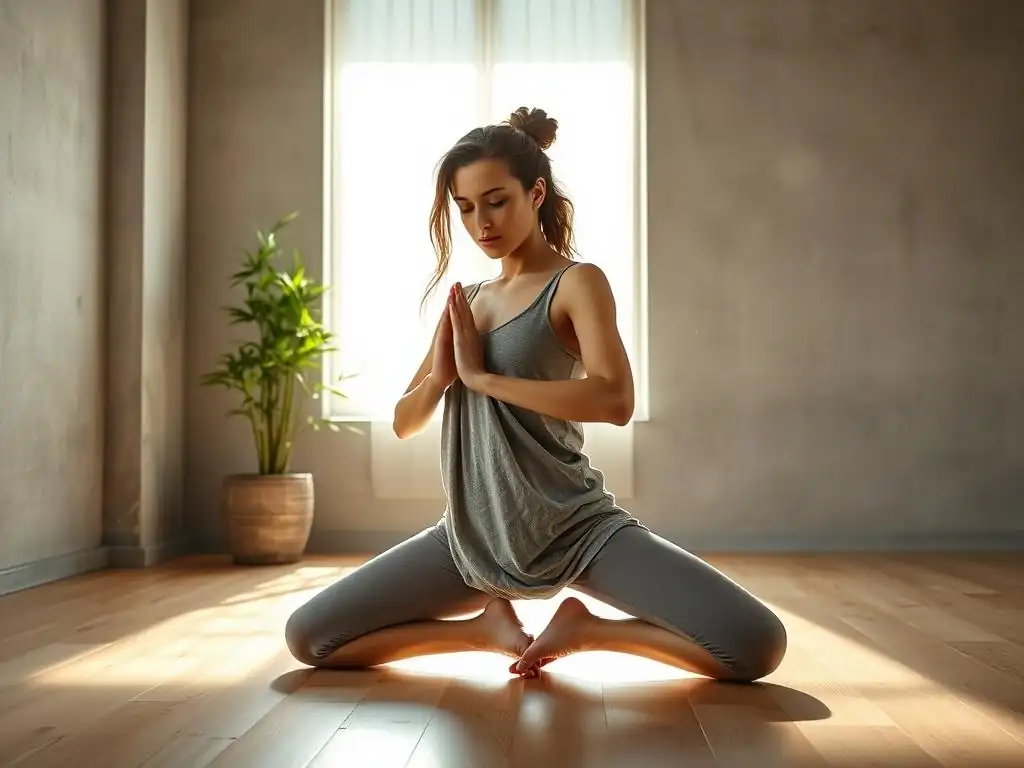
One of the most common challenges in mindful movement is the wandering mind. It's completely natural for thoughts to arise, especially anxious or stressful ones, even when you're trying to focus on movement or breath. The key is not to eliminate thoughts, but to change your relationship with them. Think of your mind like a puppy – it will wander, and your job is gently guide it back, without scolding it.
When you notice your mind has drifted, simply acknowledge the thought ("thinking about work," "worrying about tomorrow") without judgment. Then, gently redirect your attention back to your chosen anchor – the sensations of movement, the rhythm of your breath, or a specific body part. This act of noticing and returning is the core practice of mindfulness itself. Be patient and compassionate with yourself; it takes practice, but each time you gently redirect your attention, you strengthen your capacity for focus and presence.
Managing Physical Limitations and Pain
Physical limitations or pain can be significant barriers to practicing mindful movement. It's essential to listen to your body and practice with self-compassion. Mindful movement is about awareness in motion, not about pushing through pain or achieving advanced physical feats. If a movement causes pain, modify it or skip it entirely. There are always variations and alternative practices that can accommodate physical needs.
For instance, if standing is difficult, seated yoga or Qigong can be very beneficial. If walking is painful, try mindful movement while sitting in a chair, focusing on gentle arm movements, breath, and body sensations. Communicate with your instructor about any limitations or pain. Remember that the goal is to connect with your body with kindness and acceptance, not to force it into positions that cause harm. Mindful movement can even help you develop a better understanding of your pain and learn how to move in ways that support healing and comfort.
Staying Motivated and Consistent with Your Practice
Maintaining consistency with any new habit, including mindful movement, can be challenging. Life gets busy, motivation waxes and wanes, and sometimes anxiety itself can make it hard to start. It helps to remember why you started – likely to mindful movement reduce anxiety stress and improve your well-being. Reconnecting with this intention can be a powerful motivator.
Building consistency is often easier with support. Consider joining a class, finding a practice buddy, or using an app that tracks your sessions or offers reminders. Don't aim for perfection; if you miss a day or two, simply pick up where you left off without self-criticism. Varying your practice can also keep things fresh – one day mindful walking, another day gentle yoga. Focus on the feeling during and after the practice rather than just checking it off a list; noticing the subtle shifts in your mood and energy can be a strong reinforcement.
Mindful Movement and Long-Term Mental Health
Integrating Mindful Movement into Daily Life
For mindful movement to have a lasting impact on mental health, it needs to become more than just an occasional activity; it needs to be integrated into daily life. This doesn't mean you need hours of dedicated practice every day. It means finding ways to bring mindful awareness to the movement you already do. Can you walk mindfully to the kitchen? Can you stretch mindfully when you wake up? Can you bring awareness to your posture while sitting or standing?
Look for opportunities throughout your day to pause, notice your body, feel your breath, and move with intention. Even simple transitions, like standing up from a chair or walking down the hall, can become moments of mindful movement. This consistent, micro-practice throughout the day reinforces the mind-body connection and helps maintain a baseline level of presence and calm, making you more resilient to daily stressors.
Maintaining a Balanced Approach to Exercise and Mental Well-being
While mindful movement is incredibly beneficial, it's part of a larger picture of mental well-being. It should complement, not replace, other important aspects of your health, such as adequate sleep, nutritious eating, social connection, and professional support if needed. Avoid the trap of viewing mindful movement as a quick fix or another thing to be perfect at.
Maintain a balanced perspective. Some days, a vigorous, non-mindful workout might be exactly what your body needs. Other days, a gentle, mindful stretch is perfect. Listen to your body and mind, and choose the type and intensity of movement that serves you best in that moment. The goal is sustainable well-being, not rigid adherence to a single practice. Embracing flexibility and self-compassion in your approach is key to long-term success.
The Role of Mindful Movement in Preventing Anxiety and Stress Relapse
Mindful movement plays a significant role not only in reducing current anxiety and stress but also in preventing relapse. By regularly practicing mindful movement, you develop a heightened awareness of your internal state. You become better at recognizing the early signs of rising stress or anxiety – the physical tension, the racing thoughts, the emotional shifts – before they escalate into a full-blown episode.
This early detection allows you to apply coping strategies, including more focused mindful movement, before symptoms become overwhelming. The practice also builds resilience, strengthening your capacity to navigate challenges without defaulting to old patterns of worry or avoidance. It provides a consistent tool for self-regulation and emotional processing, empowering you to maintain a calmer, more balanced state over time and reducing the likelihood of experiencing severe anxiety or stress relapse.
Conclusion: Embracing Mindful Movement for a Calmer, More Focused Life
Mindful movement offers a powerful and accessible pathway to deep mental peace by intentionally combining physical activity with present-moment awareness. From the ancient practices of yoga, Tai Chi, and Qigong to the simplicity of mindful walking or the expressiveness of dance, there are numerous ways to explore this potent connection between body and mind. The evidence is clear: mindful movement reduce anxiety stress, enhances emotional regulation, improves focus, and builds resilience.
By integrating mindful movement into your life, even in small ways, you cultivate a stronger relationship with yourself, learn to navigate challenging emotions with greater ease, and find moments of calm amidst the demands of modern life. It's not about achieving physical perfection, but about cultivating presence, self-compassion, and awareness through the simple act of moving with intention.
The Future of Mindful Movement in Mental Health Care
The integration of mindful movement practices into mainstream mental health care is a growing trend. As research continues to validate its effectiveness, we are seeing more therapists, clinics, and wellness programs incorporating elements of yoga, Tai Chi, and other mindful movement modalities alongside traditional therapies. This holistic approach recognizes that mental health is deeply connected to physical well-being and the ability to inhabit one's body with awareness and acceptance.
Looking ahead, mindful movement is likely to become an even more prominent tool for prevention and intervention, not just for anxiety and stress, but for a range of mental health challenges. Its accessibility, low cost, and empowering nature make it an ideal complement to other forms of support. The future holds promise for mindful movement to be widely recognized as a fundamental component of comprehensive mental well-being strategies, helping more people find calm, focus, and peace through conscious connection with their moving bodies.
Frequently Asked Questions
What exactly is mindful movement, and how does it differ from regular exercise?
Mindful movement combines physical activity with present moment awareness. Unlike regular exercise, it emphasizes intentionality and connection with your body, rather than just pushing for performance. It's about being present in each movement.
How can mindful movement specifically help reduce anxiety and stress?
Mindful movement helps regulate the nervous system, reducing the "fight or flight" response often associated with anxiety. Focusing on the present moment distracts from anxious thoughts and worries. It also promotes the release of endorphins, which have mood-boosting effects.
What are some examples of mindful movement activities I can try?
Examples include yoga, Tai Chi, Qi Gong, and even walking or gardening done with focused awareness. The key is to pay attention to sensations in your body and the environment around you. Any activity can be mindful if you approach it with intention.
How often should I practice mindful movement to see noticeable benefits for my mental well-being?
Consistency is key. Aim for at least 15-30 minutes of mindful movement several times a week. Even short bursts of mindful movement can provide immediate stress relief. Experiment to find what works best for you.
Are there any potential downsides or precautions to consider before starting a mindful movement practice?
It's always a good idea to consult with your doctor before starting any new exercise program, especially if you have underlying health conditions. Listen to your body and avoid pushing yourself too hard. Be patient and kind to yourself as you learn.
Final Reflection: Cultivating Inner Calm Through Mindful Movement
The integration of mindful movement into our daily lives is not merely a trend; it's a crucial step towards reclaiming our mental well-being in an increasingly stressful world. The overwhelming evidence presented throughout this article demonstrates the profound impact that connecting mind and body through conscious exercise can have on reducing anxiety and stress. We've explored various techniques, from mindful walking to yoga and tai chi, showcasing how these practices can help us navigate the challenges of modern life with greater ease and resilience.
The journey towards inner peace is a deeply personal one, and the influence of mindful movement on my own life has been transformative. I've witnessed firsthand how the simple act of paying attention to my breath and body during exercise can shift my perspective from one of anxiety to one of calm focus. This resonates deeply with the words of Thich Nhat Hanh: Peace is not something you can find. Peace is something you create.
By consciously engaging in mindful movement, we actively participate in the creation of our own inner peace, shaping a more resilient and balanced self.
Now, consider your own relationship with movement and stress. What small steps can you take today to incorporate more mindful movement into your routine? Perhaps it's a five-minute mindful walk during your lunch break, a few conscious stretches before bed, or dedicating even just ten minutes to a guided meditation practice. Remember, the power lies not in the intensity of the exercise, but in the quality of your attention. Embrace the journey, be patient with yourself, and discover the profound peace that awaits you within the mindful movement.
Unleash Your Inner Calm: Take the Next Step Towards Mindfulness
Thanks for taking the time to explore the power of mindful movement with us! We hope you gained valuable insights into how connecting your body and mind can lead to deeper peace and well-being.
Ready to integrate these practices into your life? Here's how:
- Prioritize a 10-minute mindful movement session today. Even a short, focused practice can make a difference. Choose a gentle activity like stretching, yoga, or a mindful walk in nature.
- Share your experience! Tell us (or a friend!) about your mindful movement journey. What did you notice? How did it make you feel?
- Explore further with a guided meditation or mindful movement app. There's a whole world of resources waiting to support you.
What small step will you take towards a more mindful and peaceful you today?