
Unlock Your Mental Potential with the Right Kind of Movement

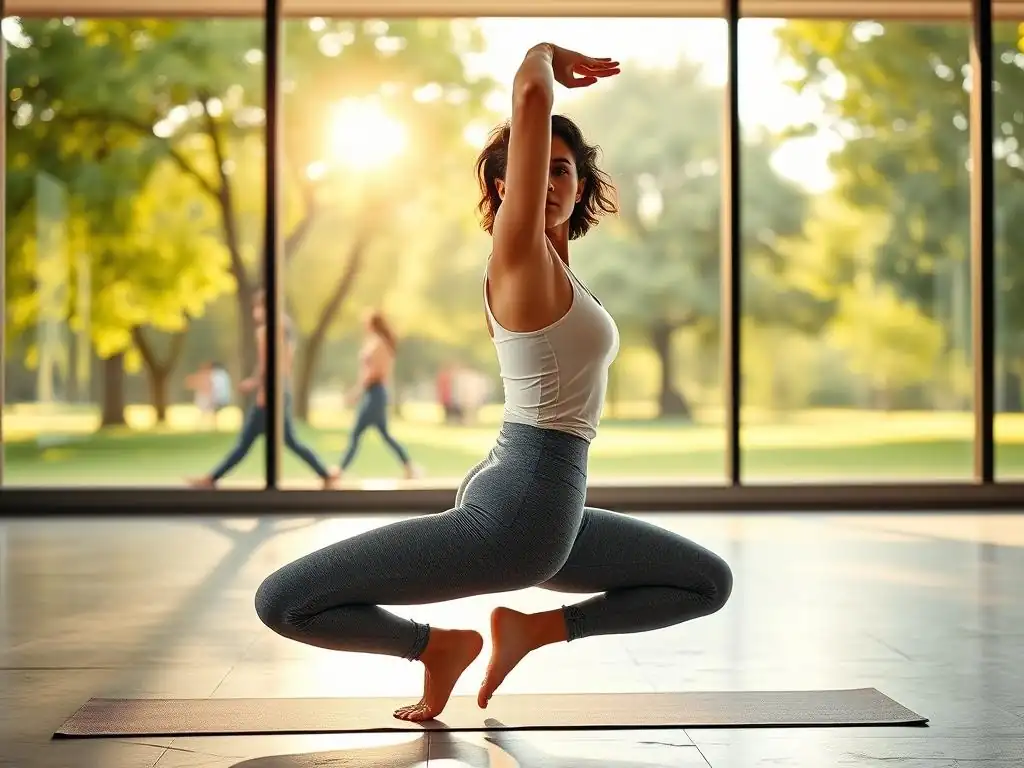
Welcome to Mind Care Guide, a sanctuary for your mental well-being. Are you feeling stuck, like your mind is a whirlwind of thoughts? Discover how something as simple as movement can be a powerful, natural tool to unlock your mental potential. Intrigued? Let's explore how movement improves mental wellbeing naturally and find the rhythm that resonates with you. Your journey to a calmer, clearer mind starts here.
- Movement Improves Mental Wellbeing Naturally
-
Frequently Asked Questions
- How does movement actually improve mental wellbeing?
- What types of movement are most beneficial for mental health?
- How much movement is needed to see improvements in mental wellbeing?
- Can movement replace other forms of mental health treatment?
- What if I have physical limitations that make movement difficult?
- Final Reflection: The Untapped Power of Movement for Mental Wellbeing
- Unleash Your Inner Power: Move Your Way to a Sharper Mind
Movement Improves Mental Wellbeing Naturally
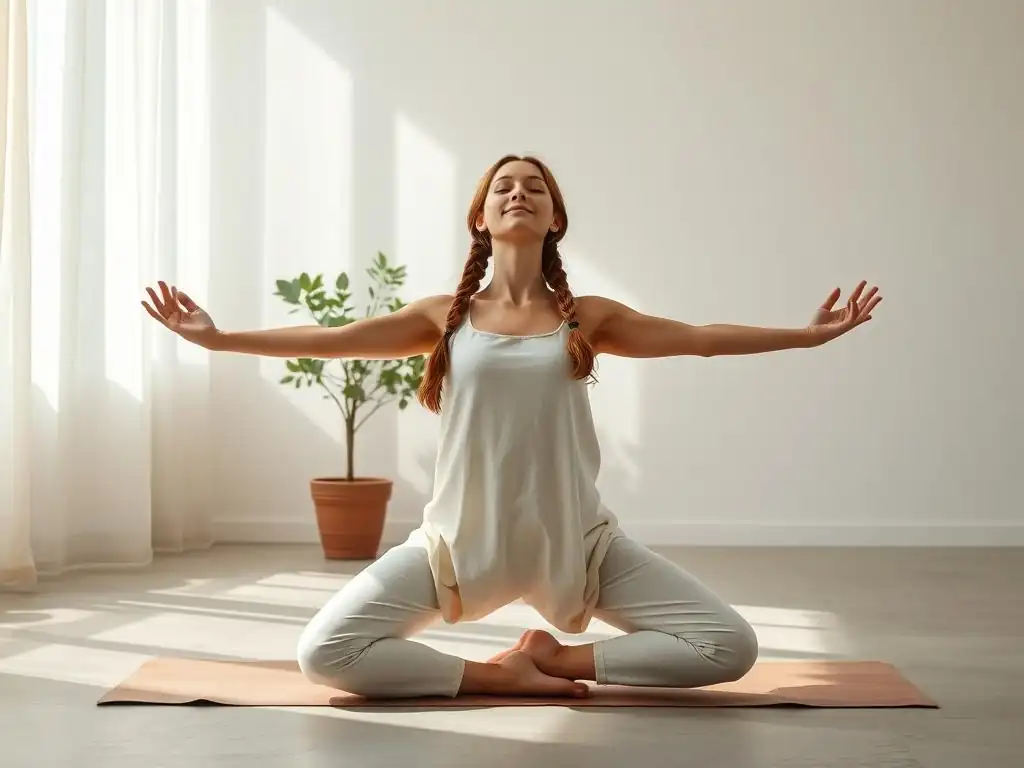
Engaging in physical activity is more than just a way to stay physically fit; it's a profound pathway to enhancing your emotional and psychological state. At its core, movement improves mental wellbeing naturally, offering a holistic approach to managing stress, boosting mood, and fostering resilience.
This isn't about becoming an elite athlete; it's about discovering how incorporating regular, even moderate, physical activity into your life can unlock significant benefits for your mind. From a brisk walk in nature to a structured exercise class, the simple act of moving your body has a powerful, positive ripple effect on your mental landscape, providing a natural antidote to many of the pressures of modern life.
The science is increasingly clear: physical activity is intrinsically linked to better mental health outcomes. When we move, our bodies release a cascade of chemicals, including endorphins, often referred to as "feel-good" neurotransmitters, which have mood-lifting and pain-relieving properties. Beyond these immediate effects, consistent movement helps regulate stress hormones like cortisol, leading to a calmer and more balanced emotional state over time.
Embracing the principle that movement improves mental wellbeing naturally means recognizing that physical health is not separate from mental health, but rather deeply intertwined. It's an accessible, empowering strategy available to everyone, requiring no special equipment or expensive treatments to begin experiencing its profound benefits.
Frequently Asked Questions
How does movement actually improve mental wellbeing?
Movement triggers the release of endorphins and neurotransmitters in the brain, which have mood-boosting effects. It also reduces stress hormones like cortisol.
What types of movement are most beneficial for mental health?
While any movement is helpful, activities like yoga, walking in nature, and mindful movement practices have shown particularly strong benefits for mental well-being.
How much movement is needed to see improvements in mental wellbeing?
Even short bursts of activity, such as 30 minutes of moderate-intensity exercise most days of the week, can significantly improve mood and reduce symptoms of anxiety and depression.
Can movement replace other forms of mental health treatment?
Movement can be a powerful complementary tool, but it's important to remember that it is not a replacement for professional mental health treatment. Seek guidance from a qualified professional.
What if I have physical limitations that make movement difficult?
There are many ways to incorporate gentle movement into your routine, regardless of limitations. Consider options like chair yoga, stretching, or modified exercises under the guidance of a physical therapist.
Final Reflection: The Untapped Power of Movement for Mental Wellbeing
The connection between physical movement and mental clarity isn't just a trendy wellness tip; it's a fundamental truth with profound implications for our daily lives. Ignoring this powerful link means missing out on a readily available resource to enhance our mental resilience and overall well-being, a resource that requires no expensive therapies or medications. We've explored how different types of movement cater to various needs, from the calming effects of yoga to the energizing boost of a brisk walk.
The impact of movement on our mental landscape is undeniable, shaping not only individual experiences but also the broader cultural conversation around mental health. We're increasingly recognizing the limitations of solely focusing on pharmaceutical solutions and embracing a holistic approach that incorporates physical activity as a cornerstone of mental wellness. This shift is crucial, as it acknowledges the interconnectedness of mind and body. The body achieves what the mind believes.
This simple statement encapsulates the power of our beliefs and intentions when coupled with consistent movement. It's a reminder that our physical actions directly influence our mental state, creating a positive feedback loop of improved well-being.
Now, consider your own life. What kind of movement resonates with you? What small steps can you take today to integrate more physical activity into your routine? Don't feel pressured to overhaul your lifestyle overnight; start small, find an activity you genuinely enjoy, and gradually increase its frequency. Embrace the opportunity to unlock your mental potential naturally, one mindful movement at a time. The journey towards a healthier, happier mind begins with a single step – literally.
Unleash Your Inner Power: Move Your Way to a Sharper Mind
Thanks for taking the time to explore the connection between movement and mental well-being! We hope you've gained valuable insights into how the right kind of physical activity can boost your cognitive function and overall happiness. Now it's time to put that knowledge into action.
- Prioritize a 30-minute mindful movement session today: Whether it's a brisk walk, a gentle yoga flow, or a dance session, find an activity that resonates with you and dedicate just 30 minutes to it. Notice how your mind feels afterwards.
- Share your movement journey: Tell us (or a friend!) about your experience and what kind of movement helps you feel most mentally energized. Let's inspire each other!
- Try a new movement style this week: Step outside your comfort zone! Explore a dance class, try Tai Chi, or even just change up your usual walking route. You might discover a hidden gem.
What small step can you take today to cultivate a more mindful and active relationship with your body and mind?