
Juicing vs. Eating Whole Foods for Mental Benefits


Welcome to Mind Care Guide, your sanctuary for nurturing inner peace and understanding.
Feeling overwhelmed by the complexities of mental well-being? You're not alone. We're here to illuminate the path to a healthier mind, starting with a surprisingly delicious approach. Dive into our Juicing Mental Health Benefits Guide to discover how this vibrant practice can impact your mood, focus, and overall cognitive function. But is juicing truly superior to eating whole foods? The answer might surprise you. Let's explore the power of nature's bounty and unlock the secrets to a happier, healthier you.
Juicing vs. Eating Whole Foods for Mental Benefits: A Mind Care Guide
- Introduction: Exploring the Connection Between Nutrition and Mental Well-being
- Understanding Juicing: A Detailed Look at Its Benefits for Mental Health
- The Power of Whole Foods: Nourishing Your Mind Naturally
- Juicing vs. Whole Foods: A Head-to-Head Comparison for Mental Health
-
Optimizing Your Diet for Mental Well-being: Combining Juicing and Whole Foods
- Creating a Balanced Approach: Integrating Juices and Whole Foods into Your Daily Routine
- Sample Meal Plans for Enhanced Mental Health: Incorporating Both Juicing and Whole Foods
- Tips for Choosing the Right Juicer and Whole Food Recipes
- Addressing Specific Mental Health Concerns with Targeted Nutritional Strategies
- Expert Opinions on Juicing and Whole Foods for Mental Health
- Conclusion: Making Informed Choices for Your Mental Well-being Through Nutrition
-
Frequently Asked Questions
- What are the main differences between juicing and eating whole foods regarding mental well-being?
- Can juicing directly improve symptoms of mental health conditions like anxiety or depression?
- What are the potential drawbacks of relying solely on juicing for mental health?
- How does the fiber content in whole foods contribute to mental health benefits compared to juicing?
- What kind of foods should you prioritize to improve mental health?
- Final Reflection: The Mindful Choice: Juicing, Whole Foods, and Your Mental Wellbeing
- Unlock Your Mind's Potential: Boost Your Brainpower Today!
Introduction: Exploring the Connection Between Nutrition and Mental Well-being
The Growing Interest in Nutritional Psychiatry and Mental Health
The field of nutritional psychiatry is gaining significant traction, highlighting the profound impact that diet has on mental health. Research increasingly shows that the nutrients we consume, or lack thereof, can influence everything from mood and anxiety levels to cognitive function and the risk of developing mental health conditions.
For instance, studies have linked diets high in processed foods, sugar, and unhealthy fats to increased rates of depression and anxiety, while diets rich in fruits, vegetables, whole grains, lean proteins, and healthy fats are associated with better mental resilience and well-being. This burgeoning area of science provides a crucial framework for understanding how dietary choices, including the debate between juicing and eating whole foods, relate to our psychological state.
Scientific findings consistently demonstrate the brain's high metabolic demand and its dependence on a steady supply of specific nutrients. Omega-3 fatty acids, found in fatty fish and some seeds, are vital components of brain cell membranes and have been shown in clinical trials to potentially reduce symptoms of depression. B vitamins are essential for neurotransmitter synthesis – the chemical messengers in the brain that regulate mood – with deficiencies linked to fatigue and low mood.
Antioxidants protect brain cells from damage caused by oxidative stress, which is implicated in various neurological and psychiatric disorders. Understanding these connections empowers individuals seeking a comprehensive juicing mental health benefits guide to make informed decisions about how their diet supports their mind.
Juicing and Whole Foods: Two Paths to Mental Wellness
When considering dietary approaches for mental well-being, juicing and consuming whole foods represent two distinct, yet potentially complementary, paths. Both methods aim to increase nutrient intake, but they differ significantly in how those nutrients are delivered and processed by the body. Whole foods, consumed in their natural or minimally processed state, provide a complex matrix of vitamins, minerals, fiber, and other beneficial compounds. This intricate structure influences digestion, absorption, and the overall metabolic response.
Juicing, on the other hand, extracts the liquid from fruits and vegetables, concentrating many vitamins and minerals while often removing the fiber and pulp. Proponents highlight the rapid absorption of nutrients, suggesting a quick delivery of beneficial compounds to the brain.
However, critics raise concerns about the lack of fiber and the potential for blood sugar spikes. A comprehensive juicing mental health benefits guide must explore both the potential advantages of nutrient concentration and the potential disadvantages, comparing them directly with the benefits offered by the complex nutritional profile of whole foods to offer a balanced perspective for improving mental health through diet.
Understanding Juicing: A Detailed Look at Its Benefits for Mental Health
What is Juicing and How Does It Work?
Juicing is the process of extracting juice from fruits and vegetables. This is typically done using a juicer machine, which separates the liquid content from the solid pulp. There are two main types of juicers: centrifugal and masticating (cold-press). Centrifugal juicers are faster and more common but use a high-speed spinning blade that can generate heat, potentially degrading some heat-sensitive nutrients like certain enzymes and Vitamin C. Masticating juicers operate at a slower speed, crushing and pressing the produce, which is thought to preserve more nutrients and produce a higher yield of juice, though the process takes longer.
The resulting juice is essentially a concentrated liquid containing vitamins, minerals, antioxidants, and phytonutrients naturally present in the fruits and vegetables. Because the fiber has been largely removed, these nutrients are often more readily available for absorption in the digestive tract compared to consuming the whole food. This rapid delivery is one of the key arguments for juicing, especially when targeting specific nutrient boosts for mental health, as proponents suggest the body can quickly access compounds needed for brain function and mood regulation.
The Concentration of Nutrients in Juices: Impact on Mood and Brain Function
One of the primary appeals of juicing is its ability to deliver a high concentration of micronutrients in a relatively small volume. For example, to consume the amount of Vitamin C found in a large glass of fresh orange juice (perhaps 150-200 mg, providing well over 150% of the daily value for adults), you would need to eat several whole oranges.
This concentrated delivery can be particularly beneficial for individuals who struggle to eat large quantities of fruits and vegetables daily, making it easier to meet recommended intakes for certain vitamins and antioxidants known to support brain health and mood.
This rapid influx of nutrients is theorized to have a more immediate impact on mood and cognitive function. For instance, the high levels of antioxidants like beta-carotene (from carrots) or anthocyanins (from berries, if juiced) can quickly enter the bloodstream and cross the blood-brain barrier, potentially helping to combat oxidative stress in brain cells.
Similarly, a juice packed with B vitamins from leafy greens could provide the necessary cofactors for neurotransmitter synthesis, potentially leading to improvements in energy levels and mood more quickly than digesting the same nutrients from whole foods, although individual responses vary. This aspect is a key consideration when exploring a juicing mental health benefits guide.
Specific Nutrients in Juices Known to Boost Mental Clarity and Reduce Anxiety
Vitamin C and Its Role in Stress Reduction
Vitamin C is a powerful antioxidant that plays a crucial role in protecting the brain from oxidative damage. It is also involved in the synthesis of neurotransmitters like norepinephrine, which is important for alertness and response to stress. Chronic stress can deplete Vitamin C levels in the adrenal glands and brain, and maintaining adequate intake is essential for managing the body's stress response. A glass of orange or grapefruit juice can provide a substantial portion of the daily recommended intake (around 75-90 mg for adults), offering a readily available source of this stress-fighting vitamin.
Furthermore, research suggests that higher Vitamin C levels may be associated with improved mood and reduced anxiety. A study involving hospitalized patients found that administering Vitamin C significantly reduced anxiety levels. While juicing provides a concentrated source, it's important to note that whole citrus fruits also offer fiber, which helps regulate the absorption of the sugar that comes with the Vitamin C in juice.
B Vitamins for Cognitive Function and Energy Levels
B vitamins, including B6, B9 (folate), and B12, are critical for brain health and neurological function. They are involved in energy production within brain cells and the synthesis of neurotransmitters such as serotonin, dopamine, and GABA, which are crucial for mood regulation, sleep, and cognitive function. Deficiencies in B vitamins, particularly folate and B12, have been linked to fatigue, irritability, poor concentration, and increased risk of depression.
Many green juices, made from spinach, kale, or broccoli, are excellent sources of folate and Vitamin B6. While Vitamin B12 is primarily found in animal products, fortifying juices or using specific ingredients like nutritional yeast can add it. Consuming a juice rich in B vitamins can help ensure adequate levels are available to support the complex biochemical processes in the brain, potentially leading to improved energy, focus, and a more stable mood, which is a significant component of any juicing mental health benefits guide.
Antioxidants and Their Protective Effects on Brain Cells
Fruits and vegetables are packed with a wide array of antioxidants, including carotenoids, flavonoids, and polyphenols. These compounds help neutralize harmful free radicals that can damage brain cells through a process called oxidative stress. Chronic oxidative stress is implicated in the development and progression of neurodegenerative diseases like Alzheimer's and Parkinson's, as well as contributing to symptoms of depression and anxiety.
Juicing vibrant produce like carrots (rich in beta-carotene), berries (rich in anthocyanins), and leafy greens (rich in various polyphenols) provides a concentrated dose of these protective compounds. For example, beta-carotene is converted to Vitamin A in the body, which supports neurological function. Anthocyanins have been shown to cross the blood-brain barrier and accumulate in brain regions associated with learning and memory. Including a variety of colorful fruits and vegetables in juices can help maximize the intake of diverse antioxidants, offering robust protection for brain health and supporting mental resilience.
The Potential Drawbacks of Juicing for Mental Health
Lack of Fiber and Its Impact on Blood Sugar Levels
One of the most significant drawbacks of juicing is the removal of most dietary fiber. Fiber, particularly soluble fiber, plays a crucial role in slowing down the absorption of sugars into the bloodstream. When you consume juice, especially fruit juice, the natural sugars (fructose) enter your bloodstream very quickly because there is no fiber to slow their digestion. This can lead to a rapid spike in blood sugar followed by a crash, often referred to as a "sugar roller coaster."
These blood sugar fluctuations can negatively impact mood, energy levels, and cognitive function, potentially leading to irritability, fatigue, difficulty concentrating, and even exacerbating anxiety symptoms. While vegetable juices generally contain less sugar than fruit juices, combining fruits and vegetables can still result in a higher sugar load than eating the whole produce. This lack of fiber is a critical point to consider when evaluating the overall juicing mental health benefits guide, as stable blood sugar is key to stable mood.
The Risk of Nutrient Imbalances with Excessive Juicing
While juicing can provide a concentrated source of certain vitamins and minerals, relying too heavily on juices and neglecting whole foods can lead to nutrient imbalances or deficiencies over time. Juices are typically low in protein, healthy fats, and fiber – macronutrients essential for overall health, satiety, and sustained energy, all of which impact mental well-being. For example, protein is necessary for the synthesis of neurotransmitters, and healthy fats (like Omega-3s) are vital for brain structure and function.
Furthermore, an exclusive or overly reliant juicing diet may not provide adequate calories or the full spectrum of micronutrients found in a diverse whole-food diet. While you might get a lot of Vitamin C, you could be missing out on iron from legumes or calcium from dairy or fortified alternatives. A balanced diet incorporating all food groups is generally recommended to ensure adequate intake of all essential nutrients, and excessive juicing without careful planning can disrupt this balance, potentially undermining long-term mental health support.
Cost and Time Commitment Associated with Juicing
Juicing can be a relatively expensive and time-consuming endeavor. High-quality juicers can cost anywhere from $100 to over $500. More significantly, the amount of produce required to make a single glass of juice is often substantial. For instance, making a 16-ounce green juice might require several pounds of kale, spinach, cucumbers, celery, and apples. The cost of buying this amount of fresh, often organic, produce regularly can add up quickly compared to buying staple whole foods like grains, legumes, or root vegetables.
Beyond the financial cost, washing, chopping, juicing, and then cleaning the juicer takes time daily. For busy individuals, this commitment can be challenging to maintain consistently. While the perceived health benefits, including potential juicing mental health benefits, might motivate some, the practical realities of cost and time can be significant barriers to making juicing a sustainable part of a long-term dietary strategy for mental well-being.
The Power of Whole Foods: Nourishing Your Mind Naturally
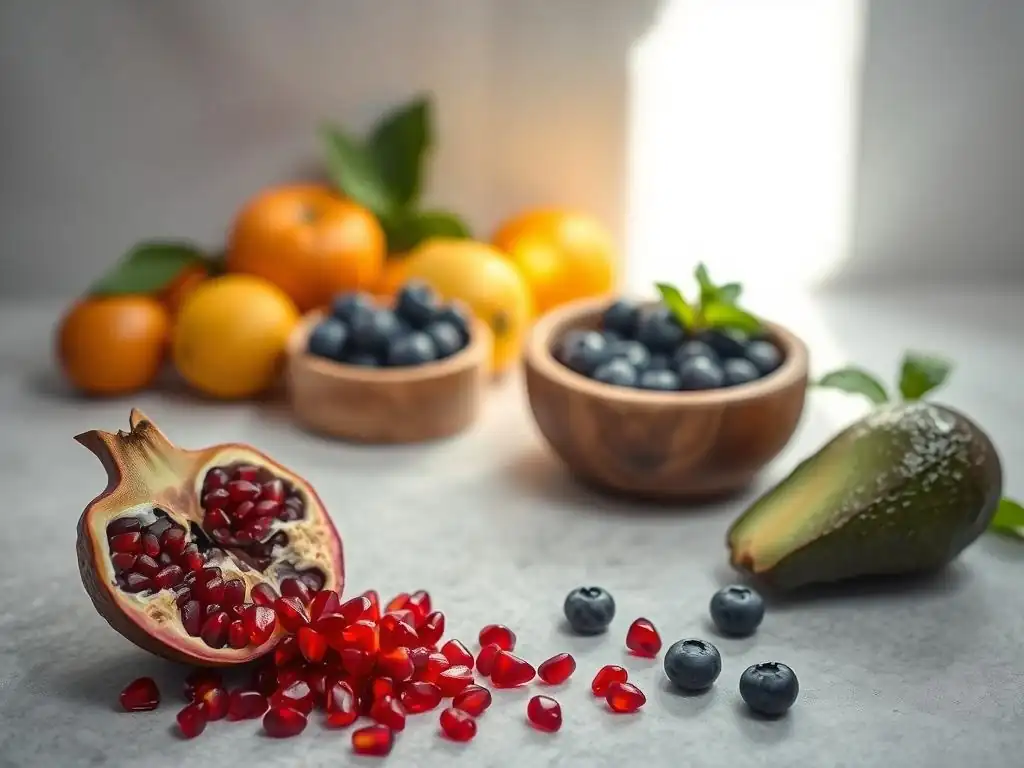
What Are Whole Foods and Why Are They Important for Mental Health?
Whole foods are foods that are unprocessed or minimally processed, retaining their natural form and nutritional profile. This includes fruits, vegetables, whole grains, legumes, nuts, seeds, lean meats, fish, and dairy (or dairy alternatives). Unlike processed foods, which often strip away beneficial components like fiber, vitamins, and minerals while adding unhealthy fats, sugars, and sodium, whole foods provide nutrients in their natural matrix, along with countless beneficial phytochemicals and antioxidants.
The importance of whole foods for mental health lies in their complex nutritional synergy. The combination of macronutrients (carbohydrates, protein, fat), micronutrients (vitamins, minerals), and fiber works together to support stable blood sugar levels, nourish the gut microbiome, reduce inflammation, and provide the building blocks for neurotransmitters and healthy brain cells. For example, the slow release of glucose from whole grains provides sustained energy for the brain, preventing the crashes associated with refined sugars.
The Benefits of Fiber in Whole Foods for Stable Mood
Fiber, abundant in whole fruits, vegetables, whole grains, and legumes, is a critical component often missing from juices. Dietary fiber comes in two main forms: soluble and insoluble. Soluble fiber dissolves in water and forms a gel-like substance, which helps slow digestion and the absorption of sugar, promoting stable blood sugar levels. This stability is crucial for maintaining a steady mood and preventing the energy dips and irritability that can follow sugar spikes.
Insoluble fiber adds bulk to stool and helps food pass through the digestive system, promoting regularity. Beyond digestive health, fiber also acts as a prebiotic, feeding the beneficial bacteria in the gut microbiome. A healthy gut microbiome is increasingly recognized for its significant influence on mental health through the gut-brain axis. These bacteria produce short-chain fatty acids (SCFAs) like butyrate, which nourish gut cells, reduce inflammation, and can even influence neurotransmitter production. Consuming adequate fiber through whole foods directly supports both stable mood and a healthy gut, key elements for mental well-being.
Key Whole Foods for Mental Well-being and Cognitive Function
Leafy Greens: Folate and Brain Health
Leafy green vegetables such as spinach, kale, Swiss chard, and romaine lettuce are nutritional powerhouses, particularly rich in folate (Vitamin B9). Folate is essential for DNA synthesis and repair and plays a vital role in the production of neurotransmitters like serotonin, dopamine, and norepinephrine. Low levels of folate have been consistently linked to higher rates of depression and impaired cognitive function.
Studies have shown that individuals with higher dietary intake of folate tend to have a lower risk of depression. For example, consuming just one cup of cooked spinach can provide over 60% of the daily recommended value for folate. Incorporating leafy greens into salads, smoothies (retaining the fiber! ), or cooked dishes provides a significant boost of this crucial nutrient, directly supporting brain health and mood regulation.
Berries: Antioxidants and Cognitive Enhancement
Berries like blueberries, strawberries, raspberries, and blackberries are packed with antioxidants, particularly anthocyanins, which give them their vibrant colors. These antioxidants are powerful protectors against oxidative stress and inflammation, both of which can negatively impact brain function and mental health. Research suggests that anthocyanins can cross the blood-brain barrier and accumulate in brain regions involved in learning and memory.
Numerous studies, including those from the Nurses' Health Study, have linked higher berry consumption to slower cognitive decline in older adults. For instance, consuming just half a cup of blueberries a few times a week has been associated with cognitive benefits. The antioxidants in berries may improve communication between brain cells and help protect against age-related damage, contributing to better cognitive function and potentially a more positive mental outlook.
Nuts and Seeds: Omega-3 Fatty Acids and Mood Regulation
Nuts and seeds, including walnuts, almonds, chia seeds, flaxseeds, and pumpkin seeds, are excellent sources of healthy fats, protein, fiber, vitamins, and minerals. Walnuts and flaxseeds are particularly noteworthy for their high content of alpha-linolenic acid (ALA), a plant-based omega-3 fatty acid. While the conversion of ALA to the beneficial EPA and DHA forms is limited in the body, ALA itself still offers health benefits.
Omega-3 fatty acids, especially EPA and DHA found in fatty fish, are crucial for brain structure and function and have been extensively studied for their role in mood regulation. Regular consumption of nuts and seeds has been associated with lower rates of depression. A handful of walnuts (about 1 ounce) provides a significant amount of ALA, along with magnesium and B vitamins, all of which support neurological health and contribute to a more stable mood.
Fatty Fish: EPA/DHA and Brain Function
Fatty fish such as salmon, mackerel, sardines, and trout are arguably the best dietary sources of the long-chain omega-3 fatty acids EPA (eicosapentaenoic acid) and DHA (docosahexaenoic acid). DHA is a major structural component of the brain, making up about 8% of brain weight, and is concentrated in areas involved in memory and cognition. EPA is thought to have significant anti-inflammatory properties, which are crucial given the link between inflammation and mood disorders.
Numerous studies, including meta-analyses, have shown that higher consumption of fatty fish or supplementation with EPA and DHA is associated with a reduced risk of depression and may help improve symptoms in individuals with existing mood disorders. Aiming for two servings of fatty fish per week can provide approximately 500-1000 mg of combined EPA and DHA, levels often associated with mental health benefits. This makes fatty fish a cornerstone of a diet aimed at supporting optimal brain function and emotional well-being.
Potential Challenges of Relying Solely on Whole Foods
Ensuring Adequate Nutrient Intake
While a whole-food diet is nutrient-dense, simply eating whole foods doesn't automatically guarantee adequate intake of all essential vitamins and minerals for everyone. Factors like calorie needs, food availability, preparation methods (some nutrients are lost during cooking), and individual absorption rates can influence nutrient levels. For example, individuals following strict vegetarian or vegan diets need to pay careful attention to ensure adequate intake of Vitamin B12, iron, zinc, and omega-3s, which are more readily available in animal products.
It requires conscious effort and planning to consume a wide variety of whole foods from all food groups daily to cover all nutritional bases. Relying on a limited selection of whole foods, even healthy ones, can lead to deficiencies. This highlights the need for dietary diversity and potentially targeted supplementation or fortification in certain cases, even within a whole-food framework, to fully support mental health.
Addressing Specific Nutrient Deficiencies
For individuals with existing nutrient deficiencies, simply transitioning to a general whole-food diet might not be sufficient to quickly restore optimal levels. For example, someone with a significant Vitamin D deficiency (common, especially in less sunny climates, and linked to depression) will likely need targeted supplementation or fortified foods, as dietary sources alone are often insufficient to correct a deficiency. Similarly, addressing iron deficiency anemia through diet alone can be a slow process.
In such cases, a healthcare provider or registered dietitian might recommend specific supplements or dietary strategies beyond general whole food consumption. While whole foods provide foundational nutrition, addressing specific, diagnosed deficiencies often requires a more targeted approach, which might include temporary high-dose supplementation or the strategic use of nutrient-dense foods in quantities that are difficult to achieve consistently through typical meals.
Overcoming Dietary Restrictions or Preferences
Adhering to a whole-food diet can present challenges for individuals with specific dietary restrictions, allergies, intolerances, or strong personal preferences. For instance, someone with celiac disease needs to strictly avoid gluten found in wheat, barley, and rye, requiring careful selection of gluten-free whole grains like quinoa, brown rice, and oats. People with nut allergies must find alternative sources for healthy fats and protein.
Furthermore, picky eating habits or cultural food norms might limit the variety of whole foods consumed. Overcoming these challenges often requires creativity in meal planning, finding suitable substitutes, and potentially working with a nutritionist to develop a personalized whole-food plan that accommodates restrictions while ensuring nutritional adequacy. While the benefits are clear, navigating these practical hurdles is necessary for successfully maintaining a whole-food diet for mental health.
Juicing vs. Whole Foods: A Head-to-Head Comparison for Mental Health
Nutrient Bioavailability: Which Method Delivers Nutrients More Effectively?
Nutrient bioavailability refers to the proportion of a nutrient that is absorbed from the diet and becomes available for use in the body. Juicing proponents often argue that removing fiber increases bioavailability because the digestive system doesn't have to work as hard to break down plant cell walls. This can lead to faster absorption of certain vitamins and minerals directly into the bloodstream, potentially offering a quicker nutrient boost for brain function and mood.
However, the picture is complex. While some nutrients like beta-carotene might be slightly more bioavailable from juice than raw whole carrots, cooking whole foods can also increase the bioavailability of certain compounds (e.g., lycopene in tomatoes). Furthermore, the rapid absorption from juice can lead to a quicker excretion of some water-soluble vitamins.
Whole foods, with their fiber matrix, allow for a slower, more sustained release of nutrients, which can be beneficial for maintaining stable blood levels and potentially enhancing the absorption of fat-soluble vitamins when consumed with healthy fats present in the whole food meal. The "effectiveness" depends on the specific nutrient and the desired outcome, making it a nuanced point in any juicing mental health benefits guide.
Impact on Gut Health: The Role of Fiber in Juicing and Whole Foods
The impact on gut health is one of the most significant differences between juicing and eating whole foods. Whole foods, rich in dietary fiber, are essential for feeding the beneficial bacteria in the gut microbiome. As discussed earlier, fiber acts as a prebiotic, and its fermentation by gut bacteria produces beneficial compounds like short-chain fatty acids (SCFAs), which nourish the gut lining and have systemic anti-inflammatory effects, impacting the gut-brain axis and mental health.
Juicing, by removing most of the fiber, bypasses this crucial step. While the liquid nutrients may be absorbed quickly, the beneficial prebiotic effect on the gut microbiome is largely lost. A diet lacking sufficient fiber can negatively impact the diversity and health of gut bacteria, potentially leading to gut dysbiosis, which has been linked to various mental health issues, including anxiety and depression. Therefore, for long-term mental well-being, the fiber content of whole foods offers a distinct advantage in supporting a healthy gut, a critical factor in the mind-body connection.
Long-Term Sustainability: Which Approach is Easier to Maintain?
Sustainability is a key factor in any dietary approach aimed at long-term health benefits, including mental well-being. For many individuals, consistently maintaining a juicing regimen can be challenging due to the high cost of produce, the significant time commitment for preparation and cleaning, and the potential for feeling less satiated due to the lack of fiber and protein compared to whole meals. The restrictive nature of some juicing protocols can also make them difficult to stick to over extended periods.
Eating a balanced diet centered around whole foods, while still requiring effort in meal planning and preparation, is generally considered more sustainable for most people. It allows for greater dietary variety, incorporates satisfying macronutrients like protein and healthy fats, and can be more easily integrated into social eating situations. Building sustainable habits around whole food consumption provides a stable foundation for long-term nutritional support for mental health, whereas juicing may be better viewed as a supplementary or short-term strategy for some.
Cost-Effectiveness: Comparing the Expenses of Juicing and Eating Whole Foods
When comparing the cost, whole foods generally offer a more budget-friendly way to obtain essential nutrients compared to juicing. As noted earlier, the sheer volume of produce required to make a single glass of juice means the per-serving cost of nutrients delivered via juice is often significantly higher than obtaining similar nutrients from eating whole fruits, vegetables, legumes, or grains. For example, a pound of carrots might cost around $1-2 and provide multiple servings, while juicing that same pound might yield only one or two glasses of juice, costing the same amount.
Furthermore, staple whole foods like lentils, beans, brown rice, oats, and seasonal vegetables are typically inexpensive and provide a wealth of fiber, protein, vitamins, and minerals. While certain whole foods like organic berries or fatty fish can be pricier, a balanced whole-food diet can be built around affordable staples. For individuals seeking cost-effective ways to support their mental health through nutrition, prioritizing a diverse diet of whole foods is generally a more economical approach than regular juicing.
Optimizing Your Diet for Mental Well-being: Combining Juicing and Whole Foods

Creating a Balanced Approach: Integrating Juices and Whole Foods into Your Daily Routine
Rather than viewing juicing and eating whole foods as mutually exclusive options, a balanced and integrated approach can offer the best of both worlds for supporting mental well-being. Juicing can be used strategically to supplement a diet primarily based on whole foods, providing a quick and concentrated boost of specific micronutrients or a convenient way to consume vegetables that might otherwise be difficult to incorporate in sufficient quantities. For example, a small glass of green juice in the morning could complement a breakfast of whole-grain oats and berries.
The key is to ensure that juicing does not replace whole meals or the essential intake of fiber, protein, and healthy fats from solid foods. Think of juice as a nutrient supplement rather than a meal replacement. A balanced approach might involve consuming whole fruits and vegetables at meals and snacks while using juice occasionally (perhaps a few times a week) to increase overall nutrient density or target specific needs, making it a thoughtful component within a broader juicing mental health benefits guide.
Sample Meal Plans for Enhanced Mental Health: Incorporating Both Juicing and Whole Foods
Here are a few examples of how to integrate both juicing and whole foods into a daily plan focused on mental well-being:
- Breakfast: Whole-grain oatmeal topped with berries, nuts, and seeds. Optional addition: 8 oz glass of vegetable-heavy juice (e.g., kale, spinach, cucumber, celery, touch of ginger).
- Lunch: Large salad with mixed greens, colorful vegetables, lean protein (grilled chicken, beans, lentils), and a healthy fat source (avocado, olive oil dressing). Whole Food Focus.
- Snack: Apple slices with almond butter, or a handful of walnuts. Whole Food Focus.
- Dinner: Baked salmon (fatty fish) with roasted broccoli and a sweet potato. Whole Food Focus.
- Mid-afternoon Boost (Occasional): 6 oz glass of a vibrant juice blend (e.g., carrot, orange, turmeric). Strategic Juicing.
This structure prioritizes whole foods for main meals and snacks, ensuring adequate fiber, protein, and fats, while incorporating juice strategically for concentrated micronutrient intake without replacing essential food components.
Tips for Choosing the Right Juicer and Whole Food Recipes
Choosing a masticating (cold-press) juicer is generally recommended over a centrifugal one if preserving nutrient integrity is a priority, although they are typically more expensive. Consider your budget, the types of produce you plan to juice most often, and the time you are willing to spend on preparation and cleaning. Read reviews and compare models based on yield, ease of use, and durability.
For whole food recipes, focus on simple preparations that highlight the natural flavors of ingredients. Look for recipes that are rich in vegetables, include lean proteins or plant-based protein sources, incorporate healthy fats, and use whole grains or legumes as bases. Online resources, cookbooks focused on Mediterranean or plant-based diets, and websites dedicated to healthy eating offer countless ideas.
Experiment with different fruits, vegetables, herbs, and spices to keep meals interesting and ensure a wide range of nutrient intake. Prioritizing variety in both your juicing and whole food choices is key to maximizing juicing mental health benefits and overall dietary support.
Addressing Specific Mental Health Concerns with Targeted Nutritional Strategies
Using Juices and Whole Foods for Anxiety Relief
Nutritional strategies for anxiety relief often focus on promoting stable blood sugar, reducing inflammation, and ensuring adequate levels of nutrients involved in neurotransmitter production and stress response.
- Whole Foods: Prioritize foods rich in magnesium (leafy greens, nuts, seeds, legumes), omega-3 fatty acids (fatty fish, walnuts, chia seeds), and B vitamins (whole grains, leafy greens, lean proteins). The fiber in whole foods helps prevent blood sugar spikes that can trigger anxiety. Fermented foods like yogurt or kimchi can support gut health, impacting the gut-brain axis.
- Juicing: Consider vegetable-heavy juices (low in sugar) that are rich in magnesium (spinach, kale) and B vitamins (leafy greens). Juices containing ingredients known for calming properties like ginger or celery might also be beneficial. A small juice could provide a quick nutrient boost, but should not replace meals that provide the protein and fat needed for sustained energy and mood.
Utilizing Nutritional Strategies for Depression Management
Managing depression through diet involves ensuring adequate intake of nutrients that support neurotransmitter synthesis, reduce inflammation, and protect brain cells.
- Whole Foods: Focus on a diet rich in omega-3 fatty acids (fatty fish is paramount), folate and B12 (leafy greens, legumes, fortified foods, animal products), Vitamin D (fatty fish, fortified foods, sunlight exposure), and antioxidants (colorful fruits and vegetables). Protein from lean sources or legumes provides amino acids necessary for neurotransmitter production.
- Juicing: Juices high in folate (green juices), Vitamin C (citrus), and antioxidants (berry or pomegranate blends) can supplement intake. While juicing can provide these nutrients, it's crucial that the overall diet includes sufficient protein and healthy fats from whole foods, as these are critical for brain function and often lacking in juices. For a comprehensive juicing mental health benefits guide for depression, integration with whole foods is essential.
Supporting Cognitive Function with Diet
Supporting cognitive function involves nourishing brain cells, protecting against oxidative stress, and ensuring a steady supply of energy and building blocks for brain structure.
- Whole Foods: Emphasize foods rich in antioxidants (berries, leafy greens, colorful vegetables), omega-3 fatty acids (fatty fish, walnuts, chia seeds), choline (eggs, liver, broccoli), and B vitamins (whole grains, legumes, leafy greens). Complex carbohydrates from whole grains provide sustained energy for the brain.
- Juicing: Juices high in antioxidants (berry blends, carrot juice) and B vitamins (green juices) can contribute to cognitive support. A small juice could provide a quick boost of certain micronutrients before a task requiring focus, but it won't replace the long-term structural and energy needs met by whole foods, particularly healthy fats and complex carbohydrates.
Expert Opinions on Juicing and Whole Foods for Mental Health
Insights from Registered Dietitians and Mental Health Professionals
Registered dietitians and mental health professionals generally advocate for a dietary approach centered on whole, unprocessed foods as the foundation for optimal physical and mental health. They emphasize the synergistic benefits of consuming nutrients in their natural matrix, including the crucial role of fiber for gut health, blood sugar control, and satiety. Many dietitians view juicing as a tool that can be used beneficially, but primarily as a supplement to a whole-food diet, not a replacement for it.
For example, a registered dietitian might recommend a small glass of green juice to someone struggling to eat enough vegetables, provided it's consumed alongside meals that include protein and healthy fats. However, they would likely caution against juice cleanses or relying heavily on juice due to the lack of fiber, potential for blood sugar dysregulation, and risk of inadequate intake of other essential nutrients.
Mental health professionals often work in conjunction with dietitians, recognizing that addressing nutritional deficiencies or promoting a healthy eating pattern is an important component of a holistic approach to mental well-being. They understand that dietary changes, guided by professionals, can be a powerful adjunct to therapy and other treatments.
Research Studies Supporting the Mental Health Benefits of Juicing and Whole Foods
Research supporting the mental health benefits of whole foods is extensive and robust. Numerous large-scale observational studies, like the SMILES trial, have demonstrated that adopting a dietary pattern rich in fruits, vegetables, whole grains, lean protein, and healthy fats (similar to a Mediterranean style diet) can significantly reduce symptoms of depression. For instance, the SMILES trial showed that participants who received dietary support to improve their diet had a significantly higher remission rate from depression compared to those who received only social support.
Studies specifically on juicing and mental health are less numerous and often focus on the nutrient content rather than direct mental health outcomes. Some studies explore the bioavailability of nutrients in juice, confirming rapid absorption of certain vitamins and antioxidants. However, research directly comparing the long-term impact of juicing versus eating whole foods on mood, anxiety, or cognitive function is limited.
The existing evidence strongly favors a whole-food dietary pattern for its comprehensive benefits, including the essential role of fiber and the balance of macronutrients, which are often compromised in juicing. While a juicing mental health benefits guide can highlight nutrient concentration, the bulk of scientific support lies with whole-food consumption patterns.
Conclusion: Making Informed Choices for Your Mental Well-being Through Nutrition
Key Takeaways: Juicing, Whole Foods, and Mental Health
Understanding the relationship between diet and mental health is crucial for overall well-being. Both juicing and eating whole foods offer ways to increase nutrient intake, but they differ significantly in their approach and impact. Whole foods provide a complete nutritional package, including essential fiber, protein, and fats, promoting stable blood sugar, supporting gut health, and offering sustained energy and nutrient release. Research strongly supports a whole-food diet as a foundational strategy for improving mood, reducing anxiety, and supporting cognitive function.
Juicing concentrates vitamins, minerals, and antioxidants, allowing for rapid absorption, which can be beneficial for quick nutrient boosts. However, it typically removes fiber, potentially leading to blood sugar spikes and lacking crucial macronutrients and the prebiotic effects on the gut. While a juicing mental health benefits guide might highlight nutrient density, it's essential to recognize the limitations and potential drawbacks compared to the comprehensive benefits of whole foods.
Next Steps: Implementing Nutritional Strategies for a Healthier Mind
- Prioritize Whole Foods: Make whole fruits, vegetables, whole grains, legumes, lean proteins, and healthy fats the cornerstone of your diet. Aim for variety to ensure a broad spectrum of nutrients.
- Consider Strategic Juicing: If you choose to juice, use it as a supplement, not a replacement for meals. Focus on vegetable-heavy blends and consume in moderation, perhaps a few times a week, alongside balanced meals.
- Focus on Fiber: Ensure adequate fiber intake from whole foods (aim for 25-30 grams per day) to support gut health and blood sugar stability, which are vital for mood.
- Hydrate: Drink plenty of water throughout the day.
- Listen to Your Body: Pay attention to how different foods make you feel, both physically and mentally.
Seeking Professional Guidance: Consulting with a Nutritionist or Mental Health Professional.
Navigating dietary changes for mental health can be complex. Consulting with a registered dietitian or a nutritionist specializing in mental health can provide personalized guidance tailored to your specific needs, preferences, and any existing health conditions. They can help you create a balanced eating plan that incorporates the best aspects of both whole foods and potentially strategic juicing, ensuring you meet all your nutritional requirements.
Additionally, discussing your dietary goals and challenges with a mental health professional can be beneficial. They can help you address any psychological barriers to healthy eating, such as emotional eating or lack of motivation, and integrate nutritional strategies into a broader plan for managing anxiety, depression, or other mental health concerns. Combining professional support with informed dietary choices is a powerful step towards achieving optimal mental well-being.
Frequently Asked Questions
What are the main differences between juicing and eating whole foods regarding mental well-being?
Juicing removes fiber and some nutrients, offering quick absorption, while whole foods provide fiber, sustained energy, and a broader nutrient profile for long-term mental health benefits.
Can juicing directly improve symptoms of mental health conditions like anxiety or depression?
Juicing might offer a temporary mood boost due to readily available nutrients, but it's not a primary treatment. Whole foods and other therapies are crucial for managing mental health conditions.
What are the potential drawbacks of relying solely on juicing for mental health?
Solely relying on juicing can lead to nutrient deficiencies due to the loss of fiber and certain vitamins. A balanced diet with whole foods is essential for sustained mental well-being.
How does the fiber content in whole foods contribute to mental health benefits compared to juicing?
Fiber in whole foods helps regulate blood sugar levels, preventing mood swings and promoting a healthy gut microbiome. A healthy gut is linked to improved mental health.
What kind of foods should you prioritize to improve mental health?
Prioritize a balanced diet rich in fruits, vegetables, lean proteins, and whole grains. These foods provide essential nutrients for optimal brain function and mental well-being.
Final Reflection: The Mindful Choice: Juicing, Whole Foods, and Your Mental Wellbeing
The debate surrounding juicing versus whole foods for mental health isn't just a dietary discussion; it's a crucial conversation about mindful nourishment and its profound impact on our cognitive and emotional well-being. The evidence presented clearly shows that while juicing offers certain benefits, the nutritional density and fiber content of whole foods provide a more sustainable and comprehensive approach to supporting mental health. This understanding is more critical than ever in our fast-paced, often nutrient-deficient world.
The journey towards optimal mental health is deeply personal, and the influence of our food choices is often underestimated. We've explored the science behind nutrient absorption, the role of gut health in mental wellness, and the potential pitfalls of relying solely on juicing. The message is clear: a balanced approach that prioritizes whole, unprocessed foods is key. The food you eat can be either the safest and most powerful form of medicine or the slowest form of poison.
- Ann Wigmore. This quote underscores the responsibility we have to fuel our minds and bodies with intention.
Now, consider your own relationship with food. Are you prioritizing whole, unprocessed foods that nourish your mind and body? Take a moment to reflect on your current dietary habits and identify areas for improvement. Perhaps it's incorporating more leafy greens, colorful vegetables, and nutrient-rich fruits into your daily routine. Small, conscious changes can have a significant impact on your overall well-being. Embrace the journey towards mindful eating, and discover the transformative power of nourishing your mind from the inside out.
Unlock Your Mind's Potential: Boost Your Brainpower Today!
Thanks for taking the time to explore the fascinating world of nutrition and mental well-being! We hope you gained valuable insights into the benefits of juicing and whole foods. Now it's time to put that knowledge into action.
- Prioritize one nutrient-rich whole food to add to your diet this week. Start small – even one extra serving of leafy greens or berries can make a difference.
- Experiment with a simple green juice recipe and see how it makes you feel. Note down the effects on your energy levels and mood.
- Share this article with a friend or family member who might benefit from these insights. Let’s spread the word about brain-boosting nutrition together!
What's one small step you can take today to nourish your mind and enhance your mental clarity?