
Your Microbiome Matters: Cultivating Gut Health for Optimal Mental Wellbeing

Welcome to Mind Care Guide.
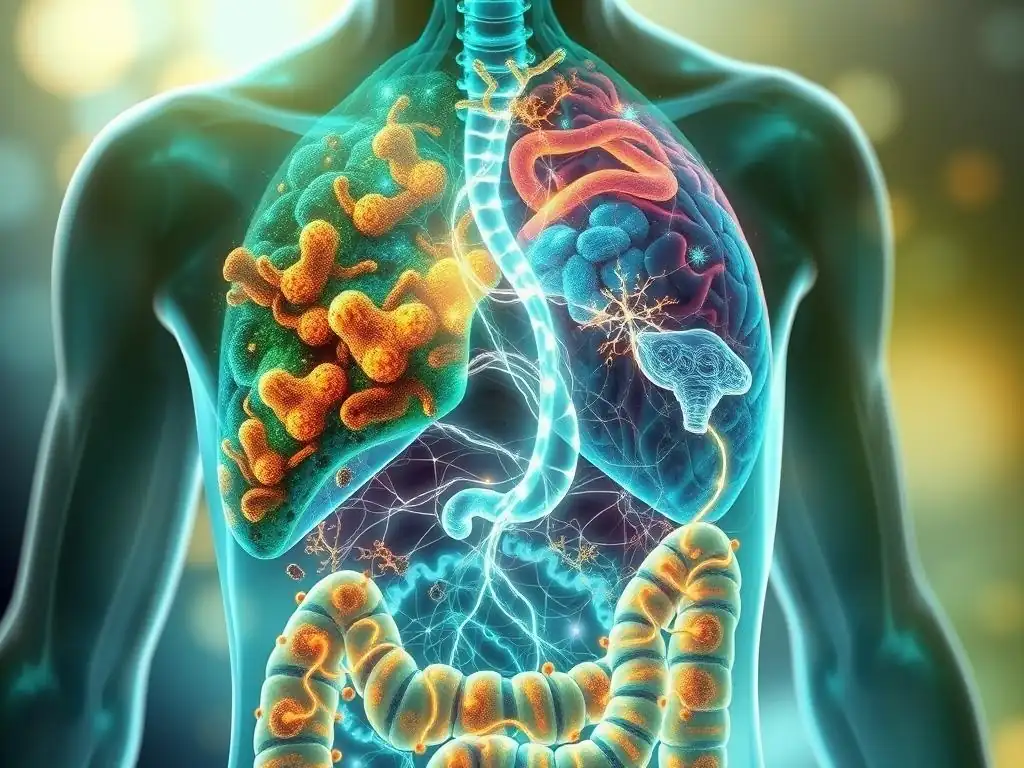
Feeling like your mental well-being could use a boost? You're not alone. We understand that navigating the complexities of mental health can be overwhelming. But what if the key to unlocking a happier, healthier you lies within? Dive into our comprehensive guide and discover the profound connection between gut health and mental wellbeing support. Could nurturing your microbiome be the missing piece in your self-care puzzle? Let's explore this fascinating link together and empower you to take control of your mental well-being, starting from the inside out.
Your Microbiome Matters: Cultivating Gut Health for Optimal Mental Wellbeing
- Understanding the Gut-Brain Connection: The Foundation of Gut Health and Mental Wellbeing
- The Impact of Gut Health on Specific Mental Health Conditions
- Simple Strategies for Improving Gut Health to Support Mental Wellbeing
- Foods to Promote a Healthy Gut Microbiome for Mental Health
- Lifestyle Factors Influencing Gut Health and Mental Wellbeing
- Gut Health Supplements: When and How to Use Them
- Long-Term Strategies for Maintaining Gut Health and Mental Wellbeing
- Gut Health Mental Wellbeing Support: Resources and Further Reading
-
Frequently Asked Questions
- How does gut health directly impact mental wellbeing?
- What are some key strategies for improving gut health to support mental wellbeing?
- Can specific foods or supplements help improve both gut health and mental wellbeing?
- Where can I find resources and support for improving my gut health and mental wellbeing?
- How long does it typically take to see improvements in mental wellbeing after focusing on gut health?
- Final Reflection: The Mind-Gut Connection: A Journey Towards Holistic Wellbeing
- Unlock Your Inner Zen: Nurture Your Gut, Nurture Your Mind
Understanding the Gut-Brain Connection: The Foundation of Gut Health and Mental Wellbeing
The Gut Microbiome: An Overview of Its Role in Mental Health
The human gut is home to trillions of microorganisms, collectively known as the gut microbiome. This complex community, primarily residing in the large intestine, includes bacteria, viruses, fungi, and other microbes. Far from being mere passengers, these tiny inhabitants play a crucial role in numerous bodily functions, extending well beyond digestion. They are instrumental in synthesizing certain vitamins, breaking down complex carbohydrates that the body cannot digest on its own, and training the immune system.
Emerging research highlights the profound influence of the gut microbiome on brain function and mental health. These microbes produce neuroactive compounds, such as serotonin, gamma-aminobutyric acid (GABA), and short-chain fatty acids (SCFAs), which can directly or indirectly signal to the brain. For instance, a significant portion of the body's serotonin, a neurotransmitter vital for mood regulation, is produced in the gut. Disruptions in the balance and diversity of this microbial community, a state known as dysbiosis, have been increasingly associated with various mental health challenges.
The Two-Way Street: How the Gut Influences the Brain and Vice Versa
The communication between the gut and the brain is a sophisticated, bidirectional system often referred to as the gut-brain axis. This axis involves multiple pathways, including the vagus nerve, the immune system, and the endocrine system. The vagus nerve, the longest cranial nerve, acts like a direct information highway, transmitting signals from the gut to the brain and vice versa. Studies involving vagotomy (cutting the vagus nerve) in animal models have shown altered responses to stress and changes in behavior, underscoring its importance in this communication.
Furthermore, gut microbes can influence brain function by modulating inflammation and producing neurochemicals. For example, SCFAs like butyrate, produced by the fermentation of fiber by gut bacteria, are not only a primary energy source for colon cells but also have anti-inflammatory properties and can cross the blood-brain barrier to exert effects on brain function.
Conversely, psychological stress can significantly impact the gut microbiome composition and function, altering motility, increasing intestinal permeability ("leaky gut"), and influencing the types of microbes that thrive. This intricate feedback loop means that promoting gut health can be a vital form of gut health mental wellbeing support.
Inflammation and Mental Health: The Gut's Role in Mood Disorders
Chronic low-grade inflammation is a key factor implicated in the development and exacerbation of various mood disorders, including depression and anxiety. The gut microbiome plays a significant role in regulating systemic inflammation. A healthy, diverse microbiome helps maintain the integrity of the gut barrier, preventing the translocation of bacteria and their products (like lipopolysaccharide or LPS) into the bloodstream, which can trigger an inflammatory response throughout the body, including the brain.
Dysbiosis, on the other hand, can compromise gut barrier function, leading to increased permeability. This allows inflammatory molecules and microbial components to enter circulation, contributing to systemic inflammation. Research has consistently shown elevated inflammatory markers, such as C-reactive protein (CRP) and pro-inflammatory cytokines (e.g., IL-6, TNF-alpha), in individuals with depression. By influencing gut barrier function and the production of both inflammatory and anti-inflammatory compounds, the gut microbiome directly contributes to the inflammatory state that is often intertwined with mental health conditions, highlighting the importance of addressing gut health for mental wellbeing support.
The Impact of Gut Health on Specific Mental Health Conditions
Gut Health and Anxiety: Exploring the Link
Anxiety disorders are among the most common mental health conditions globally, and research increasingly points to a strong link with gut health. Studies have shown that individuals with anxiety often exhibit differences in their gut microbial composition compared to healthy controls. For instance, certain beneficial bacteria, like Lactobacillus and Bifidobacterium species, are sometimes found in lower numbers in anxious individuals. These microbes are known to produce GABA, an inhibitory neurotransmitter that helps reduce neuronal excitability and promote relaxation.
Furthermore, conditions like Irritable Bowel Syndrome (IBS), which affects a significant portion of the population (estimates vary but are often cited around 10-15% globally), frequently co-occur with anxiety. The gut-brain axis is believed to play a central role in this comorbidity. Altered gut motility and visceral hypersensitivity characteristic of IBS can send distress signals to the brain, while anxiety and stress can exacerbate gut symptoms. Targeting the gut microbiome through dietary changes or probiotics has shown promise in some studies for alleviating both gut symptoms and associated anxiety, providing a form of gut health mental wellbeing support.
Gut Health and Depression: Understanding the Connection
The association between gut health and depression is particularly compelling. Depressed individuals often show reduced diversity in their gut microbiome and alterations in the abundance of specific bacterial groups. For example, some studies have noted a decrease in bacteria that produce SCFAs, which are crucial for gut health and have neuroprotective effects. Conversely, an increase in pro-inflammatory bacteria has been observed in some cases of depression.
The mechanisms linking gut dysbiosis to depression are multifaceted. They involve the inflammatory pathways discussed earlier, the production of neurochemicals, and the influence on the hypothalamic-pituitary-adrenal (HPA) axis, the body's main stress response system. Chronic stress and an overactive HPA axis are closely linked to depression.
Gut microbes can modulate the HPA axis through various mechanisms, including influencing cortisol levels. Research, including studies on germ-free animals (lacking a microbiome) and fecal microbiota transplantation in animal models, has demonstrated that the gut microbiome can profoundly impact depressive-like behaviors, reinforcing the potential of gut health interventions as a component of gut health mental wellbeing support.
The Role of the Microbiome in Stress Response and Management
The gut microbiome significantly influences the body's response to stress. A healthy and diverse microbial community can help buffer the physiological and psychological impact of stressors. Beneficial bacteria contribute to a resilient gut barrier and produce calming neurochemicals. They also play a role in regulating the HPA axis, potentially dampening excessive cortisol release in response to stress.
Conversely, stress can negatively impact the gut microbiome, leading to dysbiosis, increased gut permeability, and inflammation. This creates a vicious cycle where stress harms the gut, and the compromised gut then exacerbates the stress response and contributes to negative mood states. This bidirectional relationship underscores why stress management is often a crucial component of strategies aimed at improving gut health for mental wellbeing support. Techniques like mindfulness, meditation, and deep breathing can help regulate the nervous system and, indirectly, support a healthier gut environment.
Gut Health and Cognitive Function: How Your Gut Impacts Brain Performance
Beyond mood disorders, the gut microbiome also appears to influence cognitive functions such as memory, learning, and decision-making. The SCFAs produced by gut bacteria, particularly butyrate, are important for brain health. Butyrate has been shown to support neurogenesis (the creation of new neurons), improve synaptic plasticity (the ability of synapses to strengthen or weaken over time), and protect against neuroinflammation.
Studies in both animals and humans have explored this link. For instance, research has indicated that alterations in the gut microbiome are present in conditions affecting cognition, such as Alzheimer's disease and Parkinson's disease. While the exact causal relationships are still being unravelled, the evidence suggests that maintaining a healthy gut microbiome throughout life could be a protective factor for cognitive health and performance. This connection adds another dimension to the concept of gut health mental wellbeing support, extending it to cognitive resilience.
Simple Strategies for Improving Gut Health to Support Mental Wellbeing

Probiotics for Mental Health: Choosing the Right Strains
Probiotics are live microorganisms that, when administered in adequate amounts, confer a health benefit on the host. For mental health, specific probiotic strains have been researched for their psychobiotic effects – benefits related to mood and cognition. Not all probiotics are created equal; the benefits are strain-specific. For example, certain strains of Lactobacillus helveticus and Bifidobacterium longum have shown promise in studies for reducing anxiety and stress levels.
When considering a probiotic supplement for gut health mental wellbeing support, it is important to look for products that list specific strains (e.g., Lactobacillus rhamnosus GG, Bifidobacterium infantis). Researching the specific benefits associated with those strains is advisable. Dosage is also important, typically measured in Colony Forming Units (CFUs), with effective doses often ranging from billions to tens of billions of CFUs per day. It's essential to remember that individual responses can vary, and consistency is key when taking probiotics.
Prebiotics for Gut Health: Fueling Your Beneficial Bacteria
Prebiotics are non-digestible compounds that selectively stimulate the growth and activity of beneficial bacteria in the gut. Think of them as food for your probiotics and other helpful microbes. By nourishing these beneficial populations, prebiotics help shift the balance of the microbiome towards a healthier state. Common prebiotics include certain types of fiber, such as inulin, fructans, and galacto-oligosaccharides (GOS).
Including prebiotic-rich foods in your diet is a fundamental strategy for improving gut health and supporting mental wellbeing. These compounds pass undigested into the large intestine, where they are fermented by gut bacteria, producing beneficial metabolites like SCFAs. While prebiotic supplements are available, incorporating prebiotic-rich foods is generally recommended as part of a balanced dietary approach to gut health mental wellbeing support.
Dietary Fiber and Gut Health: The Importance of a Balanced Diet
Dietary fiber is a cornerstone of gut health. Found in plant foods like fruits, vegetables, whole grains, legumes, nuts, and seeds, fiber serves multiple functions. Soluble fiber dissolves in water and forms a gel-like substance, which can help regulate blood sugar and cholesterol. Insoluble fiber adds bulk to stool and helps promote regular bowel movements. More importantly for gut health, many types of fiber act as prebiotics, feeding the beneficial bacteria in the colon.
A diet rich in diverse types of fiber encourages a more diverse and robust gut microbiome. Different fibers are fermented by different bacterial species, supporting a wider range of beneficial microbes. Aiming for the recommended daily intake of fiber (approximately 25-30 grams for adults) through a variety of plant foods is one of the most effective ways to cultivate a healthy gut environment. This dietary practice provides essential fuel for gut bacteria, which in turn produce compounds that support both gut integrity and brain function, offering natural gut health mental wellbeing support.
Foods to Promote a Healthy Gut Microbiome for Mental Health
Fermented Foods: Natural Probiotic Powerhouses
Fermented foods are created through a process where microorganisms, typically bacteria or yeasts, convert carbohydrates into alcohol or organic acids. Many traditional fermented foods contain live and active cultures, making them natural sources of probiotics. Examples include:
- Yogurt (look for "live and active cultures" on the label)
- Kefir
- Sauerkraut (uncooked)
- Kimchi (uncooked)
- Kombucha (low sugar varieties)
- Tempeh
- Miso
Regularly incorporating a variety of these foods into your diet can introduce beneficial bacteria into your gut, contributing to a more diverse and resilient microbiome. For instance, consuming yogurt with specific probiotic strains has been linked in some studies to improvements in mood and anxiety symptoms. While the exact number and types of microbes can vary widely between products, fermented foods offer a delicious way to support gut health and potentially enhance mental wellbeing.
Fiber-Rich Foods: Feeding Your Gut's Ecosystem
As previously discussed, dietary fiber is crucial for feeding beneficial gut bacteria. Focusing on a wide array of fiber-rich foods ensures you're providing nourishment for diverse microbial populations. Prioritize:
- Fruits: Apples, bananas, berries, oranges (with pulp)
- Vegetables: Broccoli, Brussels sprouts, carrots, spinach, artichokes, onions, garlic, leeks
- Whole Grains: Oats, barley, quinoa, brown rice, whole wheat bread and pasta
- Legumes: Beans (lentils, chickpeas, black beans), peas
- Nuts and Seeds: Almonds, walnuts, chia seeds, flaxseeds
Including a mix of these foods daily helps ensure you're getting both soluble and insoluble fibers, as well as various types of fermentable fibers that different gut bacteria utilize. For example, onions and garlic are rich in inulin and fructans, which are potent prebiotics that specifically feed Bifidobacteria. Making fiber a central part of your diet is a fundamental strategy for long-term gut health mental wellbeing support.
Foods High in Polyphenols: Antioxidant Support for Gut Health
Polyphenols are a group of plant compounds with antioxidant properties. Found in abundance in colorful fruits, vegetables, tea, coffee, chocolate, and wine, polyphenols are not fully absorbed in the small intestine. Instead, they make their way to the colon, where they are metabolized by gut bacteria. This interaction is symbiotic: gut microbes benefit from the polyphenols, and in turn, they convert polyphenols into compounds that are more easily absorbed and utilized by the body, providing additional health benefits.
Polyphenols can also directly influence the composition of the gut microbiome, often promoting the growth of beneficial bacteria while inhibiting the growth of less desirable ones. Examples of polyphenol-rich foods include:
- Berries (blueberries, raspberries, strawberries)
- Dark chocolate (with high cocoa content)
- Green tea and black tea
- Coffee
- Red wine (in moderation)
- Nuts (walnuts, almonds)
- Vegetables (broccoli, spinach, onions)
Incorporating a variety of these colorful foods into your diet not only provides antioxidants but also supports a healthier gut ecosystem, which can contribute to improved mental wellbeing.
Lifestyle Factors Influencing Gut Health and Mental Wellbeing
Stress Management Techniques for Gut Health
Chronic stress is detrimental to both gut health and mental wellbeing. It can alter gut motility, increase permeability, and negatively impact the composition of the gut microbiome. Therefore, effectively managing stress is a critical component of any comprehensive approach to gut health mental wellbeing support. Implementing regular stress-reducing practices can create a more favorable environment for beneficial gut bacteria.
Effective stress management techniques include:
- Mindfulness and Meditation: Regular practice can reduce cortisol levels and calm the nervous system.
- Deep Breathing Exercises: Simple techniques like diaphragmatic breathing can activate the parasympathetic nervous system, promoting relaxation.
- Yoga and Tai Chi: Gentle movement combined with breathwork can significantly lower stress.
- Spending Time in Nature: Being outdoors has been shown to reduce stress hormones and improve mood.
- Engaging in Hobbies: Activities you enjoy can provide a valuable outlet for stress.
Making time for stress management daily, even for just 10-15 minutes, can have a positive ripple effect on your gut and overall mental state.
The Impact of Sleep on Gut Microbiome and Mood
Sleep is profoundly interconnected with both gut health and mental wellbeing. Poor sleep quality or insufficient sleep can negatively impact the gut microbiome, potentially leading to dysbiosis. Studies have shown that sleep deprivation can alter the diversity and composition of gut bacteria within just a few days. This disruption can, in turn, affect mood and increase susceptibility to stress and anxiety.
Conversely, the gut microbiome can also influence sleep patterns through the production of neurotransmitters and other signaling molecules that affect the sleep-wake cycle. Maintaining consistent, quality sleep (aiming for 7-9 hours per night for most adults) is therefore vital for supporting a healthy gut and stable mood. Prioritizing sleep hygiene – creating a dark, quiet, cool sleep environment, sticking to a regular sleep schedule, and avoiding screens before bed – is an important lifestyle factor for gut health mental wellbeing support.
Exercise and Gut Health: A Positive Feedback Loop
Regular physical activity is another powerful lifestyle factor that benefits both the gut and the brain. Exercise has been shown to increase the diversity and abundance of beneficial gut bacteria, including those that produce SCFAs. This positive effect on the microbiome can lead to reduced inflammation and improved gut barrier function.
Furthermore, exercise is a well-established mood booster, reducing symptoms of anxiety and depression. This benefit is partly mediated by the release of endorphins and improvements in brain structure and function. The link between exercise and gut health creates a positive feedback loop: exercise improves the gut, which supports better mental health, which can make it easier to stay active. Aiming for at least 150 minutes of moderate-intensity aerobic exercise or 75 minutes of vigorous-intensity exercise per week, as recommended by health guidelines, is a beneficial strategy for comprehensive gut health mental wellbeing support.
Gut Health Supplements: When and How to Use Them
Probiotic Supplements: Selecting for Specific Mental Health Benefits
While dietary sources of probiotics and prebiotics are foundational, supplements can be a targeted approach for gut health mental wellbeing support. When choosing a probiotic supplement specifically for mental health, it's crucial to look for products containing strains that have been studied for their psychobiotic effects. Research is ongoing, but certain strains have shown promise in clinical trials.
For example, a study published in Translational Psychiatry in 2019 found that a combination of Lactobacillus helveticus R0052 and Bifidobacterium longum R0175 reduced perceived stress in healthy volunteers. Other research has explored strains like Bifidobacterium infantis 35624 for reducing inflammation and improving mood in individuals with IBS. It is vital to check the supplement label for specific strain names, not just the genus and species (e.g., Lactobacillus acidophilus is broad; Lactobacillus acidophilus NCFM is specific). Dosage (CFUs) and ensuring the product guarantees live cultures through the expiration date are also important considerations.
When to Consider Supplementation: Addressing Specific Deficiencies
Considering gut health supplements might be appropriate when dietary changes alone are insufficient or when specific microbial imbalances or deficiencies are suspected. For instance, after a course of antibiotics, which can significantly deplete beneficial gut bacteria, a broad-spectrum probiotic might be helpful in restoring microbial balance. Individuals with specific digestive issues or diagnosed conditions like IBS might benefit from targeted probiotic or prebiotic supplements based on research into those conditions.
However, supplements should not be viewed as a magic bullet or a replacement for a healthy diet and lifestyle. They are best used to complement these foundational practices. If you have significant digestive symptoms or mental health concerns, identifying the root cause is essential, which may involve testing (e.g., stool analysis) to understand your specific microbial profile. This personalized approach helps in determining if supplementation is necessary and which types might be most beneficial for your gut health mental wellbeing support.
Consulting a Healthcare Professional: Personalized Gut Health Advice
Navigating the world of gut health and supplements can be complex, and what works for one person may not work for another. Therefore, consulting a healthcare professional, such as a doctor, registered dietitian, or a practitioner specializing in functional medicine or gut health, is highly recommended before starting any new supplement regimen. They can help assess your individual needs, potential underlying issues, and recommend the most appropriate strategies, including specific strains or dosages.
A healthcare provider can also help rule out other conditions that might be contributing to your symptoms and ensure that supplements won't interact with any medications you are currently taking. They can provide personalized guidance based on your health history, symptoms, and potentially diagnostic test results. This personalized approach is key to effective gut health mental wellbeing support and ensuring that any interventions are safe and beneficial for you.
Long-Term Strategies for Maintaining Gut Health and Mental Wellbeing
Creating a Sustainable Gut-Friendly Diet
Maintaining gut health for long-term mental wellbeing support requires a sustainable approach to diet rather than short-term fixes. The focus should be on consistently incorporating a wide variety of whole, unprocessed foods rich in fiber, prebiotics, and natural probiotics. This means making fruits, vegetables, whole grains, legumes, nuts, and seeds staples in your daily meals.
Prioritize diversity in your plant food intake. Aiming to eat 30 different types of plant foods per week is a goal suggested by some researchers to promote a diverse gut microbiome. Limit processed foods, added sugars, and artificial sweeteners, which can negatively impact gut bacteria balance. While occasional treats are fine, making nutrient-dense, fiber-rich foods the foundation of your diet is crucial for nurturing a thriving gut ecosystem over the long haul.
Regular Check-ins with Your Mental and Physical Health
The gut-brain connection means that your physical and mental health are intimately linked. Regularly checking in with both aspects of your wellbeing is essential for maintaining balance. Pay attention to how different foods make you feel, both physically (digestive symptoms) and mentally (mood, energy levels). Notice how stress or lack of sleep affects your gut and your mood.
Maintaining open communication with healthcare providers about both your physical and mental health is important. This includes discussing any persistent digestive issues, changes in mood, or stress levels. Regular check-ups allow for proactive management of potential issues before they escalate. This holistic awareness and ongoing monitoring are fundamental components of effective gut health mental wellbeing support.
The Importance of Personalized Nutrition and Lifestyle
Ultimately, the most effective strategy for supporting gut health and mental wellbeing is a personalized one. While general guidelines about diet, exercise, stress management, and sleep are broadly applicable, individual responses can vary significantly based on genetics, lifestyle, environment, and the unique composition of one's microbiome.
What works best for your gut and mind might require some experimentation and fine-tuning. This could involve identifying specific food sensitivities, determining the optimal types and amounts of fiber or fermented foods for your body, or finding the stress management techniques that are most effective for you. Working with a qualified health professional can help you navigate this process and develop a tailored plan for long-term gut health mental wellbeing support that fits your individual needs and circumstances.
Gut Health Mental Wellbeing Support: Resources and Further Reading
Recommended Books, Articles, and Websites
For those seeking to deepen their understanding of the gut-brain connection and find reliable gut health mental wellbeing support, numerous resources are available. Reputable books by scientists and doctors who specialize in the microbiome offer in-depth explanations and practical advice.
- Look for books that cite scientific studies and provide actionable steps.
- Explore websites of established health organizations and research institutions that publish information on gut health and mental health.
Reading peer-reviewed articles (often summarized on accessible health science websites) can also provide insights into the latest research findings on specific strains, foods, or interventions. Focusing on resources that are evidence-based is key.
Organizations Offering Support for Gut Health and Mental Wellbeing
Several organizations are dedicated to providing information and support related to both digestive health and mental wellness. These groups often offer educational materials, support forums, and connections to healthcare professionals.
- Organizations focused on digestive disorders (like IBS or IBD) often have resources that discuss the gut-brain connection and its impact on mood.
- Mental health organizations increasingly recognize the role of physical health, including gut health, and may offer information or refer to relevant resources.
Seeking support from these organizations can provide valuable guidance, connect you with others who share similar experiences, and offer practical tools for managing your health. Engaging with these resources is a proactive step in finding comprehensive gut health mental wellbeing support.
Frequently Asked Questions
How does gut health directly impact mental wellbeing?
The gut and brain are connected via the gut-brain axis. An unhealthy gut can disrupt neurotransmitter production and increase inflammation, potentially leading to anxiety, depression, and other mood disorders.
What are some key strategies for improving gut health to support mental wellbeing?
Focus on a diet rich in fiber-rich foods, probiotics, and prebiotics. Reducing processed foods, sugar, and stress can also significantly improve gut microbiome balance.
Can specific foods or supplements help improve both gut health and mental wellbeing?
Yes, foods like yogurt, kimchi, and sauerkraut contain probiotics that benefit the gut. Fiber-rich foods and prebiotic supplements also support a healthy gut environment.
Where can I find resources and support for improving my gut health and mental wellbeing?
Mind Care Guide offers a comprehensive guide on this topic. Consult with a healthcare professional or a registered dietitian for personalized advice and support.
How long does it typically take to see improvements in mental wellbeing after focusing on gut health?
It varies depending on the individual, but some may notice improvements within a few weeks. Consistency with dietary changes and stress management is crucial for long-term benefits.
Final Reflection: The Mind-Gut Connection: A Journey Towards Holistic Wellbeing
The intricate relationship between our gut microbiome and mental health is no longer a fringe theory; it's a rapidly evolving field with profound implications for our understanding of wellbeing. Ignoring this connection is akin to ignoring half the equation when it comes to achieving optimal mental and physical health. The research is clear: a thriving gut microbiome significantly contributes to a thriving mind.
The impact of this discovery is far-reaching, reshaping our approach to mental health support beyond traditional methods. We are moving away from a solely pharmaceutical approach towards a more holistic understanding that encompasses lifestyle choices, diet, and the cultivation of a healthy gut. The gut is the second brain,
a phrase often used, highlights the undeniable link between the two. This isn't just about treating symptoms; it's about fostering an environment within our bodies that promotes resilience and overall wellbeing. The shift in perspective is empowering, offering individuals a proactive role in their mental health journey.
Now, consider your own gut health. What steps can you take today to nurture this vital ecosystem? Are you incorporating prebiotic and probiotic-rich foods into your diet? Are you managing stress effectively, recognizing its impact on your gut? This isn't about perfection; it's about conscious choices that contribute to a healthier, happier you. Embrace this knowledge, take control of your gut health, and embark on a journey towards a more balanced and resilient mind. Your wellbeing is worth the investment.
Unlock Your Inner Zen: Nurture Your Gut, Nurture Your Mind
Thanks for taking the time to explore the fascinating connection between gut health and mental wellbeing! We hope you gained valuable insights into how nurturing your microbiome can positively impact your mental state. Now, let's put that knowledge into action.
- Prioritize prebiotics and probiotics: Start incorporating more fiber-rich foods and fermented options into your diet this week. This simple change can make a big difference in diversifying your gut bacteria.
- Share your journey: Tell a friend or family member about what you've learned – spreading awareness about gut-brain connection is crucial!
- Dive deeper: Explore MindCareGuide.org for more articles and resources on optimizing your mental and gut health. Discover personalized strategies to enhance your overall wellbeing.
What small step will you take today to improve your gut health and, in turn, support your mental wellness?