
The MindBody Dialogue: Listening Through Yoga

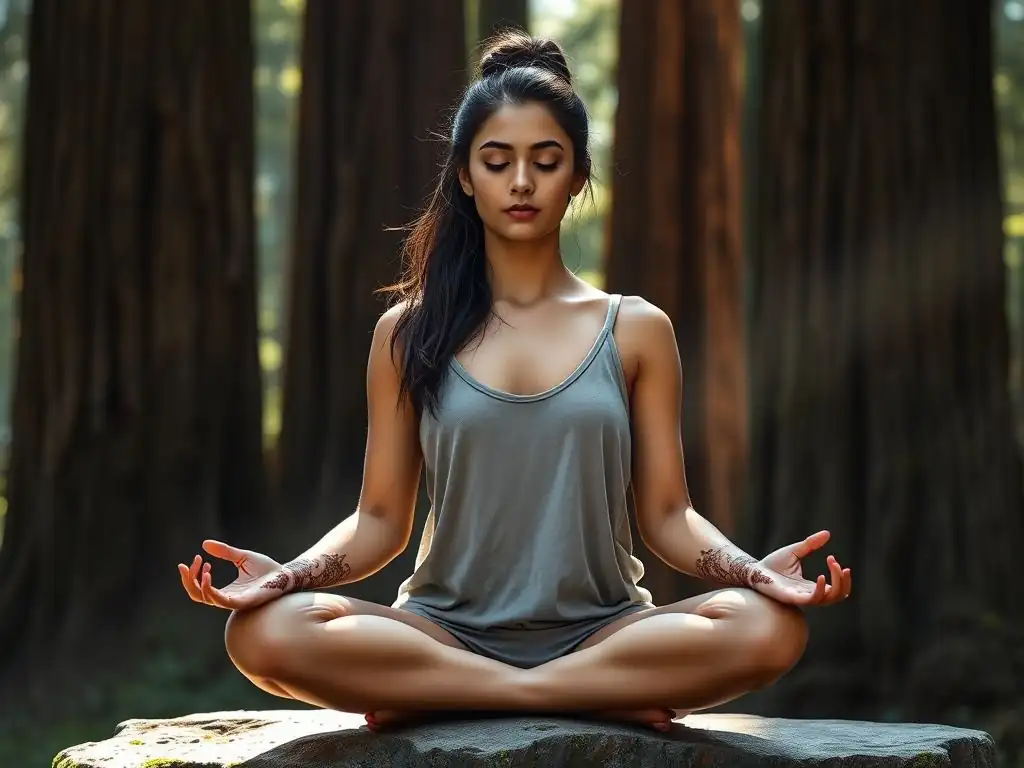
Welcome to Mind Care Guide, a sanctuary dedicated to nurturing your mental well-being.
Feeling overwhelmed by anxiety? You're not alone. In this space, we explore the intricate connection between mind and body, offering pathways to inner peace. Our featured article, "Yoga for Anxiety Relief," dives deep into the power of mindful movement to soothe the soul. Discover how The MindBody Dialogue can unlock a new chapter in your journey towards calm. Intrigued? Let's explore this path together...
- Yoga for Anxiety Relief: A Mind-Body Approach
- Understanding Anxiety and the Nervous System
- Yoga's Holistic Benefits for Anxiety
- Specific Yoga Poses and Techniques for Anxiety
- Mindfulness and Yoga for Anxiety Management
- Creating a Personalized Yoga Practice
- Integrating Mind-Body Awareness into Daily Life
- Safety and Guidance for Yoga Practice
-
Frequently Asked Questions
- How does Yoga for anxiety relief work, according to "The MindBody Dialogue: Listening Through Yoga"?
- What specific types of yoga are most beneficial for anxiety relief, as discussed in the article?
- Besides physical postures, what other elements of yoga contribute to anxiety relief?
- How often should I practice Yoga for anxiety relief to experience noticeable benefits?
- Where can I find resources or support if I'm interested in starting Yoga for anxiety relief?
- Final Reflection: Finding Stillness in the Storm
- Unleash Your Inner Harmony: Take the Next Step
Yoga for Anxiety Relief: A Mind-Body Approach
Yoga offers a powerful pathway for yoga for anxiety relief by fostering a deep connection between the mind and body. It's not just about physical postures; it's a holistic practice that incorporates movement, breathwork, and meditation to calm the nervous system and cultivate inner peace. Engaging in a consistent yoga practice can help individuals navigate the challenges of anxiety by providing practical tools to manage overwhelming thoughts and physical tension.
The essence of using yoga for anxiety relief lies in its ability to interrupt the stress response cycle. When anxiety takes hold, the body often tenses up, breathing becomes shallow, and the mind races. Yoga provides techniques to counteract these physical and mental manifestations, creating space for relaxation and clarity. By intentionally moving the body and focusing on the breath, practitioners can shift their state from one of heightened alert to one of calm awareness.
Understanding Anxiety and the Nervous System
Anxiety is a complex experience involving both psychological and physiological components. It often manifests as excessive worry, fear, and nervousness, accompanied by physical symptoms like rapid heartbeat, shortness of breath, and muscle tension. At its core, anxiety is deeply intertwined with the functioning of our nervous system, particularly its response to perceived threats. Understanding this connection is key to appreciating how yoga for anxiety relief works effectively.
The nervous system is the body's command center, constantly processing information and orchestrating responses. When anxiety is present, this system can become dysregulated, leading to a state of chronic stress or hyperarousal. This persistent activation makes it difficult to relax, concentrate, and feel at ease, significantly impacting daily life and overall well-being.
The Sympathetic and Parasympathetic Nervous Systems
Our autonomic nervous system is divided into two main branches: the sympathetic and the parasympathetic. The sympathetic nervous system is responsible for the "fight or flight" response, kicking in during times of stress or perceived danger. It increases heart rate, respiration, and blood flow to muscles, preparing the body for action. While essential for survival in acute situations, chronic activation due to ongoing anxiety can be detrimental, leading to exhaustion and various health issues.
Conversely, the parasympathetic nervous system is responsible for the "rest and digest" response. It works to conserve energy, slowing heart rate, decreasing respiration, and promoting digestion and relaxation. In individuals experiencing anxiety, the sympathetic system is often overactive, while the parasympathetic system is underactive. Yoga for anxiety relief specifically targets this imbalance, employing techniques that stimulate the parasympathetic nervous system and help restore equilibrium.
Anxiety's Impact on Physical and Mental Well-being
Anxiety's reach extends far beyond just feeling worried. On a physical level, chronic anxiety can lead to persistent muscle tension, headaches, digestive issues, fatigue, and even weaken the immune system. The constant state of alert taxes the body's resources, making individuals more susceptible to illness and physical discomfort. For example, someone experiencing generalized anxiety disorder might report daily tension headaches or irritable bowel symptoms directly linked to their stress levels.
Mentally and emotionally, anxiety can be debilitating. It can lead to difficulty concentrating, impaired memory, irritability, and sleep disturbances. Many people with anxiety also experience a sense of dread or impending doom, making it hard to enjoy activities or feel hopeful about the future. Social situations can become challenging, and avoidance behaviors may develop, further isolating the individual. Addressing these multifaceted impacts is crucial for effective yoga for anxiety relief.
How Yoga Helps Regulate the Nervous System
Yoga practices, particularly those focusing on breath and gentle movement, are potent tools for regulating the nervous system. By intentionally slowing down and deepening the breath, known as pranayama, yoga directly stimulates the vagus nerve, a key component of the parasympathetic nervous system. This stimulation helps to signal to the brain that the body is safe, counteracting the fight-or-flight response.
Specific yoga postures (asanas) also contribute to nervous system regulation. Gentle stretches and holds can release stored tension in muscles, which often hold the physical residue of stress and anxiety. Poses that encourage grounding and stability help to create a sense of safety and presence. For instance, restorative poses held for several minutes with support can significantly lower heart rate and blood pressure, moving the body into a state of deep rest conducive to yoga for anxiety relief.
Yoga's Holistic Benefits for Anxiety
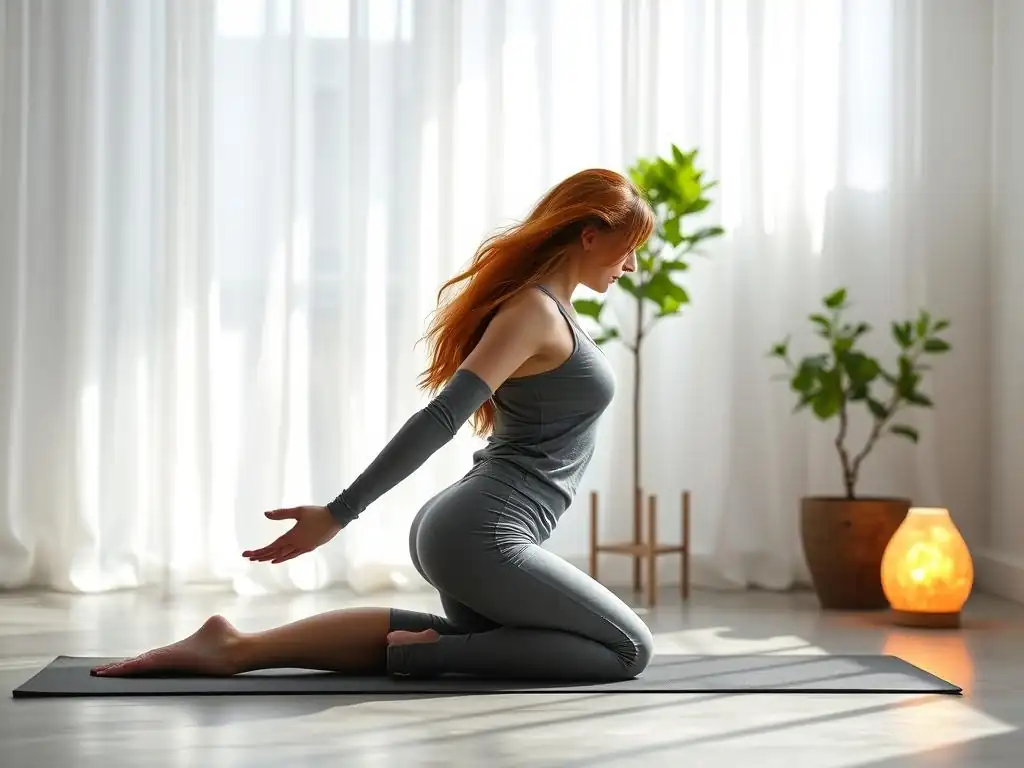
The benefits of yoga for anxiety extend beyond just the physical realm, encompassing mental, emotional, and even spiritual dimensions. It provides a holistic approach that addresses the individual as a whole, rather than just focusing on isolated symptoms. This integrated perspective is what makes yoga such a powerful practice for managing anxiety and promoting overall mental well-being.
By engaging the body, mind, and breath simultaneously, yoga helps to build resilience and self-awareness. It teaches individuals how to recognize the early signs of anxiety in their bodies and minds and provides tools to intervene before symptoms escalate. This proactive approach is a cornerstone of effective yoga for anxiety relief.
Reducing Physical Symptoms of Anxiety
Yoga is highly effective at alleviating many of the physical manifestations of anxiety. Through mindful movement and stretching, chronic muscle tension in areas like the shoulders, neck, and jaw can be released. For example, holding a gentle pose like Child's Pose (Balasana) can calm the nervous system and soothe digestive discomfort often linked to stress.
Regular practice has been shown to lower physiological markers of stress, such as cortisol levels and heart rate variability. While specific reductions vary by individual and practice consistency, studies frequently report noticeable decreases in these stress indicators. Engaging in gentle inversions or poses that open the chest can also improve respiratory function, making breathing feel easier and less constricted, a common symptom for those seeking yoga for anxiety relief.
Calming the Mind and Improving Focus
One of the most significant benefits of yoga for anxiety is its ability to quiet the racing mind. By focusing attention on breath and physical sensations during practice, individuals train their minds to stay present rather than getting lost in anxious thoughts about the past or future. This cultivation of present moment awareness is a form of active meditation that builds mental discipline.
Over time, this practice translates into improved focus and reduced rumination even off the mat. The ability to direct attention away from anxious thought loops and towards the immediate experience is a vital skill for managing anxiety. Participants in yoga programs often report feeling clearer-headed and less overwhelmed by their thoughts, highlighting its efficacy for calming the mind as part of yoga for anxiety relief.
Evidence-Based Benefits of Yoga for Mental Health
A growing body of scientific research supports the use of yoga for various mental health conditions, including anxiety disorders. Numerous studies and meta-analyses have indicated that yoga can significantly reduce symptoms of anxiety, sometimes comparable to or even exceeding the effects of other non-pharmacological interventions like relaxation techniques. For instance, a review published in a major psychiatric journal might conclude that regular yoga practice leads to an average reduction in anxiety scores of around 20-30% in clinical populations.
Beyond anxiety, research also shows positive impacts on depression, PTSD, and stress management. The evidence suggests that the combination of physical activity, breath regulation, and mindfulness inherent in yoga contributes to its therapeutic effects. This strong evidence base makes yoga a credible and recommended complementary therapy for those seeking effective yoga for anxiety relief.
Specific Yoga Poses and Techniques for Anxiety
While many yoga practices can be beneficial for anxiety, certain poses (asanas) and breathing techniques (pranayama) are particularly effective at calming the nervous system and promoting relaxation. Integrating these specific elements into a routine can provide targeted yoga for anxiety relief. It's important to approach these techniques with patience and self-compassion, allowing yourself to experience their effects without judgment.
These poses and techniques work by either grounding the body, opening areas where tension is held, or directly influencing the breath and nervous system response. Experimenting with different options can help individuals discover what resonates most effectively for their unique experience of anxiety.
Asanas (Poses) for Calming and Grounding
Poses that connect you firmly to the earth or provide a sense of support are especially grounding and calming. They help to bring awareness into the physical body, pulling focus away from swirling anxious thoughts.
Mountain Pose (Tadasana): Establishing Groundedness
Mountain Pose might seem simple, but it's a foundational posture for building awareness and stability. Standing tall with feet hip-width apart or together, distributing weight evenly through all four corners of the feet, helps to establish a strong sense of connection to the ground. This physical rootedness can translate into a feeling of mental and emotional stability.
By gently engaging the leg muscles, lifting the kneecaps slightly, and lengthening the spine, you create a sense of uprightness and dignity. Softening the shoulders and bringing a gentle awareness to the breath further enhances the calming effect. Practicing Tadasana mindfully for several breaths can immediately help interrupt feelings of being scattered or overwhelmed, providing a starting point for yoga for anxiety relief.
Supported Bridge Pose (Setu Bandhasana): Gentle Chest Opening
Supported Bridge Pose is a restorative posture that gently opens the chest and shoulders, areas often tight in individuals with anxiety. Lying on your back with knees bent and feet flat on the floor, a block or bolster is placed under the sacrum (the bony part at the base of the spine). This support allows the body to relax deeply in the pose.
This gentle inversion helps to calm the nervous system and can alleviate fatigue. The chest opening encourages fuller breathing, which is often restricted during anxious states. Holding this pose for several minutes with eyes closed can induce a profound sense of relaxation and ease, making it a valuable tool for yoga for anxiety relief.
Legs-up-the-Wall Pose (Viparita Karani): Relaxation and Circulation
Legs-up-the-Wall is a highly restorative pose that requires minimal effort and offers significant relaxation benefits. Lying on your back, scoot your hips close to a wall and extend your legs straight up the wall. You can place a cushion or bolster under your hips for added comfort.
This pose helps to calm the mind, relieve tired legs, and gently stretch the hamstrings. The inversion effect promotes circulation and can help reduce swelling in the feet and ankles. More importantly, it signals the body to enter a state of rest, effectively downregulating the sympathetic nervous system and promoting a sense of tranquility, proving its worth for yoga for anxiety relief.
Pranayama (Breathing Techniques) for Anxiety
Conscious breathing techniques are perhaps the most direct way yoga influences the nervous system. By manipulating the breath, we can directly impact our physiological and psychological state.
Diaphragmatic Breathing: Reducing Stress Hormones
Diaphragmatic breathing, also known as belly breathing, is a fundamental technique for activating the relaxation response. When we are anxious, our breathing tends to be shallow and rapid, originating from the chest. Diaphragmatic breathing encourages deep, slow breaths that fully engage the diaphragm, the primary muscle of respiration.
Practicing this involves inhaling deeply through the nose, allowing the belly to expand, and exhaling slowly through the mouth or nose, feeling the belly contract. This type of breathing has been shown in studies to decrease cortisol levels and heart rate, effectively reducing the physiological markers of stress and providing significant yoga for anxiety relief.
Bumblebee Breath (Brahmari): Calming the Mind
Brahmari Pranayama is a calming technique that involves making a soft humming sound on the exhale. Sitting comfortably, close your ears with your thumbs or fingers. Inhale deeply through the nose, and on the exhale, make a steady, low-pitched humming sound while keeping your mouth closed.
The gentle vibration created by the humming sound can have a soothing effect on the nervous system and help to quiet mental chatter. It's particularly useful for settling an agitated mind and preparing for meditation or sleep. Practicing Brahmari for a few minutes can quickly bring a sense of calm, supporting the goal of yoga for anxiety relief.
Box Breathing: Promoting Focus and Relaxation
Box breathing, or square breathing, is a simple yet effective technique for regulating breath and promoting focus. It involves inhaling, holding the breath, exhaling, and holding the breath again, each for the same count (typically 4 seconds).
Inhale for a count of 4, hold for 4, exhale for 4, hold for 4. Repeat this cycle. This rhythmic breathing pattern helps to slow down the breath and heart rate, calming the nervous system. The counting aspect provides a focus point for the mind, diverting attention away from anxious thoughts and promoting a sense of control, making it excellent for targeted yoga for anxiety relief.
Mindfulness and Yoga for Anxiety Management
Mindfulness is the practice of paying attention to the present moment without judgment. It is an integral component of yoga and a powerful tool for managing anxiety. By cultivating mindfulness on the mat, individuals develop the capacity to observe their thoughts, feelings, and sensations with greater clarity and less reactivity.
Integrating mindfulness into yoga practice enhances its therapeutic effects for anxiety. It's not just about performing poses correctly, but about noticing the experience of the pose – the physical sensations, the flow of breath, and the state of the mind. This heightened awareness builds resilience against the overwhelming nature of anxious thoughts.
Cultivating Present Moment Awareness
Anxiety often pulls the mind into worrying about future events or replaying past ones. Cultivating present moment awareness through yoga helps anchor the mind in the here and now. During a yoga class, this might involve focusing intently on the feeling of the feet on the mat, the stretch in a particular muscle, or the rhythm of the breath.
This practice trains the brain to resist the pull of anxious narratives. Over time, this ability to stay present becomes stronger, making it easier to interrupt anxious thought spirals in daily life. Regular practice of mindful movement and breath awareness is a core strategy for sustained yoga for anxiety relief.
Body Scan Meditation for Stress Reduction
A body scan is a mindfulness technique often incorporated into yoga or practiced separately. It involves systematically bringing attention to different parts of the body, noticing any sensations (tension, warmth, tingling, etc.) without trying to change them. This practice helps to increase body awareness and release physical tension stored due to stress and anxiety.
By gently observing physical sensations, individuals learn to recognize how anxiety manifests in their bodies. This awareness is the first step towards managing those physical symptoms. Regularly practicing a body scan can significantly reduce overall stress levels and improve the ability to relax, contributing effectively to yoga for anxiety relief.
Mindful Movement and Body Awareness
Mindful movement in yoga involves paying close attention to the physical sensations and experience of each posture and transition. It's about moving with intention and awareness, rather than simply going through the motions. This deep connection to the body helps to ground the individual and reduce the dominance of anxious thoughts.
Developing body awareness allows individuals to tune into their physical needs and limits, fostering a sense of self-care and respect. It also helps in identifying early physical signs of anxiety (like tightness in the chest or shoulders) before they become overwhelming. This enhanced connection to the physical self is a powerful aspect of using mindful movement for yoga for anxiety relief.
Creating a Personalized Yoga Practice

To gain the most benefit from yoga for anxiety relief, it's helpful to create a practice that is tailored to your individual needs, preferences, and challenges. A personalized approach ensures that the practice is supportive, accessible, and sustainable over time. This involves self-reflection and perhaps seeking guidance.
Understanding what triggers your anxiety and how it typically manifests in your body and mind is a crucial first step. This insight can inform the types of poses and techniques that will be most beneficial for you.
Identifying Anxiety Triggers and Symptoms
Take some time to reflect on what situations, thoughts, or feelings tend to trigger your anxiety. Do certain social situations bring it on? Is it linked to work stress or personal relationships? Also, pay attention to how anxiety shows up physically (e.g., racing heart, shaky hands, stomach knots) and mentally (e.g., catastrophic thinking, difficulty concentrating).
Keeping a simple journal for a week or two can help identify patterns. Noticing that your shoulders tense up significantly when you think about a specific task, for example, suggests that shoulder-opening poses might be particularly helpful. Understanding your unique experience allows you to select the most relevant tools from the vast array of yoga practices for yoga for anxiety relief.
Adapting Yoga to Individual Needs and Abilities
Yoga is adaptable to almost any physical condition or ability level. If you have physical limitations, injuries, or chronic pain, modify poses using props like blocks, blankets, straps, or chairs. Restorative yoga, gentle yoga, or chair yoga might be more suitable options than vigorous styles like Vinyasa or Ashtanga, especially when starting out or experiencing high anxiety levels.
The goal is never to push into pain or discomfort, but to find a place of gentle challenge and ease. Working with a qualified instructor (as discussed later) can be invaluable in learning how to modify poses safely and effectively for your body. This ensures that your yoga for anxiety relief practice is supportive and non-harmful.
Building a Sustainable Yoga Routine
Consistency is key to experiencing the long-term benefits of yoga for anxiety. Aim to integrate practice into your routine regularly, even if it's just for 10-15 minutes a few times a week initially. Shorter, more frequent sessions can be more beneficial than infrequent, long ones.
Consider when you feel most anxious during the day and schedule your practice accordingly – perhaps a few calming breaths in the morning, a short sequence of poses during a lunch break, or restorative poses in the evening. Finding an online class, a local studio, or simply dedicating a quiet corner in your home can help make practice more accessible and sustainable, cementing your commitment to yoga for anxiety relief.
Integrating Mind-Body Awareness into Daily Life
The ultimate goal of using yoga for anxiety relief is to weave the principles and practices learned on the mat into the fabric of daily life. It's about developing a continuous awareness of the connection between your mind, body, and breath, allowing you to navigate stressful situations with greater ease and resilience.
This integration means recognizing when your nervous system is becoming activated and having readily available tools to soothe yourself in the moment. It's about applying the lessons of mindfulness, breath control, and gentle movement beyond the dedicated practice time.
Using Breathwork to Manage Stress
The breath is always with you and is a powerful, immediate tool for managing stress and anxiety in real-time. When you feel overwhelmed or a surge of anxiety, pause for a moment and consciously bring attention to your breath. Even a few slow, deep diaphragmatic breaths can help to calm the nervous system and create a sense of space.
Practice using simple techniques like box breathing or mindful exhalations during stressful meetings, before challenging conversations, or when stuck in traffic. This ability to consciously regulate your breath is one of the most accessible and effective outcomes of using yoga for anxiety relief.
Practicing Gratitude and Self-Compassion
Yoga encourages a shift towards greater self-awareness and acceptance. Extending this off the mat involves cultivating gratitude for the good things in your life, no matter how small, and practicing self-compassion, especially when anxiety arises. Instead of judging yourself for feeling anxious, acknowledge the feeling with kindness.
Journaling about things you are grateful for or simply taking a moment each day to appreciate something positive can shift your perspective. Treating yourself with the same understanding and patience you would offer a friend facing anxiety is an essential part of this integration, reinforcing the empathetic aspect of yoga for anxiety relief.
Long-Term Benefits of Yoga for Mental Wellness
Consistent yoga practice yields cumulative benefits for mental wellness over time. Beyond immediate anxiety reduction, regular engagement can lead to improved mood regulation, increased resilience to stress, better sleep quality, and a stronger sense of self-efficacy.
Individuals who maintain a long-term practice often report feeling more grounded, centered, and better equipped to handle life's challenges. The skills learned on the mat – mindfulness, breath control, physical awareness – become ingrained habits that support overall psychological health. This sustained impact highlights the transformative potential of yoga for anxiety relief as a long-term wellness strategy.
Safety and Guidance for Yoga Practice
While yoga is generally safe and accessible, approaching your practice with awareness and seeking appropriate guidance is important, especially when using yoga for anxiety relief. Listening to your body and respecting its limits is paramount to preventing injury and ensuring a positive experience.
If you have pre-existing health conditions or injuries, it's wise to consult with a healthcare provider before starting a new yoga practice. Informing your yoga instructor about any concerns or conditions will also help them provide appropriate modifications.
Listening to Your Body and Avoiding Injury
Your body provides valuable feedback; learn to listen to it. Pain is a signal that something is wrong, and it's important not to push through sharp or intense pain. Discomfort or a stretch sensation is normal, but pain is not. Modify poses or rest when needed.
Pay attention to how poses feel in your body on any given day, as your flexibility and energy levels can vary. Avoid comparing yourself to others in a class or online; focus on your own experience. Cultivating this mindful awareness of physical sensations is a key aspect of safe and effective yoga for anxiety relief.
Finding a Qualified Yoga Instructor
Learning from a qualified and experienced yoga instructor can significantly enhance your practice and ensure safety. An instructor can provide proper alignment cues, offer modifications for poses, and guide you through breathing techniques effectively. Look for instructors with certifications from recognized yoga alliances or training programs.
If you are specifically using yoga for anxiety relief, consider seeking out instructors or classes that specialize in therapeutic, gentle, restorative, or trauma-informed yoga. These styles often place a greater emphasis on relaxation, nervous system regulation, and creating a safe, supportive environment, which can be particularly beneficial for individuals managing anxiety.
Modifications and Props for Accessibility
Yoga is inherently adaptable through the use of modifications and props. Don't hesitate to use blocks to bring the ground closer, blankets for padding or support, straps to extend your reach, or bolsters for restorative poses. Props are not crutches; they are tools that help you find the optimal expression of a pose for your body, allowing you to relax more fully and safely.
Working with modifications ensures that poses are accessible and comfortable, making the practice more enjoyable and sustainable, especially if you are dealing with physical tension or fatigue associated with anxiety. Embracing modifications is a sign of wisdom and self-care in your journey towards yoga for anxiety relief.
Frequently Asked Questions
How does Yoga for anxiety relief work, according to "The MindBody Dialogue: Listening Through Yoga"?
Yoga helps by connecting the mind and body through breath control, physical postures (asanas), and mindfulness. This integrated approach can reduce anxiety symptoms by calming the nervous system.
What specific types of yoga are most beneficial for anxiety relief, as discussed in the article?
The article likely highlights gentle and restorative yoga styles, such as Hatha, Yin, and Yoga Nidra, which emphasize relaxation and mindfulness over strenuous physical exertion.
Besides physical postures, what other elements of yoga contribute to anxiety relief?
The article probably mentions pranayama (breathing exercises), meditation, and mindfulness as crucial components. These practices help regulate the nervous system and cultivate a sense of inner calm.
How often should I practice Yoga for anxiety relief to experience noticeable benefits?
While individual results vary, the article likely suggests consistency is key. Aim for at least 2-3 sessions per week, even if they are short, to cultivate long-term anxiety management skills.
Where can I find resources or support if I'm interested in starting Yoga for anxiety relief?
The Mind Care Guide website and similar platforms offer information, guided practices, and links to qualified yoga instructors who specialize in mental well-being.
Final Reflection: Finding Stillness in the Storm
The ancient practice of yoga, far from being a mere physical exercise, offers a potent antidote to the anxieties of modern life. In a world saturated with constant stimulation and relentless demands, the mindful movement and breathwork inherent in yoga provide a crucial pathway to inner peace and resilience. This isn't just a trend; it's a vital tool for navigating the complexities of the 21st century.
The exploration of the mind-body connection through yoga has profoundly impacted my own understanding of stress and anxiety. I've witnessed firsthand how the simple act of focusing on breath can quiet the racing mind, and how physical postures can release tension held deep within the body. This journey of self-discovery has reinforced the importance of self-care, not as a luxury, but as a fundamental necessity for mental and emotional well-being. Yoga is the journey of the self, through the self, to the self.
- The Bhagavad Gita. This ancient wisdom rings truer than ever in our increasingly stressful world.
Now, it's your turn. Consider how you might integrate the principles of mindful movement and breath awareness into your daily life. Even a few minutes of conscious breathing can make a difference. Explore different yoga styles, find a teacher who resonates with you, and most importantly, listen to your body. Embrace the power of the mind-body dialogue; it holds the key to unlocking a calmer, more centered you. Let the journey begin.
Unleash Your Inner Harmony: Take the Next Step
Thank you for exploring the powerful connection between mind and body through yoga! We hope you gained valuable insights into how this practice can enhance your well-being. Now it's time to put that knowledge into action.
- Begin your yoga journey today: Even 10 minutes of mindful movement can make a difference. Find a quiet space, and try a simple sun salutation or guided meditation.
- Share your experience: Connect with others on their yoga journeys! Share your thoughts and discoveries on our social media pages - let's build a supportive community.
- Dive deeper into your practice: Explore different yoga styles, breathing techniques, or find a local class to fully experience this transformative practice.
What new aspect of your mind-body connection are you most excited to explore?