
Mindfulness on the Mat: Deepen Your Mental Wellness with Yoga

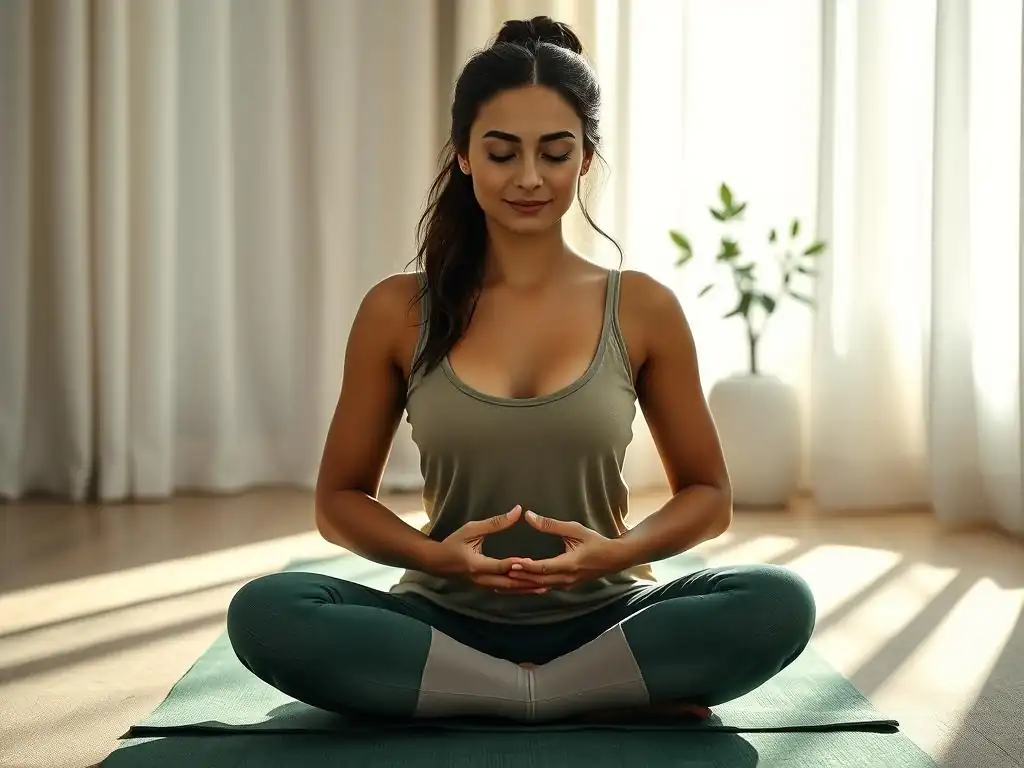
Welcome to Mind Care Guide, a sanctuary for your mental well-being.
Are you searching for a gentle path to navigate the anxieties that life throws your way? Perhaps the answer lies deeper than you think...on your yoga mat. This week, we delve into the transformative power of yoga for anxiety relief, exploring how mindful movement and breath can unlock a sense of calm you never thought possible. Curious to learn how to cultivate inner peace, one pose at a time? Let's begin.
Mindfulness on the Mat: Deepen Your Mental Wellness with Yoga
- Yoga for Anxiety Relief: Finding Calm Through Movement and Breath
- The Science Behind Yoga's Anxiety-Reducing Effects
- Yoga Poses for Anxiety Relief: A Practical Guide
- Integrating Mindfulness into Your Yoga Practice for Enhanced Anxiety Relief
- Creating a Home Yoga Practice for Anxiety Management
- Overcoming Challenges and Staying Motivated with Yoga for Anxiety
- Beyond the Mat: Integrating Mindfulness into Daily Life for Sustained Anxiety Relief
- Conclusion: Embracing Yoga and Mindfulness for Lasting Anxiety Relief.
- Frequently Asked Questions
- Final Reflection: Finding Stillness in a Restless World
- Unroll Your Mat and Unwind Your Mind
Yoga for Anxiety Relief: Finding Calm Through Movement and Breath
Understanding the Connection: Yoga, Mindfulness, and Mental Health
Yoga, an ancient practice originating in India, offers far more than physical exercise; it's a holistic system that integrates mind, body, and spirit. For individuals navigating anxiety, understanding this profound connection is crucial. Anxiety often manifests not just as racing thoughts but also as physical tension, shallow breathing, and restlessness. Yoga addresses these interconnected symptoms by encouraging a conscious union of movement, breath, and present-moment awareness – the core of mindfulness. This practice helps individuals become more attuned to their internal state without judgment, fostering a sense of acceptance and reducing the reactive patterns often triggered by anxious feelings.
The regular practice of yoga specifically designed for anxiety relief can help rewire the brain's response to stress. While anxiety activates the sympathetic nervous system (the "fight or flight" response), yoga promotes the parasympathetic nervous system's activity (the "rest and digest" state). By consciously slowing down, focusing on breath, and moving the body deliberately, practitioners learn to interrupt the anxiety cycle.
This learned ability to shift physiological states on demand is a powerful tool for managing anxious episodes, offering a tangible way to find calm even amidst internal turbulence. It's not about eliminating anxiety entirely, but about building resilience and developing healthier coping mechanisms.
Exploring the Benefits of Yoga for Anxiety Reduction
Engaging in yoga for anxiety relief provides a multitude of benefits that extend beyond the physical postures. One of the most immediate advantages is the reduction of muscle tension. Anxiety often causes chronic clenching in areas like the shoulders, neck, and jaw; yoga poses and stretches help release this stored physical stress, leading to a palpable sense of ease. Furthermore, the emphasis on deep, controlled breathing (pranayama) techniques directly calms the nervous system, slowing the heart rate and promoting relaxation, counteracting the rapid, shallow breathing typical of anxiety.
Beyond the physical, the mental benefits are profound. Yoga cultivates mindfulness, teaching practitioners to observe their thoughts and feelings without getting swept away by them. This detachment allows for a greater perspective on anxious thoughts, reducing their intensity and frequency over time.
Regular practice can also improve sleep quality, which is often severely disrupted by anxiety, and boost self-compassion. By engaging in a gentle, non-judgmental practice, individuals learn to be kinder to themselves, counteracting the self-critical thoughts often associated with anxiety. Research generally supports these observations, indicating that consistent yoga practice can lead to significant reductions in reported anxiety levels after several weeks.
The Science Behind Yoga's Anxiety-Reducing Effects
How Yoga Impacts the Nervous System: Reducing Stress Responses
Yoga's effectiveness in providing yoga for anxiety relief is deeply rooted in its physiological impact, particularly on the autonomic nervous system (ANS). The ANS controls involuntary bodily functions like heart rate, breathing, and digestion, and is comprised of the sympathetic (stress response) and parasympathetic (relaxation response) branches. Chronic anxiety is often linked to an overactive sympathetic nervous system. Yoga, through mindful movement, breath control, and relaxation, actively stimulates the vagus nerve, a key component of the parasympathetic nervous system.
This stimulation promotes a shift from the high-alert state of "fight or flight" to a calmer state of "rest and digest." Studies using physiological markers have shown that regular yoga practice can lead to a lower resting heart rate, reduced blood pressure, and decreased levels of stress hormones like cortisol. For example, elevated cortisol levels are often found in individuals with chronic anxiety.
By helping to regulate the hypothalamic-pituitary-adrenal (HPA) axis, which controls the stress response, yoga assists the body in returning to a balanced state, reducing the physiological underpinnings of anxiety. This biological shift provides a foundation for improved emotional regulation and mental well-being.
The Role of Mindfulness in Enhancing Yoga's Therapeutic Benefits
Mindfulness, the practice of paying attention to the present moment without judgment, is intrinsically woven into yoga and is a critical factor in its success for yoga for anxiety relief. While the physical postures condition the body, mindfulness trains the mind. During a yoga practice, mindfulness is cultivated by focusing on the sensations in the body, the rhythm of the breath, and the flow of movement. This deliberate focus anchors the mind in the present, pulling it away from worry about the future or rumination about the past, which are hallmarks of anxiety.
By practicing mindfulness on the mat, individuals develop the skill to observe anxious thoughts and feelings as temporary mental events rather than absolute truths. This creates psychological distance, preventing individuals from becoming overwhelmed or identified with their anxiety. This skill is portable and can be applied off the mat in daily life. Over time, this practice can lessen the reactivity to triggers that typically escalate anxiety, fostering a sense of calm and control. The combination of mindful awareness with physical movement and breathwork amplifies the therapeutic effects, making yoga a powerful tool for managing anxiety.
Yoga and Neurotransmitters: Boosting Mood and Well-being
Beyond its effects on the nervous and endocrine systems, yoga practice influences the brain's chemistry, specifically impacting neurotransmitters associated with mood and well-being. Engaging in yoga for anxiety relief can lead to increased levels of gamma-aminobutyric acid (GABA), a neurotransmitter that acts as the brain's primary inhibitory chemical. Low levels of GABA are often associated with anxiety and mood disorders. By boosting GABA levels, yoga can help to calm nerve activity in the brain, reducing feelings of worry and fear.
Furthermore, physical activity, including yoga, is known to stimulate the release of endorphins, often referred to as "feel-good" chemicals. These natural mood elevators can reduce pain perception and induce a sense of euphoria or well-being, helping to counteract the negative emotional states associated with anxiety. While direct measurement of these changes in a typical yoga class isn't feasible, the subjective reports of reduced anxiety and improved mood by regular practitioners align with the understanding of these neurochemical effects. Consistent yoga practice contributes to a more balanced and positive internal state, building resilience against anxious feelings.
Yoga Poses for Anxiety Relief: A Practical Guide
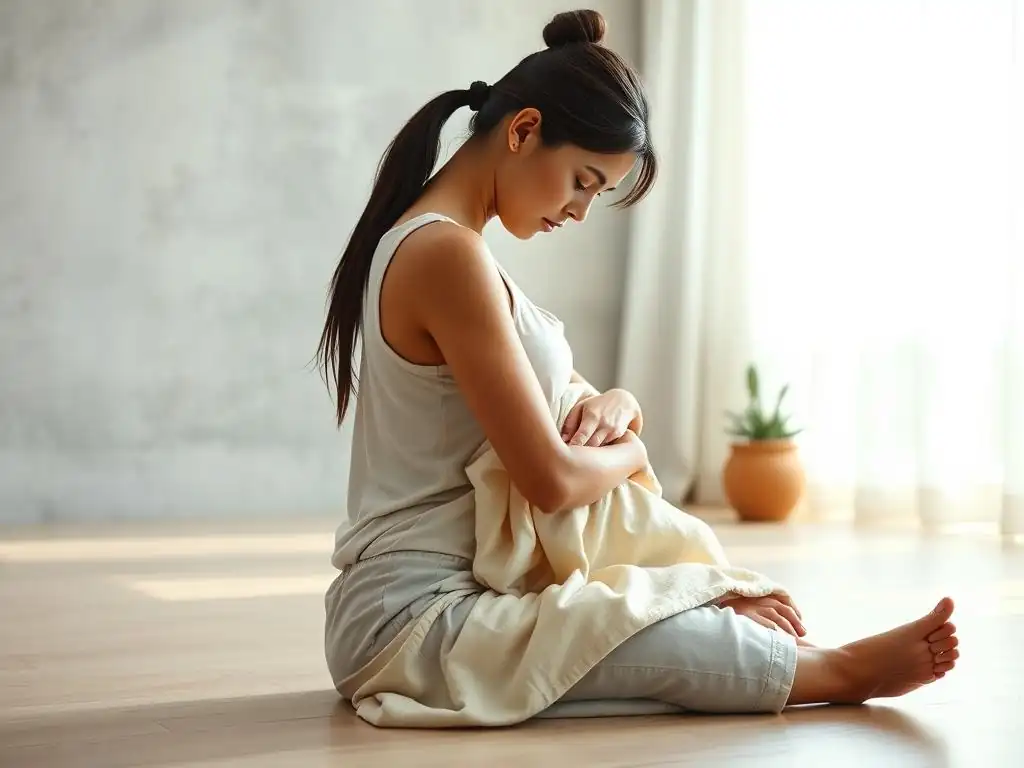
Beginner-Friendly Yoga Poses for Calming Anxiety
Starting a yoga practice for anxiety relief doesn't require complex postures. Simple, accessible poses can be incredibly effective at grounding the body and calming the mind, making them ideal for beginners or during moments of heightened anxiety. The focus in these poses is on breath and allowing the body to find stillness or gentle release.
-
Child’s Pose (Balasana): Grounding and Relaxing
Kneel on the floor, bringing your big toes together and widening your knees to the width of your mat or wider. Rest your torso between your thighs and extend your arms forward or back alongside your body, resting your forehead on the mat. This pose is a natural invitation to turn inward, offering a sense of safety and grounding.
The gentle compression on the front of the body and stretch in the back can be deeply soothing, encouraging the nervous system to downregulate. Holding this pose for several minutes while focusing on the breath can significantly reduce feelings of overwhelm.
-
Corpse Pose (Savasana): Deep Relaxation and Stress Reduction
Lie flat on your back with your arms resting alongside your body, palms facing up, and your legs extended, feet falling open naturally. This pose, often practiced at the end of a yoga session, is deceptively simple but profoundly beneficial for anxiety. It requires conscious effort to release all physical tension and allow the mind to settle. Savasana provides an opportunity for the body to absorb the benefits of the practice and enter a deep state of relaxation, counteracting the physical and mental agitation of anxiety. Even a few minutes of conscious rest here can be restorative.
-
Mountain Pose (Tadasana): Cultivating Stability and Presence
Stand with your feet together or hip-width apart, grounding down evenly through all four corners of your feet. Lengthen your spine, draw your shoulders down and back, and let your arms rest alongside your body. Tadasana is a foundational standing pose that cultivates a sense of stability, presence, and alignment. By focusing on rooting down through the feet and lengthening up through the crown of the head, you create a feeling of centeredness. This simple act of standing tall and present can be empowering and help reduce feelings of unsteadiness or dissociation often linked to anxiety.
Intermediate Yoga Poses for Managing Anxiety
As comfort and familiarity with basic poses grow, incorporating slightly more challenging postures can further enhance the benefits of yoga for anxiety relief. These poses often involve gentle twists, standing balances, or mild inversions, which can help release tension, improve focus, and build confidence.
-
Forward Fold (Uttanasana): Releasing Tension and Calming the Mind
From a standing position, exhale and hinge forward from your hips, letting your torso hang heavy towards your legs. You can keep a generous bend in your knees, especially if your hamstrings are tight. Allowing the head to hang below the heart can have a calming effect on the nervous system. This pose helps to stretch the hamstrings and spine, releasing physical tension often held in the back and legs. The inversion effect, even a mild one, can slow the heart rate and quiet the mind, offering a sense of release from anxious thoughts.
-
Warrior II (Virabhadrasana II): Building Strength and Focus
Step one foot back, turning the back foot parallel to the short edge of the mat. Bend the front knee to a 90-degree angle, aligning it over the ankle. Extend your arms out to the sides at shoulder height, gazing over the front fingertips. Warrior II is a grounding and strengthening pose that requires focus and stability. Holding a strong stance can build a sense of empowerment and steadiness, counteracting feelings of helplessness or instability associated with anxiety. The focus required to maintain alignment also draws the mind into the present moment.
-
Triangle Pose (Trikonasana): Promoting Balance and Stability
From Warrior II, straighten the front leg and hinge your torso forward over the front leg, reaching the front hand down towards the shin, ankle, or floor, and extending the top arm towards the sky. This pose opens the chest and hips while requiring balance and concentration. The expansive nature of Triangle Pose can help alleviate the feeling of being constricted or "closed off" that anxiety can cause. It promotes a sense of openness and stability, both physically and mentally, fostering balance.
Advanced Yoga Poses for Anxiety: Proceed with Caution and Guidance
Advanced postures, particularly inversions, can be deeply calming and beneficial for the nervous system, but they require proper instruction, preparation, and awareness of individual limitations. They are not recommended for beginners and should only be attempted under the guidance of an experienced teacher, especially if dealing with significant anxiety or other health conditions.
-
Headstand (Sirsasana): Benefits and Precautions
Often called the "king of poses," Headstand involves balancing the body vertically on the forearms and crown of the head. The benefits for anxiety can include increased blood flow to the brain, which may help improve focus and clarity, and a shift in perspective that can be grounding. Precautions: This pose is contraindicated for individuals with neck injuries, high blood pressure, heart conditions, or during menstruation or pregnancy. Incorrect alignment can cause serious injury. Always practice under expert supervision.
-
Shoulderstand (Sarvangasana): Benefits and Precautions
In Shoulderstand, the body is supported on the shoulders, with the legs extended upwards. This inversion is often considered deeply calming and restorative. It can help regulate the thyroid and parathyroid glands and is believed to stimulate the parasympathetic nervous system, reducing stress and anxiety. Precautions: Similar to Headstand, avoid this pose with neck injuries, high blood pressure, or during menstruation/pregnancy. It puts significant pressure on the neck and requires careful entry and exit. Seek qualified instruction.
Integrating Mindfulness into Your Yoga Practice for Enhanced Anxiety Relief
Cultivating Awareness of Breath: Pranayama Techniques for Anxiety
Breath is the bridge between the mind and body, and conscious breathwork (pranayama) is a cornerstone of yoga for anxiety relief. Learning to regulate the breath can directly impact the nervous system, offering an immediate tool to manage anxious feelings.
-
Ujjayi Breath (Victorious Breath): Calming and Centering
Ujjayi breath is performed by slightly constricting the back of the throat, creating a soft, oceanic sound as you inhale and exhale through the nose. This technique lengthens and deepens the breath, making it more controlled and rhythmic. The audible sound helps focus the mind, drawing attention away from anxious thoughts and anchoring it in the present moment. Practicing Ujjayi breath can be done during postures or while seated, providing a continuous thread of mindfulness and calm throughout the practice.
The steady, even rhythm of Ujjayi breath signals to the nervous system that you are safe, counteracting the shallow, erratic breathing typical of anxiety. This controlled respiration increases oxygen efficiency and promotes relaxation. Many practitioners find the gentle sound itself to be soothing, creating a meditative quality that deepens the therapeutic benefits of yoga for anxiety. Incorporating Ujjayi breath consistently can build respiratory resilience, making it easier to maintain calm during stressful situations off the mat.
-
Nadi Shodhana (Alternate Nostril Breathing): Balancing and Reducing Stress
Nadi Shodhana is a seated pranayama technique that involves inhaling and exhaling through one nostril at a time, alternating between them. This practice is believed to balance the left and right hemispheres of the brain and harmonize the body's energy channels (nadis). It is particularly effective at calming the mind, reducing stress, and alleviating anxiety.
The slow, deliberate nature of Nadi Shodhana requires concentration, helping to quiet mental chatter. It promotes a sense of equilibrium and tranquility. By focusing solely on the breath flowing through the nostrils, practitioners can detach from anxious loops of thought. Regular practice of Nadi Shodhana, even for 5-10 minutes daily, can significantly impact overall stress levels and improve emotional regulation, offering a powerful technique for finding inner peace.
Body Scan Meditation During Yoga: Connecting with Physical Sensations
Integrating a body scan meditation into your yoga practice enhances its mindfulness component, making it even more effective for yoga for anxiety relief. A body scan involves systematically bringing awareness to different parts of the body, noticing physical sensations without judgment.
Beginning or ending your practice with a few minutes of body scanning helps ground you in the physical reality of your body. Anxiety often pulls the mind into abstract worries; a body scan brings you back to tangible sensations. This can be done while lying in Savasana or seated. Start by noticing the contact of your body with the mat or floor, then gently bring your awareness to your toes, moving up through the feet, ankles, legs, torso, arms, neck, and head.
This practice cultivates interoceptive awareness – the ability to sense internal bodily states. Individuals with anxiety sometimes have difficulty accurately perceiving their physical sensations, leading to heightened fear responses. By practicing body scans, you become more familiar with how anxiety manifests physically (e.g., tightness in the chest, butterflies in the stomach) in a non-reactive way. This familiarity reduces the fear of these sensations, making them less overwhelming when they arise, thereby enhancing the benefits of yoga for anxiety management.
Mindful Movement: Paying Attention to Each Transition and Pose
Mindful movement in yoga means bringing full attention to the process of transitioning between poses and holding each posture, rather than just focusing on the destination. It involves noticing the subtle shifts in weight, the engagement of muscles, and the coordination of breath with movement.
When practicing yoga for anxiety relief, moving mindfully transforms the physical practice into a moving meditation. Instead of rushing through a sequence, you become fully present in each moment – the feeling of the feet pressing into the earth in Tadasana, the stretch in the hamstrings in a Forward Fold, the expansion of the chest in Warrior II. This deliberate pace and focus prevent the mind from wandering off into anxious thoughts.
Paying attention to transitions also builds body awareness and proprioception, the sense of where your body is in space. This can be particularly helpful for individuals with anxiety who sometimes feel disconnected from their bodies. By moving mindfully, you strengthen the mind-body connection, fostering a sense of being grounded and fully inhabiting your physical self. This embodied presence is a powerful antidote to the disembodying effects of anxiety.
Creating a Home Yoga Practice for Anxiety Management
Setting Up Your Space: Creating a Sanctuary for Calm
Establishing a dedicated space for your home yoga practice is a crucial step in making it a consistent part of your routine for yoga for anxiety relief. This space doesn't need to be large or elaborate; even a corner of a room can work. The key is to make it feel like a sanctuary – a place where you can step away from daily distractions and turn inward.
Choose a quiet area where you are less likely to be interrupted. Ensure it is clean, tidy, and has enough room to extend your limbs comfortably in all directions. Consider adding elements that enhance a sense of calm, such as soft lighting, a comfortable mat, or perhaps a small plant.
While avoiding prohibited elements like images or audio is necessary for this article's format, in reality, practitioners might choose soothing colors, natural light, or quiet instrumental music. The goal is to create an environment that feels safe, peaceful, and conducive to relaxation and introspection, making the practice more inviting and effective for managing anxiety.
Scheduling Your Practice: Consistency is Key
Consistency is arguably the most important factor in reaping the long-term benefits of yoga for anxiety relief. Just like taking medication or attending therapy, regular engagement yields the best results. It's often more effective to practice for shorter durations (e.g., 15-20 minutes) several times a week than to do one long session sporadically.
Determine a time of day that works best for you – maybe first thing in the morning to set a calm tone for the day, or in the evening to unwind before bed. Schedule your yoga sessions in your calendar as you would any other important appointment. Be realistic about how much time you can commit and start small.
Even 10 minutes of mindful movement and breathwork can make a difference. Committing to a regular schedule helps build a habit, making the practice feel less like a chore and more like a vital part of your self-care routine for managing anxiety.
Using Online Resources and Apps: Guided Yoga for Anxiety
For individuals practicing yoga for anxiety relief at home, especially those new to the practice, online resources and apps can be invaluable tools. They offer guided sessions, tutorials, and structured programs specifically designed to address stress and anxiety.
Many platforms provide a wide range of classes, from gentle restorative yoga focused purely on relaxation to more active flows that still incorporate mindfulness and breathwork. Look for resources that emphasize breath awareness, gentle movement, and relaxation techniques. Some apps even offer short, guided meditations that can be integrated before or after your physical practice.
While this article cannot provide links, searching for "guided yoga for anxiety," "mindful yoga," or "stress relief yoga" on reputable platforms will yield numerous options. These resources can provide structure, guidance on proper form (though virtual guidance has limitations), and motivation, making it easier to maintain a consistent home practice.
Overcoming Challenges and Staying Motivated with Yoga for Anxiety
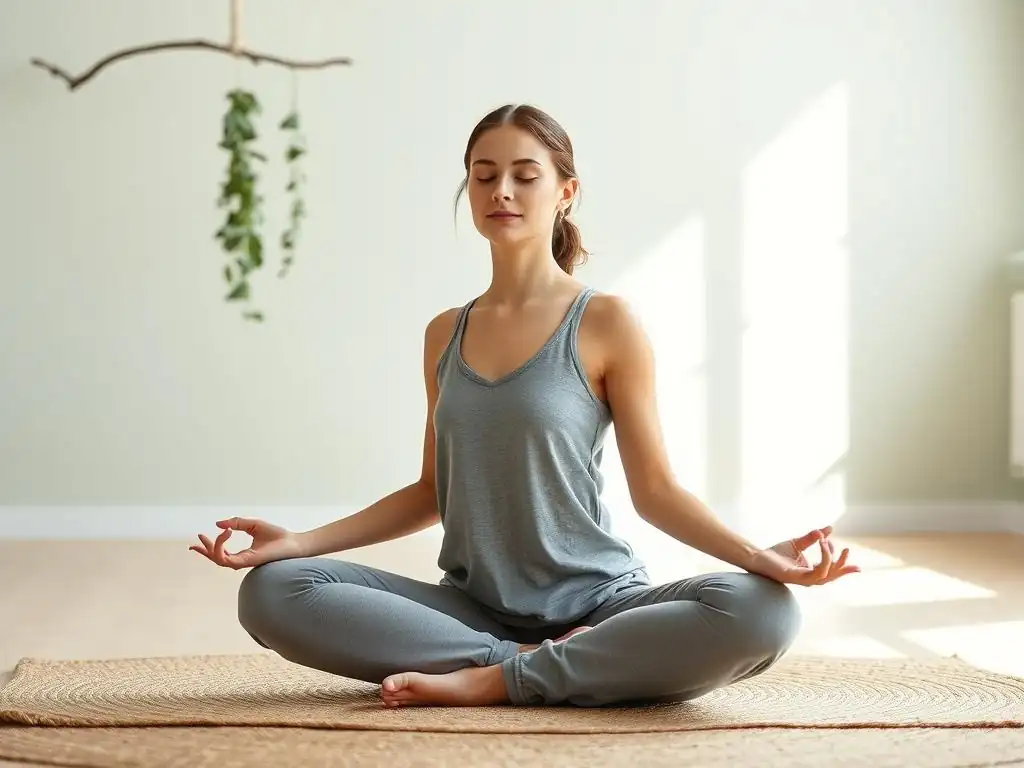
Dealing with Physical Limitations: Modifications and Support
One common challenge when starting yoga for anxiety relief is encountering physical limitations, whether due to injury, stiffness, or chronic conditions. It's essential to remember that yoga is adaptable and not about achieving perfect poses. The true practice lies in mindful movement and breath, regardless of physical form.
Learn modifications for poses that are challenging or uncomfortable. This might involve using props like blocks, blankets, or straps to support the body, or simply choosing less intense variations of postures. For example, if a full Forward Fold is too much, practice a seated forward bend or simply hang the torso with bent knees.
Listen to your body and avoid pushing into pain. If you have a specific physical issue, consider consulting a healthcare professional or seeking guidance from a yoga teacher experienced in therapeutic applications. Embracing modifications allows you to practice safely and comfortably, ensuring that yoga remains a source of relief, not frustration, for your anxiety.
Managing Racing Thoughts: Techniques for Focusing Your Mind
Anxiety often involves a barrage of racing thoughts, which can make focusing during yoga challenging. It's important to approach this with patience and self-compassion. The goal isn't to eliminate thoughts entirely but to develop the ability to notice them without getting lost in them.
During your yoga practice, when your mind wanders to worries, gently guide your attention back to your breath or the physical sensations in your body. This is the essence of mindful practice. You can use cues like "breathing in, breathing out" or focus on the feeling of your feet on the mat.
If thoughts are particularly persistent, acknowledge them ("Okay, there's a thought about my to-do list") and then deliberately redirect your focus. Incorporating pranayama techniques like Ujjayi or Nadi Shodhana can also provide a strong anchor for the mind. View each time you bring your attention back as a successful act of mindfulness, strengthening your mental focus and resilience against anxious rumination.
Staying Consistent: Building Yoga into Your Daily Routine
Maintaining consistency with yoga for anxiety relief requires making it a non-negotiable part of your self-care routine. Life is busy, and it's easy to let practice slide when feeling overwhelmed, which is often precisely when it's needed most.
Treat your yoga time as sacred. Perhaps link it to an existing habit, like doing 15 minutes of yoga immediately after waking up or right before dinner. Track your practice in a journal or app to see your progress and identify patterns. Don't aim for perfection; some days, a 5-minute breathing exercise is enough.
Be flexible and kind to yourself if you miss a session, simply commit to getting back on the mat for the next one. Remember why you started – the desire for anxiety relief and greater well-being. Connecting with the positive feelings after practice can be a powerful motivator to return. Building this habit takes time and effort, but the cumulative benefits for managing anxiety are significant.
Beyond the Mat: Integrating Mindfulness into Daily Life for Sustained Anxiety Relief
Mindfulness in Everyday Activities: Walking, Eating, Listening
The principles of mindfulness learned on the yoga mat are not confined to formal practice; they can be integrated into countless everyday activities, significantly enhancing sustained yoga for anxiety relief. Bringing mindful awareness to simple tasks helps anchor you in the present moment, reducing the time spent dwelling on anxious thoughts.
Practice mindful walking by paying attention to the sensation of your feet on the ground, the movement of your legs, and your surroundings. When eating, notice the colors, textures, smells, and tastes of your food, chewing slowly and savoring each bite.
When listening to someone, focus fully on their words and tone, rather than planning your response or letting your mind drift. These small acts of bringing awareness to the present moment throughout the day build the same 'muscle' used in yoga – the ability to focus and observe without judgment – making you more resilient to anxiety when it arises.
Combining Yoga with Other Mental Wellness Practices: Therapy, Meditation
Yoga for anxiety relief is a powerful tool, but it is often most effective when used as part of a broader mental wellness strategy. Combining yoga with other evidence-based practices can create a comprehensive approach to managing anxiety.
Therapy, such as Cognitive Behavioral Therapy (CBT) or Acceptance and Commitment Therapy (ACT), can help address the root causes and thought patterns associated with anxiety. Yoga can complement this by providing tools to manage the physical and emotional symptoms that arise during the therapeutic process or in daily life. Formal meditation practices, even outside of yoga, further train the mind in focus and non-reactivity.
Other beneficial practices might include journaling, spending time in nature, or engaging in creative activities. Viewing yoga as one essential piece of a larger wellness puzzle allows for a more robust and sustainable approach to anxiety management.
Seeking Professional Guidance: When to Consult a Therapist or Yoga Teacher
While yoga offers significant benefits for anxiety relief, it's important to recognize when professional guidance is needed. Yoga can be a wonderful complementary practice, but it is not a substitute for medical or psychological treatment for severe or persistent anxiety.
If your anxiety is significantly impacting your daily life, relationships, or work, or if you are experiencing panic attacks or debilitating worry, it is crucial to consult a mental health professional, such as a therapist or counselor. They can provide diagnosis, personalized treatment plans, and coping strategies tailored to your specific needs.
Additionally, if you are new to yoga or have specific health concerns, seeking guidance from a qualified yoga teacher, particularly one with experience in therapeutic applications or trauma-informed yoga, can ensure you practice safely and effectively. These professionals can offer personalized modifications and support, maximizing the benefits of yoga for your anxiety journey.
Conclusion: Embracing Yoga and Mindfulness for Lasting Anxiety Relief.
Frequently Asked Questions
How does yoga help with anxiety relief?
Yoga promotes relaxation and reduces stress hormones like cortisol. The combination of physical postures, controlled breathing, and mindfulness helps calm the nervous system and eases anxiety symptoms.
What types of yoga are most effective for anxiety?
Gentle yoga styles such as Hatha, Restorative, and Yin yoga are often recommended for anxiety. These styles emphasize slow movements, deep breathing, and holding poses for extended periods, promoting relaxation.
How often should I practice yoga to experience anxiety relief?
While individual results may vary, aiming for at least 2-3 times per week can be beneficial. Even short sessions of 15-20 minutes can provide significant anxiety reduction.
What if I'm not flexible or have never done yoga before?
No prior experience or flexibility is required to benefit from yoga. Many beginner-friendly classes and resources are available, and modifications can be made to accommodate different body types and abilities. Focus on listening to your body and doing what feels comfortable.
Where can I find yoga classes or resources specifically for anxiety?
Mind Care Guide offers a variety of resources and articles related to yoga and mental well-being. You can also search for local yoga studios that offer classes focused on stress reduction or anxiety relief.
Final Reflection: Finding Stillness in a Restless World
The pervasive anxiety of modern life demands a powerful antidote, and the ancient practice of yoga offers just that. This exploration of mindfulness on the mat has highlighted the profound connection between physical postures, breathwork, and mental clarity, revealing yoga's remarkable ability to alleviate anxiety and cultivate inner peace. The techniques discussed—from mindful movement to pranayama breathing—are not just fleeting trends; they are tools for lasting self-care in a world constantly demanding our attention.
The impact of yoga on our collective well-being is undeniable. It's more than just a physical workout; it's a journey inward, a rediscovery of the self. The quiet strength found within each asana, the calming rhythm of the breath, these are experiences that resonate far beyond the yoga studio. As Thich Nhat Hanh wisely said, Breathing in, I calm body and mind. Breathing out, I smile. Dwelling in the present moment I know this is the only moment.
This quote perfectly encapsulates the essence of mindful yoga and its ability to ground us in the present, dissolving the anxieties of the past and future.
You now hold the key to unlocking a deeper sense of calm and well-being. Consider incorporating even a few minutes of mindful yoga into your daily routine. Experiment with different poses, breathe deeply, and allow yourself to simply be. Don't be afraid to start small; the journey to inner peace is a personal one, and every step you take towards mindfulness is a step towards a more balanced and fulfilling life. Embrace the stillness, embrace the strength, embrace the transformative power of yoga for anxiety relief.
Unroll Your Mat and Unwind Your Mind
Thanks for taking the time to explore the power of yoga for mental wellness! We hope you gained valuable insights into how this practice can transform your daily life. Ready to take the next step?
- Commit to a daily 10-minute yoga flow. Even a short practice can significantly impact your stress levels and mood. Find a beginner's routine online – it’s easier than you think!
- Share this article with a friend who might benefit from discovering the calming effects of yoga. Spread the wellness!
- Challenge yourself to try a new yoga pose each week. Explore different styles and find what resonates with your body and spirit.
What small step will you take today to incorporate mindfulness into your routine?