
Music as Medicine: Using Sound to Reduce Stress and Promote Relaxation


Welcome to Mind Care Guide, a space dedicated to nurturing your inner peace.
Are you feeling overwhelmed by the pressures of daily life? You're not alone. We understand. Discover how something as simple as pressing "play" can unlock a world of calm. In this article, we delve deep into the powerful connection between music and your mental well-being, exploring how music reduce stress anxiety and can be a readily available tool in your self-care toolkit. Curious to learn how to harness the healing power of sound? Let's begin your journey to tranquility.
Music as Medicine: Using Sound to Reduce Stress and Promote Relaxation
- Introduction: The Power of Music for Stress and Anxiety Relief
- How Music Helps Reduce Stress and Anxiety: The Science Behind It
- Types of Music Best Suited for Stress Reduction and Relaxation
- Practical Tips for Using Music to Manage Stress and Anxiety
- Music Therapy: A Professional Approach to Stress and Anxiety Management
- Beyond Music: Combining Sound with Other Relaxation Techniques
- Addressing Common Misconceptions About Music and Stress Relief
- Conclusion: Embracing the Healing Power of Music for a Calmer Life
-
Frequently Asked Questions
- How can music reduce stress and anxiety?
- What types of music are most effective for reducing stress anxiety?
- How often should I listen to music for stress reduction?
- Can any genre of music help me reduce stress anxiety?
- Are there any potential downsides to using music as a stress anxiety management tool?
- Final Reflection: The Healing Power of Harmony
- Unleash Your Inner Calm: Start Your Sound Journey Today!
Introduction: The Power of Music for Stress and Anxiety Relief
Understanding the Connection Between Music, Mind, and Body
The profound impact of music on our emotional and physiological state has been recognized for centuries. When we listen to music, it doesn't just engage our auditory senses; it triggers a complex interplay of responses throughout our nervous system and endocrine system. This intricate connection allows music to bypass conscious thought processes and directly influence our mood, energy levels, and even physical sensations. The brain's reward system, involving neurotransmitters like dopamine, becomes active when we listen to enjoyable music, fostering feelings of pleasure and well-being, which can counteract the negative effects of stress and anxiety.
Beyond the emotional response, music also has tangible physiological effects. Rhythmic patterns can influence our heart rate and breathing, often leading to slower, more regulated rhythms when listening to calming music. The body's stress response, mediated by hormones like cortisol, can be significantly altered by musical input. This deep, integrated connection between sound, our psychological state, and our physical body is what makes music a powerful tool in managing stress and anxiety.
Why Music Therapy is Gaining Popularity for Mental Wellness
Music therapy, a clinical and evidence-based practice, is increasingly recognized for its effectiveness in addressing a wide range of physical and mental health needs. Unlike simply listening to a playlist, music therapy involves a therapeutic relationship with a credentialed professional who uses music interventions to achieve individualized goals. These goals can include managing stress, alleviating anxiety, improving mood, enhancing communication, and promoting physical rehabilitation. The growing body of research supporting its efficacy, combined with a greater societal openness to holistic and non-pharmacological approaches to health, has propelled music therapy into the mainstream of mental wellness practices.
The appeal of music therapy also lies in its accessibility and non-verbal nature. For individuals who find it difficult to articulate their feelings or experiences, music can provide an alternative medium for expression and processing emotions. It offers a structured yet flexible framework for exploring challenges, building coping skills, and fostering resilience. As people seek more varied and personalized strategies for managing conditions like chronic stress and anxiety, the evidence-based techniques offered by music therapy present a compelling and effective option.
How Music Helps Reduce Stress and Anxiety: The Science Behind It
The Neuroscience of Music: How Sound Affects the Brain
Music engages multiple areas of the brain simultaneously, including regions involved in emotion, memory, motor control, and auditory processing. When you listen to music, especially music you find calming, activity decreases in the amygdala, the part of the brain associated with fear and the stress response.
Simultaneously, areas like the prefrontal cortex, involved in executive functions and emotional regulation, may show increased activity. The release of neurochemicals such as dopamine, serotonin, and endorphins is also stimulated by music, contributing to feelings of happiness, well-being, and even pain reduction, all of which can help counteract the physiological and psychological burden of stress and anxiety.
Furthermore, research using fMRI scans has demonstrated how different types of music activate distinct neural pathways. For example, studies have shown that listening to preferred calming music can lead to increased connectivity between auditory processing areas and the default mode network, which is involved in introspection and mind-wandering, potentially helping to quiet an overactive, anxious mind.
The brain's ability to synchronize with rhythmic patterns, a phenomenon known as entrainment, can also help regulate brainwave frequencies, moving from more agitated beta waves towards calmer alpha and theta waves, which are associated with relaxation and meditative states. This complex neural engagement is fundamental to how music reduce stress anxiety.
Music's Impact on Stress Hormones: Lowering Cortisol Levels
One of the most significant ways music helps manage stress is through its effect on the body's endocrine system, particularly the hypothalamic-pituitary-adrenal (HPA) axis, which governs the stress response. Chronic stress leads to elevated levels of cortisol, often referred to as the "stress hormone," which can have detrimental effects on physical and mental health over time, including impaired immune function and increased anxiety. Numerous studies have investigated music's ability to lower cortisol levels.
For instance, research conducted in medical settings, such as before or after surgery, has shown that patients who listen to music experience lower cortisol levels compared to those who do not. One meta-analysis pooling data from several studies suggested that listening to music could lead to a reduction in cortisol levels roughly comparable to that achieved through relaxation techniques like meditation.
While the exact percentage reduction varies depending on the individual, the type of music, and the context, the consistent finding across studies supports the notion that using music to reduce stress anxiety is physiologically effective. This hormonal regulation contributes significantly to the feeling of calm and relief that music can provide.
Music and Relaxation: Activating the Parasympathetic Nervous System
The autonomic nervous system controls involuntary bodily functions like heart rate, breathing, and digestion. It has two main branches: the sympathetic nervous system, responsible for the "fight or flight" response associated with stress, and the parasympathetic nervous system, which promotes relaxation and rest. Listening to calming music can actively shift the balance towards the parasympathetic nervous system, effectively counteracting the physiological arousal caused by stress.
This shift is evidenced by changes in physiological markers such as decreased heart rate, lower blood pressure, and slower, deeper breathing. When the parasympathetic system is activated, the body signals that it is safe to relax, reducing muscle tension and promoting a sense of tranquility. For example, studies have shown that listening to slow-tempo music with predictable rhythms can synchronize with and slow down a listener's heart rate. This physiological calming response is a direct mechanism through which music reduce stress anxiety and facilitates relaxation, helping the body recover from the effects of chronic stress.
Types of Music Best Suited for Stress Reduction and Relaxation

Classical Music for Anxiety Relief: A Timeless Choice
Classical music has long been associated with relaxation and intellectual stimulation. Its often complex but structured compositions, predictable harmonies, and varied dynamics can create an immersive listening experience that distracts from anxious thoughts. Composers like Mozart, Bach, and Debussy are frequently cited in studies exploring the effects of music on stress and cognitive function. Mozart's music, in particular, was famously linked to the "Mozart effect," suggesting potential benefits for spatial-temporal reasoning, although its direct impact on anxiety relief is more attributed to its calming qualities and structured nature rather than specific cognitive enhancement.
The typical tempo of many classical pieces, often falling within the range of 60-80 beats per minute, closely mirrors a resting heart rate, which can facilitate physiological entrainment and promote a sense of calm. The absence of lyrics in most instrumental classical music can also be beneficial for relaxation, preventing the listener from engaging in cognitive processing of words, which can sometimes trigger distracting thoughts or emotions. While personal preference is paramount, the inherent qualities of classical compositions often make them a reliable choice for those seeking music reduce stress anxiety.
Nature Sounds and Ambient Music: Creating a Tranquil Atmosphere
Beyond traditional musical genres, sounds from nature and ambient soundscapes offer powerful tools for relaxation and stress reduction. Sounds like rain falling, ocean waves, forest ambiance, or gentle streams are often perceived as non-threatening and soothing, potentially tapping into our innate connection with the natural world. These sounds can mask disruptive noises and create a consistent, calming background. Research suggests that listening to nature sounds can decrease activity in the amygdala and increase activity in the prefrontal cortex, similar to the effects of calming music, promoting a state of rest and recovery.
Ambient music, characterized by its unobtrusive, atmospheric quality and often minimalist structure, is designed specifically to create a mood or atmosphere rather than to be actively listened to. It typically lacks strong melodies or rhythms and focuses on textures and drones. Artists like Brian Eno, a pioneer of ambient music, intended it to be "ignorable as it is interesting."
This type of music can be particularly effective for creating a calm environment for work, study, or sleep, gently influencing the listener's state without demanding attention. Combining nature sounds with ambient music can create deeply immersive and tranquil soundscapes, highly effective as music reduce stress anxiety tools.
Binaural Beats and Isochronic Tones: Exploring Brainwave Entrainment for Calmness
Binaural beats and isochronic tones are auditory phenomena used to influence brainwave frequencies through a process called brainwave entrainment. Binaural beats occur when you listen to two slightly different frequencies, one in each ear; your brain perceives a third, illusory tone that pulses at the difference between the two frequencies.
For example, if you listen to 440 Hz in one ear and 448 Hz in the other, your brain perceives an 8 Hz tone, which falls within the alpha wave range (8-13 Hz), associated with relaxed focus. Isochronic tones are single tones that are turned on and off rapidly and rhythmically, creating a distinct pulse that the brain can more easily follow.
The theory is that by listening to these specific pulsing frequencies, your brainwaves will begin to synchronize with them, shifting your mental state accordingly. For stress reduction and relaxation, frequencies in the alpha (8-13 Hz) and theta (4-7 Hz) ranges are often used, as these are associated with calmness, meditation, and deep relaxation.
While research on the effectiveness of binaural beats and isochronic tones for reducing stress and anxiety is still evolving, some studies suggest they can induce states of relaxation and potentially aid in reducing perceived stress levels. Users often report a sense of deep calm or meditative focus when using these techniques, making them an interesting option for those exploring different forms of music reduce stress anxiety.
Relaxing Music: Ambient, Lo-Fi, and Soundscapes
Beyond the specific categories, a broad range of music falls under the umbrella of "relaxing music," encompassing genres like ambient, lo-fi, and various soundscapes. Lo-fi (low fidelity) music, particularly "lo-fi hip hop" or "chillhop," has gained immense popularity as background music for focus and relaxation. Characterized by sampled jazz or soul melodies, simple hip-hop beats, and often overlaid with sounds like vinyl crackle or rain, lo-fi music creates a warm, nostalgic, and non-intrusive atmosphere. Its repetitive, laid-back rhythms and mellow harmonies are designed to be calming and non-distracting, making it an ideal soundtrack for studying, working, or unwinding.
Soundscapes, which can include field recordings of everyday environments or abstract sonic textures, also serve as relaxing music. The key across these genres – ambient, lo-fi, and soundscapes – is their ability to create a steady, often minimalist, and predictable sonic environment that minimizes cognitive load and promotes a state of ease. They provide a gentle auditory anchor that can help ground individuals experiencing stress or anxiety, offering a consistent, soothing presence. Exploring different artists and playlists within these genres can help individuals find their personal preference for using music reduce stress anxiety in their daily lives.
Practical Tips for Using Music to Manage Stress and Anxiety
Creating a Personalized Music Playlist for Stress Relief
The effectiveness of music for reducing stress and anxiety is highly personal. What one person finds calming, another might find irritating or stimulating. Therefore, creating a personalized playlist is a crucial step. Start by identifying music that genuinely makes you feel relaxed, happy, or peaceful. This could be anything from classical pieces and ambient soundscapes to specific pop songs, jazz tracks, or even movie scores. Pay attention to the tempo – slower tempos (around 60-80 bpm) are often more conducive to relaxation, but familiar music that evokes positive memories can also be very calming regardless of tempo.
Organize your playlist to suit different needs. You might have one playlist for winding down before bed, another for taking a short break during a stressful workday, and perhaps one for active stress reduction techniques like meditation or gentle movement. Consider including instrumental tracks if lyrics tend to be distracting for you when trying to relax. Regularly update and refine your playlist as your preferences evolve or as you discover new music that resonates with you. A well-curated playlist is a readily available tool for using music reduce stress anxiety whenever you need it.
Integrating Music into Your Daily Routine for Mental Well-being
Consistency is key when using music as a tool for stress management. Instead of only turning to music when you feel overwhelmed, try to integrate it into your regular daily routine. This could mean starting your day with calming music during your morning routine, listening to a relaxing playlist during your commute, incorporating music into your lunch break, or using it to transition from work mode to relaxation in the evening. Even just 10-15 minutes of dedicated listening can make a difference.
Think about specific moments in your day when stress or anxiety levels tend to rise and proactively schedule music listening during those times. For example, if you find evenings particularly stressful, dedicate the hour before bed to listening to calming music while reading or journaling. Using music consistently helps reinforce the association between the music and a state of relaxation, making it a more effective trigger for calm over time. This consistent practice strengthens music's ability to reduce stress anxiety as a preventive and reactive measure.
Active Listening vs. Passive Listening: Maximizing the Benefits of Music
There are different ways to engage with music, and the level of engagement can influence its effects on stress and anxiety. Passive listening involves having music on in the background while focusing on other tasks. This can still be beneficial for creating a pleasant atmosphere or masking distracting noises, contributing to a general sense of ease. However, active listening involves dedicating your full attention to the music itself.
When actively listening, you might notice the different instruments, the melody, the harmony, and the rhythm. You can focus on how the music makes you feel physically and emotionally. This mindful engagement with the music can be a powerful form of meditation or mindfulness practice, drawing your attention away from stressors and into the present moment. While both active and passive listening can help music reduce stress anxiety, active listening often yields deeper relaxation and a stronger emotional connection, maximizing the therapeutic benefits.
Creating a Calming Environment: Music at Home and Work
The environment in which you listen to music significantly impacts its effectiveness for relaxation. At home, designate a specific space where you can listen without interruptions. Minimize visual clutter and ensure comfortable seating. Consider using headphones, especially if you share your living space, to create a more immersive and private listening experience. Adjust the volume to a comfortable level – music intended for relaxation is typically best enjoyed at a moderate volume rather than being too loud or too quiet.
At work, creating a calming environment can be more challenging, but not impossible. If your workplace allows, use headphones to listen to relaxing music or ambient sounds. Consider using noise-canceling headphones if your environment is noisy. If possible, take short music breaks away from your desk. Even a few minutes spent focusing solely on calming music in a quiet corner can help reset your stress levels. By intentionally creating a supportive environment, you enhance music's power to reduce stress anxiety throughout your day.
Music Therapy: A Professional Approach to Stress and Anxiety Management
What is Music Therapy and How Does it Work?
Music therapy is a distinct health profession that uses music to address physical, emotional, cognitive, and social needs of individuals. It is based on the understanding that music is a universal language that can bypass conscious defenses and facilitate profound change. A board-certified music therapist (MT-BC) undergoes rigorous training and uses evidence-based interventions tailored to a client's specific goals. These interventions can include listening to music, playing instruments, singing, writing songs, or moving to music.
During a session, a music therapist assesses the client's needs and designs musical experiences to help them achieve non-musical outcomes. For someone struggling with anxiety, this might involve using guided imagery with music to promote relaxation, improvising music to express difficult emotions, or analyzing song lyrics to gain insight into their experiences. The therapist provides a safe and supportive space for the client to explore challenges and develop coping mechanisms through musical engagement. This structured, therapeutic use of music is a powerful way professional support can help music reduce stress anxiety.
Benefits of Music Therapy for Various Mental Health Conditions
Music therapy has demonstrated efficacy across a wide range of mental health conditions, including but not limited to anxiety disorders, depression, trauma, and substance abuse. For individuals with generalized anxiety disorder, music therapy can help reduce physiological symptoms of anxiety, such as muscle tension and rapid heart rate, and teach relaxation techniques. In cases of panic disorder, music interventions can help ground individuals during panic attacks and build a sense of control.
Studies have shown that music therapy can lead to significant reductions in self-reported anxiety levels. For example, a review of multiple studies found that music therapy was associated with a moderate reduction in anxiety across various populations. It can also improve mood in individuals experiencing depression and help process traumatic memories in a safe, non-verbal way. By providing a unique avenue for emotional expression and regulation, music therapy offers substantial benefits for mental wellness, complementing or serving as a primary method for individuals seeking professional help to music reduce stress anxiety.
Finding a Qualified Music Therapist: Credentials and Experience
If you are considering music therapy, it is essential to find a qualified professional. In the United States, the primary credential for music therapists is Music Therapist – Board Certified (MT-BC), awarded by the Certification Board for Music Therapists (CBMT). This credential signifies that the therapist has completed an approved degree program, fulfilled a supervised internship, and passed a national examination. Other countries have similar certifying bodies and credentials.
When searching for a music therapist, you can look for their MT-BC credential and inquire about their experience working with individuals who have similar needs or conditions to your own, such as anxiety management. Many music therapists have specialized training or focus areas. You can often find directories of certified music therapists through national or international music therapy associations. Don't hesitate to schedule an initial consultation to see if the therapist's approach and personality are a good fit for you, ensuring you find the right professional support to leverage music reduce stress anxiety effectively.
Beyond Music: Combining Sound with Other Relaxation Techniques
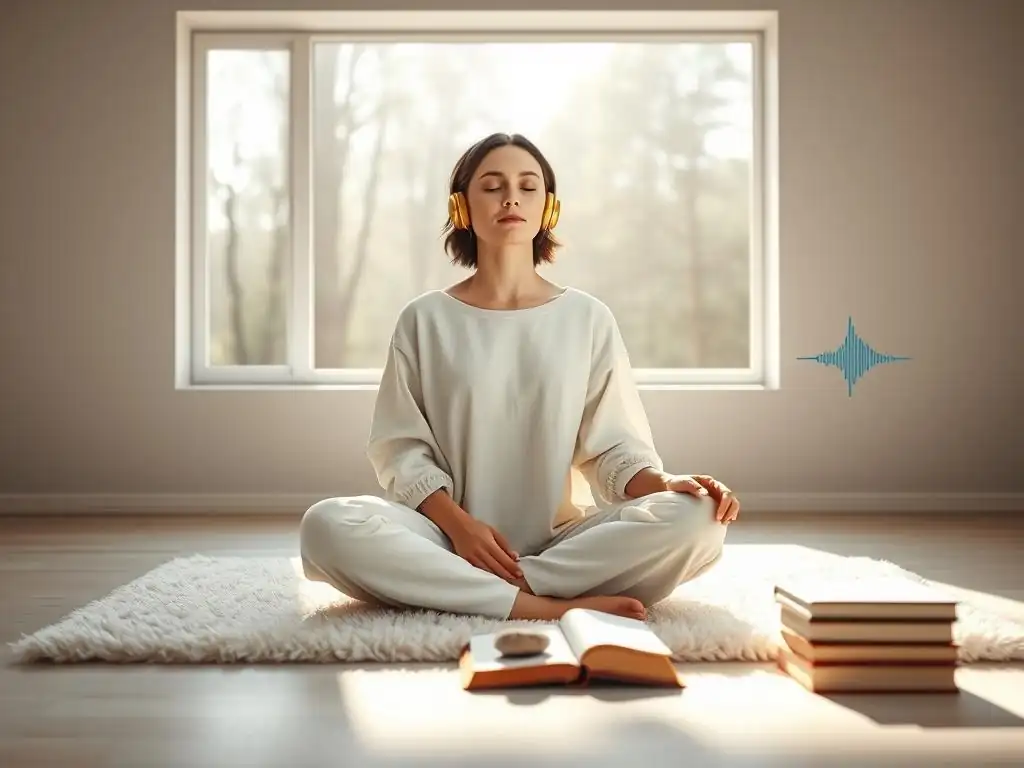
Music and Meditation: Enhancing Mindfulness Practices
Combining music with meditation can deepen the practice and make it more accessible for some individuals. Background music, particularly instrumental, ambient, or nature sounds, can help to quiet the internal dialogue and provide a gentle anchor for attention. Guided meditations often incorporate calming music or soundscapes to enhance the immersive experience and facilitate relaxation. The predictable nature of certain types of music can help the mind settle and reduce the tendency to wander.
When using music with meditation, choose pieces that are non-distracting and have a consistent tempo and mood. Avoid music with sudden changes in volume or complex structures that demand active listening. The music should serve as a supportive element, not the primary focus. For example, listening to gentle piano music or flowing water sounds while practicing mindful breathing can enhance feelings of calm and presence, making the meditation experience more effective in using music reduce stress anxiety and promote mindfulness.
Music and Yoga: Creating a Harmonious Mind-Body Connection
Music is a common accompaniment to yoga practice, helping to set the mood, establish rhythm, and enhance the mind-body connection. The right music can support the flow of movement (vinyasa), deepen stretches, and create a peaceful atmosphere for holding poses or resting in savasana. Different styles of yoga may use different types of music; a vigorous vinyasa class might use more upbeat or rhythmic music, while a restorative or yin yoga class would typically opt for slow, ambient, or instrumental tracks.
Listening to music during yoga can help practitioners stay present in their bodies and breath, reducing mental distractions. The combination of mindful movement, controlled breathing, and soothing sound creates a powerful synergy that promotes physical relaxation and mental calm. Many yoga practitioners find that music enhances their ability to release tension and connect more deeply with their practice, further amplifying the benefits of using music reduce stress anxiety through physical activity.
Music and Breathing Exercises: Calming the Nervous System
Breathing exercises are fundamental techniques for calming the nervous system and managing acute stress or anxiety. Pairing these exercises with music can enhance their effectiveness. The rhythm of the music can serve as a guide for the breathing pattern, making it easier to maintain a slow, steady pace. For example, you might inhale for the duration of one musical phrase and exhale for the duration of the next.
Choosing music with a slow, regular tempo (around 60 bpm is often ideal for slow breathing) can help synchronize your breath with the beat, naturally slowing your respiratory rate. This synchronization helps activate the parasympathetic nervous system more effectively than breathing exercises alone might for some individuals. Simple practices like box breathing (inhaling for a count of four, holding for four, exhaling for four, holding for four) can be timed to a musical beat, providing an external structure that supports internal calm. This combined approach leverages the power of both sound and breath to help music reduce stress anxiety.
Addressing Common Misconceptions About Music and Stress Relief
Myth: All Music is Relaxing. Reality: Genre and Personal Preference Matter
A common misconception is that any music will help reduce stress and anxiety. In reality, the effectiveness of music for relaxation is highly subjective and depends heavily on the genre, the specific piece of music, and the listener's personal preferences and current mood. Music that is calming to one person might be agitating or even anxiety-inducing for another. For example, heavy metal music, while potentially cathartic for some, is unlikely to induce a state of calm relaxation for most people seeking to lower immediate stress levels.
Furthermore, even within traditionally "relaxing" genres like classical or ambient, specific pieces might not resonate with everyone. Music associated with negative memories or experiences can also trigger stress rather than alleviate it. Therefore, it is crucial to experiment and identify the types of music and specific tracks that personally make you feel calm, safe, and relaxed. Focusing on your personal response is key to successfully using music reduce stress anxiety.
Myth: You Need Special Equipment for Music Therapy. Reality: Accessibility and Affordability
Another misconception is that engaging with music for therapeutic benefit requires expensive equipment or professional training. While formal music therapy sessions utilize the expertise of a trained therapist and may involve various instruments, simply listening to music for stress relief is incredibly accessible and affordable. All you need is a way to play music – a smartphone, computer, or dedicated music player – and a pair of headphones or speakers.
Many platforms offer free or low-cost access to vast libraries of music, including genres specifically curated for relaxation, meditation, and sleep. You can find numerous playlists on streaming services dedicated to helping music reduce stress anxiety. While professional music therapy offers unique and profound benefits, incorporating personal music listening into your self-care routine requires minimal investment and can be done anytime, anywhere.
Myth: Music is Only a Temporary Fix for Stress. Reality: Long-Term Benefits with Consistent Use
Some might view music as a quick, temporary distraction from stress rather than a tool with lasting benefits. While music can certainly provide immediate relief by shifting focus and altering mood, consistent and intentional use of music as part of a stress management strategy can yield long-term benefits. Regularly integrating music into your routine helps train your brain and body to respond with relaxation cues.
Over time, consistent listening to calming music can contribute to improved emotional regulation, a lower baseline stress level, and enhanced resilience to future stressors. It can become a learned coping mechanism. Think of it like exercise or meditation – while a single session provides immediate benefits, it's the regular practice that leads to significant, sustained improvements in well-being. Using music reduce stress anxiety consistently builds a powerful, readily available resource for managing daily pressures.
Conclusion: Embracing the Healing Power of Music for a Calmer Life
The Long-Term Benefits of Music for Stress Management
Embracing music as a regular part of your life offers significant long-term benefits for managing stress and anxiety. Consistent engagement with calming music can lead to a more regulated nervous system, potentially lowering your baseline levels of stress hormones like cortisol over time. This isn't just a fleeting feeling; it can contribute to improved physical health outcomes, as chronic stress is linked to numerous health problems. Furthermore, developing a habit of turning to music during stressful moments builds a powerful coping mechanism, making you more resilient to future challenges.
Beyond the physiological effects, the emotional and psychological benefits are profound. Regular listening can improve mood, increase feelings of happiness and well-being, and provide a reliable source of comfort and escape. It can enhance your ability to relax, improve sleep quality, and even boost cognitive function by reducing the mental fog often associated with chronic stress. The cumulative effect of using music reduce stress anxiety consistently is a greater sense of peace, control, and emotional stability in your daily life.
Integrating Music into Your Self-Care Routine for Optimal Mental Health
Making music a core component of your self-care routine is a simple yet effective strategy for promoting optimal mental health. Think about specific times or activities where music could enhance your well-being. This might include listening during your morning routine, incorporating it into exercise or stretching, using it to create a focused work or study environment, or dedicating time each evening for a music-based relaxation session.
Create specific playlists for different purposes – maybe one for energizing calm, one for deep relaxation before sleep, and one for mindful listening during breaks. Treat these music moments as non-negotiable appointments in your day, just like you would exercise or therapy. By intentionally carving out time for musical engagement, you are actively investing in your mental and emotional resilience, ensuring that music reduce stress anxiety remains a consistent and reliable tool in your personal well-being toolkit.
The Importance of Music in Promoting Relaxation and Well-being
In a world filled with constant demands and stressors, finding accessible and enjoyable ways to promote relaxation and well-being is crucial. Music stands out as a uniquely powerful tool due to its universal appeal, accessibility, and direct impact on our physiology and psychology. It offers a non-pharmacological, engaging, and often enjoyable path to finding calm amidst the chaos.
Whether through casual listening, dedicated relaxation sessions, or professional music therapy, leveraging the power of sound can significantly enhance your ability to manage stress and anxiety. By understanding how music affects your mind and body and actively integrating it into your life, you unlock its potential as a form of "medicine" for the soul, fostering a calmer mind, a more relaxed body, and a greater sense of overall well-being. Embracing music reduce stress anxiety is an empowering step towards a healthier, happier life.
- [ ] Understand the link between music, mind, and body.
- [ ] Explore the science behind how music affects the brain and stress hormones.
- [ ] Identify types of music suitable for relaxation.
- [ ] Create a personalized stress-relief playlist.
- [ ] Integrate music listening into daily routines.
- [ ] Practice active listening for deeper relaxation.
- [ ] Consider professional music therapy if needed.
- [ ] Combine music with other relaxation techniques like meditation or breathing.
- [ ] Recognize that personal preference is key to finding effective music.
- [ ] Commit to consistent use for long-term benefits.
Frequently Asked Questions
How can music reduce stress and anxiety?
Music can lower cortisol levels, the hormone associated with stress, and release endorphins, which have mood-boosting and pain-relieving effects. This combination creates a sense of calm and well-being.
What types of music are most effective for reducing stress anxiety?
Generally, slow-tempo music with a steady rhythm, such as classical, ambient, or nature sounds, is most effective. However, personal preference plays a significant role.
How often should I listen to music for stress reduction?
There's no set rule, but even 15-30 minutes a day can make a difference. Experiment and find what works best for your schedule and stress levels.
Can any genre of music help me reduce stress anxiety?
While slower tempos are often recommended, the most effective music is what you find personally relaxing and enjoyable. Don't be afraid to explore different genres.
Are there any potential downsides to using music as a stress anxiety management tool?
Listening too loudly for extended periods can damage hearing. Also, relying solely on music might not address the underlying causes of stress and anxiety.
Final Reflection: The Healing Power of Harmony
The pervasive stress and anxiety of modern life demand effective coping mechanisms, and the readily available balm of music offers a powerful, accessible solution. Music isn't merely entertainment; it's a potent tool for managing mental health, a readily accessible resource that can significantly reduce stress and anxiety levels for individuals across all demographics. This article has explored the multifaceted ways in which carefully selected soundscapes can soothe the mind and promote relaxation.
The impact of music therapy, both formally and informally, is undeniable and continues to grow in recognition. Its influence permeates our cultural landscape, from the ambient soundscapes used in mindfulness practices to the carefully curated playlists designed to enhance focus or induce sleep. The power of music to evoke emotion, to transport us to different states of being, is a testament to its inherent therapeutic qualities. Music is the universal language of mankind,
said Henry Wadsworth Longfellow, and in its ability to transcend cultural barriers and speak directly to our emotional core lies its profound healing potential.
Consider the music you choose to listen to. What emotions does it evoke? How does it make you feel? I invite you to consciously incorporate music into your daily routine as a tool for stress reduction and relaxation. Experiment with different genres, tempos, and instruments to discover what resonates most deeply with you. Embrace the power of sound to nurture your mental well-being, and remember that the simplest act of listening can be a profound act of self-care.
Unleash Your Inner Calm: Start Your Sound Journey Today!
Thanks for taking the time to explore the powerful connection between music and well-being! We hope you've discovered new ways to harness the healing power of sound. Ready to integrate these techniques into your daily life?
- Create your personalized relaxation playlist: Start by choosing 3-5 songs that resonate with you and evoke feelings of peace and calm. Listen to them regularly, especially during moments of stress. This is your first step towards a more tranquil you!
- Share your sound sanctuary: Tell us about your favorite calming music or sounds in the comments below. Let's build a supportive community dedicated to stress reduction!
- Experiment with different genres and instruments: Don't be afraid to explore beyond your comfort zone. The world of sound is vast and full of surprising therapeutic benefits! What unexpected musical discovery will you make?
What sounds will you incorporate into your day to cultivate a deeper sense of peace and relaxation?