
Is Nature Therapy Right for You? Benefits and Approaches

Welcome to Mind Care Guide, a space dedicated to nurturing your mental well-being.
Feeling overwhelmed by anxiety? You're not alone. Discover how the restorative power of nature can offer a path towards tranquility. This week, we delve into the remarkable nature therapy benefits anxiety relief, exploring practical approaches and evidence-based insights to help you find solace in the natural world. Intrigued? Let's explore how reconnecting with nature can reshape your mental landscape...
- Is Nature Therapy Right for You? Unveiling the Benefits and Approaches for Enhanced Mental Well-being
- Understanding Nature Therapy: A Path to Anxiety Relief and Improved Mood
- Nature Therapy Benefits Anxiety Relief: Exploring the Science-Backed Advantages
-
Different Approaches to Nature Therapy: Finding What Suits You Best
- Forest Bathing (Shinrin-Yoku): Immersing Yourself in the Forest Atmosphere
- Horticultural Therapy: Gardening and Plant-Based Activities for Healing
- Wilderness Therapy: Experiential Therapy in Natural Settings
- Animal-Assisted Therapy: Connecting with Animals for Emotional Support
- Adventure Therapy: Challenging Yourself in the Outdoors
- Ecotherapy: Combining Environmental Awareness with Mental Wellness
- Is Nature Therapy Right for You? Identifying if You Can Benefit
- Getting Started with Nature Therapy: Practical Tips and Considerations
- Maximizing Nature Therapy Benefits for Anxiety Relief and Overall Well-being
- Integrating Nature Therapy with Other Mental Health Treatments
- Conclusion: Embracing the Healing Power of Nature for a Healthier Mind
-
Frequently Asked Questions
- What exactly is nature therapy, and how does it relate to anxiety relief?
- What are some key nature therapy benefits anxiety relief methods that might be recommended?
- How quickly might someone expect to see nature therapy benefits anxiety relief?
- Are there any potential risks or downsides to consider before starting nature therapy?
- How can I find qualified professionals or resources to guide me through nature therapy practices?
- Final Reflection: Reconnecting with Nature for a Calmer You
- Unveil Your Nature Connection: Start Your Journey to Wellbeing
Is Nature Therapy Right for You? Unveiling the Benefits and Approaches for Enhanced Mental Well-being
Nature, in its vast and varied forms, holds a profound capacity to soothe the human spirit. For centuries, cultures have recognized the healing power inherent in green spaces, bodies of water, and the simple act of being outdoors. In today's fast-paced world, the therapeutic potential of connecting with nature has gained renewed attention, leading to the development of formal practices known collectively as nature therapy. This approach leverages the restorative qualities of the natural environment to support mental, emotional, and physical health.
At Mind Care Guide, we believe in exploring a wide spectrum of tools and techniques to foster comprehensive mental wellness. While traditional therapies and medical interventions are cornerstones of mental health care, complementary approaches like nature therapy offer valuable pathways to enhance well-being, particularly for those seeking natural methods to manage stress, improve mood, and find nature therapy benefits anxiety relief. Understanding the science behind these benefits and the various ways to engage with nature therapeutically can empower individuals to make informed choices about their mental health journey.
Mind Care Guide's Perspective on Nature and Mental Health
At Mind Care Guide, we view the connection between humans and nature not just as a pleasant pastime, but as a fundamental relationship with significant implications for our psychological and emotional health. Our perspective is rooted in the understanding that urban and indoor living, while convenient, can sometimes disconnect us from environments that are inherently calming and restorative. This disconnection can exacerbate feelings of stress, anxiety, and isolation.
We advocate for integrating nature into mental wellness plans because research consistently shows its positive impact. From reducing the physiological markers of stress, such as cortisol levels, to fostering feelings of peace and mindfulness, engaging with the natural world offers a unique set of benefits. Our aim is to provide accessible information and practical guidance on how individuals can harness these benefits, whether through structured nature therapy programs or simple daily practices. We see nature as a powerful, accessible resource for everyone seeking a path towards a healthier, more balanced mind.
Understanding Nature Therapy: A Path to Anxiety Relief and Improved Mood
Nature therapy, also known as ecotherapy or green therapy, is an umbrella term for structured programs and activities that use exposure to nature to improve mental and physical health. It is based on the biophilia hypothesis, which suggests humans have an innate need to connect with nature and other living systems. This connection is not merely aesthetic; it appears to be deeply rooted in our evolutionary history and essential for our well-being.
The core idea is that interacting with natural environments can reduce stress, improve mood, and enhance overall psychological functioning. Unlike simply going for a walk in a park, formal nature therapy often involves guided interactions, specific goals, and may be led by trained therapists or practitioners. It acknowledges that the sensory experience of nature – the sights, sounds, smells, and textures – can have a profound calming effect on the nervous system, making it a valuable tool for achieving nature therapy benefits anxiety relief and fostering emotional resilience.
What is Nature Therapy and How Does it Work?
Nature therapy is a therapeutic approach that utilizes interaction with natural settings to promote healing and well-being. It's not a single, rigid practice but encompasses a variety of methods, from walking in forests to gardening or engaging with animals. The underlying mechanism is believed to involve several pathways: reducing exposure to urban stressors (noise, crowds), increasing exposure to beneficial environmental elements (fresh air, sunlight, natural sounds), and promoting physical activity.
Furthermore, nature environments often encourage a state of 'soft fascination,' a type of involuntary attention that allows the mind to rest and recover from directed attention fatigue, common in demanding modern life. This restorative process helps quiet the overactive mind often associated with anxiety. Studies have shown that spending time in nature can decrease activity in the subgenual prefrontal cortex, a brain region linked to rumination and negative thought patterns, providing a neurobiological basis for nature therapy benefits anxiety relief.
Key Principles of Nature Therapy
Several core principles underpin effective nature therapy practices. One key principle is immersion – actively engaging the senses within the natural environment rather than merely observing it passively. This might involve paying attention to the feel of the breeze, the scent of pine needles, or the sound of flowing water, deepening the connection and therapeutic effect.
Another principle is accessibility and adaptability. Nature therapy should ideally be accessible to people of varying physical abilities and tailored to individual needs and therapeutic goals. It emphasizes the idea that any natural environment, from a small city park to a vast wilderness area, can offer therapeutic benefits. A core belief is the inherent restorative power of nature itself, acting as a co-therapist alongside human guidance.
Nature Therapy Benefits Anxiety Relief: Exploring the Science-Backed Advantages
The evidence supporting the positive impact of nature on mental health, particularly its capacity to provide nature therapy benefits anxiety relief, is growing. Research spans various disciplines, from environmental psychology to neuroscience, illustrating how contact with the natural world can influence our physiological and psychological states. These benefits extend beyond simple relaxation, impacting stress levels, mood, cognitive function, and even sleep patterns.
Understanding these science-backed advantages helps validate nature therapy as a legitimate and valuable component of a holistic approach to mental well-being. It provides a framework for appreciating why stepping outside, tending to plants, or simply sitting under a tree can contribute significantly to managing symptoms of anxiety and other mental health challenges.
Reducing Stress and Cortisol Levels Through Nature Exposure
One of the most well-documented benefits of nature exposure is its ability to reduce physiological stress markers. The hormone cortisol, often referred to as the "stress hormone," typically decreases after spending time in natural settings. A study published in Environmental Health Perspectives found that urban residents who spent 20 to 30 minutes a day in nature experienced a significant drop in cortisol levels.
Participants in these studies showed lower levels of cortisol after their "nature dose" compared to control groups who remained indoors. This reduction in cortisol is directly linked to decreased feelings of stress and can have long-term positive effects on overall health. The calming effect of nature helps to activate the parasympathetic nervous system, often called the "rest and digest" system, counteracting the "fight or flight" response triggered by stress and anxiety.
Alleviating Anxiety Symptoms with Natural Environments
Nature therapy offers considerable nature therapy benefits anxiety relief by providing a calming and predictable environment that contrasts with the often chaotic and unpredictable nature of anxiety. Being in nature can help shift focus away from internal worries and onto external stimuli, promoting mindfulness and presence. The vastness and scale of natural landscapes can also help put personal problems into perspective.
Research indicates that even brief exposure to nature can reduce feelings of worry and nervousness. A study involving university students showed that a 15-minute walk in a park reduced anxiety levels more effectively than a walk in an urban environment. This suggests that the specific qualities of the natural setting, such as its visual complexity and lack of built structures, play a key role in mitigating anxiety symptoms.
Boosting Mood and Reducing Depression Through Nature Connection
Beyond anxiety, nature connection has a significant positive impact on mood and can help alleviate symptoms of depression. Exposure to sunlight, common during outdoor activities, helps regulate the body's circadian rhythm and increases serotonin production, a neurotransmitter associated with mood regulation. Physical activity, often a component of nature therapy, is also a known mood booster.
Studies have demonstrated that green spaces can act as a buffer against depression. For instance, research published in Landscape and Urban Planning found that residents living in areas with more green space reported lower levels of depression and stress. The sense of connection, peace, and awe that nature can inspire also contributes to improved emotional states and a greater sense of well-being.
Enhancing Cognitive Function and Focus with Green Spaces

Spending time in nature isn't just good for your mood; it can also sharpen your mind. Nature environments are less demanding on directed attention, the type of focus required for tasks like working on a computer or navigating traffic. This allows the prefrontal cortex, responsible for directed attention, to rest and recover, leading to improved concentration and cognitive performance upon returning to demanding tasks.
Research using Attention Restoration Theory (ART) has shown that even looking at pictures of nature can improve cognitive function compared to looking at urban scenes. Studies involving walks in natural environments versus urban environments have found that participants performed better on cognitive tests requiring attention and problem-solving after the nature walk. This cognitive restoration is particularly beneficial for individuals whose anxiety or depression may impair focus and concentration.
Improved Sleep Quality and Overall Well-being Through Nature
Nature therapy benefits extend to improving sleep quality, which is often disrupted by anxiety and stress. Regular exposure to natural light helps regulate the body's internal clock, promoting healthier sleep-wake cycles. Physical activity in nature also contributes to better sleep by reducing stress and tiring the body in a healthy way.
Furthermore, the overall reduction in stress and anxiety achieved through nature therapy creates a more relaxed state conducive to restful sleep. Beyond sleep, the cumulative effects of reduced stress, improved mood, enhanced cognitive function, and increased physical activity contribute significantly to overall well-being, fostering a greater sense of vitality and health.
Different Approaches to Nature Therapy: Finding What Suits You Best
Nature therapy is not a one-size-fits-all concept. It encompasses a diverse range of practices, each offering unique ways to connect with the natural world and derive therapeutic benefits. Exploring these different approaches can help individuals find the method that best resonates with their personality, needs, and access to natural environments.
From structured wilderness expeditions to simple mindful walks in a local park, the spectrum of nature therapy is broad. Identifying which approach aligns with your goals – whether seeking nature therapy benefits anxiety relief, improving mood, or reconnecting with yourself – is key to a positive and effective experience.
Forest Bathing (Shinrin-Yoku): Immersing Yourself in the Forest Atmosphere
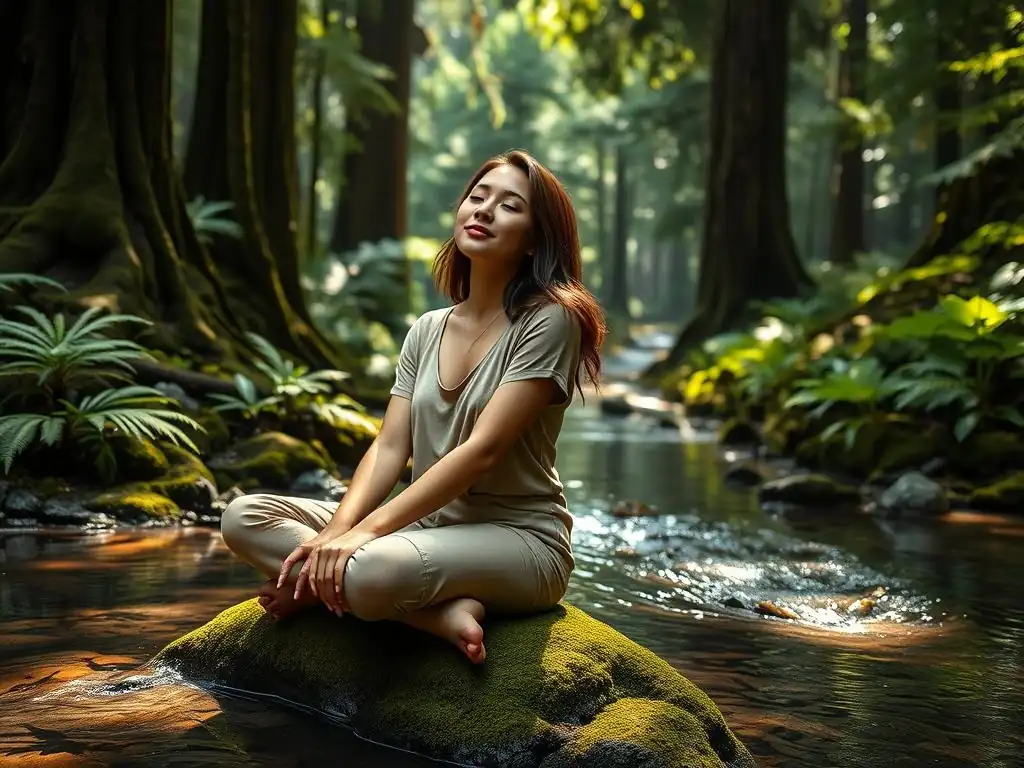
Forest bathing, or Shinrin-Yoku, is a practice originating in Japan that involves mindfully spending time in a forest environment. It is not about hiking or exercising but about slow, sensory immersion. Participants are encouraged to open their senses – noticing the dappled light, the scent of the trees, the sounds of the forest, and the feel of the air on their skin.
This practice has been shown to significantly reduce stress hormones like cortisol and adrenaline, lower blood pressure and heart rate, and boost immune function by increasing natural killer (NK) cell activity. A study published in Environmental Health and Preventive Medicine found that spending time in forests led to decreased scores for tension-anxiety, depression, anger, fatigue, and confusion, while increasing vigor. The calming atmosphere of the forest appears uniquely suited to providing nature therapy benefits anxiety relief.
Horticultural Therapy: Gardening and Plant-Based Activities for Healing
Horticultural therapy uses gardening and plant-related activities as a therapeutic tool. This can involve sowing seeds, tending plants, harvesting produce, or simply interacting with soil and greenery. It is often conducted in therapeutic gardens at hospitals, rehabilitation centers, or community settings, and can also be practiced individually at home.
Engaging with plants offers numerous benefits, including reducing stress, improving mood, and providing a sense of accomplishment. The repetitive and nurturing tasks involved in gardening can be meditative and grounding, offering a distraction from anxious thoughts. Studies have shown that horticultural therapy can reduce symptoms of depression and anxiety, improve social interaction, and enhance motor skills. For example, patients participating in hospital-based gardening programs often report feeling calmer and more hopeful.
Wilderness Therapy: Experiential Therapy in Natural Settings
Wilderness therapy is an experiential approach that uses extended stays in wilderness environments to facilitate therapeutic change. It typically involves group expeditions, such as backpacking, canoeing, or climbing, led by trained therapists and wilderness guides. Participants face physical and emotional challenges that are processed within a therapeutic framework.
This immersive experience can be particularly effective for individuals struggling with behavioral issues, addiction, or complex trauma, though it can also address anxiety and depression. The challenges of the wilderness environment, combined with group dynamics and therapeutic processing, foster resilience, self-reliance, and improved self-awareness. While more intensive than other forms of nature therapy, it offers a profound opportunity for growth and healing outside of traditional settings.
Animal-Assisted Therapy: Connecting with Animals for Emotional Support
Animal-assisted therapy involves guided interactions with trained animals, such as dogs, horses, or even farm animals, as part of a therapeutic plan. While not strictly limited to 'nature' in the sense of wild landscapes, it often takes place in outdoor or semi-outdoor settings like farms or equestrian centers, connecting participants with living beings in a natural context.
Interacting with animals has been shown to lower blood pressure, reduce stress hormones, and increase the release of oxytocin, a hormone associated with bonding and relaxation. For individuals experiencing anxiety, the presence of a calm, non-judgmental animal can provide comfort and a sense of safety. Equine therapy, for instance, uses interactions with horses to help individuals process emotions, build trust, and improve communication skills, offering unique nature therapy benefits anxiety relief through animal connection.
Adventure Therapy: Challenging Yourself in the Outdoors
Adventure therapy utilizes challenging outdoor activities, such as rock climbing, ropes courses, kayaking, or hiking, to achieve therapeutic outcomes. Like wilderness therapy, it is an experiential approach, but it often focuses on specific activities designed to build confidence, improve problem-solving skills, and foster teamwork.
By facing and overcoming physical and emotional challenges in a supportive natural environment, participants can develop resilience, challenge limiting beliefs, and improve self-esteem. The focus on action and problem-solving can be particularly helpful for individuals who tend to ruminate on anxious thoughts, providing a healthy outlet for energy and a focus on present-moment challenges. Successfully navigating a challenging trail or completing a high-ropes course can provide tangible evidence of one's capabilities, directly countering feelings of helplessness often associated with anxiety.
Ecotherapy: Combining Environmental Awareness with Mental Wellness
Ecotherapy is a broad term that encompasses various practices that promote mental well-being through interaction with nature and environmental stewardship. It often integrates ecological principles and encourages participants to develop a deeper connection with the broader ecosystem. This can include activities like conservation work, nature-based mindfulness, or simply spending time in natural settings with an awareness of their interconnectedness.
A key aspect of ecotherapy is the recognition that human health is intertwined with the health of the planet. Engaging in activities that benefit the environment, such as cleaning up a local park or participating in reforestation, can provide a sense of purpose and connection, which are powerful antidotes to feelings of isolation and helplessness that can accompany anxiety or depression. This approach emphasizes reciprocal healing – as we heal nature, nature helps to heal us.
Is Nature Therapy Right for You? Identifying if You Can Benefit
Deciding whether nature therapy is a suitable approach for your mental health journey involves considering your current challenges, preferences, and comfort levels with outdoor activities. While nature offers universal benefits, formal nature therapy programs or intentional nature connection practices may be particularly impactful for certain individuals or conditions. It's about recognizing the signs that indicate you might benefit from incorporating more nature into your life for therapeutic purposes.
Assessing your lifestyle, your relationship with the outdoors, and your specific mental health goals can help determine if pursuing nature therapy, or simply increasing your nature exposure, aligns with your path to well-being. For many, it serves as a gentle yet powerful adjunct to other forms of treatment, offering unique avenues for healing and self-discovery.
Signs That Nature Therapy May Be Beneficial for Your Mental Health
Several indicators might suggest that nature therapy could be a helpful addition to your mental health toolkit. If you find that spending time outdoors, even briefly, makes you feel calmer, more centered, or less stressed, this is a strong sign that deepening your connection with nature could be beneficial. Similarly, if you feel overwhelmed by urban environments or experience 'nature deficit disorder' – a feeling of disconnection from the natural world – actively seeking nature exposure could provide relief.
Other signs include feeling mentally fatigued or having difficulty concentrating, as nature is known to restore attention. If you are seeking complementary approaches to manage anxiety, low mood, or stress and prefer drug-free options, exploring nature therapy benefits anxiety relief could be a positive step. A general feeling of restlessness or a longing for peace and quiet that you don't find in your usual surroundings might also indicate that nature could offer a soothing balm.
Anxiety, Depression, and PTSD: Mental Health Conditions That May Benefit from Nature Therapy
While beneficial for general stress reduction, nature therapy has shown particular promise as a supportive intervention for specific mental health conditions, including anxiety disorders, depression, and Post-Traumatic Stress Disorder (PTSD). For anxiety, the calming effects on the nervous system, reduction in cortisol, and promotion of mindfulness directly address core symptoms like worry, restlessness, and physiological tension.
For depression, increased exposure to sunlight, physical activity, and the sense of connection and purpose found in some nature therapy approaches can combat lethargy, low mood, and feelings of isolation. Individuals with PTSD may find natural environments less triggering than urban settings and the grounding nature of outdoor activities helpful in managing symptoms like hypervigilance and dissociation. For example, veterans' programs incorporating wilderness excursions or horticultural therapy have reported positive outcomes in reducing PTSD symptoms and improving overall adjustment.
Considering Your Lifestyle and Preferences
When considering nature therapy, it's important to be realistic about your lifestyle and personal preferences. Do you have access to natural spaces? How much time can you realistically dedicate? Are you comfortable being outdoors in various weather conditions? Nature therapy can be adapted to different levels of comfort and mobility, from simply sitting by a window with a view of trees to embarking on multi-day hiking trips.
Your interests also matter. If you enjoy physical activity, adventure therapy or wilderness therapy might appeal. If you prefer quiet, contemplative activities, forest bathing or mindful walks could be ideal. For those who enjoy hands-on work, horticultural therapy might be a good fit. There's no single 'right' way to do nature therapy; the most effective approach is one you can realistically incorporate into your life and genuinely enjoy.
Getting Started with Nature Therapy: Practical Tips and Considerations
Embarking on a journey with nature therapy doesn't necessarily require drastic life changes or expensive programs, though those options exist. Often, it begins with small, intentional steps to integrate more nature into your daily life. The key is consistency and finding ways to connect with the natural world that feel accessible and enjoyable to you.
This section offers practical advice on how to begin exploring the therapeutic potential of nature, whether you're looking for structured support or simple ways to boost your daily dose of green. Remember to start slow, be patient with yourself, and celebrate the small victories in connecting with the healing power of the earth.
Finding Qualified Nature Therapy Professionals
If you are dealing with significant mental health challenges, working with a qualified professional is highly recommended. Nature therapy can be integrated into existing therapy or led by practitioners specifically trained in ecotherapy, wilderness therapy, or horticultural therapy. Look for therapists or counselors who have additional training or certifications in nature-based interventions.
Professional organizations related to horticultural therapy, wilderness therapy, or ecotherapy may offer directories of practitioners. When choosing a professional, ask about their training, experience, and how they incorporate nature into their therapeutic approach. They can help you set specific goals, design tailored nature-based activities, and process your experiences in a safe and supportive environment, maximizing your nature therapy benefits anxiety relief and overall growth.
Incorporating Nature into Your Daily Routine: Simple Steps
You don't need to live next to a national park to benefit from nature. Even small doses of nature can have a positive impact. Start by finding ways to weave nature into your existing routine. This could be as simple as eating your lunch outside in a park, taking a different route to work that passes through a green space, or spending a few minutes watching birds from your window.
- [ ] Open curtains or blinds to let in natural light.
- [ ] Place plants in your home or workspace.
- [ ] Listen to natural sounds (birds, rain) instead of music sometimes.
- [ ] Take short breaks outdoors throughout the day.
- [ ] Spend time near a window with a view of nature.
These small adjustments can add up, providing regular moments of calm and connection that contribute to reducing daily stress and anxiety.
Nature Walks, Gardening, and Birdwatching: Nature-Based Activities to Try at Home or in Your Community
There are countless accessible nature-based activities you can try. Taking a mindful walk in a local park or natural area, focusing on your senses, is a simple yet powerful way to engage with nature therapeutically. Aim for regularity, even if it's just 15-20 minutes several times a week.
Gardening, whether in your backyard, on a balcony, or in a community garden, provides hands-on interaction with the earth and living things. The act of nurturing plants can be incredibly rewarding and grounding. Birdwatching, or simply observing wildlife in your area, encourages patience, observation, and appreciation for the living world around you. These activities are not only therapeutic but also enjoyable hobbies that can be easily integrated into your life, offering sustained nature therapy benefits anxiety relief.
Safety Precautions and Considerations for Outdoor Activities
While nature offers healing, it's essential to prioritize safety when engaging in outdoor activities, especially if you are exploring unfamiliar areas or engaging in more strenuous pursuits. Always be aware of your surroundings, weather conditions, and potential hazards like uneven terrain, poisonous plants, or wildlife.
Inform someone about your plans, especially if you are going into more remote areas. Dress appropriately for the weather and activity, and carry water and snacks. If you have physical health conditions, consult with your doctor before undertaking new or challenging outdoor activities. If you are managing a mental health condition, discuss your nature therapy plans with your therapist or healthcare provider to ensure they align with your overall treatment plan.
Maximizing Nature Therapy Benefits for Anxiety Relief and Overall Well-being
Simply being in nature is beneficial, but intentionally engaging with the environment can deepen the therapeutic impact. By combining nature exposure with specific practices like mindfulness, reflection, or social connection, you can amplify the positive effects on your mental health, particularly in achieving significant nature therapy benefits anxiety relief.
These techniques help you move beyond passive observation to active participation and processing of your experiences in nature. They encourage a deeper connection with yourself and the environment, fostering greater self-awareness and resilience.
Mindfulness and Meditation in Nature
Integrating mindfulness or meditation practices while in nature can significantly enhance the therapeutic experience. Mindfulness involves paying attention to the present moment without judgment, and nature provides a perfect backdrop for this. Find a quiet spot, sit comfortably, and focus on your breath. Then, slowly bring your attention to the sensory details around you: the feel of the ground beneath you, the sound of the wind in the leaves, the smell of the earth, the sight of textures and colors.
This practice helps to anchor you in the present, reducing rumination on past worries or future anxieties. Combining meditation with a walk, known as walking meditation, can also be powerful – focusing on the sensation of your feet on the ground and the rhythm of your breath as you move through the natural environment.
Journaling and Reflecting on Your Nature Experiences
After spending time in nature, taking a few moments to journal or reflect on your experience can help solidify the benefits. Write down what you saw, heard, smelled, and felt. Note any thoughts or emotions that arose during your time outdoors. Did you notice a shift in your mood? Did you gain any new perspectives?
Reflecting on your nature experiences helps you become more aware of the subtle ways nature impacts your well-being. It allows you to identify patterns and understand which types of nature exposure or activities are most beneficial for you personally. This metacognitive process enhances the therapeutic value and helps you consciously harness nature therapy benefits anxiety relief.
Connecting with Others in Nature: Group Activities and Support
Sharing nature experiences with others can add a layer of social connection, which is itself a vital component of mental health. Participating in group nature walks, community gardening projects, or organized nature therapy sessions can foster a sense of belonging and mutual support.
Spending time in nature with friends, family, or a support group provides opportunities for shared positive experiences and reduces feelings of isolation. Discussing your experiences with others who appreciate the power of nature can also provide validation and encouragement. Many organizations offer guided nature walks or ecotherapy groups specifically focused on mental wellness.
Integrating Nature Therapy with Other Mental Health Treatments
Nature therapy is rarely presented as a standalone cure for complex mental health conditions. Instead, it is most effectively viewed as a powerful complementary tool that can work in synergy with traditional therapeutic approaches and medical treatments. Integrating nature into a comprehensive mental health plan can enhance outcomes and provide a more holistic path to healing.
This integration acknowledges that well-being is multifaceted and that addressing mental health challenges often requires a combination of strategies. By working with healthcare providers, individuals can weave nature therapy practices seamlessly into their existing care, leveraging its unique benefits alongside other established methods.
Combining Nature Therapy with Traditional Therapy Approaches
Nature therapy can beautifully complement traditional talk therapies like Cognitive Behavioral Therapy (CBT) or Dialectical Behavior Therapy (DBT). For example, practicing mindfulness skills learned in DBT can be greatly enhanced when done in a natural setting. Similarly, challenging negative thought patterns (a core component of CBT) can sometimes feel easier when discussed while walking in a park or sitting by a stream, away from the confines of an office.
Therapists may also incorporate nature into sessions by conducting 'walk and talk' therapy outdoors or assigning nature-based activities as homework. The calming and restorative effects of nature can make it easier for clients to open up, process difficult emotions, and gain new perspectives. This combination leverages the structured support of therapy with the inherent healing power of the environment, boosting nature therapy benefits anxiety relief.
Nature Therapy as a Complementary Tool in Holistic Mental Health Plans
In a holistic approach to mental health, which considers the interconnectedness of mind, body, and spirit, nature therapy fits naturally alongside practices like nutrition, exercise, sleep hygiene, and stress management techniques. It serves as a vital component of a comprehensive wellness plan, addressing mental health from an environmental perspective.
For individuals managing chronic conditions, integrating regular nature exposure can enhance overall resilience and quality of life. It offers a sustainable and accessible way to support mental well-being over the long term, reducing reliance solely on clinical interventions. By viewing nature therapy as a valuable tool within a broader wellness strategy, individuals can create a more robust and personalized path to healing and lasting mental health.
Conclusion: Embracing the Healing Power of Nature for a Healthier Mind
The evidence is compelling: connecting with nature offers significant and measurable benefits for mental health, including notable nature therapy benefits anxiety relief, mood elevation, and stress reduction. From formal wilderness programs to simple daily moments spent outdoors, the natural world provides a powerful, accessible, and often free resource for enhancing psychological well-being.
Embracing the healing power of nature means recognizing our innate connection to the environment and intentionally seeking opportunities to nurture that bond. Whether you choose structured nature therapy or simply commit to spending more time in local green spaces, the positive impact on your mind and body can be profound. As you navigate your mental health journey, consider opening the door to the therapeutic potential of the natural world. Start small, explore different approaches, and discover how integrating nature can lead you towards a healthier, more peaceful, and more resilient mind.
Frequently Asked Questions
What exactly is nature therapy, and how does it relate to anxiety relief?
Nature therapy, also known as ecotherapy, involves spending time in natural environments to improve mental and physical well-being. It's increasingly recognized for its benefits in reducing anxiety symptoms.
What are some key nature therapy benefits anxiety relief methods that might be recommended?
Common approaches include forest bathing (Shinrin-yoku), gardening, hiking, and simply spending time outdoors. These activities can promote relaxation and reduce stress hormones.
How quickly might someone expect to see nature therapy benefits anxiety relief?
While individual results vary, some people experience immediate mood improvements. Consistent engagement over weeks or months usually leads to more substantial and lasting anxiety relief.
Are there any potential risks or downsides to consider before starting nature therapy?
For most, nature therapy is safe. However, it's important to be mindful of allergies, physical limitations, and extreme weather conditions. It's also not a replacement for professional mental health treatment if needed.
How can I find qualified professionals or resources to guide me through nature therapy practices?
Look for certified nature therapists or organizations offering guided nature walks and workshops. Your mental health professional can also offer recommendations and incorporate nature-based activities into your treatment plan.
Final Reflection: Reconnecting with Nature for a Calmer You
The urgent need for accessible mental health solutions is undeniable, and the simple act of immersing ourselves in nature offers a powerful, readily available antidote to the anxieties of modern life. This article explored the multifaceted benefits of nature therapy, highlighting its effectiveness in reducing stress, improving mood, and fostering a deeper connection with the self. The growing body of scientific evidence supporting these claims underscores the importance of integrating nature-based practices into our daily lives, not just as a trend, but as a crucial component of holistic well-being.
The profound impact of nature on our mental and emotional states is something I've personally witnessed, not just through research, but through the quiet moments spent amongst trees and flowing water. In every walk with nature, one receives far more than he seeks.
- John Muir. This quote perfectly encapsulates the inherent restorative power of the natural world. Its influence extends beyond individual experiences; it shapes our cultural understanding of healing, inspiring artists, writers, and thinkers for centuries, and continues to inform innovative approaches to mental healthcare. The growing popularity of ecotherapy and wilderness programs reflects a societal shift towards recognizing the intrinsic link between our well-being and the environment.
Consider, for a moment, the spaces in your life where you feel most at peace. Is there a recurring theme of natural elements? I invite you to consciously incorporate more nature into your daily routine, whether it's a short walk in a park, tending a small garden, or simply observing the changing seasons from your window. Embrace the opportunity to reconnect with the natural world – a powerful ally in your journey towards a calmer, more resilient you. The benefits are waiting to be discovered, right outside your door.
Unveil Your Nature Connection: Start Your Journey to Wellbeing
Thanks for taking the time to explore the power of nature therapy! We hope you discovered insights into how connecting with the natural world can positively impact your mental and physical health. Ready to take the next step?
- Schedule your first nature immersion: Even 15 minutes in a park or green space can make a difference. Pay attention to the sights, sounds, and smells around you. Notice the details.
- Share your experience: Tell a friend or family member about your nature therapy session. Inspire them to join you!
- Explore mindful nature practices: Consider incorporating simple techniques like nature journaling or mindful walking into your routine.
What small step will you take today to nurture your connection with nature?