
Nature's Therapy: Why Spending Time Outdoors Matters for Your Mind

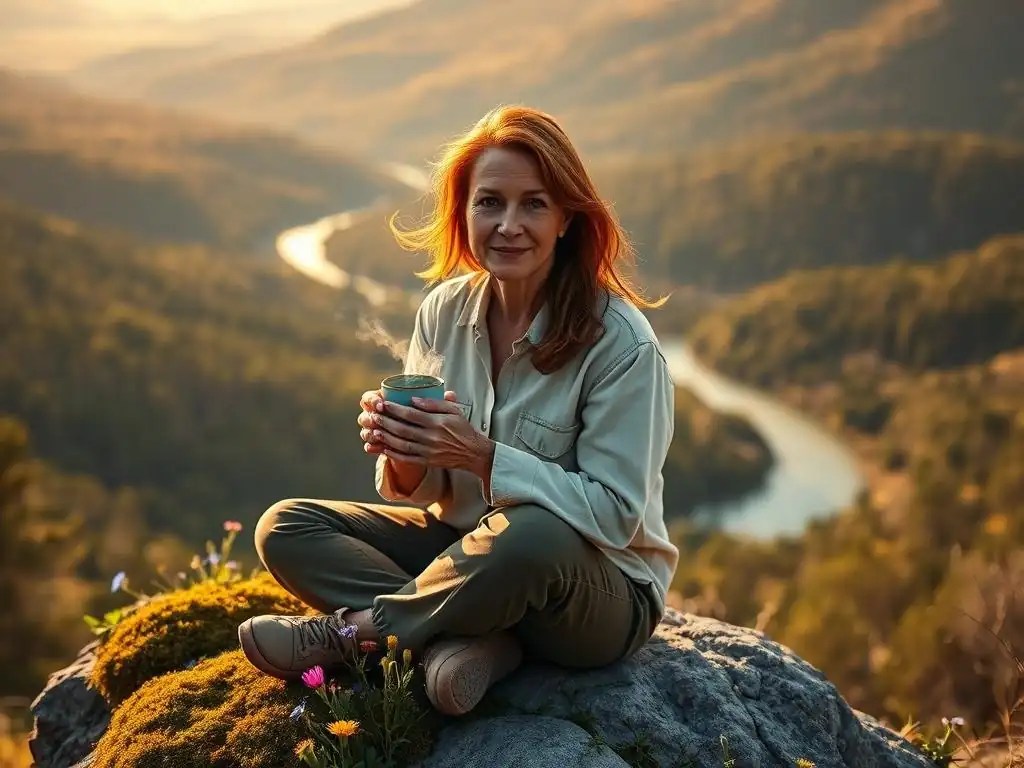
Welcome to Mind Care Guide, your haven for navigating the complexities of mental well-being.
Feeling overwhelmed? We understand. Discover the surprising power of nature to soothe your mind. Our featured article, "Nature's Therapy: Why Spending Time Outdoors Matters for Your Mind," delves deep into the outdoor mental wellbeing benefits adults experience. Prepare to unlock the restorative potential of the great outdoors and discover simple, yet profound ways to reconnect with yourself and the world around you. Intrigued? Let's explore the healing power of nature together...
Nature's Therapy: Why Spending Time Outdoors Matters for Your Mind
- Introduction: Unlocking Outdoor Mental Wellbeing Benefits for Adults
- The Science Behind Outdoor Mental Wellbeing Benefits
- Specific Outdoor Activities for Enhanced Mental Wellbeing
- Addressing Mental Health Challenges with Outdoor Therapy
- Overcoming Barriers to Spending Time Outdoors
- Practical Tips for Maximizing the Mental Wellbeing Benefits of Outdoor Activities
- The Long-Term Impact of Nature Exposure on Mental Health
- Conclusion: Embracing Nature for a Healthier Mind
-
Frequently Asked Questions
- What are the mental wellbeing benefits of spending time outdoors for adults?
- How does nature exposure affect stress levels?
- Can outdoor activities improve cognitive function?
- What types of outdoor activities are best for mental wellbeing?
- How often should adults spend time outdoors for optimal mental health benefits?
- Final Reflection: Reconnecting with Nature, Reconnecting with Ourselves
- Unleash Your Inner Explorer: Reconnect with Nature Today!
Introduction: Unlocking Outdoor Mental Wellbeing Benefits for Adults
The Growing Need for Nature-Based Mental Health Solutions
In an increasingly urbanized and digitally connected world, many adults find themselves spending less time outdoors than ever before. This disconnect from nature coincides with rising rates of stress, anxiety, and other mental health challenges. As the pressures of modern life intensify, there is a growing recognition of the profound impact that our environment has on our psychological state.
Traditional mental health approaches are invaluable, but complementary strategies, particularly those leveraging the restorative power of nature, are gaining significant traction. The quest for effective Outdoor mental wellbeing benefits for adults is becoming a critical area of focus for both individuals and public health initiatives.
This shift towards acknowledging nature's therapeutic role is supported by a growing body of research demonstrating that even brief interactions with natural environments can yield significant improvements in mood, cognitive function, and overall psychological resilience. The simple act of stepping outside, whether into a park, a forest, or even a small garden, offers a powerful antidote to the mental fatigue and emotional strain often associated with contemporary living. Exploring these nature-based solutions provides accessible and often free pathways to enhanced mental health, making them a vital component of a holistic approach to wellbeing for adults facing diverse life challenges.
Why This Guide Champions Outdoor Therapy
This guide champions outdoor therapy as a powerful, accessible, and often underutilized tool for enhancing mental wellbeing in adults. We believe that understanding and actively seeking the Outdoor mental wellbeing benefits for adults is not a luxury, but a fundamental aspect of self-care and mental resilience in the 21st century. By delving into the scientific evidence and practical applications, we aim to empower readers to integrate nature into their lives in meaningful ways, regardless of their location or current circumstances.
Our focus is on providing actionable insights and tangible examples that illustrate how engaging with the natural world can serve as a potent form of therapy. From reducing stress and alleviating symptoms of anxiety and depression to fostering a deeper connection with oneself and the environment, the benefits are multifaceted and cumulative. This guide serves as a comprehensive resource for anyone looking to harness the therapeutic potential of the outdoors to cultivate a healthier, more balanced, and more fulfilling mental life.
The Science Behind Outdoor Mental Wellbeing Benefits
How Nature Impacts Brain Function and Mood
Scientific studies using fMRI scans have shown that spending time in natural environments can alter brain activity in ways that promote mental health. Specifically, areas of the brain associated with rumination – the repetitive, negative thought patterns often linked to depression and anxiety – show decreased activity after nature exposure compared to urban exposure.
For example, researchers at Stanford University found that a 90-minute walk in a natural setting resulted in reduced activity in the subgenual prefrontal cortex, a region associated with self-focused negative thought, whereas walking in an urban environment did not produce this effect. This suggests nature helps quiet the internal noise that can contribute to distress.
Furthermore, exposure to natural stimuli, such as the sights, sounds, and smells of a forest or park, has been shown to activate the parasympathetic nervous system. This system is responsible for the "rest and digest" response, counteracting the "fight or flight" response triggered by stress.
This shift helps lower heart rate, blood pressure, and muscle tension, leading to feelings of calm and relaxation. The intricate patterns and fractal shapes often found in nature are also believed to have a restorative effect on cognitive function, reducing mental fatigue and improving focus and attention, which are key Outdoor mental wellbeing benefits for adults.
Exploring the Physiological Benefits of Spending Time Outdoors
Reduced Stress Hormones (Cortisol) and Nature Exposure
One of the most well-documented physiological benefits of spending time outdoors is the reduction in stress hormones, particularly cortisol. Cortisol is often referred to as the "stress hormone" because it is released in response to stress, preparing the body for action. While essential in short bursts, chronically elevated cortisol levels can have detrimental effects on both physical and mental health, contributing to anxiety, depression, sleep problems, and other issues.
Studies consistently demonstrate that interacting with nature leads to a significant decrease in cortisol levels. For instance, research published in Environmental Health and Preventive Medicine found that forest bathing trips resulted in lower concentrations of salivary cortisol compared to control groups in urban settings.
The calming effect of nature appears to directly signal the body to reduce its stress response. This physiological downshift is a critical component of the Outdoor mental wellbeing benefits for adults. Even short periods, such as 20-30 minutes spent in a park or green space, have been shown in some studies to produce measurable reductions in cortisol and other stress markers like alpha-amylase (an enzyme in saliva linked to stress). This makes nature exposure a powerful, accessible tool for managing chronic stress and promoting overall physiological and psychological balance.
The Role of Vitamin D in Mood Regulation
Exposure to sunlight is the primary way our bodies synthesize Vitamin D, a nutrient crucial for bone health, immune function, and increasingly, mood regulation. While excessive sun exposure carries risks, moderate time outdoors, particularly during peak sunlight hours (with appropriate skin protection), contributes significantly to Vitamin D levels.
Studies have linked Vitamin D deficiency to an increased risk of depression and Seasonal Affective Disorder (SAD). While the exact mechanisms are still being researched, Vitamin D receptors are found in areas of the brain associated with mood, and the nutrient may influence the production of neurotransmitters like serotonin, which plays a key role in feelings of happiness and wellbeing.
Spending time outdoors naturally increases your opportunity for sunlight exposure, thereby supporting healthy Vitamin D levels. This is a less direct but still significant contributor to the overall Outdoor mental wellbeing benefits for adults.
While diet and supplements also contribute, getting Vitamin D from sunlight offers the added benefits of being outdoors itself – the fresh air, physical activity, and exposure to natural light cycles which help regulate circadian rhythms, further improving sleep and mood. Aiming for about 10-30 minutes of midday sun exposure several times a week (depending on skin type, location, and time of year) can be beneficial, always prioritizing sun safety.
Specific Outdoor Activities for Enhanced Mental Wellbeing

Hiking and its Positive Effects on Mental Health
Hiking combines the mental benefits of nature exposure with the physical benefits of exercise, creating a potent recipe for improved mental health. The rhythmic motion of walking, especially on varied terrain, can be meditative and help quiet racing thoughts. Being immersed in natural surroundings, away from the noise and distractions of urban life, provides a sense of escape and perspective.
Studies have shown that hiking can significantly reduce symptoms of depression and anxiety. For example, a study involving clinically depressed individuals found that those who participated in group nature walks showed significant improvements in their mental state compared to a control group.
Beyond mood regulation, hiking also boosts self-esteem and confidence. Successfully navigating a trail, reaching a summit, or simply completing a challenging walk provides a sense of accomplishment. The physical exertion releases endorphins, natural mood elevators that produce feelings of pleasure and euphoria, often referred to as a "hiker's high." For adults seeking robust Outdoor mental wellbeing benefits, hiking offers a comprehensive package: physical activity, nature immersion, and the opportunity for both solitude and social connection if hiking with others.
Gardening: A Therapeutic Activity for the Mind and Body
Gardening is a deeply grounding and therapeutic activity that offers a unique blend of physical work, sensory engagement, and connection with living things. The act of tending to plants – sowing seeds, watering, weeding, and harvesting – provides a sense of purpose and responsibility. It encourages patience, as growth happens on nature's timeline, and offers tangible rewards for effort.
Research has demonstrated that gardening can reduce stress, improve mood, and even alleviate symptoms of depression and anxiety. The physical activity involved, though often gentle, contributes to overall health, and the exposure to sunlight (for Vitamin D) and soil microbes (which some studies suggest can have antidepressant effects) adds further layers of benefit.
Moreover, gardening provides a direct connection to the natural cycles of life, growth, and decay, offering a sense of peace and perspective. It can be a mindful practice, encouraging you to focus on the present moment – the feel of the soil, the smell of the plants, the sight of a growing sprout.
For adults, gardening can be a fulfilling hobby that reduces stress, promotes relaxation, and offers continuous opportunities for learning and engagement, solidifying its place among valuable Outdoor mental wellbeing benefits. Whether it's a small window box, a community plot, or a backyard garden, the act of nurturing plants can profoundly nurture the mind.
Forest Bathing (Shinrin-Yoku): Immersing Yourself in Nature for Stress Reduction
Forest bathing, or Shinrin-Yoku as it's known in Japan, is not about swimming or hiking; it's about mindfully immersing yourself in the atmosphere of the forest. It involves slowing down, opening your senses, and connecting with the natural world around you.
This practice originated in Japan in the 1980s as a preventative health measure and has since gained global recognition for its stress-reducing properties. Research from Japan and South Korea, where forest bathing is widely practiced, shows significant reductions in stress hormones, lower blood pressure, and improved immune function (specifically, an increase in natural killer cells, which fight off infections and disease) after spending time in forested areas.
The therapeutic effects are attributed to several factors, including the calming visual and auditory stimuli of the forest, the release of beneficial aromatic compounds from trees called phytoncides, and the simple act of being present and disconnected from daily stressors. Forest bathing encourages a shift from a busy, goal-oriented mindset to one of simply being in nature.
For adults seeking deep relaxation and a powerful method for managing stress and anxiety, forest bathing offers a profound path to discovering significant Outdoor mental wellbeing benefits. It's an invitation to slow down, breathe deeply, and allow the forest's atmosphere to soothe your mind and body.
Simple Ways to Incorporate Nature into Your Daily Routine
Integrating nature into a busy daily routine doesn't always require a trip to a national park; small, consistent interactions can also yield significant Outdoor mental wellbeing benefits for adults. Even just 10-15 minutes spent mindfully in nature can make a difference. Consider starting your day with a cup of coffee on a porch or by a window overlooking greenery. Take your lunch break outside in a nearby park or courtyard. Walk part of your commute or errands through a tree-lined street or green space instead of solely on concrete paths.
Other simple ways include bringing nature indoors by adding houseplants, which can improve air quality and provide a visual connection to the natural world. Spending time observing birds, squirrels, or insects in your immediate environment can foster a sense of connection and mindfulness. Even listening to nature sounds or viewing nature documentaries can offer some benefits, though direct interaction is generally more impactful. The key is consistency and intentionality – making a conscious effort to seek out and appreciate natural elements in your everyday surroundings.
Addressing Mental Health Challenges with Outdoor Therapy
Nature as a Treatment for Anxiety and Depression
Numerous studies and anecdotal reports highlight the effectiveness of nature exposure as a complementary treatment for anxiety and depression. The calming effect of natural environments helps to reduce physiological symptoms associated with anxiety, such as rapid heart rate and shallow breathing. The reduction in rumination, as mentioned earlier, directly addresses a core symptom of depression. Engaging in outdoor activities provides a positive behavioral activation, which is a common therapeutic technique for depression, encouraging individuals to engage in enjoyable or meaningful activities they might otherwise avoid.
Moreover, the sense of awe and wonder that nature can inspire has been shown to reduce feelings of stress and negativity and promote positive emotions. For adults struggling with anxiety and depression, finding accessible and enjoyable ways to engage with the world is crucial, and nature provides a welcoming, non-judgmental space. Activities like gentle walks, spending time by water (lakes, rivers, the ocean), or simply sitting in a park can offer significant relief and contribute to long-term recovery by fostering a sense of connection, peace, and improved emotional regulation – core Outdoor mental wellbeing benefits.
Using Outdoor Activities to Manage Stress and Burnout
Chronic stress and burnout are increasingly prevalent issues for adults. Outdoor activities provide a powerful antidote by offering a break from stressors and promoting relaxation and recovery. Physical activity outdoors helps metabolize stress hormones and releases tension. The change of environment itself disrupts negative thought loops associated with work or daily pressures. Even short breaks spent outside can improve focus and productivity upon returning to tasks, effectively acting as a mental reset button.
Activities like trail running, cycling, or even just a brisk walk in nature can help release pent-up energy and frustration. Quieter pursuits like fishing, birdwatching, or simply sitting by a campfire can induce a state of calm and mindfulness. By providing a clear separation from stressful environments and offering opportunities for both physical exertion and quiet contemplation, outdoor activities are invaluable for preventing and recovering from burnout. They remind us of a world beyond deadlines and demands, offering essential Outdoor mental wellbeing benefits for maintaining resilience in demanding lives.
While nature can be a wonderful space for solitude, it also offers numerous opportunities for social connection, which is vital for combating loneliness and isolation, significant challenges for many adults. Joining hiking clubs, gardening groups, birdwatching societies, or conservation volunteer teams provides a shared interest and a natural setting for building relationships. Group outdoor activities foster camaraderie and mutual support, reducing feelings of isolation and enhancing social wellbeing.
Participating in community gardens, for example, not only provides the benefits of gardening but also creates a space for interaction and shared purpose with neighbors. Organized group walks or runs in parks offer a low-pressure way to meet new people and build a support network. Even casual encounters on trails or in parks can offer brief but positive social interactions. For adults seeking to expand their social circle while simultaneously improving their mental health, nature-based social activities offer a unique and rewarding pathway to discovering significant Outdoor mental wellbeing benefits that include connection and community.
Overcoming Barriers to Spending Time Outdoors
Strategies for Limited Mobility or Access to Green Spaces
Access to nature is not equally distributed, and limited mobility can pose significant barriers to experiencing Outdoor mental wellbeing benefits for adults. However, there are strategies to mitigate these challenges. Many parks and nature reserves are improving accessibility with paved trails, boardwalks, and accessible viewing platforms. Researching local parks for accessible features is a good starting point. Even small urban parks or community gardens may have accessible paths or raised garden beds.
For those with very limited mobility, bringing nature indoors or to immediate surroundings is crucial. This can involve creating a small balcony garden, placing bird feeders outside a window, using nature-themed decor, listening to nature soundscapes, or using virtual reality experiences that simulate nature walks. Connecting with local disability advocacy groups or community centers can also reveal accessible outdoor programs or resources. The goal is to find ways to engage with natural elements, however small, to reap some of the restorative benefits.
Weather can be a significant deterrent to spending time outdoors, but with preparation, it doesn't have to be an insurmountable barrier to accessing Outdoor mental wellbeing benefits. Investing in appropriate clothing – waterproof jackets, warm layers, sun protection, and sturdy footwear – allows you to be comfortable in various conditions. Checking the forecast and planning activities accordingly is also key. A misty walk can be just as peaceful as a sunny one, and the unique sensory experience of rain or snow can be quite grounding.
Have indoor nature-based backups for extreme weather days. This could include visiting botanical gardens or nature-themed museums, spending time in a sunroom filled with plants, or engaging with nature through art, reading, or documentaries. Remember that even short bursts of exposure during breaks in inclement weather can be beneficial. The aim is to build resilience and adaptability, recognizing that nature's therapy is available year-round if approached with flexibility and the right gear.
Finding Time for Nature in a Busy Schedule
In today's fast-paced world, finding time for anything non-essential can feel challenging, including seeking Outdoor mental wellbeing benefits. The key is to prioritize and integrate nature time rather than viewing it as an optional luxury. Start small; even 10-15 minutes dedicated to being outside can make a difference.
Schedule nature breaks into your day just like you would meetings or appointments. This might mean a walk around the block during lunch, stepping outside for a mindful few minutes after waking up or before bed, or integrating outdoor elements into existing activities, like taking a work call while walking in a park.
Batching activities can also help – combine exercise with nature time by jogging or cycling outdoors, or socialize by meeting friends for a walk instead of coffee indoors. Weekend trips don't have to be elaborate; explore local parks, trails, or nature reserves within a short drive. Task lists can be useful for planning:
- [ ] Block 15 mins daily for an outdoor walk.
- [ ] Plan one longer nature outing (1-2 hours) per week.
- [ ] Identify a nearby green space for lunch breaks.
- [ ] Set a reminder to step outside mid-afternoon.
Viewing nature time as an investment in your mental and physical health, rather than just another chore, can help shift perspective and make it a non-negotiable part of your routine.
Practical Tips for Maximizing the Mental Wellbeing Benefits of Outdoor Activities
Mindful Engagement with Nature: Paying Attention to Your Senses
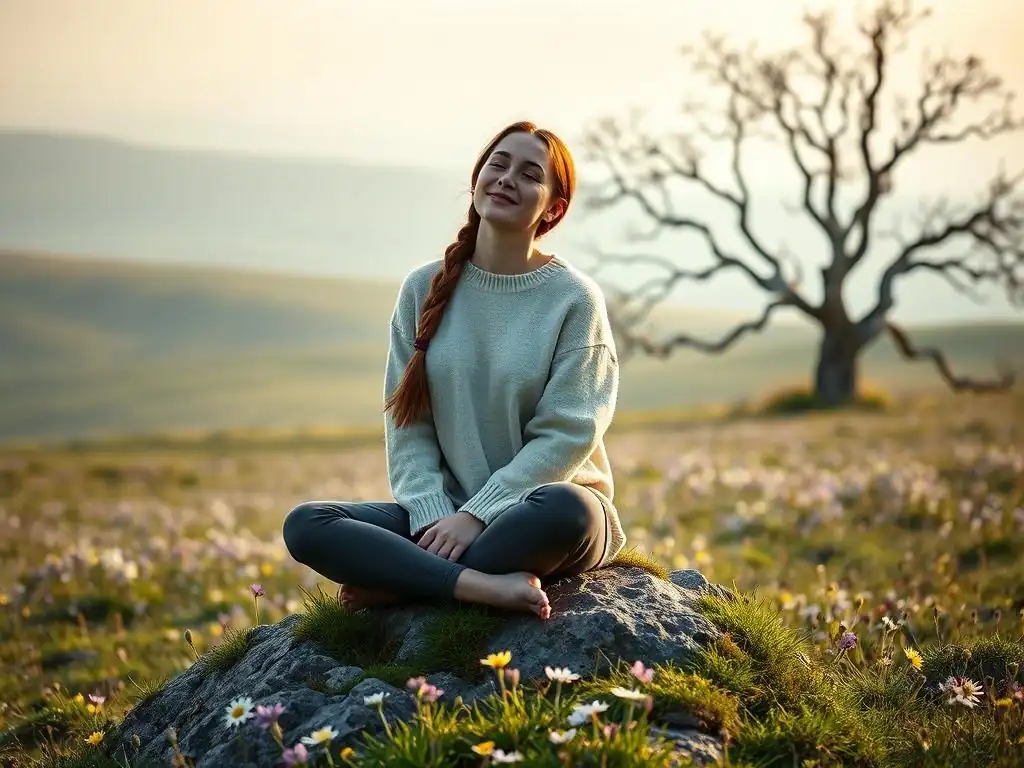
To truly maximize the Outdoor mental wellbeing benefits for adults, simply being present in nature is not enough; mindful engagement is key. This means actively paying attention to your sensory experiences. What do you see? Notice the colors of leaves, the patterns in bark, the way light filters through trees. What do you hear?
Tune into the sounds of birdsong, rustling leaves, flowing water, or the wind. What do you smell? Inhale the scent of pine needles, damp earth, or blooming flowers. What do you feel? Notice the temperature on your skin, the texture of bark or leaves, the ground beneath your feet.
Engaging your senses anchors you in the present moment, pulling your attention away from worries about the past or future. This practice, similar to meditation, can significantly reduce stress and improve focus. Try a simple walking meditation outdoors, focusing on the sensation of your feet on the ground and your breath as you move through the natural space. Dedicating even a few minutes to this heightened sensory awareness during your time outdoors can deepen your connection with nature and amplify its restorative effects on your mind.
Connecting with Nature Through Photography or Art
For adults who find it challenging to quiet their minds or prefer a more active form of mindfulness, connecting with nature through creative outlets like photography or art can be incredibly therapeutic and enhance Outdoor mental wellbeing benefits. Taking photographs encourages you to observe details you might otherwise miss – the intricate structure of a leaf, the texture of a rock, the play of light and shadow. It forces you to slow down, compose a shot, and see the beauty in the small things.
Similarly, sketching, painting, or writing poetry inspired by nature provides a means of processing your experiences and emotions in a natural setting. Sitting quietly to sketch a tree or write about the sounds of a stream allows for deep immersion and reflection. These activities not only foster creativity but also create a lasting connection to the natural places you visit. They provide a tangible way to capture and revisit the peace and inspiration found outdoors, extending the therapeutic benefits beyond the time spent in nature itself.
Creating a Personal Outdoor Sanctuary
Even a small outdoor space can be transformed into a personal sanctuary dedicated to enhancing your Outdoor mental wellbeing benefits. This doesn't require a large garden; a balcony, a patio corner, or even a dedicated spot by a window overlooking a natural view can work. Fill the space with plants – potted flowers, herbs, or small shrubs. Add comfortable seating where you can relax, read, or simply observe nature. Consider adding elements like a small water feature for calming sounds or bird feeders to attract wildlife.
This personal sanctuary serves as an easily accessible retreat where you can consistently connect with nature without leaving home. It becomes a designated space for mindfulness, relaxation, and recharging. Spending just a few minutes each day in this sanctuary, perhaps with a cup of tea or coffee, can provide a valuable mental break and reinforce the habit of seeking solace and restoration in the natural world. It's a personal investment in your mental health, creating a reliable source of peace and connection.
The Long-Term Impact of Nature Exposure on Mental Health
Building Resilience and Emotional Wellbeing Through Nature
Consistent exposure to nature over time contributes significantly to building resilience and enhancing overall emotional wellbeing. Nature provides a constant reminder of cycles, change, and the ability of life to persist and flourish even in challenging conditions. Witnessing the resilience of plants adapting to weather or the slow, steady growth of a tree can offer perspective on our own challenges and capacity for adaptation. Regularly spending time outdoors helps regulate the nervous system, making individuals better equipped to handle stress when it arises.
Furthermore, the sense of peace and groundedness that nature provides acts as a buffer against life's inevitable difficulties. By consistently returning to natural spaces, adults reinforce positive coping mechanisms and build a reliable source of comfort and restoration. This ongoing engagement fosters a deeper sense of emotional stability and contributes to a more positive outlook on life, solidifying the long-term Outdoor mental wellbeing benefits as a foundation for enduring psychological health.
Fostering a Deeper Connection with the Natural World
Beyond personal mental health benefits, spending time outdoors fosters a deeper appreciation and connection with the natural world itself. This connection can lead to a greater sense of purpose and responsibility towards environmental stewardship. Understanding that our own wellbeing is intertwined with the health of the planet can be a powerful motivator for positive action. This ecological identity, or feeling of belonging to the natural world, has been linked to higher levels of happiness and life satisfaction.
For adults, this deeper connection can provide a sense of continuity and belonging that transcends the complexities of modern life. Participating in conservation activities, learning about local flora and fauna, or simply spending quiet time observing the intricate web of life around us can be profoundly enriching and meaningful. This reciprocal relationship – where nature nurtures our minds and we, in turn, are moved to protect it – offers enduring Outdoor mental wellbeing benefits that extend beyond the individual to encompass a sense of shared responsibility for the planet.
Integrating Nature into Your Lifestyle for Sustained Mental Health
For the Outdoor mental wellbeing benefits for adults to be sustained, integrating nature into your lifestyle must become a regular practice, not just an occasional event. This means moving beyond viewing nature time as a luxury and seeing it as an essential component of a healthy life, much like exercise or healthy eating. It involves consciously building habits that ensure consistent exposure, whether through daily walks, weekend adventures, or cultivating a nature-rich home environment.
Think about how you can weave nature into the fabric of your daily and weekly routines. Can you meet friends for walks instead of coffee? Can you take breaks in a park near work? Can you plan regular family outings to natural areas? Can you make gardening a weekly ritual? By making a conscious commitment to prioritize nature exposure and finding creative ways to integrate it into your lifestyle, you create a sustainable pathway to enhanced mental health, resilience, and a deeper connection with the world around you.
Conclusion: Embracing Nature for a Healthier Mind
Reaffirming the Importance of Outdoor Mental Wellbeing Benefits for Adults
The evidence is clear and compelling: spending time outdoors offers profound and multifaceted Outdoor mental wellbeing benefits for adults. From reducing stress hormones and alleviating symptoms of anxiety and depression to improving cognitive function, boosting mood, and fostering social connections, the natural world provides a powerful and accessible form of therapy. In an age marked by increasing mental health challenges, recognizing and actively harnessing the restorative power of nature is more important than ever.
Embracing nature is not a passive act but an intentional choice to prioritize your psychological health. Whether through vigorous hiking, quiet gardening, mindful forest bathing, or simply incorporating small moments of nature connection into your day, the positive impacts on your mind and body are significant and cumulative. These benefits contribute not only to individual wellbeing but also to building more resilient communities and a greater appreciation for the planet we share.
Taking the First Step Towards a Nature-Enriched Life
Taking the first step towards a nature-enriched life doesn't require drastic changes or expensive equipment. It simply requires a willingness to step outside and be present. Start small: commit to a 15-minute walk in a local park this week. Choose to eat your lunch outside if possible. Open your windows to let in fresh air and natural sounds. Gradually increase the duration and frequency of your outdoor time as you feel comfortable.
Remember that nature is accessible in many forms, even in urban environments. Look for trees, green spaces, bodies of water, and open sky. Be patient with yourself as you build new habits, and celebrate the small victories. The journey towards greater Outdoor mental wellbeing benefits for adults is ongoing, and every step taken into the natural world is a step towards a healthier, more balanced, and more peaceful mind. Embrace nature's therapy, and discover the transformative power of the outdoors for your mental wellbeing.
Frequently Asked Questions
What are the mental wellbeing benefits of spending time outdoors for adults?
Spending time outdoors enhances mood, reduces stress, and promotes overall mental health. Exposure to nature can lead to improved emotional resilience and a greater sense of calm.
How does nature exposure affect stress levels?
Nature exposure has been shown to significantly lower cortisol levels, the hormone associated with stress. This leads to a relaxation response, helping adults cope better with daily challenges.
Can outdoor activities improve cognitive function?
Yes, engaging in outdoor activities can boost cognitive function by enhancing focus and creativity. The fresh air and natural surroundings stimulate brain activity, fostering mental clarity.
What types of outdoor activities are best for mental wellbeing?
Activities like hiking, gardening, or simply walking in a park can be highly beneficial. These activities encourage physical movement, which is linked to improved mood and mental health.
How often should adults spend time outdoors for optimal mental health benefits?
Aim for at least 30 minutes outdoors several times a week. Regular exposure to nature can help maintain consistent mental wellbeing and offer lasting positive effects on overall health.
Final Reflection: Reconnecting with Nature, Reconnecting with Ourselves
The urgent need to prioritize mental wellbeing is undeniable, and spending time in nature offers a powerful, readily available antidote. The evidence presented throughout this article demonstrates a clear link between outdoor experiences and improved mental health outcomes for adults, from reduced stress and anxiety to enhanced cognitive function and boosted mood. This isn't just a trend; it's a vital pathway to a healthier, happier future.
The profound impact of nature on our psychological state is something I've personally witnessed, not just through research but through my own experiences finding solace and clarity amidst the trees and by the sea. In every walk with nature, one receives far more than he seeks.
- John Muir. This quote perfectly encapsulates the restorative power of the natural world, a power that transcends cultural boundaries and speaks to the inherent human need for connection with something larger than ourselves. The ongoing societal shift towards valuing mental health, coupled with a growing awareness of nature's therapeutic potential, offers a beacon of hope for a more balanced and fulfilling life.
Now, consider your own relationship with the outdoors. What small steps can you take to integrate more nature into your daily life? Perhaps it's a daily walk in a local park, a weekend hike in the mountains, or simply sitting quietly in your garden.
Don't underestimate the transformative power of even brief encounters with the natural world. Make a conscious effort to reconnect with nature, and in doing so, you'll be investing in your own mental and emotional wellbeing. Embrace the opportunity to discover the healing balm that nature offers, and nurture the vital connection between yourself and the extraordinary world around you.
Unleash Your Inner Explorer: Reconnect with Nature Today!
Thanks for taking the time to discover the incredible benefits of spending time outdoors! We hope this article inspired you to appreciate the profound impact nature can have on your mental wellbeing. Ready to take the next step?
- Prioritize a nature escape this week: Even 15-20 minutes in a park or green space can make a noticeable difference. Try mindful walking, simply observing your surroundings, or listening to the sounds of nature.
- Share your nature moments: Post a picture of your favorite outdoor spot on social media and inspire others to experience the healing power of nature. Use the hashtag #MindCareNatureBoost.
- Challenge yourself to try a new outdoor activity: Consider hiking, birdwatching, gardening, or simply finding a quiet spot to read a book under a tree.
What small step will you take today to enhance your connection with nature and boost your mental well-being?