
Negative Ions & Positive Minds: The unseen Boost from Waterfalls and Forests

Welcome to Mind Care Guide, where we believe in nurturing your mental well-being from every angle.
Feeling overwhelmed? Perhaps the answer lies closer to nature than you think. This week, we delve into the fascinating “Benefits of natural environments”, exploring how something as simple as a walk in the woods can profoundly impact your mood and mental clarity. Prepare to uncover the science behind serenity and discover how reconnecting with the natural world can unlock a healthier, happier you. Eager to learn more? Let's begin...
The Biophilic Effect: Reconnecting with Nature for Enhanced Well-being
- Introduction: Nature's Intrinsic Link to Human Flourishing
- The Science Behind Biophilia: Why Nature Matters to Our Biology
-
Benefits of Natural Environments: Biophilic Design and Mental Wellness
- Reduced Stress and Anxiety: The Restorative Power of Natural Elements
- Improved Cognitive Function: Enhanced Focus, Creativity, and Memory
- Increased Productivity and Engagement: The Impact on Work and Learning Environments
- Enhanced Emotional Well-being: Fostering Feelings of Calm, Joy, and Connection
- Biophilic Design Principles: Integrating Nature into Built Environments
- Implementing Biophilic Design: Practical Applications in Various Settings
- The Broader Impact: Sustainability and Environmental Stewardship
- Addressing Common Challenges in Biophilic Design Implementation
- Conclusion: Re-establishing Our Connection with Nature for a Thriving Future
-
Frequently Asked Questions
- What are negative ions and why are they associated with positive mental well-being?
- How do natural environments like waterfalls and forests generate negative ions?
- What are some specific mental health benefits linked to spending time in natural environments rich in negative ions?
- Besides waterfalls and forests, where else can I find environments with high concentrations of negative ions?
- Is there a way to increase my exposure to negative ions indoors if I can't easily access natural environments?
- Final Reflection: Breathing Deeply, Living Fully
- Unlock Your Inner Calm: Breathe in the Benefits
Introduction: Nature's Intrinsic Link to Human Flourishing
Exploring the Biophilia Hypothesis: Our Innate Connection to Nature
The biophilia hypothesis posits that humans possess an innate tendency to seek connections with nature and other forms of life. This isn't just a preference; it's a fundamental part of our biological and psychological makeup, shaped over millions of years of evolution in natural environments. From the calming effect of a forest canopy to the fascination with flowing water, our deep-seated affinity for the natural world influences our well-being in profound ways. This connection is so vital that its absence can negatively impact our health and happiness, while its presence offers significant restorative and positive benefits of natural environments.
This inherent bond manifests in various ways, from our aesthetic appreciation of natural landscapes to our desire to keep plants and pets. It suggests that our brains are, in a sense, wired for nature. Research indicates that even brief exposure to natural settings can trigger positive physiological changes, such as reduced heart rate and lower stress hormone levels. This isn't a modern phenomenon; it's an ancient, evolutionary legacy that continues to shape our responses to the world around us, highlighting the essential role of nature in human flourishing.
Understanding the Modern Disconnect: The Impact of Urbanization and Technology
Modern life, particularly in developed nations, has seen a dramatic shift away from daily interaction with nature. Rapid urbanization means that a significant majority of the global population now lives in cities, often with limited access to green spaces. This urban existence frequently involves spending most of our time indoors, surrounded by built structures and artificial environments, further severing our connection to the natural world.
Compounding this physical separation is the pervasive influence of technology. Increased screen time across all age groups, reliance on digital entertainment, and the demands of a constantly connected culture mean less time spent outdoors. This modern disconnect from nature is linked to various health issues, including increased rates of stress, anxiety, depression, and attention deficits. Recognizing this gap is the first step towards understanding the importance of intentionally re-integrating nature into our lives and built environments to reap the benefits of natural environments.
The Science Behind Biophilia: Why Nature Matters to Our Biology
Evolutionary Roots: Nature as Our Original Habitat
For the vast majority of human history, our ancestors lived intimately with nature. Our sensory systems, cognitive processes, and physiological responses evolved in direct interaction with diverse natural landscapes—forests, savannas, coastlines. This long evolutionary period shaped our brains to thrive in environments that offered resources, relative safety, and sensory richness. The ability to quickly process natural cues, recognize patterns in vegetation or water, and respond to natural light cycles was crucial for survival and well-being.
This deep history means that our biological systems are still largely attuned to natural rhythms and stimuli, even though our external environment has drastically changed. Our stress response system, for instance, is designed for acute, short-term threats encountered in nature, not the chronic, low-level stressors common in urban, indoor settings. Reconnecting with our original habitat, even in small ways, can help recalibrate these systems, reminding our bodies and minds of the conditions they are optimally designed for, thereby unlocking the benefits of natural environments.
Physiological Responses: How Nature Impacts Our Stress Hormones and Nervous System
Exposure to natural environments has a demonstrable impact on our physiology, particularly our stress response. Studies using physiological markers show that spending time in nature, or even viewing natural scenes, can lead to a decrease in cortisol, the primary stress hormone. This reduction signifies a shift away from the 'fight or flight' sympathetic nervous system activation towards the 'rest and digest' parasympathetic state, promoting relaxation and recovery.
Beyond stress hormones, nature influences heart rate variability (an indicator of the body's ability to handle stress), blood pressure, and muscle tension—all markers associated with stress and anxiety levels. A walk in a park, compared to a walk in an urban setting, has been shown to result in lower levels of physiological stress. This underscores that the benefits of natural environments are not merely perceived but are measurable biological realities that support overall physical and mental health.
Sunlight Exposure: Vitamin D Production and Circadian Rhythm Regulation
Sunlight is a critical natural element with significant physiological effects. Exposure to sunlight on the skin is the primary way our bodies produce Vitamin D, a nutrient essential for bone health, immune function, and increasingly recognized for its role in mood regulation and cognitive function. Vitamin D deficiency is common, particularly in populations with limited outdoor exposure, and is linked to various health issues, including depression.
Moreover, natural light exposure, especially sunlight, plays a vital role in regulating our circadian rhythm, the body's internal clock that governs sleep-wake cycles, hormone release, and other biological processes. Spending time outdoors during the day helps synchronize this clock, promoting better sleep quality at night. Disruptions to circadian rhythms, often caused by insufficient natural light exposure and excessive artificial light at night, are associated with sleep disorders, mood disturbances, and other health problems. Access to natural light is therefore a key component of the benefits of natural environments.
Fractal Patterns: Visual Complexity That Reduces Stress
Nature is full of intricate patterns that repeat at different scales, known as fractals. Examples include the branching of trees, the structure of coastlines, the veins of leaves, and the patterns in snowflakes or clouds. Research suggests that viewing these naturally occurring fractal patterns can induce a state of relaxed wakefulness, reducing physiological stress by a significant percentage, sometimes cited around 20%.
Our visual system is adept at processing these patterns, and engaging with them seems to require a level of cognitive processing that is comfortable and non-threatening, unlike the visual overload or monotony of many built environments. This effortless engagement allows the mind to quiet down, reducing mental fatigue and promoting a sense of calm. The aesthetic appeal of these patterns is deeply rooted in our biology, contributing to the restorative benefits of natural environments.
Benefits of Natural Environments: Biophilic Design and Mental Wellness
Reduced Stress and Anxiety: The Restorative Power of Natural Elements
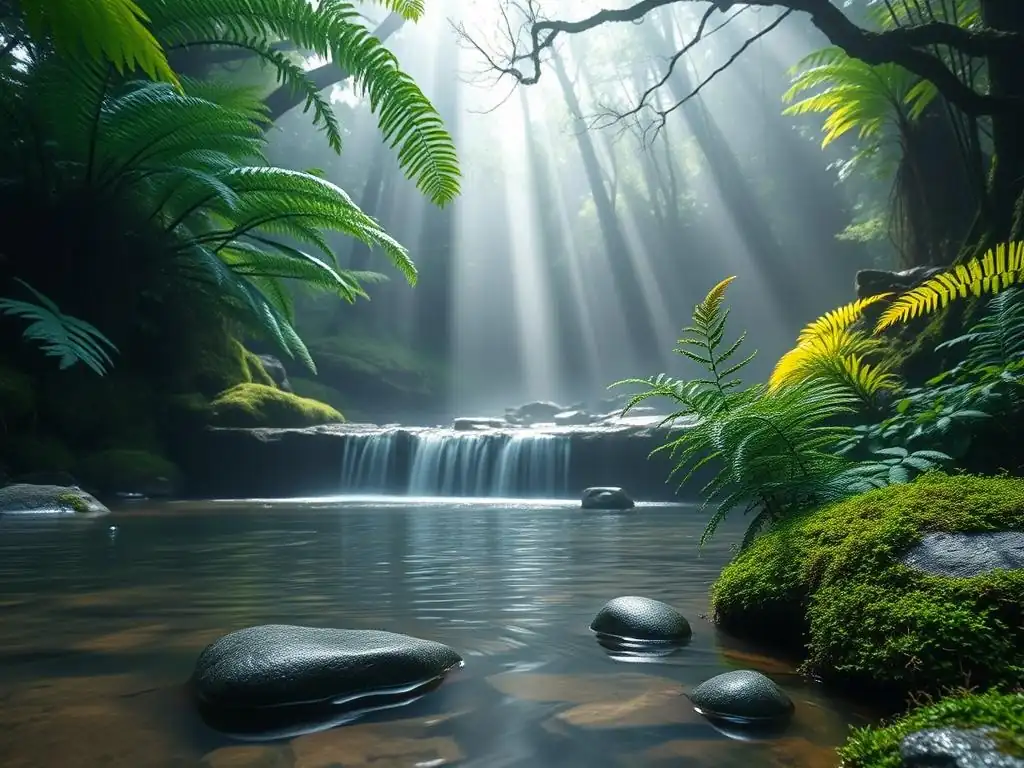
One of the most well-documented benefits of natural environments is their ability to significantly reduce stress and anxiety. Spending time in green spaces, whether a city park, a forest, or a garden, has been shown to lower levels of stress hormones like cortisol and adrenaline. A study comparing walks in urban versus forest settings found that forest walks resulted in lower heart rates and blood pressure, along with decreased reports of anxiety and negative mood.
This restorative effect is attributed to several factors, including the calming visual stimuli, the presence of fresh air, the absence of urban noise and distractions, and the opportunity for gentle physical activity. Even passive exposure, such as viewing nature scenes from a window, can yield measurable reductions in stress. Incorporating natural elements into daily life is a powerful strategy for managing stress and improving overall mental well-being.
Improved Cognitive Function: Enhanced Focus, Creativity, and Memory
Exposure to nature can significantly boost cognitive performance. The Attention Restoration Theory (ART) proposes that nature helps restore our capacity for directed attention, which is often depleted by the demands of urban and work environments. After spending time in nature, individuals typically show improved performance on tasks requiring focus and problem-solving.
Studies have demonstrated that walking in nature can improve memory recall by approximately 20% compared to walking in an urban setting. Furthermore, exposure to natural environments is linked to enhanced creativity. Research indicates that spending several days immersed in nature, away from technology, can increase creative problem-solving abilities by as much as 50%. These cognitive benefits highlight the profound impact of nature on our mental capabilities.
Increased Productivity and Engagement: The Impact on Work and Learning Environments
The benefits of natural environments extend directly to productivity and engagement in work and educational settings. Introducing natural elements like plants, natural light, and views of nature into offices and classrooms has been shown to improve performance. Employees in offices with plants reported feeling 15% more productive and experienced significantly less stress than those in plant-free environments.
In educational settings, access to natural light and views of green spaces has been correlated with improved student test scores and reduced instances of attention deficit hyperactivity disorder (ADHD) symptoms. Creating environments that incorporate biophilic principles fosters a sense of calm focus, reduces mental fatigue, and increases overall satisfaction and engagement among both workers and learners.
Enhanced Emotional Well-being: Fostering Feelings of Calm, Joy, and Connection
Beyond reducing negative states like stress and anxiety, nature actively promotes positive emotions and enhanced emotional well-being. Spending time outdoors or in spaces rich with natural elements can foster feelings of calm, peace, joy, and wonder. The aesthetic beauty of nature, from vibrant flowers to majestic landscapes, can elevate mood and inspire positive feelings.
Nature also provides opportunities for social connection, whether through shared activities like hiking or gardening, or simply by creating pleasant public spaces where people feel comfortable gathering. Furthermore, connecting with the natural world can foster a sense of belonging to something larger than oneself, promoting feelings of awe and interconnectedness. These emotional benefits are integral to a holistic approach to mental wellness.
Biophilic Design Principles: Integrating Nature into Built Environments
Direct Nature: Incorporating Plants, Water Features, and Natural Light
Direct nature refers to the tangible, sensory presence of natural elements within a built space. This includes incorporating living systems like indoor plants, green walls, or rooftop gardens. The presence of plants can improve indoor air quality by filtering pollutants and increasing humidity, contributing to physical comfort and cognitive function.
Water features, such as small fountains or indoor streams, introduce the calming sights and sounds of flowing water, known to reduce stress and create a sense of tranquility. Perhaps most importantly, maximizing access to natural light through large windows, skylights, and strategic building orientation is crucial. Natural light regulates circadian rhythms, improves mood, and reduces reliance on artificial lighting, offering significant benefits of natural environments indoors.
Natural Analogues: Using Natural Materials, Colors, and Patterns
Natural analogues involve using materials, colors, textures, and patterns that are inspired by or resemble nature, even if they are not living elements themselves. This includes using wood, stone, bamboo, and other natural materials for construction and finishes, which can evoke a sense of warmth, authenticity, and connection to the earth.
Incorporating colors found in nature, such as blues, greens, and earthy tones, can create calming and aesthetically pleasing environments. Using patterns that mimic natural forms, like the grain in wood, the veining in marble, or the fractal patterns found in leaves, can provide visual interest and psychological comfort. These elements tap into our innate preference for natural forms and textures, enhancing the feeling of being connected to nature even indoors.
Space and Place: Creating Spaces That Offer Prospect, Refuge, and Mystery
Biophilic design also considers the spatial organization of a building or landscape to satisfy our evolutionary needs for safety, exploration, and observation. 'Prospect' refers to the desire for an unimpeded view over a distance, offering a sense of safety and control, often achieved through elevated positions or large windows overlooking landscapes.
'Refuge' is the opposite: the need for a sense of enclosure and protection, a place to retreat and feel secure. This can be created through alcoves, cozy seating areas, or spaces partially screened from view. 'Mystery' involves the promise of more to come, the allure of partially obscured views or winding paths that invite exploration, stimulating curiosity and engagement. Designing spaces that balance these elements can significantly enhance psychological comfort and well-being, leveraging the inherent benefits of natural environments.
Implementing Biophilic Design: Practical Applications in Various Settings
Healthcare: Creating Healing Environments for Patients and Staff
Biophilic design principles are increasingly applied in healthcare settings to support healing and reduce stress for both patients and staff. Access to views of nature from hospital rooms has been shown to reduce patient recovery times, decrease the need for pain medication, and lower anxiety levels. Incorporating indoor plants, natural materials, and access to outdoor gardens provides calming spaces for recovery and respite.
Furthermore, biophilic design in staff areas, such as break rooms with natural light and plants, can help reduce burnout and improve the well-being of healthcare professionals working in high-stress environments. Designing healthcare facilities that acknowledge the human connection to nature fosters a more empathetic and effective healing environment, maximizing the benefits of natural environments for vulnerable populations.
Education: Enhancing Learning Environments for Students and Educators
Applying biophilic design in schools and universities can significantly impact learning and behavior. Classrooms with ample natural light and views of nature have been linked to improved student performance and reduced off-task behavior. Studies indicate that students in classrooms with large windows and natural views perform better on tests and exhibit fewer symptoms associated with attention disorders.
Incorporating indoor plants, using natural materials, and creating accessible outdoor learning spaces or courtyards can make educational environments more engaging, calming, and conducive to learning. These design choices support cognitive function, reduce stress for both students and teachers, and create a more positive atmosphere that enhances the overall educational experience.
Workplace: Designing Productive and Engaging Workspaces
The modern workplace is a prime candidate for biophilic design interventions to boost productivity, creativity, and employee well-being. Offices incorporating natural elements like indoor plants, green walls, access to natural light, and views of nature have reported significant improvements. Employees in biophilic workspaces often report higher levels of job satisfaction, reduced stress, and fewer instances of sick leave.
Introducing natural materials and designing spaces that offer variety—from open areas with views (prospect) to quieter zones (refuge)—can cater to different work styles and needs. Creating an environment that acknowledges our innate connection to nature can lead to a more engaged, focused, and healthy workforce, directly contributing to the benefits of natural environments in an economic context.
Residential: Bringing Nature Home for a Healthier and Happier Life
Integrating biophilic principles into residential design can transform houses into homes that nurture well-being. This can be as simple as maximizing natural light through window placement, choosing natural materials like wood or stone for interiors, or incorporating houseplants. Even small interventions, like having a window view of a tree or a small balcony garden, can make a difference.
Designing homes that connect residents with nature fosters a sense of calm and relaxation, reducing stress levels within the household. Creating spaces that offer refuge, such as a cozy reading nook with a view of the garden, or prospect, like a living room overlooking a park, enhances psychological comfort. Bringing the benefits of natural environments into the home creates a healthier and happier living space for individuals and families.
The Broader Impact: Sustainability and Environmental Stewardship
Biophilic Design as a Catalyst for Sustainable Practices
Biophilic design inherently aligns with sustainable practices. By prioritizing natural light and ventilation, buildings can reduce energy consumption for lighting, heating, and cooling. Using locally sourced natural materials reduces the carbon footprint associated with transportation and manufacturing compared to synthetic alternatives.
Incorporating green roofs and walls helps manage stormwater runoff, reduces the urban heat island effect, and supports local biodiversity. Designing with nature in mind encourages the use of sustainable water management systems, such as rainwater harvesting for irrigation. Biophilic design not only benefits human occupants but also promotes building practices that are gentler on the planet, creating a virtuous cycle where human well-being and environmental health are intertwined.
Connecting People to Nature to Foster Environmental Responsibility
Direct experiences with nature are a powerful predictor of pro-environmental behavior. By fostering a deeper connection between people and the natural world through biophilic design and access to green spaces, we cultivate a greater appreciation for nature's value and a stronger desire to protect it. Someone who experiences the calming effect of a park or the beauty of a nearby forest is more likely to care about conservation efforts.
Educational programs that connect children with nature have been shown to instill a lifelong sense of environmental stewardship. Biophilic design in cities and buildings serves as a constant reminder of our dependence on healthy ecosystems and the importance of environmental responsibility. This connection is crucial for building a society that values and actively works towards environmental sustainability.
The Role of Urban Planning in Creating Biophilic Cities
Urban planning plays a critical role in creating biophilic cities that prioritize access to nature for all residents. This involves preserving existing green spaces, developing new parks and urban forests, and integrating nature into infrastructure through green roofs, vertical gardens, and tree-lined streets. Green corridors can connect different natural areas, facilitating both human movement and ecological connectivity.
Planning for walkability and bikeability to natural areas encourages active lifestyles and reduces reliance on cars. Creating accessible public parks and waterfronts ensures that the benefits of natural environments are available to diverse communities, promoting public health, social cohesion, and environmental awareness on a city-wide scale. Biophilic urban planning is essential for creating livable, sustainable, and healthy cities for the future.
Addressing Common Challenges in Biophilic Design Implementation
Overcoming Budget Constraints and Space Limitations
Implementing biophilic design can sometimes face challenges related to budget and space, particularly in existing buildings or dense urban areas. However, effective biophilic design doesn't always require large-scale, expensive interventions. Cost-effective solutions include maximizing natural light by keeping windows unobstructed, strategically placing mirrors to reflect light, and incorporating easy-to-care-for houseplants.
In limited spaces, vertical gardens, small water features, or using natural materials and colors can make a significant impact. Prioritizing key elements, such as access to views or incorporating natural light, can yield substantial benefits even with modest budgets. Creative use of space and focusing on the principles rather than just expensive features can make biophilic design achievable in various contexts.
Ensuring Maintenance and Sustainability of Biophilic Elements
Maintaining living elements like plants and water features is crucial for the long-term success of biophilic design and requires careful planning. Choosing plant species appropriate for the indoor environment and light conditions, and implementing automated watering systems, can reduce maintenance burdens. Regular cleaning and maintenance schedules are essential for water features to prevent issues like stagnation.
Selecting durable and sustainable natural materials that require minimal upkeep also contributes to the long-term viability of the design. Considering the lifecycle cost and environmental impact of materials and maintenance practices is part of ensuring that the biophilic design remains beneficial and sustainable over time.
Measuring the Effectiveness of Biophilic Interventions
Measuring the precise impact of biophilic interventions can be complex but is important for demonstrating their value. Methods include collecting subjective data through occupant surveys on stress levels, mood, and perceived productivity. Objective data can involve monitoring physiological indicators like heart rate or cortisol levels, tracking absenteeism rates, or evaluating performance metrics in workplaces or schools.
Comparing data before and after implementing biophilic changes, or comparing biophilic spaces to control spaces, can provide evidence of effectiveness. While isolating the impact of specific elements can be challenging due to the interconnectedness of design features, a combination of quantitative and qualitative data can provide a comprehensive picture of the benefits of natural environments within built spaces.
[ ] Assess current connection to nature
[ ] Identify opportunities for nature interaction (local parks, indoor plants)
[ ] Explore simple biophilic design changes for home or work
[ ] Plan dedicated time for nature exposure each week
Conclusion: Re-establishing Our Connection with Nature for a Thriving Future
The Long-Term Benefits of Biophilic Design and Practices
Re-establishing our connection with nature through biophilic design and regular nature exposure offers profound and lasting benefits for individual and collective well-being. Over the long term, consistent interaction with natural environments can lead to sustained reductions in chronic stress, improved mental clarity, enhanced creativity, and greater emotional resilience. These benefits contribute to a higher quality of life and potentially reduce the burden of stress-related illnesses.
Furthermore, widespread adoption of biophilic principles in urban planning and building design can create healthier, more vibrant communities that are more resilient to environmental challenges. By weaving nature back into the fabric of our lives and cities, we build a future where human health and the health of the planet are mutually supportive, unlocking the full spectrum of benefits of natural environments.
Further Resources for Exploring Biophilic Design and Its Applications
For those interested in delving deeper into the fascinating field of biophilic design and the benefits of natural environments, a wealth of information is available. Numerous academic books and research papers explore the scientific basis of biophilia and its impact on health, cognition, and productivity, often detailing specific studies and findings.
Various professional organizations and non-profits dedicated to sustainable design and environmental psychology offer publications, reports, and online materials outlining biophilic design principles and case studies from around the world. Exploring these resources can provide valuable insights into practical applications and the growing body of evidence supporting the vital role of nature in creating healthier, more restorative human environments.
Frequently Asked Questions
What are negative ions and why are they associated with positive mental well-being?
Negative ions are molecules with an electrical charge that are abundant in natural environments. They are believed to increase serotonin levels, which can help regulate mood and alleviate stress.
How do natural environments like waterfalls and forests generate negative ions?
Waterfalls generate negative ions through the Lenard effect, where water droplets collide and break apart, releasing charged particles. Forests also generate them through plant processes and atmospheric friction.
What are some specific mental health benefits linked to spending time in natural environments rich in negative ions?
Studies suggest exposure to negative ions in natural settings can lead to reduced symptoms of depression, improved sleep quality, and enhanced cognitive function.
Besides waterfalls and forests, where else can I find environments with high concentrations of negative ions?
Other environments with high negative ion concentrations include beaches, mountains, and even after a thunderstorm.
Is there a way to increase my exposure to negative ions indoors if I can't easily access natural environments?
Yes, certain devices like negative ion generators can artificially produce negative ions indoors. However, it's important to choose reputable brands and be aware of potential side effects.
Final Reflection: Breathing Deeply, Living Fully
The revitalizing power of nature, specifically the negative ions generated by waterfalls and forests, isn't just a pleasant feeling; it's a crucial element of our well-being in an increasingly technology-driven world. Our disconnection from the natural world has profound consequences for our mental and physical health, a fact increasingly supported by scientific research. Ignoring this connection is ignoring a readily available source of profound benefit.
The subtle, yet powerful, influence of negative ions on our mood and cognitive function is a testament to the interconnectedness of humanity and the natural world. We've spent centuries building cities and focusing on the artificial, often at the expense of our innate need for connection with nature. This disconnection has led to a rise in stress-related illnesses and a general feeling of unease in many. Nature holds the key to our aesthetic, intellectual, cognitive and even spiritual satisfaction.
This quote highlights the profound impact the natural world has on our overall well-being, an impact we often overlook in our daily lives.
Consider, for a moment, the last time you felt truly refreshed and at peace. Was it in a bustling city center, or amidst the calming embrace of a forest or near the invigorating spray of a waterfall? I encourage you to actively seek out these natural spaces, to consciously breathe in the air, and to allow yourself to be rejuvenated by the unseen forces at play. Make time for nature; it's an investment in your physical and mental health, and ultimately, in the richness of your life.
Unlock Your Inner Calm: Breathe in the Benefits
Thanks for taking the time to explore the power of negative ions and their impact on your well-being! We hope you've gained a deeper understanding of how nature's subtle energies can boost your mood and mental clarity. Now it's time to put this knowledge into action.
- Plan your next nature escape: Identify a nearby waterfall, forest, or even a park with plenty of greenery and schedule a visit. Embrace the revitalizing power of negative ions firsthand!
- Share your experience: Tell us (and others!) about your immersion in nature. What did you notice? How did it make you feel? Share your comments below!
- Consider adding an ionizer to your home: While nothing replaces the real thing, a negative ion generator can bring a touch of nature's restorative energy indoors.
Ready to experience the transformative power of negative ions for yourself? What's the first step you'll take to increase your exposure to nature's energy boost?