
Oxidative Stress, Mitochondria, and Keto: Protecting Your Brain Cells

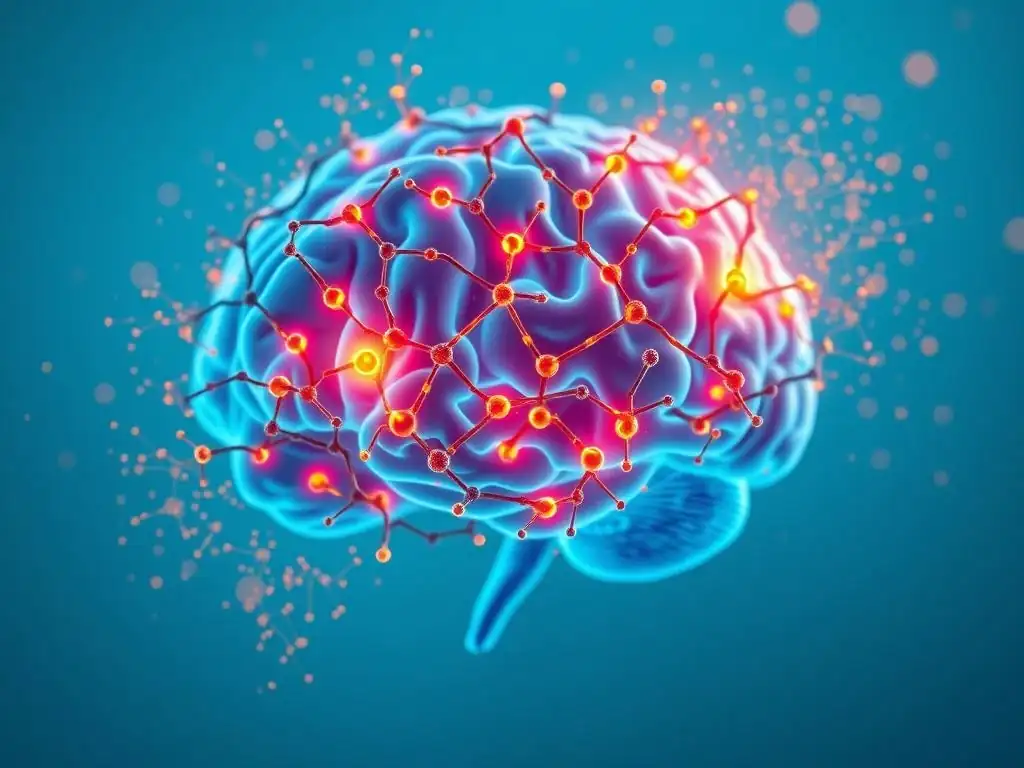
Welcome to Mind Care Guide, your sanctuary for understanding and nurturing mental well-being. Feeling overwhelmed by the complexities of brain health? You're not alone. In this article, we delve into a fascinating connection: how the keto diet might just be your ally in the fight against brain oxidative stress. Curious about how this powerful metabolic shift can protect your precious brain cells? Let's unlock the potential of Keto to protect brain oxidative stress and embark on a journey towards a healthier, more resilient mind.
Oxidative Stress, Mitochondria, and Keto: Protecting Your Brain Cells
- Understanding Oxidative Stress and Brain Health
- Mitochondria: Powerhouses of Brain Cell Health
- The Ketogenic Diet: A Potential Shield Against Oxidative Stress
- Keto Protects Brain from Oxidative Stress: The Science-Backed Benefits
- Implementing a Brain-Healthy Ketogenic Diet
- Optimizing Mitochondrial Function with Keto and Lifestyle
- Potential Challenges and Considerations with Keto for Brain Health
- Conclusion: Harnessing the Power of Keto to Combat Brain Oxidative Stress
-
Frequently Asked Questions
- How does the ketogenic diet potentially protect the brain from oxidative stress?
- What role do mitochondria play in the context of oxidative stress and brain health?
- Can the ketogenic diet improve mitochondrial function and thereby reduce oxidative stress?
- Besides diet, what other lifestyle factors contribute to oxidative stress in the brain?
- Is the ketogenic diet a suitable solution for everyone seeking to reduce oxidative stress and improve brain health?
- Final Reflection: The Ketogenic Diet: A Shield for the Brain?
- Unlock Your Brain's Potential: Take Charge of Cellular Health
Understanding Oxidative Stress and Brain Health
What is Oxidative Stress? A Deep Dive
Oxidative stress is essentially an imbalance between the production of reactive oxygen species (ROS) and reactive nitrogen species (RNS), collectively known as free radicals, and the body's ability to detoxify these reactive products or repair the resulting damage with antioxidants. Think of it like rust on metal – free radicals can damage cells, proteins, and DNA in a similar way.
While free radicals are natural byproducts of metabolism, particularly energy production within cells, their overproduction or insufficient antioxidant defenses can lead to significant cellular damage. This cellular damage is a key factor in the aging process and the development of numerous diseases.
In the context of brain health, this delicate balance is particularly crucial. The brain is highly vulnerable to oxidative stress due to its high metabolic rate, consuming about 20% of the body's oxygen despite making up only about 2% of its weight. This intense activity generates a significant amount of free radicals.
Furthermore, the brain contains a high concentration of polyunsaturated fatty acids, which are easily targeted by free radicals in a process called lipid peroxidation. While the brain does have its own antioxidant defense systems, such as enzymes like superoxide dismutase (SOD) and catalase, and molecules like glutathione, chronic exposure to stressors like poor diet, environmental toxins, chronic inflammation, and psychological stress can overwhelm these defenses, leading to persistent oxidative damage.
The Impact of Oxidative Stress on Brain Cells
The damage inflicted by oxidative stress on brain cells, specifically neurons and glial cells, can be profound and widespread. Free radicals can attack the cell membrane by damaging the lipids, impair protein function by altering their structure, and harm genetic material (DNA and RNA). This damage can disrupt crucial cellular processes necessary for brain function, such as neurotransmission, synaptic plasticity (the ability of synapses to strengthen or weaken over time), and energy production. For instance, damage to cell membranes can impair the function of ion channels and receptors, altering how neurons communicate.
Studies show that elevated levels of oxidative stress markers, such as malondialdehyde (MDA) which is a product of lipid peroxidation, or protein carbonyls, are consistently found in the brains of individuals experiencing cognitive decline. This damage doesn't just impact individual cells; it can lead to the dysfunction and eventual death of neurons, contributing to the progressive loss of brain tissue observed in various neurological conditions.
The cumulative effect of this cellular damage over time can significantly impair cognitive functions, including memory, learning, attention, and executive functions, highlighting the critical need to explore strategies that can help keto protect brain oxidative stress.
Oxidative Stress and Neurological Disorders: The Connection
A strong body of research links chronic oxidative stress to the development and progression of several major neurological and neurodegenerative disorders. In conditions like Alzheimer's disease, oxidative damage is an early event, appearing before the characteristic amyloid plaques and tau tangles fully develop. Oxidative stress is thought to contribute to the accumulation and toxicity of these protein aggregates, further exacerbating neuronal injury. Studies have shown increased levels of oxidative markers in the brains of Alzheimer's patients compared to healthy individuals.
Similarly, in Parkinson's disease, oxidative stress plays a significant role in the degeneration of dopamine-producing neurons in the substantia nigra. The metabolism of dopamine itself can generate reactive species, and impaired antioxidant defenses in these specific neurons make them particularly vulnerable. Research also implicates oxidative stress in conditions like Amyotrophic Lateral Sclerosis (ALS), Huntington's disease, and even psychiatric disorders like depression and anxiety, although the exact mechanisms can vary. Understanding this fundamental link underscores the importance of mitigating oxidative damage as a potential therapeutic strategy for supporting brain health and potentially slowing the progression of these devastating conditions.
Mitochondria: Powerhouses of Brain Cell Health
The Vital Role of Mitochondria in Brain Function
Mitochondria are often referred to as the "powerhouses" of the cell because their primary function is to generate adenosine triphosphate (ATP), the main energy currency used by cells, through a process called oxidative phosphorylation. This role is exceptionally critical in the brain, which has a high energy demand. Neurons, in particular, require a constant and substantial supply of ATP to maintain their electrical potential, synthesize neurotransmitters, transport molecules, and support synaptic communication. A single neuron can contain hundreds or even thousands of mitochondria, strategically located near areas of high energy demand, such as synapses.
Beyond energy production, mitochondria are involved in a multitude of other essential cellular processes vital for brain health. They play roles in calcium homeostasis, regulating the concentration of calcium ions within the cell, which is critical for neurotransmitter release and signaling. Mitochondria are also key regulators of apoptosis (programmed cell death), controlling pathways that determine whether a cell lives or dies – a process important for development and removing damaged cells, but detrimental if dysregulated.
Furthermore, they are involved in the synthesis of certain molecules, including parts of neurotransmitters and steroids. Their multifaceted roles highlight why healthy mitochondrial function is indispensable for optimal brain performance and survival.
Mitochondrial Dysfunction and Oxidative Damage
Mitochondrial dysfunction occurs when these organelles fail to perform their roles effectively, particularly in energy production. This can happen for various reasons, including genetic mutations, environmental toxins, aging, and importantly, chronic oxidative stress. The process of generating ATP via oxidative phosphorylation within the mitochondria naturally produces reactive oxygen species (ROS) as a byproduct. Under normal conditions, the mitochondria's own antioxidant systems manage this. However, if these systems are overwhelmed or if the electron transport chain (the main site of ATP production) becomes inefficient, ROS production can skyrocket.
This increased ROS production within the mitochondria creates a vicious cycle. The free radicals damage mitochondrial components, including their DNA (mtDNA), proteins, and lipids, further impairing their function and leading to even more ROS production. This internal source of oxidative stress is particularly damaging because it directly impacts the cell's energy supply and can trigger pro-apoptotic pathways.
Mitochondrial dysfunction is not just a consequence of oxidative stress; it's a major contributor to it, creating a feedback loop that significantly compromises neuronal health and is strongly implicated in neurodegenerative processes. Strategies that support mitochondrial health can therefore be crucial in helping keto protect brain oxidative stress.
How Mitochondria Contribute to Neurodegenerative Diseases
Impaired mitochondrial function is a common feature observed across many neurodegenerative disorders, including Alzheimer's, Parkinson's, Huntington's, and ALS. While the exact mechanisms vary between diseases, mitochondrial dysfunction contributes to neuronal loss through several pathways. Reduced ATP production starves neurons of the energy needed for survival and function, disrupting synaptic transmission and maintenance. Increased mitochondrial ROS production causes direct oxidative damage to critical cellular components, leading to dysfunction and death.
Furthermore, dysfunctional mitochondria can fail to buffer calcium effectively, leading to intracellular calcium overload, which is toxic to neurons. They can also release pro-apoptotic factors, initiating the cell's self-destruction program. In diseases like Parkinson's, specific genetic mutations linked to the disorder affect proteins involved in mitochondrial quality control, such as PINK1 and Parkin, leading to the accumulation of damaged mitochondria.
In Alzheimer's disease, mitochondria in affected brain regions show reduced activity and increased oxidative damage. Addressing mitochondrial health is therefore a key target in developing therapeutic interventions for these conditions, and dietary approaches like the ketogenic diet are being explored for their potential to support mitochondrial function and thereby help keto protect brain oxidative stress.
The Ketogenic Diet: A Potential Shield Against Oxidative Stress
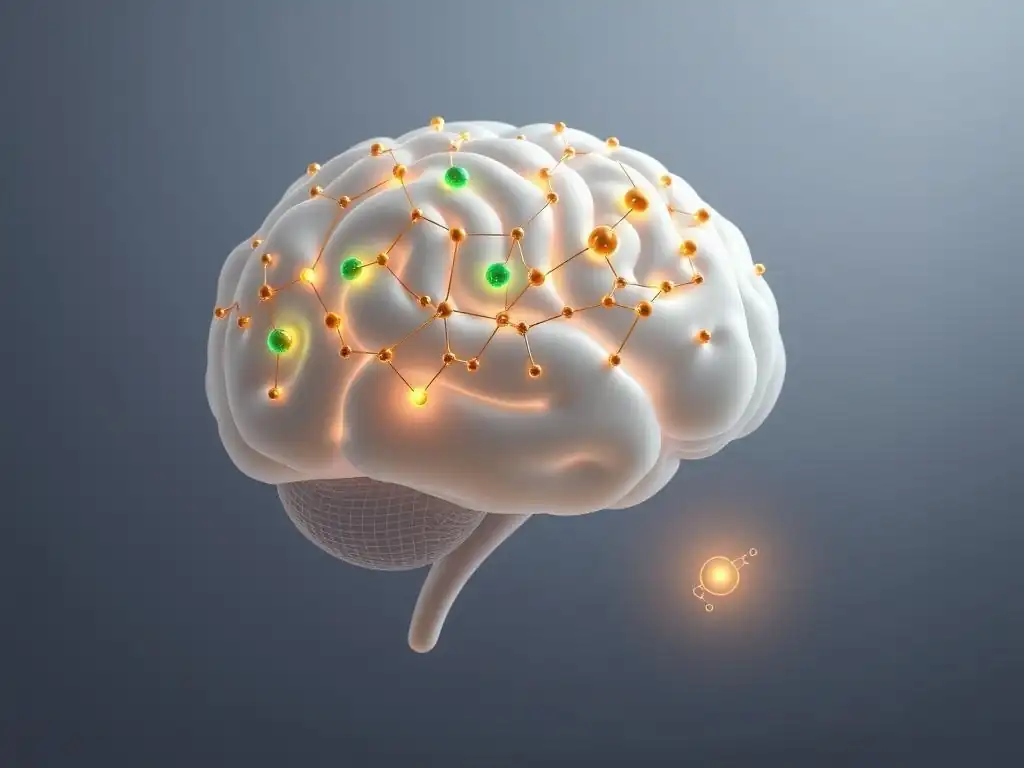
Keto Diet Basics: Fueling the Brain with Ketones
The ketogenic diet is a very low-carbohydrate, moderate-protein, high-fat eating pattern. By drastically reducing carbohydrate intake (typically below 50 grams per day, often much lower, like 20-30g), the body is forced to switch from using glucose as its primary fuel source to burning fat. When fat is metabolized, the liver produces compounds called ketone bodies, primarily beta-hydroxybutyrate (BHB), acetoacetate, and acetone. These ketone bodies are released into the bloodstream and can be used by many tissues for energy, including the brain. Unlike fatty acids, ketone bodies can cross the blood-brain barrier efficiently.
When the body is in a state of ketosis, meaning ketone levels in the blood are elevated (often above 0.5 millimolar), the brain begins to use ketones as a significant, or even primary, fuel source alongside glucose. This metabolic shift has several implications for brain function. It provides an alternative and often more efficient fuel source, particularly when glucose metabolism is impaired.
For example, studies have shown that in conditions like Alzheimer's disease, the brain's ability to utilize glucose can be compromised, and ketones may offer a vital alternative energy supply. This metabolic flexibility is one of the key reasons the ketogenic diet is being investigated for its neuroprotective potential.
How Keto Reduces Oxidative Stress in the Brain
The ketogenic diet appears to exert its neuroprotective effects, in part, by directly and indirectly reducing oxidative stress in the brain. One primary mechanism involves the shift in fuel source from glucose to ketones. Glucose metabolism, while essential, produces a significant amount of reactive oxygen species (ROS) as a byproduct of oxidative phosphorylation. Ketone metabolism, particularly the metabolism of BHB, is generally considered to generate fewer ROS per unit of ATP produced compared to glucose metabolism. By relying more on ketones for energy, the brain's overall ROS production from metabolic processes may be reduced.
Furthermore, BHB, the main ketone body, is not just a fuel source; it also acts as a signaling molecule with potent antioxidant properties. Research indicates that BHB can directly scavenge free radicals. More significantly, BHB can influence gene expression, promoting the production of endogenous antioxidant enzymes.
For instance, studies have shown that BHB can activate the Nrf2 pathway, a master regulator of cellular antioxidant responses. This activation leads to increased synthesis of enzymes like superoxide dismutase, catalase, and glutathione peroxidase, enhancing the brain's intrinsic defense mechanisms against oxidative damage. This dual action – reducing ROS production and boosting antioxidant defenses – suggests that keto protect brain oxidative stress through multiple synergistic pathways.
Ketones and Mitochondrial Function: A Synergistic Effect
The benefits of the ketogenic diet for brain health are closely intertwined with its effects on mitochondrial function. As mentioned, mitochondria are central to both energy production and oxidative stress. The shift to ketone metabolism appears to improve mitochondrial efficiency and health. Studies suggest that using ketones as fuel can enhance the efficiency of the electron transport chain within mitochondria, leading to less "leakage" of electrons and consequently, reduced production of superoxide, a major ROS. This means mitochondria can produce ATP more cleanly when fueled by ketones.
Beyond efficiency, the ketogenic state, particularly via BHB, can promote mitochondrial biogenesis – the creation of new mitochondria. This increase in the number of mitochondria means the brain has more capacity for energy production and potentially more robust cellular health. More mitochondria can also distribute the metabolic workload, further reducing stress on individual organelles.
Additionally, BHB has been shown to improve mitochondrial dynamics, influencing processes like fusion and fission, which are necessary for maintaining a healthy mitochondrial network within cells. This synergy between ketones and mitochondria provides a compelling explanation for how keto protects the brain from oxidative stress and supports overall neuronal resilience.
Keto Protects Brain from Oxidative Stress: The Science-Backed Benefits
Research on Keto and Neuroprotection
A growing body of scientific research supports the neuroprotective effects of the ketogenic diet, with many studies focusing on its ability to mitigate oxidative stress. Much of the initial research was conducted in animal models of various neurological conditions. For example, studies in rodent models of Alzheimer's and Parkinson's diseases have shown that a ketogenic diet can reduce markers of oxidative damage, improve mitochondrial function, and slow neuronal degeneration, leading to improvements in cognitive and motor function. One study in an Alzheimer's model showed a significant reduction in lipid peroxidation products in brain tissue following a ketogenic intervention.
While human trials are still emerging, pilot studies and case reports in conditions like mild cognitive impairment (MCI) and Alzheimer's disease have reported positive effects on cognitive function, often alongside observed improvements in metabolic markers that may correlate with reduced oxidative stress. For instance, a small human trial on MCI patients reported improvements in memory and verbal fluency after following a ketogenic diet, effects hypothesized to be related to improved brain energy metabolism and reduced oxidative burden.
Research in epilepsy, where keto is a long-standing therapeutic option, also suggests neuroprotective effects beyond seizure control, potentially linked to reduced excitotoxicity and oxidative stress. While large-scale, long-term human trials specifically measuring oxidative stress markers in the brain are complex, the consistent findings across animal models and preliminary human data provide strong rationale for how keto protects brain oxidative stress.
Keto's Antioxidant Effects: Increased Glutathione Production
One of the key ways the ketogenic diet helps keto protect brain oxidative stress is by enhancing the brain's own antioxidant defense system, particularly by increasing levels of glutathione. Glutathione is often referred to as the body's "master antioxidant." It's a tripeptide molecule present in high concentrations in cells, where it plays a critical role in neutralizing free radicals, detoxifying harmful compounds, and regenerating other antioxidants like Vitamin C and E. Maintaining adequate glutathione levels is essential for protecting cells, including neurons, from oxidative damage.
Research indicates that the ketogenic diet can boost glutathione synthesis and levels in the brain. This effect is partly attributed to the metabolic state of ketosis itself and potentially the signaling properties of BHB. By providing a more efficient fuel source and potentially reducing the metabolic burden associated with high glucose flux, the ketogenic diet may create a more favorable cellular environment for glutathione production.
Studies in animal models have shown increased glutathione concentrations in brain tissue following a ketogenic diet. This enhanced antioxidant capacity provides an internal shield, helping the brain cells better withstand the constant challenge from reactive oxygen and nitrogen species.
Keto and Improved Mitochondrial Biogenesis
As discussed earlier, mitochondrial dysfunction is a major contributor to oxidative stress and neurodegeneration. The ketogenic diet's ability to promote mitochondrial biogenesis is another significant mechanism by which keto protects brain oxidative stress. Mitochondrial biogenesis is the process by which cells increase their mitochondrial mass or number, often in response to increased energy demand or cellular stress. Having a greater number of healthy, efficiently functioning mitochondria can improve overall cellular energy production and reduce the burden on individual mitochondria, thereby lowering ROS production.
Studies in both animal models and in vitro cell cultures have demonstrated that ketone bodies, particularly BHB, can stimulate pathways involved in mitochondrial biogenesis. BHB has been shown to activate transcription factors like PGC-1alpha (Peroxisome proliferator-activated receptor gamma coactivator 1-alpha), which is a master regulator of mitochondrial biogenesis and function. By increasing the density and health of mitochondria, the ketogenic diet enhances the brain's capacity for energy production while simultaneously reducing oxidative stress. This dual improvement in energy metabolism and antioxidant status is a powerful combination for supporting neuronal health and resilience against age-related decline and neurodegenerative processes.
Implementing a Brain-Healthy Ketogenic Diet
Choosing the Right Keto Foods for Brain Health
Implementing a ketogenic diet specifically for brain health requires careful food choices, focusing on nutrient-dense options that support neurological function and minimize inflammation, which can exacerbate oxidative stress. The foundation should be healthy fats, which are crucial for ketone production and brain cell membranes. Prioritize sources like avocados, olive oil, coconut oil (rich in medium-chain triglycerides, which can be quickly converted to ketones), nuts and seeds (like walnuts and flaxseeds, rich in omega-3s), and fatty fish (salmon, mackerel, sardines) which provide EPA and DHA, essential fatty acids for brain structure and function.
Protein intake should be moderate, sufficient to preserve muscle mass but not excessive, as too much protein can be converted to glucose. Choose quality sources like grass-fed meat, pastured poultry, eggs, and wild-caught fish. Carbohydrates are severely restricted, but the small allowance should come from nutrient-rich, non-starchy vegetables (leafy greens like spinach and kale, broccoli, cauliflower, bell peppers) and small amounts of low-glycemic berries (strawberries, blueberries).
These provide essential vitamins, minerals, and fiber, as well as valuable antioxidants that further help the body combat oxidative stress. Avoiding processed keto foods, artificial sweeteners, and hydrogenated oils is key to maximizing the brain-protective benefits.
Sample Keto Meal Plan for Cognitive Support
Creating a sample meal plan can help visualize how to structure a brain-healthy ketogenic diet. This is just one example, and portion sizes would vary based on individual needs and calorie goals, but it illustrates the types of foods to include.
- Breakfast: Scrambled eggs cooked in butter or coconut oil with spinach and mushrooms. Side of avocado slices.
- Lunch: Large salad with mixed greens, grilled salmon, cucumber, bell peppers, olives, and an olive oil and vinegar dressing. Sprinkle of walnuts or pumpkin seeds.
- Dinner: Baked chicken or grass-fed beef with roasted broccoli and cauliflower drizzled with olive oil.
- Snacks (if needed): Small handful of macadamia nuts, a few berries with heavy cream, or a small piece of dark chocolate (>85% cacao).
This type of plan prioritizes whole, unprocessed foods rich in healthy fats, quality protein, and low-carb vegetables, providing the necessary macronutrients for ketosis while also supplying antioxidants, vitamins, and minerals known to support brain health. Including sources of omega-3 fatty acids regularly is particularly important for their anti-inflammatory and neuroprotective effects, complementing how keto protects brain oxidative stress.
Monitoring Ketone Levels and Adjusting Your Diet
To ensure the diet is effective in inducing ketosis and potentially reaping the benefits like helping keto protect brain oxidative stress, monitoring ketone levels can be helpful, especially when starting out. There are three main ways to measure ketones: urine strips, blood meters, and breath meters. Urine strips are the least accurate as they measure excess ketones excreted, not blood levels, and become less reliable over time.
Blood ketone meters are the most accurate, measuring beta-hydroxybutyrate (BHB) directly in the blood, with levels typically between 0.5 mM and 3.0 mM indicating nutritional ketosis. Breath meters measure acetone and are gaining popularity for their non-invasiveness, though they can be less precise than blood meters.
Monitoring helps individuals understand how their body responds to different foods and macronutrient ratios, allowing for necessary adjustments. If ketone levels are consistently low despite strict carbohydrate restriction, protein intake might be too high, or hidden carbs might be present in the diet. Conversely, very high ketone levels (above 3.0 mM) aren't necessarily more beneficial for therapeutic purposes like neuroprotection and might indicate insufficient calorie intake or hydration.
Consistent monitoring provides valuable feedback, empowering individuals to fine-tune their diet to maintain a state of nutritional ketosis that supports brain health goals. It's also important to adjust fat intake to manage overall calorie intake based on weight goals, while keeping carbs low and protein moderate.
Optimizing Mitochondrial Function with Keto and Lifestyle
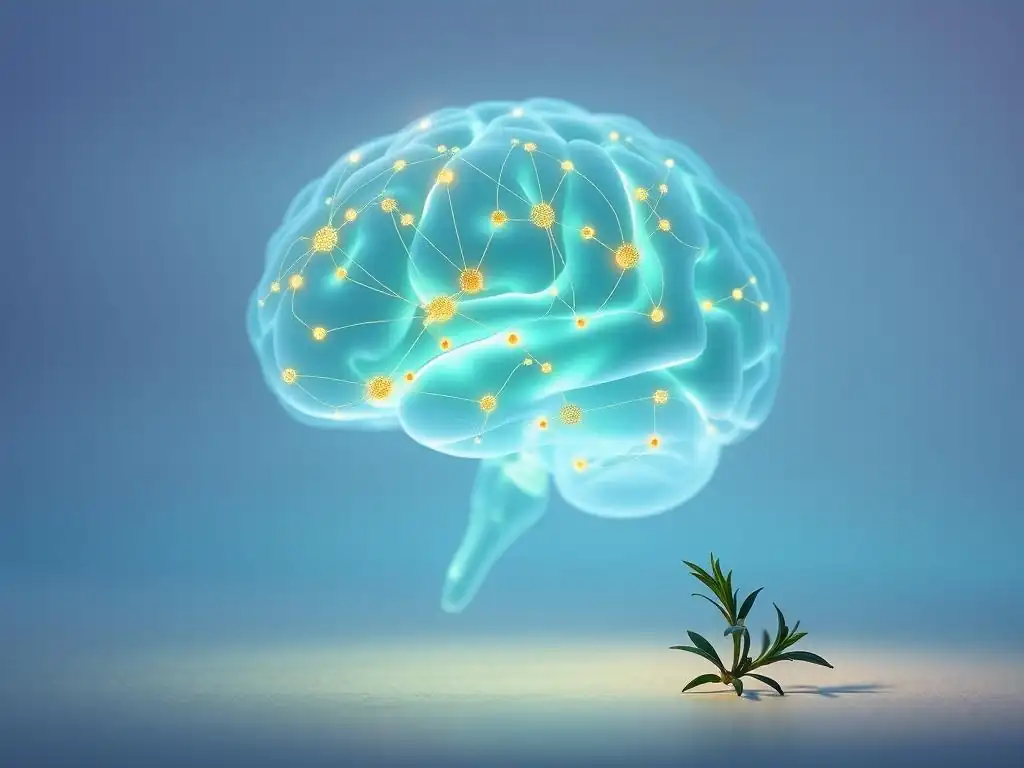
Combining Keto with Exercise for Enhanced Neuroprotection
While the ketogenic diet itself can support mitochondrial function and help keto protect brain oxidative stress, combining it with regular exercise appears to create a powerful synergy for brain health. Exercise, particularly aerobic exercise, is a well-established promoter of mitochondrial biogenesis and function in muscles and the brain. Physical activity increases energy demand in cells, signaling the need for more mitochondria and improving the efficiency of existing ones. This leads to increased ATP production capacity and reduced ROS generation during metabolism.
When combined with a ketogenic diet, the effects on mitochondria can be amplified. Both states independently stimulate pathways like PGC-1alpha, which is central to mitochondrial biogenesis. Engaging in regular physical activity while in ketosis may further enhance the creation of new, healthy mitochondria in brain cells, providing a more robust energy supply and improved capacity to handle metabolic byproducts.
Furthermore, exercise increases blood flow to the brain, delivering oxygen and nutrients, and promotes the release of brain-derived neurotrophic factor (BDNF), a protein that supports neuron growth, survival, and synaptic plasticity. This combination of improved energy metabolism, reduced oxidative stress, and enhanced neurotrophic support makes combining keto and exercise a potent strategy for cognitive support and neuroprotection.
The Role of Sleep in Mitochondrial Health and Oxidative Stress Reduction
Adequate and quality sleep is another critical, often overlooked, factor in maintaining mitochondrial health and reducing oxidative stress, complementing the effects of a ketogenic diet. During sleep, particularly deep sleep, the brain undergoes essential repair and restoration processes. This includes clearing metabolic waste products, such as amyloid-beta proteins implicated in Alzheimer's disease, through the glymphatic system, which is significantly more active during sleep. Poor sleep quality or insufficient sleep duration impairs this clearance process, potentially leading to the accumulation of toxic substances that can induce oxidative stress and damage.
Sleep is also vital for mitochondrial maintenance. Studies suggest that sleep deprivation can negatively impact mitochondrial function, increasing oxidative stress and reducing ATP production in brain regions. Conversely, sufficient sleep supports the health and efficiency of mitochondria, allowing them to perform their energy-generating and antioxidant roles effectively.
Prioritizing 7-9 hours of quality sleep per night while following a ketogenic diet can therefore enhance the diet's benefits for brain health by supporting mitochondrial repair, reducing overall oxidative burden, and facilitating the brain's natural detoxification processes. This holistic approach, addressing diet, exercise, and sleep, provides a comprehensive strategy to help keto protect brain oxidative stress and support long-term neurological wellness.
Stress Management Techniques to Support Brain Health on Keto
Chronic psychological stress is a significant contributor to oxidative stress and inflammation, both of which are detrimental to brain health. While the ketogenic diet can help regulate blood sugar and reduce inflammation, managing stress is still crucial for optimizing its neuroprotective effects. Stress triggers the release of hormones like cortisol, which, in excess over prolonged periods, can damage neurons, particularly in areas like the hippocampus, critical for memory and learning. High cortisol levels are also associated with increased oxidative stress.
Incorporating stress management techniques into a brain-healthy lifestyle alongside a ketogenic diet can significantly support cognitive function and resilience. Practices such as mindfulness meditation, deep breathing exercises, yoga, spending time in nature, or engaging in hobbies can help lower cortisol levels and promote a sense of calm. Regular practice of these techniques can buffer the brain against the damaging effects of chronic stress, creating a more favorable environment for neuronal health. By actively managing stress, individuals can further enhance the ability of keto to protect brain oxidative stress and support overall mental and neurological well-being.
Potential Challenges and Considerations with Keto for Brain Health
The "Keto Flu" and Its Management
When transitioning to a ketogenic diet, many people experience a cluster of symptoms commonly referred to as the "keto flu." These symptoms typically occur within the first few days or weeks as the body adapts to using fat and ketones for fuel instead of glucose. Common symptoms include headache, fatigue, irritability, nausea, muscle cramps, and difficulty concentrating – ironically, some of the cognitive issues the diet aims to address long-term. While uncomfortable, the keto flu is usually temporary and a sign that the body is making the metabolic shift.
The primary cause of keto flu is often related to electrolyte imbalances and dehydration. When carbohydrate intake is drastically reduced, insulin levels drop, signaling the kidneys to excrete more sodium and water. This increased excretion can lead to losses of other electrolytes like potassium and magnesium. Managing keto flu involves proactively addressing these imbalances.
Increasing sodium intake by salting food generously or drinking bone broth is crucial. Supplementing with magnesium and potassium, or ensuring adequate intake from foods like avocados, spinach, and nuts, can also help. Staying well-hydrated by drinking plenty of water is essential. For most people, symptoms subside within a week or two as the body becomes more efficient at producing and utilizing ketones.
Electrolyte Imbalances and Supplementation on Keto
Beyond the initial keto flu phase, maintaining proper electrolyte balance remains important on a ketogenic diet, especially for supporting brain and muscle function. As mentioned, the diet's effect on insulin and kidney function can lead to increased excretion of sodium, potassium, and magnesium. These minerals are vital for nerve signal transmission, muscle contraction, hydration, and numerous enzymatic processes, including those within mitochondria. Low levels of these electrolytes can contribute to fatigue, muscle cramps, headaches, and even heart palpitations.
While dietary sources should be the primary focus (sodium from salt and broth, potassium from leafy greens, avocados, and nuts, magnesium from dark leafy greens, seeds, and nuts), supplementation may be necessary for some individuals to ensure adequate intake, particularly during the initial adaptation phase or if dietary intake is insufficient. Taking a high-quality magnesium supplement (like magnesium citrate or glycinate) before bed can also help with sleep and muscle relaxation.
Monitoring how you feel and listening to your body is key, and consulting with a healthcare provider or registered dietitian can help determine if supplementation is appropriate and at what dosage, especially for those with pre-existing health conditions.
Individual Variability in Response to the Ketogenic Diet: Considerations for Epilepsy and Alzheimer's Disease
It is crucial to recognize that individual responses to the ketogenic diet can vary significantly, influenced by genetics, metabolic health, lifestyle, and the specific condition being addressed. While the diet shows promise in helping keto protect brain oxidative stress in various contexts, its application and effectiveness can differ. For example, the ketogenic diet has been a well-established medical therapy for intractable epilepsy in children since the 1920s, with a high success rate in reducing seizure frequency in many patients who haven't responded to medication. The mechanisms are complex but involve reduced excitability and potential neuroprotective effects.
In conditions like Alzheimer's disease, the research is promising but still considered emerging compared to epilepsy. While pilot studies show potential cognitive benefits and improvements in metabolic markers, the diet is not yet a standard medical treatment. Its effectiveness can vary depending on the stage of the disease, individual adherence, and other factors.
Similarly, while the principles of how keto protects brain oxidative stress apply broadly, the degree of benefit for general cognitive enhancement or other neurological conditions may differ from person to person. Working with a healthcare professional is highly recommended, especially when considering the ketogenic diet for a specific medical condition, to ensure it is implemented safely and effectively, taking into account individual needs and potential contraindications.
Conclusion: Harnessing the Power of Keto to Combat Brain Oxidative Stress
Keto as Part of a Holistic Neurological Wellness Strategy
The evidence suggests that the ketogenic diet holds significant potential as a dietary strategy to support brain health, primarily by helping to keto protect brain oxidative stress. Through mechanisms involving a cleaner fuel source (ketones), direct antioxidant effects of BHB, enhanced endogenous antioxidant defenses (like glutathione), and improved mitochondrial function and biogenesis, the ketogenic diet offers a multi-pronged approach to combating the oxidative damage implicated in cognitive decline and neurodegenerative diseases. This metabolic therapy represents a promising area in the pursuit of neuroprotection.
However, it is essential to view the ketogenic diet not as a standalone miracle cure, but as a powerful component within a broader, holistic neurological wellness strategy. Optimal brain health is achieved through a combination of factors.
Alongside a well-formulated ketogenic diet focusing on nutrient-dense whole foods, incorporating regular physical exercise, prioritizing sufficient and restorative sleep, and actively managing stress are all critical pillars. These lifestyle factors work synergistically with the metabolic state of ketosis to create an environment conducive to neuronal health, resilience, and function, offering a comprehensive approach to helping the brain withstand the challenges of aging and environmental stressors.
Future Research Directions: Keto and Brain Health
While current research provides a strong foundation for understanding how keto protects brain oxidative stress and supports neurological health, there is still much to explore. Future research needs include larger, long-term randomized controlled trials in humans to definitively establish the efficacy of the ketogenic diet for preventing or slowing the progression of specific neurodegenerative diseases like Alzheimer's and Parkinson's. These studies should ideally measure direct markers of oxidative stress and mitochondrial function in addition to cognitive and clinical outcomes.
Further investigation into the precise molecular mechanisms by which ketone bodies exert their signaling and neuroprotective effects is also warranted. Understanding how BHB interacts with specific receptors, gene pathways, and cellular processes could lead to the development of novel therapeutic targets. Research into the optimal duration and variations of the ketogenic diet for different neurological conditions and individuals is also needed.
Exploring cyclic ketogenic diets or targeted ketone supplementation might offer alternative or complementary strategies. As the scientific community continues to delve deeper, the potential of dietary interventions like the ketogenic diet to support brain health and combat oxidative stress appears increasingly significant.
Frequently Asked Questions
How does the ketogenic diet potentially protect the brain from oxidative stress?
The ketogenic diet, by inducing ketosis, provides the brain with alternative fuel sources like ketones. These ketones can reduce the production of damaging free radicals, thus lessening oxidative stress.
What role do mitochondria play in the context of oxidative stress and brain health?
Mitochondria are the powerhouses of cells, but also a major source of free radicals. Damaged or inefficient mitochondria can contribute significantly to oxidative stress, impacting brain function.
Can the ketogenic diet improve mitochondrial function and thereby reduce oxidative stress?
Yes, research suggests that the ketogenic diet may enhance mitochondrial biogenesis and efficiency. This can lead to reduced free radical production and improved cellular energy production, ultimately lowering oxidative stress.
Besides diet, what other lifestyle factors contribute to oxidative stress in the brain?
Factors like chronic stress, poor sleep, environmental toxins, and lack of exercise can all increase oxidative stress. These factors can negatively impact brain health over time.
Is the ketogenic diet a suitable solution for everyone seeking to reduce oxidative stress and improve brain health?
The ketogenic diet is not a one-size-fits-all solution. It's crucial to consult with a healthcare professional or registered dietitian to determine if it's appropriate and safe given individual health conditions and needs.
Final Reflection: The Ketogenic Diet: A Shield for the Brain?
The intricate dance between oxidative stress, mitochondrial health, and cognitive function is more relevant today than ever before, as our understanding of age-related cognitive decline and neurodegenerative diseases deepens. The implications of this interplay are profound, highlighting the urgent need to explore protective strategies for our most precious organ: the brain. This article has explored the potential of the ketogenic diet as a powerful tool in this fight, offering a compelling pathway to mitigate oxidative damage and bolster mitochondrial function.
The ketogenic diet's impact extends beyond simple weight management; it represents a paradigm shift in how we approach brain health. It's not just about restricting carbohydrates; it's about harnessing the body's metabolic flexibility to fuel the brain efficiently and protect it from the ravages of oxidative stress. This resonates deeply with me, given the increasing prevalence of neurodegenerative diseases in our aging population. The brain is the most complex organ in the body, and its health is paramount to our overall well-being.
This simple truth underscores the importance of proactive strategies like the ketogenic diet, which offers a potential avenue for preserving cognitive function and enhancing brain resilience.
Consider this: what steps will you take to protect your brain's health? The information presented here is not a prescription, but an invitation to explore. Research the ketogenic diet further, consult with your healthcare provider to assess its suitability for your individual needs, and embark on a journey of self-discovery towards a healthier, more vibrant brain. The future of your cognitive well-being is in your hands – choose to nurture it wisely.
Unlock Your Brain's Potential: Take Charge of Cellular Health
Thanks for diving deep into the world of oxidative stress, mitochondria, and ketogenic diets with us! We hope you gained valuable insights into protecting your brain cells from damage. Now, let's put that knowledge into action.
Here's what you can do next:
- Prioritize mitochondrial health: Start incorporating foods rich in antioxidants and CoQ10 into your diet today. Even small changes can make a big difference!
- Explore keto-friendly recipes: Experiment with some delicious and brain-boosting keto recipes to support your cellular health journey. Find inspiration online and in cookbooks!
- Share your experiences: Let us know what strategies you are adopting in the comments below – we'd love to hear your tips and success stories!
What simple step will you take today to boost your mitochondrial function and brain health?