
Qigong vs. Yoga: Which Holistic Path is Best for Mental Wellbeing?

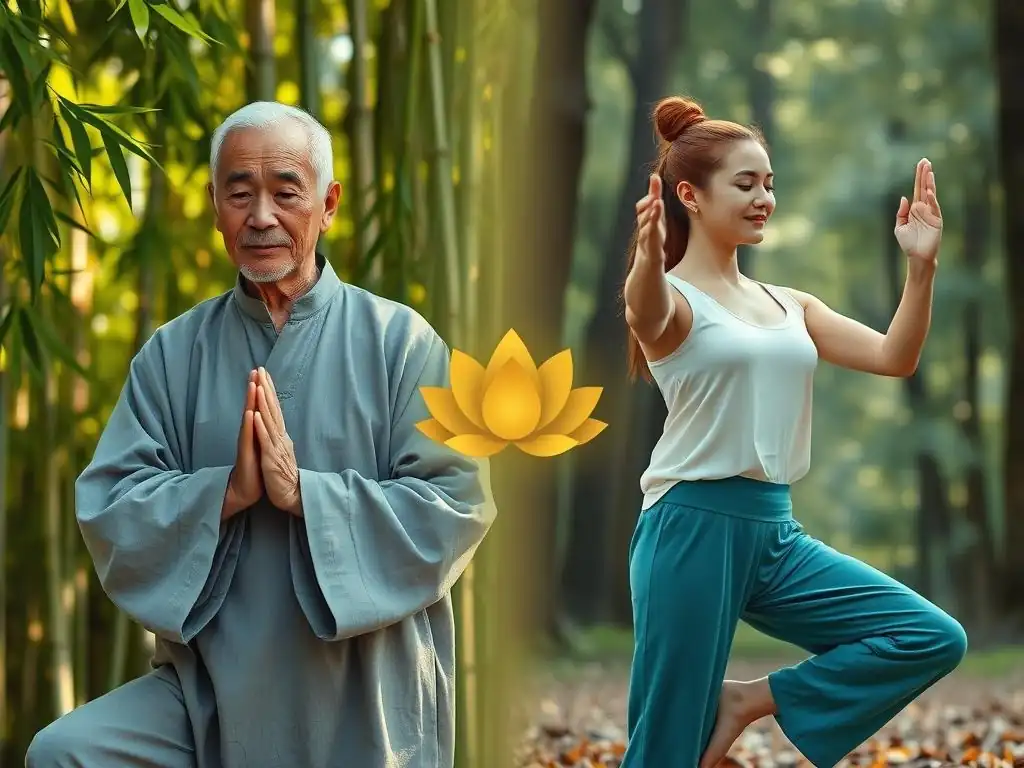
Welcome to Mind Care Guide, your sanctuary for nurturing mental well-being.
Feeling overwhelmed and searching for inner peace? You're not alone. We understand the journey towards mental wellness can feel complex, and finding the right path is crucial. This is why we're diving deep into a fascinating comparison: Qigong vs. Yoga. Discover which of these ancient practices – both powerful tools for holistic healing – might be the missing piece in your self-care puzzle, specifically when it comes to enhancing your Qigong yoga mental wellbeing. Curious to see which resonates with you? Let's explore together...
Qigong vs. Yoga: Which Holistic Path is Best for Mental Wellbeing?
- Introduction: Exploring Holistic Practices for Mental Wellness
-
Qigong for Mental Health: An In-Depth Look
- Defining Qigong: Energy Cultivation for Mental Clarity
- The Core Principles of Qigong and Their Impact on the Mind
- Mental Benefits of Qigong: Stress Reduction and Emotional Balance
- Specific Qigong Exercises for Enhancing Mental Wellbeing
- Qigong Breathing Techniques for Anxiety Relief
- Qigong Meditation and Mindfulness Practices for Mental Health
- Defining Yoga: Uniting Mind, Body, and Spirit for Mental Wellness
- The Core Principles of Yoga and Their Impact on the Mind
- Mental Benefits of Yoga: Improved Mood and Reduced Depression
- Specific Yoga Poses (Asanas) for Enhancing Mental Wellbeing
- Yoga Breathing Techniques (Pranayama) for Stress Management
- Yoga Meditation for Mental Clarity and Focus
-
Qigong vs. Yoga: A Detailed Comparison for Mental Wellbeing
- Qigong and Yoga: Similarities in Promoting Mental Wellness
- Qigong and Yoga: Key Differences in Approach and Technique
- Physical Demands: Qigong vs. Yoga for Different Body Types
- Mental Focus: Qigong vs. Yoga for Different Personality Types
- Accessibility and Convenience: Qigong vs. Yoga for Busy Lifestyles
- Energy Flow: How Qigong and Yoga Differ in Cultivating Qi/Prana
- Mind-Body Connection: Exploring the Nuances of Each Practice
- Choosing the Right Holistic Path for Your Mental Wellbeing
- Integrating Qigong and Yoga for Enhanced Mental Wellbeing
- Conclusion: Embracing Holistic Practices for a Healthier Mind
-
Frequently Asked Questions
- What is the main difference between Qigong and Yoga for mental wellbeing?
- How does Qigong contribute to mental health?
- Can Yoga improve mental wellbeing?
- Which practice is better for beginners looking to improve mental health?
- How often should one practice Qigong or Yoga for optimal mental wellbeing?
- Final Reflection: Finding Your Path to Inner Peace
- Unlock Your Inner Calm: Choose Your Wellbeing Journey
Introduction: Exploring Holistic Practices for Mental Wellness
Understanding the Growing Need for Mental Wellbeing Practices
In today's fast-paced world, the demands on our mental and emotional health are ever-increasing. Stress, anxiety, and feelings of overwhelm are common experiences, prompting a growing search for effective strategies to support mental wellbeing. Traditional approaches are often complemented by holistic practices that address the interconnectedness of the mind, body, and spirit. This shift reflects a deeper understanding that true wellness requires nurturing all aspects of our being.
People are actively seeking methods that go beyond simply managing symptoms, aiming instead to cultivate inner peace, resilience, and emotional balance. This quest has brought renewed attention to ancient practices that have stood the test of time, offering pathways to enhanced mental clarity and overall wellness. The desire for sustainable, empowering self-care routines is driving interest in disciplines like Qigong and Yoga, recognized for their profound impact on mental states.
Introducing Qigong and Yoga: Ancient Traditions for Modern Minds
Qigong and Yoga are two such ancient traditions, originating from China and India, respectively. Both practices involve gentle movements, breath control, and meditative focus, designed to cultivate energy and harmony within the individual. While they share fundamental principles of mind-body connection, their approaches and specific techniques differ, leading to potentially different experiences and benefits for mental wellbeing.
These traditions offer a stark contrast to purely physical exercise or passive relaxation techniques. They actively engage the practitioner in a process of self-discovery and energetic regulation, making them powerful tools for navigating the complexities of modern life. Understanding their unique philosophies and methods is key to determining which path, or perhaps a combination of both, might best serve one's personal journey towards improved mental health.
Qigong Yoga Mental Wellbeing: A Comparative Overview
Comparing Qigong and Yoga for mental wellbeing involves looking at their core principles, techniques, and documented effects on stress, mood, and cognitive function. While both aim to harmonize the internal landscape, Qigong often emphasizes the cultivation and smooth flow of Qi (vital energy) through specific gentle movements and static postures, often with a focus on health and longevity. Yoga, conversely, uses asanas (physical postures), pranayama (breath control), and meditation to unite the individual consciousness with the universal, often building strength and flexibility alongside mental calm.
Exploring the specific ways Qigong and Yoga address mental health challenges provides valuable insight. For someone struggling with anxiety, the rhythmic, repetitive movements of Qigong might offer a different kind of grounding than the held poses and breathwork of Yoga. Similarly, for boosting mood or combating mild depression, the energetic clearing in Qigong might feel different from the invigorating flow of a Yoga practice. Understanding these nuances is crucial for anyone exploring Qigong yoga mental wellbeing as a personal practice.
Qigong for Mental Health: An In-Depth Look
Defining Qigong: Energy Cultivation for Mental Clarity
Qigong, often translated as "energy cultivation" or "working with life energy," is a holistic system of coordinated body posture and movement, breathing, and meditation. It is rooted in traditional Chinese medicine and philosophy, viewing the body and mind as interconnected systems where energy (Qi) flows through specific pathways. The practice aims to clear blockages and promote the smooth circulation of Qi, which is believed to be essential for physical health, emotional balance, and mental clarity.
Unlike some more physically demanding disciplines, Qigong typically involves slow, gentle, and fluid movements, making it accessible to people of varying ages and physical conditions. The focus is less on physical exertion and more on internal awareness – feeling the flow of energy, coordinating breath with movement, and maintaining a calm, focused mind. This internal focus directly contributes to its effectiveness in calming the nervous system and fostering a sense of peace.
The Core Principles of Qigong and Their Impact on the Mind
Qigong operates on several core principles that directly influence mental states. Central among these is the concept of regulating the breath, movement, and mind. By consciously slowing and deepening the breath, practitioners activate the parasympathetic nervous system, counteracting the "fight or flight" response associated with stress and anxiety. The gentle, repetitive movements promote relaxation and release physical tension, which is often linked to mental stress.
Furthermore, the meditative aspect of Qigong, focusing attention on the breath and internal sensations, trains the mind to stay present and reduce rumination. This practice cultivates mindfulness, helping individuals observe their thoughts and emotions without judgment. Regular engagement with these principles can lead to a more resilient and adaptable mind, better equipped to handle life's challenges and maintain emotional equilibrium.
Mental Benefits of Qigong: Stress Reduction and Emotional Balance
Research and anecdotal evidence strongly support Qigong's benefits for mental health, particularly in stress reduction and emotional balance. Studies have indicated that regular Qigong practice can significantly lower levels of stress hormones like cortisol. For instance, some participant groups in studies have reported reductions in perceived stress levels by upwards of 20-30% after consistent practice over several weeks or months.
Beyond stress, Qigong is effective in managing symptoms of anxiety and depression. The calming movements and breathwork help to quiet an overactive mind, while the focus on energy flow can alleviate feelings of stagnation often associated with low mood. Practitioners frequently report feeling more centered, emotionally stable, and less reactive to stressors after incorporating Qigong into their routine, highlighting its potential for cultivating inner resilience and a more balanced emotional landscape.
Specific Qigong Exercises for Enhancing Mental Wellbeing
Certain Qigong exercises are particularly renowned for their positive impact on mental wellbeing. Movements like "The Eight Brocades" (Ba Duan Jin) or "The Five Animals" (Wu Qin Xi) integrate specific postures and flows designed to harmonize the body's energy channels. For example, the "Holding Up the Heavens" movement in the Eight Brocades involves gentle stretching and deep breathing, which can alleviate tension in the upper body and promote a sense of openness and calm, directly impacting mental state.
Another beneficial exercise is "Cloud Hands," a fluid, circular movement that encourages smooth energy flow throughout the body. This practice requires focused attention and coordination, acting as a moving meditation that quiets distracting thoughts and promotes a state of mindful presence. The repetitive, gentle nature of these exercises makes them accessible and provides a reliable method for grounding oneself and improving mental focus.
Qigong Breathing Techniques for Anxiety Relief
Breath control, or Tiao Xi in Qigong, is a fundamental element for managing anxiety. Qigong breathing is typically slow, deep, and abdominal, aiming to fill the lower abdomen first, then the chest. This type of breathing stimulates the vagus nerve, which plays a key role in regulating the body's stress response. Practicing slow, rhythmic breathing, perhaps inhaling for a count of four and exhaling for a count of six, can immediately signal to the nervous system that it's safe to relax.
Specific Qigong breathing exercises, such as "Turtle Breathing" (slow, almost imperceptible breathing) or coordinating breath with gentle movements, further enhance anxiety relief. For example, inhaling while extending the arms and exhaling while bringing them back towards the body helps synchronize physical release with calming breath. Consistently practicing these techniques trains the body to respond to stressors with calm rather than panic, offering a powerful tool for immediate and long-term anxiety management.
Qigong Meditation and Mindfulness Practices for Mental Health
Meditation is an integral part of Qigong, often practiced in stillness or incorporated within the movements themselves. Static meditation involves sitting or standing quietly, focusing on the breath, internal energy sensations, or a specific point of focus like the lower abdomen (Dantian). This stillness allows the mind to settle, reducing mental chatter and cultivating inner peace.
Moving meditation, inherent in Qigong forms, requires focused awareness on the coordination of breath, movement, and intention. This practice fosters mindfulness, keeping the mind anchored in the present moment rather than dwelling on past worries or future anxieties. By cultivating this mindful presence through Qigong meditation, individuals can develop greater emotional regulation, improved focus, and a deeper sense of connection to themselves, all of which are vital components of mental wellbeing.
Defining Yoga: Uniting Mind, Body, and Spirit for Mental Wellness
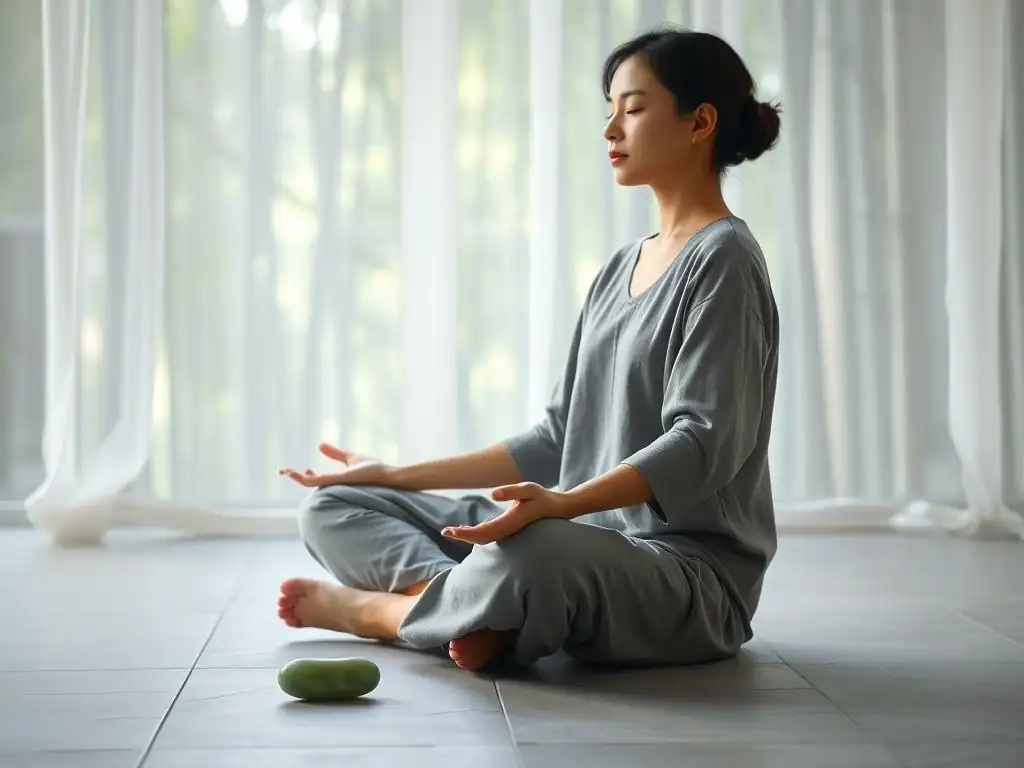
Yoga is an ancient Indian practice encompassing physical postures (asanas), breathing techniques (pranayama), meditation, and ethical principles. The word "Yoga" itself means "union," signifying the integration of the individual consciousness with the universal, or more commonly in a modern context, the union of the mind, body, and spirit. It is a holistic system designed to purify the body and mind, preparing the practitioner for higher states of consciousness and overall wellbeing.
While often perceived in the West primarily as a physical exercise involving flexible poses, traditional Yoga is far more comprehensive. It is a path towards self-awareness and inner harmony, using the physical practice as a gateway to explore the deeper layers of the self. This integrated approach makes Yoga a powerful tool not just for physical fitness, but significantly for enhancing mental and emotional health.
The Core Principles of Yoga and Their Impact on the Mind
Yoga's core principles are deeply relevant to mental health. The practice of asana (postures) releases physical tension stored in the body, which often corresponds with emotional stress. Holding poses requires concentration and presence, training the mind to stay focused and resilient. Pranayama (breath control) is another cornerstone, directly influencing the nervous system. By manipulating the breath, practitioners can calm an agitated mind or energize a lethargic one.
Furthermore, the philosophical underpinnings of Yoga, including principles like ahimsa (non-violence, often interpreted as self-compassion) and santosha (contentment), encourage a positive mental attitude and a kinder relationship with oneself and the world. Regular practice of these principles, alongside physical postures and breathwork, cultivates emotional intelligence, stress resilience, and a greater sense of inner peace, profoundly impacting mental wellbeing.
Mental Benefits of Yoga: Improved Mood and Reduced Depression
Yoga has been widely studied for its positive effects on mood and its ability to help manage symptoms of depression. Engaging in physical activity, even gentle poses, releases endorphins, which are natural mood boosters. Beyond this, the combination of movement, breath, and mindfulness helps regulate neurotransmitters like serotonin and norepinephrine, which are often imbalanced in individuals experiencing depression.
Meta-analyses of multiple studies have indicated that Yoga practice can lead to moderate to large reductions in depressive symptoms. For example, some studies have shown that consistent Yoga practice can be as effective as other forms of exercise or even comparable to some psychotherapeutic interventions in alleviating mild to moderate depression. The practice provides a structured way to engage the body and mind, counteracting the inertia and negative thought patterns often associated with low mood.
Specific Yoga Poses (Asanas) for Enhancing Mental Wellbeing
Certain Yoga poses are particularly beneficial for enhancing mental wellbeing by targeting areas where tension is commonly held or by promoting grounding and calming. Poses like Child's Pose (Balasana) are deeply relaxing and comforting, helping to soothe an anxious mind. Forward bends, such as Standing Forward Bend (Uttanasana), can be calming and help release tension in the back and hamstrings, which are often tight due to stress.
Inversions, like Legs-Up-the-Wall Pose (Viparita Karani), can help calm the nervous system and reduce fatigue. Heart openers, such as Cobra Pose (Bhujangasana) or Camel Pose (Ustrasana), can help release emotional blockages and foster feelings of openness and vulnerability, which can be therapeutic. Incorporating a variety of poses that stretch, strengthen, and relax the body provides a comprehensive physical approach to supporting mental health.
Yoga Breathing Techniques (Pranayama) for Stress Management
Pranayama, or the control of prana (life force) through breath, is a cornerstone of Yoga for stress management. Techniques like Ujjayi breath (victorious breath), where the breath is slightly constricted in the back of the throat, creating a soft ocean sound, helps to regulate the flow of breath and calm the mind. This rhythmic sound and controlled breathing provide a focal point, drawing attention away from stressors.
Alternate Nostril Breathing (Nadi Shodhana) is another powerful technique known for balancing the left and right hemispheres of the brain, promoting a sense of calm and clarity. This practice involves inhaling and exhaling through one nostril at a time, alternating sides. Even simple deep, diaphragmatic breathing (Dirga Swasam) practiced consistently can lower heart rate and blood pressure, directly mitigating the physiological effects of stress. Mastering these techniques offers immediate tools for navigating stressful moments.
Yoga Meditation for Mental Clarity and Focus
Meditation is an essential component of Yoga, offering a direct path to mental clarity and focus. Yoga meditation practices range from focusing on the breath, a mantra, or a visual point, to more advanced techniques. The goal is to quiet the fluctuations of the mind ( chitta vritti), allowing for a state of calm awareness. Regular meditation practice strengthens the prefrontal cortex, the part of the brain responsible for attention and decision-making, while reducing activity in the amygdala, the brain's fear center.
Through consistent Yoga meditation, individuals train their ability to focus their attention, reducing mind-wandering and improving concentration. This practice also fosters emotional detachment, allowing one to observe thoughts and feelings without being overwhelmed by them. The cultivation of stillness and inner peace through Yoga meditation provides a vital counterbalance to the mental noise and distractions of modern life, enhancing overall mental clarity and emotional resilience.
Qigong vs. Yoga: A Detailed Comparison for Mental Wellbeing
Qigong and Yoga: Similarities in Promoting Mental Wellness
Despite their different origins, Qigong and Yoga share significant common ground in their approach to promoting mental wellness. Both are holistic mind-body practices that emphasize the importance of breath control, mindful movement, and focused attention. They both aim to cultivate a deeper connection between the physical body and the mental state, recognizing that tension or imbalance in one affects the other.
Both disciplines utilize gentle, intentional movements that are often accessible to people of varying fitness levels, although some forms of Yoga can be quite physically demanding. They both encourage a non-competitive, internally focused approach, shifting attention away from external performance and towards internal sensation and energy flow. This shared foundation makes both Qigong yoga mental wellbeing practices valuable tools for stress reduction, emotional regulation, and fostering a sense of inner peace.
Qigong and Yoga: Key Differences in Approach and Technique
While similar in principle, Qigong and Yoga differ in their specific techniques and underlying philosophies regarding energy and movement. Qigong movements are typically softer, more fluid, and often repetitive, focusing on circular motions and cultivating a feeling of internal energy circulation (Qi). The postures are generally less demanding physically and held for shorter durations or are part of a continuous flow. The emphasis is heavily on the feeling of Qi and its smooth flow.
Yoga, particularly Hatha or Vinyasa styles, often involves more static holds of postures (asanas) that can be physically challenging, building strength, flexibility, and balance. The movements between poses can be dynamic. The focus is on aligning the body correctly in postures and using breath to deepen the stretch or strength. While Yoga also addresses energy ( prana), the approach through held postures and structured sequences differs from Qigong's emphasis on fluid, often simpler, movements for energy cultivation and health maintenance.
Physical Demands: Qigong vs. Yoga for Different Body Types
The physical demands of Qigong are generally lower than many styles of Yoga. Qigong's gentle, low-impact movements make it highly accessible for individuals with physical limitations, chronic pain, or those who are older or new to exercise. It emphasizes relaxation within movement rather than pushing physical boundaries, making it suitable for almost any body type and fitness level looking for a gentle path to Qigong yoga mental wellbeing.
Yoga encompasses a wide spectrum of physical intensity, from very gentle Restorative or Yin Yoga to highly vigorous Ashtanga or Vinyasa flows. While gentler forms are also accessible, many popular styles involve weight-bearing postures, deeper stretches, and sequences that require a degree of strength, flexibility, and balance. This means that for someone with significant physical limitations, finding the right style of Yoga might require more searching than finding an accessible Qigong practice.
Mental Focus: Qigong vs. Yoga for Different Personality Types
The nature of mental focus also differs subtly between the two practices, potentially making one more appealing depending on personality type or current mental state. Qigong often encourages a diffused, yet present, awareness – feeling the energy flow throughout the body and connecting with the environment. This can be deeply calming for minds that are overly analytical or prone to intense focus, offering a softer way to be present.
Yoga, particularly in holding challenging poses, can require a more concentrated, focused mental effort – maintaining alignment, coordinating breath, and working through physical discomfort with equanimity. This intense focus can be beneficial for minds that are easily distracted, training the ability to concentrate for sustained periods. However, for someone experiencing significant anxiety, the intensity of focus required in some Yoga poses might initially feel overwhelming compared to the gentle flow of Qigong. Both contribute to Qigong yoga mental wellbeing through focus, but the type of focus differs.
Accessibility and Convenience: Qigong vs. Yoga for Busy Lifestyles
Both Qigong and Yoga can be adapted for busy lifestyles, but their traditional formats and required space can differ. Qigong forms can often be practiced in relatively small spaces, and many foundational movements can be done standing or even sitting. A full form might take 15-30 minutes, making it relatively easy to fit into a tight schedule. Many Qigong practices involve simple, repeatable movements that are easy to remember and practice independently after learning.
Yoga often requires slightly more space for a mat and full range of movement. While short Yoga sequences exist, many classes or home practices are 45-90 minutes long. Learning proper alignment in Yoga poses can be more complex than Qigong movements, often benefiting significantly from in-person instruction to avoid injury.
However, the widespread availability of Yoga studios and online resources might make it seem more accessible depending on location and personal preference for learning format. Both offer pathways to Qigong yoga mental wellbeing, but the practicalities of fitting them into a busy day might lean slightly towards Qigong's often shorter, simpler forms.
Energy Flow: How Qigong and Yoga Differ in Cultivating Qi/Prana
The concept of vital energy (Qi in Qigong, Prana in Yoga) is central to both, but the methods of cultivating and directing it differ. Qigong specifically focuses on cultivating Qi through gentle, often circular or wave-like movements, combined with intention and breath. The movements are designed to open specific energy channels (meridians) and promote the smooth, abundant flow of Qi throughout the body, often with a strong emphasis on gathering energy from nature.
Yoga cultivates Prana primarily through physical postures (asanas) that compress, stretch, and twist the body, thereby stimulating energy flow. Breath control (pranayama) is also a direct method for manipulating Prana. While both practices work with vital energy, Qigong's approach is often described as building and circulating Qi more directly through its specific, energy-focused movements, whereas Yoga uses postures and breath more broadly to purify and balance the energetic system (nadis). Both contribute to enhancing Qigong yoga mental wellbeing by influencing internal energy.
Mind-Body Connection: Exploring the Nuances of Each Practice
Both Qigong and Yoga are profound practices for strengthening the mind-body connection, but they may emphasize different aspects. Qigong often highlights the feeling of energy moving within the body, fostering a subtle internal awareness. Practitioners learn to distinguish different sensations related to Qi flow, promoting a deep, intuitive understanding of their body's energetic state. This focus on internal sensation directly links physical feeling to mental and emotional states.
Yoga, while also cultivating internal awareness, often uses the physical postures as anchors for the mind. The challenge or stretch in a pose, combined with conscious breathing, demands presence and focus, integrating physical sensation with mental discipline. The physical alignment and effort required in many poses serve as a tangible point of connection between the mental intention and the physical form. Both approaches enhance the mind-body connection, but Qigong might offer a more direct focus on the subtle energy body, while Yoga often uses the physical structure as the primary entry point.
Choosing the Right Holistic Path for Your Mental Wellbeing
Assessing Your Personal Needs and Preferences
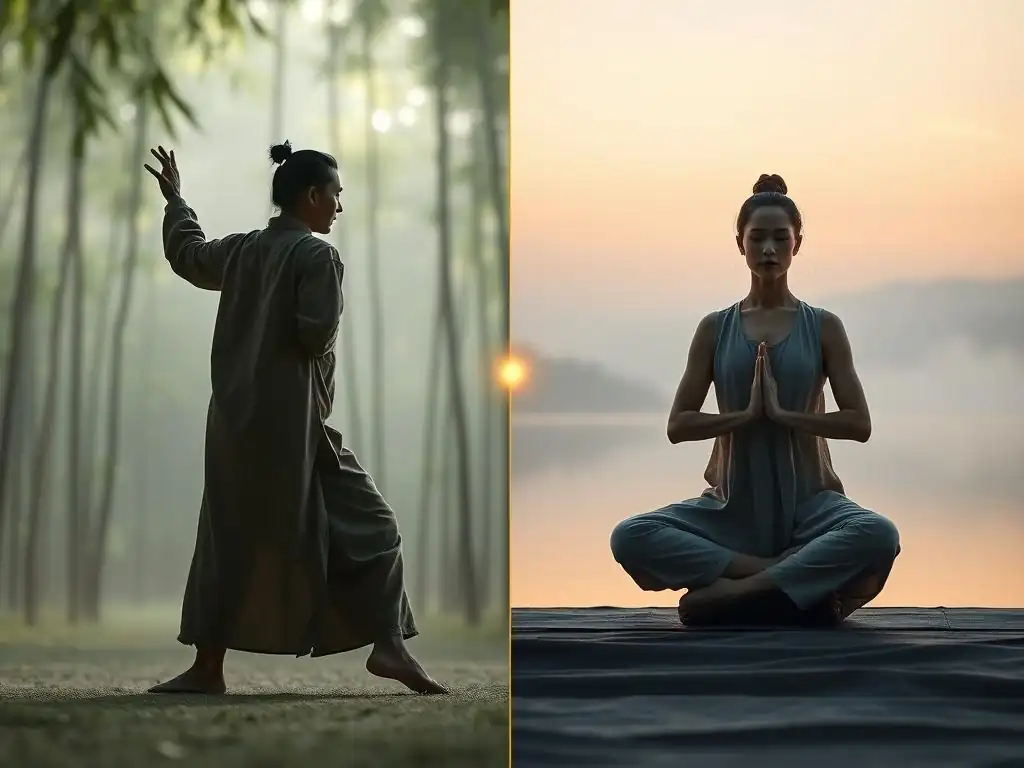
Choosing between Qigong and Yoga for enhancing your mental wellbeing begins with a personal assessment. Consider what you hope to gain from a practice. Are you primarily seeking deep relaxation and stress reduction with minimal physical strain? Qigong's gentle, flowing movements and emphasis on calming the nervous system might be particularly appealing. Are you looking for a practice that also builds physical strength and flexibility alongside mental calm? Many styles of Yoga could fit this need.
Think about your personality and what kind of movement resonates with you. Do you prefer soft, continuous, almost dance-like movements? Qigong might feel more natural. Are you drawn to holding postures and exploring physical boundaries with focused breath? Yoga might be a better fit. Reflecting on these personal preferences is a crucial first step in determining which path aligns best with your individual journey towards improved Qigong yoga mental wellbeing.
Considering Your Physical Condition and Limitations
Your current physical health and any existing limitations are important factors in choosing between Qigong and Yoga. If you have significant joint issues, chronic pain, mobility limitations, or are recovering from an injury, the very gentle, low-impact nature of Qigong is often a safe and highly recommended starting point. Its focus on relaxation and smooth movement is designed to support healing and build strength gradually without strain.
While Yoga offers gentle styles, many classes assume a certain level of physical ability. If opting for Yoga with physical limitations, it is essential to seek out beginner, gentle, or adaptive Yoga classes and communicate clearly with the instructor about your needs. Qigong generally presents a lower barrier to entry from a purely physical standpoint, making it accessible when more vigorous movement is challenging, ensuring you can still work towards Qigong yoga mental wellbeing regardless of physical state.
Evaluating Your Mental Health Goals: Stress Relief, Anxiety Reduction, or Improved Mood
Your specific mental health goals should also guide your choice. If your primary goal is profound stress relief and calming an overactive mind, both practices are highly effective, but their methods differ. Qigong's emphasis on gentle energy flow and repetitive, meditative movements can be incredibly grounding and soothing for acute stress and anxiety. Its direct focus on calming the nervous system through breath and slow motion is potent.
Yoga, through its combination of physical release, breathwork, and meditation, is also excellent for stress and anxiety. The physical challenge in some poses can be a powerful way to release pent-up tension. For improving mood and combating depression, the physical activity component in Yoga, even in gentler forms, can be particularly beneficial for its endorphin-boosting effects, alongside the mental discipline and self-compassion cultivated on the mat. Both are valuable for Qigong yoga mental wellbeing, but one might feel more intuitively aligned with your most pressing needs.
Trying Both Qigong and Yoga: Experiential Learning
The best way to determine which practice is right for you is often through direct experience. Try attending a beginner Qigong class or following some introductory videos. Pay attention to how your body feels during the movements and how your mind feels afterward. Does the gentle flow feel calming and energizing? Does the focus on internal energy resonate with you?
Similarly, try a gentle or beginner Yoga class. Notice how the postures feel in your body and how the combination of movement, breath, and stillness impacts your mental state. Does the physical challenge feel grounding or invigorating? Does the structured sequence appeal to you? Engaging in both practices, even for a short period, provides invaluable insight into which one naturally draws you in and feels most supportive for your personal path to Qigong yoga mental wellbeing.
Finding Qualified Instructors for Qigong and Yoga
Regardless of which practice you explore, finding a qualified instructor is crucial for a safe and effective experience. A good instructor can guide you through the techniques properly, offer modifications based on your physical condition, and provide deeper insight into the principles behind the movements and breathwork. Look for instructors with certifications from reputable organizations and consider reading reviews or speaking to current students.
For Qigong, look for teachers who have trained extensively in a specific form or lineage. For Yoga, seek instructors certified by recognized Yoga alliances or schools. Learning the foundations correctly from an experienced teacher helps prevent injury and ensures you are gaining the maximum benefits for your physical and mental wellbeing. A knowledgeable guide can make all the difference in establishing a sustainable and rewarding practice.
Integrating Qigong and Yoga for Enhanced Mental Wellbeing
Combining Qigong and Yoga Practices for Synergistic Effects
For many people, the question isn't necessarily "Qigong vs. Yoga," but rather how these practices can complement each other. Combining elements of both Qigong and Yoga can offer synergistic effects, creating a more comprehensive approach to mental wellbeing than practicing either discipline alone. Qigong's emphasis on fluid energy circulation can prepare the body and mind for the deeper stretches and static holds of Yoga.
Conversely, the physical conditioning and alignment awareness gained through Yoga can enhance the ability to maintain relaxed postures and feel the subtle energy flows in Qigong. Practicing both allows you to tap into the unique strengths of each tradition – the gentle energy cultivation of Qigong and the structured physical and breath work of Yoga – creating a powerful combination for supporting your Qigong yoga mental wellbeing journey.
Creating a Combined Qigong and Yoga Routine
Integrating Qigong and Yoga into a single routine can be done in various ways. One approach is to dedicate different days to each practice – perhaps Qigong on some mornings for a gentle start and Yoga on others for more physical engagement. Another is to combine them within a single session. You might begin with 10-15 minutes of gentle Qigong movements to warm up the body and calm the mind, followed by a Yoga sequence, and perhaps ending with a Qigong-style standing or sitting meditation.
Consider your daily schedule and energy levels when structuring a combined routine. A short Qigong session might be perfect for a midday mental break, while a longer Yoga practice could be reserved for evenings or weekends. The key is consistency and finding a rhythm that feels sustainable and supportive for your overall mental and physical health goals. Experimentation is encouraged to find the best blend for you.
The Benefits of a Combined Approach to Mental Health
A combined Qigong and Yoga approach can offer enhanced benefits for mental health. Qigong's ability to cultivate and balance energy can address feelings of fatigue or stagnation, while Yoga's physical postures can release deep-seated tension and build resilience. The different breathing techniques from both traditions provide a wider range of tools for managing stress and anxiety in various situations.
Furthermore, the varied meditative practices – the subtle energy awareness in Qigong and the focused presence in Yoga – can deepen mindfulness and emotional regulation. By drawing from the rich traditions of both Qigong and Yoga, individuals can create a truly personalized and potent practice that addresses the multifaceted nature of mental wellbeing, fostering greater balance, peace, and vitality.
Conclusion: Embracing Holistic Practices for a Healthier Mind
Recap of Qigong and Yoga's Mental Wellbeing Benefits
We've explored how both Qigong and Yoga offer profound benefits for mental wellbeing, each through its unique lens. Qigong, with its gentle, flowing movements and focus on energy cultivation, excels at calming the nervous system, reducing stress hormones, and promoting emotional balance through subtle energy regulation and mindful presence. Its accessibility makes it suitable for almost anyone seeking a gentle path to inner peace.
Yoga, through its combination of physical postures, dynamic movement, breath control, and meditation, effectively reduces symptoms of anxiety and depression, improves mood, and enhances mental clarity and focus. It offers a range of intensity levels and provides powerful tools for releasing physical tension and cultivating mental discipline. Both traditions stand as testaments to the power of mind-body practices in fostering a healthier mental state.
Encouraging Readers to Explore and Experiment with Both Practices
Given the unique strengths of both Qigong and Yoga, the most empowering approach for individuals is to explore and experiment with both. Don't feel pressured to choose one exclusively. Try a few classes or follow online resources for each. Pay attention to how your body and mind respond during and after the practices. Which one feels more intuitive, more healing, or more energizing for you?
Consider starting with introductory sessions and gradually deepen your practice in the tradition that resonates most strongly. Remember that your needs may change over time, and a practice that feels right today might evolve into something different tomorrow. Embracing the journey of exploration is key to discovering the most supportive tools for your personal Qigong yoga mental wellbeing.
The Importance of Holistic Approaches to Mental Health in the Modern World
In a world often focused on quick fixes and symptom management, the holistic approaches offered by Qigong and Yoga are more important than ever. They empower individuals to become active participants in their own healing and wellbeing, addressing the root causes of stress and imbalance rather than just the symptoms. These practices cultivate resilience, self-awareness, and a deep sense of connection to oneself.
By integrating mind, body, and spirit, Qigong and Yoga provide sustainable pathways to navigating life's challenges with greater grace and equanimity. They remind us that true health is a state of harmony, not just the absence of illness. Embracing such holistic practices is a powerful step towards cultivating lasting mental wellness in the face of modern pressures.
Qigong Yoga Mental Wellbeing: A Lifelong Journey
Embarking on a journey with Qigong, Yoga, or a combination of both is not about reaching a final destination, but about engaging in a lifelong practice of self-care and growth. The benefits for Qigong yoga mental wellbeing deepen over time with consistent effort and mindful presence. Each session offers an opportunity to reconnect with yourself, release tension, and cultivate inner peace.
Whether you choose the gentle flow of Qigong, the structured poses of Yoga, or weave elements of both together, committing to a regular practice is an investment in your most valuable asset: your mental and emotional health. May your exploration of these ancient traditions bring you clarity, balance, and profound wellbeing on your personal journey.
Frequently Asked Questions
What is the main difference between Qigong and Yoga for mental wellbeing?
Qigong focuses on breath control and energy movement, while Yoga incorporates physical postures and meditation. Both practices can enhance mental wellbeing, but they approach it differently.
How does Qigong contribute to mental health?
Qigong promotes relaxation and stress reduction through gentle movements and mindfulness. Its emphasis on energy flow helps to balance emotions and improve overall mental clarity.
Can Yoga improve mental wellbeing?
Yes, Yoga has been shown to reduce anxiety and depression while enhancing mood and emotional resilience. The combination of physical postures and meditation is effective in promoting mental health.
Which practice is better for beginners looking to improve mental health?
Both Qigong and Yoga are suitable for beginners. However, Qigong may be easier to start with due to its gentler movements and focus on breathwork, making it accessible for all fitness levels.
How often should one practice Qigong or Yoga for optimal mental wellbeing?
Practicing Qigong or Yoga at least 3-4 times a week can significantly enhance mental wellbeing. Consistency is key to experiencing the full benefits of either practice.
Final Reflection: Finding Your Path to Inner Peace
The pursuit of mental wellbeing is a universal human desire, and the ancient practices of Qigong and Yoga offer powerful pathways to achieve it. In a world increasingly characterized by stress and anxiety, understanding the nuances of these holistic approaches and choosing the one that best resonates with your individual needs is more crucial than ever. The exploration of their distinct methodologies, from the gentle movements of Qigong to the dynamic postures of Yoga, reveals a shared goal: cultivating inner harmony and resilience.
The impact of both Qigong and Yoga on the cultural landscape is undeniable. Their growing popularity reflects a societal shift towards prioritizing mental health and seeking alternatives to conventional treatments. These practices are no longer niche activities; they are integrated into mainstream wellness routines, offering accessible tools for stress management and self-discovery. The body benefits from movement, and the mind benefits from stillness.
This quote encapsulates the essence of both disciplines, highlighting their complementary nature in fostering a balanced state of being. My personal journey exploring both practices has underscored the importance of finding the method that best suits one's temperament and physical capabilities.
Consider your own path to wellbeing. Which aspects of Qigong or Yoga resonate most deeply with you? Perhaps the meditative stillness of Qigong appeals to your introspective nature, or the physical dynamism of Yoga invigorates your body and spirit. Don't be afraid to experiment, to try both, and to discover the practice that unlocks your inner peace. The journey towards mental wellbeing is a personal one, and the tools are readily available. Embrace the opportunity to cultivate a healthier, happier, and more resilient you.
Unlock Your Inner Calm: Choose Your Wellbeing Journey
Thanks for exploring the world of Qigong and Yoga with us! We hope this article helped you understand the unique benefits each practice offers for mental wellbeing. Ready to take the next step towards a calmer, more centered you?
- Try a beginner Qigong or Yoga class: This is the perfect way to experience the benefits firsthand and discover which practice resonates most with you. Look for local studios or online resources.
- Share your thoughts: Which practice appeals to you more, and why? Let's start a discussion in the comments below – your insights might inspire others on their wellbeing journey!
- Explore guided meditations: Even a short meditation session can supplement your chosen practice and enhance your inner peace.
Which path will you embark on to cultivate a deeper sense of tranquility within yourself?