
StressProof Your Mind: The Essential Role of Exercise in Managing Stress

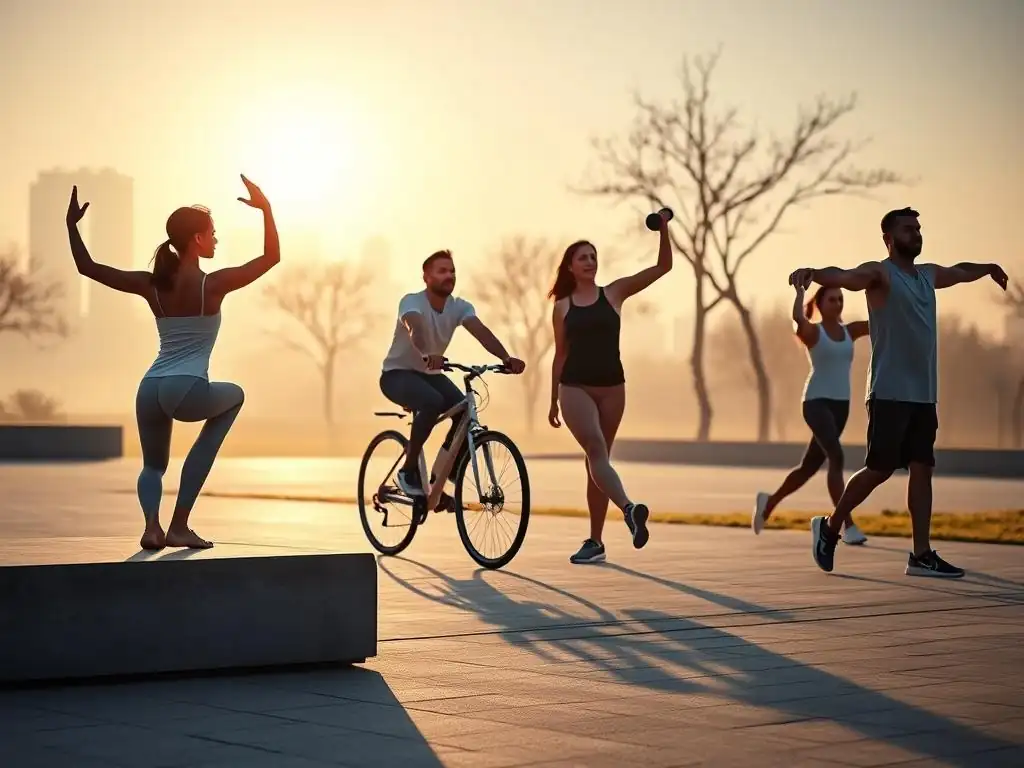
Welcome to Mind Care Guide, a place designed to help you navigate the often-complex landscape of mental well-being.
Feeling overwhelmed by stress and anxiety? You're not alone. Many struggle to find effective ways to manage these feelings. But what if a simple, readily available tool could significantly impact your mental state? Dive into our guide on how exercise can reduce stress anxiety, and discover the powerful connection between physical activity and a calmer, more resilient mind. Let's unlock the potential of movement together, and explore how it can help you reclaim your peace of mind.
StressProof Your Mind: The Essential Role of Exercise in Managing Stress
- Introduction: The Mind-Body Connection in Stress Management
- Understanding Stress and Its Impact on Mental Health
- Exercise: A Powerful Tool for Stress Reduction and Anxiety Relief
- Types of Exercise for Optimal Stress and Anxiety Reduction
- Creating an Exercise Routine for Stress Management
- Exercise Beyond Stress: Additional Mental Health Benefits
- Overcoming Barriers to Exercise: Tips and Strategies
- Combining Exercise with Other Stress Management Techniques
- Conclusion: Embracing Exercise for a Stress-Free Mind and a Healthier Life
-
Frequently Asked Questions
- How does exercise actually help reduce stress and anxiety?
- What types of exercise are most effective for reducing stress and anxiety?
- How much exercise is needed to see a noticeable reduction in stress and anxiety?
- Can exercise completely eliminate stress and anxiety?
- What if I struggle to find the motivation to exercise when I'm feeling stressed or anxious?
- Final Reflection: The Enduring Power of Movement Against Stress
- Unleash Your Inner Calm: Start Your Stress-Free Journey Today!
Introduction: The Mind-Body Connection in Stress Management
In our fast-paced modern world, stress has become an almost constant companion for many. The pressure of work, relationships, finances, and global events can take a significant toll on our mental and physical health. While there are numerous strategies recommended for managing stress, one of the most powerful and scientifically supported is regular physical exercise.
The intricate connection between our mind and body means that what affects one profoundly impacts the other. Engaging in physical activity isn't just about building muscle or improving cardiovascular health; it's a vital practice for maintaining mental well-being and building resilience against the pervasive effects of stress.
Understanding this fundamental link is the first step towards harnessing the power of movement to soothe a stressed mind. This article will delve into how exercise works on a biological and psychological level to combat stress and anxiety, explore different types of activities, and provide practical guidance on incorporating physical activity into your life to foster a calmer, more resilient state of mind. Learning how to exercise to reduce stress and anxiety is not just a health tip; it's a crucial life skill for navigating the challenges of contemporary life.
Understanding Stress and Its Impact on Mental Health
What is Stress? Defining the Body's Response
Stress is the body's natural response to perceived threats or demands. When faced with a challenging situation, the brain signals the release of hormones like adrenaline and cortisol, initiating the "fight or flight" response. This physiological reaction prepares the body to either confront the stressor or escape it. Heart rate increases, breathing quickens, muscles tense up, and digestion slows down. This acute stress response is essential for survival in dangerous situations.
However, in modern life, stressors are often chronic rather than acute – ongoing work deadlines, relationship conflicts, financial worries. When the body is constantly exposed to stress hormones without a return to a relaxed state, it leads to chronic stress. This prolonged activation of the stress response system begins to wear down the body and mind, contributing to a host of health problems. Recognizing stress for what it is – a powerful, sometimes overwhelming, physiological and psychological reaction – is key to managing it effectively.
The Psychological Effects of Chronic Stress: Anxiety, Depression, and More
Chronic stress significantly impacts mental health, often manifesting as increased anxiety, persistent worry, and even depression. The constant state of alert triggered by stress hormones can make it difficult to relax, concentrate, and enjoy life. Individuals experiencing chronic stress may find themselves feeling irritable, restless, or overwhelmed by everyday tasks. This persistent emotional burden can erode a person's sense of well-being and resilience.
Research consistently shows a strong correlation between chronic stress and mental health disorders. For instance, studies indicate that individuals with high levels of chronic stress are at a significantly increased risk of developing major depressive disorder or various anxiety disorders. While the exact percentage varies depending on the study and population, some findings suggest a risk increase of 20-30% or more compared to those with lower stress levels. This highlights the critical need for effective stress management strategies, such as using exercise to reduce stress and anxiety, to protect mental health.
How Stress Impacts Cognitive Function and Daily Life
Beyond emotional effects, chronic stress impairs cognitive function, making it harder to think clearly, remember things, and make decisions. The hippocampus, a brain region vital for memory and learning, is particularly vulnerable to high levels of cortisol. Prolonged exposure can even lead to structural changes in the brain, affecting areas responsible for memory, executive function, and emotional regulation.
In daily life, this cognitive impairment translates to difficulty concentrating at work or school, forgetfulness, and feeling mentally fatigued. Stress can also disrupt sleep patterns, further exacerbating cognitive issues and overall well-being. Simple tasks can feel overwhelming, and productivity often declines. Addressing chronic stress through methods like regular physical activity is therefore not just about feeling better emotionally, but also about preserving cognitive sharpness and maintaining the ability to function effectively in our daily routines.
Exercise: A Powerful Tool for Stress Reduction and Anxiety Relief
The Science Behind Exercise and Stress: Neurochemical Effects
Exercise is a potent stress reliever due to its profound effects on brain chemistry. Physical activity stimulates the release of endorphins, often called the body's natural painkillers and mood elevators. These neurochemicals produce feelings of euphoria and well-being, effectively counteracting the negative emotions associated with stress and anxiety. Even a moderate workout can trigger this endorphin rush, providing immediate relief.
Furthermore, regular exercise helps regulate neurotransmitters crucial for mood, such as serotonin and norepinephrine. Low levels of these chemicals are often linked to depression and anxiety. By influencing their production and balance, exercise acts much like some antidepressant medications, offering a natural way to improve mood and emotional resilience. This neurochemical boost is a primary reason why finding ways to exercise to reduce stress and anxiety is so widely recommended by health professionals.
Exercise and the HPA Axis: Regulating the Stress Response
The Hypothalamic-Pituitary-Adrenal (HPA) axis is the body's central stress response system. When you encounter a stressor, the HPA axis is activated, leading to the release of cortisol. While essential for acute stress, chronic activation and dysregulation of the HPA axis contribute to many stress-related health problems. Regular exercise has been shown to help regulate the HPA axis, making it more responsive and efficient.
Studies indicate that individuals who exercise regularly tend to have a blunted cortisol response to stressors compared to sedentary individuals. This means their bodies don't release as much cortisol during stress, and their HPA axis returns to normal function more quickly after a stressful event. By calming the HPA axis, exercise helps reduce the cumulative physiological toll of chronic stress, making the body and mind more resilient. This regulatory effect is a key mechanism by which exercise helps reduce stress and anxiety over the long term.
Physical Activity and Improved Mood: A Natural Antidepressant
Beyond specific neurochemicals, regular physical activity offers a holistic approach to improving mood. The sense of accomplishment from completing a workout, the distraction from worries, and the structured routine all contribute to a more positive outlook. Exercise provides a healthy outlet for pent-up energy and frustration often associated with stress and anxiety.
Moreover, engaging in physical activity can break the cycle of negative thoughts that often accompanies depression and anxiety. It shifts focus from internal rumination to external physical sensations and the task at hand. This mental break, combined with the physiological benefits, makes exercise a powerful natural tool for lifting mood and combating feelings of hopelessness. Many find that incorporating regular exercise helps reduce stress and anxiety significantly, leading to a brighter perspective on life.
Types of Exercise for Optimal Stress and Anxiety Reduction

Aerobic Exercise for Mental Wellness: Running, Swimming, and Cycling
Aerobic exercise, also known as cardio, is highly effective for stress and anxiety reduction. Activities like running, swimming, cycling, brisk walking, or dancing elevate your heart rate and increase blood flow to the brain. This surge in circulation delivers oxygen and nutrients, which is beneficial for cognitive function and mood regulation. The rhythmic, repetitive nature of many aerobic activities can also have a meditative effect, helping to quiet a busy mind.
Aiming for around 150 minutes of moderate-intensity aerobic exercise per week, or 75 minutes of vigorous intensity, is a widely recommended guideline by health organizations. Even shorter bursts, like a 20-30 minute brisk walk most days, can yield significant benefits in managing stress levels. The consistent engagement in aerobic exercise helps reduce stress and anxiety by promoting relaxation and improving overall cardiovascular health, which is linked to better mental resilience.
Strength Training's Impact on Stress Resilience and Mental Strength
Strength training, or resistance training, offers unique benefits for stress management. Lifting weights, using resistance bands, or performing bodyweight exercises builds muscle mass and improves physical strength. This physical empowerment can translate into a greater sense of self-efficacy and mental toughness, helping individuals feel more capable of handling life's challenges.
Beyond the psychological boost, strength training also has positive effects on hormone levels and can improve body composition, which can enhance self-esteem. While the immediate endorphin rush might differ from cardio, the cumulative effects of building physical strength contribute to long-term stress resilience. Incorporating strength training 2-3 times per week alongside aerobic activity provides a well-rounded approach to using exercise to reduce stress and anxiety effectively.
Mind-Body Exercises: Yoga, Tai Chi, and the Power of Mindfulness
Mind-body practices like yoga and Tai Chi combine physical movement with mindfulness and controlled breathing techniques. These activities emphasize the connection between physical postures, breath awareness, and mental focus. This integrated approach is particularly effective at calming the nervous system and reducing the physical tension often associated with stress.
Yoga, for example, involves holding poses that stretch and strengthen the body while focusing on breath. Tai Chi uses slow, flowing movements and deep breathing. Both practices encourage being present in the moment, which helps to interrupt the cycle of worry and rumination. Regular engagement in these activities cultivates a sense of inner peace and teaches valuable skills for managing stress responses in real-time. Many people specifically turn to yoga or Tai Chi as a gentle yet powerful way to exercise and reduce stress and anxiety.
High-Intensity Interval Training (HIIT) for Efficient Stress Relief
High-Intensity Interval Training (HIIT) involves short bursts of intense exercise followed by brief recovery periods. While seemingly counter-intuitive for stress reduction due to its intensity, HIIT can be highly effective for some individuals. The intense physical exertion can provide a powerful release of tension and energy.
Furthermore, the efficiency of HIIT means a significant workout can be completed in a shorter amount of time, which can be beneficial for those with limited schedules. While the intense nature might not be suitable for everyone, the post-exercise endorphin release can be substantial. Starting slowly and gradually increasing intensity is key. Even short HIIT sessions, say 15-20 minutes, can contribute to the overall goal of using exercise to reduce stress and anxiety when time is a constraint.
Creating an Exercise Routine for Stress Management
Setting Realistic Goals: Start Small, Stay Consistent
Embarking on an exercise routine, especially when feeling stressed or overwhelmed, requires setting realistic expectations. Trying to do too much too soon can lead to burnout, injury, and discouragement. Instead, begin with small, achievable goals. If you haven't been active, start with a 15-minute walk a few times a week. Celebrate these small victories.
Consistency is far more important than intensity when starting. Aim to make movement a regular part of your week, even if it's just for short durations initially. Gradually increase the length and intensity as you feel more comfortable and your fitness improves. Remember, the goal is to build a sustainable habit that helps you exercise to reduce stress and anxiety over the long term.
Finding Activities You Enjoy: Making Exercise Sustainable
The most effective exercise routine is one you can stick with. This means choosing activities you genuinely enjoy. Don't force yourself to run if you hate it; maybe you'd prefer dancing, hiking, swimming, or playing a sport. The pleasure derived from the activity itself is a powerful motivator and enhances the stress-reducing benefits.
Experiment with different types of exercise until you find what resonates with you. Consider trying a class, joining a recreational league, or exploring outdoor activities. When exercise feels like a reward or a fun part of your day rather than a chore, you're much more likely to maintain consistency and reap the benefits of using exercise to reduce stress and anxiety regularly.
Scheduling Exercise: Integrating Physical Activity into Your Daily Life
Treat your exercise time like any other important appointment – put it on your calendar. Whether it's first thing in the morning, during your lunch break, or after work, scheduling helps ensure it doesn't get pushed aside by other demands. Find a time that works best for your energy levels and daily routine.
Consider how you can weave activity into your existing day. Could you walk or bike to work? Take the stairs instead of the elevator? Go for a walk during a phone call? Look for opportunities to add movement throughout the day, even outside of a dedicated workout session. Intentional scheduling and opportunistic movement both contribute to making exercise a consistent tool to reduce stress and anxiety.
Sample Weekly Exercise Plan for Stress Reduction
Here is a sample plan illustrating how to integrate various types of exercise throughout the week for stress management. This is a template and should be adjusted based on individual fitness levels, preferences, and time constraints.
- Monday: 30 minutes Brisk Walk or Gentle Jog (Aerobic)
- Tuesday: 30-40 minutes Strength Training (Bodyweight or Weights)
- Wednesday: 45-60 minutes Yoga or Pilates (Mind-Body)
- Thursday: 30 minutes Cycling or Swimming (Aerobic)
- Friday: 20-30 minutes Light Activity or Rest (e.g., stretching, leisurely walk)
- Saturday: 45-60 minutes Hiking or Recreational Sport (Aerobic/Enjoyment)
- Sunday: Rest or 30 minutes Gentle Activity (e.g., casual walk, stretching)
This plan combines different modalities, providing both physical and mental benefits. Remember, the key is finding a balance that feels sustainable and enjoyable while actively using exercise to reduce stress and anxiety.
Exercise Beyond Stress: Additional Mental Health Benefits
Enhanced Sleep Quality Through Regular Physical Activity
Stress often disrupts sleep, creating a vicious cycle where poor sleep exacerbates stress and anxiety. Regular exercise can break this cycle by improving sleep quality. Physical activity helps regulate sleep patterns, promoting deeper, more restorative sleep. It can help you fall asleep faster and spend more time in deep sleep stages.
However, it's generally advisable to avoid vigorous exercise right before bedtime, as it can be stimulating. Aim to complete your more intense workouts several hours before you plan to sleep. Consistent, moderate exercise throughout the week is most effective for promoting healthy sleep architecture. Better sleep, facilitated by exercise, is a critical component in managing stress and anxiety effectively.
Improved Cognitive Function and Memory
As mentioned earlier, chronic stress can impair cognitive function. Conversely, regular exercise has been shown to have significant positive effects on the brain, enhancing cognitive abilities. Physical activity increases blood flow to the brain and stimulates the production of brain-derived neurotrophic factor (BDNF), a protein that supports the growth, survival, and function of brain cells.
Studies suggest that regular exercisers tend to perform better on cognitive tasks, including those related to memory, attention, and executive function. This neuroprotective effect is particularly important as we age, but benefits are seen across all age groups. Using exercise to reduce stress and anxiety also indirectly supports cognitive health by mitigating the damaging effects of stress on the brain.
Increased Self-Esteem and Body Image
Engaging in regular exercise can significantly boost self-esteem and improve body image. Achieving fitness goals, no matter how small, provides a sense of accomplishment and competence. As you become stronger, fitter, or more capable, this physical progress often translates into a more positive self-perception.
Furthermore, the act of taking care of your physical health sends a powerful message to yourself that you are worth the effort. This self-care aspect is crucial for mental well-being. Feeling better about your physical capabilities and appearance can reduce feelings of insecurity and inadequacy, common companions to stress and anxiety. The positive feedback loop of exercise leading to improved body image and self-esteem reinforces its role in helping exercise reduce stress and anxiety.
Overcoming Barriers to Exercise: Tips and Strategies

Time Constraints: Finding Opportunities for Short Bursts of Activity
One of the most common barriers to exercise is a perceived lack of time. However, you don't need hours in the gym to reap benefits. Short bursts of activity, even as little as 10-15 minutes, can be beneficial, especially if done consistently throughout the day. Think about incorporating activity into your existing routine.
- [ ] Take the stairs instead of the elevator.
- [ ] Go for a brisk walk during your lunch break.
- [ ] Do a quick bodyweight circuit at home.
- [ ] Get off the bus or train one stop earlier.
- [ ] Have walking meetings if possible.
Breaking exercise into smaller, manageable chunks can make it feel less daunting and more achievable within a busy schedule, helping you still use exercise to reduce stress and anxiety even when time is tight.
Lack of Motivation: Strategies for Staying Engaged
Finding motivation can be challenging, especially when feeling stressed, anxious, or low in energy. One strategy is to focus on the feeling after exercise rather than the effort required to start. Remember how much better you feel mentally and physically.
- Find an exercise buddy or join a group for social support and accountability.
- Track your progress (even simple notes on mood or energy levels) to see how far you've come.
- Reward yourself (non-food rewards) for reaching milestones.
- Try different activities to keep things fresh and prevent boredom.
- Listen to music, podcasts, or audiobooks while exercising.
These strategies can help maintain momentum and make the process of using exercise to reduce stress and anxiety more enjoyable and sustainable.
Physical Limitations: Adapting Exercise to Your Needs
Physical limitations, whether due to injury, chronic conditions, or disability, do not mean exercise is impossible. It simply means finding appropriate modifications and activities. Consult with a healthcare provider or a physical therapist to determine safe and effective exercises for your specific situation.
Many forms of exercise can be adapted. Chair yoga, water aerobics, seated strength training, or gentle stretching routines are just a few examples. Focusing on mobility, flexibility, and gentle cardiovascular work can still provide significant mental health benefits. The goal is to find movement that is safe, comfortable, and helps you manage stress within your physical capabilities.
Resources for Accessible and Adaptive Exercise Programs
Numerous resources exist for individuals with physical limitations seeking exercise programs. Many community centers, YMCAs, and specialized fitness studios offer adaptive fitness classes. Online platforms and apps also provide modified workouts and guidance for various conditions.
Look for certified trainers or instructors with experience in adaptive fitness or specific populations (e.g., seniors, individuals with chronic illnesses). Organizations focused on specific conditions often provide exercise recommendations or programs. Exploring these resources can open up possibilities for engaging in physical activity safely and effectively, ensuring everyone can access the benefits of using exercise to reduce stress and anxiety.
Combining Exercise with Other Stress Management Techniques
The Synergistic Effect of Exercise and Mindfulness
Combining exercise with mindfulness practices enhances their individual benefits for stress reduction. Mindful movement, whether it's a mindful walk, yoga, or simply paying attention to your body's sensations during a workout, increases self-awareness and presence. This combination helps to cultivate a greater sense of calm and control over your reactions to stress.
For example, practicing mindful breathing during a run or focusing on the sensations in your muscles during strength training deepens the connection between mind and body. This synergistic approach not only helps you exercise to reduce stress and anxiety but also builds resilience by training your mind to stay grounded and present, even during challenging moments.
The Importance of Nutrition for Stress Resilience
Exercise is a cornerstone of stress management, but its effectiveness is amplified when combined with healthy nutrition. A balanced diet provides the body and brain with the necessary nutrients to function optimally and cope with stress. Nutrient deficiencies, particularly in B vitamins, magnesium, and omega-3 fatty acids, can negatively impact mood and increase vulnerability to stress.
Limiting processed foods, excessive sugar, and caffeine can also help stabilize mood and energy levels, reducing irritability and anxiety. Proper hydration is also crucial. Fueling your body with nutritious foods supports overall well-being and enhances your ability to benefit from using exercise to reduce stress and anxiety.
Exercising with others adds a valuable layer of social support to your stress management strategy. Joining a fitness class, exercising with a friend, or participating in a team sport provides connection and camaraderie. Social interaction itself is a powerful stress reliever, releasing oxytocin, a hormone associated with bonding and relaxation.
Having an exercise buddy or group also provides accountability, making it easier to stick to your routine. Sharing experiences and encouraging each other can make exercise more enjoyable and less like a solitary effort. This combination of physical activity and social connection offers a robust approach to using exercise to reduce stress and anxiety while fostering a sense of community.
Conclusion: Embracing Exercise for a Stress-Free Mind and a Healthier Life
Navigating the complexities of modern life requires effective tools for managing stress, and exercise stands out as one of the most accessible and powerful. We've explored the science behind how physical activity impacts brain chemistry, regulates the stress response system, and significantly improves mood. From aerobic activities that release endorphins to mind-body practices that calm the nervous system and strength training that builds resilience, various forms of exercise contribute uniquely to stress reduction.
Creating a sustainable exercise routine involves setting realistic goals, finding enjoyable activities, and scheduling movement consistently. Overcoming common barriers like time constraints and lack of motivation is possible with simple strategies and adaptive approaches. Furthermore, integrating exercise with other healthy habits like good nutrition and social connection amplifies its benefits, creating a holistic approach to mental well-being.
By consciously choosing to exercise to reduce stress and anxiety, you're not just caring for your body; you're building a stronger, more resilient mind capable of facing challenges with greater calm and clarity. Embracing regular physical activity is an investment in both a stress-proof mind and a healthier, more vibrant life.
Frequently Asked Questions
How does exercise actually help reduce stress and anxiety?
Exercise triggers the release of endorphins, which have natural mood-boosting effects. It also helps regulate stress hormones like cortisol and adrenaline, promoting a sense of calm. Furthermore, regular physical activity improves sleep quality, further reducing stress.
What types of exercise are most effective for reducing stress and anxiety?
While any exercise is beneficial, aerobic exercises like running, swimming, and cycling are often recommended due to their impact on cardiovascular health and mood. Mind-body practices such as yoga and Tai Chi can also be extremely effective, focusing on breathwork and mindfulness. Consistent movement is key!
How much exercise is needed to see a noticeable reduction in stress and anxiety?
Even small amounts of exercise can make a difference. Aim for at least 30 minutes of moderate-intensity exercise most days of the week. Listen to your body and gradually increase intensity and duration as you become fitter.
Can exercise completely eliminate stress and anxiety?
While exercise is a powerful tool, it's not a magic bullet. It's a valuable component of a comprehensive approach to mental well-being. Combining exercise with other strategies like therapy, mindfulness, and proper nutrition is crucial for overall stress management.
What if I struggle to find the motivation to exercise when I'm feeling stressed or anxious?
Start small and focus on consistency rather than intensity. Find an activity you enjoy and schedule it into your routine. Consider exercising with a friend or joining a class for added accountability and social support.
Final Reflection: The Enduring Power of Movement Against Stress
The pervasive nature of stress in modern life demands proactive solutions, and the evidence overwhelmingly points to exercise as a potent antidote. Ignoring the mind-body connection when tackling stress is akin to fighting a fire without water – ultimately ineffective and potentially dangerous. This article has explored the multifaceted ways exercise combats stress, from its impact on cortisol levels to its ability to foster a sense of accomplishment and self-efficacy.
The ongoing influence of stress on our mental and physical well-being is undeniable, shaping not only individual lives but also the broader social landscape. We see it reflected in rising rates of anxiety and depression, impacting productivity, relationships, and overall societal health. The body achieves what the mind believes.
This quote highlights the crucial link between our mental state and our physical capabilities, a connection exercise powerfully reinforces. By prioritizing movement, we actively challenge the negative narratives that stress often perpetuates, fostering resilience and a more positive self-image.
Now, consider your own life. What small steps can you take today to integrate more movement into your routine? Perhaps a brisk walk during your lunch break, a yoga session before bed, or simply a few minutes of stretching throughout the day. Don't underestimate the power of these seemingly small actions. They are not merely about physical fitness; they are about cultivating a healthier relationship with your mind and body, building resilience against stress, and ultimately, creating a more fulfilling and balanced life. Start small, be consistent, and witness the transformative power of movement.
Unleash Your Inner Calm: Start Your Stress-Free Journey Today!
Thanks for taking the time to explore the powerful connection between exercise and stress management! We hope you gained valuable insights into how movement can transform your well-being. Now it's time to put this knowledge into action.
Here's how you can start feeling calmer and more in control:
- Prioritize a 30-minute workout: Even a brisk walk can make a huge difference. Schedule it into your day like any other important appointment!
- Share your experience: Tell a friend about a new exercise you tried or how it impacted your stress levels. Inspire others to join you!
- Explore a new activity: Step outside your comfort zone – try yoga, dancing, or a team sport. Discovering what you enjoy makes sticking with it easier.
What small step will you take today to reduce stress and boost your well-being?