
Tai Chi for Seniors: Gentle Movement, Sharper Mind

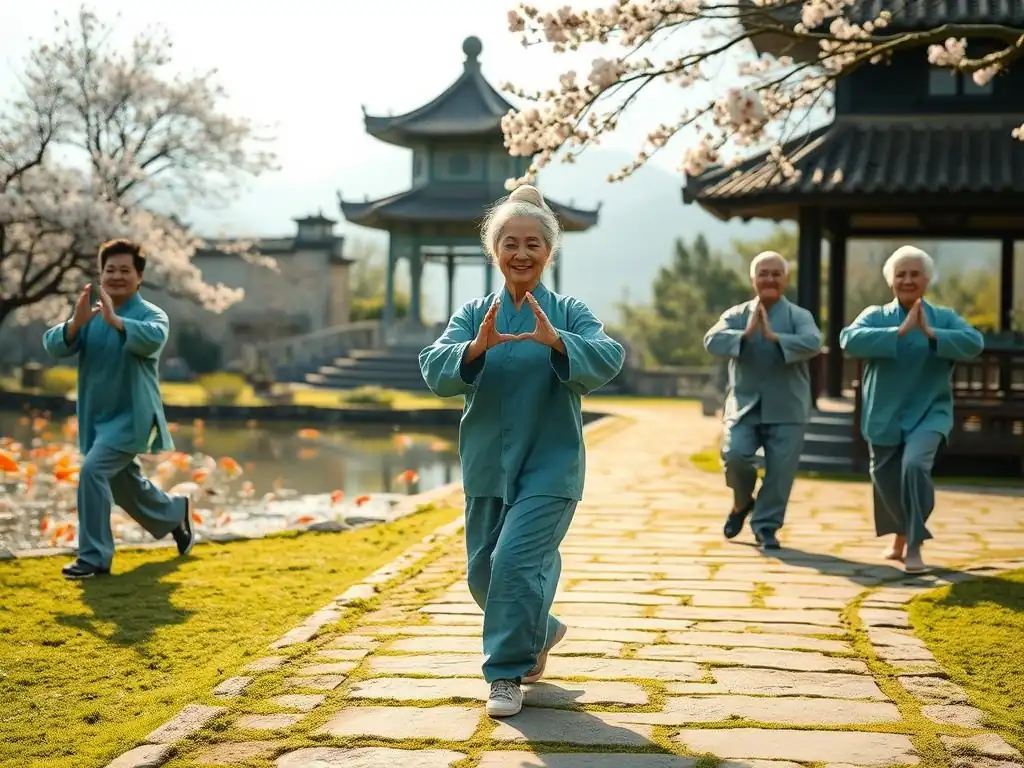
Welcome to Mind Care Guide.
Feeling overwhelmed or looking for gentle ways to nurture your mental well-being? You're not alone. Discover how the ancient practice of Tai Chi can offer a pathway to a sharper mind and a calmer spirit, especially for seniors. Our guide, " Tai Chi for Seniors: Gentle Movement, Sharper Mind," explores the profound benefits of this low-impact exercise. Could this be the key to unlocking a more balanced and joyful you? Dive in and explore the transformative power of movement and mindfulness.
Tai Chi for Seniors: Gentle Movement, Sharper Mind
- Introduction to Tai Chi and Mental Well-being for Seniors
- The Benefits of Tai Chi for Seniors' Mental Health
- Getting Started with Tai Chi as a Senior
- Tai Chi vs. Other Forms of Exercise for Senior Mental Health
- Integrating Tai Chi into Your Daily Routine for Optimal Mental Health
- Testimonials and Success Stories: Tai Chi Transforming Senior Lives
- Resources for Learning More About Tai Chi and Senior Mental Health
- Addressing Common Concerns About Tai Chi for Seniors
- Conclusion: Embracing Tai Chi for a Healthier, Happier Mind in Senior Years
-
Frequently Asked Questions
- What are the primary mental health benefits of Tai Chi for seniors?
- How does Tai Chi's gentle movement contribute to better mental health in older adults?
- Is Tai Chi suitable for all seniors, regardless of their physical condition?
- How often should seniors practice Tai Chi to experience noticeable improvements in their mental well-being?
- Where can seniors find reliable Tai Chi classes or resources specifically designed for their age group?
- Final Reflection: Cultivating Calm and Clarity Through Tai Chi
- Unlock Your Inner Peace: Start Your Tai Chi Journey Today!
Introduction to Tai Chi and Mental Well-being for Seniors
As we age, maintaining both physical agility and mental sharpness becomes increasingly important. Many seniors seek gentle yet effective ways to support their overall well-being. Tai Chi, an ancient Chinese practice, offers a unique combination of slow, deliberate movements, meditation, and deep breathing that can be particularly beneficial for older adults. This article explores how Tai Chi can be a powerful tool for enhancing mental health in the senior population.
Understanding Tai Chi: A Gentle Exercise for Body and Mind
Tai Chi, often described as "moving meditation," is a low-impact exercise rooted in traditional Chinese martial arts. It involves a series of fluid, connected postures performed slowly and gracefully. The practice emphasizes proper posture, controlled breathing, and mental focus, promoting relaxation and inner calm. Unlike high-intensity workouts, Tai Chi is accessible to individuals of varying fitness levels, including those with physical limitations.
The principles of Tai Chi focus on cultivating qi (pronounced "chee"), often translated as life energy. Through coordinated movement and breath, practitioners aim to improve the flow of qi throughout the body, which is believed to enhance physical health and mental clarity. Many forms of Tai Chi exist, such as the simplified 24-Form Yang style, which is popular among beginners and seniors due to its relatively short sequence and ease of learning. Research indicates that regular Tai Chi practice can lead to measurable improvements in balance, flexibility, and muscle strength, setting a strong foundation for overall wellness.
The Growing Need for Mental Health Support in Senior Years
Mental health challenges are significant among older adults, though they are often underreported and undertreated. Factors such as social isolation, chronic health conditions, loss of loved ones, and life transitions can contribute to increased rates of depression and anxiety in the senior population. According to data from organizations like the CDC, approximately 1 in 4 older adults experiences a mental health condition such as depression or anxiety.
Furthermore, cognitive decline is a concern for many seniors. While not all cognitive changes are indicative of disease, maintaining cognitive function is crucial for independence and quality of life. The need for accessible, non-pharmacological interventions to support senior mental health is critical. Traditional therapies and medications are vital resources, but complementary practices like Tai Chi offer additional pathways to enhance well-being and address these prevalent issues.
How Tai Chi Can Address Mental Health Concerns in Older Adults
Tai Chi offers a holistic approach that simultaneously engages the body and mind, making it particularly well-suited to address the interconnected nature of physical and mental health in seniors. The slow, controlled movements require concentration, which can help divert the mind from anxious thoughts or worries. The emphasis on deep, diaphragmatic breathing promotes relaxation and activates the body's parasympathetic nervous system, counteracting the 'fight or flight' response associated with stress and anxiety.
Beyond its physiological effects, Tai Chi fosters a sense of presence and mindfulness. By focusing on the movement and breath in the moment, practitioners can reduce rumination on past problems or future anxieties. This mindful engagement has been shown in studies to decrease symptoms of depression and improve emotional regulation. Tai chi seniors mental health benefits are increasingly recognized by the medical community as a valuable complementary therapy.
The Benefits of Tai Chi for Seniors' Mental Health
Tai Chi's gentle yet profound impact extends significantly to the mental landscape of older adults. It offers a range of benefits that can mitigate common psychological challenges faced during senior years, promoting resilience and emotional balance.
Reducing Stress and Anxiety with Tai Chi Practice
The inherent nature of Tai Chi as a moving meditation makes it an effective stress reducer. The combination of slow, deliberate movements, controlled breathing, and focused attention helps to calm the nervous system. As practitioners move through the forms, their minds are engaged in the present moment, reducing the tendency to dwell on stressors. This practice cultivates a state of relaxed alertness, distinct from the tension often associated with anxiety.
Research has consistently demonstrated the positive impact of Tai Chi on stress and anxiety levels in various populations, including seniors. A meta-analysis published in a medical journal, for instance, reviewing multiple studies, found that Tai Chi practice led to significant reductions in reported levels of stress and anxiety among older adults. Participants often report feeling calmer, more centered, and better equipped to handle daily pressures after incorporating regular Tai Chi sessions into their routines. This gentle practice provides a tangible method for managing the physiological and psychological symptoms of stress.
Improving Cognitive Function and Memory in Older Adults Through Tai Chi
Beyond its physical benefits, Tai Chi has shown promising results in supporting cognitive health in seniors. The practice demands focused attention, spatial awareness to execute movements correctly, and memory to recall the sequence of forms. These cognitive demands act as a form of mental exercise, stimulating areas of the brain involved in planning, attention, and memory.
Studies investigating the effect of Tai Chi on cognitive function in older adults have reported positive outcomes. For example, research published in journals focusing on aging and cognitive health has indicated that seniors who regularly practice Tai Chi show improvements in executive function, including tasks related to attention, working memory, and multitasking, compared to control groups. While not a cure for dementia, maintaining cognitive engagement through activities like Tai Chi can contribute to cognitive reserve and potentially slow the rate of age-related cognitive decline.
Tai Chi for Enhanced Mood and Emotional Regulation in Seniors
Depression and low mood can significantly impact the quality of life for older adults. Tai Chi offers a pathway to improved emotional well-being through several mechanisms. The physical activity itself releases endorphins, natural mood boosters. The mindful aspect of the practice encourages self-awareness and acceptance of emotions without judgment. Furthermore, the sense of accomplishment gained from learning and performing the forms can boost self-esteem and confidence.
Clinical trials have explored the efficacy of Tai Chi in alleviating depressive symptoms in seniors. Findings often indicate that participants experience a significant reduction in scores on standardized depression scales after a period of consistent Tai Chi practice, sometimes comparable to or even exceeding the effects of other forms of exercise. By fostering a sense of calm, increasing self-efficacy, and providing a gentle physical outlet, Tai Chi supports better mood regulation and emotional resilience in older adults.
Social connection is a vital component of mental well-being, and social isolation is a significant risk factor for depression and anxiety in seniors. Participating in group Tai Chi classes offers a valuable opportunity for social interaction and community building. These classes provide a supportive environment where individuals can connect with peers who share similar interests in health and wellness.
Joining a Tai Chi group creates a sense of belonging and routine. Participants often share experiences, encourage one another, and develop friendships outside of class. This regular social engagement directly counters the effects of isolation. Many seniors find that the shared experience of learning and practicing Tai Chi fosters camaraderie and mutual support, contributing positively to their overall mental health and sense of connection within their community.
Getting Started with Tai Chi as a Senior
Embarking on a Tai Chi journey is accessible for most seniors, regardless of prior experience or fitness level. The key is to start slowly, listen to your body, and find instruction that is appropriate for beginners.
Finding Tai Chi Classes Designed for Senior Citizens
Finding classes specifically tailored for seniors is highly recommended. These classes typically move at a slower pace, offer modifications for common physical limitations, and are taught by instructors experienced in working with older adults. Look for programs offered at:
- Local senior centers or community centers
- YMCAs or community recreation facilities
- Hospitals or health clinics (often as part of wellness programs)
- Specialized Tai Chi studios that offer dedicated senior classes
When researching options, inquire about class size, the instructor's experience with seniors, and whether a free trial class is available. Many programs designed for Tai chi seniors mental health focus not just on movement but also on the meditative and community aspects.
Preparing Your Body and Mind for Your First Tai Chi Session
Preparation for your first Tai Chi class is minimal but helpful. Wear comfortable, loose-fitting clothing that allows for ease of movement. Soft, flat shoes (like sneakers or dedicated Tai Chi shoes) are ideal, as they provide stability and allow you to feel the ground. Arrive a few minutes early to settle in and observe the environment.
Mentally, approach your first session with an open mind and a willingness to learn. Don't worry about performing the movements perfectly; focus on following the instructor and paying attention to your body and breath. It's normal to feel a bit awkward or confused initially. The mental benefits of Tai chi seniors mental health practice come with consistency, not instant perfection. Be patient with yourself and enjoy the process of discovering this gentle art.
Essential Tai Chi Movements and Forms for Beginners
Beginner Tai Chi classes often start with fundamental principles and basic movements before introducing longer forms. Some common elements you might encounter include:
- Basic Stances: Learning how to stand with relaxed knees and proper alignment (e.g., the "Wu Chi" or empty stance).
- Weight Shifting: Practicing shifting weight smoothly from one leg to the other, essential for balance and movement transitions.
- Arm Movements: Gentle, flowing movements like "Wave Hands Like Clouds" or "Brush Knee," coordinating arm motion with weight shifts and breathing.
- Breathing Exercises: Focusing on deep, abdominal breathing synchronized with movements.
Many senior classes focus on simplified forms like the Tai Chi for Health programs developed by Dr. Paul Lam, which are designed for ease of learning and therapeutic benefit. These programs break down complex movements into manageable steps, making Tai Chi accessible for all levels.
Safety Precautions and Modifications for Seniors Practicing Tai Chi
Tai Chi is generally very safe for seniors, but it's important to take precautions, especially if you have existing health conditions.
- Consult Your Doctor: Before starting any new exercise program, including Tai Chi, discuss it with your physician, especially if you have heart conditions, balance issues, or mobility limitations.
- Listen to Your Body: Pay attention to any discomfort or pain. Do not push yourself beyond your limits. Tai Chi is about gentle movement, not strenuous effort.
- Use Modifications: A good instructor will offer modifications for movements if you have difficulty balancing or limited range of motion. This might include holding onto a chair or performing movements while seated.
- Stay Hydrated: Drink water before and after your practice.
- Proper Footwear: Ensure your shoes provide good support and traction.
By following these simple guidelines and working with a qualified instructor, seniors can safely enjoy the many physical and mental health benefits of Tai Chi.
Tai Chi vs. Other Forms of Exercise for Senior Mental Health
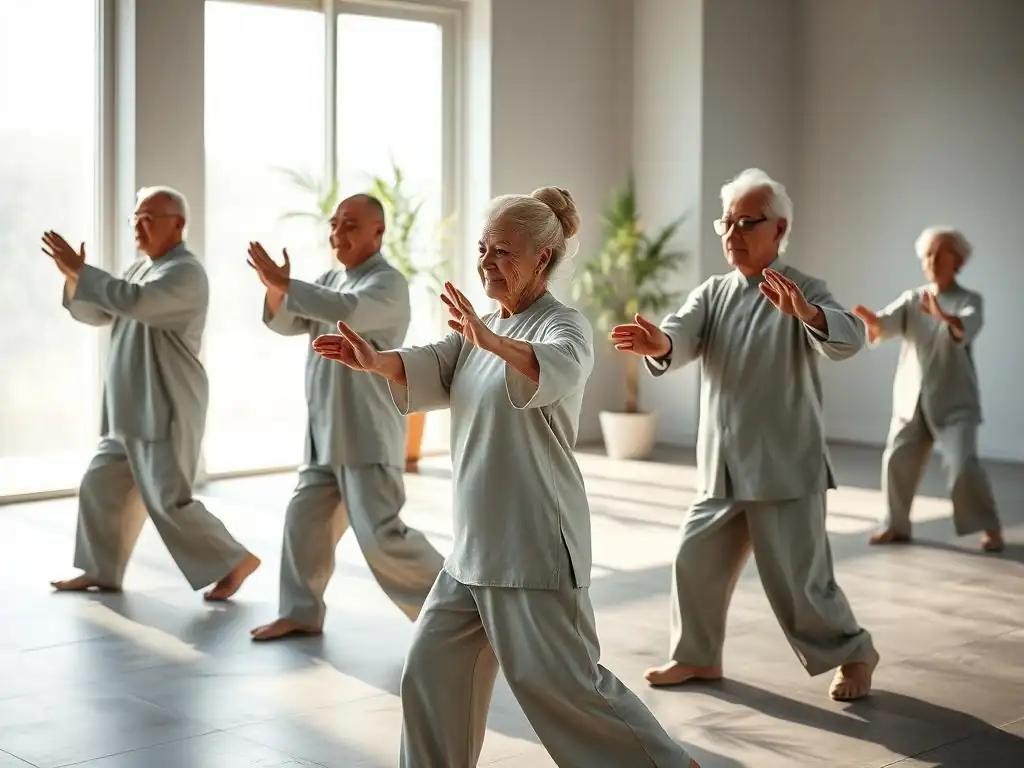
While many forms of exercise offer mental health benefits, Tai Chi possesses unique qualities that make it particularly effective for seniors seeking to enhance their psychological well-being. Comparing it to other popular senior activities helps highlight its distinct advantages.
Comparing Tai Chi to Yoga for Mental Wellness in Older Adults
Both Tai Chi and Yoga are mind-body practices that involve gentle movement, breathing, and meditation, and both offer significant benefits for senior mental health. Yoga typically involves holding static postures (asanas) and flowing sequences (vinyasa), often with a focus on flexibility and strength through sustained stretches and poses. Meditation in Yoga can be integrated into the physical practice or done separately.
Tai Chi, on the other hand, emphasizes continuous, flowing movement. The focus is less on holding poses and more on the smooth transitions between them, coordinating movement with breath and intention. While both improve balance and flexibility, Tai Chi's constant weight shifting and coordinated limb movements specifically train proprioception and stability in motion, which is highly relevant for fall prevention in seniors. For senior mental health, both can reduce stress and improve mood, but Tai Chi's meditative movement quality may appeal more to those who find stillness challenging or prefer a dynamic form of meditation.
Tai Chi vs. Walking: Which is Better for Cognitive Function?
Walking is an excellent, accessible form of exercise for seniors, providing cardiovascular benefits and helping to maintain mobility. Regular walking has been shown to have positive effects on cognitive function, improving blood flow to the brain and potentially stimulating neurogenesis.
However, Tai Chi incorporates a significant cognitive component that walking alone does not. Remembering the sequence of movements in a form, coordinating breath with motion, and maintaining mental focus during practice engage the brain in a different way than simply walking.
While walking is primarily a physical activity with secondary cognitive benefits, Tai Chi is inherently a mind-body practice where the mental engagement is central to the exercise itself. Studies suggest that Tai Chi may offer more pronounced benefits specifically for executive functions and working memory compared to aerobic exercise like walking, although both are valuable for overall brain health.
Understanding the Unique Advantages of Tai Chi for Mental Health
Tai Chi's unique blend of elements contributes to its specific effectiveness for senior mental health. Its low-impact nature makes it accessible even for those with significant physical limitations or chronic pain, who might struggle with other forms of exercise. The meditative aspect is integrated directly into the movement, making mindfulness practice achievable for individuals who find seated meditation difficult.
Furthermore, the emphasis on cultivating qi and achieving a state of relaxed awareness promotes a deep sense of calm and presence that can be profoundly therapeutic for anxiety and stress. The social element of group classes, combined with the personal challenge of learning and mastering the forms, fosters a sense of accomplishment and community that is invaluable for combating isolation and boosting self-esteem in older adults. The holistic nature of Tai Chi addresses physical, mental, and social well-being simultaneously.
Integrating Tai Chi into Your Daily Routine for Optimal Mental Health
Consistency is key to unlocking the full range of mental health benefits that Tai Chi offers. Making it a regular part of your life helps reinforce positive changes and maintain a sense of calm and focus.
Creating a Consistent Tai Chi Practice Schedule
Establishing a regular time for Tai Chi helps build the habit. Even short, consistent sessions are more beneficial than infrequent long ones. Aim for at least 15-20 minutes of practice most days of the week. Consider practicing:
- First thing in the morning to start your day centered and calm.
- In the late afternoon to release stress accumulated throughout the day.
- Before bedtime (with gentle forms) to promote relaxation for sleep.
You can practice at home using online resources or attend local classes. Mark your Tai Chi time on your calendar and treat it as an important appointment for your well-being. The cumulative effect of consistent Tai chi seniors mental health practice builds resilience over time.
Combining Tai Chi with Mindfulness Meditation
Tai Chi is often called a form of moving meditation, and its principles align beautifully with seated mindfulness practice. Combining the two can deepen the benefits for mental health. You might practice seated meditation for 5-10 minutes before or after your Tai Chi session.
During your Tai Chi practice, actively cultivate mindfulness by paying close attention to:
- The sensations in your body as you move.
- The rhythm of your breath.
- The feeling of your feet connecting with the ground.
- The flow and transition between movements.
This integrated approach enhances your ability to stay present, reduce rumination, and cultivate a deeper sense of peace.
Monitoring Your Mental Health Progress While Practicing Tai Chi
It can be helpful to track how Tai Chi is impacting your mental health over time. While the benefits may be subtle initially, consistent practice often leads to noticeable improvements. Consider keeping a simple journal to note:
- Your mood before and after practice.
- Changes in your stress or anxiety levels throughout the week.
- Improvements in sleep quality.
- Increased feelings of calmness or focus.
- Any physical changes, such as improved balance or reduced tension.
Reflecting on these points periodically can provide encouragement and highlight the positive effects of Tai chi seniors mental health practice, motivating you to continue.
Testimonials and Success Stories: Tai Chi Transforming Senior Lives
Hearing about the real-world experiences of other seniors can be incredibly inspiring and illustrate the tangible benefits of Tai Chi. These stories highlight how gentle movement can lead to profound mental shifts.
Real-Life Examples of Seniors Benefiting from Tai Chi
"Before I started Tai Chi about two years ago, I felt constantly on edge," shares Eleanor, a 78-year-old retiree. "My balance wasn't great, which made me anxious about falling, and that just added to my overall stress. A friend suggested a senior Tai Chi class at the community center. Initially, I was hesitant, thinking it would be too difficult. But the instructor was wonderful, very patient.
Within a few months, I noticed a significant difference. My physical therapist remarked on my improved balance, and more importantly, I felt calmer. The fear of falling lessened, and that lifted a huge weight off my mind. The focused movements help quiet the constant chatter in my head."
Another example comes from George, 82, who joined a Tai Chi group after his wife passed away. "I was feeling very isolated and down," he recounts. "Getting out of the house was hard. My daughter encouraged me to try the Tai Chi class. It wasn't just the movement that helped, though that made me feel physically better.
It was being with other people, sharing that quiet time together. We'd sometimes have tea after class and chat. It gave me a reason to get up and go out, and the gentle practice itself brought a sense of peace I hadn't felt in months. It truly helped me navigate that difficult period." These stories underscore the combined physical, mental, and social benefits.
Inspiring Stories of Improved Mental Health Through Tai Chi Practice
"I've struggled with mild depression on and off for years," says Martha, 75. "Medication helps, but I wanted something more. I read about Tai Chi's benefits for senior mental health and found an online class specifically for older adults. Practicing at home became my morning ritual. The slow, deliberate movements, focusing on my breath – it's like a reset button for my mind. I feel more present, less overwhelmed by negative thoughts. It hasn't cured everything, of course, but it's a powerful tool in my coping kit. My family has noticed I seem more cheerful and engaged."
Richard, 80, found Tai Chi helped him manage chronic anxiety. "I'd worry about everything – my health, the future, small things. It was exhausting. My doctor suggested exercise, and I tried Tai Chi. It wasn't instant, but after about six months of practicing three times a week, I started to notice a shift. During the practice, my mind would settle.
I wasn't thinking about my worries; I was just doing. This ability to focus on the present moment gradually extended into my daily life. I still have anxious moments, but they don't consume me the way they used to. Tai Chi gave me a way to gently steer my mind towards calm." These personal accounts demonstrate the tangible impact Tai Chi can have on mood and emotional regulation.
Resources for Learning More About Tai Chi and Senior Mental Health
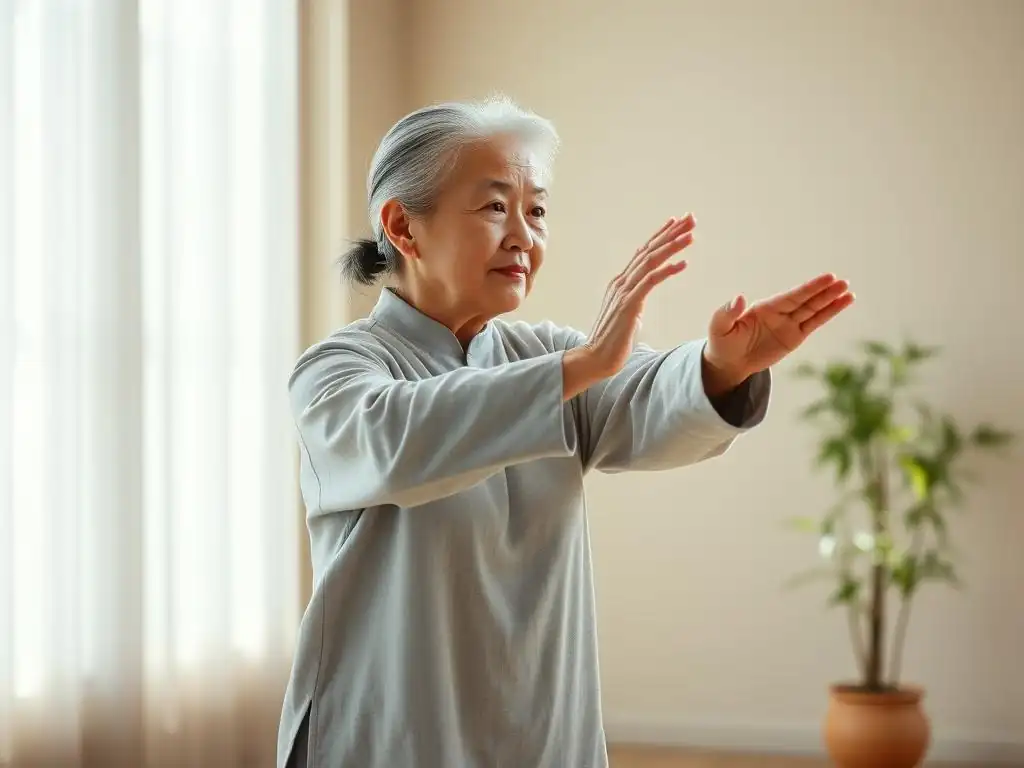
Exploring available resources can help seniors find suitable instruction and deepen their understanding of how Tai Chi supports mental wellness.
Recommended Books and Websites on Tai Chi for Seniors
Many excellent resources are available to guide seniors interested in Tai Chi. Look for books that focus on beginner forms and adaptations for older adults, often featuring clear illustrations or photos.
- Books focusing on simplified forms like the 24-Form Yang style or Tai Chi for Health programs are good starting points. Authors like Dr. Paul Lam have materials specifically designed for seniors and those with health conditions.
- Websites from reputable health organizations (like the Arthritis Foundation, which endorses Tai Chi for pain management and overall health) or established Tai Chi associations can offer valuable information on the benefits, different styles, and finding qualified instructors. Search for sites discussing Tai chi seniors mental health benefits, gentle forms, and safety tips.
Local Tai Chi Organizations and Instructors for Older Adults
Connecting with local resources allows for in-person instruction and the social benefits of group classes.
- Check with your local senior center, YMCA, or community recreation department. They often host classes specifically designed for seniors, sometimes at subsidized rates.
- Search online directories for Tai Chi instructors in your area. When contacting potential instructors, ask about their experience teaching older adults, the style they teach, and whether they offer modifications for physical limitations. A qualified instructor will be patient, knowledgeable about safety, and able to tailor the practice to individual needs.
Online Tai Chi Classes and Tutorials for Seniors
For seniors who prefer practicing at home or have limited mobility, online resources offer a convenient alternative.
- Many experienced Tai Chi instructors offer online classes, live or pre-recorded. Look for programs that clearly state they are suitable for seniors or beginners.
- Platforms like YouTube host numerous Tai Chi tutorials. Be selective and look for instructors with clear teaching styles, good audio/video quality, and positive reviews. Start with basic movements and short forms. While online resources offer flexibility, they lack the personalized feedback of an in-person instructor, so use them cautiously, especially when starting.
Addressing Common Concerns About Tai Chi for Seniors
Potential practitioners, particularly seniors, may have questions or concerns about starting Tai Chi. Addressing these can help ease apprehension and encourage participation.
Is Tai Chi Safe for Seniors with Limited Mobility?
Yes, Tai Chi is generally very safe and can be adapted for seniors with limited mobility. The slow, controlled nature of the movements reduces the risk of injury compared to more vigorous exercises.
- Many Tai Chi programs, such as Tai Chi for Arthritis or Tai Chi for Fall Prevention, are specifically designed with modifications for individuals with joint pain, balance issues, or limited range of motion.
- Movements can often be performed while holding onto a chair for support, or even entirely while seated. A good instructor will assess participants' abilities and provide alternative ways to perform movements. It's crucial to communicate any physical limitations to the instructor before or during class. The gentle nature of Tai chi seniors mental health practice makes it accessible to a wide range of physical conditions.
Can Tai Chi Help with Specific Mental Health Conditions Like Depression?
While Tai Chi is not a substitute for professional medical or psychological treatment, research suggests it can be a valuable complementary therapy for specific mental health conditions commonly affecting seniors, including depression and anxiety.
- Studies have shown that regular Tai Chi practice can lead to a reduction in the severity of depressive symptoms, sometimes comparable to other non-pharmacological interventions. It works by reducing stress hormones, increasing physical activity (which boosts mood), promoting mindfulness, and fostering social connection in group settings.
- For anxiety, the focus on breath control and present-moment awareness inherent in Tai Chi helps to calm the nervous system and interrupt anxious thought patterns. It provides individuals with coping skills they can use outside of practice sessions. Always consult with a healthcare professional for the diagnosis and treatment of any mental health condition.
How Long Does It Take to See Mental Health Benefits from Tai Chi?
The time it takes to experience mental health benefits from Tai Chi varies from person to person and depends on factors like the frequency and consistency of practice, the individual's initial state, and the specific mental health concern.
- Some individuals report feeling calmer and more relaxed even after their first few sessions, noticing immediate reductions in stress during the practice itself.
- More significant and lasting changes in mood, anxiety levels, and cognitive function typically require consistent practice over a longer period. Many studies showing significant improvements in depression or cognitive scores evaluate participants after 8 to 12 weeks of regular practice (e.g., 2-3 sessions per week).
- Long-term benefits, such as sustained reductions in stress and anxiety, improved emotional resilience, and potentially slowed cognitive decline, are associated with consistent practice over months and years. Patience and persistence are key when incorporating Tai chi seniors mental health practice into your routine.
Conclusion: Embracing Tai Chi for a Healthier, Happier Mind in Senior Years
As seniors navigate the later stages of life, prioritizing mental well-being is just as crucial as maintaining physical health. Tai Chi offers a powerful, accessible, and gentle pathway to achieve both. Its unique combination of movement, breath, and mindfulness provides a holistic approach to enhancing psychological resilience and promoting a sharper mind.
The Power of Gentle Movement for Mental Well-being
The seemingly simple, gentle movements of Tai Chi hold profound power for the mind. They not only improve physical health, which is intrinsically linked to mental state, but also actively engage cognitive functions and emotional regulation mechanisms. By moving slowly and deliberately, seniors can calm the nervous system, reduce the physiological symptoms of stress and anxiety, and cultivate a sense of inner peace. This gentle form of exercise makes mental health support accessible, even for those with physical limitations.
Tai Chi demonstrates that effective exercise doesn't need to be strenuous. The focused attention required during practice trains the mind to stay present, reducing rumination and worry. This mindful movement becomes a form of active meditation, offering a respite from the mental noise of daily life and fostering a greater sense of calm and clarity. The physical act of moving gracefully also contributes to improved body image and confidence, further enhancing mental well-being.
Continuing Your Tai Chi Journey for Long-Term Mental Health Benefits
Consistency is the cornerstone of realizing the full, long-term mental health benefits of Tai Chi. Making it a regular part of your weekly or even daily routine reinforces the positive changes in your brain and body. Over time, consistent practice can lead to:
- Sustained reductions in chronic stress and anxiety.
- Improved emotional regulation and resilience in the face of challenges.
- Maintenance or even improvement in certain aspects of cognitive function.
- Increased social connection and reduced feelings of isolation if practicing in groups.
- A greater sense of peace, presence, and overall well-being.
Embracing Tai Chi as a continuous journey, rather than a temporary fix, allows seniors to build a strong foundation for lasting mental wellness. Finding a supportive class or establishing a consistent home practice are steps towards reaping these enduring rewards.
Final Thoughts on Tai Chi and a Sharper Mind for Seniors
Tai Chi offers seniors a beautiful path towards a healthier, happier, and sharper mind. It is a testament to the power of gentle, intentional movement combined with mindful awareness. By incorporating Tai Chi into their lives, older adults can actively enhance their cognitive function, manage stress and anxiety, improve their mood, and combat social isolation.
The practice is an empowering tool, putting the ability to cultivate mental resilience directly into the hands (and feet) of the practitioner. For those seeking a holistic, accessible, and effective way to support their mental health during their senior years, Tai Chi is a practice well worth exploring. The benefits for tai chi seniors mental health are significant and transformative.
Frequently Asked Questions
What are the primary mental health benefits of Tai Chi for seniors?
Tai Chi offers seniors several mental health benefits, including reduced stress and anxiety, improved mood and cognitive function, and enhanced sense of well-being.
How does Tai Chi's gentle movement contribute to better mental health in older adults?
The slow, deliberate movements of Tai Chi promote mindfulness and relaxation, which can help seniors manage stress and anxiety. It also encourages body awareness and coordination, boosting confidence.
Is Tai Chi suitable for all seniors, regardless of their physical condition?
While Tai Chi is generally safe and adaptable, seniors with pre-existing health conditions should consult their doctor before starting. Many modified versions are available to suit different fitness levels and limitations.
How often should seniors practice Tai Chi to experience noticeable improvements in their mental well-being?
Consistency is key. Aim for at least two to three sessions per week, each lasting around 30-60 minutes. Even short, regular practice can yield significant mental health benefits.
Where can seniors find reliable Tai Chi classes or resources specifically designed for their age group?
Many community centers, senior centers, and yoga studios offer Tai Chi classes for seniors. Online resources and certified instructors can also provide guidance and support.
Final Reflection: Cultivating Calm and Clarity Through Tai Chi
The gentle art of Tai Chi Chuan is more than just physical exercise; it's a potent tool for enhancing cognitive function and bolstering mental well-being, particularly crucial for our aging population. In a world increasingly characterized by stress and rapid technological advancements, the simple, mindful movements of Tai Chi offer a powerful antidote, providing a pathway to a sharper mind and a more peaceful spirit for seniors.
The profound impact of Tai Chi on mental health extends far beyond improved balance and flexibility. It fosters a sense of calm and focus that permeates all aspects of life. The meditative nature of the practice allows seniors to connect with their bodies and minds in a way that combats feelings of isolation and anxiety, often prevalent in later life. The mind is like water. When it's turbulent, it's difficult to see. When it's calm, everything becomes clear.
This ancient wisdom perfectly encapsulates the transformative power of Tai Chi in fostering mental clarity and emotional resilience.
Consider incorporating Tai Chi into your life, or encouraging a loved one to do so. Begin with a few simple movements, breathe deeply, and allow the gentle flow of energy to wash over you. You don't need to be an expert; the benefits begin with the first mindful breath. Embrace the journey of self-discovery and well-being that Tai Chi offers, and experience the remarkable impact it can have on your mental and physical health. Let the gentle art of Tai Chi guide you towards a more peaceful, present, and fulfilling life.
Unlock Your Inner Peace: Start Your Tai Chi Journey Today!
Thanks for taking the time to explore the wonderful world of Tai Chi! We hope you gained valuable insights into how this gentle practice can benefit your mind and body. Now it's time to put that knowledge into action.
- Begin your Tai Chi practice: Even just 10 minutes a day can make a significant difference. Find a quiet space, follow an online tutorial, or join a local class.
- Share your experience: Tell your friends and family about the positive impact of Tai Chi. Inspire them to join you on this path to improved well-being!
- Explore further: Research different Tai Chi styles or explore related mindfulness practices to deepen your journey.
Ready to experience the calming power of Tai Chi for yourself? What small step will you take today to incorporate this practice into your life?