
Tai Chi for Young Minds: Introducing Calm to Kids and Teens

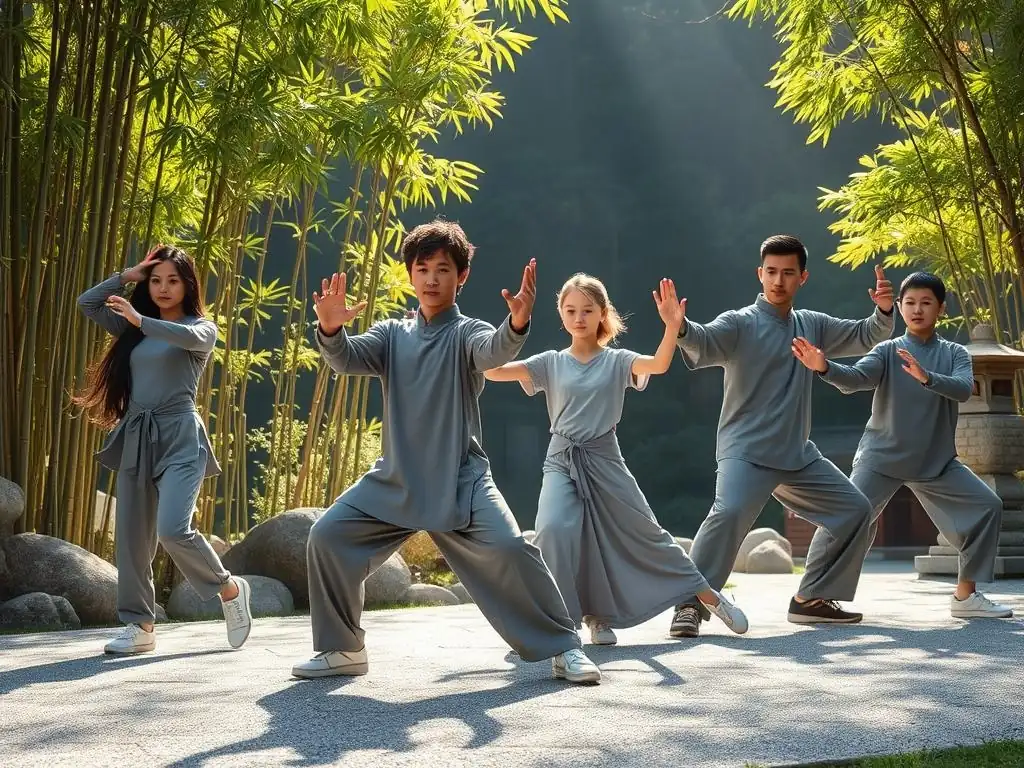
Welcome to Mind Care Guide, your sanctuary for mental well-being.
Feeling overwhelmed by the stresses facing young people today? You're not alone. Discover a gentle yet powerful path to inner peace and resilience. This week we're exploring the surprising Tai chi benefits young teens can experience, offering a holistic approach to managing stress and fostering emotional balance. Intrigued? Let's unlock the secrets to a calmer, more centered generation. Keep reading to learn how Tai Chi can transform your teen's mental well-being.
Tai Chi for Young Minds: Cultivating Calm and Focus in Children and Teens
- Understanding Tai Chi: A Holistic Approach to Well-being for Youth
-
Tai Chi Benefits for Young Teens: Exploring the Advantages for Mental, Emotional, and Physical Health
- Reducing Anxiety and Stress: Tai Chi's Impact on the Nervous System
- Improving Focus and Concentration: Enhancing Cognitive Function Through Mindful Movement
- Boosting Self-Esteem and Confidence: Cultivating Body Awareness and Self-Acceptance
- Physical Benefits of Tai Chi for Young People: Posture, Coordination, and Flexibility
- Getting Started with Tai Chi: A Practical Guide for Kids and Teens
- Tai Chi vs. Other Mental Wellness Practices: A Complementary Approach
- Addressing Concerns and Myths About Tai Chi for Youngsters
- Integrating Tai Chi into Daily Life: Practical Tips for Sustained Well-being
-
Frequently Asked Questions
- What are the potential Tai Chi benefits for young teens experiencing stress and anxiety?
- How can Tai Chi improve focus and concentration in teenagers struggling with attention issues?
- Is Tai Chi a suitable form of physical activity for young teens who are not traditionally athletic?
- How can parents encourage their teens to try Tai Chi and overcome potential resistance or skepticism?
- What resources are available to find qualified Tai Chi instructors or programs specifically designed for young teens?
- Final Reflection: Cultivating Inner Peace in a Turbulent World
- Unleash Your Child's Inner Calm: Start Their Tai Chi Journey Today!
Understanding Tai Chi: A Holistic Approach to Well-being for Youth
Tai Chi, an ancient Chinese martial art, has evolved into a gentle form of exercise widely practiced for its health benefits. Far from being solely a physical discipline, it is a comprehensive mind-body practice that can offer significant advantages, particularly for the developing minds and bodies of children and teenagers. Introducing Tai Chi to young people can provide them with valuable tools for navigating the stresses of modern life.
This practice emphasizes slow, deliberate movements, deep breathing, and focused attention, creating a state of relaxed awareness. For young minds often bombarded with information and pressures, Tai Chi offers a sanctuary of calm, helping to anchor them in the present moment and build resilience. Its holistic nature addresses not just physical health but also emotional regulation and cognitive function, making it a powerful addition to a young person's well-being toolkit.
What is Tai Chi? A Mind-Body Practice for Stress Reduction and Improved Focus
Tai Chi, often described as "meditation in motion," involves performing a series of fluid, connected movements in a slow, continuous manner. Originating as a martial art, its modern practice focuses primarily on health and well-being. The core elements include gentle physical postures, controlled breathing techniques, and mental concentration. This combination helps to calm the nervous system, reduce muscle tension, and promote a state of inner peace.
For young people, who may struggle with restlessness, anxiety, or difficulty focusing, Tai Chi provides a structured yet gentle way to engage both mind and body. The deliberate pace of the movements encourages patience and mindfulness, helping them to tune into their physical sensations and mental state. This practice can serve as a powerful antidote to the fast-paced, often overwhelming environment they experience daily, offering a tangible method for stress reduction.
The Principles of Tai Chi and Their Relevance to Youth Development
At the heart of Tai Chi are principles such as balance, flow, rooting, and relaxation. Balance is not just physical equilibrium but also mental and emotional stability. Flow refers to the smooth, continuous transition between movements, mirroring the desired state of adapting to life's changes with ease. Rooting emphasizes a sense of groundedness and stability, both physically through connection to the earth and metaphorically through a strong inner core. Relaxation is paramount, ensuring movements are effortless and energy flows freely.
These principles are highly relevant to youth development. Learning balance and rooting can help young people feel more stable and secure in themselves. Practicing flow can teach them adaptability and resilience when faced with challenges. Relaxation techniques learned in Tai Chi provide immediate tools for managing stress and anxiety. By embodying these principles through physical practice, young practitioners develop a deeper understanding of their own bodies and minds, fostering self-awareness and emotional regulation skills crucial for navigating adolescence.
How Tai Chi Differs from Other Physical Activities: Emphasizing Gentle Movement and Mindfulness
Unlike many popular sports or fitness activities that emphasize speed, power, or competition, Tai Chi focuses on slow, controlled, and deliberate movement. It is non-competitive and adaptable to individual physical capabilities, making it accessible to a wide range of young people regardless of their athletic background. The primary goal is not external achievement but internal harmony and self-awareness.
The key differentiator is the integration of mindfulness into every movement. Participants are encouraged to pay close attention to their posture, breathing, and the flow of energy within their bodies. This mindful focus transforms physical exercise into a moving meditation, cultivating present-moment awareness and reducing the tendency for the mind to wander or ruminate on worries. This unique blend of gentle physical activity and deep mental engagement sets Tai Chi apart and contributes significantly to its profound mental and emotional benefits for young practitioners.
Tai Chi Benefits for Young Teens: Exploring the Advantages for Mental, Emotional, and Physical Health
Adolescence is a period of significant change and challenge, marked by academic pressure, social dynamics, and physical development. The unique blend of physical exercise and mental focus offered by Tai Chi provides a powerful set of tools specifically tailored to address these challenges. Exploring the Tai chi benefits young teens can experience reveals a pathway to enhanced well-being during these formative years.
From managing stress and improving concentration to boosting self-esteem and physical coordination, the advantages of incorporating Tai Chi into a teenager's routine are numerous. These benefits extend beyond the immediate practice session, helping young people develop coping mechanisms and a greater sense of self-efficacy that can positively impact various aspects of their lives, including academic performance and social interactions.
Reducing Anxiety and Stress: Tai Chi's Impact on the Nervous System
One of the most significant Tai chi benefits young teens report is a reduction in feelings of anxiety and stress. The slow, rhythmic movements combined with deep, diaphragmatic breathing activate the parasympathetic nervous system, often referred to as the "rest and digest" system. This counteracts the "fight or flight" response triggered by stress, leading to a decrease in heart rate, blood pressure, and stress hormones like cortisol. Consistent practice helps regulate the body's stress response over time.
Moreover, the mindful focus required during Tai Chi practice helps young people detach from anxious thoughts and worries. By directing attention to the physical sensations and the flow of movement, they learn to quiet the mental chatter that often fuels anxiety.
This ability to shift focus and induce a state of calm is a valuable skill that teenagers can apply in stressful situations outside of their Tai Chi practice, such as before exams or social events. Studies and anecdotal evidence suggest that regular Tai Chi can lead to noticeable improvements in self-reported stress levels within a few months of practice.
Improving Focus and Concentration: Enhancing Cognitive Function Through Mindful Movement
In an age of constant digital distractions, improving focus and concentration is a key Tai chi benefit young teens can leverage. The practice demands sustained attention to posture, balance, breathing, and the sequence of movements. This deliberate mental engagement acts like a workout for the brain, strengthening neural pathways associated with attention and executive function. The need to coordinate complex movements while maintaining a calm mind builds mental discipline.
Regular Tai Chi practice has been observed to enhance cognitive flexibility and working memory, skills essential for academic success. By training the mind to stay present and focused on a single task (the movement sequence), teenagers develop the ability to filter out distractions and maintain concentration for longer periods. Educators and parents often note improvements in a teen's ability to stay on task and complete assignments after consistent engagement with mindful practices like Tai Chi.
Boosting Self-Esteem and Confidence: Cultivating Body Awareness and Self-Acceptance
Tai Chi fosters a deep connection with one's own body, promoting body awareness and acceptance which are crucial for boosting self-esteem in young teens. Learning the movements and feeling the subtle shifts in balance and energy flow helps teenagers become more comfortable and confident in their physical selves. Unlike competitive sports where focus is often on winning or external validation, Tai Chi emphasizes personal progress and the intrinsic reward of mastering movements and improving internal states.
Successfully learning new forms and feeling the physical and mental benefits of practice provides a tangible sense of accomplishment. This internal validation builds self-confidence regardless of external pressures or comparisons with peers. Furthermore, the non-judgmental nature of Tai Chi encourages self-acceptance, helping teenagers appreciate their bodies for their capabilities rather than focusing on perceived flaws. This cultivation of inner strength and body positivity is a profound Tai chi benefit young teens can carry with them.
Physical Benefits of Tai Chi for Young People: Posture, Coordination, and Flexibility
Beyond the significant mental and emotional advantages, there are tangible physical Tai chi benefits young teens can experience. The slow, controlled movements gently strengthen muscles, particularly in the legs and core, without putting excessive strain on joints. The focus on alignment and posture helps correct imbalances and encourages a healthy upright stance, counteracting the common slouching associated with screen time.
Tai Chi is excellent for improving balance and coordination. The intricate weight transfers and transitions between postures require precise control and body awareness, enhancing proprioception (the body's sense of its position in space). Regular practice also increases flexibility and range of motion, as movements are performed through their full extent. These physical improvements contribute to overall physical literacy, reduce the risk of injury in other activities, and support a healthier, more active lifestyle for young people.
Getting Started with Tai Chi: A Practical Guide for Kids and Teens
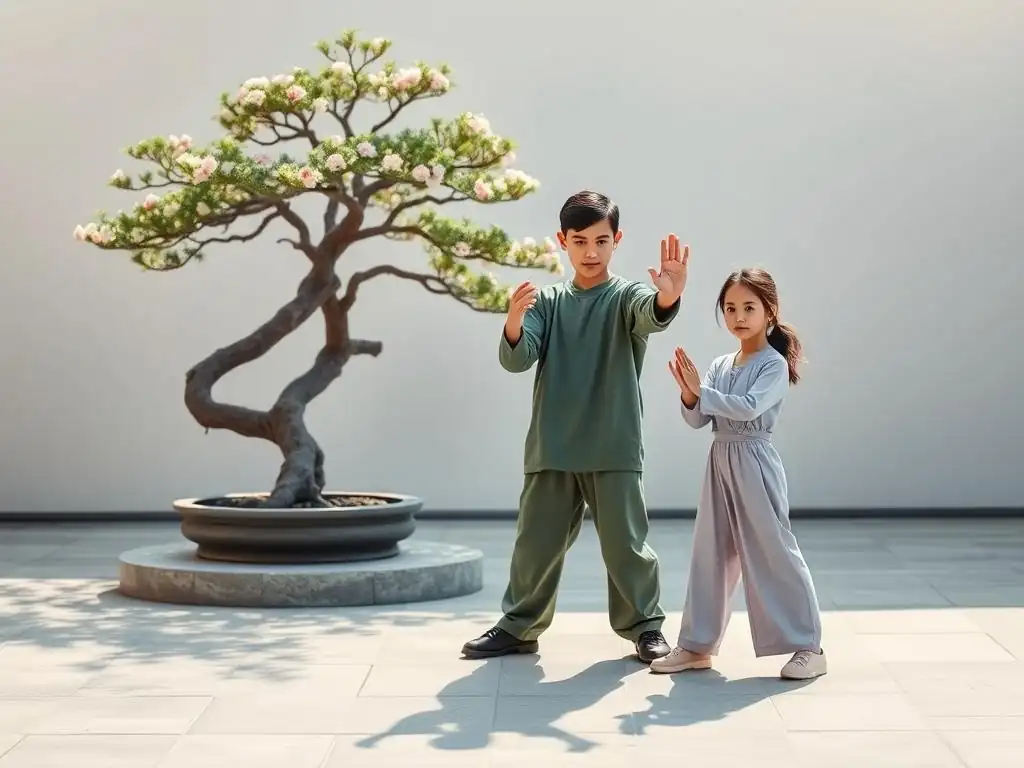
Introducing Tai Chi to young people requires a thoughtful approach that considers their interests, attention spans, and learning styles. Making the initial steps accessible and engaging is key to fostering a lasting interest in the practice. This guide offers practical advice for parents, educators, or young people themselves looking to explore the world of Tai Chi.
Finding the right instruction, starting with simple movements, and establishing a consistent routine are fundamental steps. Accessing appropriate resources can further support their journey. The goal is to create a positive and encouraging environment where young minds can discover the calming and strengthening effects of Tai Chi at their own pace.
Finding a Qualified Tai Chi Instructor: Prioritizing Experience and Child-Friendly Instruction
Finding a qualified Tai Chi instructor is paramount, especially when introducing the practice to children and teens. Look for instructors with experience teaching younger age groups, as they understand how to adapt their teaching methods to be engaging and understandable for different developmental stages. An instructor who is patient, encouraging, and creates a fun, non-intimidating atmosphere is ideal.
Consider instructors who specialize in the health and mindfulness aspects of Tai Chi rather than competitive martial arts. Many studios offer trial classes, which can be a great way for a young person to experience the class and see if they connect with the instructor and the style. Check online reviews, ask for recommendations, and don't hesitate to speak with the instructor beforehand about their approach to teaching young people. A positive initial experience can make a significant difference in a young person's willingness to continue.
Simple Tai Chi Movements for Beginners:
Starting with simple, foundational movements helps build confidence and familiarity with the principles of Tai Chi before progressing to longer forms. These basic movements introduce core concepts like weight transfer, balance, and coordinated breathing in an easy-to-follow manner.
Cloud Hands: Promoting Relaxation and Balance
Cloud Hands is a fundamental movement found in many Tai Chi styles. It involves slow, circular arm movements coordinated with shifting weight from one leg to the other. This movement is excellent for teaching smooth weight transfer, developing balance, and promoting a sense of continuous flow. The gentle, repetitive motion is inherently calming and helps beginners relax their upper bodies while staying grounded.
Grasping the Bird's Tail: Developing Coordination and Body Awareness
Grasping the Bird's Tail is a slightly more complex sequence that combines several distinct movements: Ward Off, Roll Back, Press, and Push. Practicing this sequence helps beginners learn how to transition between different postures, coordinate hand and leg movements, and understand the concept of applying gentle force or yielding. It builds body awareness and introduces fundamental principles of energy flow and interaction.
Single Whip: Enhancing Focus and Core Engagement
Single Whip involves a distinctive posture with one arm extended like a whip and the other forming a hook shape. This movement requires balance, focus on aligning the body, and engaging the core muscles for stability. Practicing Single Whip helps beginners develop strength in their legs and core, improve focus by holding a specific posture, and understand how energy can be channeled through the body.
Creating a Tai Chi Practice Routine: Consistency, Duration, and Optimal Environment
Consistency is more important than duration when establishing a Tai Chi practice routine for kids and teens. Even short, regular sessions of 10-15 minutes several times a week are more beneficial than infrequent long practices. Encourage practice at a consistent time each day, perhaps in the morning to start the day calmly or in the evening to wind down.
Choose a quiet, clutter-free space where the young person feels comfortable and has enough room to move freely. While practicing outdoors in nature can be wonderful, a dedicated indoor space works well too. The optimal environment is one that is free from distractions, allowing for focused attention on the movements and breathing. Encourage comfortable clothing and bare feet or soft-soled shoes. Making it a pleasant, non-pressured activity is key to sustained engagement.
Tai Chi Resources: Books, Videos, and Online Communities for Young People
A variety of resources can support a young person's Tai Chi journey alongside or in preparation for in-person instruction. Many books introduce Tai Chi principles and movements in a simplified, accessible way, sometimes specifically geared towards children or teens. Visual learners may benefit greatly from instructional videos, which allow them to follow along with the movements.
Online platforms offer classes, tutorials, and sometimes even live sessions designed for beginners. While finding a qualified in-person instructor is highly recommended for proper form and guidance, these resources can supplement learning and provide opportunities for practice at home. Some online communities or forums might also offer a space for young practitioners to connect, share experiences, and stay motivated, though adult supervision is advisable for online interactions.
Tai Chi vs. Other Mental Wellness Practices: A Complementary Approach
When considering mental wellness practices for young people, it's helpful to understand how Tai Chi compares to and complements other popular modalities. While practices like yoga, meditation, and team sports offer valuable benefits, Tai Chi provides a unique combination of elements that can address specific needs and preferences. Often, integrating Tai Chi with other practices can create a more comprehensive approach to well-being.
Tai Chi's emphasis on gentle, flowing movement combined with deep mindfulness distinguishes it from more static practices like meditation or the often high-impact nature of many sports. Understanding these differences helps in choosing the most suitable practice or combination of practices for an individual young person's personality, physical condition, and wellness goals, highlighting how Tai chi benefits young teens in distinct ways.
Tai Chi vs. Yoga: Identifying Strengths for Specific Needs
Both Tai Chi and Yoga are ancient mind-body practices that promote physical and mental well-being, but they differ in their approach and emphasis. Yoga often involves holding static postures (asanas) to build strength and flexibility, with a strong focus on breathwork (pranayama) and sometimes meditation. It can range from very gentle to highly strenuous styles.
Tai Chi, in contrast, is characterized by continuous, flowing movement. While it also builds strength, flexibility, and balance, its primary focus is on smooth transitions, coordinated movement, and cultivating internal energy (Qi). For young people who find holding static poses challenging or prefer continuous motion, Tai Chi might be more appealing. Its gentle, low-impact nature also makes it highly accessible, even for those with limited mobility. Both practices offer significant Tai chi benefits young teens can gain alongside yoga, and they are often complementary; some individuals find practicing both enhances their overall well-being.
Tai Chi vs. Meditation: Integrating Movement and Stillness for Enhanced Calm
Meditation typically involves sitting or lying still to focus the mind, often on the breath, a mantra, or bodily sensations. It is a powerful tool for cultivating mindfulness, reducing racing thoughts, and achieving a state of calm. However, some young people find it difficult to sit still for extended periods or struggle with the perceived stillness of formal meditation practice.
Tai Chi can be considered a form of moving meditation. It integrates the principles of mindfulness and focused attention with physical movement. For young people who are restless or have excess energy, the physical activity in Tai Chi can make the practice of mindfulness more accessible and engaging than traditional seated meditation. It allows them to channel their energy into deliberate movement while simultaneously training their minds to be present. This makes Tai Chi an excellent entry point into mindfulness for those who find stillness challenging, offering unique Tai chi benefits young teens can appreciate.
Tai Chi vs. Team Sports: Fostering Individual and Collective Well-being
Team sports offer valuable opportunities for physical activity, social interaction, and learning teamwork, discipline, and sportsmanship. They can be highly beneficial for physical health and developing social skills. However, they are often competitive, can involve high impact or intensity, and may not always provide a direct focus on internal emotional or mental states during play.
Tai Chi is a non-competitive, individual practice that fosters self-awareness and inner calm. While it can be practiced in groups, the focus remains on the individual's internal experience and mastery of the movements. For young people who may not enjoy the competitive aspect of sports, feel intimidated by team dynamics, or are looking for a gentler form of exercise, Tai Chi offers a compelling alternative. It complements team sports by providing a practice focused on self-regulation, balance, and mindful movement, offering different yet equally valuable Tai chi benefits young teens can incorporate into their lives.
Addressing Concerns and Myths About Tai Chi for Youngsters
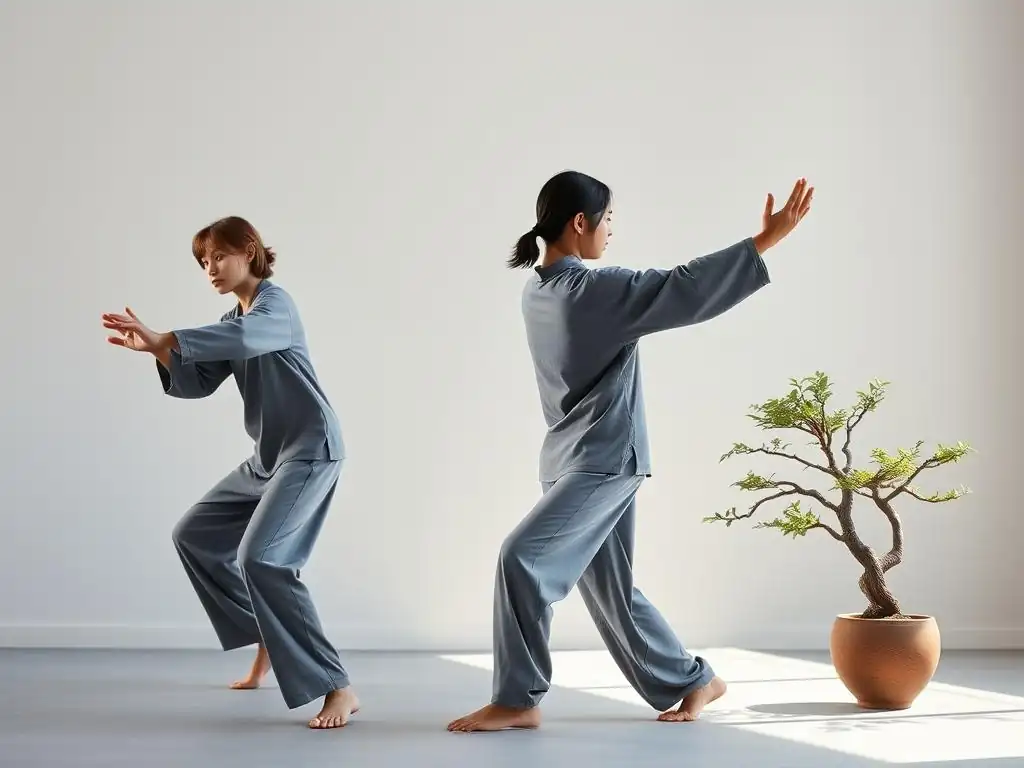
Parents, educators, and young people themselves may have questions or misconceptions about Tai Chi. Addressing these concerns with accurate information and empathy is important for encouraging adoption of the practice. It's natural to wonder about safety, effectiveness, and how to make it appealing to a generation accustomed to faster-paced activities.
By debunking common myths and providing practical strategies for introduction and engagement, we can help more young people access the significant Tai chi benefits young teens can gain. Open communication and a willingness to adapt the approach to suit individual needs are key to overcoming potential barriers.
Is Tai Chi Safe for All Children and Teens? Considering Individual Needs and Modifications
Generally, Tai Chi is considered very safe for people of all ages, including children and teens, due to its low-impact and gentle nature. Movements are performed slowly and deliberately, minimizing the risk of injury compared to faster-paced activities. However, like any physical activity, it's important to consider individual health conditions or physical limitations.
For young people with specific health concerns, such as joint issues, balance disorders, or other medical conditions, it is advisable to consult with a healthcare professional before starting Tai Chi. A qualified instructor can also provide modifications to movements to accommodate individual needs, ensuring the practice is safe and beneficial. The emphasis on listening to one's body is a core principle of Tai Chi, which naturally encourages practitioners to work within their own comfortable range of motion. The adaptiveness of Tai Chi is one of the reasons it offers such broad Tai chi benefits young teens can access.
Debunking Common Misconceptions: Separating Fact from Fiction About Tai Chi's Benefits
One common misconception is that Tai Chi is "too slow" or "boring" for young people used to high-energy activities. While the pace is slow, the focus and coordination required are mentally engaging and challenging in a different way. It's not about intensity but about precision and presence. The benefits are often subtle at first but accumulate significantly with consistent practice, leading to improved calm, focus, and physical well-being – key Tai chi benefits young teens can experience.
Another myth is that Tai Chi is only for older adults or people seeking rehabilitation. While it is excellent for these groups, its principles of balance, focus, and stress reduction are universally beneficial and particularly relevant for the developmental needs of young people. It's not just a gentle exercise; it's a powerful tool for building resilience and self-awareness from a young age. Understanding the real, tangible Tai chi benefits young teens can gain helps dispel these outdated ideas.
Encouraging Teens to Embrace Tai Chi: Communication Strategies for Parents and Educators
Encouraging teenagers to try Tai Chi requires patience and understanding. Avoid framing it as a chore or something they "should" do. Instead, highlight the potential benefits that might resonate with their specific concerns, such as reducing stress from schoolwork, improving focus for homework, or finding a way to feel calmer and more in control of their emotions.
Suggest trying a class together as a family activity, or find a class specifically designed for younger age groups that incorporates elements they might find engaging. Show them videos of young people practicing Tai Chi. Emphasize that it's a tool for them to feel better, rather than just another activity to add to a busy schedule. Allowing them autonomy in exploring it and providing consistent, non-judgmental support is crucial for fostering their interest and helping them discover the Tai chi benefits young teens can integrate into their lives.
- [ ] Talk about the personal benefits for their life (stress, focus).
- [ ] Suggest trying a class together or finding youth-specific options.
- [ ] Emphasize it's a tool for their well-being, not a requirement.
- [ ] Provide consistent, non-judgmental support.
Integrating Tai Chi into Daily Life: Practical Tips for Sustained Well-being
The true power of Tai Chi lies not just in the formal practice sessions but in integrating its principles and benefits into daily life. For young people, this means finding ways to carry the calm, focus, and body awareness cultivated during practice into their school day, social interactions, and personal time. Sustained practice leads to long-term positive changes in emotional regulation, resilience, and overall well-being.
Encouraging consistent practice and finding simple ways to apply Tai Chi principles outside of class helps solidify the learning and maximize the Tai chi benefits young teens can achieve. Creating a supportive environment and recognizing the long-term impact of this practice are essential for helping them build a foundation for lifelong wellness.
Tai Chi as a Mindfulness Practice: Integrating Principles into Daily Activities
Tai Chi teaches a state of active mindfulness – being fully present and aware while moving. This principle can be integrated into countless daily activities. Encourage young people to bring the same mindful awareness they use in Tai Chi to simple tasks like walking between classes, eating a meal, or even doing chores. Noticing the sensations in their bodies, paying attention to their breath, and moving with intention can transform mundane activities into opportunities for mindfulness.
For example, before a test or a presentation, a teenager can use the deep breathing techniques learned in Tai Chi to calm their nerves. When feeling overwhelmed, they can take a moment to stand, root their feet, and perform a few slow, gentle movements or simply focus on their posture and breath to regain composure. Integrating these small moments of mindful movement and breathing helps reinforce the Tai chi benefits young teens gain, making them accessible tools for managing daily challenges.
Creating a Supportive Environment: Encouraging Continued Practice and Peer Support
A supportive environment is vital for encouraging young people to continue their Tai Chi practice. This includes positive reinforcement from parents, educators, or mentors, acknowledging their effort and the positive changes they might be experiencing. Providing a dedicated space and time for practice, as discussed earlier, also signals support.
Connecting with peers who also practice Tai Chi can be incredibly motivating for teenagers. If possible, find youth-oriented classes or encourage them to practice with a friend. Sharing the experience can make it more enjoyable and provide a sense of community. Even informal practice sessions together can help reinforce habits and provide mutual encouragement, solidifying the Tai chi benefits young teens share and experience collectively.
Long-Term Benefits of Tai Chi: Building Resilience, Emotional Regulation, and Overall Well-being
Consistent Tai Chi practice over time yields profound long-term benefits for young people. The repeated cultivation of calm, focus, and self-awareness builds emotional resilience, enabling them to bounce back more effectively from setbacks and navigate challenges with greater ease. They develop improved emotional regulation skills, becoming better equipped to understand and manage their feelings without being overwhelmed by them.
The physical benefits contribute to a healthier body, while the mental and emotional benefits foster a healthier mind. Together, these lead to enhanced overall well-being. Tai Chi provides young people with a sustainable, lifelong practice that empowers them to maintain balance and harmony in their lives, offering enduring Tai chi benefits young teens can carry into adulthood, equipping them with tools for stress management, mental clarity, and physical health for years to come.
Frequently Asked Questions
What are the potential Tai Chi benefits for young teens experiencing stress and anxiety?
Tai Chi can help teens manage stress by promoting mindfulness and relaxation. It improves body awareness and reduces anxiety symptoms through gentle movements and controlled breathing.
How can Tai Chi improve focus and concentration in teenagers struggling with attention issues?
The focus required to perform Tai Chi movements can improve attention span and cognitive function. This can lead to better concentration in other areas of life, like school.
Is Tai Chi a suitable form of physical activity for young teens who are not traditionally athletic?
Yes, Tai Chi is a low-impact exercise suitable for all fitness levels. It focuses on gentle movements and doesn't require strenuous activity, making it accessible to everyone.
How can parents encourage their teens to try Tai Chi and overcome potential resistance or skepticism?
Parents can introduce Tai Chi through group classes or family sessions. Emphasize the health benefits and demonstrate the activity themselves to create a positive association.
What resources are available to find qualified Tai Chi instructors or programs specifically designed for young teens?
Websites like the Tai Chi and Qigong Association of America or local community centers often list certified instructors. Look for programs that cater specifically to teenagers' needs and developmental stage.
Final Reflection: Cultivating Inner Peace in a Turbulent World
The benefits of Tai Chi for young teens are not merely physical; they are a vital antidote to the pressures of modern life. In a world saturated with screen time, social media anxieties, and academic pressures, finding inner calm is more crucial than ever. This exploration of Tai Chi's impact on young minds highlights a powerful tool for navigating these challenges and fostering resilience.
The gentle movements and mindful breathing of Tai Chi offer a profound counterpoint to the frenetic energy that often characterizes adolescence. It’s a practice that transcends mere physical exercise; it cultivates self-awareness, focus, and emotional regulation – skills desperately needed in today's youth. As the renowned martial artist Bruce Lee once said, Knowing is not enough; we must apply. Willing is not enough; we must do.
This perfectly encapsulates the essence of Tai Chi: it's not just about learning the forms, but about embodying the principles of mindfulness and inner strength.
Consider the impact of incorporating Tai Chi into your child's life, or even your own. Think of the potential for reduced stress, improved focus, and a greater sense of self-confidence. This isn't just about physical health; it's about cultivating a resilient spirit capable of navigating the complexities of life with grace and inner peace.
Take a moment to reflect on the power of mindful movement and consider how this ancient practice can help shape a calmer, more centered future for the young people in your life. Begin your journey towards inner peace – one slow, deliberate movement at a time.
Unleash Your Child's Inner Calm: Start Their Tai Chi Journey Today!
Thank you for taking the time to explore the wonderful world of Tai Chi for young people! We hope you discovered valuable insights into its benefits for focus, emotional regulation, and physical well-being. Now, let's turn those insights into action.
- Start with a guided beginner's session: Many free online resources offer introductory Tai Chi videos specifically designed for children and teens. Find one that sparks your child's interest and give it a try!
- Share this article with a friend: Help other parents and caregivers discover the incredible potential of Tai Chi for their children.
- Explore local Tai Chi classes: Search for family-friendly classes in your community – a shared experience could be incredibly rewarding!
What small step will you take today to introduce the calming power of Tai Chi to your child’s life?