
Yoga for Mind Care: A Comprehensive Approach

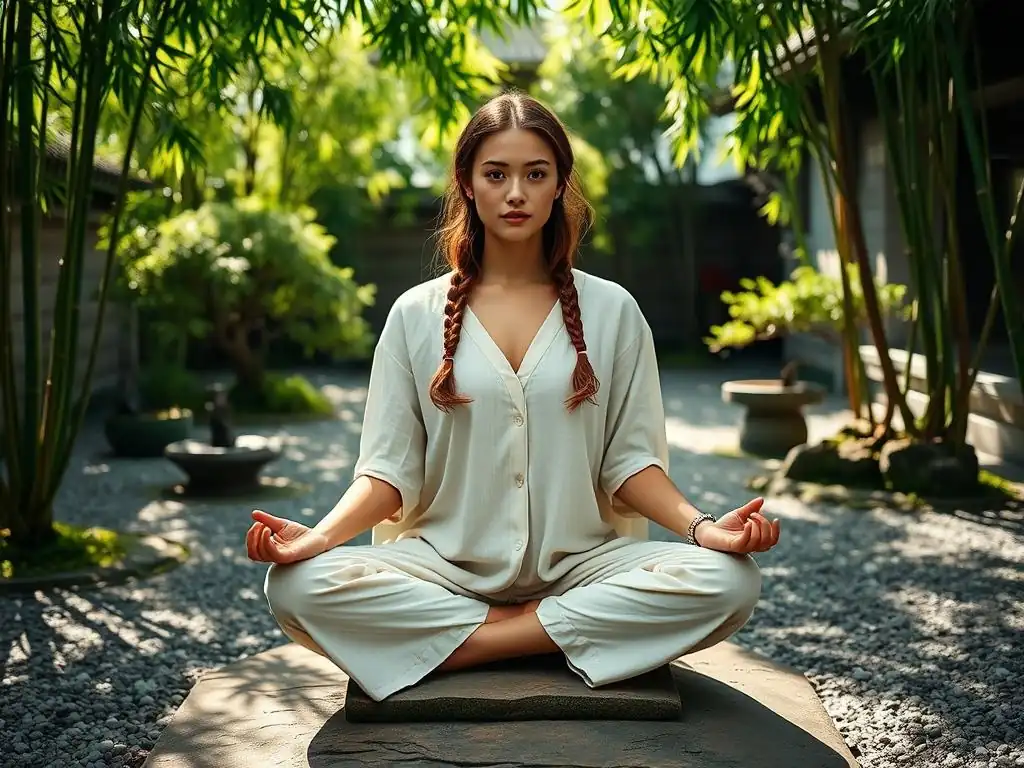
Welcome to Mind Care Guide, a space dedicated to nurturing your mental well-being.
Feeling overwhelmed by anxiety? You're not alone. Discover how integrating ancient practices like Yoga for anxiety relief can be a powerful step towards finding inner peace and reclaiming control. Dive in to explore a comprehensive approach that blends mindfulness, movement, and self-care, and begin your journey to a calmer, more centered you. What if just a few minutes a day could drastically change your perspective? Let's explore the possibilities together.
- Yoga for Anxiety Relief: A Comprehensive Guide
- Understanding Yoga's Impact on Mental Well-being
- Practical Yoga Poses for Anxiety Relief
- Breathing Techniques (Pranayama) for Anxiety
- Integrating Yoga into Daily Life for Mental Health
- Yoga Styles for Anxiety and Stress
- Addressing Common Misconceptions About Yoga and Anxiety
- Resources for Exploring Yoga and Mental Health
- Conclusion: Yoga as a Tool for Mental Wellness
-
Frequently Asked Questions
- What specific types of yoga are most effective for anxiety relief?
- How does yoga help to reduce anxiety symptoms?
- How often should I practice yoga to experience anxiety relief?
- Are there any precautions I should take before starting yoga for anxiety?
- Where can I find resources or classes specifically focused on yoga for anxiety relief?
- Final Reflection: Finding Inner Peace Through the Yoga Practice
- Unleash Your Inner Calm: Start Your Yoga Journey Today!
Yoga for Anxiety Relief: A Comprehensive Guide
Yoga, an ancient practice originating in India, has gained widespread recognition in the modern world not just for its physical benefits but profoundly for its impact on mental well-being. While many people come to yoga seeking flexibility or strength, a significant number discover its remarkable capacity for promoting calm and reducing stress. The practice offers a structured way to engage with the body and breath, providing a tangible pathway to quiet the often-racing mind associated with anxiety.
Incorporating yoga into a routine can serve as a powerful tool for managing the symptoms of anxiety. It provides techniques that can be used in moments of distress, offering immediate relief through controlled breathing and mindful movement. Furthermore, consistent practice builds resilience, helping individuals develop better coping mechanisms and a more stable emotional state over time. This comprehensive approach addresses anxiety not just as a mental state but as a mind-body experience, making yoga a holistic intervention.
Understanding Yoga's Impact on Mental Well-being
The Interplay of Mind and Body in Yoga
Yoga operates on the principle that the mind and body are deeply interconnected. Physical postures (asanas), breathing techniques (pranayama), and meditation practices all work together to influence both physiological and psychological states. When experiencing anxiety, the body often reacts with physical symptoms like shallow breathing, muscle tension, and increased heart rate. Yoga directly addresses these physical manifestations, helping to interrupt the anxiety cycle.
By consciously moving the body and focusing on the breath, individuals can shift their attention away from anxious thoughts and ground themselves in the present moment. Studies, such as one published in the Journal of Alternative and Complementary Medicine in 2018, have indicated that regular yoga practice can lead to a reduction in cortisol levels, the body's primary stress hormone. This physiological change underscores how physical practice translates into tangible mental and emotional benefits, demonstrating the powerful mind-body connection fostered by yoga.
Stress Reduction and Relaxation Through Yoga
One of the most immediate benefits of yoga for anxiety relief is its capacity to induce relaxation and reduce stress. Many yoga styles incorporate elements specifically designed to calm the nervous system. Gentle movements, held postures, and guided relaxation periods like Savasana (Corpse Pose) activate the parasympathetic nervous system, often referred to as the "rest and digest" system. This counteracts the "fight or flight" response triggered by anxiety and stress.
The emphasis on breath control in yoga is particularly effective for stress reduction. Learning to take slow, deep breaths signals to the brain that the body is safe and can relax. Research, including findings cited by the National Institutes of Health, supports the use of yoga and mindful movement as effective interventions for stress and anxiety, showing improvements in self-reported stress levels and physiological markers of stress after consistent practice. Even short, focused yoga sessions can provide a significant reduction in acute stress.
Holistic Benefits of Yoga for Anxiety
Yoga offers a holistic approach to managing anxiety, addressing multiple facets of well-being simultaneously. Beyond stress reduction and the mind-body connection, regular yoga practice can improve sleep quality, which is often disrupted by anxiety. It can also enhance body awareness, helping individuals recognize the early physical signs of anxiety and intervene before symptoms escalate.
Furthermore, the community aspect of attending yoga classes can provide social support, combating feelings of isolation that sometimes accompany mental health challenges. While specific data on the impact of yoga community on anxiety varies, the general benefits of social connection on mental health are well-documented. By integrating physical movement, mental focus, and breathwork, yoga provides a comprehensive toolkit for building resilience against anxiety and promoting overall mental wellness.
Practical Yoga Poses for Anxiety Relief
Yoga poses, or asanas, are not just physical exercises; they are designed to connect with the breath and calm the mind. Certain poses are particularly effective for grounding and soothing the nervous system, making them excellent choices for managing anxiety.
Beginner-Friendly Poses for Calming Anxiety
These poses are accessible to most individuals, regardless of prior experience, and offer gentle ways to find stillness and comfort.
Child's Pose (Balasana)
Child's Pose is a deeply restful and grounding pose that encourages surrender and relaxation. Kneel on the floor with your big toes touching and knees hip-width apart or wider. Lower your torso between your thighs and rest your forehead on the mat. Extend your arms forward or rest them back alongside your body.
Holding this pose allows the spine to lengthen and the shoulders to relax. The gentle pressure on the forehead can be calming, and the enclosed shape provides a sense of security. Focus on breathing deeply into your back ribs, noticing the gentle expansion and contraction with each breath. Stay here for several minutes, allowing yourself to fully release tension.
Corpse Pose (Savasana)
Savasana is often considered the most important pose in a yoga practice, dedicated to complete relaxation and integration. Lie flat on your back with your arms resting comfortably alongside your body, palms facing up. Let your legs extend long, allowing your feet to fall open naturally.
The goal of Savasana is to achieve total physical and mental stillness, allowing the benefits of the practice to settle in. It can be challenging for an anxious mind to be still, but the practice of simply lying and observing thoughts without engaging can be profoundly therapeutic. Aim to remain in Savasana for 5-10 minutes, consciously relaxing each part of your body from your toes to the crown of your head.
Mountain Pose (Tadasana)
Mountain Pose is a foundational standing pose that cultivates stability, presence, and grounding. Stand with your feet hip-width apart or together, pressing down evenly through all four corners of your feet. Draw your shoulders back and down, aligning your spine. Let your arms rest alongside your body, palms facing forward, or bring your hands to heart center.
While seemingly simple, Tadasana is a powerful pose for bringing awareness to your posture and breath. It helps you feel rooted and stable, counteracting feelings of being scattered or overwhelmed often associated with anxiety. Practice standing tall, feeling the connection to the earth, and breathing steadily, noticing the subtle sway of your body as you stand grounded.
Intermediate Poses for Managing Anxiety
As comfort and familiarity with yoga grow, intermediate poses can offer new ways to build strength, focus, and release tension.
Downward-Facing Dog (Adho Mukha Svanasana)
Downward-Facing Dog is an inversion (hips higher than heart) that can help calm the nervous system while building strength and flexibility. Start on your hands and knees, then lift your hips up and back, forming an inverted V shape. Press your palms firmly into the mat, spread your fingers wide, and let your head hang between your arms. You can keep a slight bend in your knees if your hamstrings are tight.
This pose stretches the shoulders, hamstrings, and calves while lengthening the spine. The mild inversion can help to slow the heart rate and calm the mind. Focusing on pressing your heels towards the floor (even if they don't touch) and breathing deeply into your belly can be very grounding and help alleviate feelings of anxiety.
Warrior II Pose (Virabhadrasana II)
Warrior II is a strong standing pose that builds focus, stability, and confidence. Step your feet wide apart, turning your right foot out 90 degrees and your left foot slightly in. Bend your right knee over your right ankle, keeping your thigh parallel to the floor if possible. Extend your arms out to the sides at shoulder height, gazing over your right fingertips. Repeat on the left side.
This pose requires concentration and strength, which can help draw the mind away from anxious thoughts and into the present moment. It cultivates a sense of power and steadiness. Holding the pose and focusing on the breath and the physical sensations can be a powerful practice for managing feelings of powerlessness that sometimes accompany anxiety.
Tree Pose (Vrksasana)
Tree Pose is a balancing pose that cultivates focus, patience, and stability. Stand on your left foot, bringing the sole of your right foot to your inner left ankle, calf, or thigh (avoiding the knee joint). Bring your hands to heart center or extend them overhead. Find a focal point (drishti) to help maintain balance. Repeat on the other side.
Balancing poses demand concentration, which can help to quiet a busy mind. The act of finding and maintaining balance in Tree Pose can be a metaphor for finding equilibrium amidst life's challenges. It encourages patience with yourself and fosters a sense of rootedness and calm focus, beneficial for reducing feelings of anxiety.
Advanced Poses for Anxiety Management
These poses require more experience, strength, and flexibility. They can offer profound benefits but should be approached with caution and ideally under the guidance of an experienced instructor.
Headstand (Sirsasana) [Caution Required]
Headstand is a full inversion that can significantly impact blood circulation and the nervous system. It is often considered the "king" of asanas. Caution is required: This pose is not suitable for individuals with neck injuries, high blood pressure, heart conditions, or during menstruation or pregnancy. It should only be attempted after building sufficient strength and comfort with other inversions, and ideally with guidance.
When practiced safely, Headstand can be invigorating yet calming. The inversion increases blood flow to the brain, which some practitioners believe can improve mood and mental clarity. The concentration required to hold the pose can also help to quiet the mind, offering a unique perspective and a sense of accomplishment that can combat feelings of anxiety.
Lotus Pose (Padmasana) [Caution Required]
Lotus Pose is a traditional seated posture often used for meditation and pranayama. It involves crossing the legs with each foot placed on the opposite thigh, near the hip crease. Caution is required: This pose demands significant flexibility in the hips, knees, and ankles. Forcing the pose can lead to injury. Many people can achieve a comfortable cross-legged seat (like Sukhasana) which offers similar benefits for meditation.
For those who can sit comfortably in Lotus, it provides a very stable base for extended periods of meditation and breathwork, practices highly beneficial for managing anxiety. The symmetrical and grounded nature of the pose can promote a sense of stillness and calm, facilitating deeper states of relaxation and introspection. The focus required to sit still and comfortably can also help train the mind to settle.
Breathing Techniques (Pranayama) for Anxiety
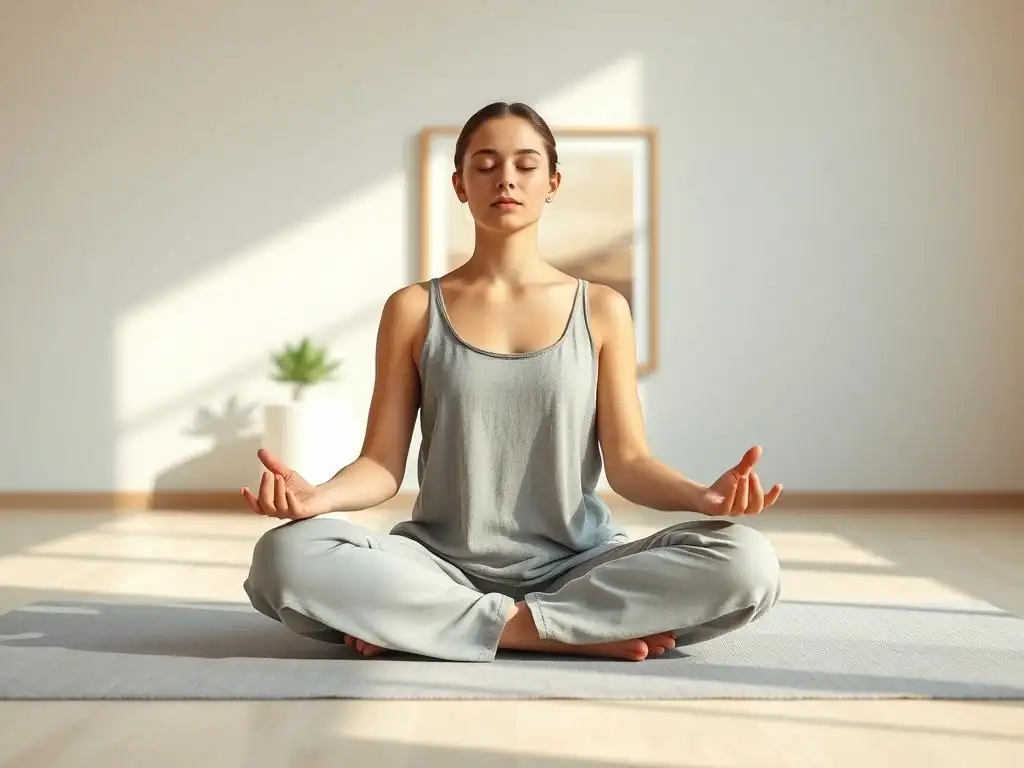
Pranayama, the practice of conscious breath control, is a cornerstone of yoga and perhaps the most potent tool for immediate anxiety relief. By regulating the breath, we can directly influence the nervous system and calm the mind.
Diaphragmatic Breathing (Belly Breathing)
Diaphragmatic breathing, or belly breathing, is a simple yet incredibly effective technique for reducing stress and anxiety. It involves breathing deeply into the abdomen rather than shallowly into the chest. Sit or lie down comfortably. Place one hand on your chest and the other on your belly. Inhale slowly through your nose, feeling your belly expand as your diaphragm lowers. Exhale slowly through your mouth or nose, feeling your belly contract.
Practicing belly breathing activates the parasympathetic nervous system, slowing the heart rate and promoting relaxation. When anxious, breathing often becomes rapid and shallow; consciously shifting to deep, slow abdominal breaths sends a signal of safety to the brain. Regular practice can improve lung capacity and make this calming breath pattern more natural throughout the day, offering ongoing yoga for anxiety relief.
Alternate Nostril Breathing (Nadi Shodhana)
Alternate Nostril Breathing is a balancing pranayama technique believed to calm the mind and reduce stress. Sit comfortably with a straight spine. Close your right nostril with your right thumb. Inhale slowly through your left nostril. Close your left nostril with your right ring finger, release the thumb from the right nostril, and exhale through the right nostril. Inhale through the right nostril. Close the right nostril, release the ring finger from the left, and exhale through the left nostril. This completes one round.
Nadi Shodhana is said to balance the Ida and Pingala nadis (energy channels), bringing harmony to the left and right hemispheres of the brain. Many people find it deeply soothing and effective for quieting mental chatter and reducing feelings of overwhelm. A small study published in the International Journal of Yoga in 2013 found that practicing Nadi Shodhana significantly reduced perceived stress levels in participants.
Ujjayi Breath (Victorious Breath)
Ujjayi Breath, also known as Ocean Breath, is a slightly audible breath technique often used during yoga postures. It involves constricting the back of the throat slightly as you inhale and exhale, creating a soft, oceanic sound. Inhale and exhale through your nose, maintaining the gentle constriction.
This breath helps to regulate the flow of breath, build internal heat, and enhance focus. The audible nature of the breath serves as an anchor for the mind, drawing attention away from distractions and into the present moment. The rhythmic sound can be very calming and meditative, helping to soothe the nervous system and provide a steadying presence during yoga practice, contributing to yoga for anxiety relief.
Integrating Yoga into Daily Life for Mental Health
Making yoga a consistent part of your routine is key to harnessing its full potential for managing anxiety. It's not about performing complex poses, but about finding moments for mindful movement and breath.
Establishing a Consistent Yoga Practice
Consistency is more impactful than intensity when using yoga for anxiety relief. Aim for even short, regular sessions rather than infrequent long ones. Start with 10-15 minutes a few times a week, perhaps incorporating a few simple poses and some focused breathing. Choose a time of day that works best for you, whether it's a gentle morning stretch, a midday break, or a calming evening routine.
Creating a dedicated space for practice, even if it's just a corner of a room, can help make it a ritual. Track your practice using a journal or app to see your progress and stay motivated. Remember that some days will be easier than others; the goal is progress, not perfection. A 2015 review in Frontiers in Psychiatry highlighted that frequency of practice correlated with greater reductions in anxiety symptoms.
Mindfulness and Meditation in Yoga
Yoga is inherently a mindful practice, encouraging presence and awareness of the body, breath, and mind. Many yoga classes include dedicated meditation time, either at the beginning or end. Meditation, even for a few minutes, can significantly reduce rumination and anxious thoughts.
During your yoga practice, bring a mindful awareness to each movement and breath. Notice the sensations in your body without judgment. If your mind wanders (which it will), gently guide your attention back to your breath or the physical sensations. Off the mat, you can apply this same mindful awareness to daily activities, bringing a sense of calm and presence that helps manage anxiety. Research from Johns Hopkins University suggests that meditation can improve symptoms of anxiety disorders.
Combining Yoga with Complementary Therapies
Yoga can be a powerful standalone practice, but its benefits for anxiety relief can be enhanced when combined with other complementary therapies. This might include talking therapy, such as Cognitive Behavioral Therapy (CBT) or Exposure Therapy, which address the psychological roots of anxiety.
Other beneficial practices could include acupuncture, massage therapy, or spending time in nature. For example, someone managing generalized anxiety might attend weekly therapy sessions and incorporate daily yoga and meditation. This multi-faceted approach addresses the issue from various angles—physical, mental, and emotional—providing a more robust support system. Consulting with healthcare providers to create a holistic plan is recommended.
Yoga Styles for Anxiety and Stress
Different styles of yoga offer varying approaches and intensities. Choosing a style that resonates with your needs and comfort level is important when seeking yoga for anxiety relief.
Hatha Yoga
Hatha yoga is a general term referring to any yoga that teaches physical postures. Typically, a Hatha class involves holding poses for several breaths, focusing on alignment and basic postures. The pace is usually slower than Vinyasa flow.
This slower pace and emphasis on holding poses make Hatha yoga excellent for beginners and those seeking a gentle entry into yoga. The focus on foundational postures and breath provides a solid base for developing body awareness and calming the mind without the intensity of faster-paced styles. It allows ample time to settle into poses and connect with the breath, aiding in stress reduction.
Restorative Yoga
Restorative yoga is specifically designed for deep relaxation and healing. It uses props like bolsters, blankets, and blocks to support the body in gentle poses, allowing for passive stretching and complete surrender. Poses are typically held for extended periods, often 5-20 minutes.
This style is profoundly calming for the nervous system. By fully supporting the body, restorative yoga helps to release deep-seated tension and activate the parasympathetic nervous system. It's particularly beneficial for individuals experiencing high levels of stress, fatigue, or chronic anxiety, offering a safe space to simply be and relax. The focus is entirely on comfort and ease, promoting deep rest.
Yin Yoga
Yin yoga is a slower-paced style where poses are held for longer periods (typically 3-5 minutes or more), targeting the deep connective tissues (fascia, ligaments, joints) rather than the muscles. Poses are often seated or lying down and involve a degree of gentle stress on the connective tissues.
Holding poses for an extended time in Yin yoga can be a meditative practice, encouraging stillness and patience. It teaches you to sit with discomfort, both physical and emotional, in a safe environment. This process can help individuals become more comfortable with uncomfortable sensations, a valuable skill when managing anxiety. The deep stretching can also release physical tension stored in the body.
Addressing Common Misconceptions About Yoga and Anxiety
Despite its growing popularity, some myths about yoga can prevent people from trying it, especially those seeking yoga for anxiety relief.
Myth: Yoga Requires Extreme Flexibility.
This is a common misconception. Many people believe they are not "flexible enough" for yoga. However, flexibility is a result of yoga practice, not a prerequisite. Yoga meets you where you are.
Reality: Yoga is Adaptable for All Levels.
Yoga is highly adaptable. Poses can be modified using props like blocks, straps, and blankets to accommodate different body types, flexibility levels, and physical limitations. A good instructor can offer variations for almost every pose. The focus in yoga is on breath, mindfulness, and finding what feels right in your own body, not on achieving a perfect or extreme shape. Beginners are encouraged to start gently and explore what their body needs.
Myth: Yoga Offers Instant Anxiety Relief.
While a single yoga session can provide immediate feelings of calm and stress reduction, it's not a magic bullet that instantly eliminates anxiety forever.
Reality: Yoga Requires Consistent Effort for Lasting Benefits.
The profound and lasting benefits of yoga for anxiety relief come with consistent practice over time. Like any skill or therapy, it requires dedication. Regular engagement with the physical practice, breathwork, and mindfulness builds resilience, helps regulate the nervous system, and fosters new coping mechanisms. Think of it as building a muscle for mental well-being – it strengthens with regular use. Many studies showing significant reductions in anxiety symptoms involve participants practicing yoga regularly over several weeks or months.
Resources for Exploring Yoga and Mental Health
Finding the right resources can support your journey in using yoga for anxiety relief. While specific links are prohibited, here are types of resources you can explore.
Online Yoga Platforms
Numerous online platforms offer a wide variety of yoga classes, from beginner to advanced, and often include classes specifically focused on stress reduction, anxiety, or relaxation. These platforms provide flexibility to practice anytime, anywhere. Many offer guided meditations and pranayama practices as well. Look for platforms with experienced instructors and a diverse range of styles to find what suits you.
Yoga Retreats
Yoga retreats offer an immersive experience, allowing for deeper exploration of yoga, meditation, and mindfulness away from daily distractions. Retreats focused on mental wellness often incorporate workshops and other therapeutic activities alongside yoga practice. While an investment, they can provide a significant reset and deepen understanding of how yoga supports mental health.
Books and Articles
Many books and articles delve into the connection between yoga and mental health, offering insights into specific techniques, philosophies, and scientific research. Look for resources written by qualified yoga therapists, mental health professionals, or researchers in the field. These can provide guidance on integrating yoga into your life and understanding its therapeutic potential.
Conclusion: Yoga as a Tool for Mental Wellness
Yoga is far more than just a physical exercise; it is a powerful, holistic tool for fostering mental wellness and specifically for finding yoga for anxiety relief. By integrating physical postures, breath control, and mindfulness, yoga offers practical techniques to calm the nervous system, reduce stress hormones, and quiet the anxious mind. From beginner-friendly poses that ground and soothe to breathwork that regulates the body's response to stress, the practice provides a comprehensive approach.
Consistency is key to unlocking yoga's lasting benefits, building resilience and offering a sustainable pathway to managing anxiety symptoms. Whether practiced in a studio, at home with online resources, or integrated into daily moments, yoga empowers individuals to connect with their inner resources for calm and stability. Embracing yoga can be a transformative step on the journey towards improved mental health and overall well-being.
Frequently Asked Questions
What specific types of yoga are most effective for anxiety relief?
Certain styles, like Hatha yoga and Restorative yoga, which emphasize slow movements and deep breathing, are particularly beneficial. These practices help to calm the nervous system and reduce feelings of anxiety.
How does yoga help to reduce anxiety symptoms?
Yoga combines physical postures (asanas), controlled breathing (pranayama), and meditation to promote relaxation and reduce stress hormones. This holistic approach helps regulate the body's response to anxiety.
How often should I practice yoga to experience anxiety relief?
Consistency is key. Aim for at least 3 times a week, with sessions lasting between 30-60 minutes. Even short, regular practices can significantly impact anxiety levels.
Are there any precautions I should take before starting yoga for anxiety?
It's always a good idea to consult with your doctor, especially if you have any underlying health conditions. Also, listen to your body and modify poses as needed to avoid injury.
Where can I find resources or classes specifically focused on yoga for anxiety relief?
Mind Care Guide offers a wealth of information and resources. You can also search for local yoga studios or online classes specializing in yoga for anxiety and mental well-being.
Final Reflection: Finding Inner Peace Through the Yoga Practice
The pervasive anxiety of modern life demands effective coping mechanisms, and the ancient practice of yoga offers a powerful, accessible antidote. Its ability to calm the nervous system, improve focus, and cultivate self-awareness is not just a trendy wellness practice; it's a vital tool for navigating the stresses of the 21st century. The techniques explored in this article—from mindful breathing exercises to restorative poses—provide a tangible pathway to managing anxiety and fostering a sense of inner peace.
The impact of yoga on our collective well-being is undeniable. It's moved beyond the confines of studios and gyms, becoming integrated into healthcare systems, workplaces, and even schools. Its accessibility and adaptability make it a powerful tool for diverse populations. As B.K.S. Iyengar famously said, Yoga is a light, which once lit, will never dim. The better you practice, the brighter the flame.
This quote perfectly encapsulates the transformative power of consistent yoga practice, not just for anxiety relief, but for overall mental and physical health.
You now possess the knowledge and tools to begin your own journey toward a calmer, more centered self. Don't just read about the benefits of yoga for anxiety relief—experience them. Start with a simple breathing exercise today, explore a gentle yoga flow, and allow yourself the time and space to connect with your inner peace. The journey may have its challenges, but the rewards of a calmer mind and a stronger spirit are immeasurable. Embrace the practice, and watch as your inner light shines brighter.
Unleash Your Inner Calm: Start Your Yoga Journey Today!
Thanks for taking the time to explore the world of yoga for mind care! We hope you found valuable insights into its power to cultivate inner peace and well-being. Ready to put these techniques into practice?
- Begin your personalized yoga practice: Start with a simple 10-minute routine focusing on breathing and gentle stretches. You'll find countless free resources online to guide you.
- Share your experience: Tell us about your first yoga session! What surprised you the most? We'd love to hear from you in the comments below.
- Explore different yoga styles: Experiment with different styles like Hatha, Vinyasa, or Restorative yoga to find what resonates with your body and mind.
What simple step will you take today to integrate mindful movement into your daily life?