
Addressing Trauma Through Spiritual Practices and Community Support

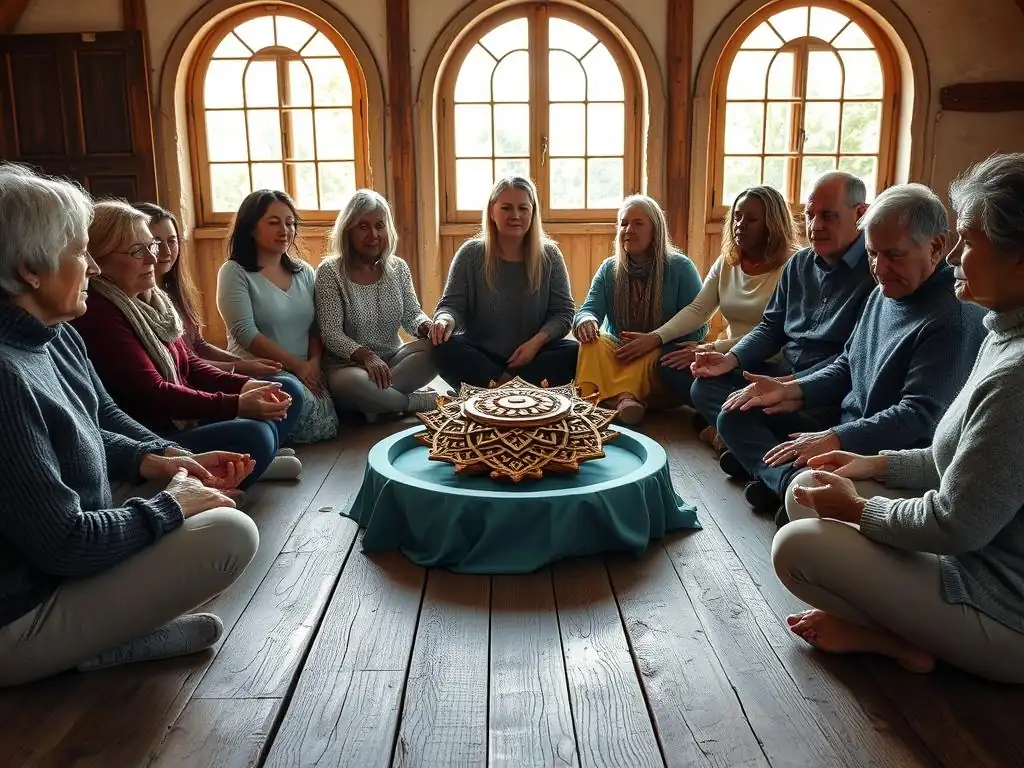
Welcome to Mind Care Guide, a safe space to nurture your mental well-being.
Are you carrying the weight of spiritual trauma? We understand the unique challenges this journey presents. This article, " Addressing Trauma Through Spiritual Practices and Community Support," delves into the power of finding solace and healing through spiritual practices and the invaluable support of a nurturing community. Discover how these connections can help you reclaim your inner peace and find a path towards lasting healing. Let's explore this path together...
- Healing from Religious Trauma: Finding Strength in New Beliefs and Community
- Understanding Religious Trauma and Its Impact
- The Role of New Beliefs in Trauma Recovery
- Building a Supportive Community
- Integrating New Beliefs with Traditional Therapy
- Practical Steps for Healing from Religious Trauma
- Resources for Healing from Religious Trauma and Community Support
- Conclusion: Embracing New Beliefs and Community on the Journey to Healing
-
Frequently Asked Questions
- How can spiritual practices help in healing trauma?
- What role does community support play in addressing spiritual trauma?
- What is "spiritual trauma" and how is it different from other types of trauma?
- Where can I find resources and support within a "Spiritual trauma healing community support" context?
- How do I know if I'm experiencing spiritual trauma and need to seek help?
- Final Reflection: Weaving a Tapestry of Healing
- Unleash Your Inner Resilience: Take the Next Step
Healing from Religious Trauma: Finding Strength in New Beliefs and Community
Self-Care Guide: Integrating Newfound Values and Mental Well-being
Navigating the aftermath of religious trauma often involves a profound journey of self-discovery and the challenging process of integrating new values into one's life. This integration is not merely intellectual; it requires consistent self-care practices that support both mental and emotional well-being. Individuals may find themselves questioning long-held beliefs and facing significant internal conflict, which can manifest as anxiety, guilt, or a sense of disorientation. Developing a self-care guide centered around newly adopted or rediscovered personal values provides a crucial framework for navigating this transition, helping to anchor identity outside of the previous religious structure.
Effective self-care during this period involves actively engaging with activities that affirm these new values. For someone prioritizing authenticity, this might mean spending time with people where they feel they can be genuinely themselves, or pursuing creative outlets without fear of judgment. If a new value is compassion, self-care could involve acts of kindness towards others or practicing self-compassion through journaling or gentle movement. This deliberate practice helps to solidify the new value system, gradually reducing the internal dissonance caused by the trauma and fostering a sense of internal safety and coherence.
Understanding Religious Trauma and Its Impact
Defining Religious Trauma: Beyond Dogma
Religious trauma extends beyond mere disagreement with religious doctrine or experiencing doubt. It is a complex form of trauma resulting from events, structures, or experiences within a religious context that are harmful, abusive, or cause significant psychological distress. This can include emotional, spiritual, physical, or sexual abuse perpetrated by religious figures or within religious settings. It also encompasses the harm caused by oppressive or rigid doctrines, exclusionary practices, or the pressure to conform to harmful norms, leading to a violation of a person's sense of self, safety, or autonomy.
Understanding religious trauma requires recognizing that the harm is often interwoven with deeply held beliefs and community structures, making it particularly insidious. Unlike other forms of trauma, it can damage a person's spiritual identity and sense of belonging, which were often presented as sources of comfort or salvation. The trauma is not just the event itself, but the betrayal of trust by figures or institutions perceived as sacred, and the internalization of shame or guilt derived from religious teachings, which can profoundly impact a person's worldview and ability to trust others, including those seeking Spiritual trauma healing community support.
The Psychological Effects of Religious Trauma
The psychological impact of religious trauma can be extensive and varied, often mirroring symptoms of complex trauma or C-PTSD due to its prolonged or repeated nature. Common effects include anxiety disorders, depression, panic attacks, and difficulty with emotional regulation. Survivors may struggle with issues of trust, particularly in authority figures or groups, and may develop a pervasive sense of guilt or shame related to past religious teachings about sin or perceived failures.
Furthermore, religious trauma can lead to significant identity confusion, as an individual's sense of self was often deeply intertwined with their religious identity. This can result in a feeling of being lost or fragmented after leaving a harmful religious environment. Survivors may also experience difficulties in relationships, challenges with intimacy, and even physical symptoms like chronic pain or fatigue. Studies and clinical observations consistently show that individuals healing from spiritual trauma often require specialized support to address these deep-seated psychological wounds.
Spiritual Trauma: Wounds to the Soul
Spiritual trauma specifically refers to the damage inflicted upon an individual's core spiritual beliefs, practices, and connection to the sacred or transcendent. This can occur when religious experiences or institutions violate a person's spiritual integrity, leading to feelings of betrayal, disillusionment, or a loss of faith in previously held spiritual truths. It's a wound that strikes at the heart of one's meaning-making system and sense of purpose.
The effects of spiritual trauma can include a profound sense of isolation from the divine or spiritual realm, a feeling of being unforgivable or inherently flawed based on past religious condemnation, and a deep skepticism or inability to trust any form of spirituality or organized religion. This can leave survivors feeling spiritually adrift, struggling to find comfort or meaning outside of the framework that caused them harm.
Healing from spiritual trauma often involves a careful process of discerning which spiritual aspects were harmful and which, if any, might be reclaimed or redefined, potentially within the context of Spiritual trauma healing community support.
The Role of New Beliefs in Trauma Recovery
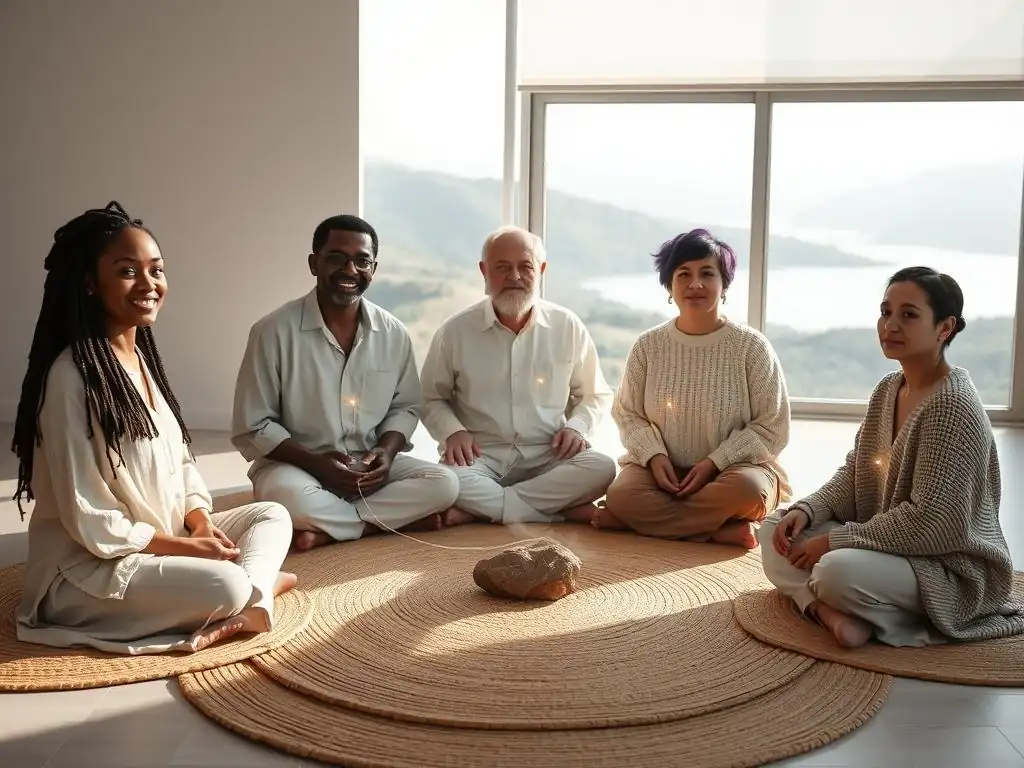
Connecting with Personal Values for Healing
Rebuilding life after religious trauma often involves identifying and connecting with personal values independent of religious doctrine. This process is crucial for establishing a new, authentic foundation for identity and meaning. Instead of values dictated by external authority, survivors begin to explore what truly matters to them on a personal level, such as compassion, justice, creativity, integrity, or connection.
Engaging with personal values helps survivors reclaim agency and self-determination. It shifts the focus from external rules and judgments to internal guidance and intrinsic motivations. For example, someone who was taught that their worth depended on adherence to strict rules might discover a deep personal value in self-acceptance and begin to cultivate practices that affirm their inherent worth, regardless of external validation. This internal shift is a powerful catalyst in the healing process, providing a stable anchor amidst the potential chaos left by trauma.
Practices for Emotional Regulation
Trauma, including religious trauma, often disrupts the nervous system, making emotional regulation challenging. Survivors may experience intense mood swings, difficulty managing stress, or feeling overwhelmed by emotions. Integrating practices aimed at emotional regulation is therefore a vital component of recovery, helping individuals regain a sense of control and stability in their internal landscape.
These practices can range from simple breathing exercises to more structured therapeutic techniques. The goal is to increase distress tolerance and develop healthy coping mechanisms for difficult feelings that inevitably arise during the healing journey. Learning to observe emotions without judgment, understanding triggers, and developing strategies to soothe oneself are fundamental skills built through consistent practice.
Meditation and Self-Reflection for Trauma Survivors
Meditation and self-reflection offer powerful tools for trauma survivors seeking to regulate emotions and process difficult experiences. Gentle forms of meditation, such as guided imagery or body scans, can help survivors reconnect with their bodies in a safe way, which is often challenging after trauma that involved physical or spiritual violation. Self-reflection, often through journaling or quiet contemplation, provides a space to explore thoughts and feelings without external pressure or judgment.
These practices cultivate present moment awareness, helping survivors avoid getting trapped in ruminations about the past or anxieties about the future. By fostering a non-reactive stance towards internal experiences, meditation and self-reflection build resilience and capacity to tolerate difficult emotions, making them essential components of Spiritual trauma healing community support practices.
Mindfulness and Present Moment Awareness
Mindfulness is the practice of paying attention to the present moment without judgment. For survivors of religious trauma, who may have lived under constant fear of judgment or future punishment, cultivating present moment awareness can be incredibly liberating. It helps ground individuals in the here and now, reducing the power of intrusive thoughts or flashbacks related to past traumatic experiences.
Practicing mindfulness can involve simple activities like focusing on the sensations of breathing, mindfully eating, or paying attention to the sounds and sights of one's environment. This consistent practice trains the brain to stay present, reducing the likelihood of being overwhelmed by past trauma responses and increasing capacity for emotional regulation and a sense of safety.
Rituals and Ceremonies for Letting Go of Old Beliefs
Creating new rituals and ceremonies can be a profound way for survivors to process and symbolically release the pain and constraints of old, harmful religious beliefs. These acts provide a tangible way to mark a transition, honor the pain experienced, and consciously step into a new phase of life. Unlike rigid religious ceremonies, these personal rituals are self-created and hold the meaning that the individual assigns to them.
Examples might include writing down harmful beliefs and safely burning the paper, holding a personal ceremony to mourn the loss of a past community, or creating a symbolic object representing freedom and new beginnings. These rituals, especially when shared within a supportive community, can be incredibly validating and empowering, facilitating a conscious letting go that verbal processing alone might not achieve.
The Power of Self-Forgiveness in Trauma Healing
Self-forgiveness is a critical, albeit often challenging, aspect of healing from religious trauma. Many survivors internalize shame and guilt based on religious teachings that condemned aspects of their identity or behavior. They may blame themselves for not recognizing the harm sooner, for staying in a harmful environment, or for perceived failures against impossible religious standards.
Cultivating self-forgiveness involves recognizing that the responsibility for the trauma lies with the perpetrators or the harmful system, not the survivor. It is a process of extending compassion and understanding to oneself, acknowledging the pain endured, and releasing the burden of internalized blame. This process is not about excusing the harmful actions of others but about freeing oneself from the self-inflicted suffering that can prolong healing. It is a vital step towards reclaiming self-worth and moving forward.
Building a Supportive Community
Social support is widely recognized as a vital protective factor and resource for individuals healing from trauma. For survivors of religious trauma, who may have been isolated from or ostracized by their former community, finding new, healthy connections is paramount. Trauma thrives in isolation, while connection fosters resilience and provides a sense of safety and belonging.
A supportive community offers validation, empathy, and shared understanding, reducing feelings of shame and loneliness. Knowing that others have similar experiences can normalize feelings and provide hope. Research indicates that strong social support networks can significantly improve mental health outcomes for trauma survivors, reducing symptoms of PTSD, anxiety, and depression. This highlights the indispensable role of Spiritual trauma healing community support.
Finding a Supportive Community
Finding a truly supportive community after leaving a harmful religious environment can be challenging, as trust may have been deeply broken. This process requires patience, discernment, and often, courage. Supportive communities can take many forms, including secular trauma support groups, online forums specifically for religious trauma survivors, affirming spiritual or philosophical groups, or simply building strong, healthy friendships with individuals who are empathetic and respectful of your journey.
It is important to seek out communities that prioritize safety, respect, and individual autonomy, rather than conformity or dogma. Testing the waters, attending a few meetings, or engaging in online discussions before committing can help determine if a group feels genuinely safe and aligned with your needs for healing and growth. The search for effective Spiritual trauma healing community support is a personal journey that may involve exploring various avenues.
Creating Safe Spaces for Sharing and Healing
Creating and participating in safe spaces is fundamental for survivors to share their experiences and process trauma. A safe space is an environment where individuals feel protected from judgment, criticism, or re-traumatization, and where their experiences are validated and believed. These spaces are built on principles of confidentiality, respect, and empathy, allowing vulnerability without fear of negative repercussions.
Within these safe spaces, survivors can articulate their pain, grief, anger, and confusion, which is a crucial part of the healing process. Sharing one's story in a supportive environment can lessen the burden of carrying it alone and foster a sense of solidarity. These spaces are not about providing answers or fixing problems, but about bearing witness to suffering and affirming the survivor's reality.
Support Groups and Peer Counseling
Support groups and peer counseling models are particularly effective forms of Spiritual trauma healing community support. In these settings, individuals who have undergone similar experiences connect with one another, offering mutual support, understanding, and hope. Peer counselors, often individuals further along in their own recovery journey, can provide guidance and inspiration based on their lived experience.
These groups operate on the principle of shared experience, creating an immediate sense of connection and reducing the feeling of being alone in one's struggle. Participants can learn coping strategies from each other, share resources, and practice building healthy relational dynamics in a low-stakes environment. The collective wisdom and empathy within these groups provide a powerful antidote to the isolation and invalidation often experienced in harmful religious settings.
Trauma-Informed Community Leadership
For communities aiming to support survivors of religious trauma, adopting a trauma-informed approach is essential. This means understanding the prevalence and impact of trauma, recognizing the signs and symptoms in individuals, and integrating this knowledge into practices, policies, and procedures. Trauma-informed leadership prioritizes physical, psychological, and emotional safety for both participants and facilitators.
Leaders in trauma-informed communities are aware of potential triggers and actively work to avoid re-traumatizing individuals. They emphasize transparency, trustworthiness, peer support, collaboration, empowerment, and cultural, historical, and gender considerations. By creating an environment that is sensitive to the unique needs of trauma survivors, these communities can facilitate deeper healing and prevent further harm.
The Role of Mentors and Advocates in Trauma Recovery
Mentors and advocates play a crucial role in the recovery journey of trauma survivors. Mentors, often individuals who have successfully navigated their own healing from similar trauma, can offer guidance, practical advice, and inspiration. They serve as living proof that healing is possible and can share insights gained from their own experience, helping to illuminate the path forward.
Advocates, whether individuals or organizations, work to support survivors by validating their experiences, challenging harmful systems or narratives, and connecting survivors with necessary resources, including legal or therapeutic support if needed. They can help survivors navigate complex systems, understand their rights, and find their voice. Both mentors and advocates contribute significantly to the sense of being supported and empowered, which is vital for healing.
Integrating New Beliefs with Traditional Therapy
Combining Values-Based Approaches with Professional Mental Health Care
For many survivors, healing from religious trauma requires a multi-faceted approach that combines personal exploration of new beliefs and values with professional mental health care. Traditional therapies like Trauma-Focused Cognitive Behavioral Therapy (TF-CBT), Eye Movement Desensitization and Reprocessing (EMDR), or Internal Family Systems (IFS) can provide structured methods for processing traumatic memories and developing coping skills. Integrating these with a values-based approach ensures that healing is not just about alleviating symptoms but also about building a meaningful life aligned with one's authentic self.
A therapist can help a survivor identify core values that may have been suppressed or distorted by religious trauma and work to integrate these values into their therapeutic goals. For example, if a survivor identifies autonomy as a key value, therapy might focus on building decision-making skills and setting healthy boundaries, directly counteracting past experiences of control or coercion. This combined approach leverages the expertise of professional care while centering the survivor's personal growth and value system.
When to Seek Professional Help for Trauma
Deciding when to seek professional help is a significant step for trauma survivors. While self-care and community support are invaluable, certain symptoms or levels of distress indicate the need for expert intervention. Persistent symptoms such as severe anxiety, depression, intrusive thoughts, flashbacks, difficulty functioning in daily life, or suicidal ideation are clear indicators that professional support is necessary.
Furthermore, if a survivor finds themselves unable to process traumatic memories effectively, feeling stuck in their healing journey, or experiencing significant relationship difficulties stemming from the trauma, a therapist can provide specialized techniques and support. Seeking help is a sign of strength and commitment to healing, not a failure to cope. Many find that professional guidance is essential to navigating the complex layers of religious trauma.
Finding Trauma-Informed Therapists
Finding a therapist who is trauma-informed and ideally has some understanding of religious trauma can significantly enhance the healing process. A trauma-informed therapist understands how trauma impacts the brain and body and utilizes approaches that prioritize safety, stabilization, and the survivor's agency. They are skilled in creating a therapeutic environment where the survivor feels safe enough to explore difficult experiences without fear of judgment or re-traumatization.
When searching for a therapist, asking about their experience with trauma, specific therapeutic modalities they use (like EMDR or Internal Family Systems), and their understanding of religious or spiritual abuse can be helpful. Some therapists specialize in religious trauma or complex trauma, offering a deeper level of understanding of the unique challenges survivors face. Resources like online directories or advocacy organizations focused on religious trauma can sometimes help locate such specialists, contributing to effective Spiritual trauma healing community support.
Practical Steps for Healing from Religious Trauma

Self-Care Strategies Rooted in Personal Values
Implementing self-care strategies that are authentically rooted in one's personal values provides a sustainable foundation for healing. This moves beyond generic self-care advice to practices that genuinely nourish the individual based on what they hold dear. If a survivor values peace, their self-care might involve spending quiet time in nature; if they value connection, it might involve intentionally scheduling time with trusted friends.
These value-aligned practices serve as powerful affirmations of the new self being built outside the confines of religious trauma. They reinforce the idea that the survivor's own needs and desires are valid and worthy of attention. Consistent engagement with such practices helps rebuild a sense of self-worth and resilience.
Journaling for Processing Emotions
Journaling is a highly accessible and effective self-care strategy for processing the complex emotions associated with religious trauma. It provides a private, non-judgmental space to explore thoughts, feelings, and memories that may be difficult to articulate verbally. Writing can help survivors identify patterns, understand triggers, and gain perspective on their experiences.
For instance, a survivor might journal about specific traumatic events, explore feelings of anger or grief towards past religious authorities, or articulate their newly forming beliefs and values. The act of writing can help externalize difficult emotions, making them feel less overwhelming and providing a sense of release. Regular journaling can be a cornerstone practice in Spiritual trauma healing community support efforts.
Spending Time in Nature for Grounding
Spending time in nature can be a deeply healing practice for trauma survivors. Nature provides a sense of grounding, stability, and connection to something larger than oneself, which can be particularly soothing for those whose sense of connection was damaged by spiritual trauma. The natural world offers beauty, peace, and a reminder of cycles of growth and renewal.
Activities like walking in a park, hiking, gardening, or simply sitting by a body of water can help regulate the nervous system, reduce anxiety, and promote a sense of calm. Nature offers a sanctuary away from potential triggers and provides a gentle, non-demanding environment for self-reflection and emotional processing.
Creative Expression for Trauma Release
Engaging in creative expression offers a powerful avenue for releasing trapped emotions and processing trauma non-verbally. Trauma can be difficult to put into words, and creative outlets like painting, drawing, sculpting, music, dance, or creative writing provide alternative ways to express internal states and experiences.
Through creative activities, survivors can externalize feelings of pain, anger, confusion, or grief in a symbolic form. This process can be cathartic and provide new insights into their experiences. Creative expression allows for experimentation and playfulness, helping survivors reconnect with aspects of themselves that may have been suppressed and fostering a sense of freedom and self-expression.
Developing Resilience Through Values-Based Practices
Developing resilience after religious trauma involves cultivating the capacity to bounce back from adversity and navigate future challenges effectively. Values-based practices are instrumental in building this resilience because they provide an internal compass and a source of motivation that transcends external circumstances. When faced with difficulty, anchoring oneself in core values provides strength and direction.
For example, if a survivor values perseverance, they might draw on this value to continue engaging in healing practices even when faced with setbacks. If they value connection, they will be motivated to seek out and maintain supportive relationships, a key component of Spiritual trauma healing community support. Consistently acting in alignment with one's values builds a strong internal framework, increasing confidence and the ability to face future challenges with greater strength.
Cultivating Hope and Meaning After Trauma
A significant challenge after religious trauma is the potential loss of hope and meaning, especially if the former religious framework provided the primary source of these. Cultivating new sources of hope and meaning is crucial for moving forward. This often involves exploring philosophical ideas, engaging in activities that align with personal values, and finding purpose in contributing to something larger than oneself.
For some, this might involve redefining spirituality on their own terms. For others, it might mean dedicating time to social causes aligned with their values, pursuing creative passions, or nurturing deep connections with loved ones. Finding new wellsprings of hope and meaning helps survivors build a life that is not just free from the past but is also rich, fulfilling, and authentically their own.
Resources for Healing from Religious Trauma and Community Support
Books, Articles, and Websites on Religious Trauma and Recovery
Access to information is a key resource for survivors seeking to understand their experiences and find pathways to healing. Numerous books, articles, and websites now address the specific dynamics of religious trauma and offer guidance on recovery. These resources can provide validation, education on psychological effects, and practical strategies for navigating the healing process.
Looking for resources written by therapists, researchers, or survivors who have publicly shared their journeys can be particularly helpful. Topics covered often include understanding coercive control, identifying harmful theology, navigating family relationships after leaving a faith, and rebuilding spiritual or secular identity. These resources contribute valuable knowledge to the broader effort of providing Spiritual trauma healing community support.
Organizations Offering Trauma Support
Several organizations exist that provide support for individuals healing from religious trauma or those who have left high-control religious environments. These organizations may offer online forums, educational materials, workshops, or connect individuals with support networks. While not always focused explicitly on "spiritual" trauma, their focus on the impact of harmful religious systems is highly relevant.
Examples might include organizations dedicated to supporting survivors of specific religious groups known for high control or abuse, or broader mental health organizations that recognize the unique challenges of religious trauma. Seeking out organizations with a clear mission and positive testimonials can be a good starting point for finding structured support.
Local Community Resources and Support Groups
Beyond national organizations, local community resources and support groups can provide invaluable face-to-face Spiritual trauma healing community support. Checking local mental health directories, community centers, or online platforms like Meetup can reveal groups focused on trauma recovery, specific types of abuse, or even groups for individuals navigating faith transitions.
While not all local resources may specifically mention "religious trauma," general trauma support groups can still be beneficial, provided they are run in a trauma-informed manner. Building local connections allows for real-world interaction, shared activities, and the development of a tangible support network, which is essential for counteracting the isolation religious trauma often creates.
Conclusion: Embracing New Beliefs and Community on the Journey to Healing
The Ongoing Process of Healing from Religious Trauma
Healing from religious trauma is rarely a linear process; it is an ongoing journey that involves navigating complex emotions, redefining identity, and rebuilding trust. There may be periods of significant progress followed by setbacks, and this is a normal part of recovery. Recognizing that healing is a process, not a destination, can help survivors approach their journey with patience and self-compassion.
This ongoing process involves continuously integrating new insights, refining personal values, and adapting coping strategies as needed. It requires vigilance against potential triggers and a commitment to prioritizing one's well-being. Embracing this journey acknowledges the depth of the wounds while affirming the capacity for continued growth and resilience.
Finding Strength and Hope in Personal Values and Connection
Ultimately, finding strength and hope after religious trauma lies in cultivating an authentic sense of self, grounded in personal values, and fostering meaningful connections with others. Shifting the source of worth and guidance from external religious authority to internal wisdom and chosen relationships empowers survivors to build a life truly their own.
The journey of healing is a testament to the resilience of the human spirit. By embracing new beliefs that resonate with their core being and actively seeking out and nurturing Spiritual trauma healing community support, survivors can move from a place of pain and constraint towards a future filled with greater freedom, meaning, and genuine connection. The strength found in these personal values and supportive relationships provides the foundation for a hopeful and fulfilling life post-trauma.
Frequently Asked Questions
How can spiritual practices help in healing trauma?
Spiritual practices can offer a sense of connection, meaning, and purpose which are crucial for healing. They can provide comfort and resilience in the face of past trauma.
What role does community support play in addressing spiritual trauma?
A supportive community offers a safe space for shared experiences, validation, and mutual understanding. This reduces isolation and fosters a sense of belonging, which is vital for healing.
What is "spiritual trauma" and how is it different from other types of trauma?
Spiritual trauma involves harm or abuse related to one's spiritual beliefs, practices, or community. It differs from other traumas by specifically impacting an individual's faith, values, and sense of meaning.
Where can I find resources and support within a "Spiritual trauma healing community support" context?
Resources can be found through online forums, support groups, and mental health professionals specializing in spiritual trauma. Websites like Mind Care Guide also offer valuable information.
How do I know if I'm experiencing spiritual trauma and need to seek help?
Signs of spiritual trauma include loss of faith, spiritual confusion, distrust of religious institutions, and feelings of shame related to spiritual experiences. Seeking professional guidance is recommended if these resonate.
Final Reflection: Weaving a Tapestry of Healing
The interconnectedness of spiritual practices, community support, and trauma recovery is not merely a theoretical concept; it's a vital lifeline for countless individuals navigating the complexities of their past. The rising awareness of trauma's pervasive impact, coupled with a growing recognition of the limitations of traditional therapeutic models, highlights the urgent need for holistic approaches like those explored in this article. This isn't just about healing; it's about reclaiming agency and fostering genuine well-being.
The journey of healing from trauma is profoundly personal, yet the power of shared experience and spiritual connection cannot be overstated. It's in the quiet moments of shared meditation, the strength found in collective storytelling, and the unwavering support of a compassionate community that true transformation takes root. As the poet Mary Oliver so eloquently stated: Tell me, what is it you plan to do with your one wild and precious life?
For many grappling with trauma, the answer lies in finding solace and strength within a supportive spiritual community, allowing them to rewrite their narratives and embrace a future filled with hope and resilience.
Consider the ways in which you can cultivate your own spiritual practices and seek out supportive communities. Perhaps it's joining a meditation group, engaging in nature-based therapies, or simply connecting with like-minded individuals who understand the complexities of trauma recovery. You are not alone in this journey. Embrace the power of connection, nurture your inner strength, and allow yourself the space and time to heal. Your journey towards wholeness is a testament to your resilience, and the path forward is paved with compassion, understanding, and the unwavering support of a community that believes in your inherent worth.
Unleash Your Inner Resilience: Take the Next Step
Thanks for taking the time to explore the powerful connection between spiritual practices and healing from trauma. We hope you gained valuable insights into nurturing your inner strength and building supportive connections. Now, let's turn those insights into action!
- Prioritize one spiritual practice from the article that resonates most with you, and commit to incorporating it into your daily routine for the next week. Even 5 minutes a day can make a difference.
- Share your experience: Tell a trusted friend or family member about your journey and the positive impact you're noticing. Sharing your experience can strengthen your resolve and create deeper connections.
- Explore a local community group or online forum focused on trauma recovery or spiritual growth. Connecting with others on a similar path can provide invaluable support and understanding.
What small step will you take today to further nurture your resilience and journey towards healing?